Croatia Island Hopping: Routes, Ferries and Trip Length
Plan Croatia island hopping around ferry and catamaran routes, sensible island pairings and seasonal timetables, with honest trade-offs on crowds and time.
On this page
Croatia island hopping works best as two or three islands on one stretch of coast, connected by fast catamarans and booked leg by leg. The classic first route runs Split to Hvar to Korčula to Dubrovnik, with Brač or Šolta as an easier short hop from Split. This guide explains how car ferries differ from passenger catamarans, which islands pair sensibly, how long each one needs, how tickets and luggage work, and what the seasons do to schedules.
It is written for foot passengers, because that is the version that usually makes the best trip: fast boats, small harbours and no vehicle queues. A car changes the arithmetic, and so does the shoulder season.
What island hopping in Croatia actually involves
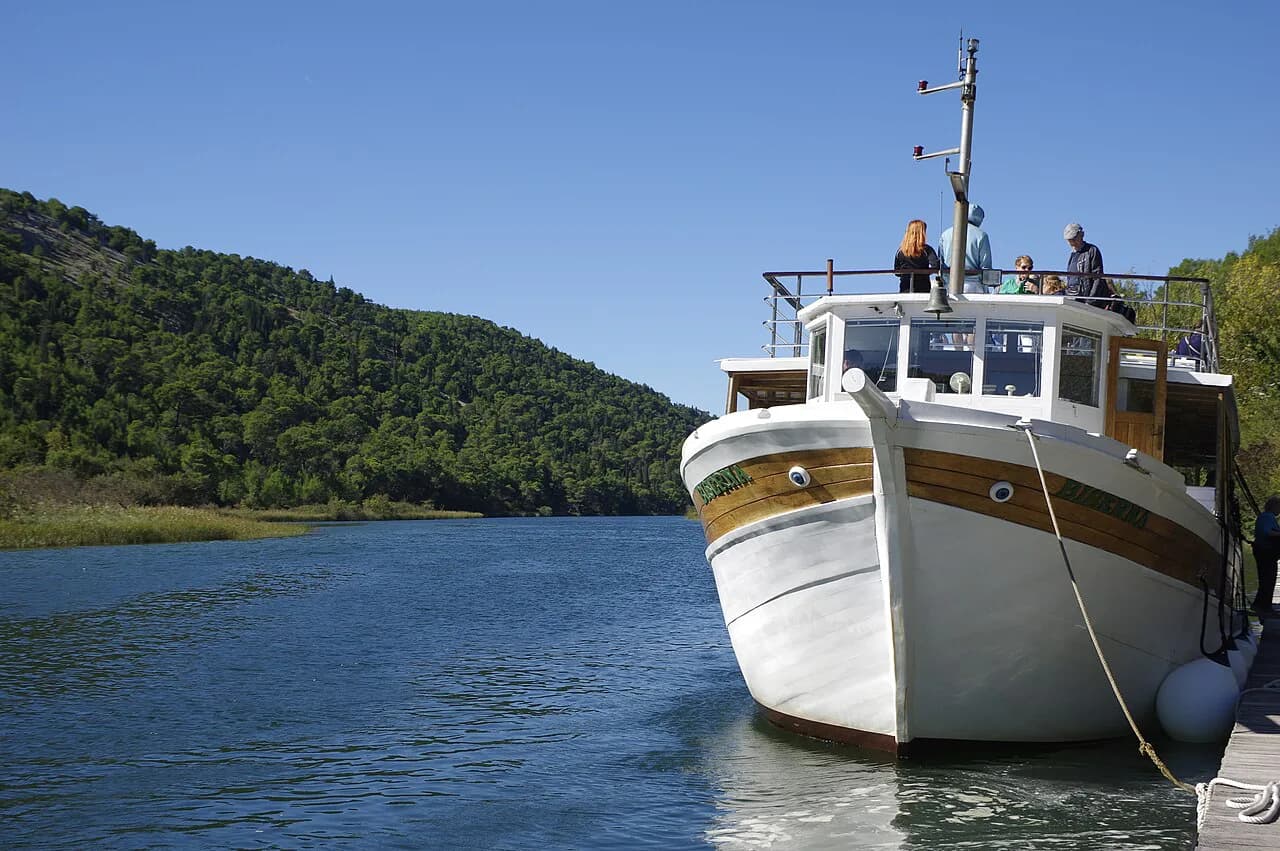
Two kinds of boat do the work. Car ferries, run mainly by Jadrolinija, take vehicles and foot passengers on shorter crossings between the mainland and nearby islands; fast catamarans, run by operators including Krilo, TP Line and Jadrolinija, carry passengers only and link island harbours with Split and Dubrovnik. Catamarans are quicker for a hopping itinerary and drop you in town, but car ferries serve routes and islands the fast boats do not.
The practical consequence is that your route is decided by which operator serves which harbour pair, not by a wish list of islands. Check each ferry company's own published line before you fix dates, because a pair that looks close on a map may only be connected by a ferry that runs infrequently or seasonally, or by routing back through Split.
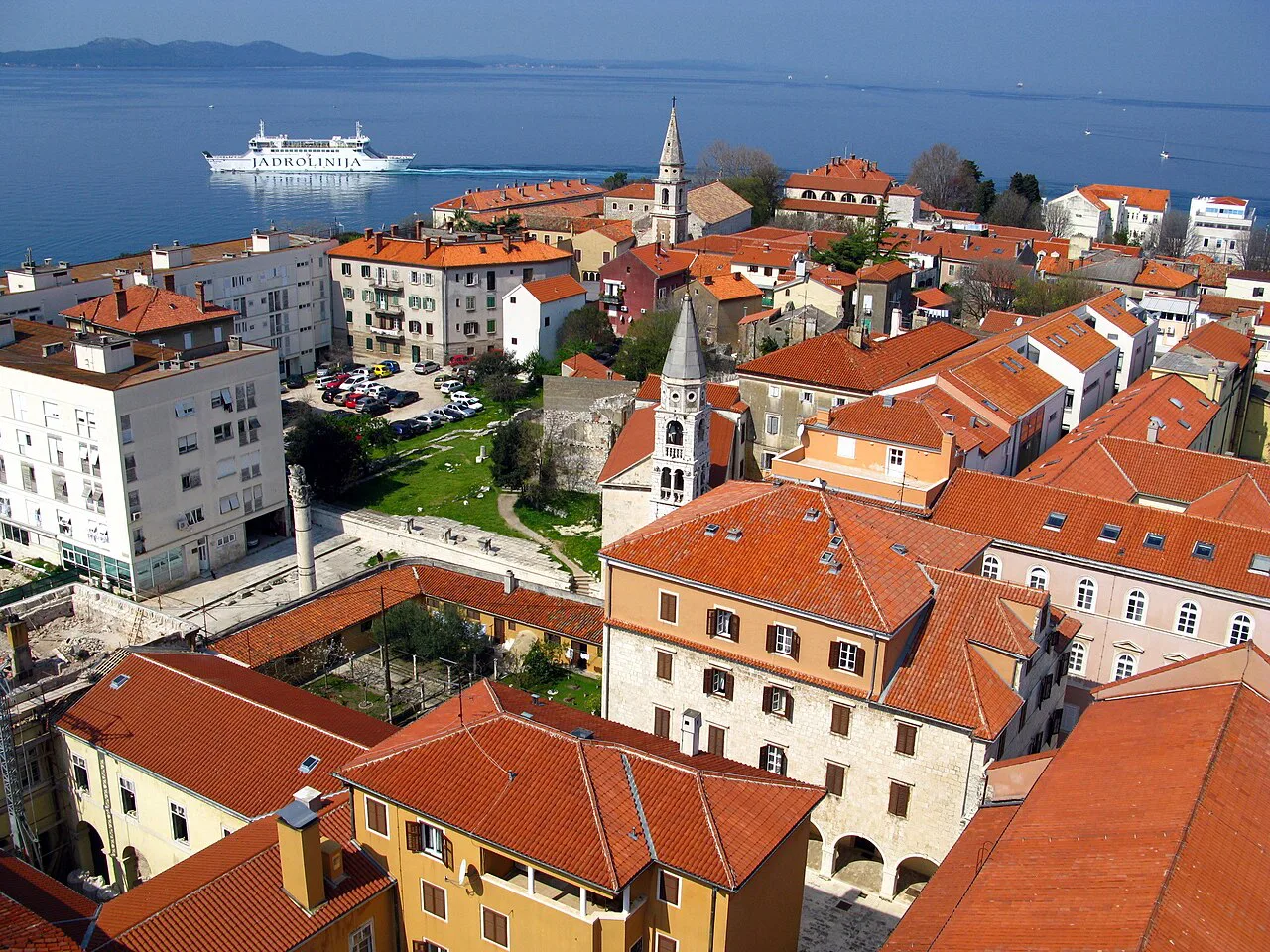
Which islands work best for a first island-hopping trip
For a first trip, Hvar and Korčula are the safest pair: both have substantial old towns, both sit on the Split–Dubrovnik corridor and both reward two nights rather than one. Brač and Šolta work as shorter hops from Split when you want an easier introduction, and Vis suits travellers who accept that the crossing is longer and sailings thinner. A wider menu of islands and their characters is set out in our guide to the Best Islands in Croatia.
Pick by how much time you have, not by how many names you can fit in. Three islands in a week means one full day lost to moving between each pair; two islands in the same week leaves room for a town, a walk and a swim without rushing the harbour.
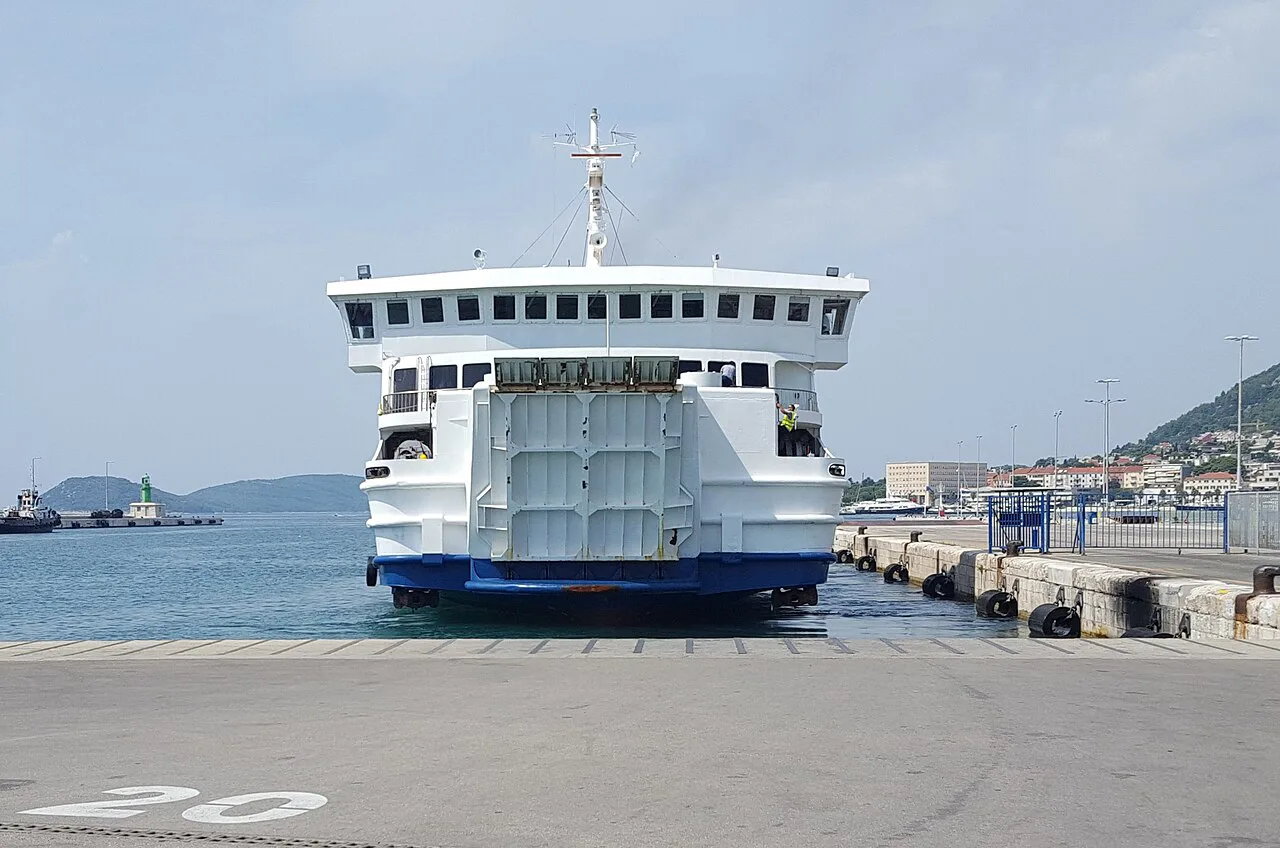
How to pair islands: the Split–Hvar–Korčula–Dubrovnik line and its alternatives
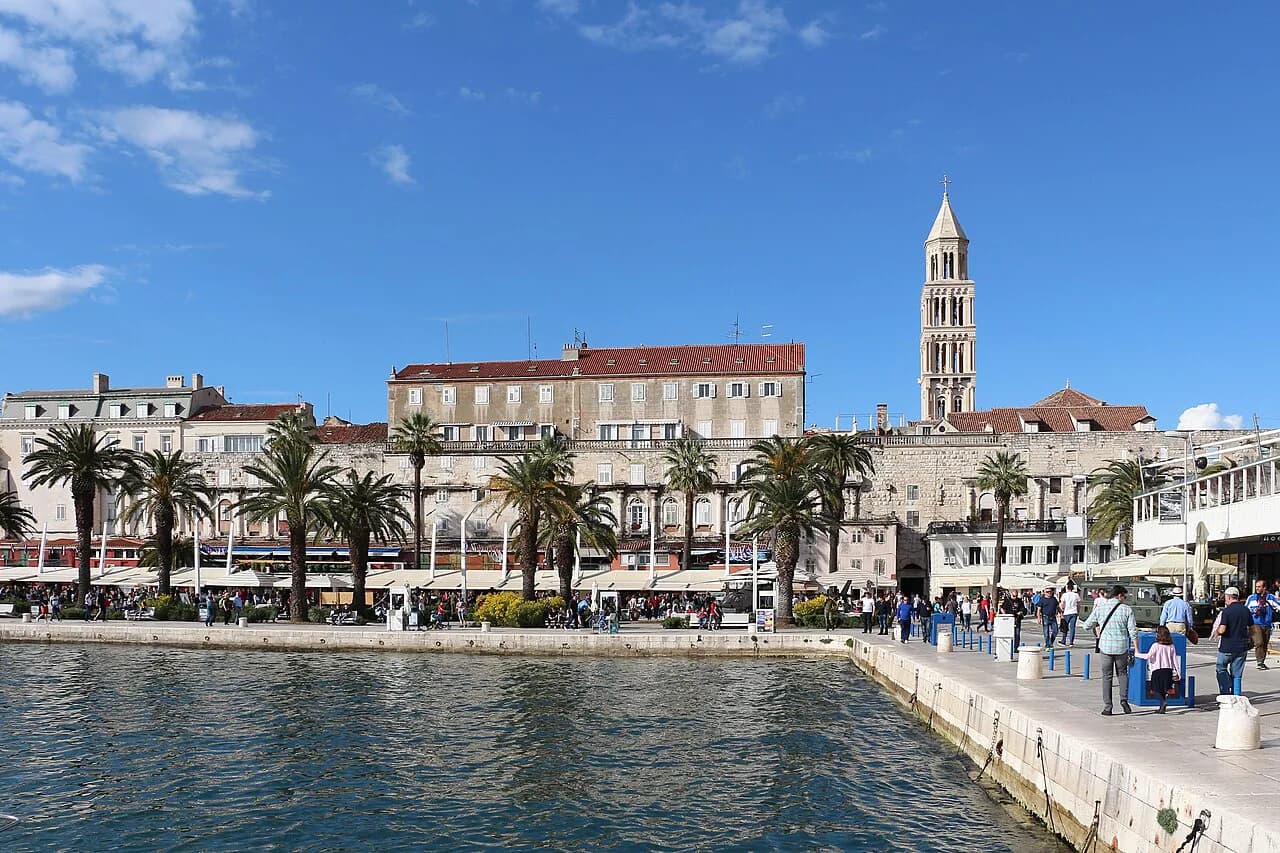
The standard chain is the one to beat because it needs no backtracking: land in Split, see Diocletian's Palace, take a catamaran to Hvar, continue to Korčula, then finish in Dubrovnik or return to Split. Each leg is a single crossing, and each harbour sits close to the old town, so you are not paying for long transfers at either end.
The main alternative is a Split-centred loop: day-hop or overnight on Brač or Šolta, then take a longer crossing to Vis, returning to Split before moving south. It suits a one-week trip with a base and avoids hauling luggage every other day, at the cost of repeating the Split crossing. Pair it with our 7 days in Croatia plan if you want a base-and-loop shape, or with the 10 days in Croatia plan if you can add the southern chain.
How long you need on each island before moving on
Hvar and Korčula justify two nights each: one for the old town and harbour, one for the surroundings, with the evening arrival and morning departure absorbed rather than wasted. Brač and Šolta can be done as a single overnight if you are content with a harbour town and a short excursion. Vis rewards more time than the others because the crossing eats a half day in each direction. If you want a day-by-day shape, our Croatia itinerary lays out how the nights fall.
Count moving days honestly. A catamaran leg typically consumes a morning or afternoon once you allow for packing, walking to the port, boarding and settling in, so four islands in ten days leaves little slack for weather disruption.
How to check ferry and catamaran timetables
Timetables change with the season, so the only reliable source is each company's own site for your dates: Jadrolinija for car ferries and much of the catamaran network, Krilo for fast passenger lines along the coast, and TP Line for its own routes. Search by the harbour pair you actually want, such as Split to Hvar or Korčula to Dubrovnik, by port rather than by island name, because islands often have several ports. Our Croatia travel guide covers the wider planning picture if you are still choosing a region.
Use a company booking engine as the timetable: enter your date and see which sailings appear. A route that vanishes in April or October has been cut for the season, not sold out, and a route with one sailing a day will not absorb a missed boat.
Car ferry or foot passenger: what changes when you bring a car
A car gives you freedom on Brač, Šolta and Korčula, where the harbour is not the whole island, but it turns every crossing into a vehicle booking with a queue and a space to reserve. On Hvar and Korčula town you will park outside the centre anyway, and on the fast catamarans cars are not carried at all.
The honest trade-off is this: for a two-week trip based on one island, bring the car on a Jadrolinija ferry and explore; for a multi-island hop, leave it on the mainland and travel as a foot passenger. Foot passengers board faster and are not tied to one operator's vehicle capacity.
Booking tickets, luggage and foot-passenger practicalities
Book the long legs in advance in July and August, especially Split–Hvar and Korčula–Dubrovnik, and leave the short ones flexible. Foot-passenger tickets are bought online or at the harbour office, and operators may expect you to collect or show a boarding pass at the gate rather than simply walk on.
Luggage on catamarans is usually stowed in racks or handed over at boarding, so pack a soft bag you can lift and keep valuables with you. Arrive well before departure in high season: boarding is often first come, first served on the quay, and a late arrival can mean watching the boat leave even with a ticket.
When to go: summer frequency versus shoulder-season cuts
Summer brings the most sailings and the most competition for seats; June and September bring fewer departures but calmer harbours and easier beds. The shoulder months also cut some island-to-island links entirely, so a chain that works in August may need rethinking in May or October, often by returning through Split. If your dates are fixed, the best time to visit Croatia sets out what each month does to the coast.
Late October and early November are where planning gets serious, because seasonal services wind down and some islands become awkward to reach. If your dates sit at the edge of the season, build the itinerary around the sailings that actually appear for your dates rather than last summer's pattern. Our Croatia in October guide covers what to expect as the sailings thin.
Crowds, cruise-ship days and the bura wind: honest trade-offs
Cruise ships concentrate crowds in Hvar and Korčula on the days they call, filling the Riva and the old lanes for a few hours around midday. Spend those hours on a longer walk or a boat trip and take the town in the evening. The bura, the cold northerly wind, can stop small boats and clear the beaches; it is a feature of the coast rather than a rare event, and operators cancel sailings when conditions demand it.
What island hopping costs in euros
Ticket prices vary by route, operator and season and are shown in euros at the point of booking, so budget from the live fare for your dates on Jadrolinija, Krilo or TP Line rather than from a remembered figure. Croatia has used the euro since 2023, so all fares, park tickets and harbour fees are quoted in euros.
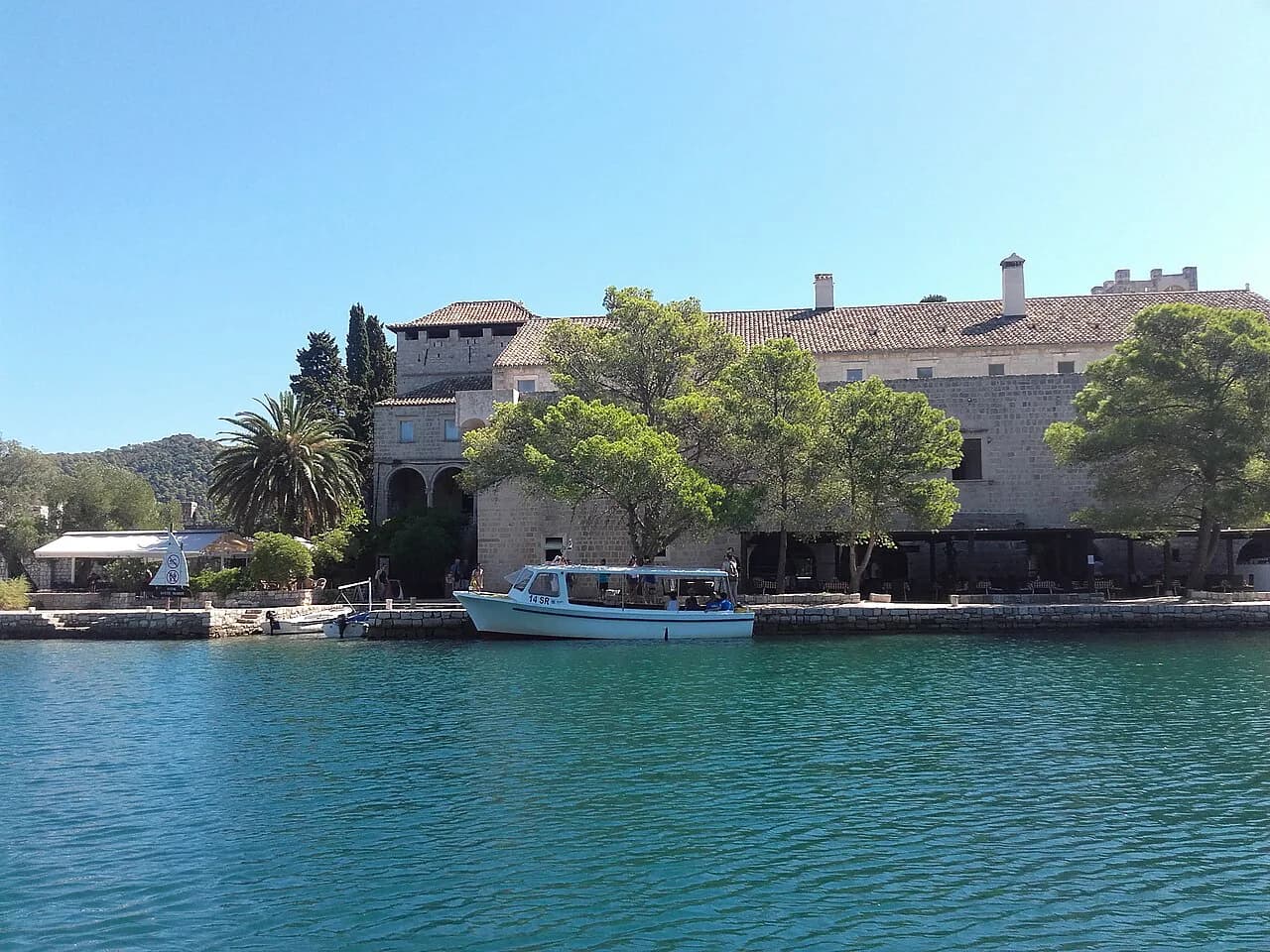
National park entries are a separate line in the budget. Mljet prices its visitor ticket for 2026, including a return boat trip to the island of Sveta Marija in Veliko jezero and the electric train, with a 25% reduction on single-day adult, child and student tickets bought in the park after 16:00, and a reduced rate on an additional return boat ticket.
Island hopping as a package versus booking legs yourself
Packages bundle crossings and beds and save you the booking admin, which matters on a tight schedule or a first visit. Booking legs yourself usually gives more freedom over which island gets the extra night, and lets you drop a stop if a sailing is cancelled.
A workable middle route is to fix the two long crossings and the first and last nights, then keep the middle loose. That protects the expensive, infrequent legs without locking you into a chain you may want to shorten once you are there.
Where island hopping fits with Croatia's national parks
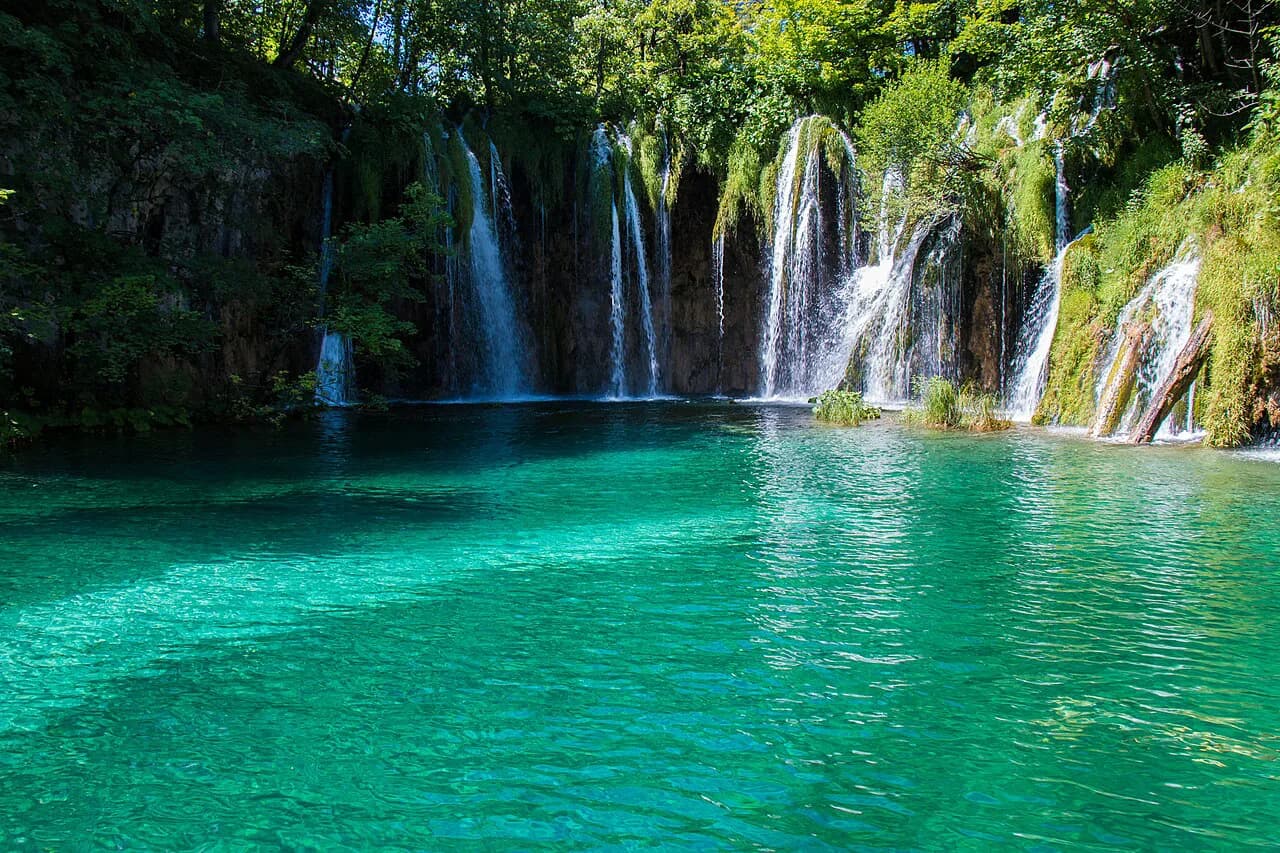
Mljet is the island park that fits naturally into a southern hop, with the visitor ticket covering a return boat trip to the island of Sveta Marija in Veliko jezero and the electric train. Plitvice Lakes, the oldest and largest National Park in Croatia and a UNESCO World Heritage Site since 1979, is inland and needs its own day or two, so it belongs before or after the coastal leg rather than inside it. Our guides to Mljet National Park and Plitvice Lakes help you slot each into the trip.
On the Zadar coast, Nature Park Vransko jezero spreads over roughly 57 square kilometres with entrances at Crkvine, Kamenjak and Prosika harbour, and is easiest by car or arranged transport. Further south, Telašćica on Dugi Otok is reached via the Dolac entrance by car or by boat, and its rules require visitors to keep to marked paths and leave the cliffs alone. Our guides to Vransko Lake and Telašćica Nature Park cover both in more depth.
Choose your two islands and book the long crossing
Pick Hvar and Korčula for a first hop, or Brač and Šolta if you have less time and want short crossings from Split. Keep the car on the mainland, count the moving days, and fix the long catamaran legs once your dates are set. Check current sailing times and fares with Jadrolinija, Krilo or TP Line for your travel dates before booking anything non-refundable, and browse the Best Islands in Croatia for alternatives.
Frequently Asked Questions
Which is the best island in Croatia for a first visit?
Hvar is the strongest first island for most travellers: it sits on the Split–Dubrovnik corridor, has a substantial old town and harbour, and is served by fast catamarans. Korčula is the natural second stop, with Brač and Šolta as easier short hops from Split if you have less time.
Is it worth going to Lokrum island?
Lokrum is a short boat ride from Dubrovnik, so it suits a half day rather than a stop on an island-hopping chain. Treat it as an extra from Dubrovnik and keep your ferry legs for Hvar, Korčula and the islands further down the coast.
Can you island hop in Croatia without a car?
Yes, and it is usually the better plan. Fast catamarans such as those run by Krilo, TP Line and Jadrolinija carry foot passengers between island harbours, while car ferries mainly handle vehicles on shorter crossings. Foot passengers board faster and avoid vehicle reservations.
How far ahead should you book Croatian ferries?
Book the long legs, such as Split–Hvar and Korčula–Dubrovnik, well ahead for July and August, when the most popular sailings fill. Short hops and shoulder-season crossings can often be bought closer to the day, but check the timetable for your exact date.
Sources
Notes from the Croatian coast
Optional updates when our guides change.
You might also like
Continue reading
More guides you'll find useful