7 Days in Croatia: A Day-by-Day Coastal Itinerary
Plan 7 days in Croatia with a day-by-day route through Plitvice, Zadar, Šibenik, Trogir, Split, Hvar and Dubrovnik, plus honest notes on pace and bookings.
On this page
Seven days in Croatia works best as a one-way run down the Dalmatian coast rather than a loop: land in Zagreb, start with the lakes, then move south through Zadar, Krka, Šibenik, Trogir, Split and Hvar to Dubrovnik. That shape keeps you moving in a single direction, so no day is wasted doubling back. This guide sets out the day-by-day plan, the alternative split-and-islands week, how to do it by bus and ferry instead of a car, and which bookings to make before you leave.
The honest trade-off is pace. Seven places in seven days means several stops are a morning or an afternoon rather than a full day, and the driving days are long. A Croatia itinerary built on two nights at Plitvice and single nights elsewhere suits travellers who would rather see more places than settle into one, and it rewards early starts. If you want slack in the schedule, the extra days in a 10 days in Croatia version are usually spent on the islands or in Dubrovnik.
The short answer: which week suits you
Take the north-to-south week if it is your first visit and you want the headline sights in one line: Plitvice Lakes, Zadar, Krka, Šibenik, Trogir, Split, Hvar and Dubrovnik. Take the split-and-islands week if you would rather not drive every other day; base yourself in Split, run out to Hvar or Brač by catamaran, and finish in Dubrovnik by road or ferry. The first week delivers more variety, the second delivers more rest.
Pick one region and go deeper. A week that tries to touch Istria, Dalmatia and the far south at once spends most of its daylight in the car, and the two shapes above already use the week fully.
Choosing your route: start in Zagreb or start on the coast
Flying into Zagreb suits the north-to-south plan because the airport sits at the top of the route and the drive to Plitvice Lakes is the natural first leg. Split Airport works if you want to begin on the Dalmatian coast and run the route in reverse, and Dubrovnik Airport suits a south-to-north week. Zadar Airport is the smaller option for the central coast and the lakes.
Is 7 days enough for Croatia? Seven days is enough for one region done properly, either the north-to-south Dalmatian run from Zagreb via Plitvice and Split to Dubrovnik, or a slower split-and-islands week based in Split. It is not enough to cover Istria, Dalmatia and the far south together without spending most of the week driving.
Should I rent a car for a week in Croatia? Rent a car if you want Plitvice Lakes and Krka National Park at your own pace and plan to run the coast one way. Skip it if you are basing yourself in Split and using catamarans for the islands, since parking in the old towns is tight and a one-way rental carries a drop-off charge.
Which towns are worth a stop in the middle of the week? Trogir and Šibenik are both worth a short stop: Trogir for its compact old island core and Šibenik for its cathedral and steep lanes above the harbour. Neither needs a full day, which is why both fit into the middle of a seven-day week.
Picking up a car at the airport is what makes the one-way week possible, and the roads are generally well surfaced and signposted, including the coastal stretch. Tolls apply on the highways, so keep a card or cash handy, and city-centre parking is tight enough that it is worth choosing accommodation with a space included. Price a one-way rental's drop-off fee before committing to the Zagreb-to-Dubrovnik shape.
Day 1: Zagreb to Plitvice Lakes
Land at Zagreb, collect the car and drive to Plitvice Lakes National Park, staying two nights near the park rather than one. Arriving in the afternoon gives you time to settle in and start early the next morning, which matters because the boardwalks are busiest from mid-morning. Two nights also means you are not hauling luggage in and out of the car on back-to-back days. Fuel and tolls are the main costs of the transfer; book park entry through the park authority ahead of your visit. The wider Croatia Itinerary guide sets out how the lakes fit into longer routes down the coast.

Day 2: A full day at Plitvice Lakes
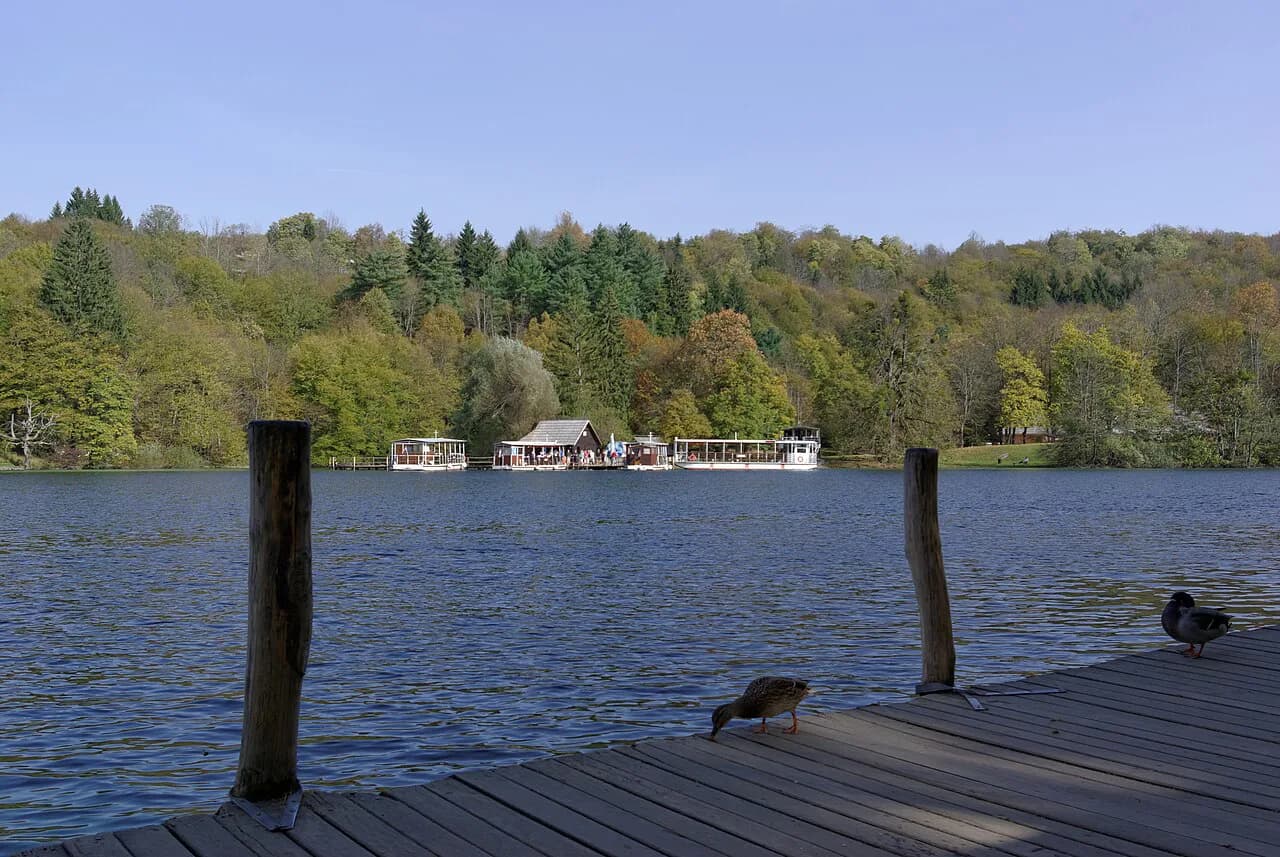
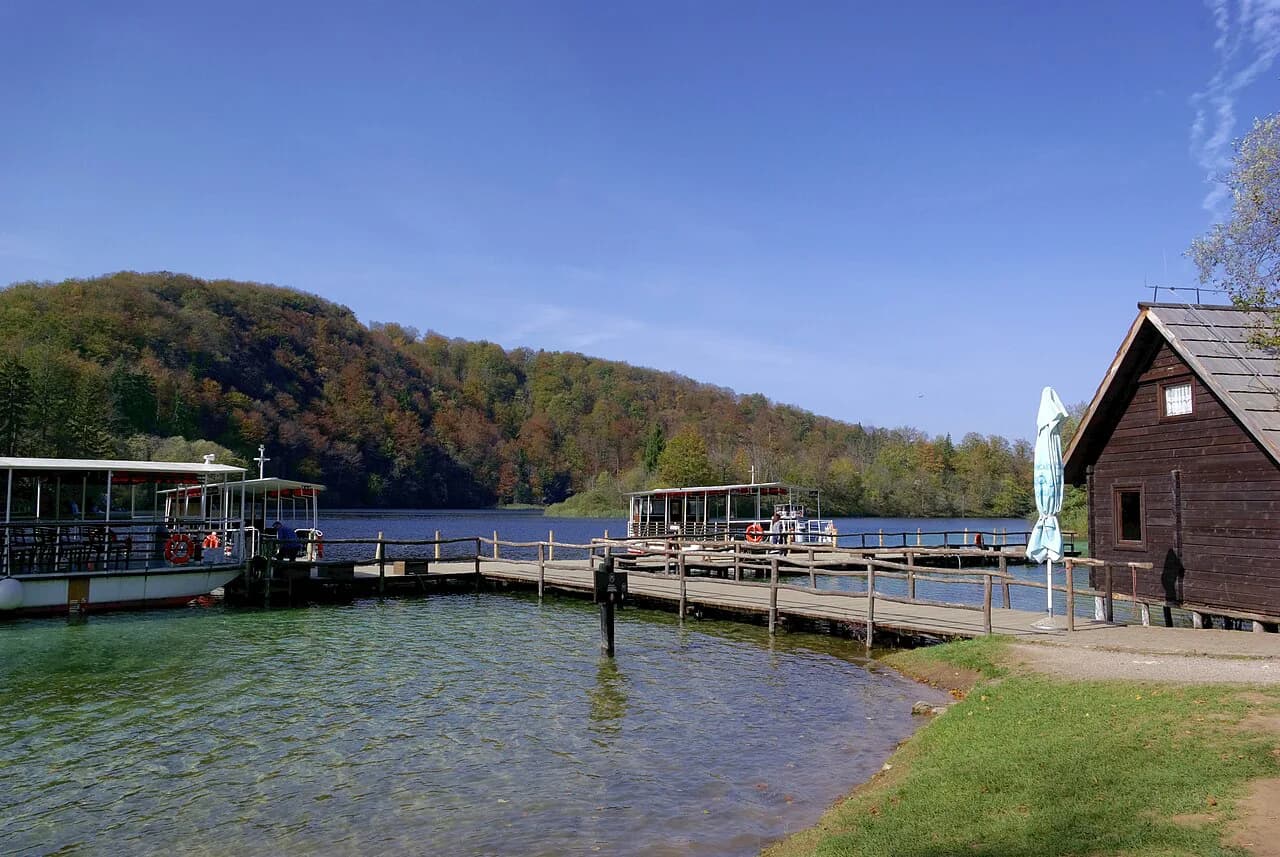
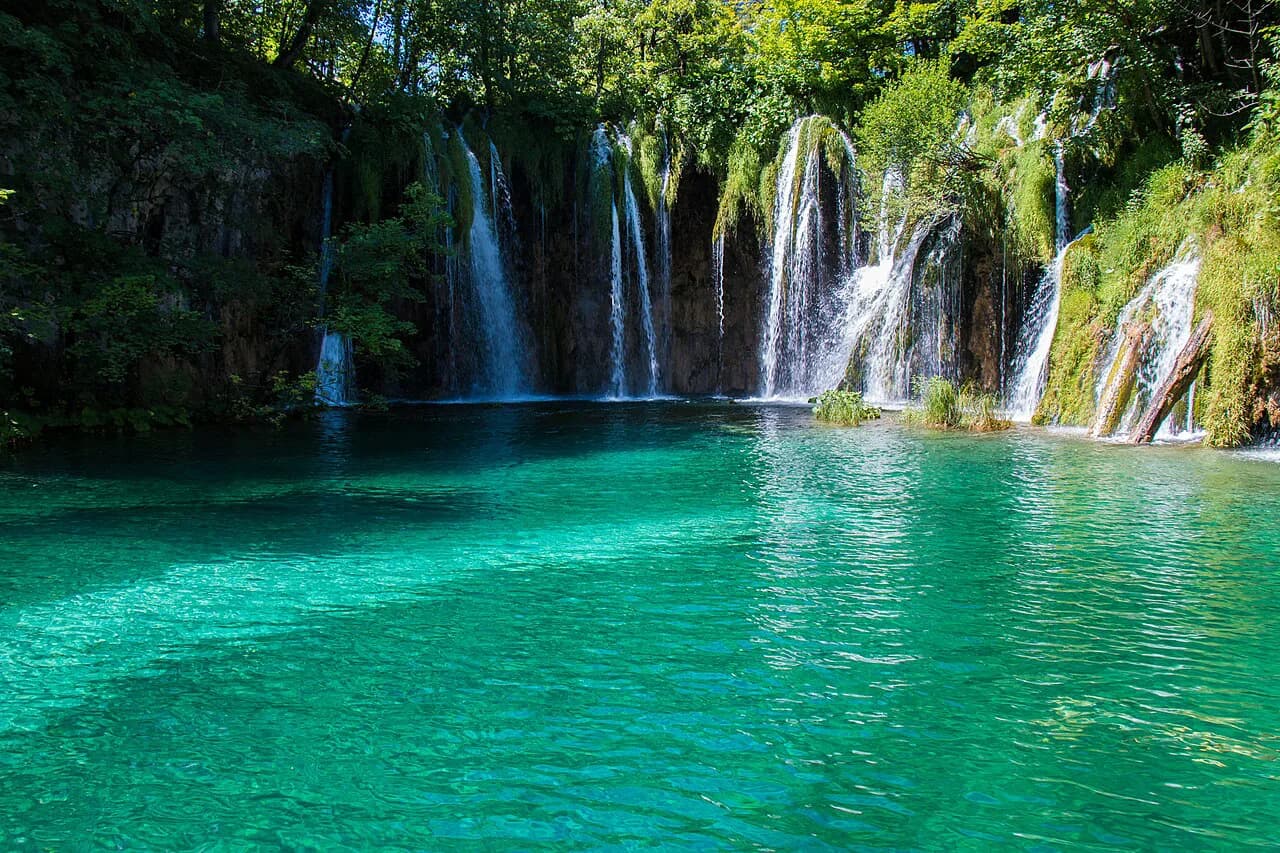
Give Plitvice a full day rather than a half. The park is split into upper and Lower Lakes, linked by boardwalks and boats, and covering both properly takes most of a day at an unhurried pace. Enter at the entrance closest to your accommodation, walk one half in the morning and the other after lunch, and keep the boat crossing for the middle of the day when you want to sit down. Entry is ticketed for a specific date and entrance, so book through the park authority rather than turning up and hoping.
Weather decides how good the day is. The lakes sit inland and higher than the coast, so spring and autumn mornings are cool and the boardwalks can be slick after rain; July and August are hot and crowded. Late spring and early autumn give you the best combination of flow and comfort, and the autumn colours around the lakes are the reason many travellers shift the week to September or October.
Day 3: South via Zadar to Krka and Šibenik
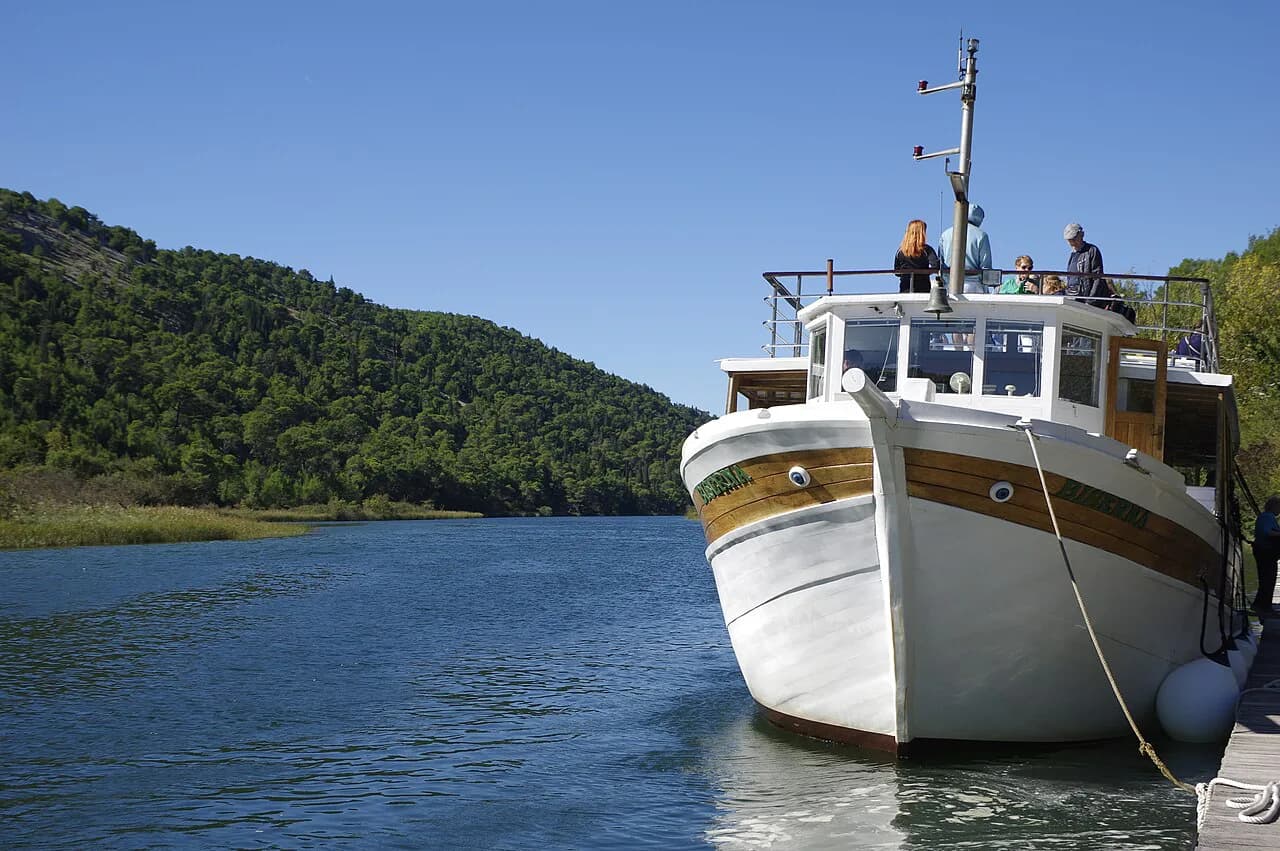
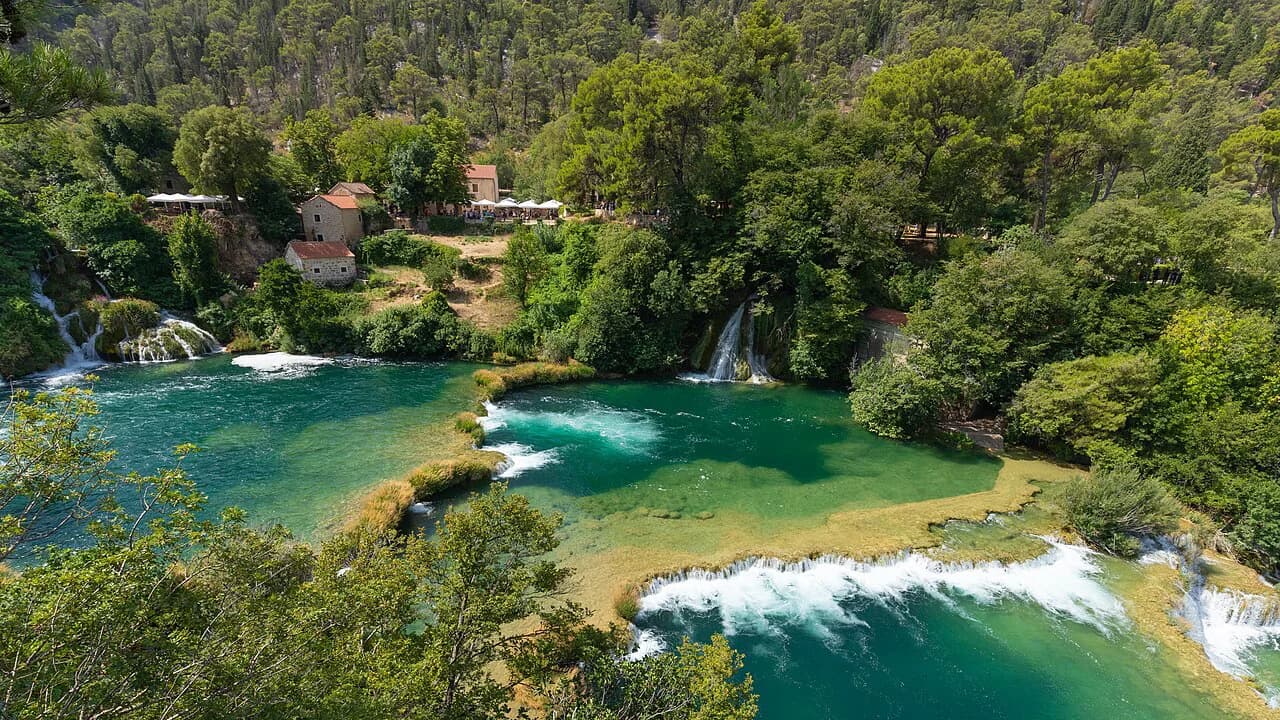
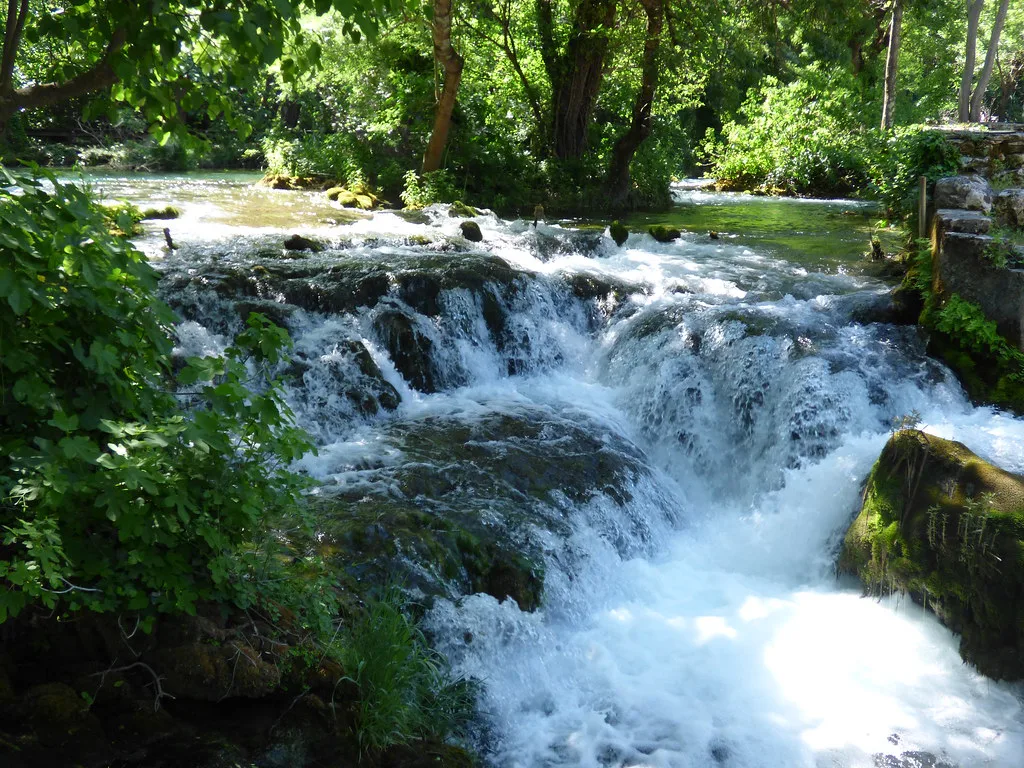
This is a driving day with two stops, so treat Zadar as a leg-stretch and Krka as the main event. Zadar's old town sits on a peninsula, and the waterfront is a short pause rather than a sight that needs an hour. From there, head inland to Krka National Park and its waterfalls, then overnight in Šibenik. Check the park authority's current entry arrangements for Krka before you set off, since they change through the year.
The compression here is real: Zadar, Krka and Šibenik in one day means you see Zadar in passing and reach Šibenik after dark. If the waterfalls matter more than the town, cut Zadar; if you want a proper look at Šibenik's old town, accept that Krka gets an afternoon. Driving yourself gives you the flexibility to make that call on the day, which is the strongest argument for a car on this stretch.
Day 4: Šibenik, Trogir and on to Split
Spend the morning in Šibenik's old town, which clusters around the cathedral and the steep lanes above the harbour, then drive south to Trogir. Trogir's old core sits on a small island reached by bridge, and an hour or two on foot covers the main square, the cathedral and the waterfront. Continue to Split for the night. This is another day where two towns share the daylight, so decide in advance which one gets the longer stop.
Day 5: Split and the crossing to Hvar
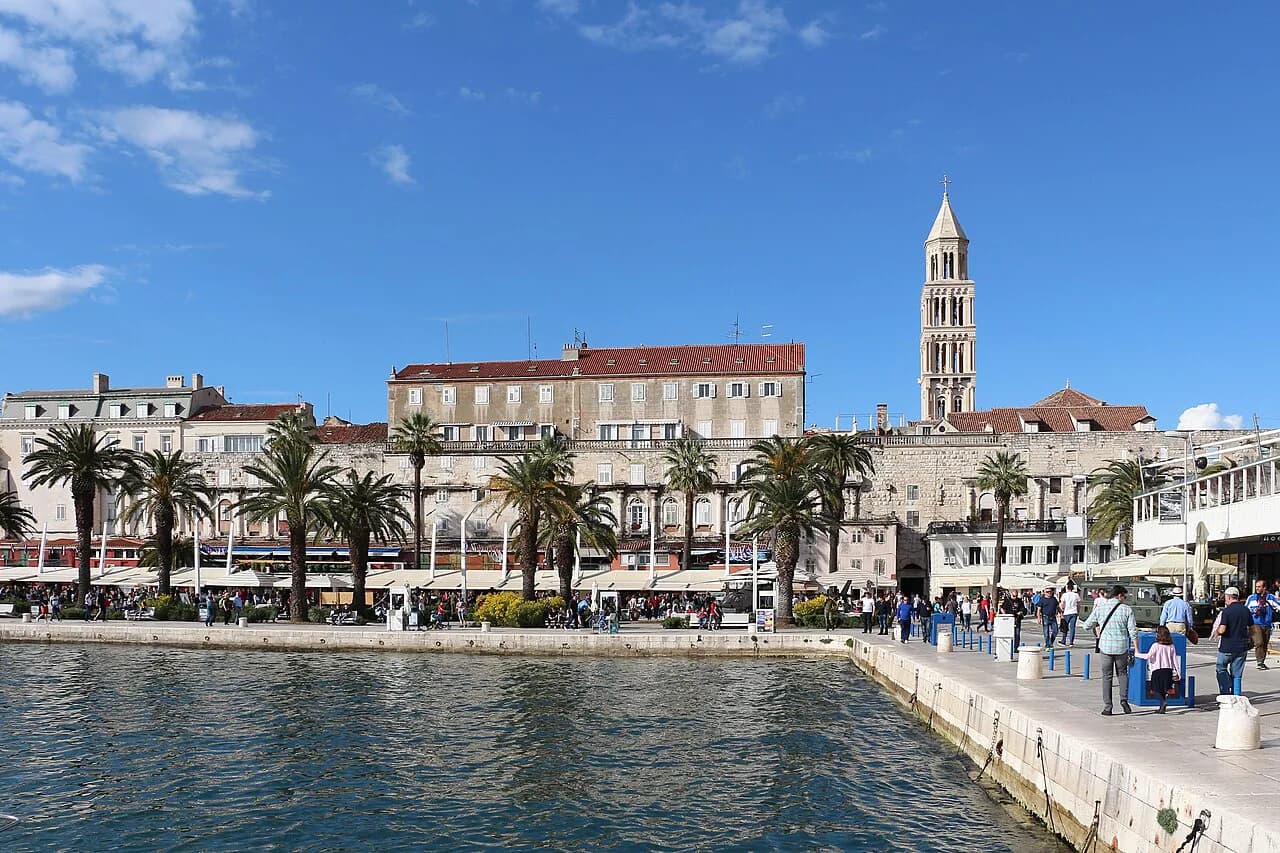
Split rewards a morning on foot inside Diocletian's Palace, walking the old town's lanes and Kalelarga, the long pedestrian street that runs through the centre, before finishing on the Riva waterfront. The palace is a lived-in complex rather than a museum, and it is the anchor of any walking morning in Split. Then take the ferry or catamaran to Hvar, choosing a morning or early-afternoon departure so you still have light on arrival.
Hvar is served both by car ferries and by passenger catamarans from the Split area. In high season these crossings fill up, which is the single most common way a seven-day plan falls apart. Book the sailing before you book the room.
Day 6: Hvar island without a car
Leave the car behind and explore Hvar Town on foot: the main square, the lanes behind it and a steady climb to the fortress above the town, which gives a wide view back over the harbour. In the afternoon, swim off the town's waterfront or simply let the day run slowly. This is the one day of the week with no driving, and it should stay that way.
If the week is running late, taking a catamaran back to Split the same evening is an option, but it costs you the relaxing day. If you plan to spend longer on the islands, the extra nights in a 2 weeks in Croatia version of this route go to the islands rather than into more mainland stops. Hvar is served by both car ferries and passenger catamarans, so an island-hopping middle section is achievable on public transport without a car.
Day 7: The coastal drive to Dubrovnik
Drive from Split down the coast to Dubrovnik, leaving early rather than cutting it fine for a flight, as the drive eats into the day. On arrival, spend a half-day inside Dubrovnik's walls: walk the circuit if you have the energy, or stick to the Stradun and the side lanes if you do not. A Croatia by campervan trip does the same coastal run but needs campsite bookings in advance during peak weeks, which is the main practical difference.
Doing the week by bus and ferry instead of a car
Dropping the car saves the tolls, the parking and the one-way fee, and intercity buses between the main towns are reliable and affordable, with ferries linking the mainland to islands such as Hvar and Korčula. What you lose is access to Plitvice and Krka at your own pace, since both sit away from the main rail and bus corridors and are best reached by organised transfer or a long bus connection. If you go car-free, cut the lakes or take a tour to them and keep the rest of the week on the coast.
The bus-and-ferry version also changes the rhythm: you check timetables instead of a fuel gauge, and you cannot stop at a viewpoint on impulse. It suits travellers who would rather read on the move than navigate, and it removes the parking problem in Split and Dubrovnik entirely. Budget for a taxi or bus to your accommodation on arrival days, because bus stations sit outside the old cores in both cities.
When to go in the week
May to June and September to October are the best windows for this route: warm rather than blistering, thinner crowds on the boardwalks and in the old towns, and easier ferry availability on the Hvar crossing. July and August bring peak heat, peak prices and full catamarans, and the old towns are at their busiest. Early autumn also keeps the sea warm enough for swimming on Hvar.
What to book before you leave
Three bookings decide whether the week runs smoothly: the Hvar crossing, Plitvice entry and parking at each base. Book the ferry or catamaran as soon as you fix your dates, arrange a Plitvice ticket for your chosen day, and confirm in writing that your Split and Dubrovnik accommodation includes a parking space. Everything else can be arranged a few days ahead.
Where the week gets tight
The compression points are Zadar, which becomes a brief stop on a three-stop driving day, and Trogir, which gets an afternoon between Šibenik and Split. Plitvice is the opposite: two nights there is deliberate, because a single overnight short-changes the park. If you must cut a day, cut Dubrovnik to a single night rather than shortening the lakes, and accept that the final drive is a transfer day rather than a sightseeing day.
A seven-day week is a route for seeing a lot quickly, not for lingering. If you know you want slow mornings, pick the split-and-islands shape instead, base in Split for several nights and take day crossings to Hvar and Brač. That version gives up Plitvice and Krka but returns the week to you, and it is the better choice for anyone travelling with young children or without a car.
Which week should you book?
Book the north-to-south week from Zagreb if this is your first visit and the waterfalls, old towns and islands on one line appeal more than rest. Book the split-and-islands week from Split if you would rather unpack once, skip the daily drives and reach Hvar by catamaran. Both fit seven days honestly; they just spend the time differently, and the 10 Days in Croatia version shows where the extra days go if you can stretch the trip.
Whichever you choose, fix the Hvar crossing and the Plitvice ticket first, then build accommodation and car hire around them. That order prevents the most common failure, which is a full catamaran and a booked room on the wrong side of the water.
Explore more Croatia guides
Frequently Asked Questions
Is 7 days enough for Croatia?
Seven days is enough for one region done properly, either the north-to-south Dalmatian run from Zagreb via Plitvice and Split to Dubrovnik, or a slower split-and-islands week based in Split. It is not enough to cover Istria, Dalmatia and the far south together without spending most of the week driving.
Should I rent a car for a week in Croatia?
Rent a car if you want Plitvice Lakes and Krka National Park at your own pace and plan to run the coast one way. Skip it if you are basing yourself in Split and using catamarans for the islands, since parking in the old towns is tight and a one-way rental carries a drop-off charge.
Which towns are worth a stop in the middle of the week?
Trogir and Šibenik are both worth a short stop: Trogir for its compact old island core and Šibenik for its cathedral and steep lanes above the harbour. Neither needs a full day, which is why both fit into the middle of a seven-day week.
How far ahead should I book the Hvar crossing?
Book the Hvar crossing as soon as your dates are fixed, because high-season sailings fill up early. Confirm which operator and departure you need before paying for accommodation.
Sources
Notes from the Croatian coast
Optional updates when our guides change.
You might also like
Continue reading
More guides you'll find useful