Croatia by Campervan: Wild Camping Rules, Ferries and Costs
Plan a Croatia campervan trip with the practical basics: overnight rules, vehicle ferries, motorway tolls and campsites along the Adriatic coast.
On this page
A Croatia campervan trip suits travellers who want a fortnight or more and are happy to plan around campsites rather than hotels; for a week or less, flying in and hiring locally is usually the better trade. The country's long Adriatic coast, island ferries and inland parks reward a slow loop, but the summer decision that catches people out is booking a vehicle crossing early. This guide covers the two ways to do the trip, overnight rules, tolls, campsites and coastal driving constraints.
Everything below is practical: what a pitched night costs, which crossings take vehicles, how the motorway system charges, and how the bura wind and cruise-ship crowds shape a driving day. Prices are given in euros, as Croatia has used since 2023, and dated figures are marked as such. Use the broad shape of a Croatia itinerary to decide how far south you want to reach before you commit to a van.
Driving down from the UK or hiring in Croatia
There are two distinct trips. The first is a long drive from the UK through France, Germany, Austria and Slovenia, or through France, Switzerland and Italy, ending on the Croatian coast via Rijeka or inland via Zagreb. The second is a flight to Zagreb, Split or Dubrovnik with a campervan collected at the airport, which removes roughly 1,000 miles of transit driving each way and leaves more days on the coast.
Driving down pays off on a tour of three weeks or more, when the van becomes both transport and accommodation and the journey through Austria and Slovenia is part of the holiday. For 7 days in Croatia, hire locally: the transit days would otherwise eat the trip. Hire firms advertise one-way options and unlimited kilometres, but confirm the drop-off fee and whether an international driving permit is needed when you collect the van.
A middle route is to take the van on a long ferry from Italy. Crossings from Ancona reach Split, Stari Grad and Zadar, and from Bari you can reach Dubrovnik, with Italian-port sailings generally taking eight to twelve hours. That turns the Adriatic crossing itself into an overnight, but you still need to book a vehicle space well ahead in high summer.
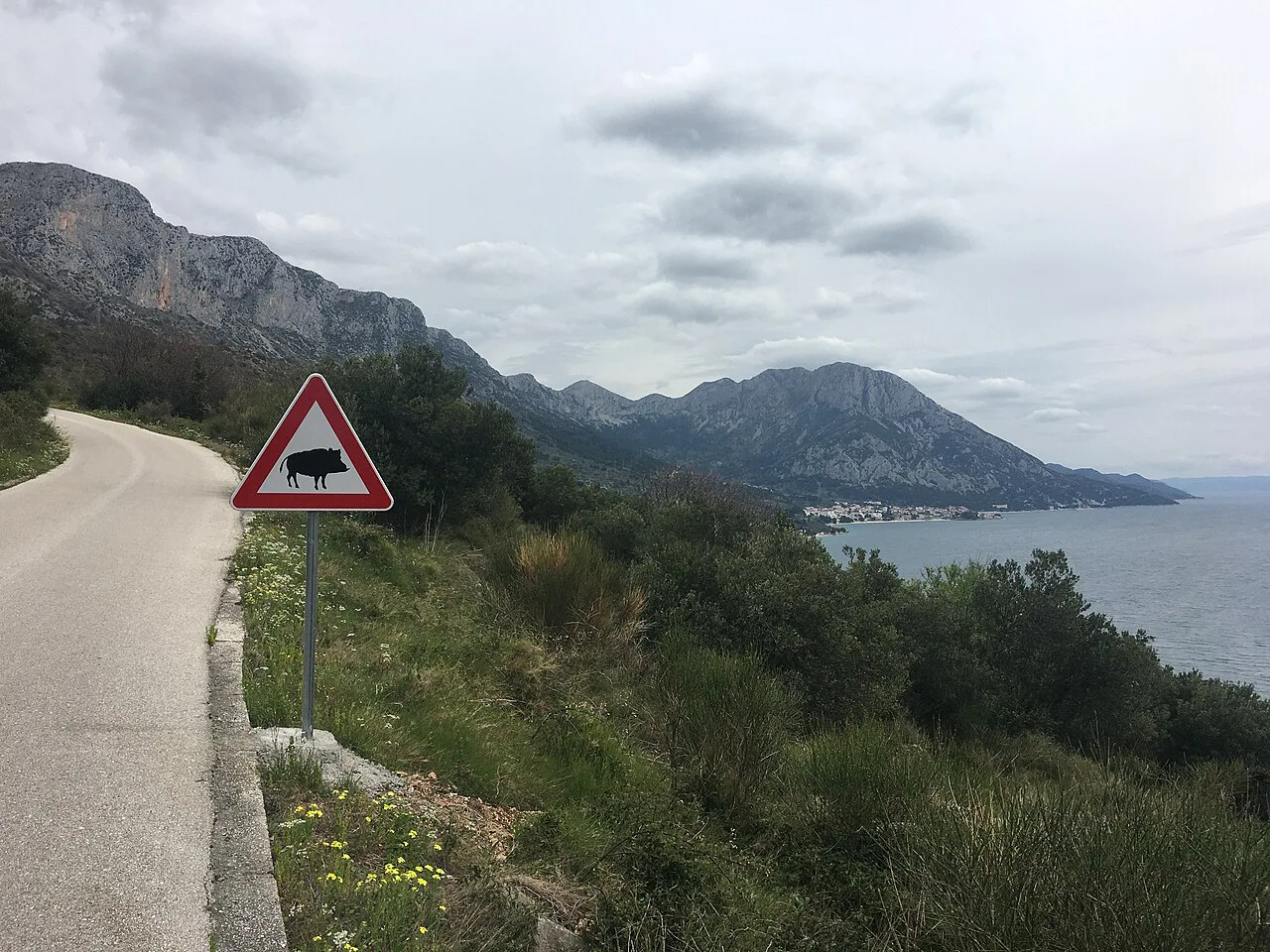
Overnight rules: what camping legally looks like
Treat campsites as the backbone of the trip rather than an afterthought. Croatian camping ranges from large resort-style sites with pools and tennis courts to small pitches on farms and in villages, and booking platforms let you reserve a pitch on someone's land for a night or two. For a stress-free tour, plan each night's stop before you drive, especially in July and August when coastal sites fill.
Can you free camp in Croatia? Do not plan around free camping. The practical approach is to book campsites and private pitches for each night, which also gives you water, waste disposal and electricity.
How much is a campsite for a motorhome? Pitch rates vary by site, season and whether you need electricity, and many sites charge per person and per vehicle on top of the pitch fee. Ask the site for the total nightly cost for your party when you book, because listed rates change with the season.
Do you need to book ferries with a campervan? Yes for the long Italian crossings. Sailings from Ancona to Split, Stari Grad and Zadar, and from Bari to Dubrovnik, carry vehicles and fill up in summer, so book a vehicle space ahead.
The question travellers ask most is whether you can simply pull over and sleep in the van. The safe planning assumption is that you should not count on roadside or beach parking for the night; build the trip around bookable pitches and campsites, and check the current rules with the site or local tourist board where you intend to stop. That also solves the practical needs a wild spot does not: water, waste disposal and electricity.
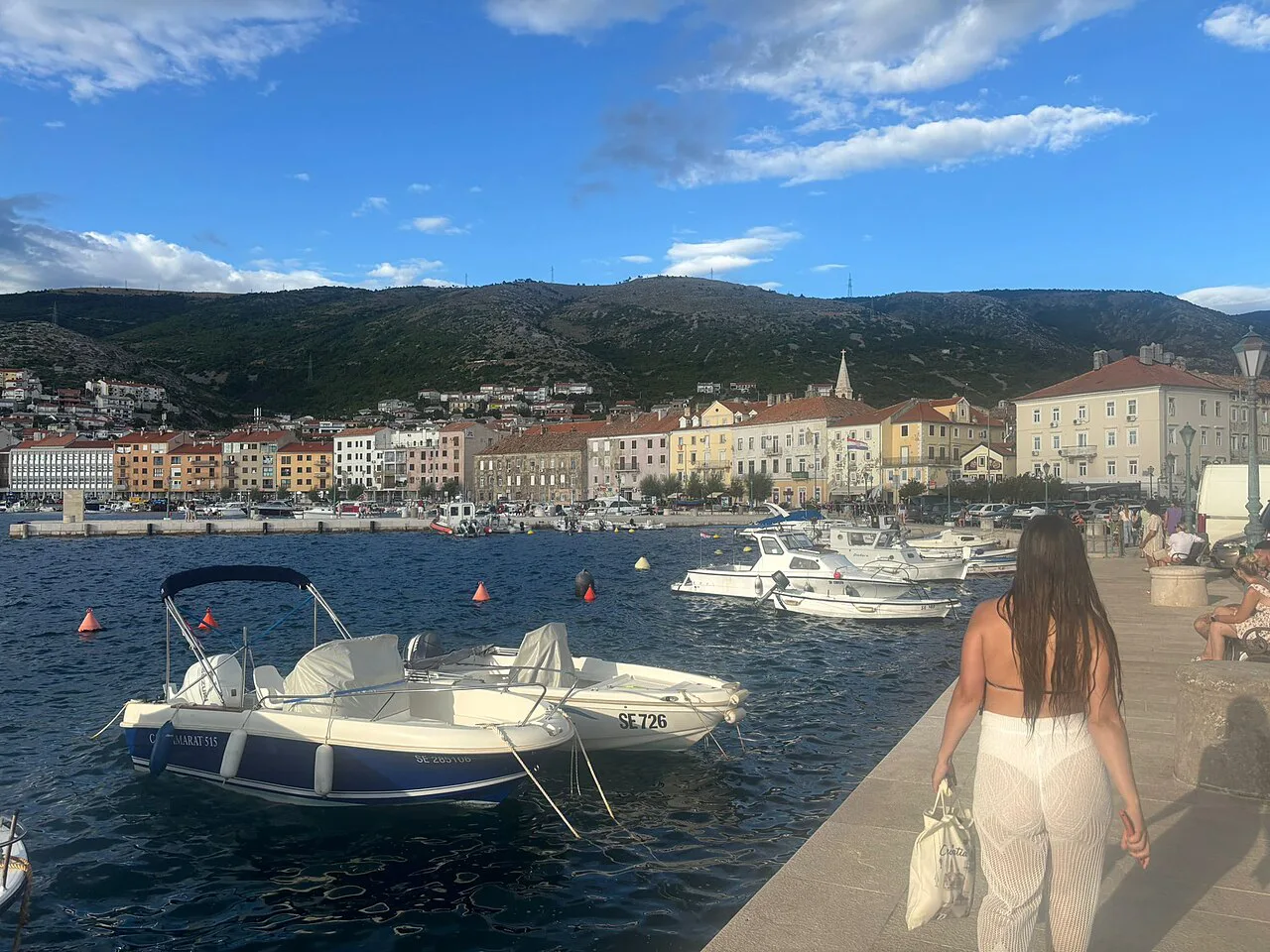
What a pitch costs and how campsites work
Pitch prices vary widely by site, season and whether you want electricity. The roadsurfer booking platform lists nightly rates for Croatian entries such as Papafigo Camping in Vodnjan, and also carries private pitches elsewhere in the region, some on farms and by lakes or the sea. Treat those as historical listings rather than this season's rates, and confirm the price, pitch size and facilities directly with the site when you book.
Budget for more than the pitch: many sites charge per person and per vehicle on top, and electricity, showers and waste disposal are sometimes separate. A useful check is to compare the total nightly cost for your party rather than the headline pitch rate, and to ask whether a minimum stay applies around public holidays. A larger campsite such as Camping Solitudo outside Dubrovnik is pitched at families with a pool and tennis courts, so it suits a rest day rather than a one-night stop.
Tolls and vignettes on the way and in Croatia
The drive down crosses several toll regimes. Croatia charges motorway tolls per journey, while Austria and Slovenia use vignettes bought in advance, available at border crossings and petrol stations. Figures quoted in older planning guides should be treated as out of date; check the current vignette prices for Austria and Slovenia before you set off, and budget for fuel and tolls in each country you cross.
Inside Croatia, the motorway network is the fast way to cover the distance between Istria, Zadar, Split and Dubrovnik, but it is rarely the scenic one. A common compromise is to use the motorway for the long transfer days and take the coastal roads when you have time to stop. Croatia's motorways are tolled, so keep some euros available for each leg of the journey.
Vehicle ferries and catamarans: which crossings take a van
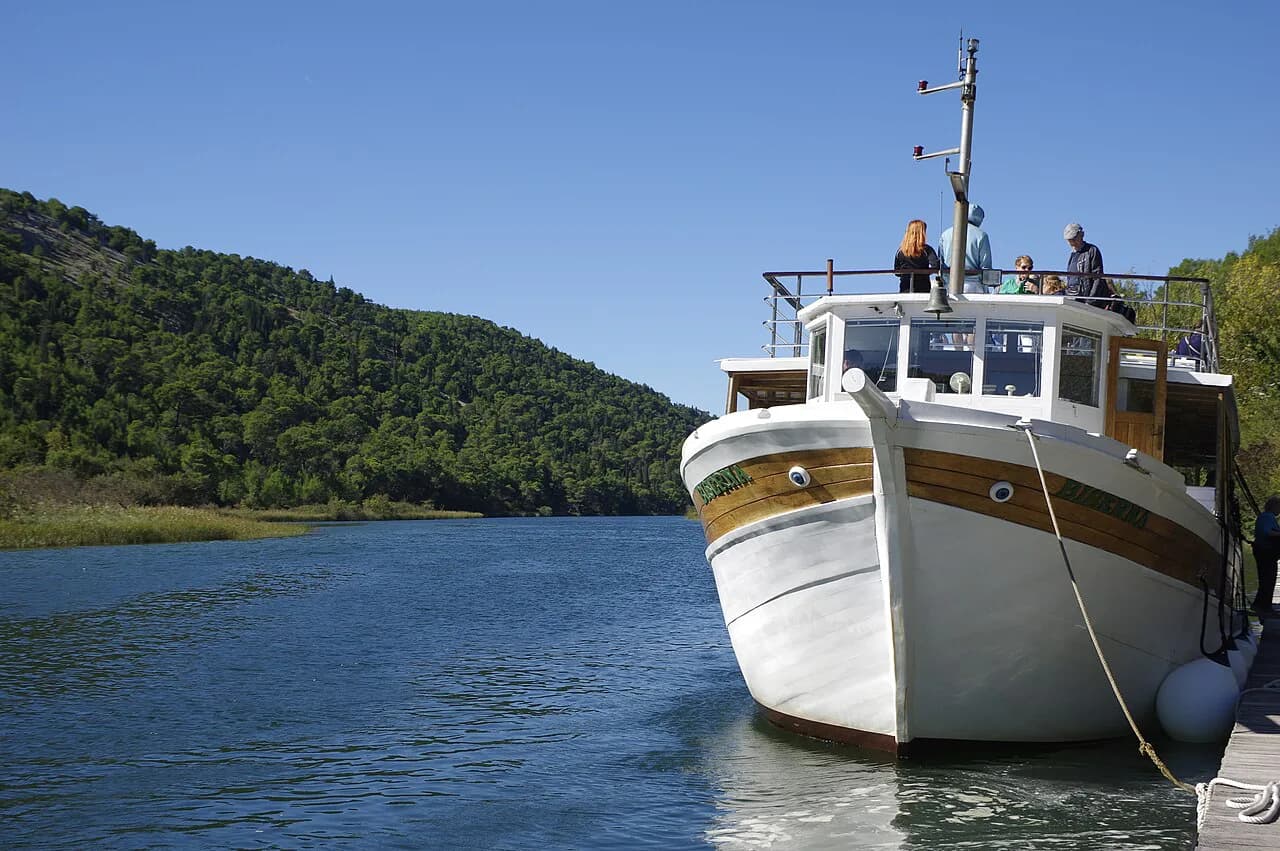
Only some crossings carry vehicles. From Italy, the long sailings from Ancona to Split, Stari Grad and Zadar, and from Bari to Dubrovnik, take campervans, and they must be booked in advance, especially in peak summer. Domestic island crossings are a different matter: some lines are fast passenger catamarans while others are car ferries that carry vehicles, so check which vessel serves the specific line before you plan an island hop with the van.
Booking is the decision that most often catches people out. A campervan needs a vehicle space, not a foot-passenger seat, and summer sailings to the islands fill quickly. Build ferry days into a road trip along the Adriatic coast as fixed points and work the driving around them, rather than arriving at the port hoping to board. Give yourself a buffer of a day on each side of a booked crossing in case a sailing is delayed by weather.
If your tour includes inland parks, leave the van behind. Plitvice Lakes National Park is reached by road and coach from the coast, and the park publishes the opening times, trail arrangements and ticket prices that apply in the season you visit, so check those directly rather than relying on old figures.
Parking, the bura and summer crowds
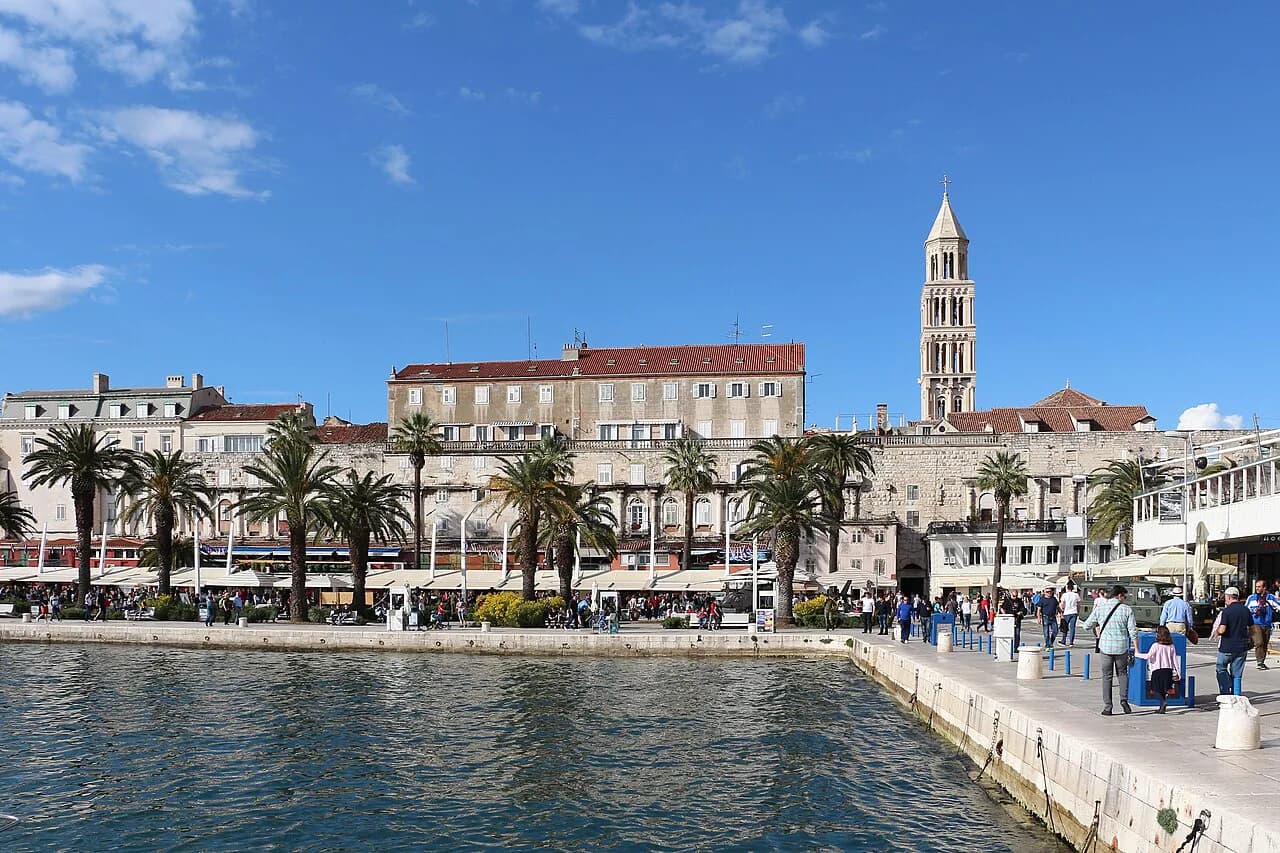
Parking, not traffic, is the summer constraint around the old towns. On days when large ships are in Dubrovnik or Split, the old towns and their car parks are busiest, and finding a space for a van near the walls of Dubrovnik or Diocletian's Palace in Split can take longer than the visit. Arrive at coastal towns early, park outside the historic core and walk in, or time your stop for late afternoon when the ship crowds have thinned.
The bura, the cold north-easterly wind, can close exposed coastal stretches and bridges for a day or more, and it blows hardest in winter and early spring rather than at the height of summer. In a campervan, treat a forecast of strong bura as a reason to use the motorway or wait it out rather than press on along an exposed coastal road.
When to go: shoulder months versus July and August
May, June, September and early October give the best balance for a campervan: campsites are open, roads are quieter and you are less dependent on booking every night. July and August bring the warmest sea and the fullest sites, and you should expect to book ferries and pitches well ahead. Outside the main season, some smaller sites close, so check opening dates when you plan a late or early trip.
A van also lets you follow the weather. If the bura blows in the north, drive south or inland; if the coast is crowded, head for the quieter stretches of Pelješac or the islands. Two weeks in Croatia is enough for a relaxed loop that includes Istria, Zadar and Split without spending every day behind the wheel.
Hiring in Croatia instead of driving down
Flying in and hiring removes the transit driving and the vignettes, but adds a hire cost and a pick-up day. Hire companies advertise one-way rentals and unlimited kilometres, which suits a route that starts in Zagreb or Split and ends in Dubrovnik. Confirm the deposit, insurance excess and whether the firm allows the van on ferries and unpaved roads, because some policies restrict both.
The hire option also solves the where-to-keep-it problem: a van collected in Split or Dubrovnik suits a short coastal loop, while a one-way drop lets you see the coast without backtracking. Factor in the flight, the pick-up and a campsite for the first night, and compare the total with the fuel, tolls and vignettes of driving down. For many travellers the hire route is cheaper in time even when it costs more in cash.
Where a campervan base makes sense
Think in bases rather than a single campsite. Istria suits a first stop after the drive down, with Poreč and Rovinj within easy reach and platform pitches available around Vodnjan and Barban. Zadar makes a natural middle base for the northern Dalmatian coast, and Split works for Diocletian's Palace, the islands and the drive south to Dubrovnik.
South of Split, the Pelješac peninsula and the coast towards Dubrovnik reward a slower pace, and a campsite outside Dubrovnik lets you see the old town without driving into it. If you have 10 days in Croatia, pick two bases and one island hop rather than trying to see the whole coast. The driving is the point, but the stops are the holiday.
Which Croatia campervan trip should you book?
Choose the drive down if you have three weeks or more and want the journey through Austria and Slovenia to be part of the trip, with campsites as your accommodation. Choose a flight and local hire for a week or two, based around Split, Zadar or Dubrovnik with one booked island crossing. Whichever you pick, book the vehicle ferry first and the first and last nights' pitches second.
The constants are the same either way: plan each night at a campsite, use the motorway when the bura blows, and avoid the busiest old towns on cruise-ship days. Prices for pitches, tolls and vignettes move with the season, so confirm them with the site or operator when you book. For the shape of the whole route, start with the Croatia itinerary and work south from there.
Frequently Asked Questions
Can you free camp in Croatia?
Do not plan around free camping. The practical approach is to book campsites and private pitches for each night, which also gives you water, waste disposal and electricity. Check any local rules with the site or tourist board where you intend to stop.
How much is a campsite for a motorhome?
Pitch rates vary by site, season and whether you need electricity, and many sites charge per person and per vehicle on top of the pitch fee. Ask the site for the total nightly cost for your party when you book, because listed rates change with the season.
Do you need to book ferries with a campervan?
Yes for the long Italian crossings. Sailings from Ancona to Split, Stari Grad and Zadar, and from Bari to Dubrovnik, carry vehicles and fill up in summer, so book a vehicle space ahead. Some domestic island lines are passenger-only catamarans while others are car ferries; check with the operator for each line.
Sources
Notes from the Croatian coast
Optional updates when our guides change.
You might also like
Continue reading
More guides you'll find useful