Croatia National Parks Map: Where the 8 Parks Sit
Croatia's eight national parks on one mental map: where each park sits, the nearest coast towns and the driving and ferry links that string them together.
On this page
Croatia has eight national parks, and the most useful way to plot them is by the coast base you are staying on. Grouped by hub: from Istria and the Kvarner you have Brijuni, Risnjak and Sjeverni Velebit; from Zadar, Paklenica, Kornati and Plitvice to the north; from Split and Šibenik, Krka, Plitvice and Kornati; from Dubrovnik, Mljet. This guide plots them north to south, groups them by coast hub, and gives the drive times that are actually documented. The full picture, park by park, is in Croatia’s National Parks: The Eight Parks and How to Visit.
The single most useful thing a map tells you is which parks you can reach in a day from the coast and which you cannot. Plitvice sits inland in Lika and is roughly a four-hour drive from Split, while Krka is just over an hour away, so a Split-based traveller short of time should look at Krka first. Every other decision — entrance gates, ferry crossings, parking — follows from that first split.
What are Croatia's eight national parks?
The eight are Plitvice Lakes, Krka, Brijuni, Risnjak, Sjeverni Velebit, Paklenica, Kornati and Mljet. Croatia protects 411 areas in total, covering about 9% of the country, and the national parks are the top tier of that system alongside two strict reserves and 13 nature parks. Knowing the full list helps because several nature parks, such as Telašćica and Vransko Lake, sit close to the national parks on the map and are often confused with them.
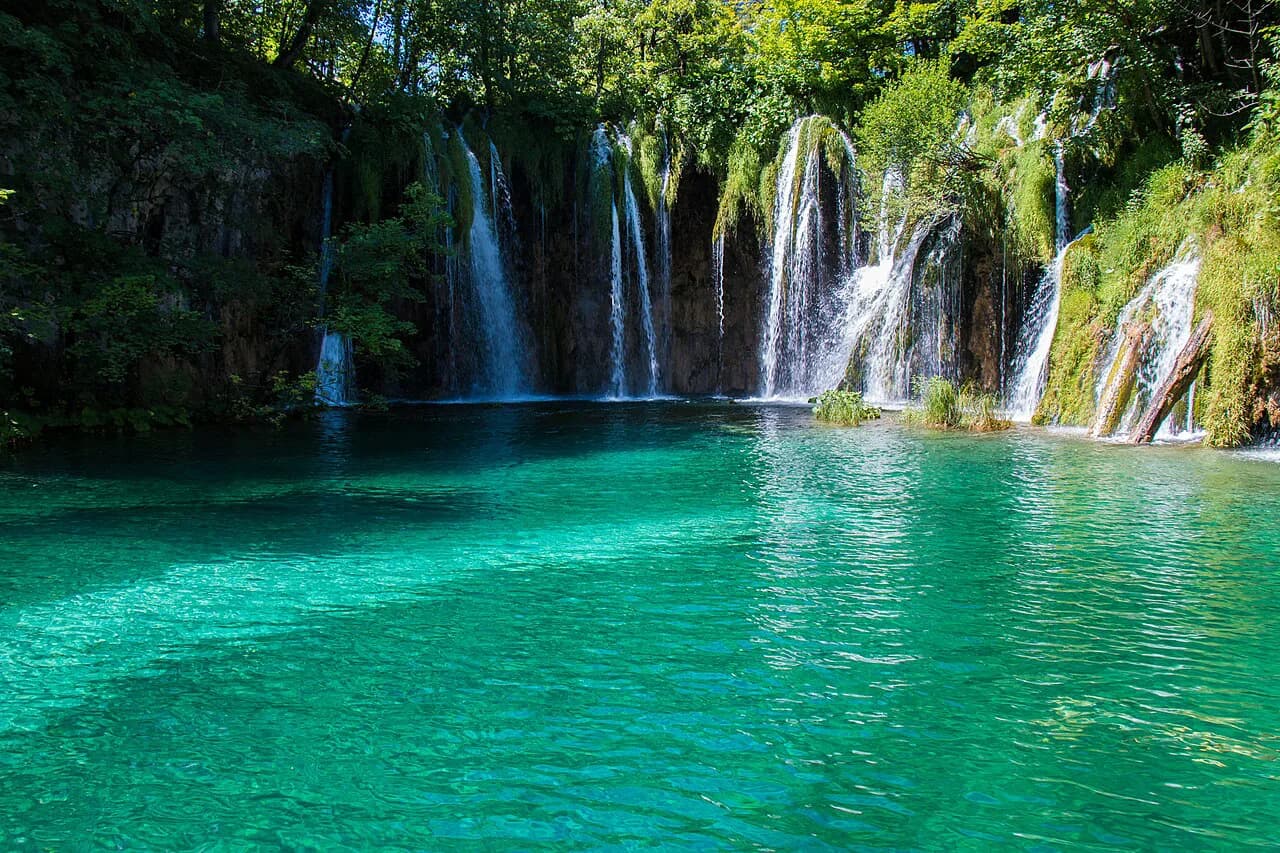
Plitvice is the UNESCO-listed headline park, a chain of 16 lakes linked by cascading waterfalls. Krka is the travertine-and-waterfalls park near Šibenik. The rest range from island groups to high mountain country, which is why a single map of all eight can look more uniform than the places actually are. That full list, with what each one asks of your day, is worth skimming before you plot a route.
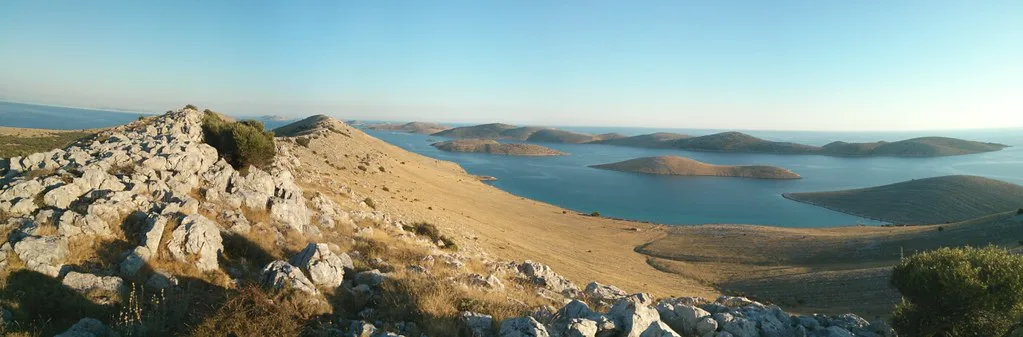
Where each park sits, north-west to south
Start in the north-west with Risnjak, in the Gorski kotar mountains behind Rijeka, and Sjeverni Velebit, the northern section of the Velebit range above the Kvarner coast. Both are mountain parks with road access and cool, forested walking, a useful counterweight to the coastal heat in July and August. Neither is a beach day, so slot them into an inland leg rather than a harbour-to-harbour itinerary.
Plitvice sits inland in Lika, roughly midway between Zagreb and Zadar and about four hours' drive from Split; self-driving takes three to four hours. Krka lies in Dalmatia just inland from Šibenik, and Paklenica occupies the southern Velebit above Starigrad, close to Zadar's hinterland. Brijuni is an island group off the Istrian coast near Pula, and Kornati and Mljet are offshore islands in the middle and south of the Adriatic respectively.
Reading the map by coast hub
If you are based in Istria or the Kvarner, your nearest parks are Brijuni by boat from the Pula area and Risnjak by road inland from Rijeka, with Sjeverni Velebit reachable along the Velebit coast. Istria is the easiest place to combine a boat crossing with an inland mountain day, because the distances between the two are short.
From Zadar, the map gives you Paklenica inland, Kornati offshore and Plitvice to the north-east in Lika. From Split and Šibenik you get Krka within just over an hour, Kornati to the north-west and Plitvice as a long day at roughly four hours each way. From Dubrovnik, Mljet is the park that fits, reached by ferry to an island with its own lakes and villages.
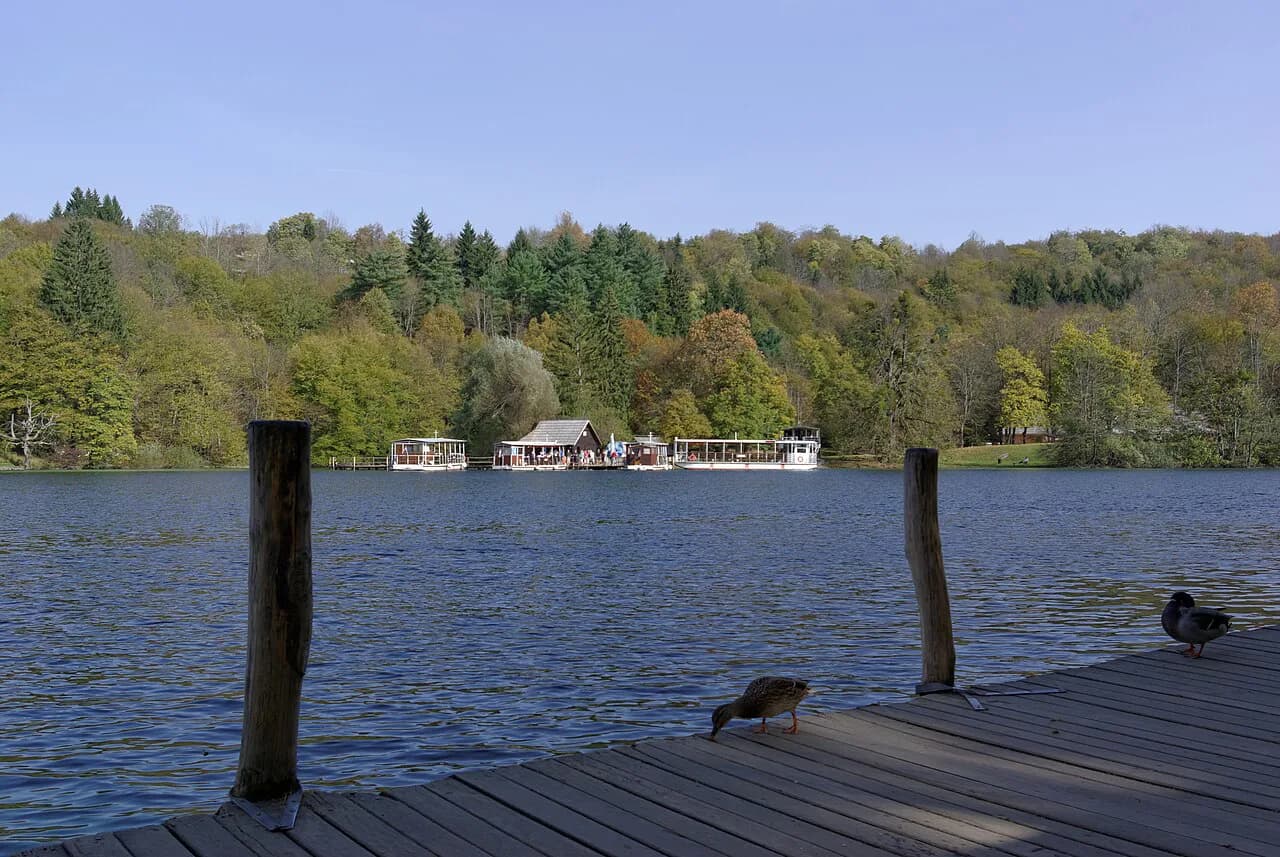
Plitvice Lakes: inland in Lika, roughly four hours from Split
Plitvice is the park that most stretches a coastal itinerary. From Split the drive is about four hours, so it works far better as an overnight stop than a there-and-back day trip. Coming from Zadar or Zagreb shortens the journey considerably, which is why many travellers see it between the two rather than off the coast.
Inside the park, work the Upper Lakes before the Lower Lakes and finish at the biggest waterfall; that order sidesteps the groups arriving at Entrance 1. Allow four to five hours to cover the whole area, and if you are staying in the Lika region afterwards, the countryside around Gospić and Smiljan, Tesla's birthplace, adds an inland half-day.
Krka: just over an hour from Split, two entrances
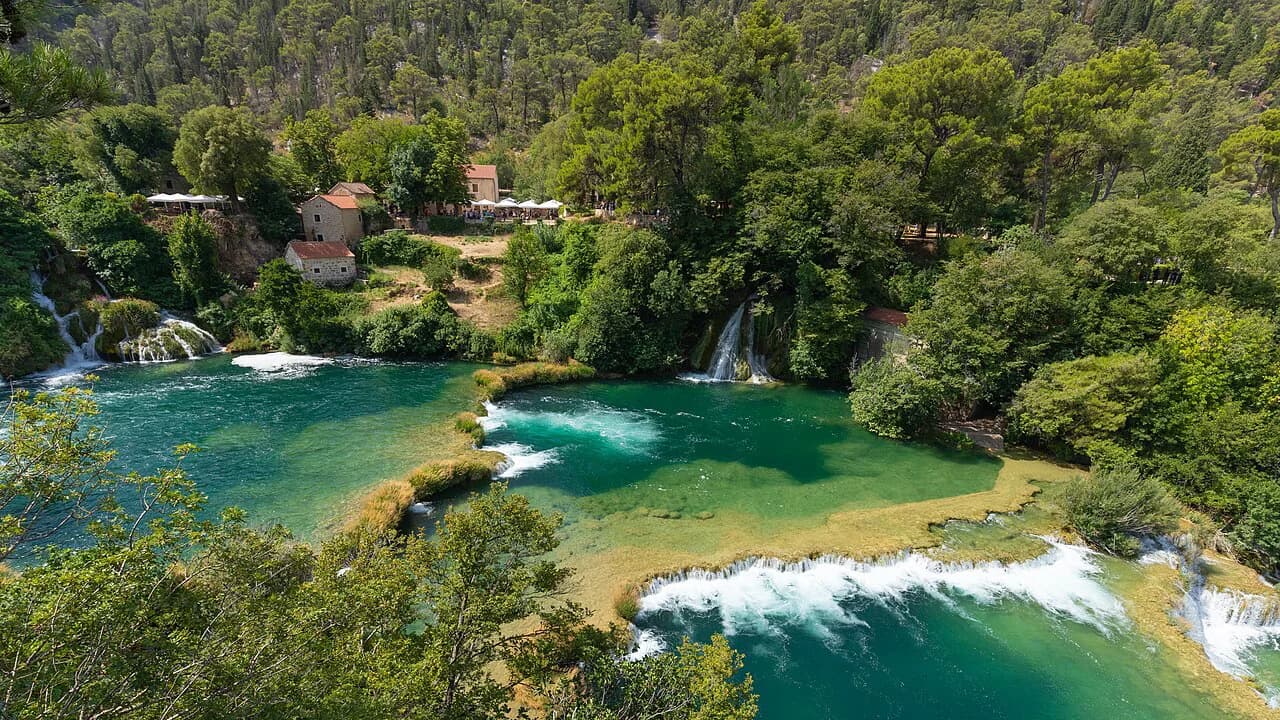
Krka is the day trip that actually fits a Split or Šibenik stay. The drive is just over an hour: take the motorway towards Skradin, leave the car there and buy your ticket at the office before heading into the park. From the main area a circular route of about 2 km loops through the travertine falls, with Skradinski buk and Roški slap the two set pieces.
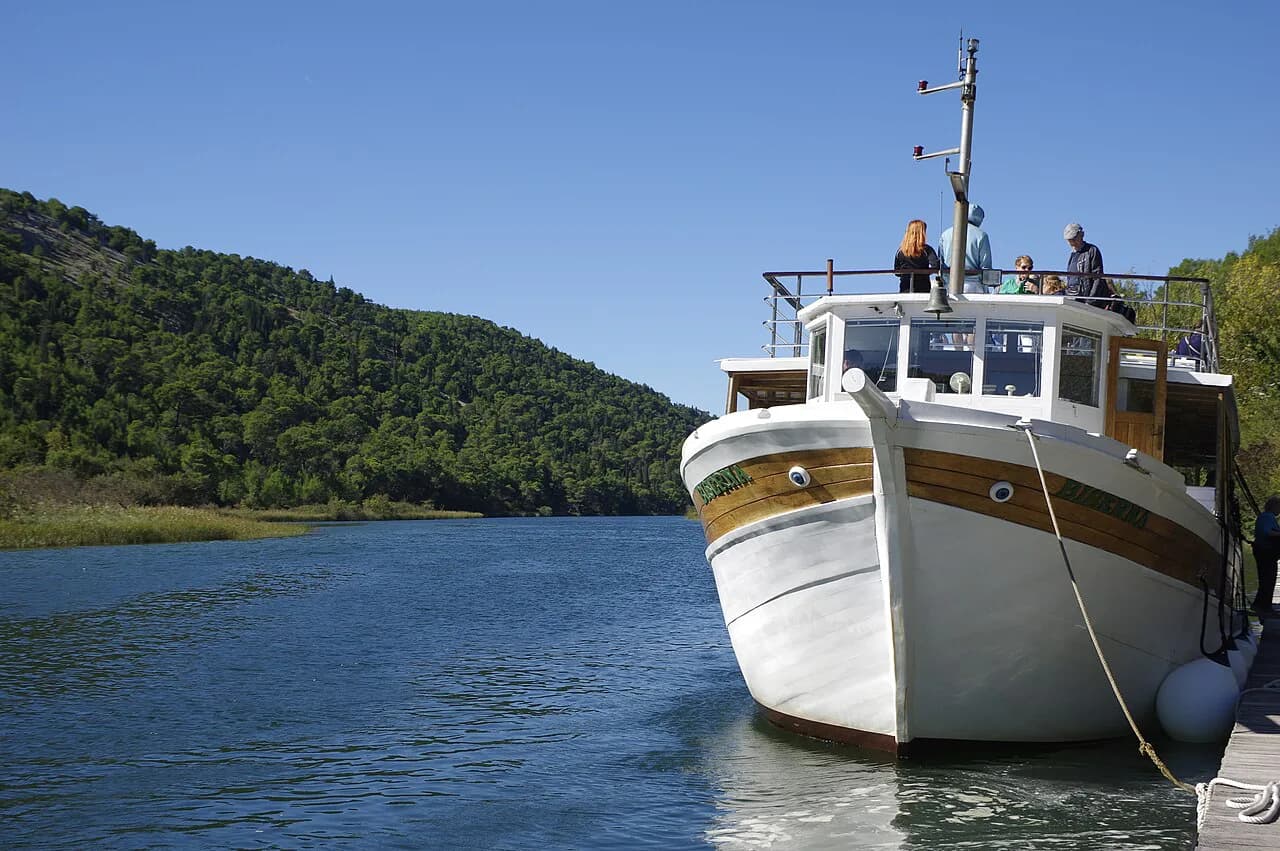
Your entrance choice changes the day, not just the gate. Skradin brings a boat ride along the river to Skradinski buk, while Lozovac has large free parking and a shuttle bus down to the same waterfall, which suits drivers. Arriving before about 08:30 avoids the worst of the coach traffic; ticket prices and seasonal opening times are set by the park authority and change year to year, so confirm before you travel.
Brijuni: an island group off the Istrian coast near Pula
Brijuni is not a road park: it is an archipelago off the Istrian coast by Pula, reached by boat, so you build the crossing into the plan rather than driving to a gate. That makes it a half-day or full-day outing from an Istrian base rather than something to tag onto a coastal drive.
Because access depends on a boat, the crossing timetable sets your day, not the map distance. Check the sailing times and ticket arrangements with the ferry company running the island service before you commit a day to it, and keep a road park such as Risnjak or Sjeverni Velebit as the fallback if the weather turns.
Kornati: an offshore archipelago reached by boat
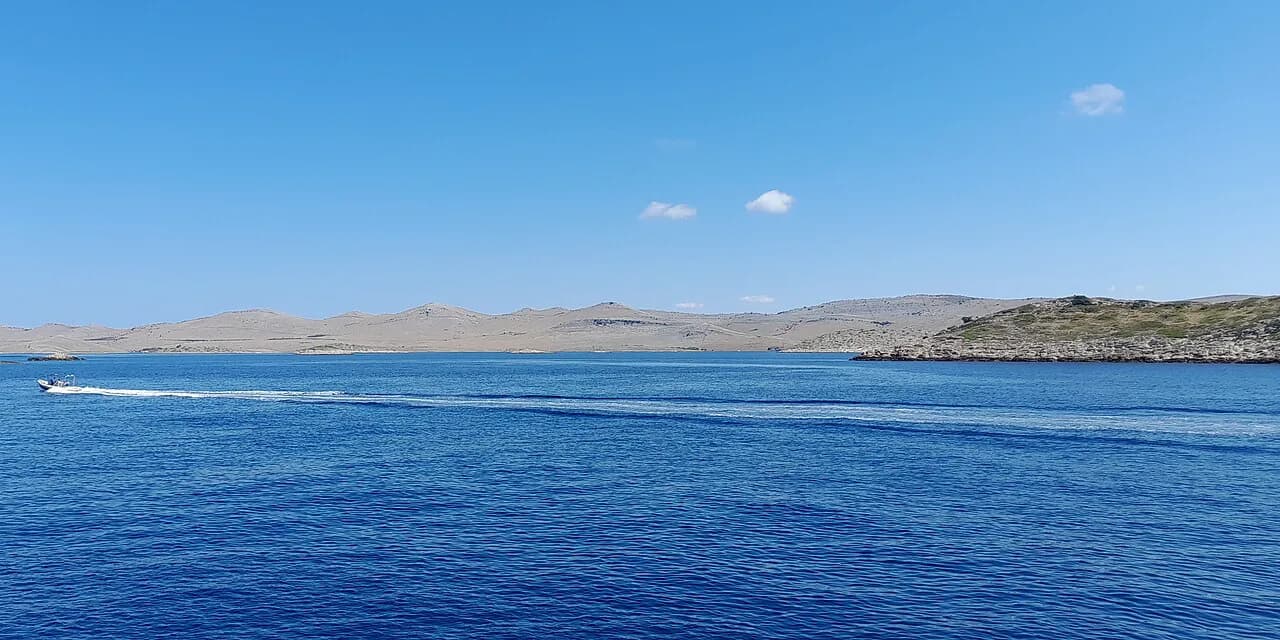
Kornati is the clearest case of a park that the map makes look close and the sea makes slow: it is an offshore archipelago between Zadar and Šibenik with no road access, so you visit on an organised boat trip or in your own vessel. The reward is bare karst islands and empty water rather than a ticketed walking circuit, and the Kornati National Park: Tickets, Boat Access and What You'll See guide sets out how the crossings and landing fees work.
Treat a Kornati day as weather-dependent and long, since the crossing eats into the time ashore. Pick a departure from the hub you are staying in and ask the boat operator about the day's routing when you book; the neighbouring Telašćica Nature Park on Dugi Otok often features on the same itineraries, which is worth knowing when you compare trips.
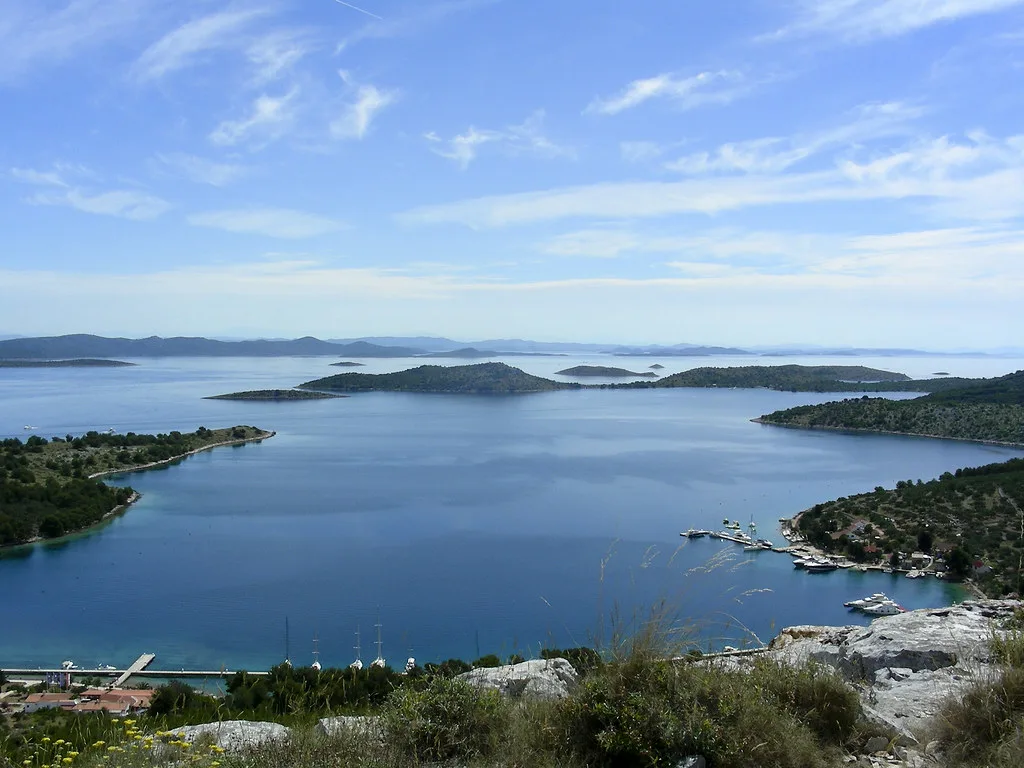
Mljet: a southern island park with ferry access
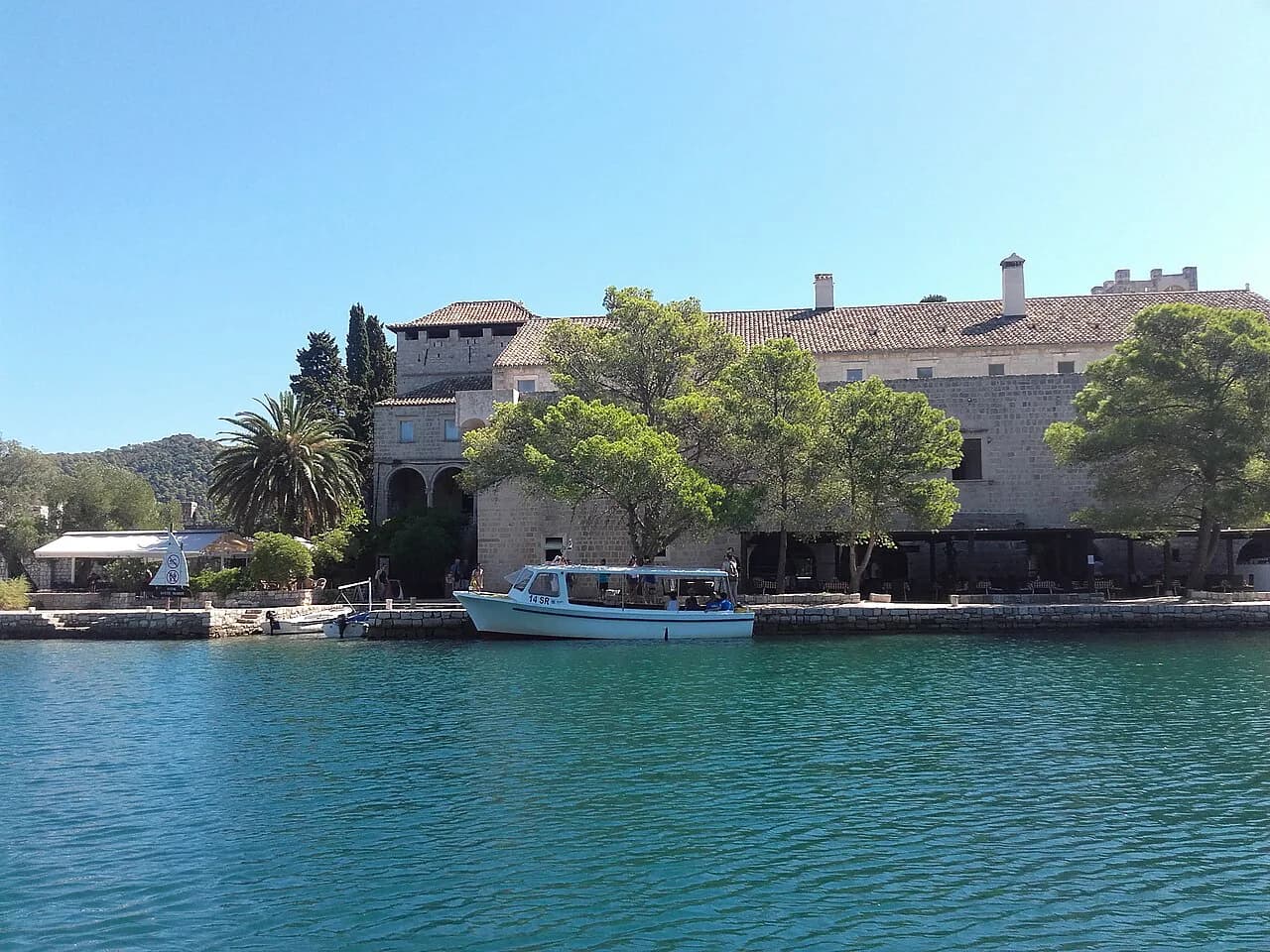
Mljet is the southern park to plan around, an island reached by ferry with the National Park wrapped around its lakes. Arrive at Pomena or Polače and you are already at the park entrance, which makes an overnight stay far more rewarding than a rushed day return. The villages themselves are small harbour bases with the ferry quay at hand. If you are plotting the offshore parks together, see Kornati National Park: Tickets, Boat Access and What You'll See.
On the island, the park trails around the lakes are the main draw, and the Odysseus Cave on the south coast adds a rugged detour for those with a boat or a guide. Ferries to Mljet run from the mainland and from Korčula and the Pelješac peninsula; consult the ferry company timetables for the season you are travelling, as sailings thin outside summer.
The mountain parks: Risnjak, Sjeverni Velebit and Paklenica
The three mountain parks are the ones a coastal map underplays. Risnjak sits in the forests of Gorski kotar behind Rijeka, Sjeverni Velebit covers the northern Velebit ridge, and Paklenica rises straight from the coast above Starigrad near Zadar. All three are road-access parks, so they slot into a driving route without a ferry booking.
They also give you somewhere to go when the coast is crowded or the bura is blowing hard enough to keep boats in harbour. Expect cooler temperatures and changeable conditions at altitude, and take the park authority's advice on trails rather than treating them as strolls.
Which park to pick if you only have one or two days from the coast
With one day from Split or Šibenik, choose Krka: just over an hour's drive, a compact 2 km circuit and a clear half-day shape. With one day from Zadar, weigh Paklenica against a Kornati boat trip depending on whether you want walking or water. With one day from Dubrovnik, Mljet is the park that fits, ferry schedule permitting.
With two days, Plitvice becomes viable but only as an overnight, not a return trip from the coast; pair it with Krka if you are driving between Zadar and Split. If you are based in Istria, Brijuni by boat plus a mountain day at Risnjak is a more sensible combination than chasing Plitvice across the country.
Where the map misleads you: driving times, boat crossings and summer queues
Straight-line distance is the enemy of planning here. Plitvice is roughly four hours from Split, which turns a dot on the map into a full day of driving, while Krka is barely an hour away. The same distortion applies offshore: Brijuni, Kornati and Mljet all depend on boat crossings that set your arrival and departure times, not your driving.
Summer compounds it. At Krka, arriving before about 08:30 puts you ahead of the coach groups, and the Upper Lakes first strategy at Plitvice does the same job there. For any park, confirm current opening times, ticket prices and ferry sailings with the park authority or boat operator before fixing your dates, since these change with the season.
Which park should you plot first?
Plot Krka first if you are based in Split or Šibenik and have a single free day, and treat Plitvice as an inland overnight rather than a coastal day trip. If you are in Istria, start with Brijuni by boat and keep Risnjak for a cooler mountain day; from Zadar, decide between Paklenica on foot and Kornati by sea.
Whichever you choose, build the day around the transport that gets you there — a drive time, a ferry sailing or a boat departure — rather than the distance on the page. Croatia’s National Parks: The Eight Parks and How to Visit, taken one park at a time, turns a map of eight dots into an itinerary you can actually keep.
Explore more Croatia guides
Sources
Notes from the Croatian coast
Optional updates when our guides change.
You might also like
Continue reading
More guides you'll find useful