Polače, Mljet: Harbour Village, Roman Palace and Park Trails
Polače is a sheltered harbour village on Mljet with Roman palace ruins and a road approach. Here is how it is laid out and how long it needs.
On this page
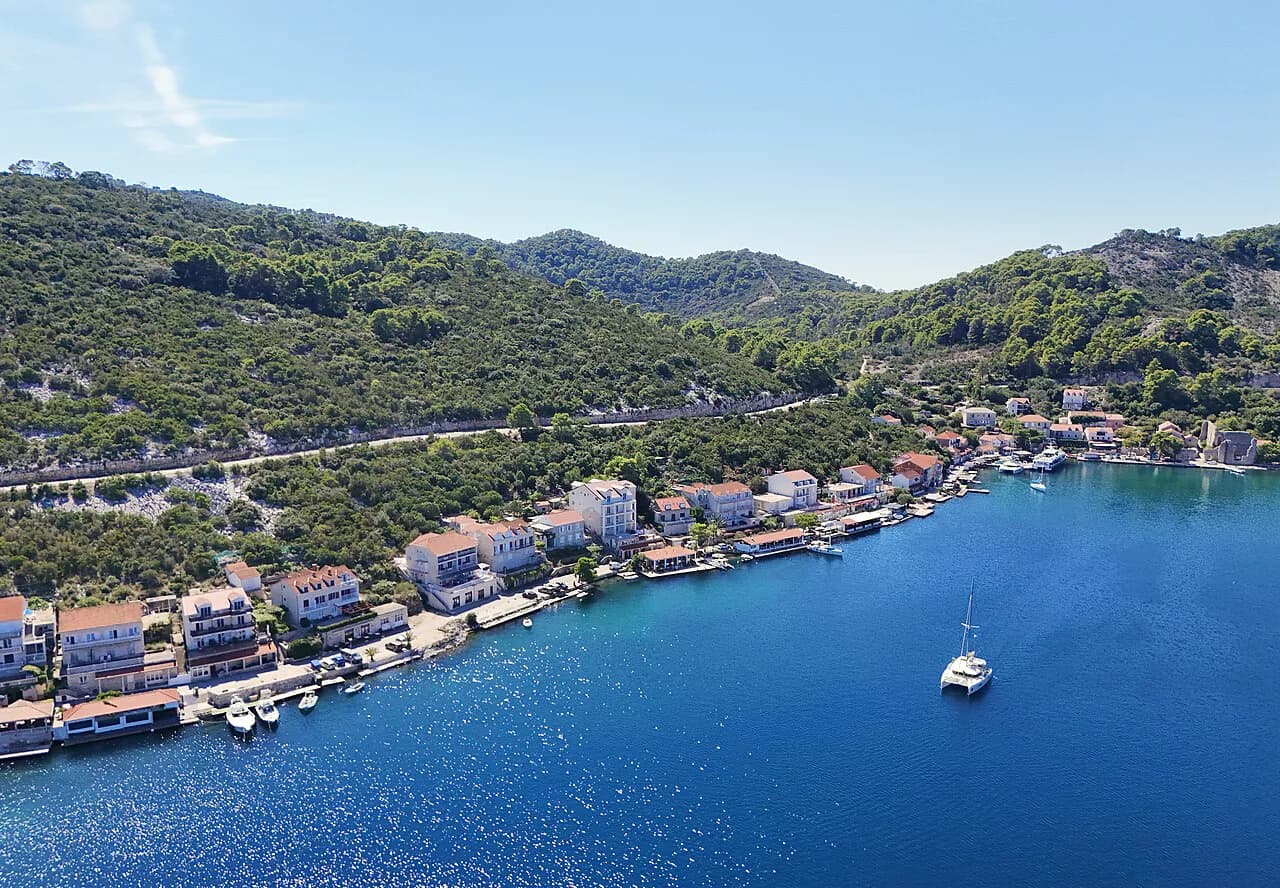
Polače is a harbour village on the island of Mljet, lying on a deep, sheltered inlet and connected by the D120 road. It is two things at once: a small village with a waterfront and a Roman palace ruin in its middle, and a practical base for the western lakes of Nacionalni park Mljet, which lie inland. Plan on half a day for the village and the ruins, and a full day if you add the lakes, the boat to Sveta Marija and the Montokuc viewpoint.
What Polače is and where it sits on Mljet
Mljet is a long, wooded island in southern Dalmatia, and Polače sits on its north-western side. The village is small: the 2021 census recorded 111 residents, which tells you most of what you need to know about its scale.
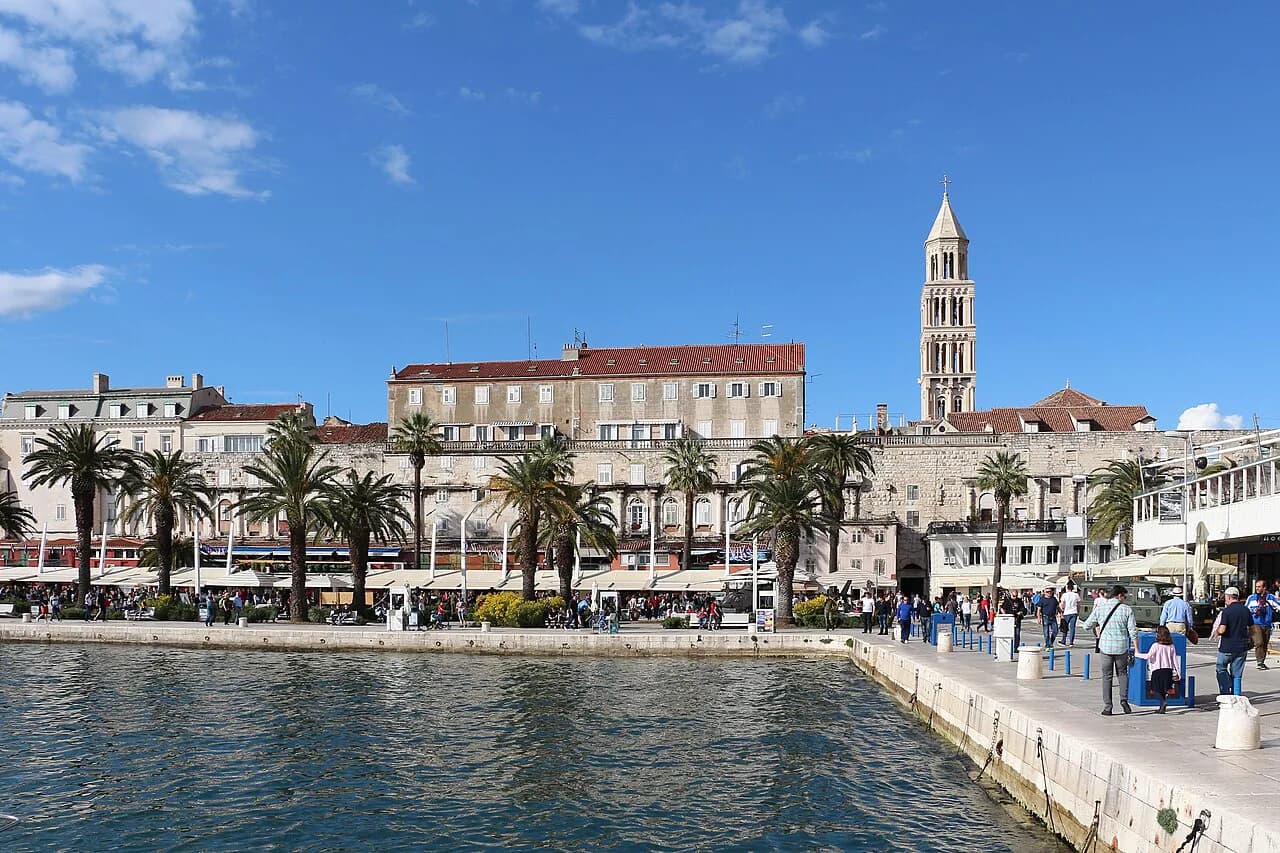
The layout is simple enough to learn in ten minutes. The waterfront is the natural centre and the place to start, and the D120 road connects Polače with the rest of the island. Everything a visitor wants — the quay, the ruins and the routes towards the lakes — sits within a few hundred metres of the water.
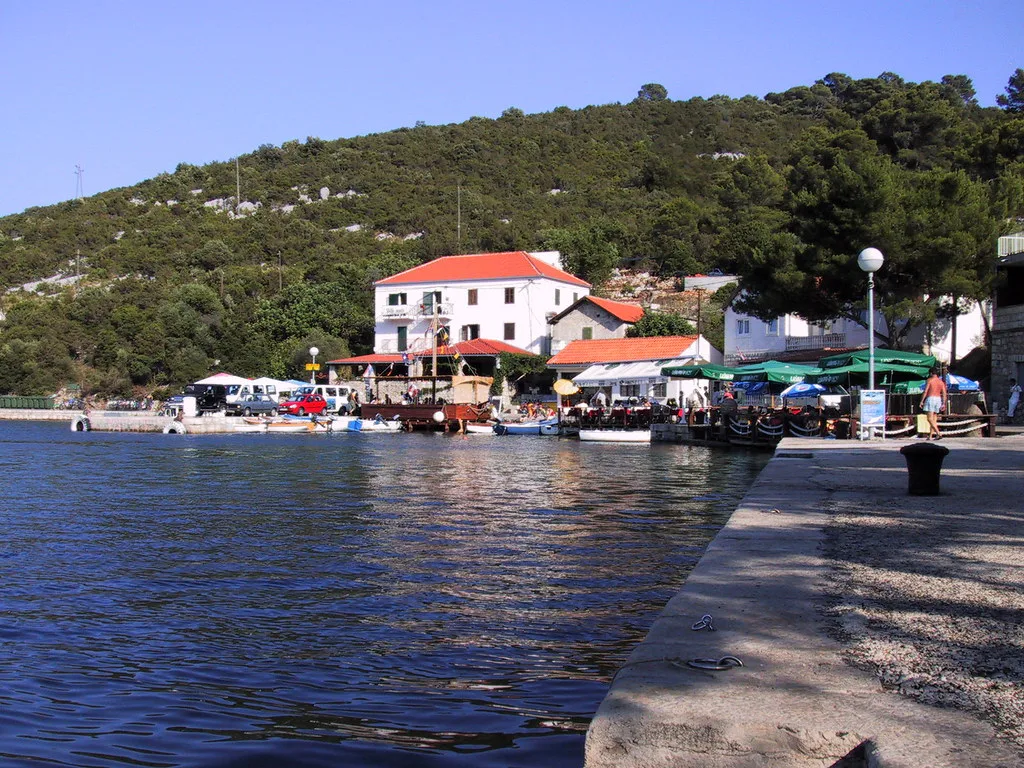
The harbour and how the village is laid out
The inlet at Polače is a sheltered anchorage, and the park publishes a separate price list for vessels entering its waters, so the harbour serves both boats and road visitors. The quay and waterfront strip carry the village's everyday life, and the lanes behind are short.
Is Mljet island worth visiting? For travellers interested in the National Park, yes. Mljet combines the sheltered harbour villages of Polače and Pomena with two wooded lakes, the island of Sveta Marija and marked trails including the climb to Montokuc, all covered by one park ticket.
Do you need a ticket to visit Polače itself? No. The village, its harbour and the Roman palace ruins are open to walk around without a park ticket.
How do you reach Polače on Mljet? Polače sits at the end of the D120 island road on Mljet's north-west coast, which links it with the rest of the island. If you are arriving by boat, confirm your operator's route and landing point with that operator before you travel.
Walk the quay first, then take the lanes behind it and follow the marked trails inland toward the park. The village's small scale means you can cover the centre on foot in well under an hour, and the ruins and the park paths are both a short walk from the water. That compactness is why Polače works as a base for the western lakes rather than just a place to park the car.
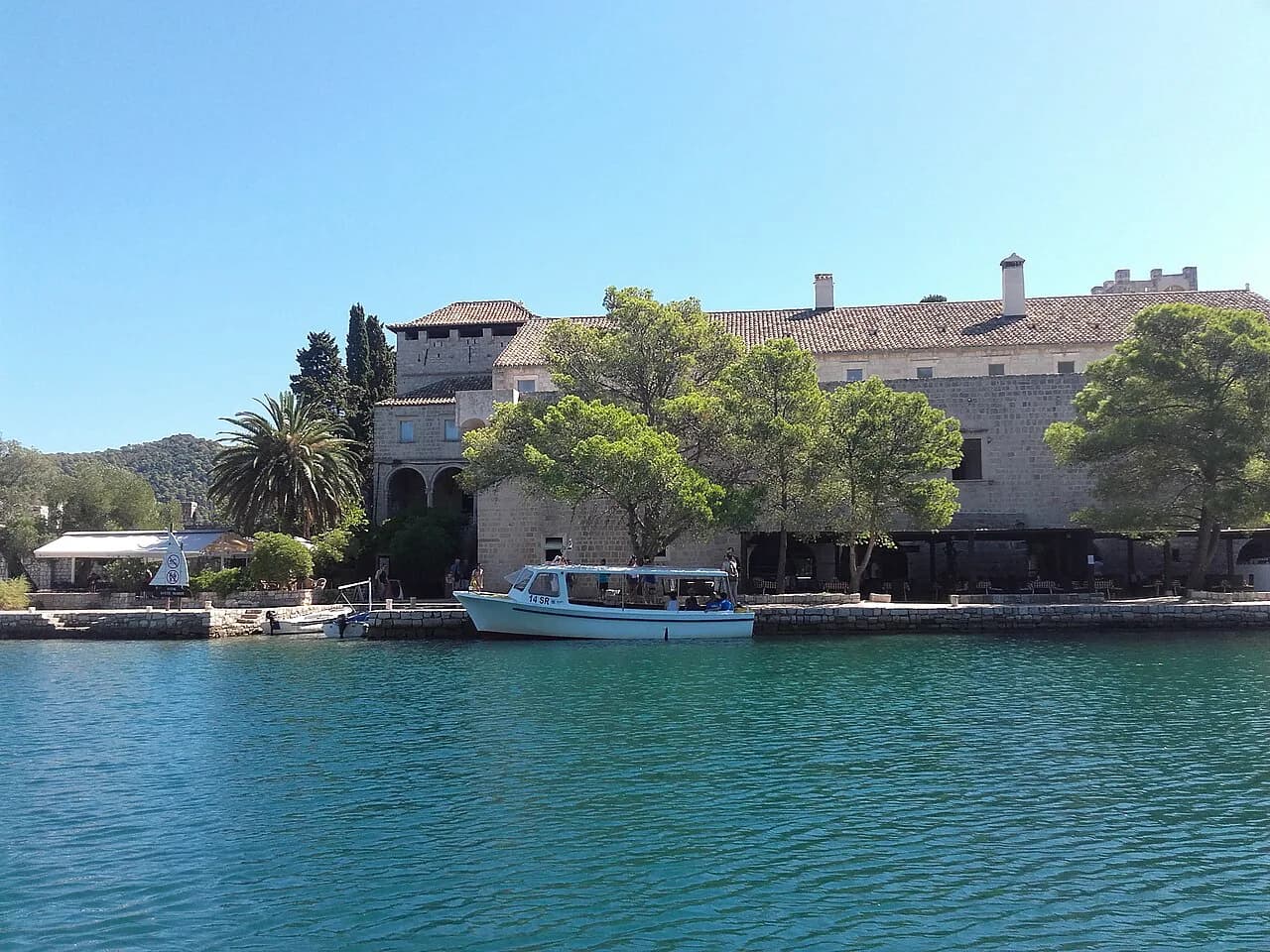
The Roman palace at Polače: what to look for
The Roman palace at Polače is the village's principal sight, and its walls stand within the village itself rather than behind a separate gate. Look for the surviving masonry rather than expecting a reconstructed villa; the pleasure is in seeing how the ancient structure and the later village sit together.
Allow 20 to 30 minutes to walk the visible remains and read the site. Pair the ruins with the harbour walk rather than treating them as a separate excursion, and they fit neatly into a short village visit.
The National Park ticket: solar boat to Sveta Marija and the lakes
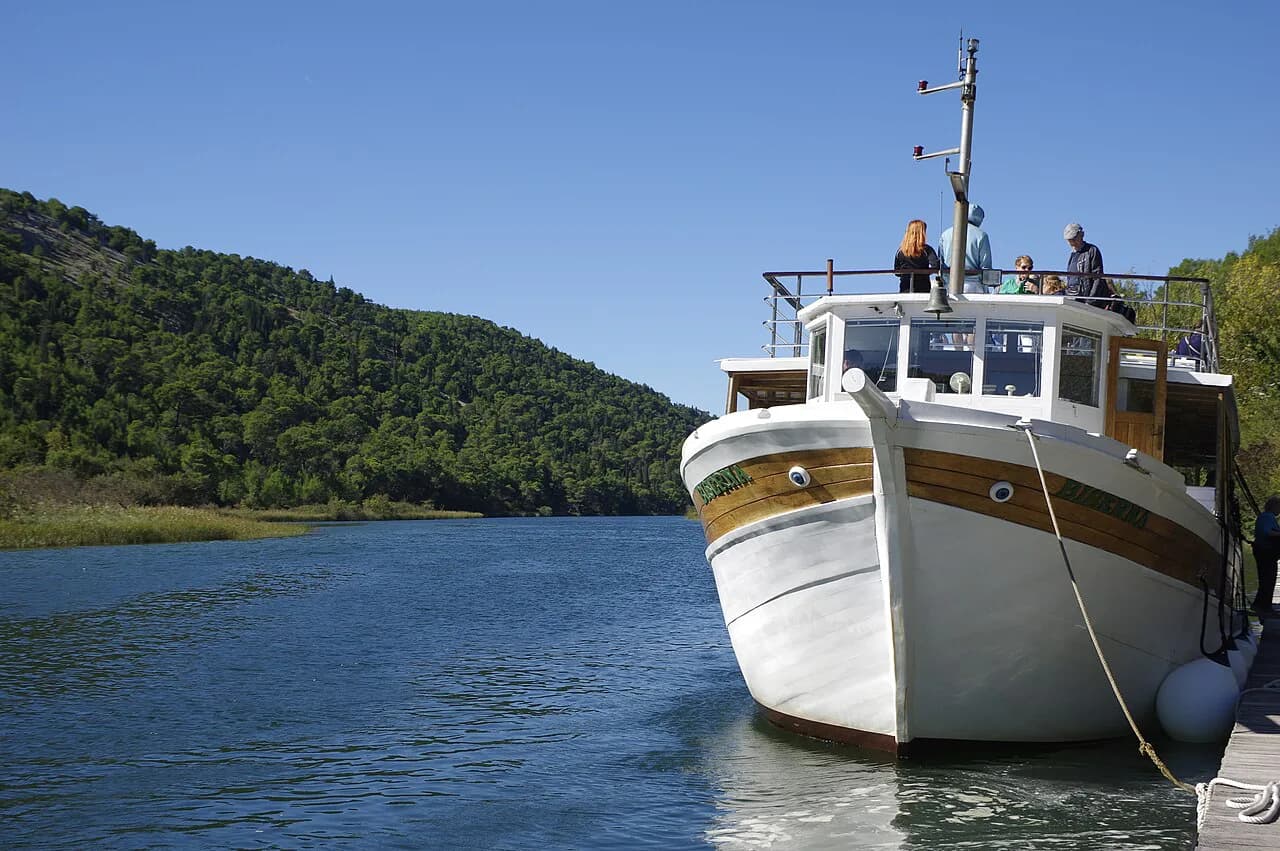
The park ticket is not an entry fee for Polače; it covers the park's own sites and services. According to the official 2026 price list, a visitor ticket includes one return trip on the solar boat to the island of Sveta Marija in Veliko jezero, a single visit to all the park's land sites, the marked trails around Veliko and Malo jezero, the forest trails from Malo jezero to Pomene and from Vrbovica to Polače, the trail to the Montokuc viewpoint, parking for private cars at Vrbovica for day visitors and for stationary guests without their own parking around Veliko jezero, and transport on the electric train to its timetable.
A few rules shape how you buy it. For visits after 16:00, the one-day adult, child (7 to 18) and student tickets bought inside the park are reduced by 25%. Visitors with disabilities receive a 50% discount on presenting a valid card, and an extra return boat ticket to Sveta Marija costs 5 EUR, bought on presentation of a park ticket. Groups larger than nine must announce their arrival in writing to the park's tourist service in advance, a booked interpretive guide must be requested in writing and confirmed before it is provided, and any booked service must be cancelled at least 24 hours ahead or is charged in full.
Ticket amounts are set by the park's governing council and published on its price list, so check the figure for your own dates there. Because one ticket covers the boat, the land sites and the trails, arrive early enough to use several of them in a single day rather than buying it for one short stop.
Veliko jezero and Malo jezero: walking trails and the Montokuc viewpoint
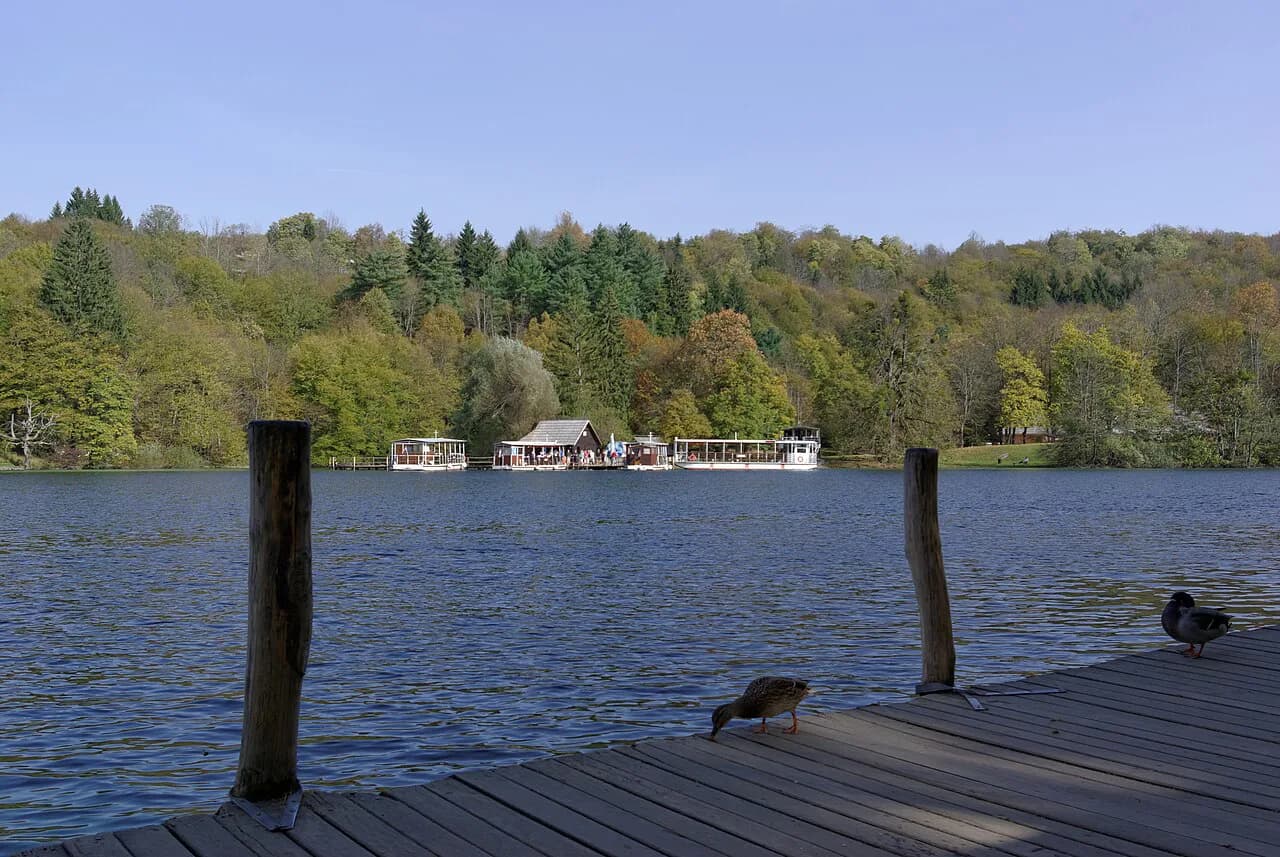
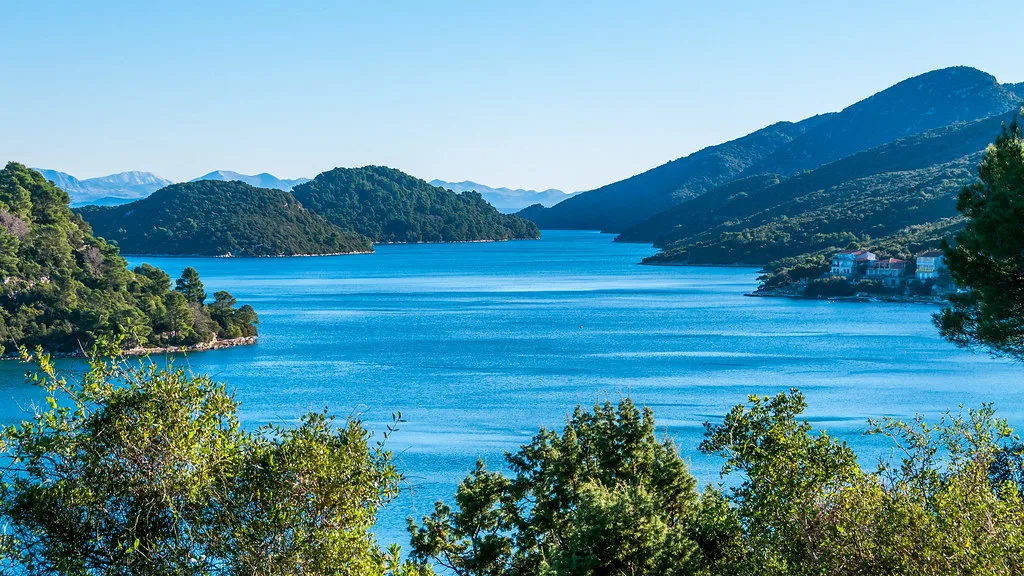
From Polače the lakes are reached on foot along the marked trails, and the forest route from Vrbovica to Polače is one of the paths the ticket covers. Allow time for the walking rather than treating the lakes as a roadside stop: the trails link the lakes, the villages and the shore in a network you can shape to your own pace. The reward is the water itself — Veliko jezero with its island of Sveta Marija, and the smaller Malo jezero beside it.
The Montokuc viewpoint trail is included in the ticket and gives a broad view over the lakes and the island's wooded interior. It is the obvious choice if you want one elevated viewpoint rather than a full circuit, and it suits walkers who would rather gain height than follow the shore. Build it into the middle of the day and keep the boat to Sveta Marija for either side of it.
Mljet's other sights are reached by water rather than by the park trails, such as the Odysseus Cave, so they need separate planning from a Polače day.
Getting to Polače: the D120 road and arriving by sea
By road, Polače is reached on the D120, the island road that connects it with the rest of Mljet. If you are arriving by sea, confirm your operator's route and landing point before you travel.
For the wider picture of Croatia's protected areas and how their tickets and access rules differ, see Croatia’s National Parks before you plan more than one stop. For a contrasting island park that is reached and explored mainly by boat, see Kornati National Park.
How long Polače needs, and how it fits a Mljet or south Dalmatia trip
Give the village and the Roman ruins half a day at most, including a slow walk around the harbour and time on the quay. Give the park a full day if you want the solar boat to Sveta Marija, a walk around both lakes and the climb to Montokuc. The mistake is to treat Polače as a quick photo stop and then find no time left for the lakes, which are the real reason most people come.
Polače fits a Mljet stay of two or three nights, paired with Pomena and the lakes, and a south Dalmatia road trip as a half-day between the Pelješac crossing and the island's eastern end.
When to go: summer crowds and the bura wind
Summer is when Polače is at its busiest, and the pressure shows in two places: the harbour, where boats and day visitors converge, and the park boats, where queues build through the middle of the day. Arriving early is the most useful decision you can make, both for parking and for the boat to Sveta Marija. The park asks groups larger than nine to announce themselves in writing ahead partly to reduce exactly this congestion.
The bura, the cold northerly wind, blows in bursts along this coast and is worth respecting: the Polače inlet is sheltered, but the exposed water beyond it and the open lake edges are not, so check the forecast before committing to a boat day or a long walk. A windy day is a good one for the ruins and the harbour rather than the water.
Village visit or park day?
Decide first which Polače you want. For the village, come for the harbour, the Roman walls and a slow hour on the quay, and you need no park ticket at all. For the park, buy the ticket knowing it covers the boat to Sveta Marija, the land sites, the lake and forest trails, the Montokuc path, parking at Vrbovica and the electric train, then give it a full day and start early.
Explore more Croatia guides
Frequently Asked Questions
Is Mljet island worth visiting?
For travellers interested in the National Park, yes. Mljet combines the sheltered harbour villages of Polače and Pomena with two wooded lakes, the island of Sveta Marija and marked trails including the climb to Montokuc, all covered by one park ticket. The trade-off is that Mljet is quieter and slower to reach than the mainland coast, so it suits a stay of two or three nights rather than a rushed stop.
Do you need a ticket to visit Polače itself?
No. The village, its harbour and the Roman palace ruins are open to walk around without a park ticket. The ticket applies to the National Park's sites and services, including the solar boat to Sveta Marija, the land sites, the marked lake and forest trails, the Montokuc viewpoint trail, parking at Vrbovica and the electric train.
How do you reach Polače on Mljet?
Polače sits at the end of the D120 island road on Mljet's north-west coast, which links it with the rest of the island. If you are arriving by boat, confirm your operator's route and landing point with that operator before you travel.
Sources
Notes from the Croatian coast
Optional updates when our guides change.
You might also like
Continue reading
More guides you'll find useful