Omiš Travel Guide: Plan Your Dalmatia Pirate Town Trip
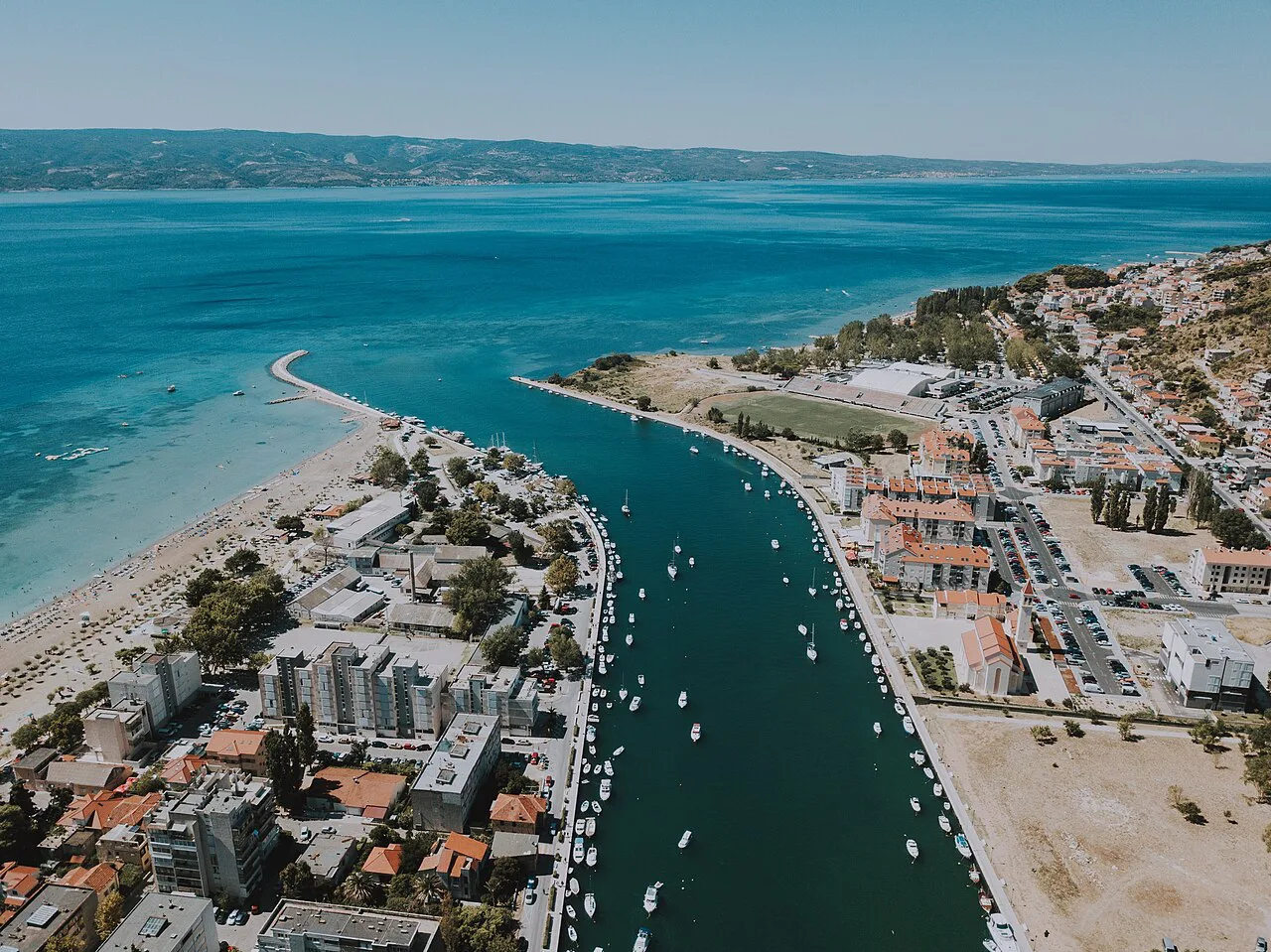
Omiš sits where the Cetina meets the Adriatic, with two hilltop fortresses above the old town. Here is how the town is laid out and how long it needs.
On this page
Omiš is a small Dalmatian town at the mouth of the Cetina, roughly halfway between Split and the Makarska Riviera, and the gorge behind it is the reason to stop rather than the waterfront. The old centre takes under an hour to walk, so the shape of your day is decided by how many fortresses you climb and whether you head up the canyon. This guide covers the layout of the centre, the two hilltop sites above it, how long each needs, when the bura spoils a boat day, and how Omiš slots into a coast route.
What Omiš is and where it sits
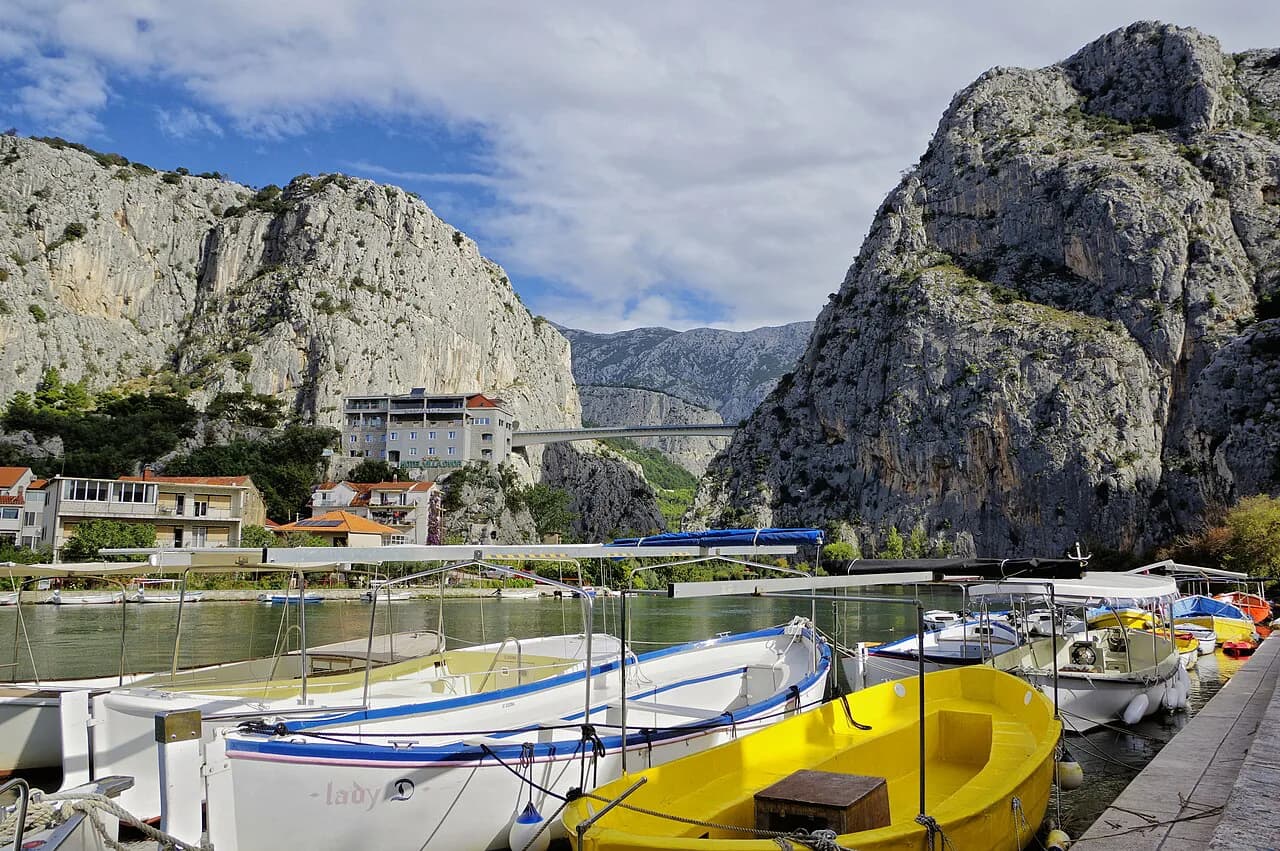
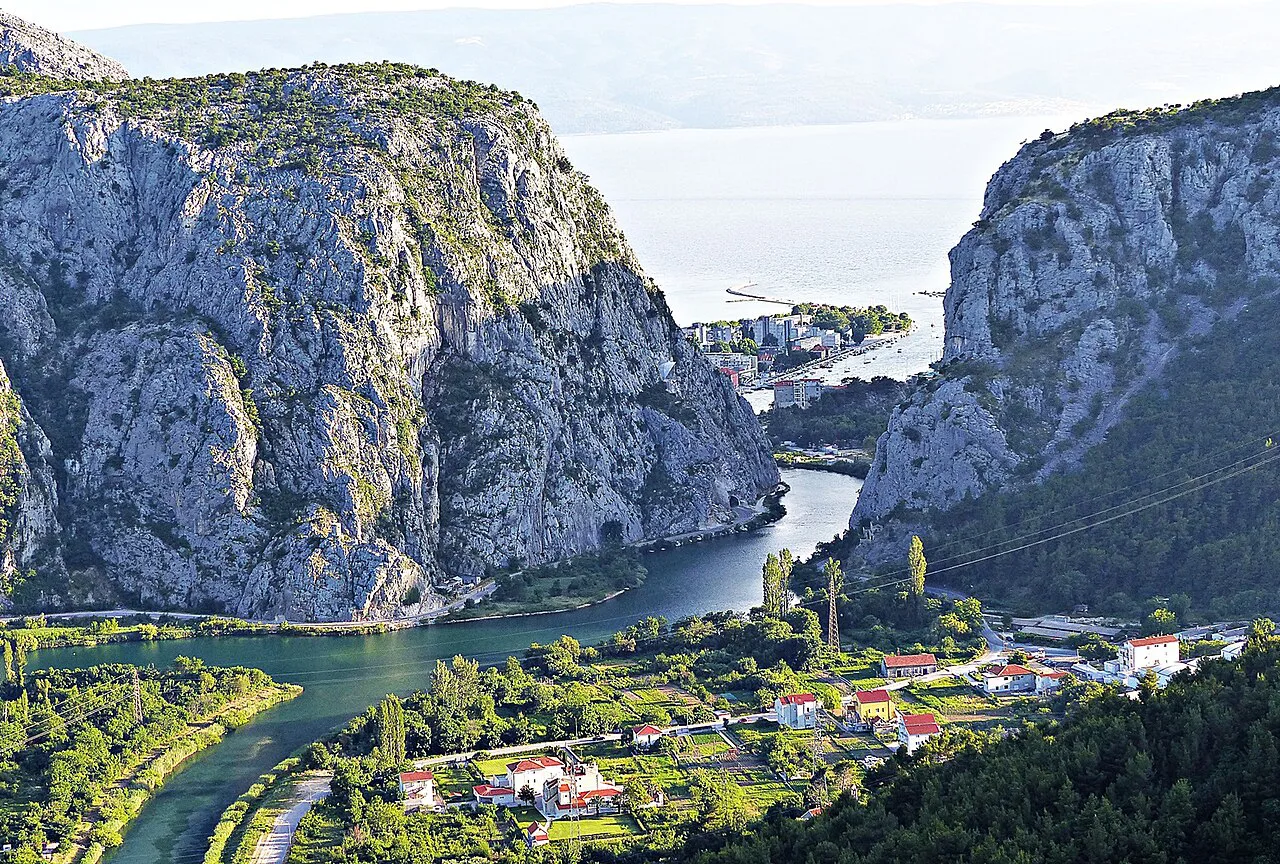
Omiš occupies a narrow shelf where the Cetina river reaches the Adriatic, with high limestone hills rising directly behind the rooftops and the town acting as the gateway to the canyon rather than as a resort strung along a bay. Along the Dalmatian coast it sits between Split to the northwest and the Makarska Riviera to the southeast, which makes it an easy staging point rather than a destination that needs its own transfer day.
The historic identity that draws people here is the pirate period, when the town controlled shipping through the narrow channel at the river mouth. Treat that as context for the fortresses and the layout rather than a set of dates to tick off; the surviving walls and towers are the tangible evidence. The wider region gives you a sense of how rugged this interior is, with the karst hinterland running inland from the coast towards Sinj and Trilj.
Orientation: the Riva, the square and the lanes behind
Start on the Riva, the waterfront promenade that runs along the mouth of the Cetina and gives you the clearest first read on the town: river on one side, old stone on the other, crags above both. From there the centre folds back into a compact grid of lanes and small squares, all walkable in under an hour at an unhurried pace. The main square is the natural pivot for finding the stairways that lead up to the fortresses, so fix its position before you start climbing.
Because the town is so compressed, the lanes are best treated as a loop rather than a checklist: walk the Riva, cut inland through the old streets, and come back along a different alley to see the churches and stone houses from a second angle. The reward is the density of the place rather than any single monument.
Mirabela fortress: the short, steep climb
If a fortress is your aim, Mirabela is the one most visitors climb, sitting on the rock directly above the old centre and reachable on foot from the lanes below. The ascent is short but genuinely steep, on stone steps and uneven ground, so allow more time than the distance suggests and carry water in summer. From the top you look down on the rooftops, the Riva and the river mouth, with the canyon opening inland behind the town. That view is the point of the climb, and it is the single most efficient way to understand how Omiš is put together.
Do it early or late in the day. The climb is exposed, and the same limestone that makes the view so good also reflects heat back at you by mid-afternoon. If your knees are unhappy on stairs, the shorter climb is the gentler option, because the effort is measured in minutes rather than in a proper walk.
Starigrad (Fortica): the higher site above the town
Starigrad, also called Fortica, sits higher on the ridge above Omiš and takes noticeably longer to reach than Mirabela. The path is rougher and more sustained, with loose stone in places, so decent shoes matter more than they do on the lower climb. What you gain is height: the view takes in the whole town, the length of the Cetina gorge and the line of the coast in both directions.
The honest trade-off is that doing both fortresses in one day is a lot of stairs in the heat. If you have a head for heights and a full day, climb Mirabela first for the orientation and Starigrad second for the panorama, with a proper sit-down in between. If you have half a day, pick one: Mirabela for the quick hit, Starigrad for the larger view and the quieter path.
How long Omiš needs
Give the old centre and one fortress half a day, and the town plus both fortresses a full day. Add the gorge and you have used the day properly, because the canyon is the reason Omiš exists as a stop rather than a blur on the coast road. If you are travelling the coast in a week, one full day here is a fair allocation; squeezing in two fortresses and a boat trip in an afternoon will feel like a route march.
The wider region rewards a slower pace: as one account of planning a Dalmatia trip puts it, five to seven days suits the southern stretch and ten to fourteen days covers both the northern and southern halves. That kind of timing is worth knowing before you commit a single day to Omiš.
When to come: seasons, crowds and the bura
Late spring and early autumn are the sweet spot. Spring in Dalmatia averages around 20–25°C, warm enough for walking and for early swims, and the shoulder months bring fewer people to the stairways and the Riva. Summer runs from June to September with temperatures sometimes above 35°C, which turns a fortress climb into a heat-management exercise and fills the old centre by mid-morning.
The bura is the other variable. This cold, gusty wind can arrive in any season and change the character of a day on the water completely, so build flexibility into your plans and swap a boat trip for the fortresses or the lanes if the wind is up. Winter is quiet, with reduced prices and far fewer visitors, but some seasonal businesses on the coast shut and island ferries thin out, so it suits sightseeing rather than swimming.
Getting to Omiš and fitting it into a coast trip
Omiš is a straightforward drive or bus ride from Split along the coast road, which makes it easy to visit as a day trip or as a stop between Split and the Makarska Riviera. Buses and ferries connect the main coastal towns reliably, but a car gives you the most flexibility for reaching the gorge and the smaller places inland.
In a Split-to-Makarska route, Omiš works best as an overnight or a full-day pause rather than a quick photo stop, because the fortresses and the canyon both want time. If you are heading north instead, Trogir makes a natural companion stop, with its own compact old town and waterfront to compare against Omiš.
A couple of days either side of Omiš are easy to fill: the Makarska Riviera gives you a long waterfront under Biokovo, and the hills above it hold the Biokovo skywalk for a different kind of height.
Trade-offs worth knowing before you commit a day
Omiš is a gorge town first and a beach stop second, and the difference matters. The waterfront is short, the old centre is small, and the best of the visit is vertical: stairs, paths and viewpoints. Come expecting a canyon with a town attached and you will enjoy it; come expecting a resort and you will wonder where the promenade went. The old town also fills quickly on summer mornings, so timing your climb for early or late is the single simplest fix.
Weather decides the rest. A windy day is a fortress day, not a boat day, and a hot day is a morning climb and an afternoon in the shade. Note also that the town's sights are outdoor and weather-exposed, so a wet or gusty spell can strip a full day down to a couple of hours in the lanes.
Finally, treat the town as part of the coast rather than a standalone stop. Omiš sits on the Dalmatian coast line that runs from Split through the Kaštela villages and Trogir to the Makarska Riviera, and it earns its place on that line because of the canyon, not because it competes with the bigger towns for museums and restaurants.
Should Omiš get a full day or a half day?
If you can only spare a few hours, walk the Riva and the lanes, then climb Mirabela for the view over the rooftops and the canyon. That half day gives you the shape of Omiš without exhausting anyone, and it works well as a pause on the drive between Split and the Makarska Riviera.
If you have a full day, climb Starigrad as well and give the Cetina gorge the time it deserves, watching the forecast for the bura before you commit to anything on the water. The town rewards that extra day precisely because the second fortress and the canyon sit behind the first view.
Explore more Dalmatia guides
Frequently Asked Questions
Do I need a car to visit Omiš?
No. Omiš is served by buses and ferries along the Dalmatian coast and is easy to reach from Split, so a car is optional. It helps if you want to explore the Cetina gorge and the inland villages at your own pace rather than relying on scheduled services.
Is Omiš worth visiting on a hot summer day?
Yes, but plan around the heat. Climb a fortress early in the morning or in the late afternoon, keep the middle of the day for the shaded lanes and the Riva, and carry water. Summer temperatures in Dalmatia sometimes exceed 35°C, which makes midday stairways a poor idea.
Can I see both fortresses in one day?
It is possible if you are fit and start early. Mirabela is the shorter, steeper climb from the old centre, while Starigrad sits higher and takes longer. Doing both means a lot of stairs, so build in a proper break between them.
What happens to boat trips when the bura blows?
The bura is a cold, gusty wind that can make the water uncomfortable or unsuitable, and conditions vary by the day. Check current details with your operator on the morning itself, and avoid fixing a date too far ahead in a windy spell.
Sources
Notes from the Croatian coast
Optional updates when our guides change.
You might also like
Continue reading
More guides you'll find useful