Kaštela, Croatia: A Guide to the Seven Castle Villages
Kaštela links seven castle villages along the coast between Split and Trogir. Here is how the town is laid out and what to see along the waterfront.
On this page
Kaštela is a single municipality made up of seven villages strung along the coast between Split and Trogir: Kaštel Sućurac, Kaštel Gomilica, Kaštel Kambelovac, Kaštel Lukšić, Kaštel Stari, Kaštel Novi and Kaštel Štafilić. That row of villages is the key to planning a visit, because there is no single historic centre to aim for; you move along the shore instead. This guide sets out the order of the villages, the castles that gave them their names, the museum that explains the town's history, and how much time the place deserves.
What Kaštela is: seven linked villages
The name covers a chain of settlements rather than one town, and the municipal authority names seven villages along the shore, each prefixed Kaštel. In Croatian the word kaštel means castle, so the place names themselves tell you what to look for as you travel through. Reading a map with that sequence in mind stops you treating Kaštela as a single dot on the coast.
Each village keeps its own small waterfront, its own church and its own knot of stone lanes, and daily life is spread across all of them. For a visitor this means the interesting material is distributed along several kilometres of coast rather than concentrated in one compact core. Treat the villages as a series of stops, and the town becomes easy to read.
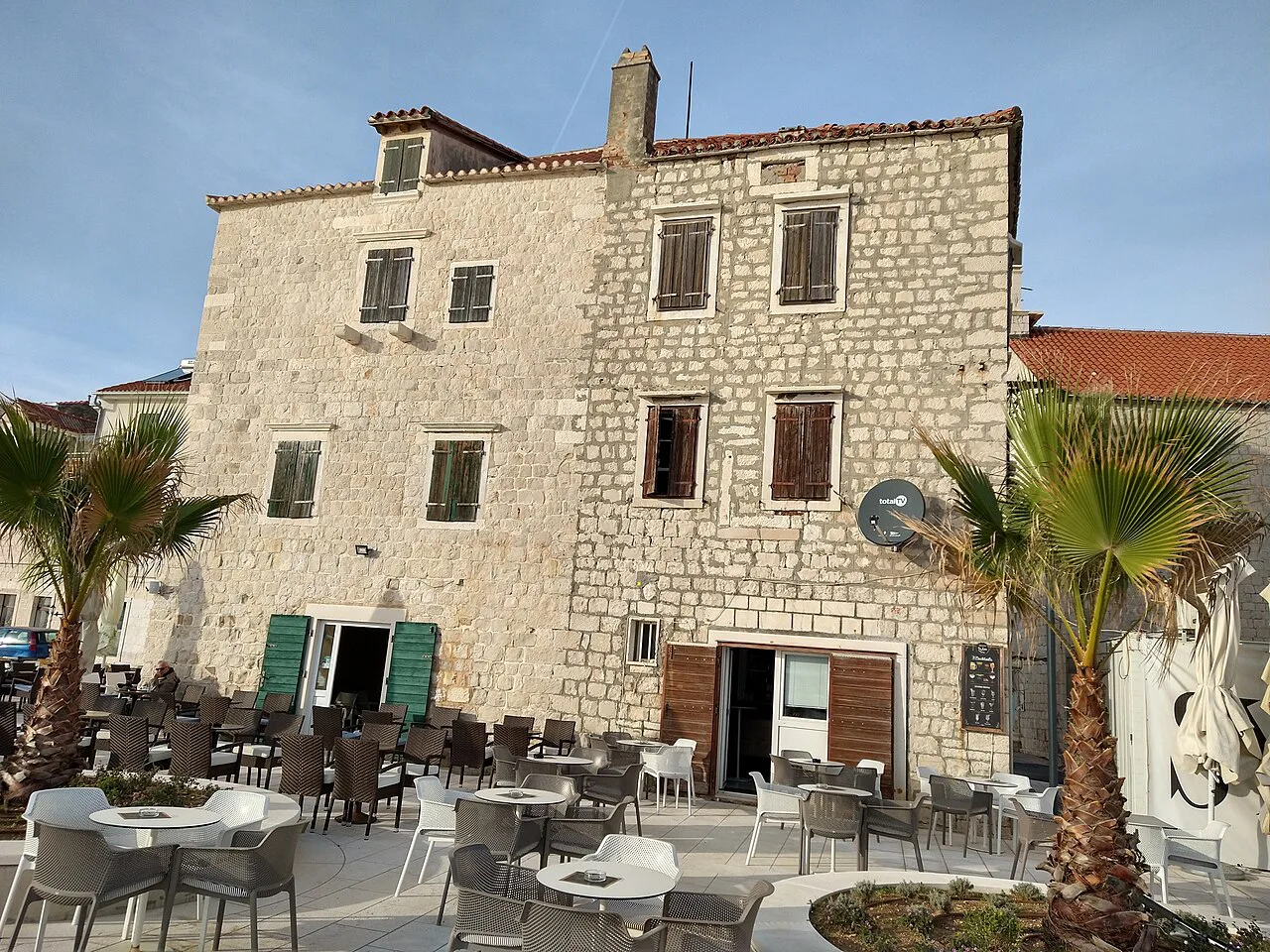
Where it sits between Split and Trogir
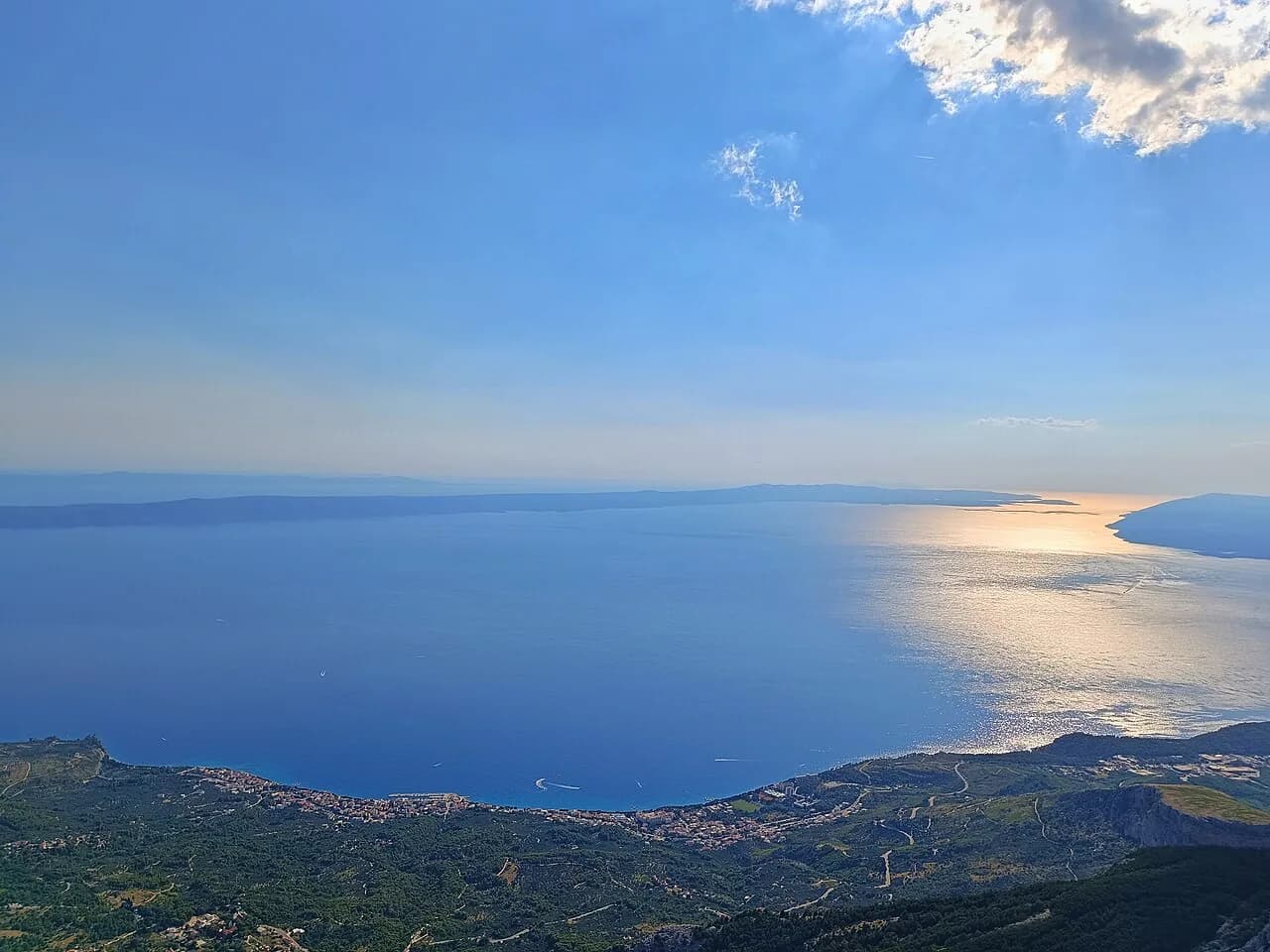
Kaštela occupies the coastal strip that links Split to the east with Trogir to the west, with the sea on one side and the hills of the Dalmatian hinterland on the other. That position is the town's main practical advantage: it puts you within easy reach of both cities while keeping you outside their busiest quarters. If your coast trip already includes Split and Trogir, Kaštela sits naturally between them rather than demanding a detour.
The trade-off is that Kaštela is a residential, working stretch of coast rather than a showpiece. It has no single sight on the scale of Diocletian's Palace or Trogir's old town, so it rewards travellers who want an ordinary Dalmatian place to slow down in. Coming here expecting a compact walled town leads to disappointment; coming for the string of small harbour fronts and the castles does not.
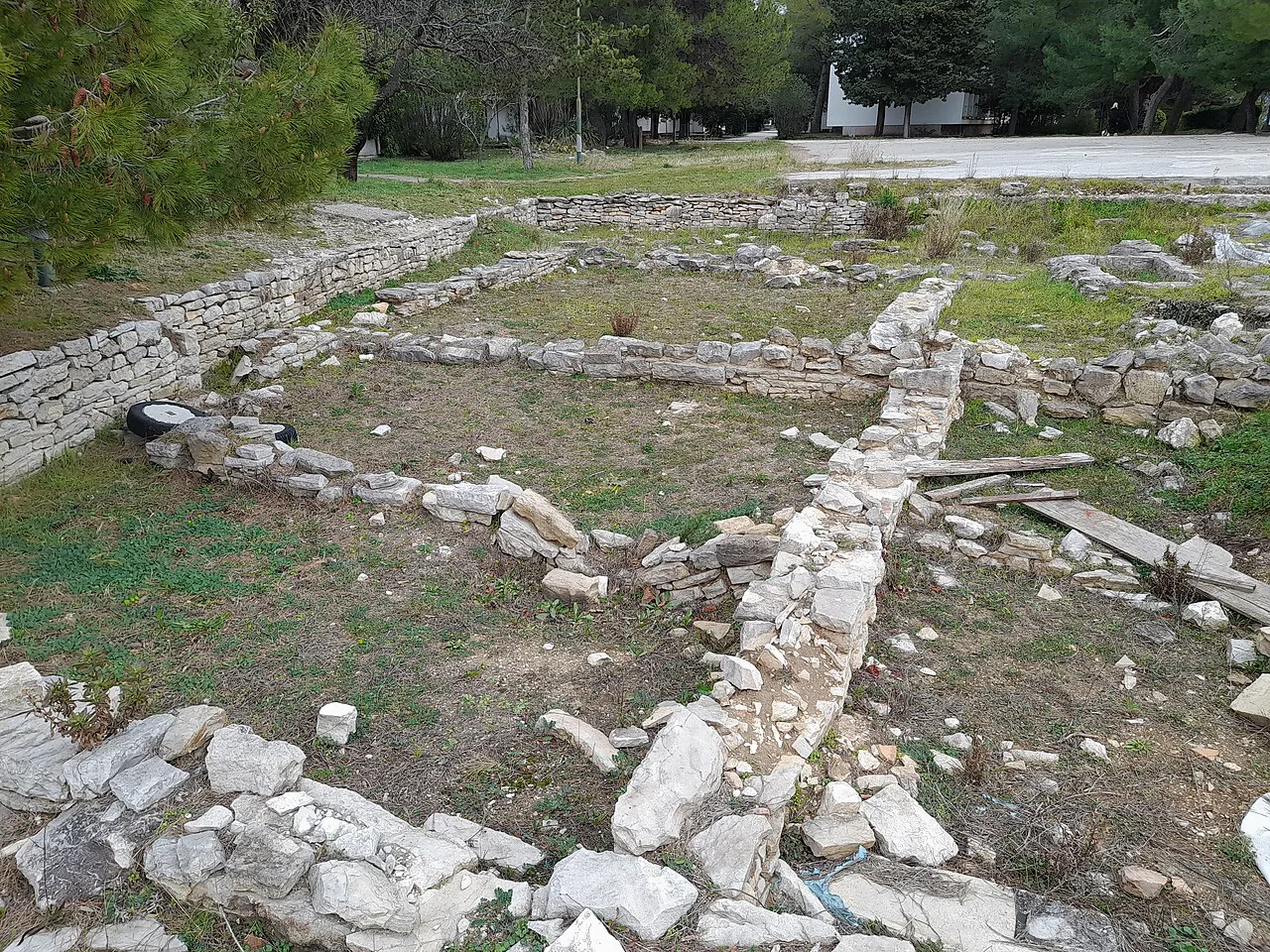
How the villages are laid out
Think of Kaštela as one long coastal line rather than a ring of streets: the villages follow the shore from east to west, and the main road runs behind them. Movement is linear, so you progress along the coast instead of circling a centre. That layout suits slow travel on foot, with each village acting as a natural stage of the journey.
Practically, it helps to pick a starting village and work in one direction, finishing near the Trogir end or back towards Split depending on where you sleep. Because the villages sit in a row, doubling back costs time; a one-way route along the shore is more efficient. The order given by the municipality, from Sućurac to Štafilić, is a sensible template for that route.
The castles behind the name
The Kaštel prefix comes from the fortified residences built along this coast, each with a tower, a courtyard and a walled enclosure where a household could retreat in safety. Over time settlements gathered around these strongholds, and the villages took their names from them. Knowing this makes sense of what you see: the older cores sit close to castle walls rather than being laid out around a formal square.
Several of these complexes still anchor their villages, and a few have been adapted over the centuries for other uses, which is why the masonry you pass varies from rough defensive walls to later residential fronts. Approach them as pieces of a wider story rather than as ticketed monuments with fixed opening times. Where an interior is open to the public, access arrangements are posted locally rather than advertised coast-wide.
Walking the waterfront from village to village
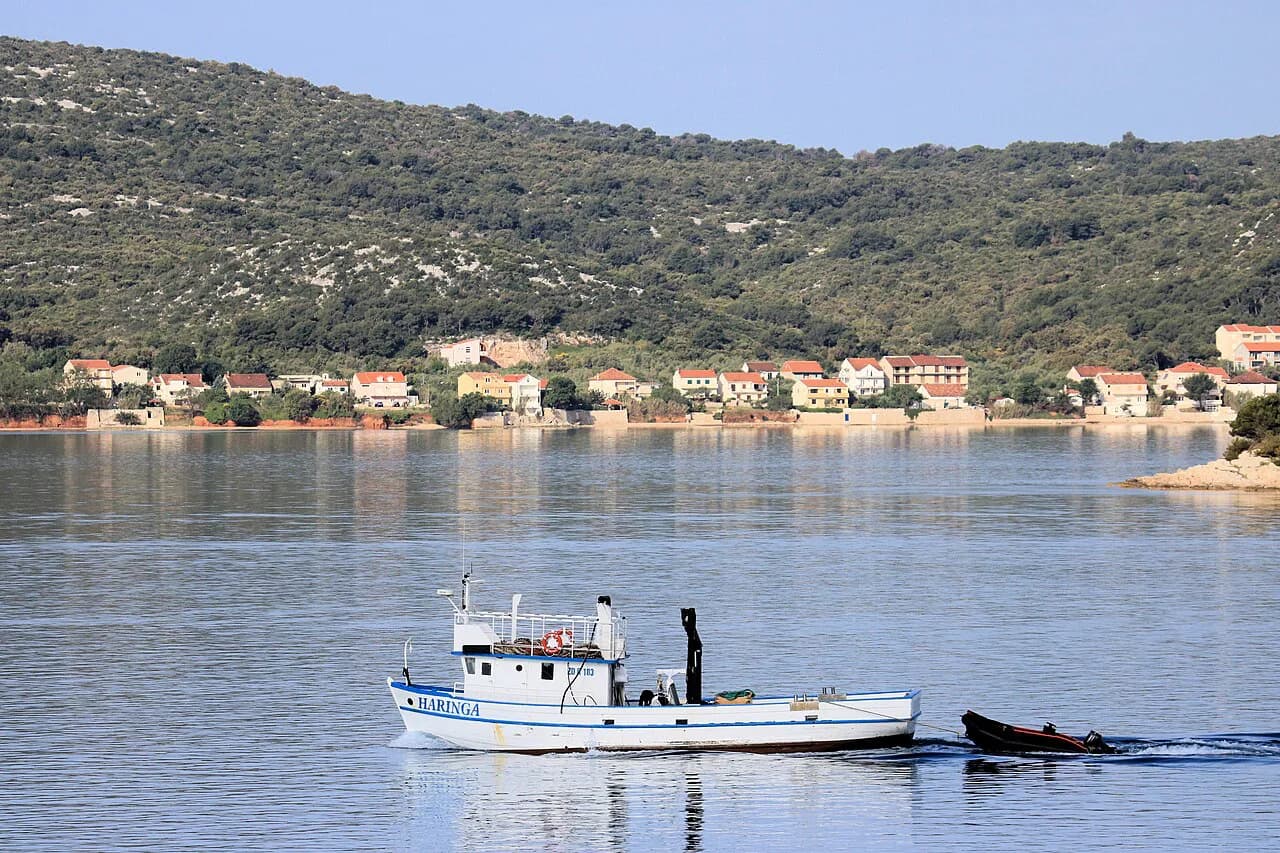
The most rewarding way to see Kaštela is to follow the water's edge, picking up the promenade where each village meets the sea. Small harbours, moored fishing boats and stone quays follow one another, and the character shifts subtly as you move west. Set aside a leisurely half-day if you want to cover several villages on foot rather than rush one into another.
The route is level, but it is exposed to the sun for long stretches, so an early start makes sense in high summer. Between villages you will pass ordinary neighbourhood life, cafés facing the water and the occasional small beach, which is where Kaštela's appeal lies; the swimming is a bonus rather than the main event. Carry water and expect to improvise the exact path where the shore narrows.
Muzej grada Kaštela: all seven villages in one stop
If you only have time for one indoor stop, make it the Muzej grada Kaštela, the town museum named by the municipality among its own cultural institutions, alongside the library and the Kulturni centar Kaštela. It is the most efficient way to pick up the history of the castles, the noble families and the coastal settlements before you walk the waterfront.
Treat the museum as orientation rather than an afterthought: visiting first gives the castle walls and old cores context you would otherwise miss. Check the museum's own notices for current opening days before you build a day around it.
Kulturni centar Kaštela and the town library
The Kulturni centar Kaštela and the Gradska knjižnica Kaštela are the town's other civic cultural anchors, named by the municipality among its public institutions. They run a programme for local residents rather than a set-piece visitor attraction. For travellers who like to see how a place actually lives, an hour here balances the coastal walk.
These are working civic buildings rather than attractions built for visitors, so check what is on before turning up expecting a display. Their value is atmospheric: you get a sense of the town as a real community of seven villages rather than a resort strip. Pair them with the museum for a rounded half-day indoors.
How long Kaštela needs
A half-day covers the essentials: a stretch of the waterfront walk plus the town museum for context. If you want to follow the shore through several villages and stop at a castle or two along the way, give it a full day. For many travellers it works best as a base for a night or two, letting you explore the villages at an unhurried pace while using the position between Split and Trogir for excursions.
Trying to see all seven villages properly in an afternoon is the common mistake; the coast is long and the rewards are in the small details. Choose two or three villages to explore in depth and let the rest be scenery as you pass. Quality of attention beats coverage here.
When to go: summer crowds and quieter months
Kaštela's coastal position between two major destinations means summer brings steady traffic, and the waterfront fills in July and August. Late spring and early autumn are the sweet spots: warm enough for the shore and the sea, with far more breathing room along the promenade.
Because this is a residential town rather than a pure resort, the villages keep functioning outside the peak season, though some seasonal cafés and small businesses may shut. Confirm what is open before planning an off-season stay built around a specific venue.
Getting there and moving between the villages
Kaštela sits on the corridor between Split and Trogir, and that geography is the practical key to arriving: the two cities are your gateways, with Split the larger transport hub and Trogir the historic neighbour to the west. The main coastal road runs through the villages, so how you move depends on whether you want to stop often or simply pass through.
On foot, the villages are best linked along the shore; by road, you hop between them quickly but lose the continuity of the walk. Driving gives flexibility but makes the seaside promenade easy to skip. Whichever you choose, plan your route in one direction along the coast.
How Kaštela fits a longer coast trip
Kaštela works as a quiet base between two headline stops rather than as a destination in its own right. Sleep here and you can spend a day in Split's old town, cross to Trogir's island centre, and still return to a calmer waterfront in the evening. That arrangement suits travellers who want Dalmatian coast atmosphere without the crowds of the big centres.
If Trogir whets your appetite for more, the island of Čiovo lies just across a bridge, and further along the wider Dalmatian Coast the route opens up towards Šibenik, the Krka National Park and the islands. Kaštela is a natural link in that chain rather than a climax. Build it into the middle of an itinerary, and it earns its place.
Is Kaštela worth a stop on your coast route?
Yes, if you want an honest Dalmatian coast experience between Split and Trogir rather than another walled showpiece. Plan a half-day for the waterfront and the Muzej grada Kaštela, or a couple of nights as a base. The castles, the seven villages and the calm shore are the reward for slowing down.
Explore more Dalmatia guides
Frequently Asked Questions
Do you need a car to visit Kaštela?
No. The seven villages sit in a row along the coast between Split and Trogir, and their waterfronts are walkable, so you can cover several villages on foot. A car only helps if you want to reach outlying spots or travel on your own timetable.
Are the castles in Kaštela open to visitors?
Several of the fortified residences still stand at the heart of their villages, but access to interiors varies and is posted locally rather than advertised. Check at the town museum or the local tourist board for what is currently open before planning around a specific castle.
How do you get from Split to Kaštela?
Kaštela lies on the coastal corridor towards Trogir, so the simplest approach from Split is by road along that route, getting off at whichever village you want to start from. The villages run in sequence along the coast, with Sućurac near Split and Štafilić near the Trogir end, so pick your entry point accordingly.
Sources
Notes from the Croatian coast
Optional updates when our guides change.
You might also like
Continue reading
More guides you'll find useful