Benkovac, Croatia: Kaštel Benković, Asseria and the Town Guide
Benkovac is a small inland town behind Zadar, known for the 15th-century Kaštel Benković fortress and the Liburnian and Roman site of Asseria nearby.
On this page
Benkovac is an inland town in Ravni Kotari, the flat farming country behind Zadar and Biograd na Moru, and it earns a half-day rather than a full one. Come for the 15th-century Kaštel Benković fortress at the centre and the Liburnian and Roman remains at Asseria nearby, and you will have seen the essentials without rushing.
This guide sets out the walkable sights, the two out-of-town sites and how the town fits a coastal trip based in Zadar or Biograd. It also explains why a car makes the difference between seeing the fortress alone and seeing the Roman town as well.
Where Benkovac sits in Ravni Kotari
Benkovac lies inland from the Dalmatian coast, southeast of Zadar, in the Ravni Kotari region that stretches back from the Zadar and Biograd rivieras. The town is described as the main settlement of the Ravni Kotari area, sitting in low farmland rather than on the shore.
That position is the point: it is a different day out from the harbour towns, and the coast is close enough to return to in the evening, with the sea and beaches of the Biograd Riviera about a 15-minute drive away. Read that as a reason to pair Benkovac with a coastal base rather than to stay inland. For the wider set of inland stops, see our guide to the Dalmatian hinterland.
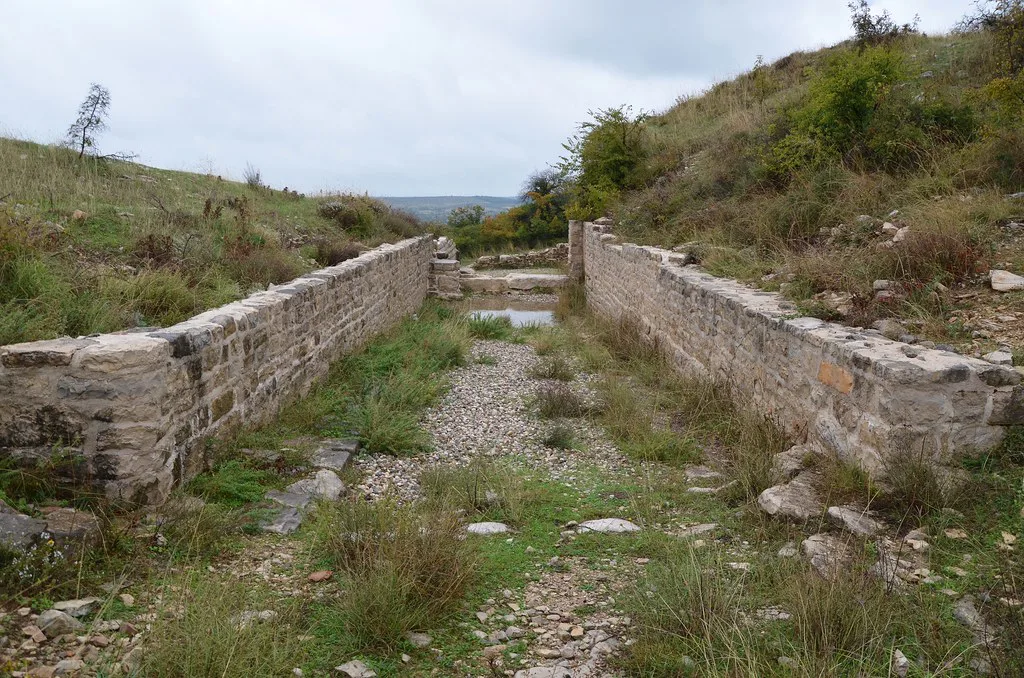
Kaštel Benković: the fortress at the heart of town
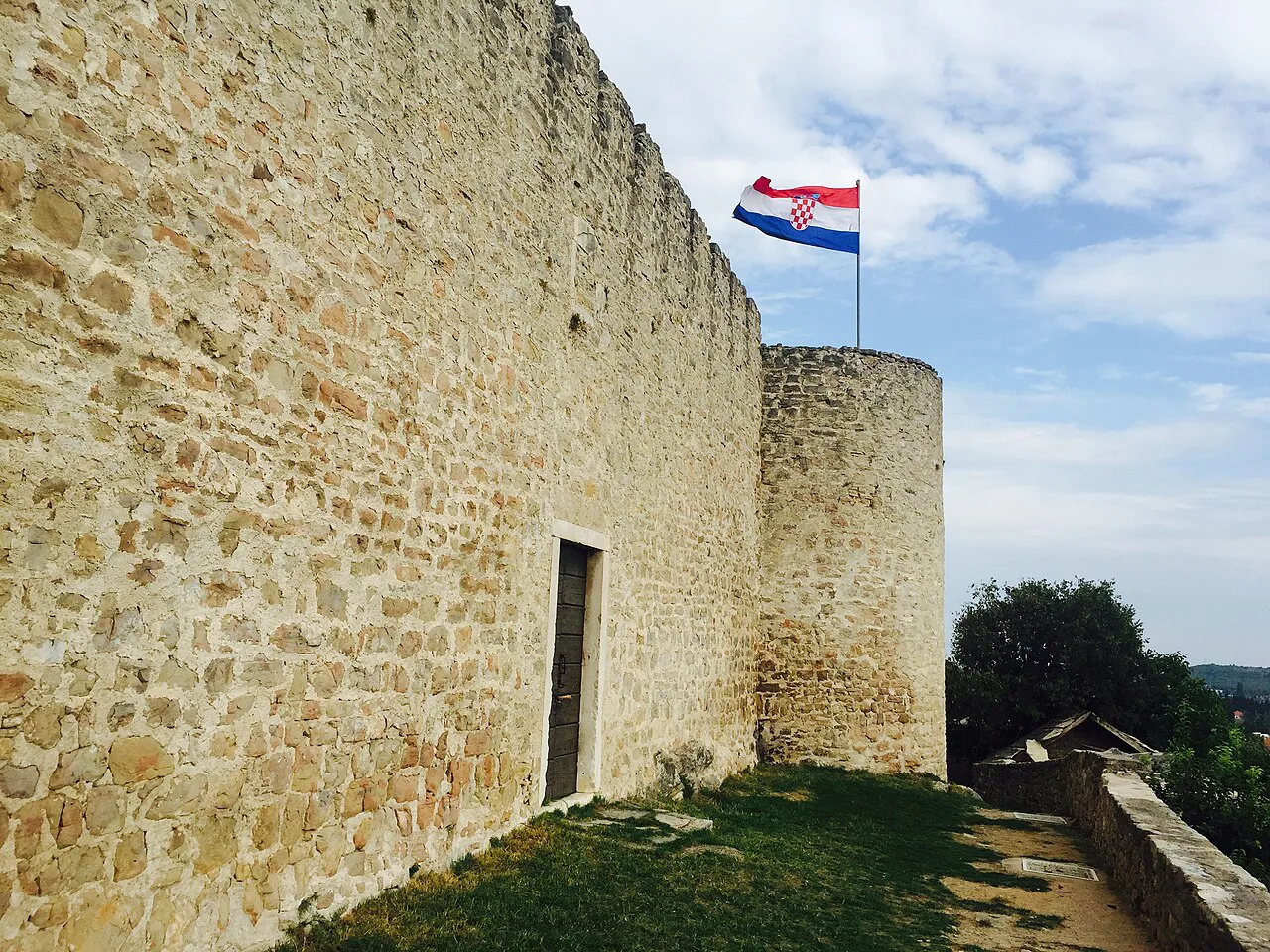
Kaštel Benković is the cultural and historical monument that dominates Benkovac, a 15th-century fortress named after Croatian nobles. It is the first thing to see on arrival because it sits in the town itself, so no driving is involved and you can walk the rest of the centre from there.
The south side was strengthened with two round towers during the Ottoman period, and those towers are the detail to look for as you walk round the walls. The fortress is the anchor of a short visit, so give it the bulk of your time in town before turning to the churches.
An older ruin of a castle also stands outside the town, which is worth knowing if you see a second set of walls mentioned on local signs. Treat it as a landscape feature rather than a second major sight, and keep your time for Asseria instead.
The town centre on foot: two churches
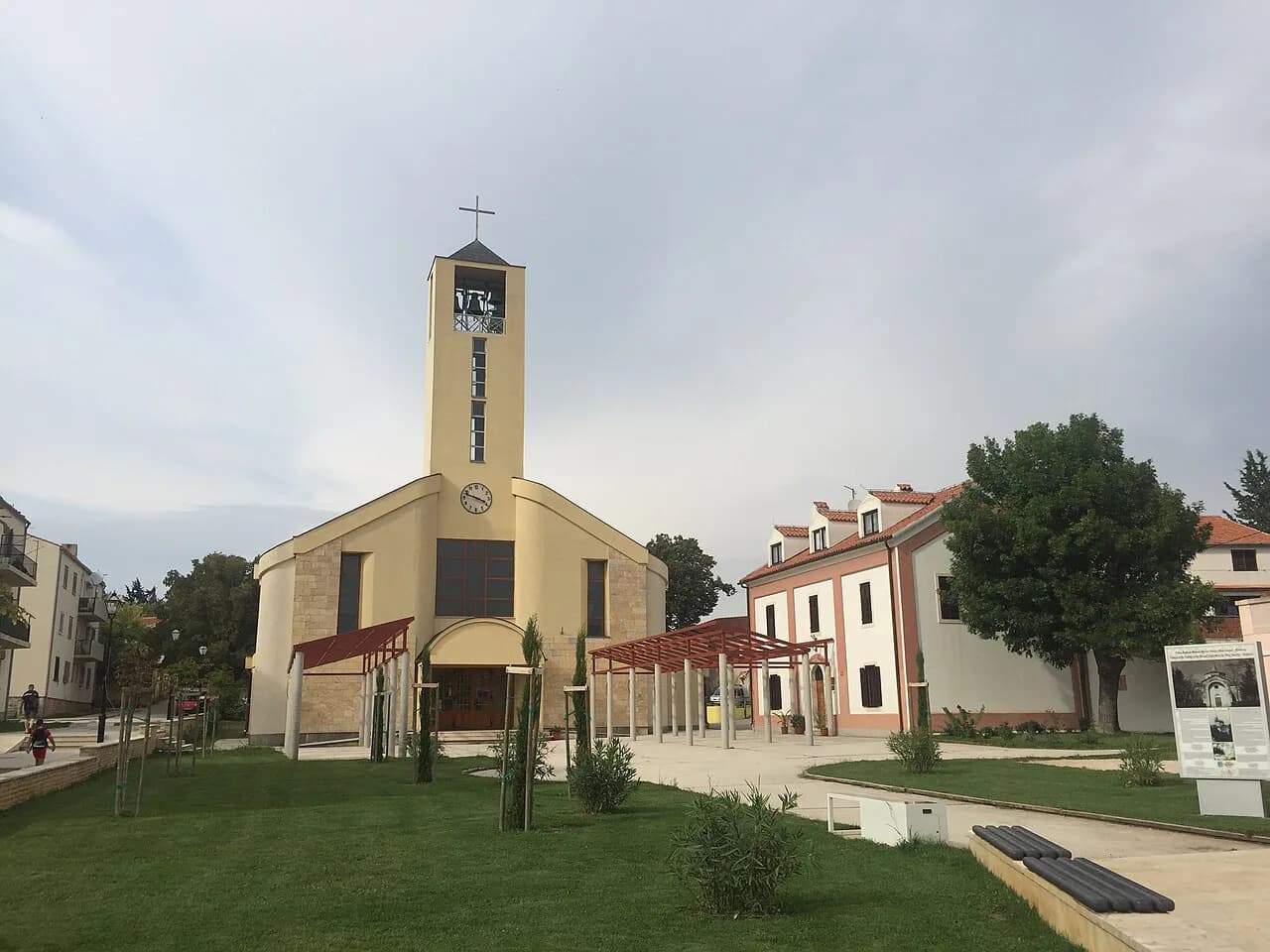
The centre walk is short and pairs naturally with the fortress. The Catholic Church of St. Anthony dates from the 18th century, and the Orthodox Church of St. John was built in 1885 on the foundations of an older church, so the two together show how the town's religious architecture changed over time.
Neither church is a monument you need to schedule around; see them as you pass between the fortress and the rest of the centre. If you want a comparison with a bigger Dalmatian fortification that is set up for visitors, Klis Fortress above Split is the obvious one to read about before you go.
Asseria: the Liburnian and Roman site near Podgrađe
Asseria is the remains of a Liburnian settlement that became a Roman town, near the village of Podgrađe about 4 km southeast of Benkovac. It is the strongest reason to bring a car, because it sits outside the town and is not part of the centre walk.
Before the Croats arrived, ancient peoples built their settlements in this area and erected monuments, and Asseria is the best-known of those sites. Plan it as a standalone stop of its own rather than a five-minute add-on to the fortress.
Do not assume an entry arrangement: confirm whether Asseria is open and whether there is a charge on your dates before you set out, rather than relying on what a car park sign said last summer.
Kličevica and its bronze cannon
A forest path leads from Benkovac to the nearby early Croatian fortress of Kličevica, described as a 15th-century fortification where a bronze cannon designed by Leonardo da Vinci is said to be the only known existing example in the world. Treat that claim with a pinch of salt and enjoy it as a curiosity rather than a verified fact.
Kličevica is a fifteenth-century fortification, so it belongs with the fortress-and-ruins theme of the day rather than with the town centre. Wear proper shoes for the path and judge the walk on the day, since the ground is the variable, not the sight itself.
How long Benkovac needs
Allow about half a day: the fortress and the two churches fit into a short walk in the centre, and Asseria takes a separate drive and a proper look round. Add Kličevica only if you still have daylight and are comfortable on a forest path.
Benkovac works best as an inland morning or afternoon bolted onto a Zadar or Biograd stay, not as a destination in its own right. If you are collecting hinterland towns, Sinj and its Alka tradition and the Imotski lakes near Imotski make natural comparisons for a longer inland loop.
The trade-off is straightforward: you swap a coastal afternoon for ruins and a fortress, and you need wheels to make the out-of-town sites count. Without a car, the town centre alone is a brief stop.
The Benkovac Fair on the 10th of each month
Benkovac has held a fair on the 10th of every month for over a hundred years, and it is as much an attraction as a market, with agricultural tools, household goods, souvenirs and local dishes such as roast lamb and peka cooking. If your dates include a 10th, it is worth building the day around it.
If they do not, nothing else in town depends on the fair, so the fortress and Asseria still justify the trip. Treat the market as a bonus that sharpens the choice of day rather than a reason to rearrange a whole itinerary.
The bura and inland heat
Ravni Kotari is open, low farmland, so the town is exposed in a way that sheltered coastal harbours are not: the bura can make an inland stop raw on a windy day, and summer heat builds on the plain. Plan the walking and the ruins for the cooler ends of the day and keep the exposed fortress walls for when the wind is down.
Spring and early autumn suit a day of town walking plus a ruin visit better than high summer, when the centre is quick and the sun is the constraint. This is not a coastal town where you can duck into a harbour-side café every few minutes.
Getting there and onward links
Benkovac is reached by road from the Zadar and Biograd side, and a car is what lets you combine the centre with Asseria and Kličevica in one outing. The same road network puts you within reach of Krka, Kornati, Paklenica and Vrana Lake Nature Park, so the town slots into a wider inland day.
For other stops on the same inland circuit, our guides to Knin and its fortress, Drniš and Obrovac show how the Ravni Kotari and Zrmanja country fit together. Trilj and its Cetina river sights make a longer southern extension if you are touring rather than day-tripping.
Is Benkovac worth the detour inland?
Yes, if you have a car and half a day: Kaštel Benković and the two town churches need little time, and Asseria is the reason to make the drive. Skip it if you are on foot or short of time, because the centre alone will not fill a day.
Check the fair calendar if a market day would make the trip, and confirm access at Asseria before you set out. Otherwise, pair Benkovac with a Zadar or Biograd base and treat the coast as the evening reward.
Explore more Dalmatia guides
Sources
Notes from the Croatian coast
Optional updates when our guides change.
You might also like
Continue reading
More guides you'll find useful