Trilj, Croatia: the Cetina Town Guide for Inland Dalmatia
Trilj sits where the Cetina leaves its canyon, with a Roman camp, two hill fortresses and old mills nearby. See what each sight involves and how long to allow.
On this page
Trilj is worth a half-day if you are already in inland Dalmatia, and a full day if you want the Roman camp and one of the two clifftop fortresses as well as the town itself. It is a river town, not a coastal one: the Cetina runs through it, and the surrounding sights sit out in the valley and on the ridges above. This guide covers the walkable centre, the museum, Tilurium, Fort Nutjak, Fort Čačvina and the Mills of Grab, then sets out time budgets, climate and how the town fits a coast trip.
Why visit Trilj: a Cetina crossing town, not a coastal stop
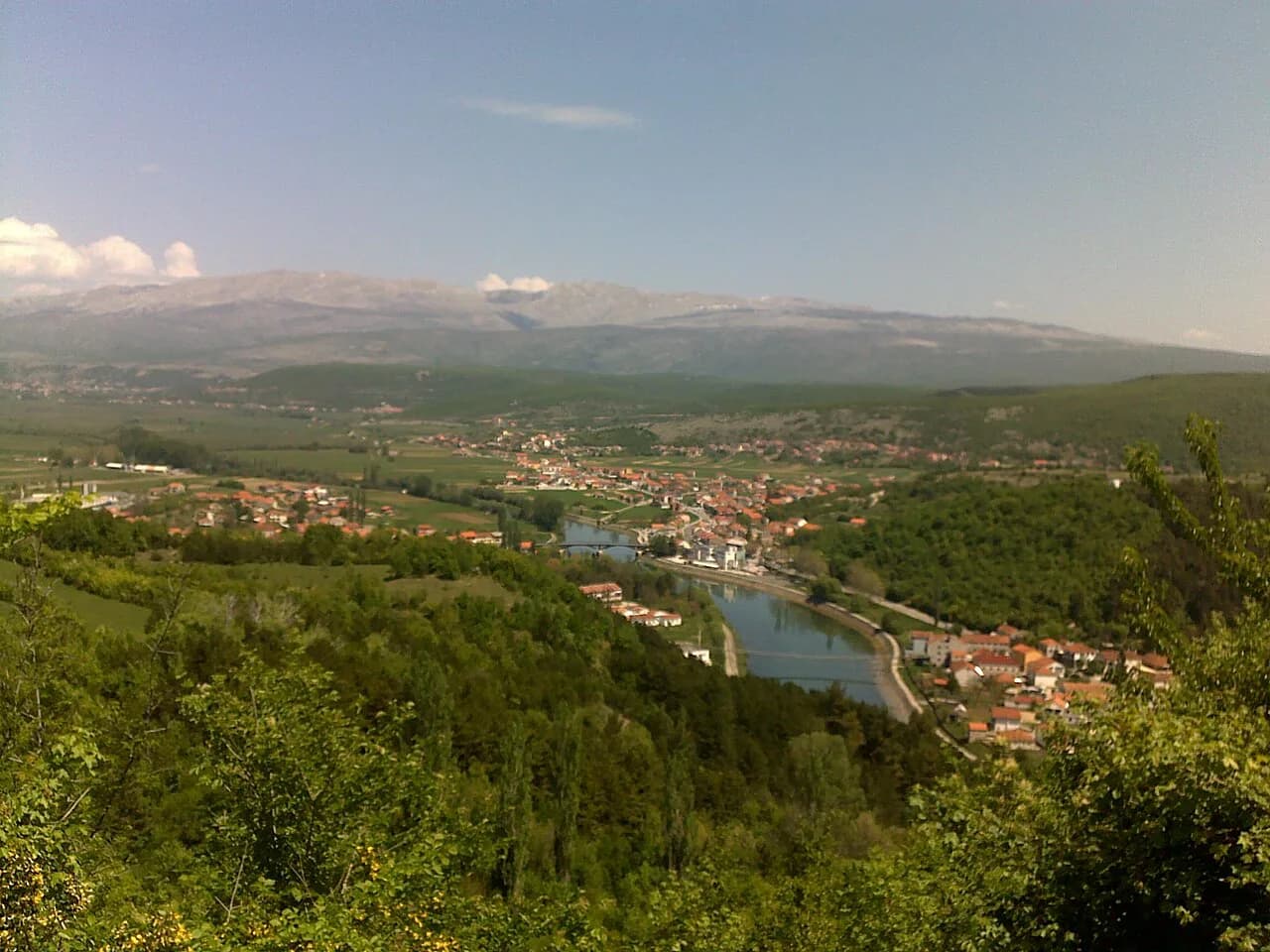
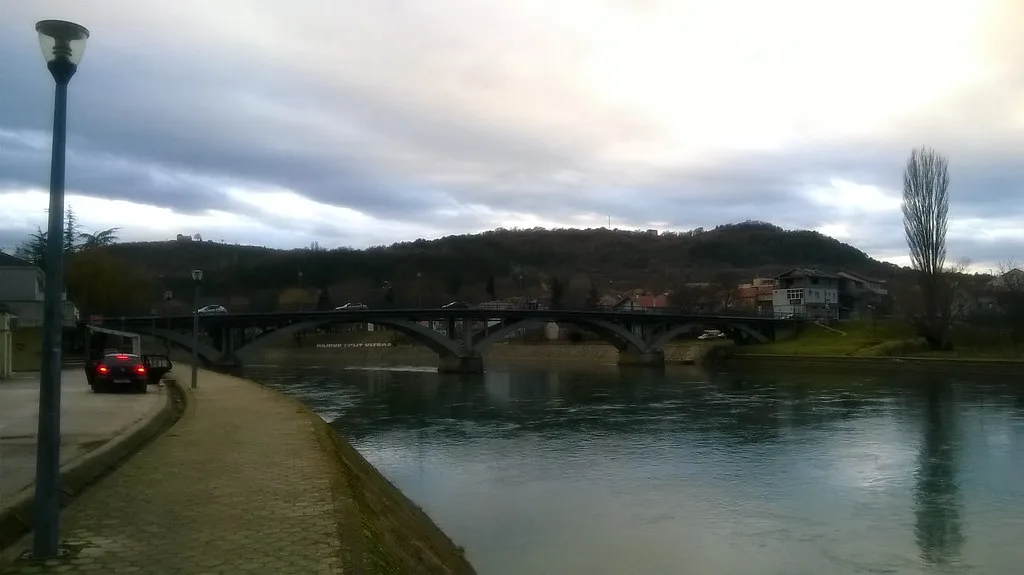
Trilj grew up at the most convenient crossing of the Cetina, on routes that once linked the Roman towns of Salona, Narona and Argentaria. That origin explains the town's shape: a compact core by the water, with the important archaeology and fortresses spread across the surrounding valley and hills. Come expecting river scenery, Roman remains and ruined forts rather than a seafront promenade.
The municipality is large and mostly rural, covering about 267 square kilometres within Split-Dalmatia County. The town itself is a small settlement northeast of Split with a population of just over eight thousand at the 2021 census, so facilities are modest and the sights are quiet. That scale is the appeal: you are not queueing behind coach groups.
Where Trilj is and how it fits a Dalmatia coast trip
Trilj lies inland from Split in the Dalmatian hinterland, the region behind the coastal mountains that most coastal visitors never cross. Its position makes it a natural inland counterpart to a Split or Trogir base rather than a destination in its own right for a whole holiday. Think of it as a change of scenery: river valley instead of harbour, fortresses instead of Venetian squares.
The town is the Cetina element of a wider inland circuit. Sinj, the hinterland's best-known town, works as the obvious pairing on the same day or the next, and the two together give a fuller picture of the region than either alone. If you are building a longer inland route, Klis Fortress above Split makes a logical first or last stop on the way in or out.
The town centre: what to see on foot
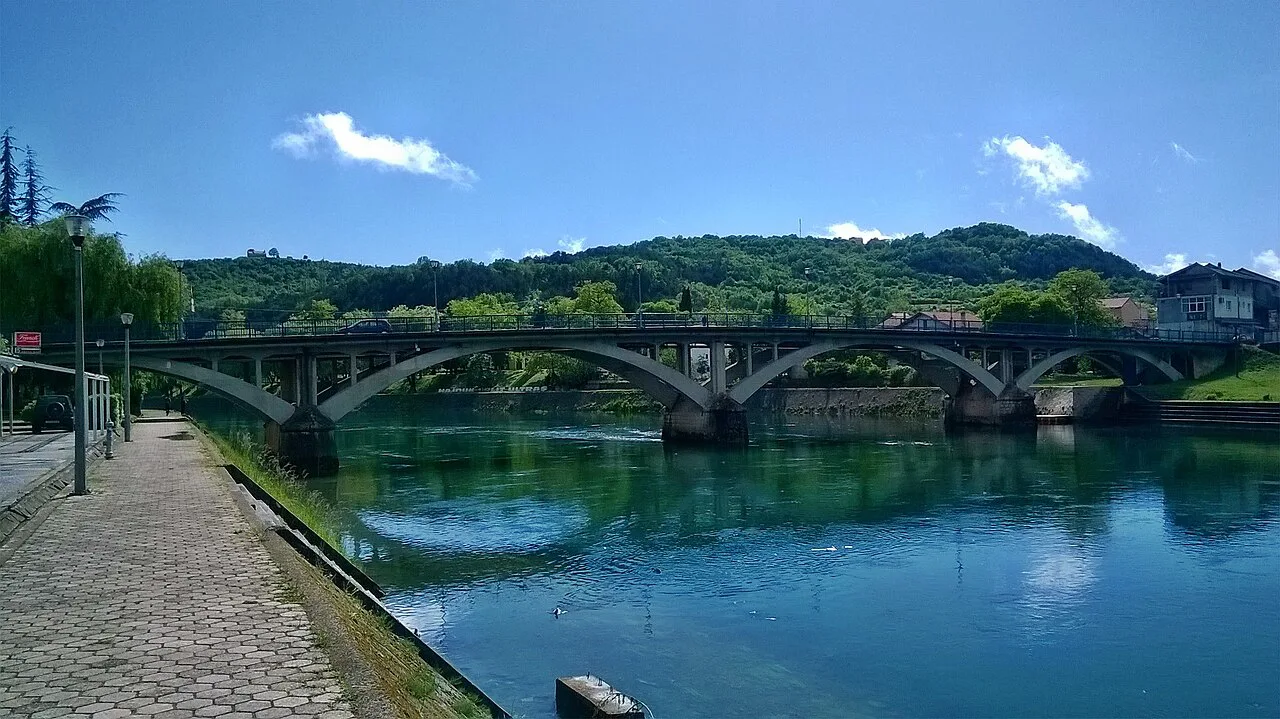
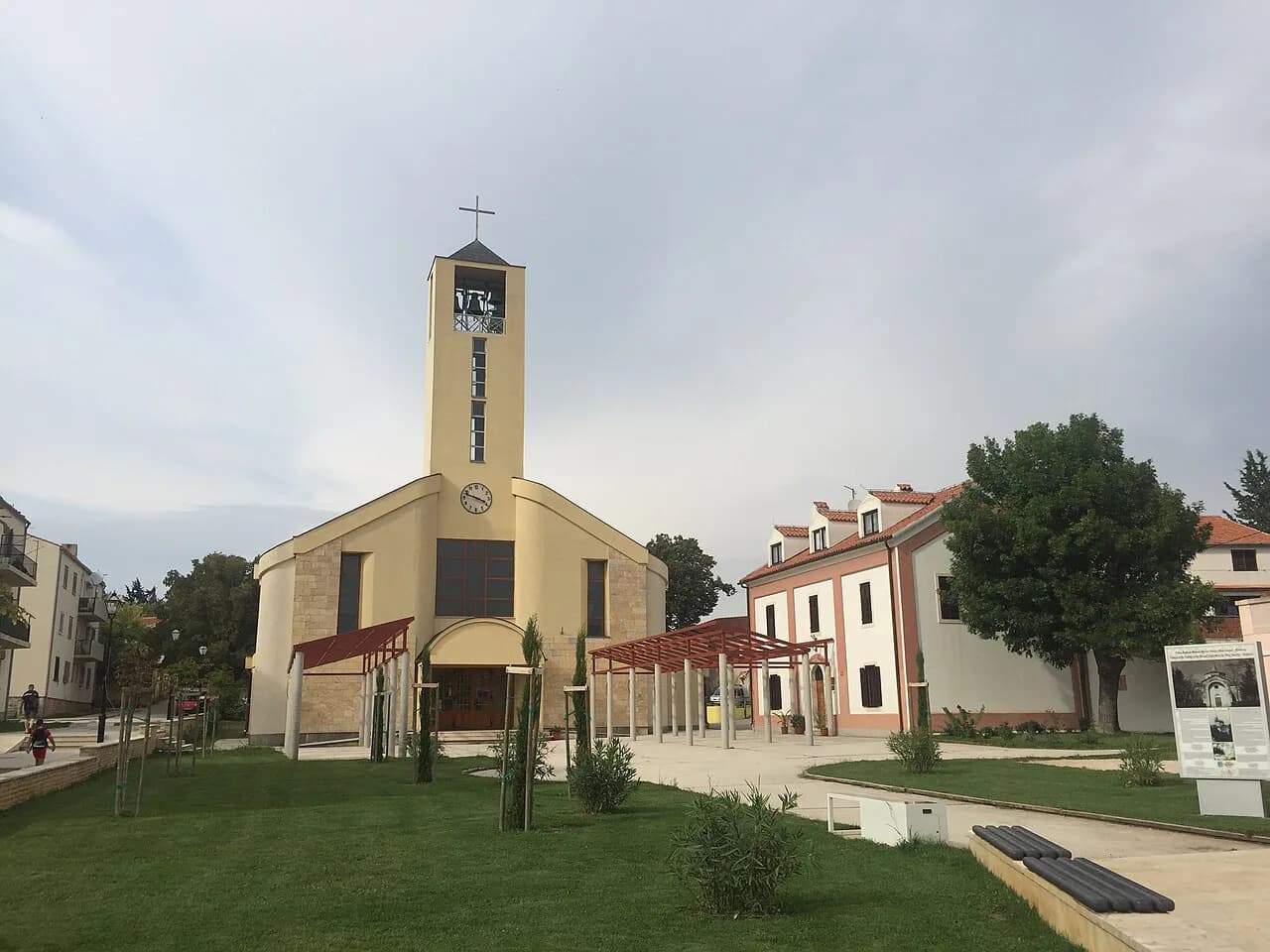
The centre is small enough to cover on foot in well under an hour. The tourist board lists the Regional Museum, the Roman road at Jabuka, the Mills of Grab, the Old Bridge and the Kamešnica massif among the things to see, which tells you how the town sees itself: a gateway to scattered sites rather than a monument-dense old town. Start at the tourist board on Kralja Tomislava for orientation.
Allow roughly 45 minutes to an hour for a loop of the centre: the waterfront by the Cetina, the Old Bridge and the streets around the museum. Add time if you stop at the museum itself. The old core is not a walled set-piece like Trogir, so treat the walk as context-setting before you drive out to the real sights.
Trilj Regional Museum: the anchor of the town story
The Regional Museum is the one sight in the centre that rewards a proper stop, because it explains the layers you will otherwise meet as scattered ruins: prehistory at the crossing, the Roman camp, and the medieval fortresses. The tourist board treats it as the first entry in the town's heritage list and offers a virtual tour of the collection.
Plan on around an hour if you read the displays, less if you are skimming. Check the current opening arrangements with the tourist board before you travel, since a small municipal museum can run reduced hours outside the summer.
Tilurium: the Roman military camp
Tilurium, also written Tilurij, was a Roman military camp on the edge of the town, and it is the reason Trilj appears in Roman itineraries at all. What you see now is an archaeological site rather than a reconstructed fort, so the value lies in understanding the position and the finds rather than in standing walls. Read up at the museum first and the site makes far more sense.
Budget 30 to 45 minutes on site. It suits travellers interested in Roman Dalmatia, and it pairs naturally with the museum in the same half-day. Allow more if you like to walk the ground and match it to a plan.
Fort Nutjak and Fort Čačvina: which fortress to choose
The two clifftop fortresses are the most atmospheric sights in the area, and most visitors have time for one. Nutjak is a fifteenth-century fort above the Cetina canyon close to town, associated with the river gorge and with the film location history the town likes to mention. Čačvina is a fourteenth-century fortress on a high position with long views over the wider landscape.
Choose Nutjak if you want the shorter excursion and the river-canyon setting; choose Čačvina if you want the bigger outlook and do not mind a rougher approach. Both are ruined monuments reached on foot rather than reconstructed attractions, so come with sensible footwear and water, and avoid the exposed climbs in poor weather.
Mills of Grab and the Old Bridge: the riverside walk
The Mills of Grab are old watermills on the Cetina, presented by the tourist board as a heritage sight with a virtual tour. The walk here is about the river and the working history of milling rather than a long hike, and it combines easily with a stop at the Old Bridge in town.
Give the mills and the riverside around 45 minutes to an hour. This is the best option for anyone travelling with children or with limited time, because it needs no climb. It is also the most weather-flexible of the outlying sights.
The Cetina in town: rafting, kayaking and canyoning
The Cetina is the area's active-tourism engine, and the tourist board lists rafting, canyoning, kayaking, horse riding and cycling among the options on and around the river. Treat these as organised activities you arrange in advance rather than casual swims, and confirm operators, prices and season with the tourist board or your accommodation, because these change year to year.
Ask the tourist board or your accommodation for current operators, prices and season, because these change year to year and the town does not publish a single fixed list. If you want the river without an organised activity, the town's riverside and the mills walk give you the scenery with no booking.
The Kamešnica side and the upland edge
Kamešnica is the mountain massif on the municipal edge, listed among the area's natural sights and marking the transition from valley to high ground. It is scenery and a sense of scale rather than a served attraction, so treat it as a backdrop to the valley rather than a destination with facilities.
If your interests run to the wider hinterland, the region's other inland stops make more sense than pushing further into the uplands here. Imotski and its dramatic sinkhole lakes, or Knin with its fortress, are the better-known set pieces on the inland circuit.
Climate and when to come
Trilj sits in a valley about thirty kilometres from the sea, and its temperate continental climate overlaps with the sub-Mediterranean. The tourist board describes hot, dry summer days relieved by cool nights, helped by the surrounding mountains and by swimming in the Cetina. In practice that means a warm layer for the evening even in high summer, and a river that is bracing rather than bathtub-warm.
Late spring and early autumn give the most comfortable conditions for walking to fortresses and mills, when the valley heat is milder and the ground is not baked hard. High summer works well if you plan around the river and keep the exposed climbs for early morning or late afternoon.
How long to stay: half-day, full day or overnight
A half-day covers the town centre walk, the Regional Museum and one riverside sight such as the Mills of Grab, with time for coffee by the Cetina. A full day adds Tilurium and one fortress, which is the version that does the area justice. The trade-off is simple: two fortresses plus the museum in one day means a lot of driving and little lingering.
An overnight earns its place if you want the river activities or a quieter evening in the valley after the day visitors leave. Otherwise Trilj works perfectly as a morning or afternoon off the coast, returning to your coastal base the same day.
Getting there and around: with or without a car
Trilj is northeast of Split in inland Dalmatia, and the sights are spread over a large, hilly municipality, so a car is the practical way to see Tilurium, Nutjak, Čačvina and the mills in one visit. The tourist board publishes a how-to-reach-us page with the current approach routes. Without a car you are limited to the town centre and the museum, with a taxi for anything further.
Link the town with Sinj for a natural inland day, and use Klis on the ridge above Split as the transition point between coast and hinterland. The Interpretation Centre at Klis gives the context for the frontier landscape you are driving through.
Where Trilj fits alongside Sinj, Trogir and the coast
Treat Trilj as the river-and-fortress stop in an inland Dalmatian itinerary, with Sinj as its companion town and the coast at Split or Trogir as the base. It does not replace a coastal day; it balances one. Driving out from the coast for the morning and back for the evening is the low-commitment version.
If you are touring the hinterland more widely, Drniš and its own small-town character make another sensible stop, and Benkovac opens up the Ravni Kotari side of the region. Keep the coast for harbours and islands and let the inland days be about rivers, forts and ruins.
Which Trilj day suits you?
Choose the half-day if you are based on the coast: the centre, the museum and the Mills of Grab give you the town's story and riverside without a long drive. Choose the full day with a car if Roman sites and ruined fortresses are your reason for coming inland, adding Tilurium and one of Nutjak or Čačvina.
Book river activities ahead if the Cetina is the draw, and check opening arrangements with the tourist board before setting out, since small sites here run on seasonal schedules. Beyond that, the valley asks little of you: sensible shoes for the fortresses, an evening layer, and time to sit by the river.
Explore more Dalmatia guides
Frequently Asked Questions
Is Trilj worth visiting?
Yes, if you want river scenery and Roman and medieval remains rather than a coastal town. A half-day covers the centre, the Regional Museum and the Mills of Grab; a full day with a car adds Tilurium and one clifftop fortress.
What is Trilj known for?
Trilj is known as the Cetina crossing town, for the Roman military camp at Tilurium, the fifteenth-century Fort Nutjak and fourteenth-century Fort Čačvina, and the old Mills of Grab. The Regional Museum ties those strands together.
Do you need a car to see Trilj?
For the town centre and museum, no. For Tilurium, Fort Nutjak, Fort Čačvina and the Mills of Grab, a car is the practical option because the sights are spread across a large, hilly municipality. Without one, plan on a taxi or a local operator.
How long should you spend in Trilj?
Allow a half-day for the centre and one riverside sight, or a full day if you add Tilurium and a fortress. Two fortresses plus the museum in one day means a lot of driving and little time on the ground.
Sources
Notes from the Croatian coast
Optional updates when our guides change.
You might also like
Continue reading
More guides you'll find useful