Dalmatian Coast Guide: Where to Go and How Long to Stay
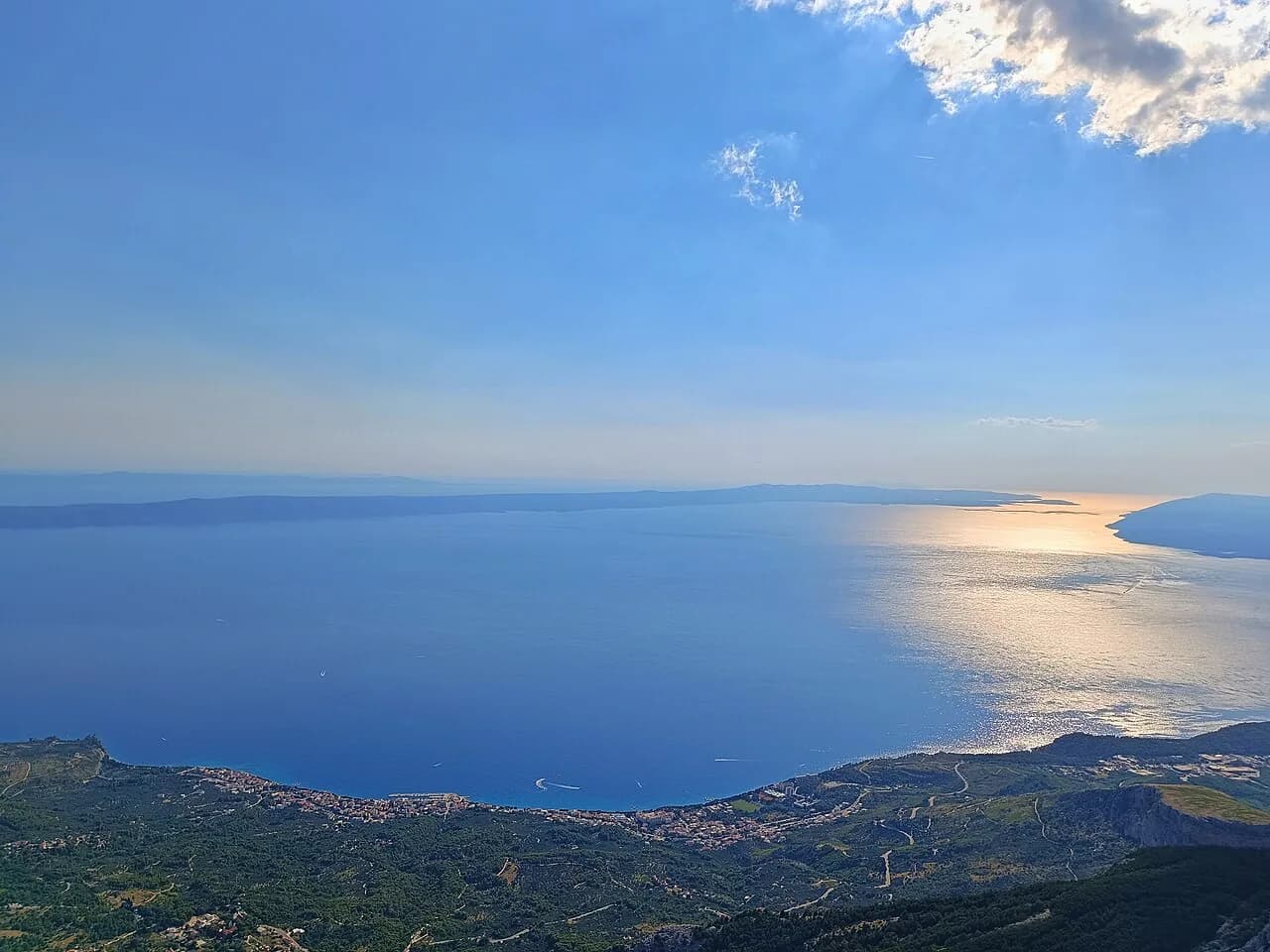
The Dalmatian coast runs from Zadar to Dubrovnik, with islands such as Brač and Korčula offshore. Here is what to see, when to go and how long to allow.
On this page
Allow five to seven days for southern Dalmatia alone and ten to fourteen if you want both the northern and southern halves, travelling one way rather than backtracking. The coast is a long, thin strip of Venetian towns, Roman remains and island ferries, and the itinerary that works best runs from Zadar in the north down to Dubrovnik in the south. This guide sets out what each band of the coast contains, when to go, how the road and ferries link up and how to pace a route.
Expect a Mediterranean climate of dry, hot summers and cool, wet winters, with the interior, the coast and the islands behaving differently even in the same month. Late spring and early autumn keep the sea warm enough for swimming while making the old towns comfortable to walk. The trade-offs are real: July and August bring heat, crowds and higher prices, while some beachfront places close at the end of September.
What the Dalmatian coast covers
Dalmatia is Croatia's southernmost coastal region, a mainland strip running from Zadar down through Šibenik and Split to Dubrovnik, with a scatter of islands offshore. One guide puts the coastline at roughly 400 kilometres with more than 70 islands to choose from, which is the reason a single trip cannot sensibly cover it all. Treat the region as three bands and pick the one that matches your time.
Behind the coast sits a quieter interior of old towns among olive groves and vineyards, plus mountains, lakes and waterfalls within easy reach of the shore. That interior is why a day inland breaks up a run of walled towns and ferry queues. It also gives you a wet-weather alternative when the bura blows the ferries off.
When to go: late May to early June and mid-September to early October
Late May to early June and mid-September to early October give the best balance of warm sea, open businesses and manageable crowds. Spring temperatures sit around 20–25°C in the typical pattern, and accommodation along the coast is fully open from Easter onwards. Autumn keeps the water warm while the summer crowds thin out.
July and August are the busiest months, with temperatures that can pass 35°C, packed old towns and the highest prices of the year. If you go then, book accommodation and any boat trips well ahead and plan sightseeing for the early morning and evening. The reward is dependable sunshine and the full Mediterranean bustle.
Autumn carries one caution: some restaurants and beach bars shut at the end of September, especially those right on the water, so an early-October visit can feel quieter than the weather suggests. Check that your chosen base still has places open before you commit to late dates.
How the coast splits into north, centre and south
Northern Dalmatia runs from Zadar and Nin down through Šibenik, Vodice and Primošten, with the Kornati archipelago and Krka National Park offshore and inland. Central Dalmatia is anchored by Split and Diocletian's Palace, with Trogir and Omiš on the mainland and Brač, Hvar and Šolta across the water. Southern Dalmatia means Dubrovnik, the Pelješac peninsula, Korčula and Mljet.
Split is the practical centre of the coast and the obvious first base, sitting within about two hours of both Zadar to the north and Dubrovnik to the south and holding the widest choice of island connections. That position makes it the natural hinge for a route that runs in one direction.
Northern Dalmatia: Zadar, Nin, Šibenik and Kornati
Zadar is the northern gateway, a walled peninsula town with Roman fragments underfoot and a waterfront Riva for the evening. Nin, a short hop north, is a small lagoon-side town that suits a half-day rather than a base. South of Zadar the coast turns to Šibenik, whose old town sits below a fortress and which works as the launch point for Krka.
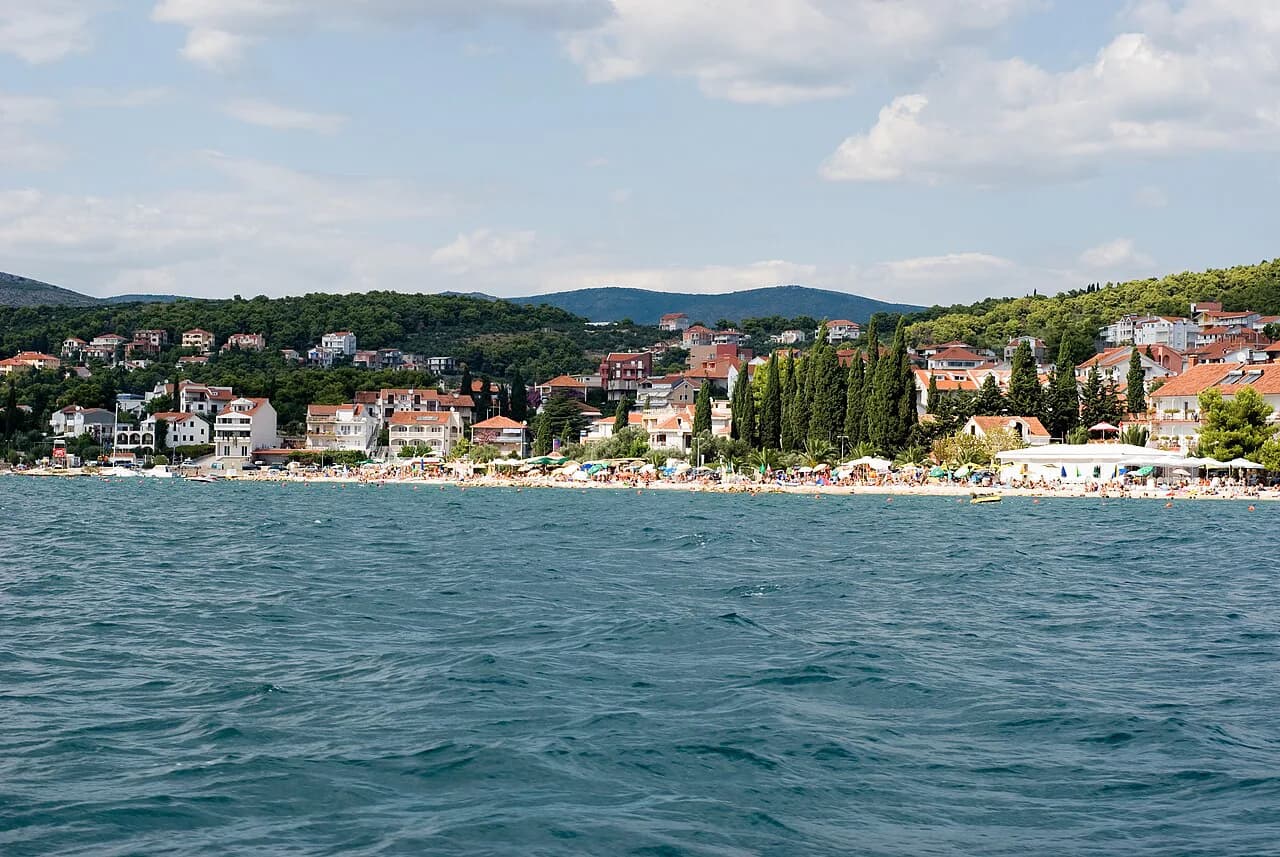
Primošten, on a small peninsula south of Šibenik, and Vodice are both summer towns that fill in July and August, and the offshore islands of Pašman and Dugi Otok give you quieter ferry days from the Zadar area. The Kornati archipelago is reached by boat trip rather than by road, so it needs a full day set aside.
Central Dalmatia: Split, Trogir, Omiš and the islands
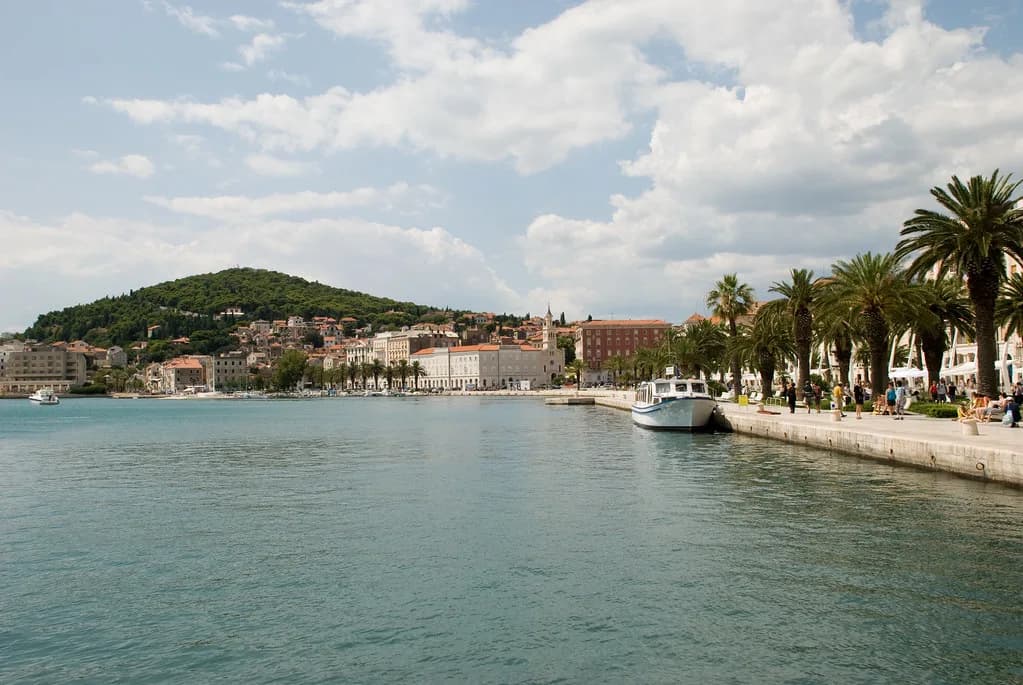
Split's Diocletian's Palace is the one sight on the coast you should not skip: a Roman palace that became the old town, with the Kalelarga running through it and the Sea Organ on the Riva beyond. Give Split a full day at least, and use it as the point from which you pick an island.
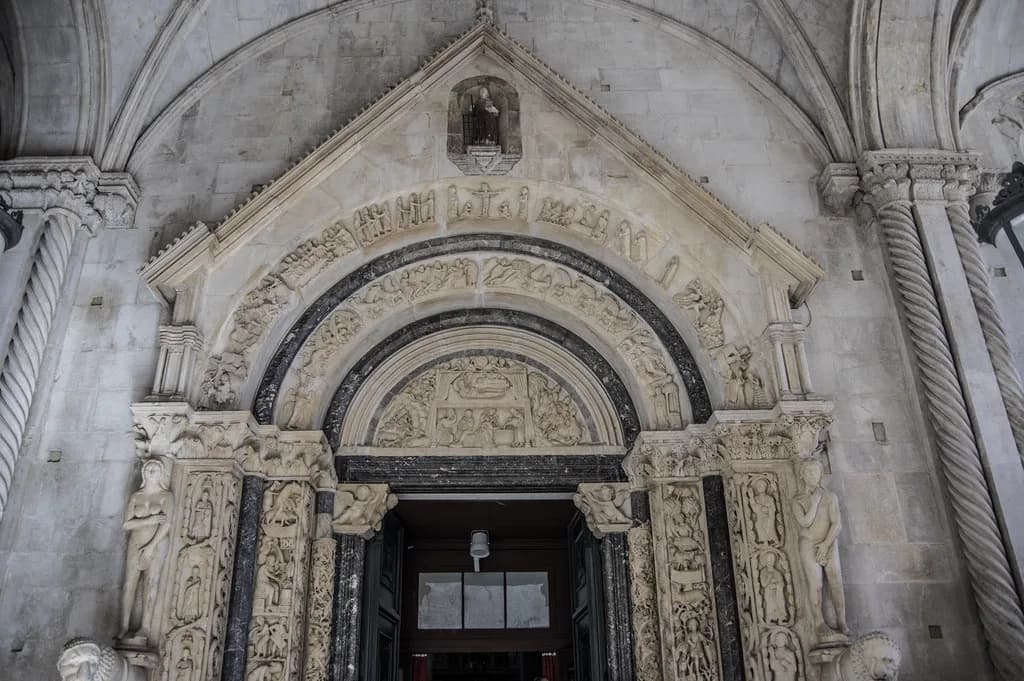
Trogir, west of Split, is a compact Venetian island town that fits into an afternoon, while Omiš sits where a river cuts through the mountains to the south-east. Brač is the island for Bol and the Golden Horn, Hvar for its Venetian square and fortress, and Šolta for a slower, less developed day. Each is a ferry or catamaran hop from Split, so pick two rather than trying to tick off all three.
Southern Dalmatia: Dubrovnik, Pelješac, Korčula and Mljet
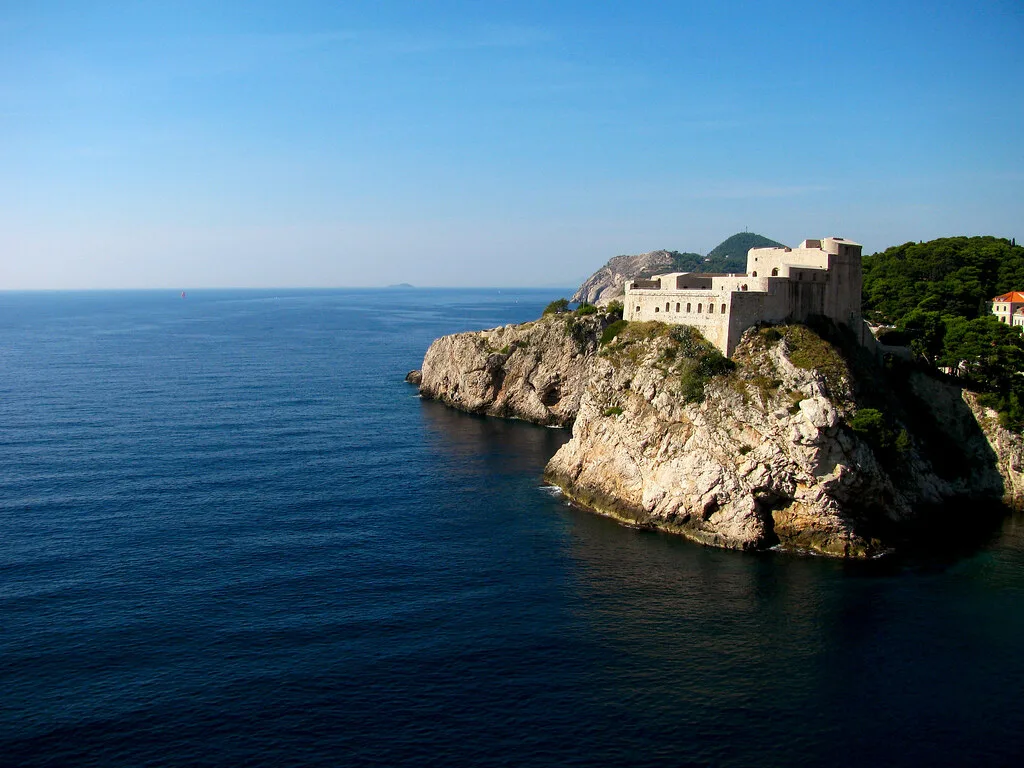
Dubrovnik is the southern anchor, a walled city best walked early or late when the day-trippers have gone. From there the Pelješac peninsula stretches north-west toward Korčula, and Mljet lies further out with its lakes and forest. This band is the one to give the most time if you only have a week. For the full spread of bases between Split and Dubrovnik, our Southern Dalmatia guide covers the choices in more detail.
Driving to Dubrovnik is easier than it once was: since the Pelješac bridge opened in 2022, the road to Dubrovnik runs through Croatian territory without passing through the Neum corridor of Bosnia and Herzegovina. The bridge connects the mainland to the Pelješac peninsula, so the southern islands and peninsula are now reachable by a single road from the north. If you drive inland or cross into Bosnia and Herzegovina, check rental cross-border rules first.
National parks worth a day: Krka, Kornati and Mljet
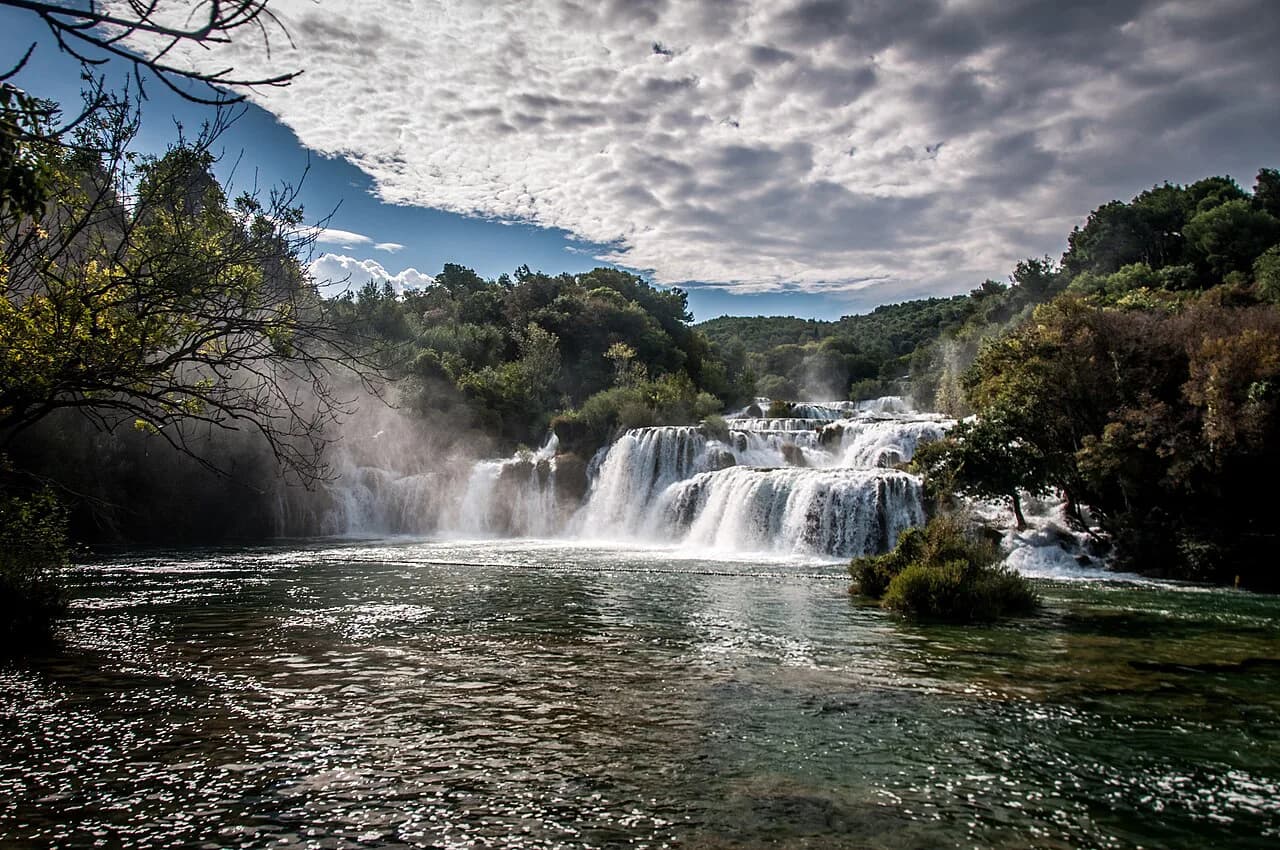
Krka National Park, inland from Šibenik, is built around a river gorge and waterfalls including Skradinski buk and Roški slap, and summer is the season to see it at full flow. Go early in the day and allow a full half-day at minimum, since the walkways and boat sections take time.
Kornati is an offshore archipelago of bare islands best seen by boat from the Zadar or Šibenik area, and Mljet's lakes make an island day in the south. All three are national parks with their own ticketing and access rules, so buy entry tickets directly from the park authority instead of relying on a tour to include them.
Getting in: Split, Zadar or Dubrovnik
Fly into Split for the centre of the coast, Zadar for the north or Dubrovnik for the south, then travel one way rather than returning to your arrival airport. That choice alone removes a repeat leg from the itinerary. A rental car gives the most flexibility for reaching smaller villages and inland sights, while buses connect the main towns reliably.
If you would rather not drive, base yourself in Split or Dubrovnik and take buses and ferries for the day trips. The interior behind Split — the Dalmatian hinterland with its old towns among olive groves and vineyards, and the mountains beyond — is the part a car opens up most easily.
Getting around: the coast road and the ferries
The coast road is the point of the journey rather than a way of getting from A to B, with sea views, switchbacks and old towns strung along it. Driving gives you the freedom to stop at Primošten or Omiš on impulse, but parking in Split and Dubrovnik in summer is difficult and expensive, so leave the car at your accommodation and walk the old towns.
Ferries and catamarans link the islands to the mainland, and Split has the widest choice of connections. Timetables change by season, so check crossings with Jadrolinija, the main Croatian ferry operator, before you build a day around them. Book island crossings ahead in July and August, when the popular morning sailings fill.
How long to allow
Five to seven days covers southern Dalmatia comfortably, taking in Split, Dubrovnik and one or two islands. Ten to fourteen days lets you add the northern band with Zadar, Šibenik and Krka, travelling one way so no leg repeats.
Build in a spare day rather than filling every slot, because the bura and the summer crowds both eat into plans. A slower pace with fewer bases beats a checklist that leaves you on a ferry instead of in a town.
The bura and what it does to a plan
The bura is a cold, gusty wind that can arrive in any season and chill a day that looked mild, so pack a warm layer even in summer. It also affects boats: when it blows hard, sailings can be cancelled, and an island day may need to move.
Treat any island day as movable and keep one flexible day in the itinerary. If the bura is forecast, swap the boat trip for a town or the interior and take the island later in the week.
A north-to-south route that avoids backtracking
Start in Zadar, then work south through Šibenik with a day for Krka, and on to Split for Diocletian's Palace and the Riva. From Split take one island day, Trogir, and Omiš before continuing south to Dubrovnik. That order keeps you moving one way, with the sea on your left and no repeated road.
From Dubrovnik, add the Pelješac peninsula, Korčula and Mljet if you have the time, or stop at Dubrovnik and fly home. If you want a single map view before you commit, sketch the route on a Dalmatian coast map and mark your ferry crossings and your one flexible day.
Which band of the coast should you book?
If you have a week, book Split and southern Dalmatia, flying into Split and out of Dubrovnik. If you have a fortnight, run the whole coast from Zadar to Dubrovnik one way, with Krka and one island day built in. Choose late May to early June or mid-September to early October unless the beach is the whole point.
Then sort the practical details: a car if you want the interior and the small villages, ferries and buses if you would rather not drive, and one movable day for the bura. Confirm ferry times with the operator and park tickets with the park authority before you lock the plan, because both change with the season.
Explore more Dalmatia guides
- Biograd na Moru
- Biokovo Skywalk
- Cathedral of St Lawrence, Trogir
- Kaštela: A Guide to the Seven Castle Villages Between Split and Trogir
- Nin, Croatia
- Omiš: the Old Town, the Fortresses and the Cetina Gorge
- Primošten
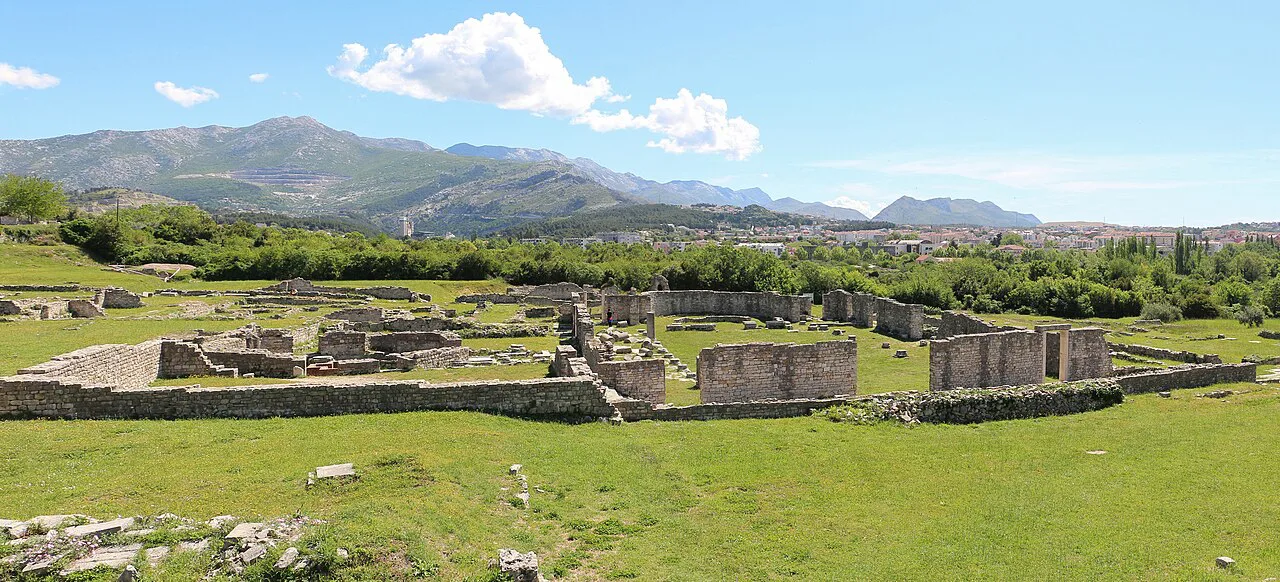
- Salona: the Roman city ruins at Solin, near Split
- Trogir: a guide to the UNESCO island old town
- Vodice, Croatia
- Čiovo: the Island Joined to Trogir by Bridge
- Zrmanja River
- Kamerlengo Fortress, Trogir
Frequently Asked Questions
Is the Dalmatian dog from Croatia?
The breed takes its name from the Dalmatia region, though its exact origins are debated and it is not a reason to visit. The coast's draw is its Venetian towns, Roman remains, islands and national parks.
What is Dalmatian culture like?
The coast has a relaxed, Mediterranean rhythm, with outdoor life in the squares and Rivas, Venetian and Roman layers in the towns, and a cuisine built on the sea and the interior. The pace slows in the heat of the afternoon and picks up again in the evening.
What is the most beautiful part of the Croatian coast?
There is no single answer, but Diocletian's Palace in Split, the walls of Dubrovnik and the Kornati islands are the sights most travellers build a route around. Pick your band by how much time you have rather than by looking for one best spot.
Do I need a car on the Dalmatian coast?
A car gives the most flexibility for the interior, smaller villages and the road between towns. Without one, base yourself in Split or Dubrovnik and use buses and ferries for day trips, which works well but ties you to timetables.
Sources
Notes from the Croatian coast
Optional updates when our guides change.
You might also like
Continue reading
More guides you'll find useful