Southern Dalmatia: A Guide to Choosing Your Coastal Stay
Southern Dalmatia takes in Dubrovnik, Cavtat, Konavle, Ston, Pelješac, the Elaphiti islands, Lokrum, Trsteno and Mljet. Here is how to plan the trip.
On this page
Southern Dalmatia is the far south of the Croatian coast, taking in the mainland and peninsula settlements from Ston and the Pelješac peninsula down through Konavle, plus the islands offshore, with Dubrovnik as its hub. Dalmatia itself is not one administrative region but four counties — Zadar County, Šibenik-Knin County, Split-Dalmatia County and Dubrovnik-Neretva County — and this guide covers the last.
The practical question is rarely what to see but where to sleep and how far to spread. A short break can sit entirely on Dubrovnik and Cavtat; a week allows Ston, Pelješac and one island properly. Below are the geography, the transport, the time each add-on demands and the honest trade-offs of summer heat, crowds and the bura wind.
Where southern Dalmatia starts and ends
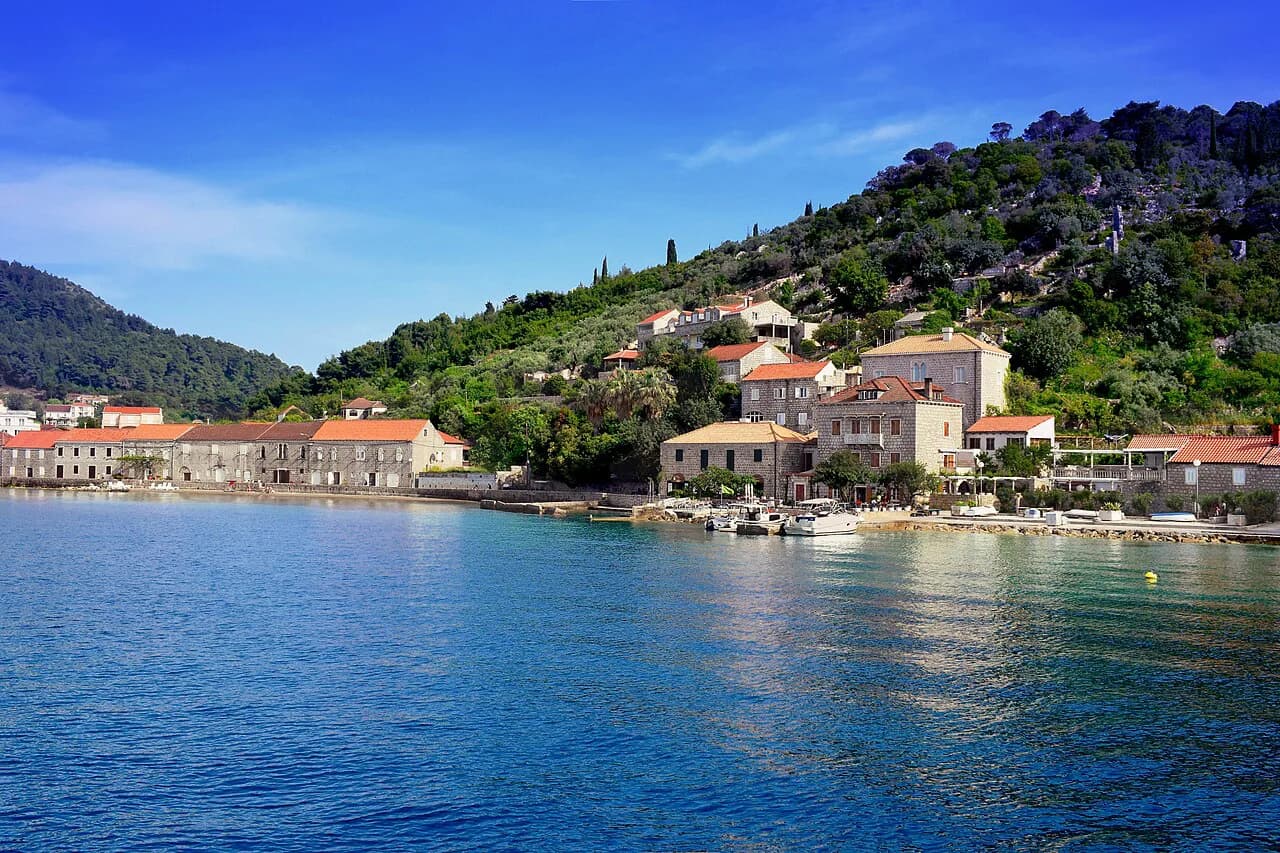
The walled town of Ston and Mali Ston, the long Pelješac peninsula reaching towards Orebić, and the Elaphiti islands of Šipan, Lopud and Koločep are the mainstays of the Dubrovnik shoreline south and west. Treat Konavle, beyond Dubrovnik towards the Montenegrin border, as the southern edge of the region.
The southern islands are the other half of the picture: Lokrum just off Dubrovnik, and Mljet further out, a green island with a National Park and inland lakes. Mljet rewards more than a flying visit.
Note that Dalmatia as travellers use the word runs a long way north of here — up past Hvar, Brač and Vis towards Zadar. If your plan includes central Dalmatian islands, treat them as a separate leg rather than expecting to tack them onto a southern Dalmatia week without ferry time, and browse these Hvar Attractions before you commit the extra days. For the wider choice of islands further north, our Croatia guide to the best islands in Croatia weighs up which island suits which kind of trip.
Getting there: airport, coastal road and the Pelješac Bridge
Dubrovnik airport at Čilipi is the natural gateway for Konavle, Cavtat and Dubrovnik, with the coastal road running northwest along the shore towards Ston and the Pelješac turning. Driving gives you the most flexibility for the peninsula and Ston; without a car you rely on buses and boats.
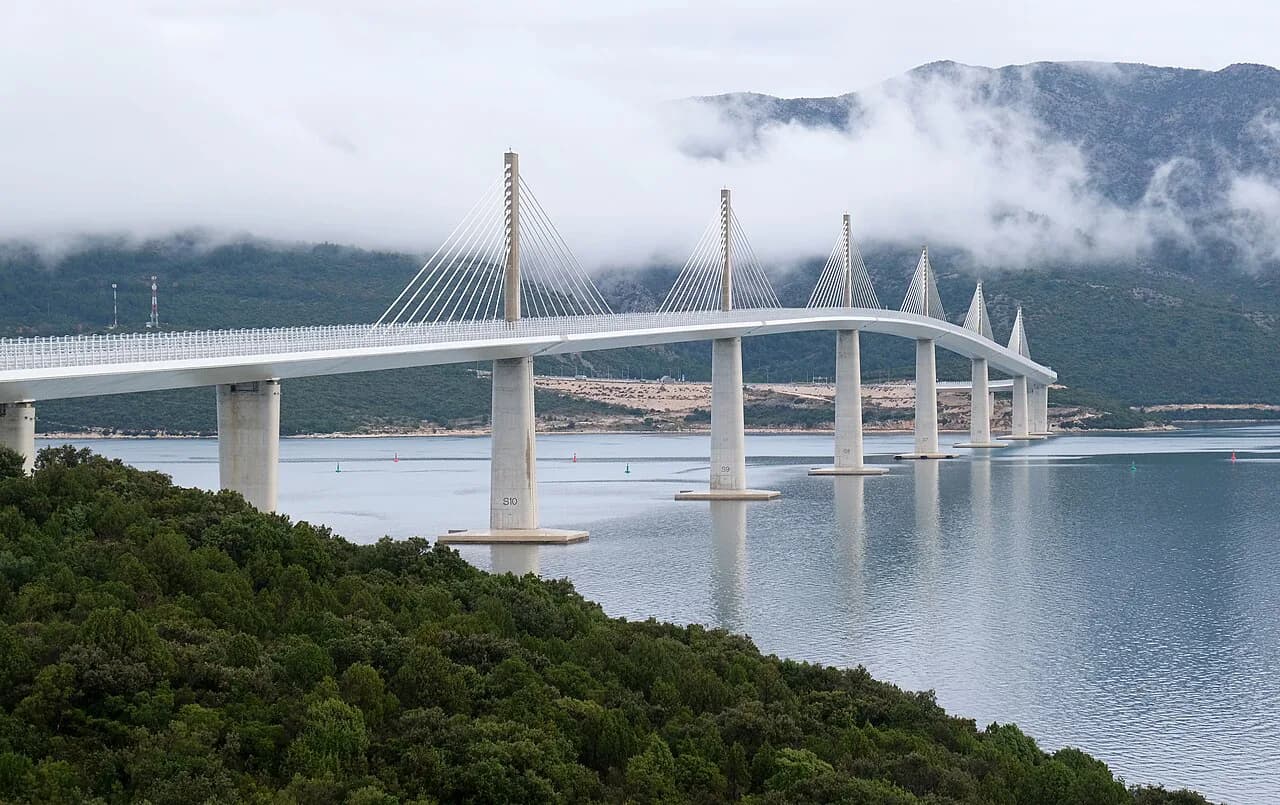
The Pelješac Bridge links the mainland to the peninsula, so a Pelješac loop no longer has to retrace the coastal road to Ston. Build your route around it instead of doubling back, and allow for summer traffic when you set out in high season.
Do you need to cross Bosnian territory to reach Dubrovnik?
This is the question that trips up first-time planners: whether you must route through Bosnia and Hercegovina to reach Dubrovnik. With the Pelješac Bridge in place the peninsula and the southern coast have a direct mainland connection, but confirm your own route and any border crossing before you travel.
If your route does cross a border — from Montenegro, for instance, or via Neum — carry the documents your nationality requires and allow time at the crossing in high summer. Croatia's position in Europe's Schengen Area affects which frontiers involve passport checks, so check the rules for your nationality and route.
How to get around without a car
Buses cover the mainland coast between Dubrovnik, Cavtat, Ston and the Pelješac turn-off, and ferries and catamarans link Dubrovnik with the Elaphiti islands and Mljet. Timetables shift with the season rather than running to one fixed year-round pattern, so check the sailing times published by the ferry companies for your dates.
For Dubrovnik's own islands, the shortest hops — Lokrum in particular — are quick boat services from around the old town rather than long ferry crossings. Island-hopping is a well-established way to see the Dalmatian coast, so book the sailing you actually need and keep the return leg in mind.
Without a car, Pelješac is the awkward piece: buses serve the main road but not the scattered villages, and Orebić is best reached by ferry across from the mainland or by bus from Dubrovnik. If the peninsula's villages are the point of your trip, a car or a driver is the practical choice.
How long to allow: a short break versus a week
Three or four nights gives you Dubrovnik and Cavtat comfortably, with Lokrum or Trsteno as a half-day. Dubrovnik deserves at least a full day for the old town and walls, and Cavtat works as a calmer base from which to reach both the city and the Konavle countryside.
A week lets you add Ston and Pelješac on the way in or out, plus one Elaphiti island. Trying to fold Mljet into the same week is where plans get thin: Mljet's National Park and lakes want a full day on the island at minimum, and the crossing eats into it.
Two weeks is the point at which southern Dalmatia stops feeling rushed — Dubrovnik, Cavtat and Konavle, Ston, a couple of nights on Pelješac, an Elaphiti day and a proper Mljet stay. Dalmatia rewards time spent rather than places ticked off, and this is the stretch where that matters most.
Cavtat and Konavle: a quieter base south of Dubrovnik
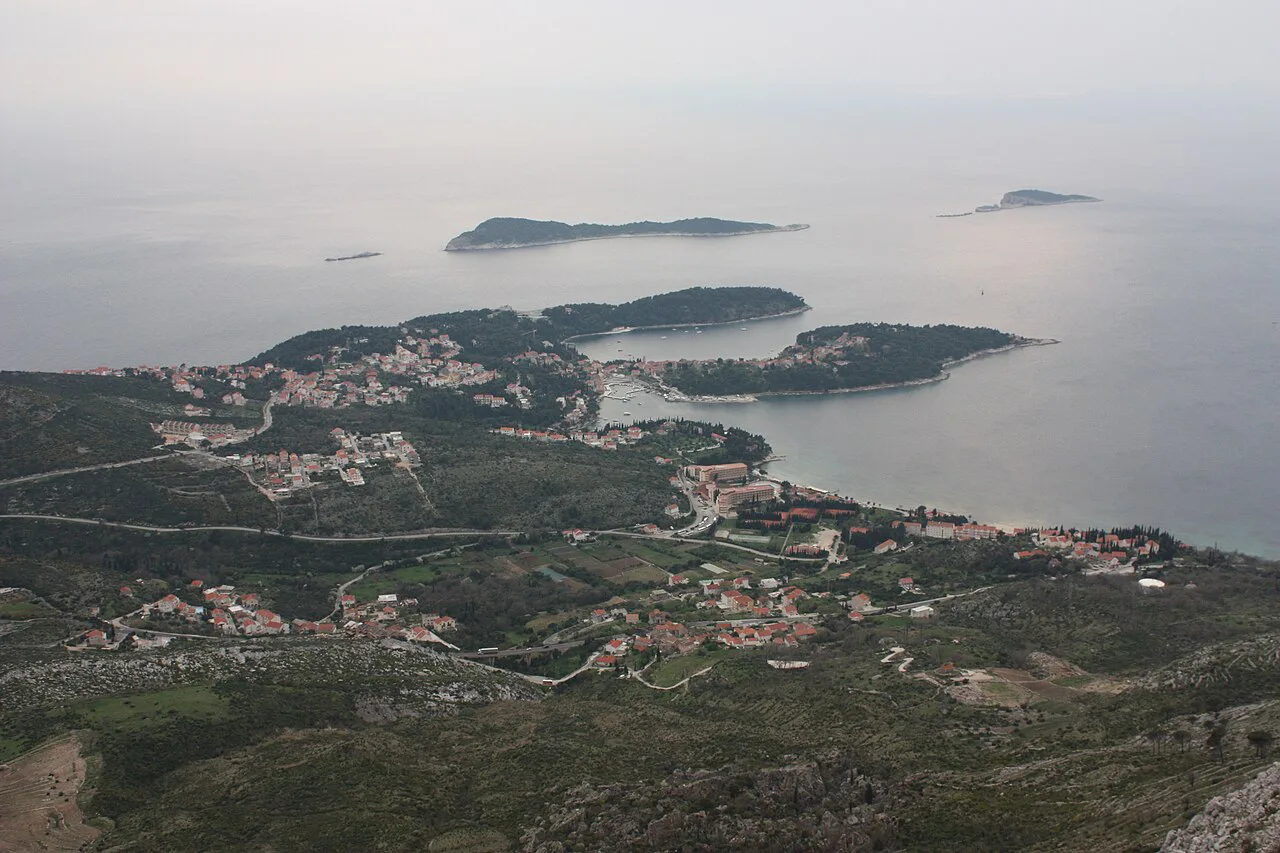
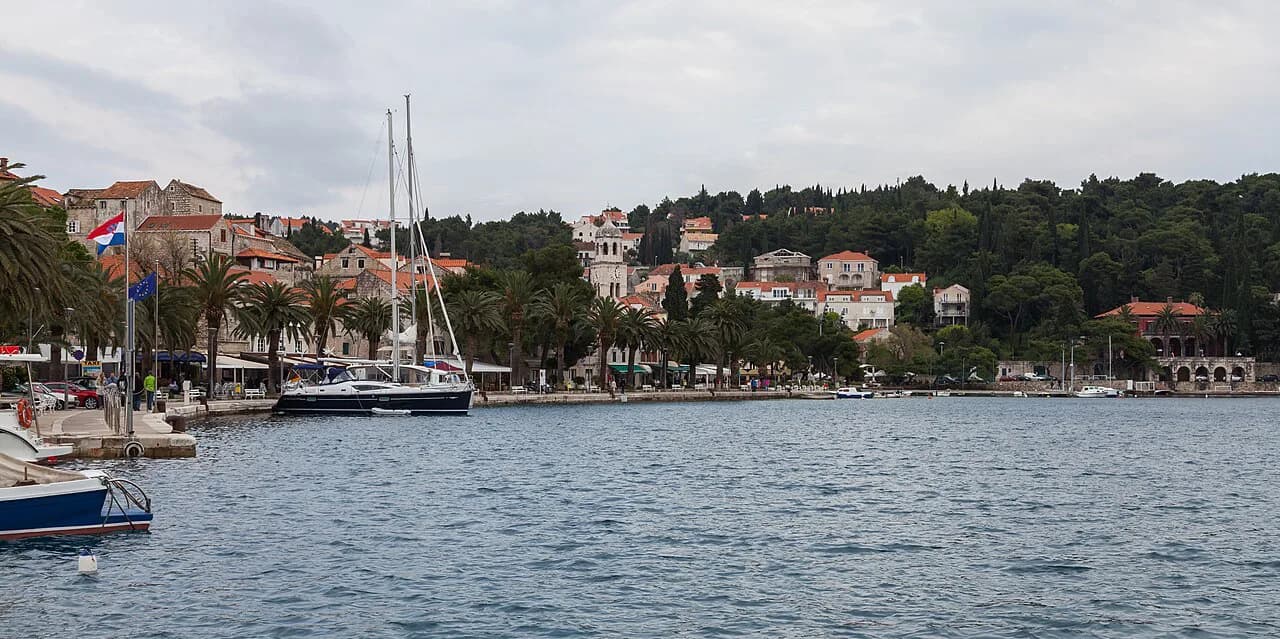
Cavtat sits on its own peninsula southeast of Dubrovnik, with a compact old centre, a harbour and a shoreline path that makes it easy to walk the day out. It is a sensible base if you want the Dubrovnik area without sleeping inside the walls, and buses run between the two.
Inland from Cavtat, the Konavle valley runs southeast towards the Montenegrin border, a green corridor of villages and farmland beneath the mountains. It is worth a half-day by car, and it pairs naturally with the airport at Čilipi at the start or end of a trip.
Ston and Mali Ston: walls, salt pans and the hop onto Pelješac
Ston is the gateway to Pelješac, and its long defensive walls climbing the hillside above the town are the main reason to stop. The walled complex extends to Mali Ston, a small harbour town on the other side of the isthmus, and the two are usually visited together on foot.
Give Ston half a day if you plan to walk a stretch of the walls, more if you want the salt pans and a slow lunch. Wall entry prices and opening months are seasonal, so check them with the town's ticket office before you go.
From Ston the road runs straight onto the peninsula, which is why the stop works so well en route to Orebić rather than as a separate excursion. If you are driving from Dubrovnik towards Pelješac, Ston is on your way and costs you only the time you choose to give it.
Pelješac: villages, wine country in passing, and the drive to Orebić
Pelješac is a long, narrow peninsula with a spine of hills and villages strung along the coast, and Orebić at its western tip looks across the water towards Korčula. Driving the length of it takes a couple of hours without stops; with stops it fills a day comfortably.
The peninsula's inland slopes are farming and vineyard country, and the drive to Orebić is the point rather than any single stop along it.
From Orebić a short ferry crossing reaches Korčula, putting a major Dalmatian island within reach without returning to the mainland — useful if your route continues north. Confirm the crossing and its seasonal timetable with the ferry operator before you build a day around it.
The Elaphiti islands: Šipan, Lopud and Koločep
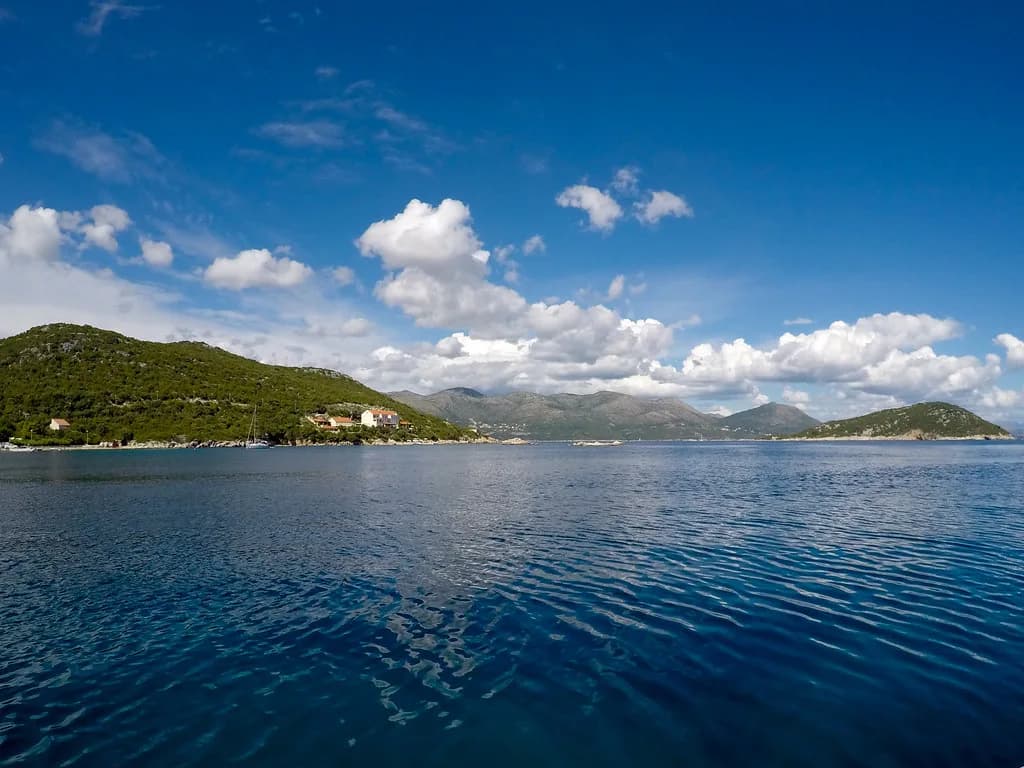
The three Elaphiti islands — Šipan, Lopud and Koločep — lie off Dubrovnik and are close enough to visit by boat from the city.
Choose one rather than trying to string all three together. The ferry and catamaran timetables are seasonal, so the number of sailings in May is not the number in August, and the return leg dictates how long you actually get ashore.
Lokrum and Trsteno: the short boat and the coast arboretum
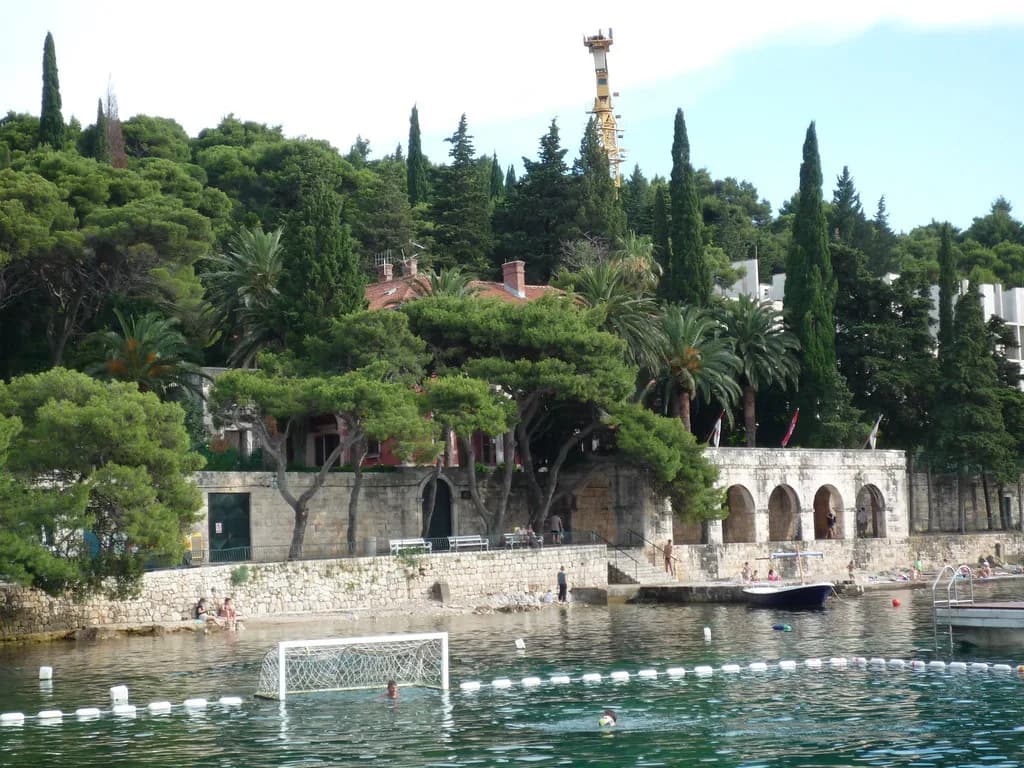
Lokrum is the shortest island trip from Dubrovnik, reached by boat from near the old town and easily done in half a day. It suits a morning away from the old town crowds without committing to a full ferry timetable.
Northwest along the coast, Trsteno is a small coastal stop above the sea that pairs well with a drive along the coastal road. It is a gentler pause than another walled town.
Mljet: the National Park, the lakes and how long it deserves
Mljet is the southern Dalmatian island that most justifies an overnight: its National Park protects inland lakes and the wooded country around them. The park authority sets its own entry prices and opening arrangements, and these vary by season.
A day trip from Dubrovnik gives you a few hours on the island, which is enough for a swim in the lakes but not for much walking. Two nights lets you see the park at an unhurried pace and use the island's own quieter roads.
If your Dalmatia itinerary is already tight, Mljet is the add-on to cut rather than squeeze. It sits furthest from Dubrovnik of the southern islands, and the crossing time is what makes a rushed visit unsatisfying.
When to go: crowds, cruise-ship days and the bura
Summer brings the most sailings and the most people, and Dubrovnik's old town is busiest when cruise ships are in port. Checking ship arrivals for your dates lets you time the walls and the Stradun for quieter hours; the city is markedly calmer on days without a large call.
The bura is the cold, gusty northerly wind that can sweep the coast and interrupt boats, and it is a real planning factor rather than a curiosity. Spring and autumn bring fewer crowds and more comfortable walking, at the cost of thinner timetables and some seasonal closures.
May, June and September are the sweet spot for southern Dalmatia: warm sea, workable heat and enough boats running to reach the islands. July and August work too, but plan the wall walk and the old town for early morning rather than midday.
What it costs: entries and transport in euros
Croatia uses the euro, so there is no currency conversion to worry about, but the volatile items are the ones to check yourself: Dubrovnik's city walls, Ston's walls, Lokrum and Mljet's National Park all set their own arrangements and charges, so use the official ticket pages for your dates rather than budgeting from a guidebook figure.
On transport, budget by leg: the airport transfer, the bus or ferry to your base, and any island crossings. A rough sense of daily spending in Dalmatia is useful for planning, but the numbers that matter are the specific fares and entry charges you can confirm for your travel dates.
Honest trade-offs: heat, timetables and the case for shoulder season
Southern Dalmatia packs a lot into a small area, but the distances are deceptive: Dubrovnik to Orebić is a long drive, and Dubrovnik to Mljet is a boat trip that eats a day. Spreading yourself across too many bases is the most common planning mistake here.
Pick one base and add day trips, or split between Dubrovnik and one other place — Cavtat, Orebić or Mljet. That keeps ferry and bus time down and leaves room for the things worth doing slowly, like the walls at Ston or the lakes on Mljet.
Shoulder season is the honest recommendation for anyone who wants the coast without the crush. You trade some sailings and a little warmth for fewer crowds, easier walls and a more relaxed old town.
Which base suits your southern Dalmatia trip
If you want the city, sleep in Dubrovnik; if you want calm and easy access to both the city and Konavle, base yourself in Cavtat. For Pelješac and the islands, split your stay rather than commuting long distances each day.
Decide first how many nights you have, then add Ston and one island — not both Mljet and the Elaphiti in the same short trip. Book sailings against the season you are travelling in, and confirm the park and wall entries you plan to use before you go.
Explore more Southern Dalmatia guides
Sources
Notes from the Croatian coast
Optional updates when our guides change.
You might also like
Continue reading
More guides you'll find useful