Konavle Guide: Cavtat, Sokol Fortress and the Ljuta Mills
Plan a visit to Konavle, the valley south of Dubrovnik: Cavtat's old centre and heritage, the Sokol fortress and the Ljuta watermills, plus how long each needs.
On this page
Konavle is the valley that runs south from Cavtat towards the Montenegrin border, and Cavtat is its largest and only urban centre — the natural place to start. Give Cavtat half a day on foot and the inland valley a second half or a full day by car, and you have seen the shape of it. This guide sets out the peninsula layout, the listed heritage sights, the fortress and mills that sit inland, and how Konavle slots into a wider Southern Dalmatia trip.
The valley's older identity is tied to Dubrovnik: Cavtat, the Roman Epidaurus, was later known as Ragusa Vecchia and served as the Republic's second port of trade and administration after Dubrovnik itself. That history explains why a small harbour town carries a mausoleum, a gallery and a collection worth planning around.
What Konavle is and where it sits
Konavle is a valley district with Cavtat at its coastal mouth, built on the peninsula of Rat, which with the peninsula of Sustjepan wraps a well-protected and accessible bay. The town is deliberate rather than accidental: the Konavle destination site describes Cavtat as the only urban centre in the area and the one settlement that grew up by design. Everything else in the valley is villages, farmland and scattered heritage.
For planning, treat Konavle as two layers. The first is Cavtat's old town, compact enough to walk end to end. The second is the inland valley, where the Sokol fortress, the watermills on the Ljuta and the villages of Čilipi and Molunat sit apart from each other and reward having a car.
Getting there and getting around
Cavtat is the gateway, and the town itself is compact enough that you park once and walk. The inland valley is a different proposition: the villages spread across the district, so a car turns a frustrating wait for local transport into a straightforward loop.
If you are coming from further up the coast, Konavle works as a first or last stop rather than a detour — it sits at the southern end of the Croatian coast, so plenty of drivers heading for Dubrovnik and beyond pass the turning without stopping. The trade-off is that public transport inside the valley is thin, and a taxi between the fortress, the mills and Čilipi adds up quickly in euros.
Cavtat old centre on foot: the Rat peninsula and the Riva
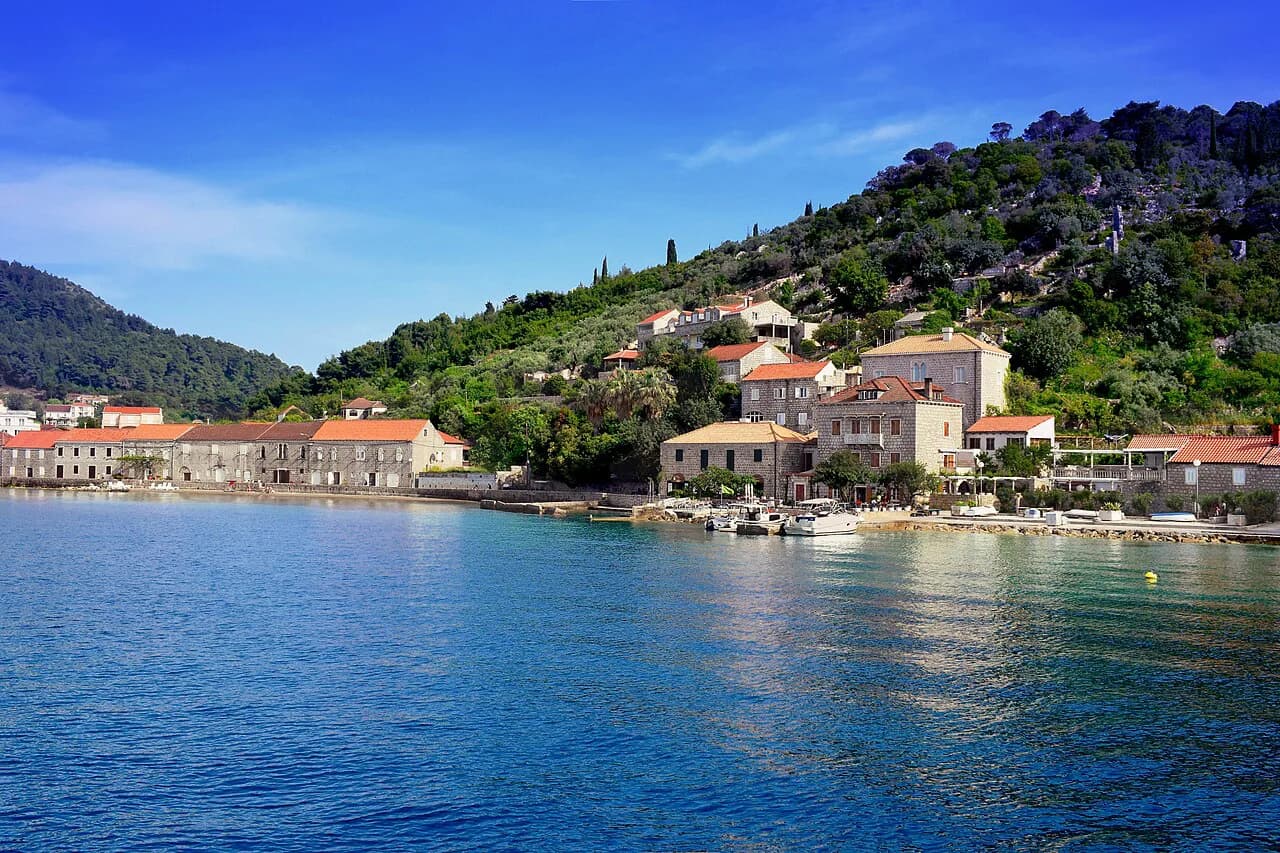
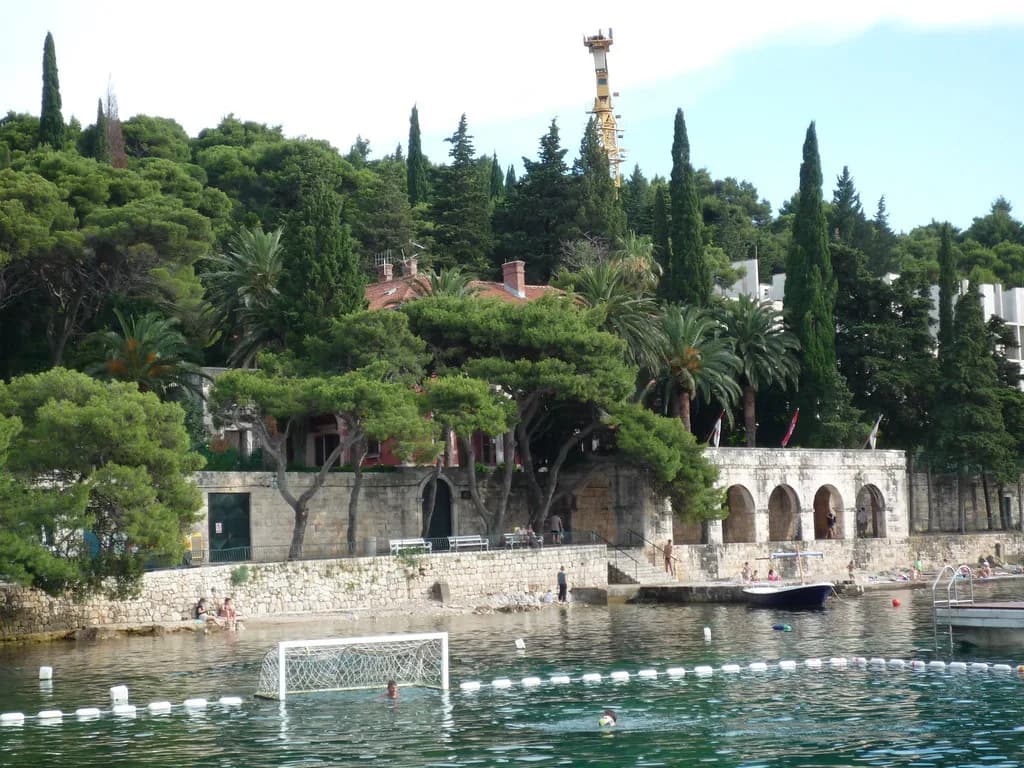
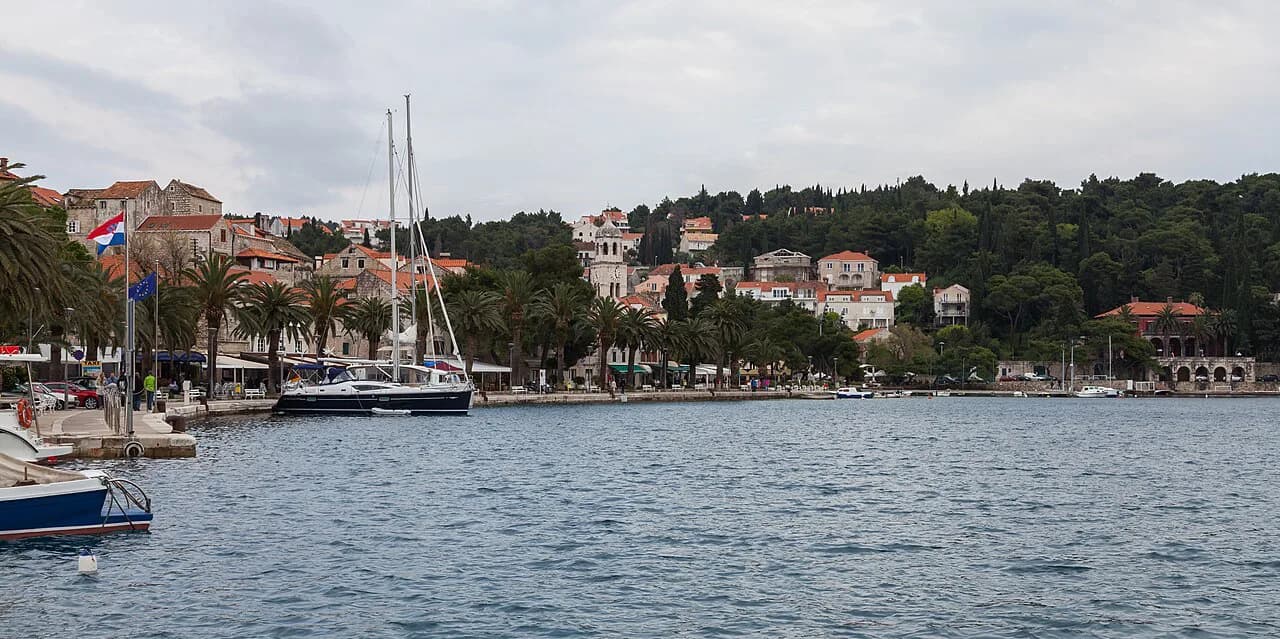
Start at the harbour and walk the waterfront promenade that curves around the bay between the Rat and Sustjepan peninsulas. The town's architecture wears its centuries of allegiance to the Dubrovnik Republic openly, which is best read slowly rather than ticked off. Allow an hour for the waterfront and the lanes behind it before you head to the heritage sights.
Cavtat repays a slower pace because its old centre is small enough to wander rather than to work through as a list. Legend gives the town two origin stories — the drowned Cavtislava and the old verb captiti, to blossom — and both are told as legend, not history. The documented past is Roman Epidaurus, then Ragusa Vecchia under Dubrovnik.
Cavtat's sights, one by one
Cavtat's heritage is concentrated and individually named rather than lumped together, so you can plan a route around it. The House of Vlaho Bukovac, the Mausoleum of the Račić family, the Baltazar Bogišić Collection, the Monastery of Our Lady of the Snows and the Konavle County Museum are all listed by the Konavle destination site as sights of the town.
Opening months and ticket prices for these museums change with the season, so confirm them with each venue or the Konavle tourist board before you build a day around one. A sensible order is to take the gallery and the mausoleum while you are fresh, then let the monastery and the county museum fill the middle of the day.
The Shell Museum and the monastery complex suit travellers who want the town's quieter side rather than a checklist. Whatever you choose, two or three named sights is a realistic maximum for a half day in Cavtat.
The Sokol fortress
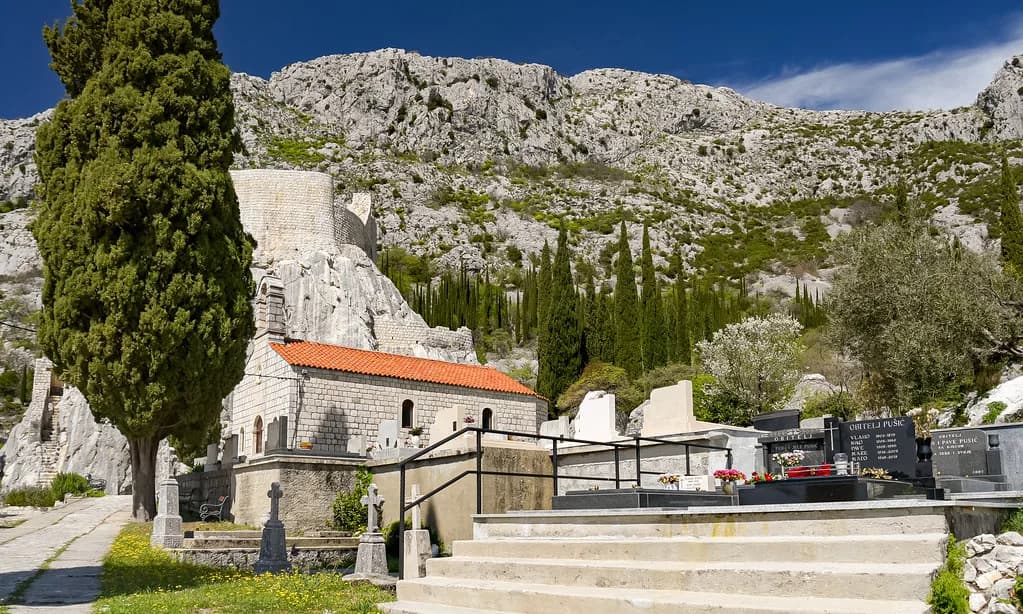
The Sokol fortress is the valley's hilltop anchor, listed among Konavle's cultural and historical heritage alongside the town's heritage sights and churches. It gives the inland day its shape: you seek it out for the position over the valley rather than for furnished rooms. Build it into a driving loop rather than treating it as a standalone stop.
Access, opening arrangements and any entry charge are the details most likely to change, so check them locally before setting out, particularly outside the main season. The bura, the cold northerly wind, can make an exposed hilltop unpleasant even on an otherwise fine day, so keep the fortress flexible in your plan rather than fixing it to a morning.
Watermills on the Ljuta
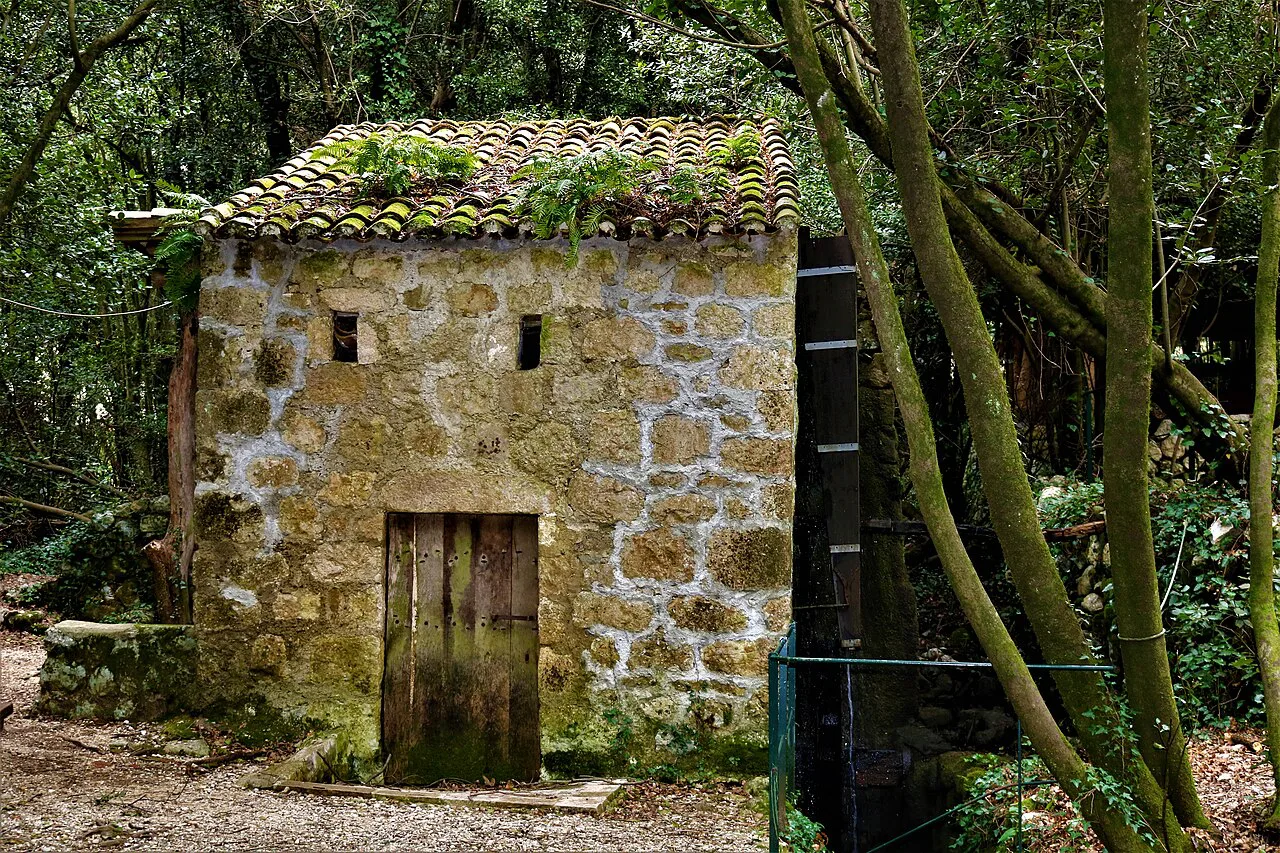
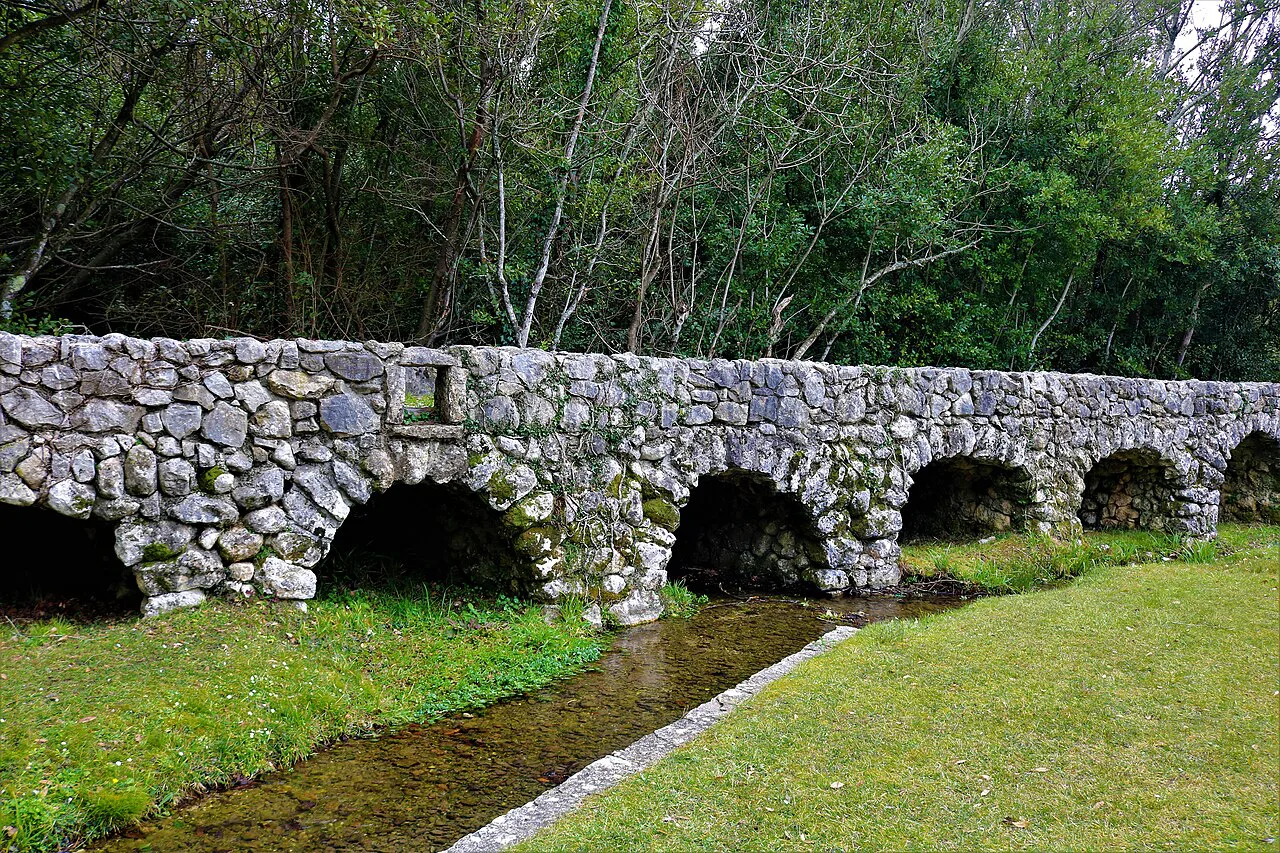
The watermills on the River Ljuta are the valley's industrial heritage, and they appear in the Konavle listings as a sight in their own right. The appeal is the setting as much as the buildings: the river, the stone structures and the shade make a natural pause between Cavtat and the villages inland. Come for a short stop, not a half day.
Access and opening arrangements for the mills can vary with the season, and the site does not post fixed hours year-round, so it is worth asking the Konavle tourist office in Cavtat whether the mills are open to visitors on the day of a midweek visit in spring or late autumn.
Villages of the valley: Čilipi, Molunat and Pridvorje
Čilipi is the valley's best-known village, with a folklore tradition the Konavle destination site promotes rather than something you can simply turn up for on any given day. Molunat sits on the coast at the southern end, a small settlement for a quiet pause. Pridvorje holds two separate draws: the Rector's palace and the Franciscan Monastery, each listed by the destination site as its own heritage sight.
Order the villages on a single loop that follows the valley inland and returns to the coast, and you avoid doubling back on the road towards Čilipi. If your time is short, pick two villages rather than three; the driving between them is the part that eats a day.
How long to allow
Half a day covers Cavtat properly: the Riva, the peninsula walk and two or three of the heritage sights. A full day lets you add the Sokol fortress, the Ljuta mills and one or two villages by car. Trying to do all of it in an afternoon means spending more time parking than looking.
If you are based in Dubrovnik, Cavtat is the easy half day and the inland valley the committed one. Konavle is not a place to squeeze between two other stops on the same day.
Where Konavle fits on a southern Dalmatia trip
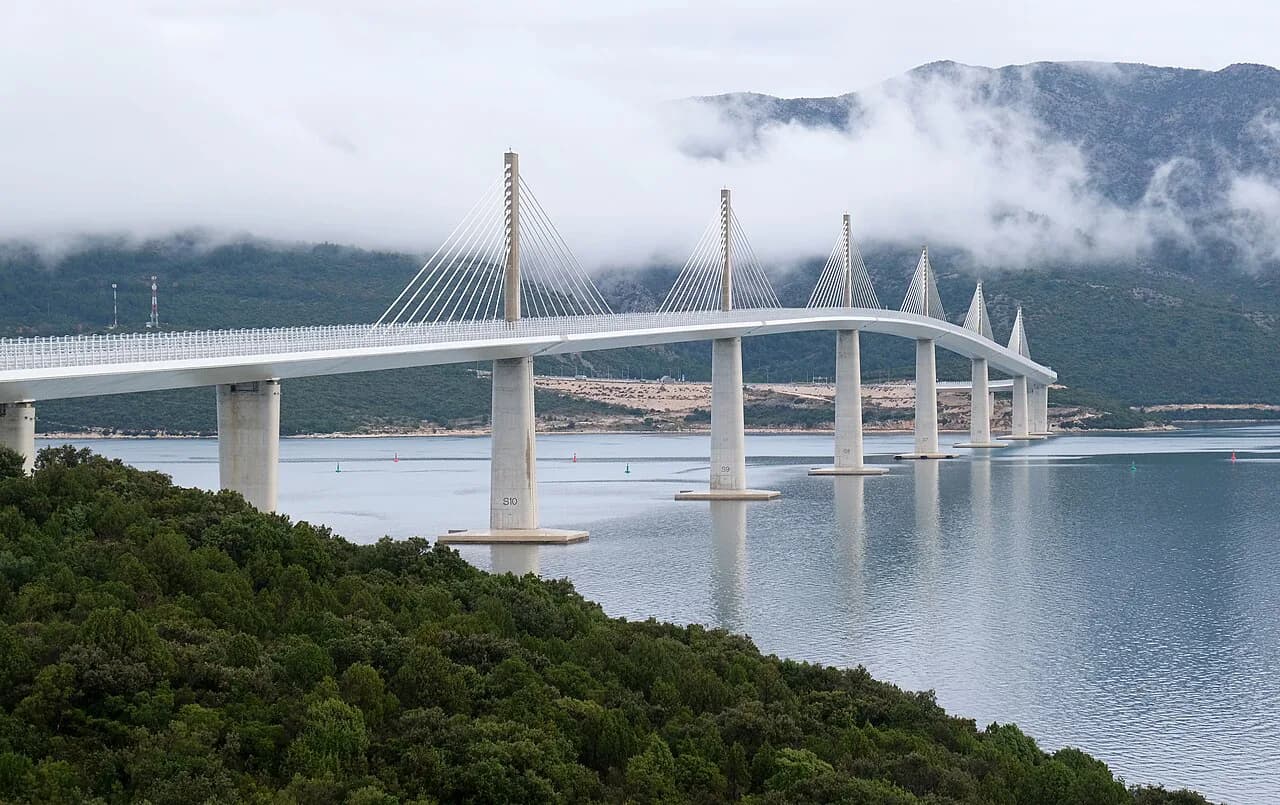
Konavle sits at the southern end of the Croatian coast, which makes it a natural bookend to a trip built around Southern Dalmatia rather than a middle chapter. Coming from the north, the sequence runs past the Ston walls and along the Pelješac Peninsula before you reach the Konavle valley; coming from Dubrovnik, it is the first thing you reach heading south.
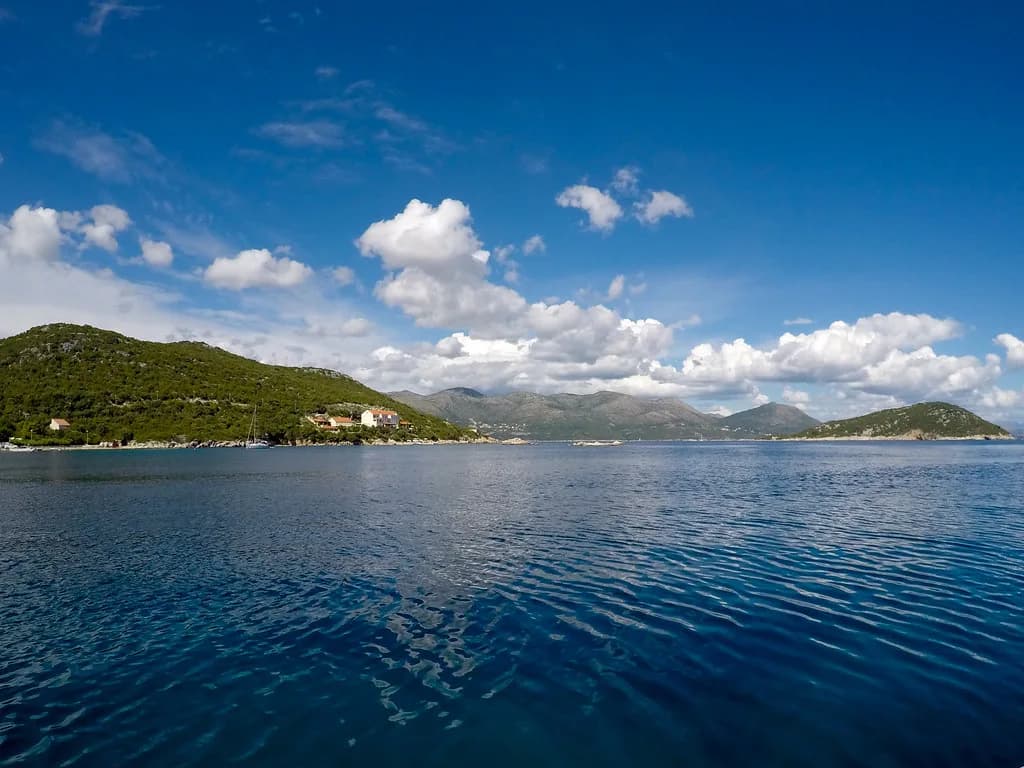
Island time fits the same trip if you build in a ferry leg: the Elaphiti islands lie off Dubrovnik and work as a separate day rather than something to bolt onto Konavle. Timetables shift by season, so check the Jadrolinija schedule for your dates.
Honest trade-offs: crowds and the bura
Cavtat is quieter than Dubrovnik, but it is not immune to the summer crowds, and the Riva and the old centre feel it most in midsummer. The inland valley is far less affected.
The bura is the other variable. The cold, gusty northerly wind can shut down exposed hilltop plans and make the harbour front uncomfortable, so keep the fortress and the walk for the calmer of your two days rather than committing to a fixed itinerary.
Half day in Cavtat or a full day in the valley?
Choose Cavtat alone if you have one spare half day near Dubrovnik: the Riva, the Rat peninsula and two or three of the heritage sights are a complete visit. Choose the full valley day if you have a car and want the Sokol fortress, the Ljuta watermills and the villages at a pace that does not feel rushed.
Whichever you pick, confirm museum opening months and any entry charges with the venues before you travel, since these follow the season rather than a fixed calendar.
Explore more Southern Dalmatia guides
Frequently Asked Questions
How far is Cavtat from Dubrovnik?
Cavtat lies south of Dubrovnik at the head of the Konavle valley, and the two are connected by a direct coastal road. Check the current operator timetable for journey times, which vary by service and season, rather than relying on a fixed figure.
Is Cavtat worth visiting?
Yes, if you want a compact old town with genuine heritage rather than a beach stop. Its Roman and Ragusan past, the heritage sights around the centre and the peninsula walk together make a solid half day, and it is far calmer than Dubrovnik in high summer.
Sources
Notes from the Croatian coast
Optional updates when our guides change.
You might also like
Continue reading
More guides you'll find useful