Elaphiti Islands: Koločep, Lopud and Šipan Ferries and Days Out
The Elaphiti Islands lie northwest of Dubrovnik, and three are worth visiting. Here is how ferries work, what each island offers and how long to allow.
On this page
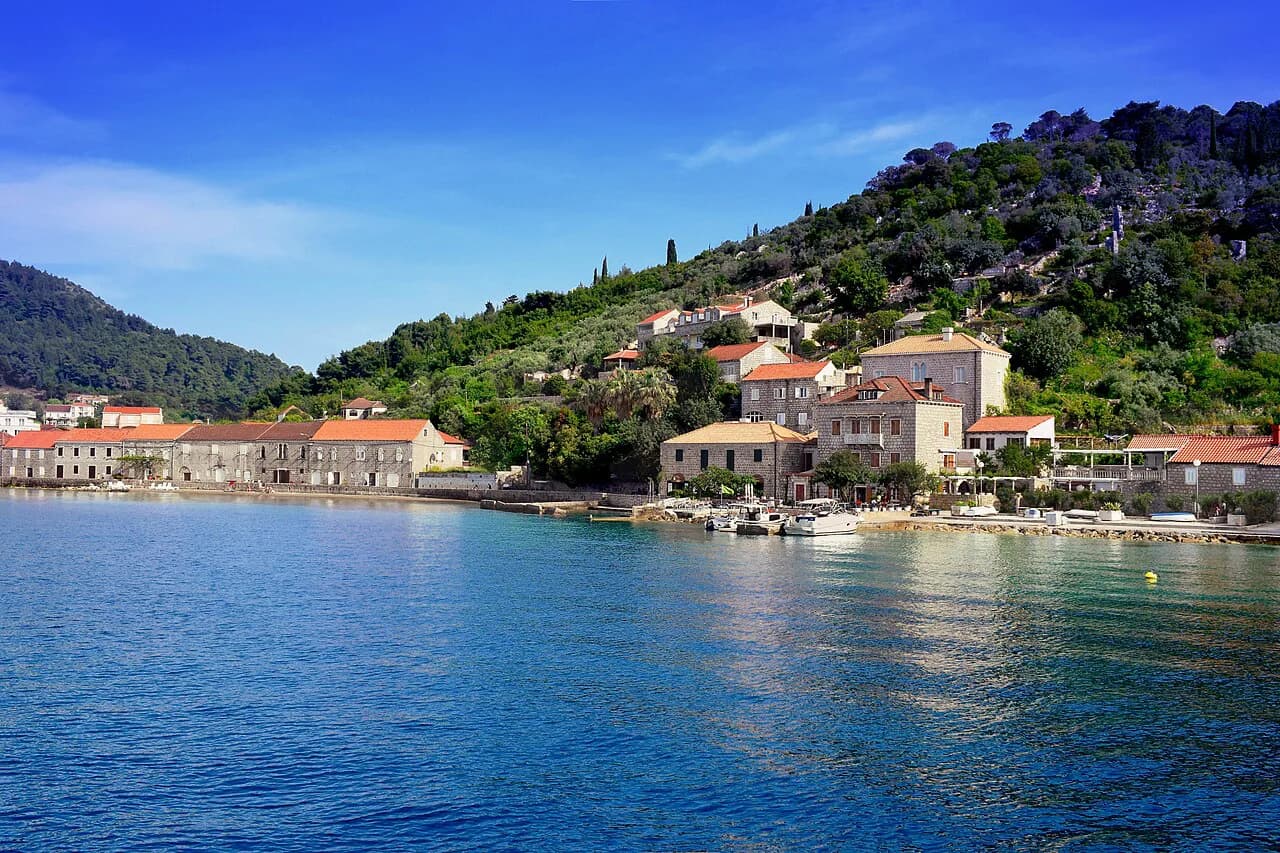
Three of the six Elaphiti Islands are worth building a day around: Koločep, Lopud and Šipan, the archipelago that sits just northwest of Dubrovnik. Jadrolinija runs a daily ferry that calls at each of the three in turn, and TP Line also runs a catamaran to Šipanska Luka on Šipan, so the group works as a public-transport day out rather than a private boat trip. This guide covers which islands to pick, how the crossings fit together and what each one gives you.
The islands suit travellers who want a quiet, car-free counterweight to Dubrovnik's old town rather than another walled city. Koločep and Lopud are entirely car-free, which changes how you move once you land, and the three main islands are small enough that a day feels unhurried. Plan around footpaths, short harbour-to-harbour hops and a slower pace than the mainland.
Which islands make up the Elaphiti group
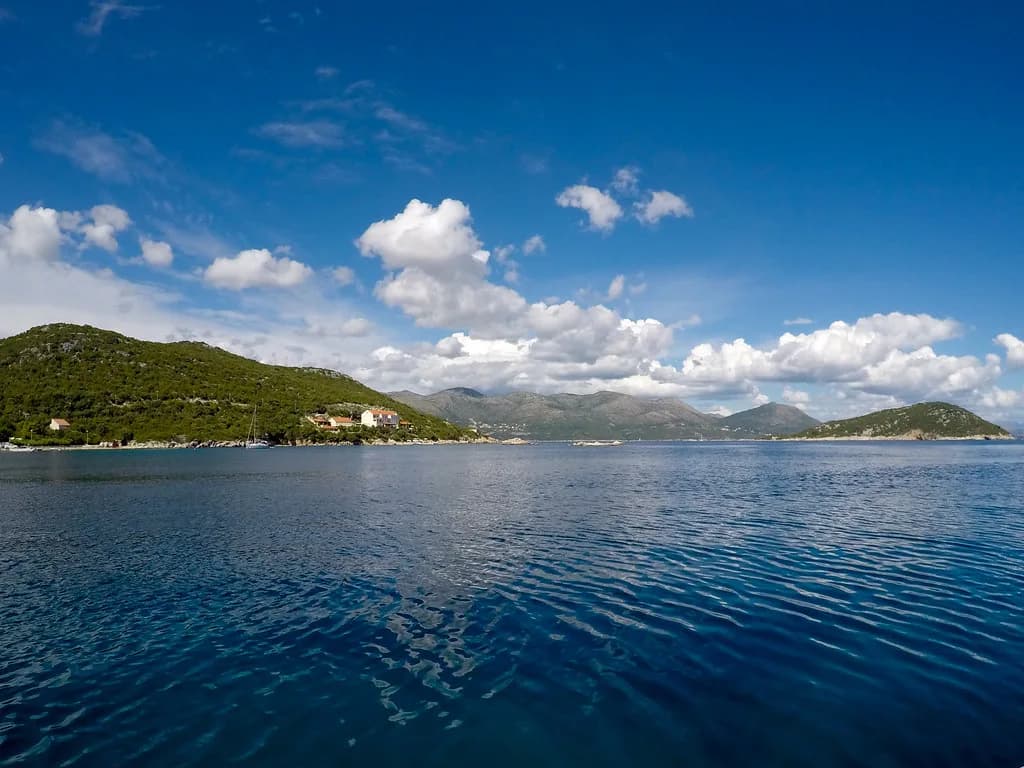
The archipelago has six islands, not counting the small islets scattered between them, and the three that visitors use are Koločep, Lopud and Šipan. The whole archipelago covers roughly 30 square kilometres and holds around 850 inhabitants.
The name comes from the Greek word for deer, elafos, a nod to the animals that once lived here. The islands came under the Republic of Dubrovnik in 1272 and were governed by a Rector based between Lopud and Šipan. Their position out in the sea in front of Dubrovnik made them a nursery for skilled mariners.
Population is the quickest way to grasp scale: Šipan has around 450 residents, Koločep around 300 and Lopud just over 200. That means one village centre, a handful of paths and no need for a car. Treat each island as a half-day at most unless you plan to stay overnight.
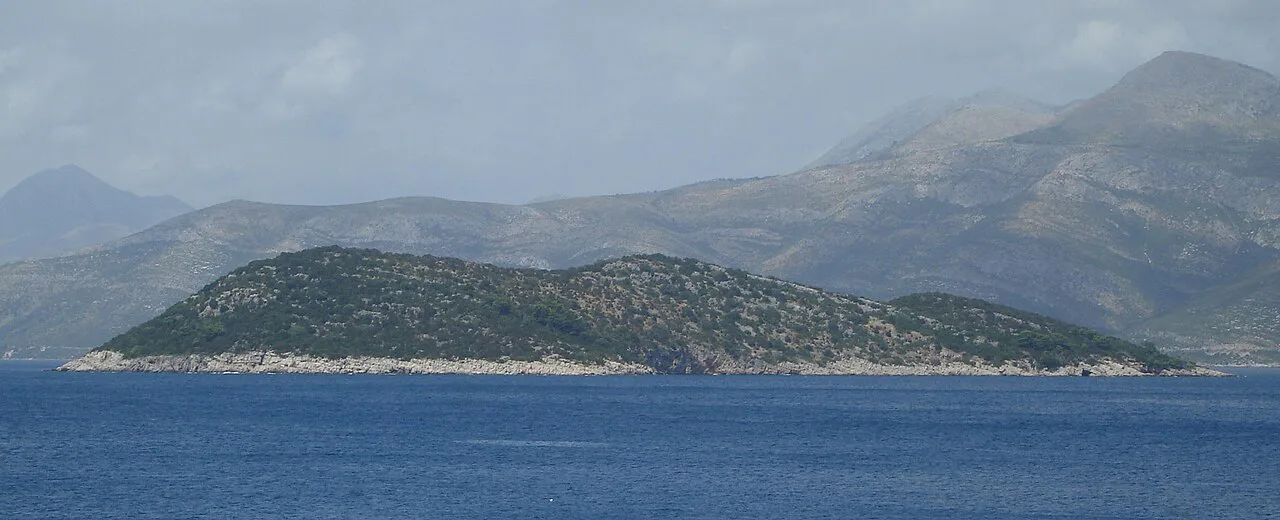
How to reach the Elaphiti Islands from Dubrovnik
Public transport is the simplest route. Jadrolinija's daily ferry service travels to each of the islands in turn, which makes it the natural choice for a single day covering all three. TP Line operates a catamaran to Šipanska Luka on Šipan if that harbour is your target. Check the current sailing times before you fix your day, since the timetable is seasonal.
Buying a ticket is straightforward at the port, but the return leg is what decides your day: the ferry calls at each island in sequence, so the last crossing back to Dubrovnik sets a hard deadline. Work backwards from that departure rather than forwards from your arrival, and leave a buffer for the harbour walk. Fares and crossing times are set by the ferry companies and change with the season.
The islands also work as a contrast to mainland days on the Southern Dalmatia coast, where Cavtat and the Konavle Valley sit south of Dubrovnik and the Pelješac peninsula stretches northwest. If you are basing yourself in Dubrovnik for several days, put the Elaphiti on a separate day from a Cavtat: A Guide to the Old Town, Sights and Peninsula Walk outing so neither is rushed.
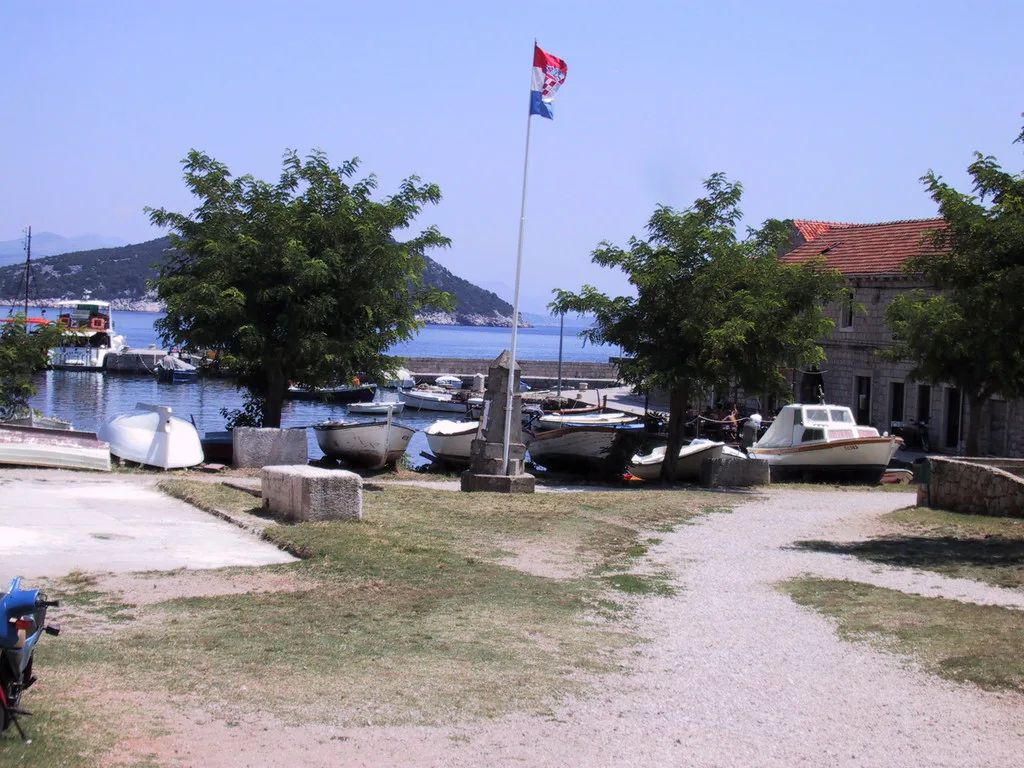
Koločep: the closest island, car-free and quiet
Koločep is the smallest of the three in population at around 300 residents and lies close to Dubrovnik. It is entirely car-free, so you arrive on foot and stay on foot: paths link the harbour to the rest of the island. That makes it an easy island to sample if you have only a few hours between crossings.
Koločep is small and close to Dubrovnik, which makes it easy to sample if you have only a few hours between crossings. Go ashore early, walk away from the landing point, and you leave any tour group behind within minutes. The reward is a green, low-key island with no traffic noise.
Lopud: car-free and walkable
Lopud has just over 200 residents and is entirely car-free like Koločep, so the village centre and the paths out of it are walked rather than driven. It is the one to pick if you want a single island with a bit of village life and a walkable afternoon ashore.
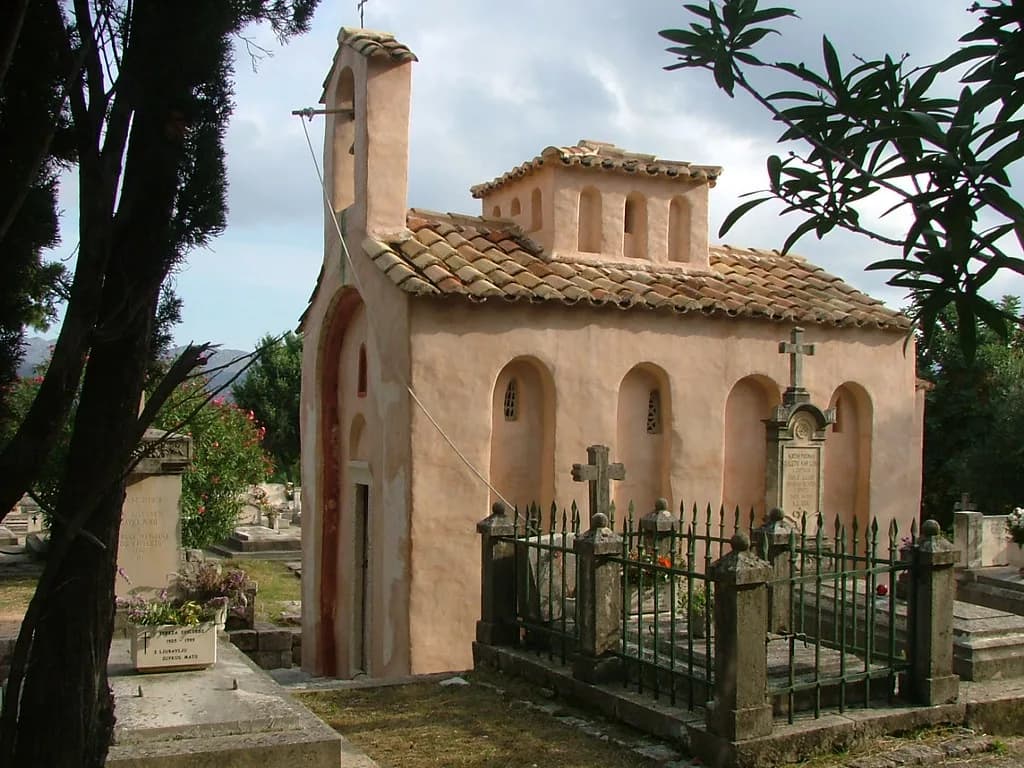
It also carries the deepest history of the three: the Rector who governed the islands under the Republic of Dubrovnik split his base between Lopud and Šipan. That legacy shows in the churches and stone houses around the village rather than in any single ticketed sight.
Šipan: the two harbour villages and Šipanska Luka
Šipan holds around 450 people. Its two harbour villages are the practical anchors for a visit, and Šipanska Luka is the one served directly by the TP Line catamaran as well as by Jadrolinija's island circuit. Wider than Lopud or Koločep, Šipan rewards a longer stop better than a rushed one.
For the detail on the two villages and how they connect, work from Šipan: Croatia's Largest Elaphiti Island and Its Two Harbour Villages. Because the island is bigger, walking between the villages takes real time, so decide which harbour you land at and plan the day around it rather than trying to cover both.
Doing all three in a day versus slowing down on one
A single day covering Koločep, Lopud and Šipan is feasible because Jadrolinija's ferry calls at each in turn, and organised tours run the same trio with time on each island for swimming and sunbathing. The trade-off is time: three landings in one day means short stops and no lingering. Choose the circuit if you want a taste of the group; choose one island if you want to walk properly.
Slowing down works best on Lopud or Šipan, which have enough village and path to fill a day without checking the clock. An overnight stay removes the return-crossing deadline entirely and gives you the islands after the day boats leave. That is the single biggest upgrade to an Elaphiti visit.
If you want a second boat day in the region, the Elaphiti islands pair naturally with the Pelješac Peninsula, where Orebić works as a ferry-linked base and the Ston walls and Konavle Valley sit on the mainland side. Keep each in its own day rather than stacking them.
Organised boat tours versus public ferries
The public ferry follows a timetable, but it does not wait for you and drops you at each harbour with no guiding. An organised tour from Dubrovnik bundles the three islands with swimming stops and often a period-style boat, so you trade flexibility for a fixed itinerary and someone else handling the logistics. Book tours through a local agency in Dubrovnik or online before you travel.
Tours also remove the main risk of a ferry day, which is misjudging the last return crossing. If you are travelling with a group or have limited time, the fixed structure of a tour is worth the extra cost; if you want a quiet island morning before the boats arrive, the ferry wins.
When to go and what the crowds look like in high summer
The Elaphiti are a summer season, and the crowd pattern follows the Dubrovnik day-trippers: the first ferry and the first tour boats fill the nearest harbours, then the islands empty out again in the late afternoon. Aim for the earliest crossing and the latest return if you want Koločep and Lopud to yourself. Midday in July and August is the busiest window.
The islands sit in the Adriatic off southern Dalmatia, so expect warm, settled summer weather and cooler, changeable spring and autumn days. May, June, September and October give you the same paths with fewer people around.
One island or all three?
If this is your only day on the water from Dubrovnik, take the Jadrolinija ferry, land on Koločep first and finish on Šipan with the return crossing timed from Jadrolinija's timetable. If you have two days, give one to Lopud on foot and use the TP Line catamaran to Šipanska Luka on the other. The archipelago rewards a slower visit more than a checklist.
Match the day to your appetite for logistics: a tour if you want the three islands without checking a clock, the public ferry if you want the freedom to stay put. Either way, book accommodation in Dubrovnik for the night before and after, so a delayed boat never costs you a connection.
Explore more Southern Dalmatia guides
Frequently Asked Questions
Is the Elaphiti island worth visiting?
Yes, if you want a car-free, low-key day on the water rather than another walled town. Koločep and Lopud are entirely car-free and the three main islands are small and quiet, so a day there feels nothing like Dubrovnik's old town. Skip it only if your trip is short and already full of mainland sights.
What is the weather like on the Elaphiti Islands?
The islands sit in the Adriatic off southern Dalmatia, with warm, settled summers and cooler, changeable spring and autumn weather. Sailing times are seasonal, so check current details before committing to a boat day.
Sources
Notes from the Croatian coast
Optional updates when our guides change.
You might also like
Continue reading
More guides you'll find useful