Lopud: A Practical Guide to the Car-Free Island Near Dubrovnik
Lopud is a car-free island in the Elaphiti group near Dubrovnik, reached by ferry and small enough to cross on foot. Here is how it is laid out and what to see.
On this page
Lopud is one of the Elaphiti islands west of Dubrovnik, and the one that repays a full day rather than a quick swim stop. Its sights are close together and the island is small, so it works as a place you cross on foot rather than a place you tour by vehicle. This guide sets out the layout, the sights that justify the crossing, the boat options, and the constraints that decide whether a day here is easy or rushed.
The practical verdict for most travellers: allow a full day, take an early boat, climb to Šutvrac before the heat builds, then swim at Šunj before returning to the harbour for an afternoon sailing. A half-day works only if you stay close to the harbour. Sailings are seasonal, so the timetable is the first thing to fix.
Where Lopud sits in the Elaphiti group
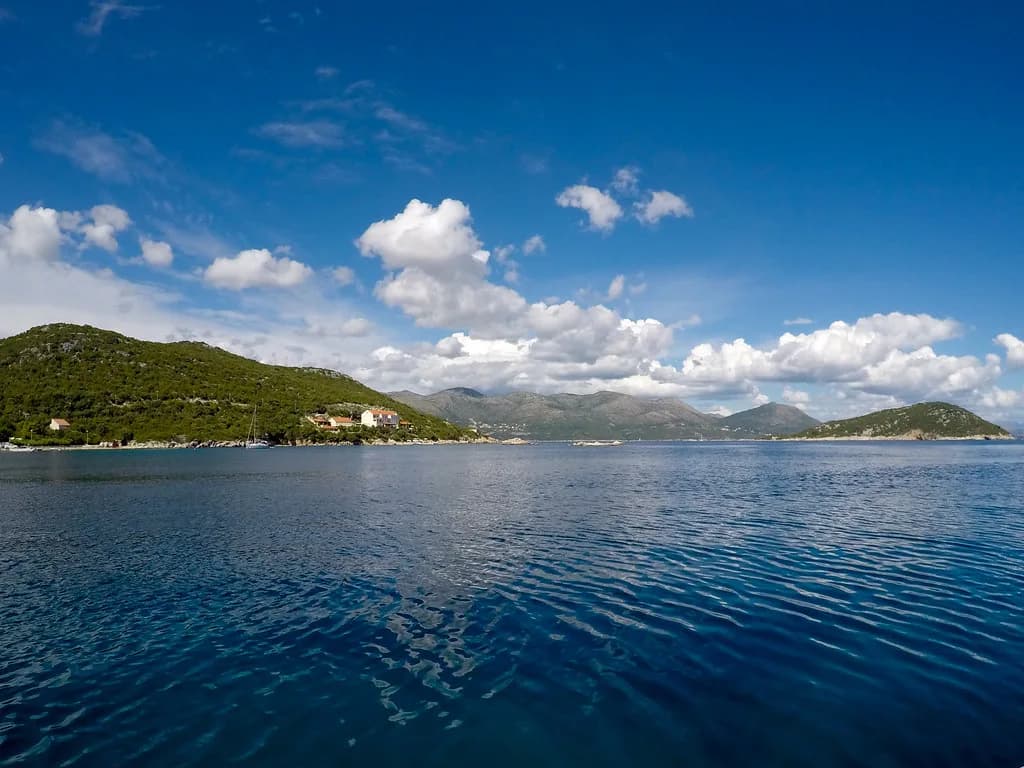
Lopud lies in the Adriatic west of Dubrovnik, in the Elaphiti chain that also includes Koločep and Šipan, all of them part of the wider southern Dalmatia coast. The island is small and green, with pine across much of it and its sights within easy walking distance of the harbour. Because it is compact, you walk, and distances are measured in minutes rather than kilometres.
Visitors come for a short list: the harbour village, the Franciscan monastery, the ruined fortress of Šutvrac on the ridge above the island, and the sandy sweep of Šunj on the far side, alongside Park Đorđić-Mayneri and the Your Black Horizon Art Pavilion. The wider Elaphiti group is easy to combine, with Koločep as the natural pairing from Dubrovnik. Treat Lopud as the substantial half of an island day and Koločep as the add-on if the boats allow.
How to get to Lopud from Dubrovnik by ferry and catamaran
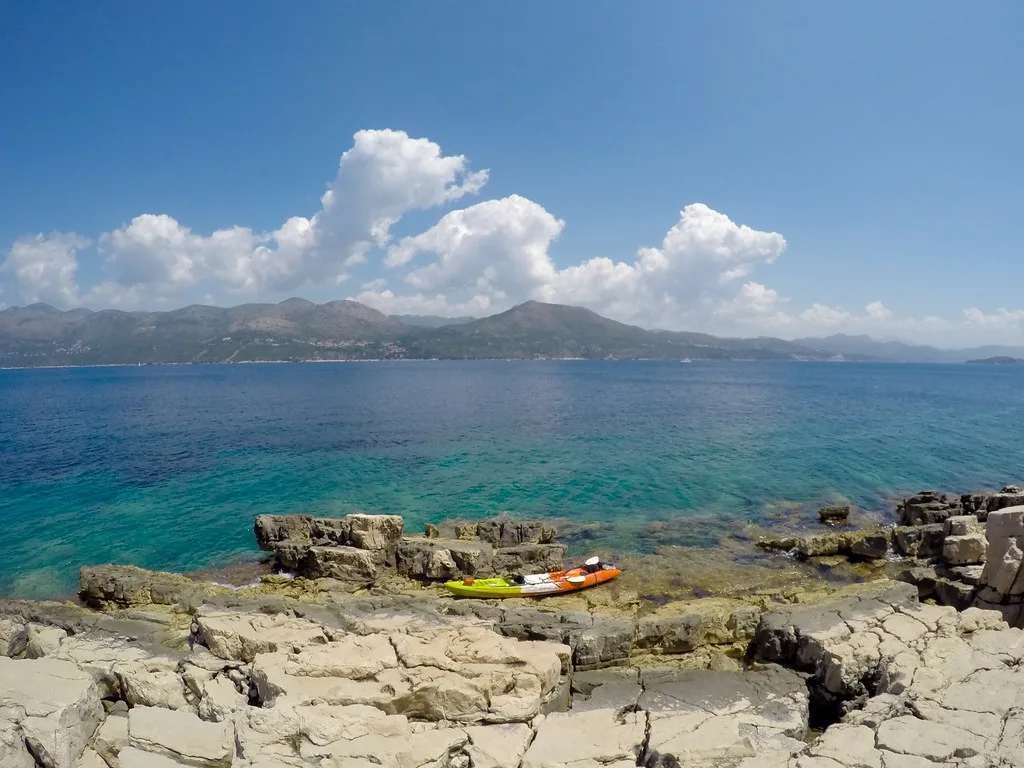
Boats to Lopud leave from Dubrovnik's Gruž harbour, not from the old town quay, so build the bus or taxi to Gruž into your morning. Jadrolinija runs the car ferry on the Elaphiti circuit and Krilo runs faster passenger catamarans; both publish their own seasonal timetables and both are worth checking, because one line may suit your day better than the other. Exact departure times and fares come from each operator for the season you are travelling.
The crossing is short enough that a day return is comfortable, but sailings thin out outside the summer months, so the return boat sets the shape of the day rather than the other way round. Note the last realistic return and keep a margin: a missed boat on a small island means an unplanned overnight.
How the island is laid out: the harbour village, the inland lane and the far shore
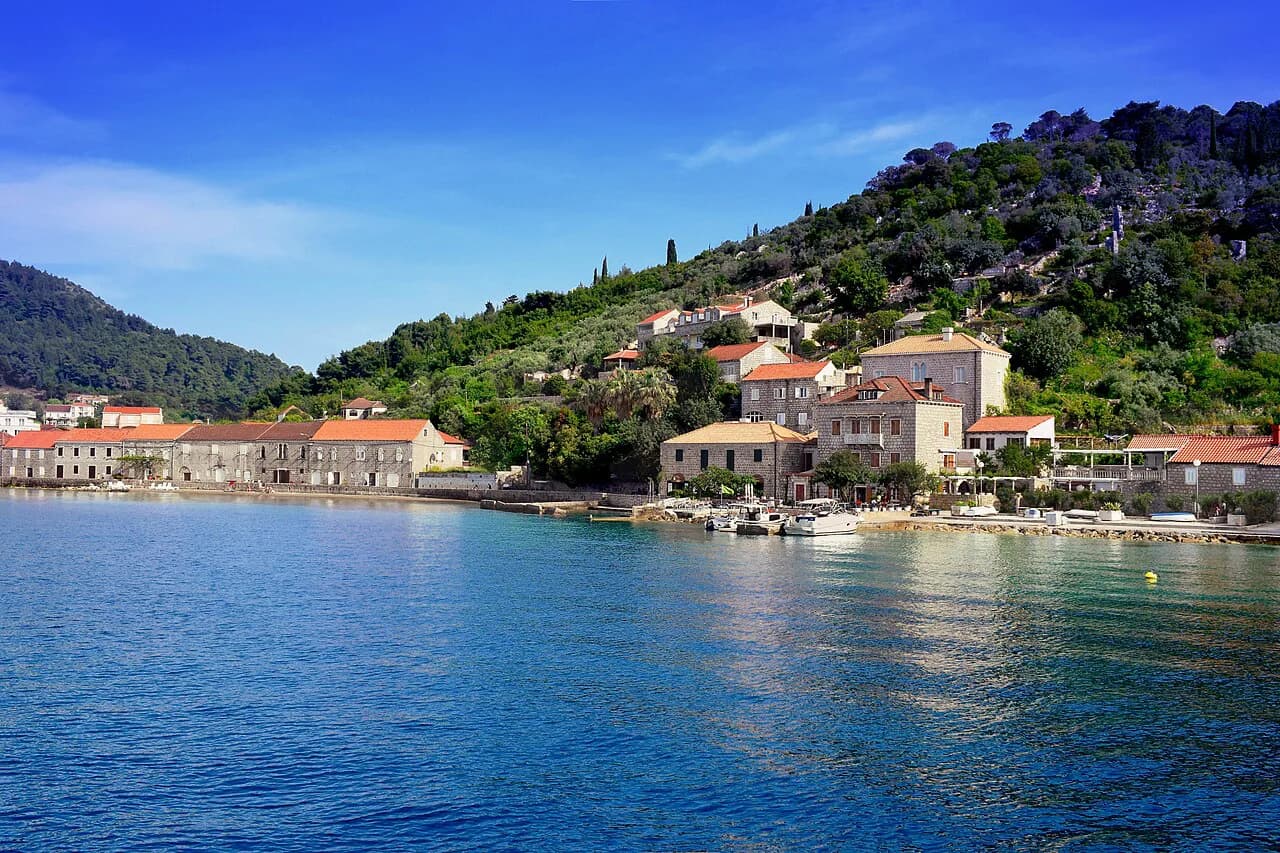
Almost everything begins at Lopud harbour, where the ferry and catamaran dock and the village spreads along the waterfront and up the slope behind it. The harbour front holds the everyday life of the island: a short waterfront promenade, a handful of places to eat, and the pathheads for the rest of the walk. This is where you arrive, and it is where you will wait for the boat home.
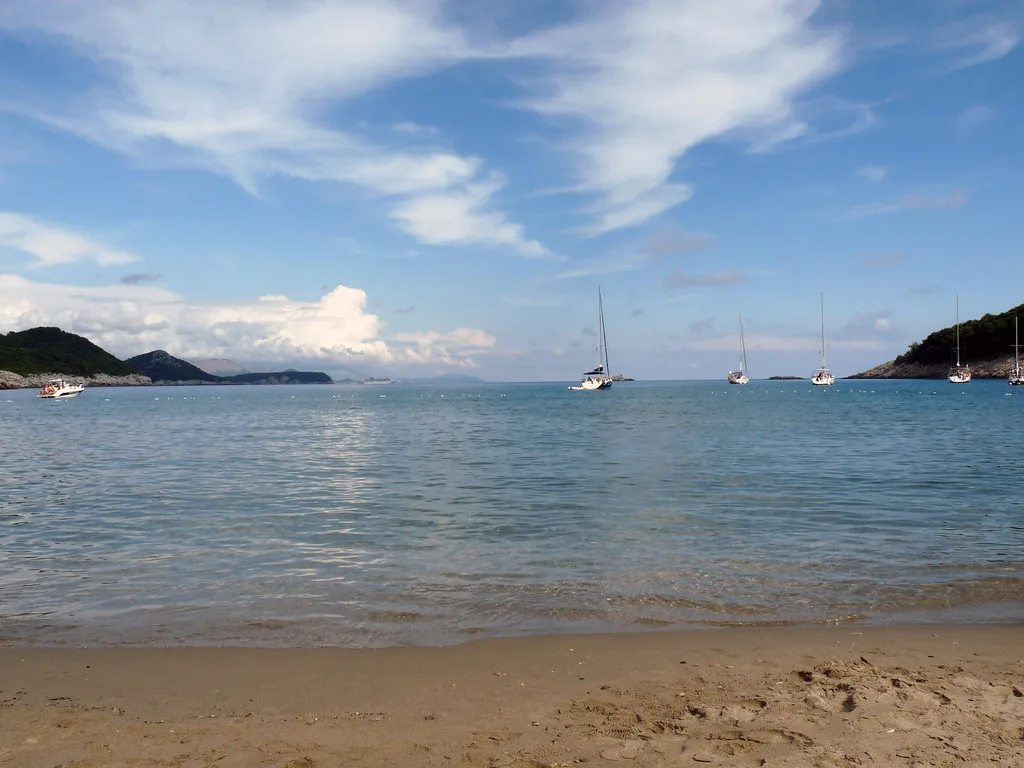
From the village, lanes and paths run inland to the far shore at Šunj. Hit Šunj first and the rest of the island opens out from there: harbour on one side, sandy bay on the other, with the fortress ridge above. Plan your day around the Šutvrac climb and the Šunj swim and the island stops feeling complicated.
How long Lopud needs: a half-day, a full day or an overnight
A half-day is enough for the harbour village, the monastery and a drink by the water, and it suits anyone fitting Lopud into a tight Dubrovnik schedule. A full day adds the Šutvrac climb and the walk across to Šunj with time to sit down afterwards. The difference is not distance but pace: the island rewards slow walking, and rushing the crossing defeats the point of coming.
An overnight changes the island completely, because the day-trippers leave on the afternoon boats and the harbour empties. Staying also removes the risk of a missed return sailing and gives you a quiet early morning for the fortress walk. If your schedule allows only one Elaphiti overnight, Lopud has the most to fill it with.
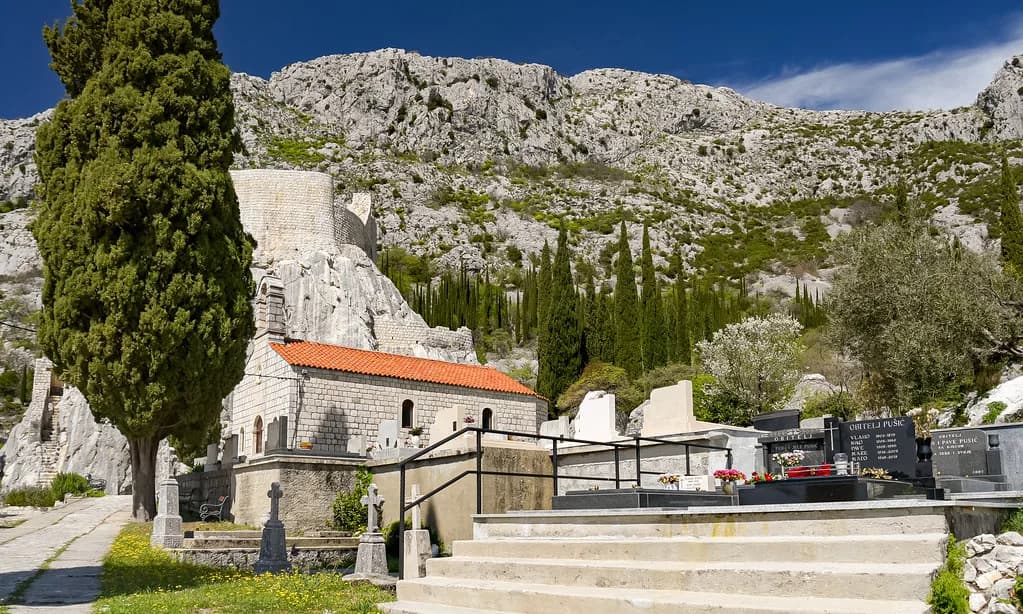
The Franciscan monastery and its setting on the island
The Franciscan monastery is the island's principal historic building and the reason the village feels more substantial than its size suggests. It sits within easy reach of the harbour, so it folds naturally into a morning before the fortress walk. Visiting arrangements and any entry charge are set locally, so confirm them on arrival rather than planning around assumed hours.
Two smaller sights sit nearby and are easy to fold into the same wander. Park Đorđić-Mayneri is a wooded garden in the village, and the Your Black Horizon Art Pavilion is a contemporary piece installed on the island. Both appear among Lopud's attractions and make a useful pause between the harbour and the fortress path.
Šutvrac fortress: the climb and the view back over the island
Šutvrac fortress crowns the ridge above the harbour village, and the climb is the island's signature walk. The path rises from the village, and the ruined walls at the top open a view over the harbour, the Elaphiti channel and, on a clear day, the mainland coast. Go early in the morning or late in the afternoon, when the stone is not radiating heat. This is the order most day visitors follow: arrive early by ferry and climb before anything else.
The climb is short but genuine, so wear shoes with grip rather than sandals, and carry water. Allow time at the top rather than treating it as a touch-and-go: the fortress is the best orientation point on the island, and looking down at the harbour below makes the day's geography clear.
The walk across the island to Šunj and the far side
The walk from the harbour village to Šunj crosses the island on foot, and it is what defines Lopud for most visitors. Šunj is a sandy bay on the open side of the island, and it is the natural turning point after the fortress climb, before you retrace your steps or take a different path back. Treat it as a place to cool off rather than a destination in its own right.
If you have a full day, a walk to the further edge of the island fills the extra hours, and the day-trippers thin out away from the harbour. Keep an eye on the time, though: the return is on foot, and the boat will not wait.
The bura wind and summer crowds
The bura is the cold, gusting northeasterly that can arrive without much warning and turn a calm crossing into a rough one. On Lopud it is felt most on the open Šunj side and on the fortress ridge, while the harbour village stays sheltered. If the wind is up, keep to the village and the monastery and save the far-shore walk for another day; ferry services can also be affected.
In July and August the island absorbs a lot of visitors in a short window, most of them arriving on the same mid-morning boats and leaving on the same afternoon ones. The harbour village and the Šunj lane are busiest in the middle of the day, and the fortress path is quietest first thing. Shifting your day by a single sailing makes a visible difference.
Off-season visiting on Lopud
Lopud's season is a summer season. Outside it, sailings reduce and some village businesses close, so the island becomes quieter and less convenient at the same time. Late autumn can still be excellent walking weather, with the pine and the stone warm and the harbour almost empty, provided you know what is running before you commit to a day.
The sensible approach is to fix your return boat first and build the day around it, then confirm which of the monastery, the art pavilion and the village places are open. On a short autumn day the fortress climb and the harbour village are a realistic pairing on their own; adding the full Šunj crossing may not fit.
Getting around Lopud and onward ferry connections
Lopud is small enough that everything is done on foot, and the lanes carry little beyond the occasional delivery trolley. Bring what you need for the day: water, sun protection and shoes suitable for the fortress path. Cash is useful for small village purchases, and the euro has widened card acceptance across Croatia.
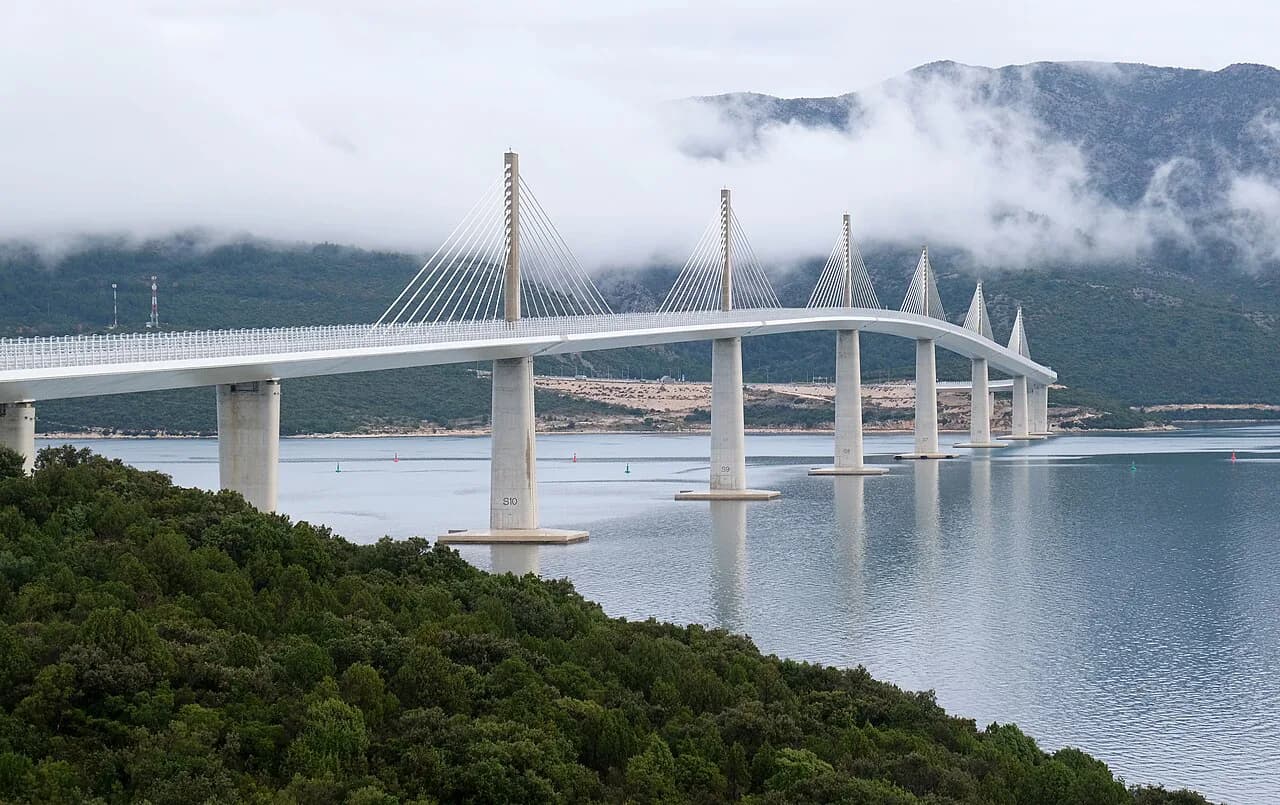
Onward connections run back through Dubrovnik's Gruž harbour, which is also the departure point for Koločep and Šipan and for buses along the coast. If you are heading south towards Cavtat or across to the Pelješac peninsula, allow a proper buffer between the island boat and the next leg rather than chaining them tightly.
Should you give Lopud a full day or a half-day?
Take the full day. A half-day covers the harbour village and the monastery, but it leaves out the two things that make Lopud distinctive: the Šutvrac climb and the walk across to Šunj. With an early boat out and a late-afternoon boat back, both fit comfortably, with time left to sit by the water before you leave.
Fix the return sailing first, then plan around the weather and the season. If the bura is blowing or you are travelling on a reduced autumn timetable, the village and the fortress are the honest choice; in high summer, start early and be on the Šunj lane before the midday boats arrive.
Explore more Southern Dalmatia guides
Frequently Asked Questions
Do you need a car on Lopud?
No. Lopud's sights are close together and the island is explored on foot, including the walk to Šunj. Arrive with shoes suitable for the fortress path and plan your day around boat times rather than road transport.
Can you visit Lopud and Koločep in one day?
Only on a long summer day and only if the Jadrolinija and Krilo timetables line up, since both islands sit on the same Elaphiti circuit from Gruž. Most travellers get more from Lopud alone, with Koločep saved for a separate outing.
Is Lopud quieter than Dubrovnik in summer?
Yes, but not empty. Day-trippers arrive in a mid-morning wave and leave in the afternoon, so early mornings and evenings are calm while the middle of the day is busy around the harbour and the Šunj lane.
What are the main sights on Lopud?
The harbour village, the Franciscan monastery, the Šutvrac fortress, the sandy Šunj beach, Park Đorđić-Mayneri and the Your Black Horizon Art Pavilion. The fortress climb and the walk to Šunj are the two things that most justify a full day.
Sources
Notes from the Croatian coast
Optional updates when our guides change.
You might also like
Continue reading
More guides you'll find useful