Šipan, Croatia: A Guide to the Elaphiti Island's Two Harbours
Plan a visit to Šipan, the largest of the Elaphiti Islands near Dubrovnik, with its two harbour villages, Suđurađ and Šipanska Luka, and how to reach it.
On this page
Šipan is the largest of the Elaphiti Islands and sits about 17 km northwest of Dubrovnik, with two harbour villages that organise any visit: Suđurađ and Šipanska Luka. It suits travellers who want quiet harbours, summer villas and inland lanes rather than a packed sightseeing list, and it works either as a long day out from Dubrovnik or as an overnight pause. This guide covers what each harbour gives you, how the crossings work, how much time to allow and how the island fits into a wider Southern Dalmatia trip alongside Lopud and Koločep.
Where Šipan sits in the Elaphiti archipelago
Šipan belongs to the city of Dubrovnik administratively and forms part of the Elaphiti chain strung along the coast northwest of the city. It is the biggest island in that group, which matters practically: there is more ground to cover than on Lopud or Koločep, and two separate settlements rather than one. Treat it as a small island with two front doors, not a single village with a jetty.
The island's two main villages are Suđurađ and Šipanska Luka, and Šipan is administered as part of the City of Dubrovnik. Boats from Dubrovnik serve the Elaphiti group, and Šipan can be fitted into an island-hopping itinerary alongside the other islands rather than requiring a dedicated excursion.
Suđurađ and Šipanska Luka: which harbour to aim for
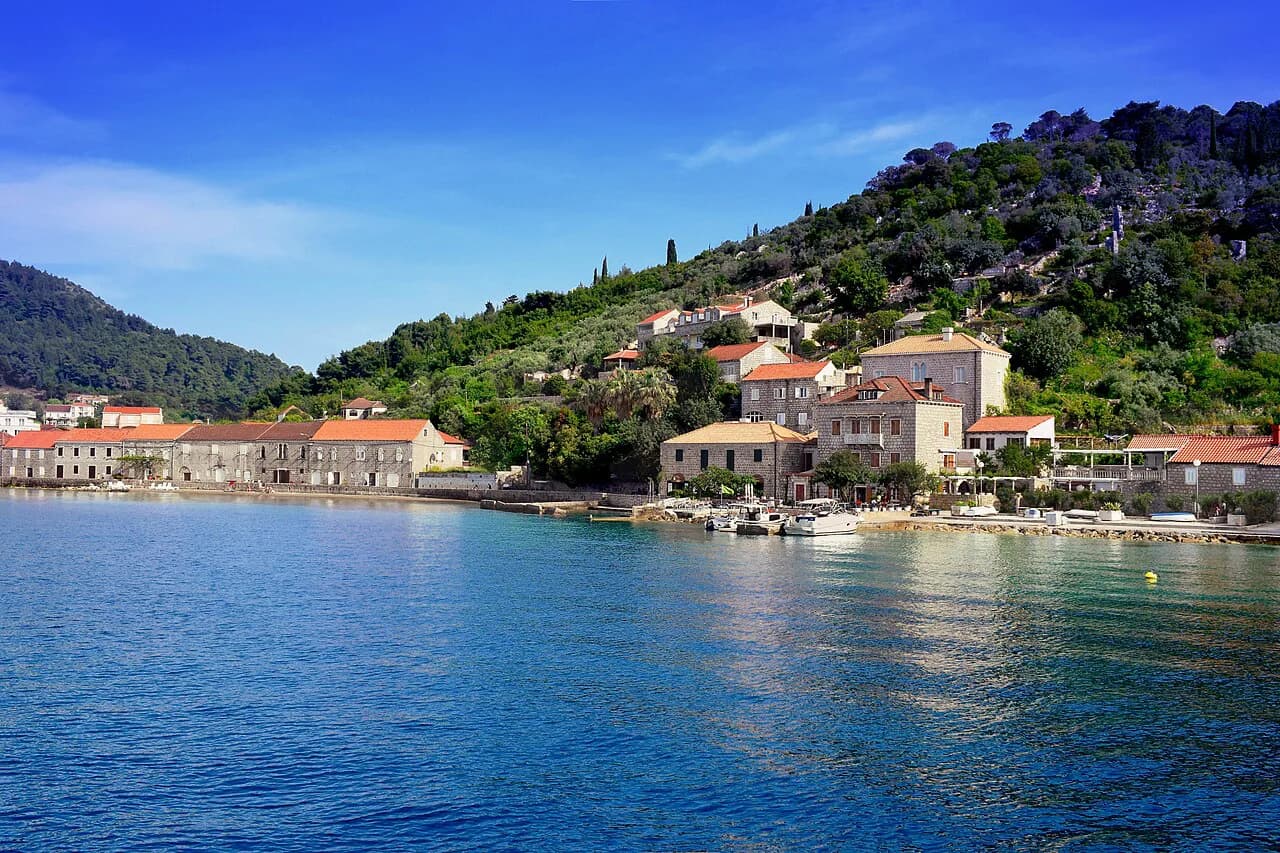
Suđurađ is one of Šipan's two main villages, sitting on its own stretch of coast. Its harbour front gives you a base for a wander, and the lanes around it are within reach on foot.
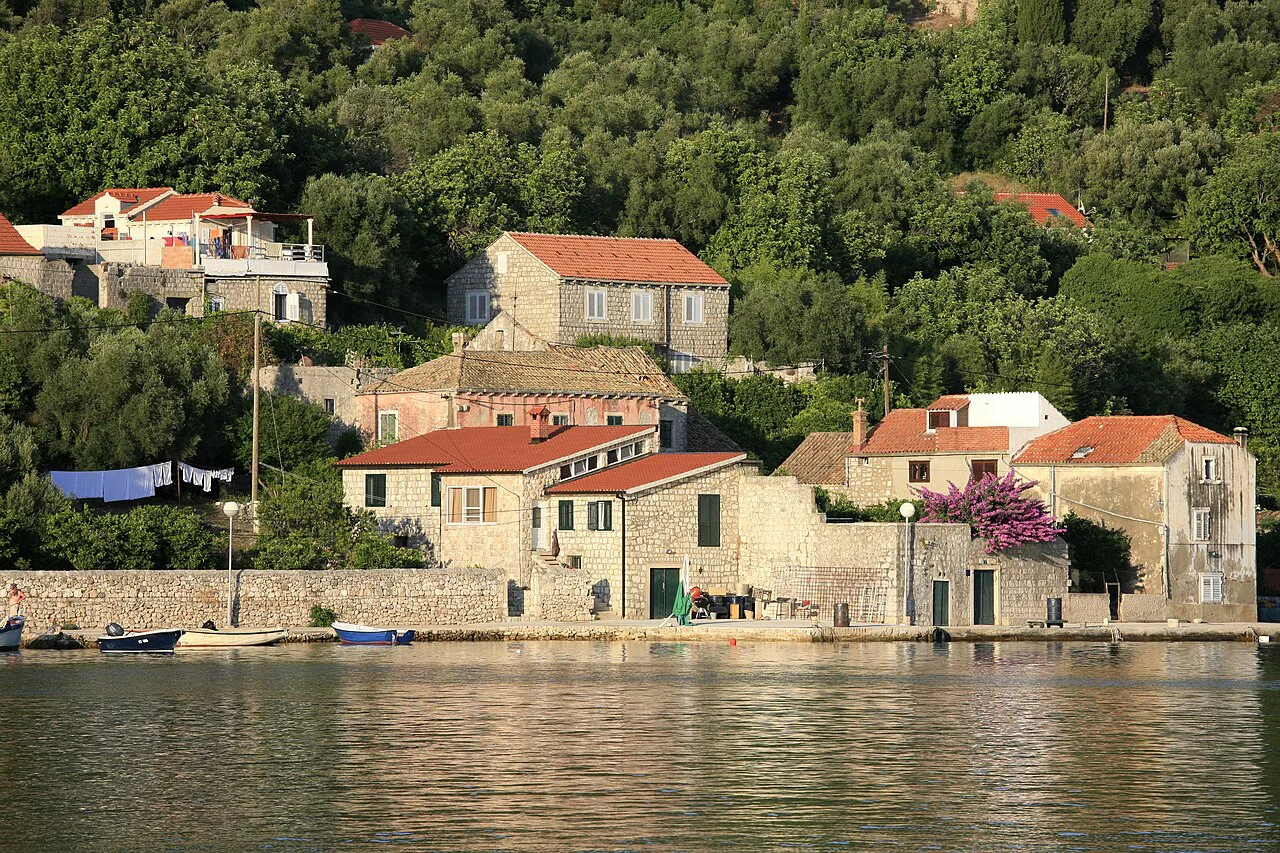
Šipanska Luka is the island's other main harbour village, set around a sheltered inlet. Arriving here rather than at Suđurađ changes the shape of your day: you get a different waterfront to walk and a quieter starting point, but you are a cross-island walk from the other village. Check which village your crossing actually calls at — the Dubrovnik–Elaphiti ferry line and the local catamaran operators serving Suđurađ and Šipanska Luka run separate schedules, so your ticket may not bring you to the village you planned for. For a broader look at the island chain, see the Elaphiti Islands guide.
Getting to Šipan from Dubrovnik
Boats from Dubrovnik serve the Elaphiti Islands, and Šipan is reached by water rather than by road. Sailing times vary by vessel and route, so confirm the current timetable and operator with the company running your crossing before you commit to a return time.
Because the Elaphiti crossings are shared, routes can serve more than one island, which may lengthen the journey but turns it into a mini cruise. The boat schedule is the single biggest constraint on a Šipan day, so build your plan around the boats rather than the other way round.
Šipan alongside Lopud and Koločep
Most travellers meet the Elaphiti Islands through Lopud, one of the group's better-known islands. Šipan is the counterweight: bigger and split between two harbours, so it rewards anyone willing to trade convenience for space. If you have two island days, pairing Lopud with Šipan gives you both a livelier stop and the quieter one.
Koločep is another island in the Elaphiti group, alongside Lopud and Šipan. A day that touches several islands leaves little time ashore on Šipan, so choose between a broad hop and a proper look at one island.
Getting around the island on foot
Šipan is small and the villages are walkable, so the appeal is the walking itself. The distance between Suđurađ and Šipanska Luka is a proper cross-island route rather than a stroll between neighbouring quays, so allow for it in your timings and carry water.
Between the villages, expect quiet lanes and stone walls rather than a dense sequence of sights. The reward is the harbour fronts and the views back over the island and the sea, which are best taken slowly. Wear shoes you can walk in on rough surfaces.
How long Šipan needs
A half-day from Dubrovnik is enough to see one harbour village and walk a little inland, provided you accept that the crossing eats into your time. Arriving at Suđurađ and staying in that half of the island is the honest version of a short visit; trying to tick off both harbours on a tight timetable usually means rushing the more interesting parts.
An overnight stay transforms Šipan, because you get the early morning and late afternoon when the day boats have gone and the harbours settle. If your itinerary only allows a single Elaphiti day, spend it on Lopud and save Šipan for a trip with more slack.
What to see on Šipan
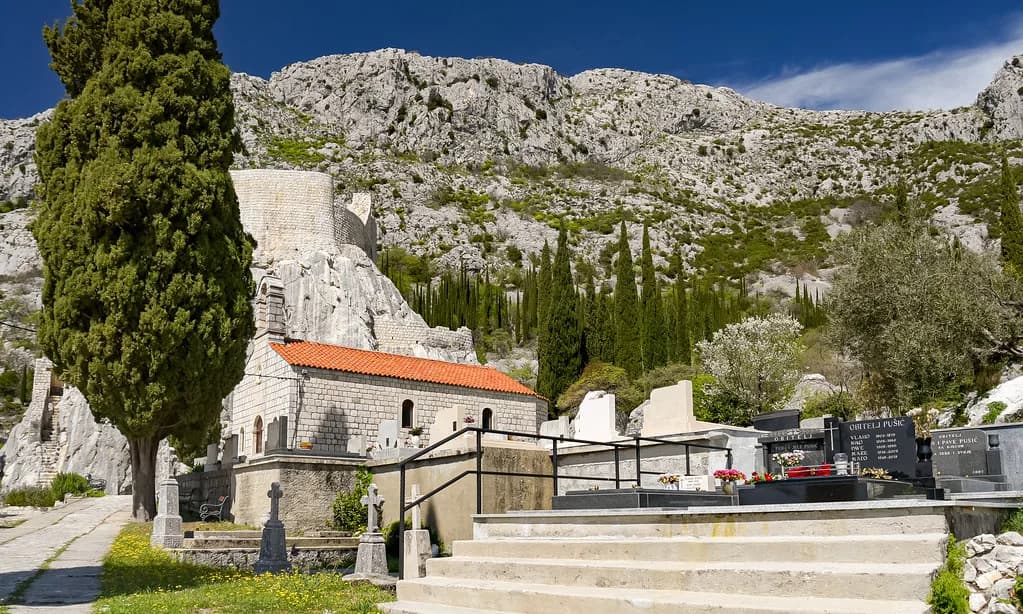
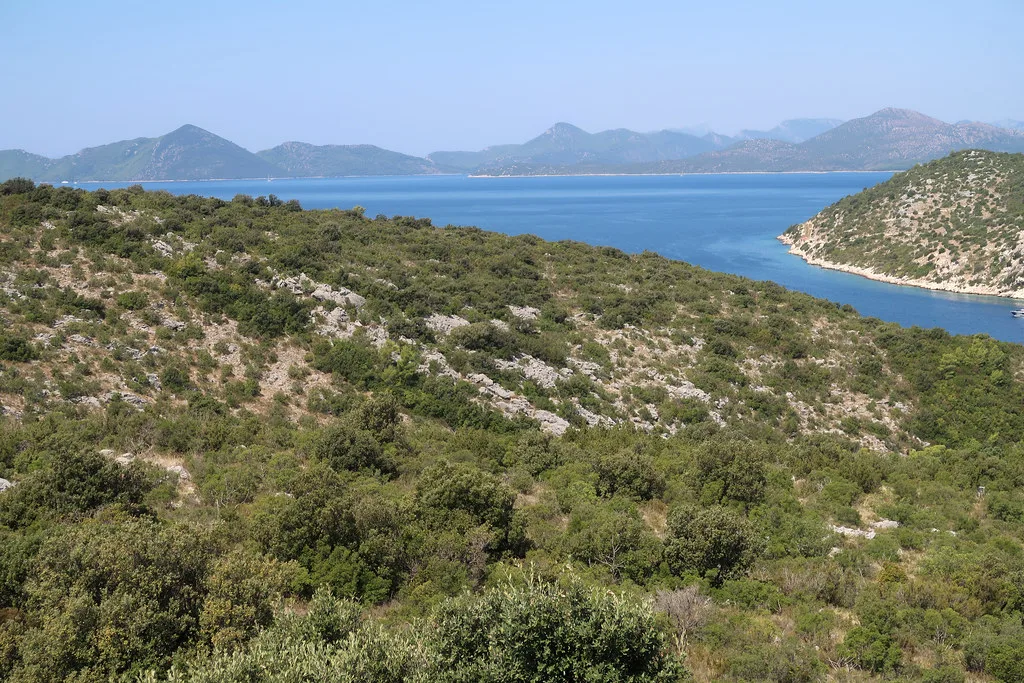
The two harbour fronts are the island's set pieces: Šipanska Luka's long inlet with its village wrapped around the water, and Suđurađ's smaller quayside. Behind them the interior holds old villas and churches scattered across the island, many of them modest and unrestored. This is not a museum island; the pleasure is in noticing the fabric of the place rather than queueing for it.
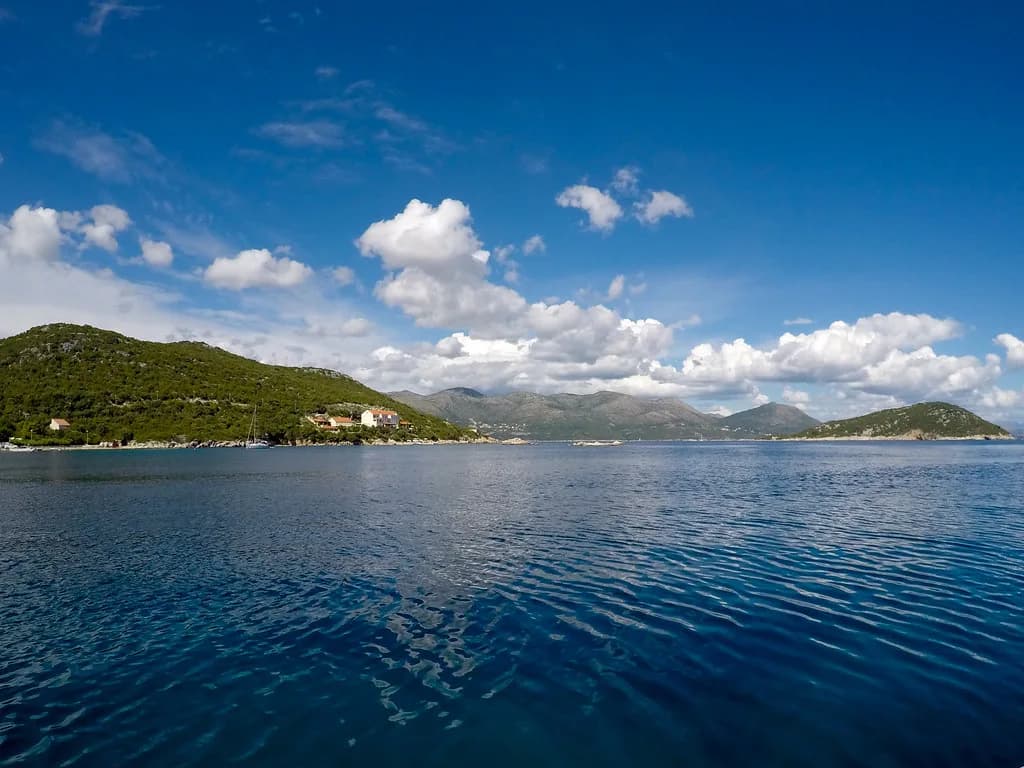
The inland lanes and the higher ground between the villages give you the viewpoints, looking back over the harbours and out to the neighbouring Elaphiti islands. Set aside an hour or two simply to walk, sit and look, and resist the urge to measure the day in attractions. Anyone with an interest in the wider coast can then continue south to Konavle and the mainland around Cavtat, where the sightseeing is denser — see Cavtat: A Guide to the Old Town, Sights and Peninsula Walk.
When to go
Summer brings the day-trippers and the fullest boat schedules, which is convenient but not peaceful; the harbours are busiest in the middle of the day. Shoulder-season months give you quieter lanes and a more generous sense of the island, at the cost of fewer crossings.
The Elaphiti Islands sit in the same climate as the rest of southern Dalmatia, with hot, dry summers and mild winters, so spring and early autumn are the sweet spot for walking between the villages. Weather on the water can change quickly, and rough conditions can affect sailings on this stretch of coast. Build a spare day into an island-hopping plan so a cancelled sailing does not wreck the trip.
What a Šipan visit costs
Croatia uses the euro, so ferry fares, café bills and any entry charges on the island are quoted in euros rather than kuna. Ticket prices for the Elaphiti crossings depend on the line, the route and whether you are a foot passenger or bringing a vehicle, and they change with the season: Jadrolinija and the local catamaran companies publish seasonal tariffs, with higher rates in July and August than in the shoulder months.
The quiet-island trade-off
Šipan's appeal and its drawback are the same thing: it is quiet, which means limited facilities. Travellers who need a full day of scheduled sightseeing and frequent boats back will be happier on Lopud. Those who want a harbour, a walk and an evening with nothing to do will find Šipan exactly right.
Which Šipan harbour should you book for?
For a first visit from Dubrovnik, land at Suđurađ and spend your time on that side of the island rather than trying to reach both villages. If you are staying overnight, base yourself at Šipanska Luka for the longer waterfront and the quieter evenings, and walk across the island during the day. Either way, plan around the boats: confirm the current timetable with Jadrolinija before you fix your return.
Explore more Southern Dalmatia guides
Frequently Asked Questions
Are there cars on Šipan island?
Šipan is a small island whose two main villages, Suđurađ and Šipanska Luka, are walkable. A visit based around either harbour is best done on foot, and walkers should allow proper time for the cross-island route between the two, which is a real walk rather than a short stroll.
What does Šipan mean, and is it the same as Sipan in Japan?
This guide covers Šipan in Croatia, the largest of the Elaphiti Islands near Dubrovnik. Searches for Sipan also turn up unrelated places in Japan and Asia, so check that any map or booking result shows the Croatian island in the Adriatic before you plan around it.
Is Šipan worth visiting?
Yes, if you value quiet harbours and walking over a packed schedule. It is the largest Elaphiti island and gives you two distinct villages, Suđurađ and Šipanska Luka, but it works best as an overnight stay or a relaxed day out from Dubrovnik rather than a rushed stop.
Sources
Notes from the Croatian coast
Optional updates when our guides change.
You might also like
Continue reading
More guides you'll find useful