Cavtat: A Guide to the Old Town, Sights and Peninsula Walk
Cavtat is a small coastal town in southern Croatia, not far from Dubrovnik and its airport, known for its coastline and historic centre.
On this page
Cavtat is a small coastal town in the far south of Croatia, close to Dubrovnik and its airport. It suits a slow, low-effort stop rather than a full sightseeing day. This guide covers where the town sits, how it fits a route through southern Dalmatia, how long it needs and how to reach it from Dubrovnik.
The trade-off is honest: Cavtat has a short list of sights and a quiet feel, which is why some travellers use it as a base and others pass through. If you want density of museums, squares and restaurants, Dubrovnik delivers more per hour. If you want a calm harbour town close to the airport, Cavtat is the quieter choice.
What Cavtat is and where it sits on the coast south of Dubrovnik
Cavtat is a small coastal town in the southern part of Croatia, located not far from Dubrovnik. It is known for its coastline and its historic centre.
Placing Cavtat on a map matters, because the town sits close to Dubrovnik and its airport, with the Konavle Valley and the wider Dubrovnik hinterland inland behind it. Treat Cavtat as a low-effort stop on a southern Dalmatia route rather than a place you travel far to reach.
The wider region is easier to plan once you fix Cavtat as a point on the southern coastline. Visit Croatia sets out Dalmatia as four counties — Zadar, Šibenik-Knin, Split-Dalmatia and Dubrovnik-Neretva — with the coastal islands running from the northern Dalmatian coast down towards Dubrovnik. Cavtat lies in Dubrovnik-Neretva County, at the southern end of that stretch.
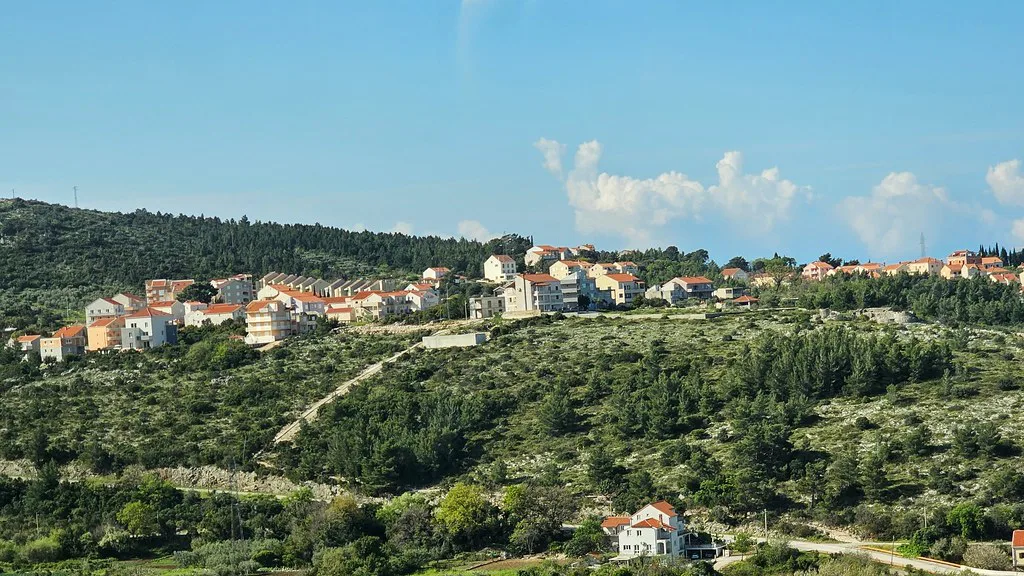
The old centre and harbour
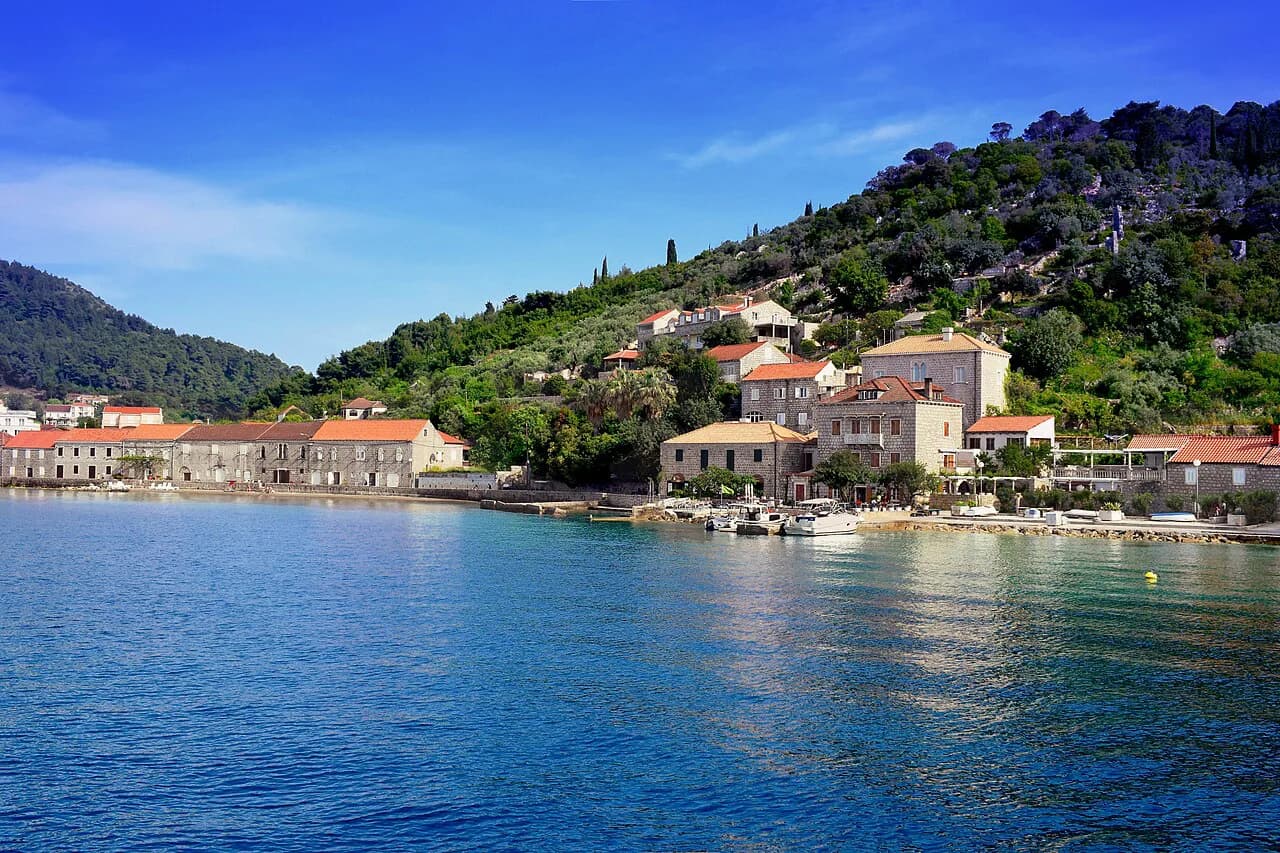
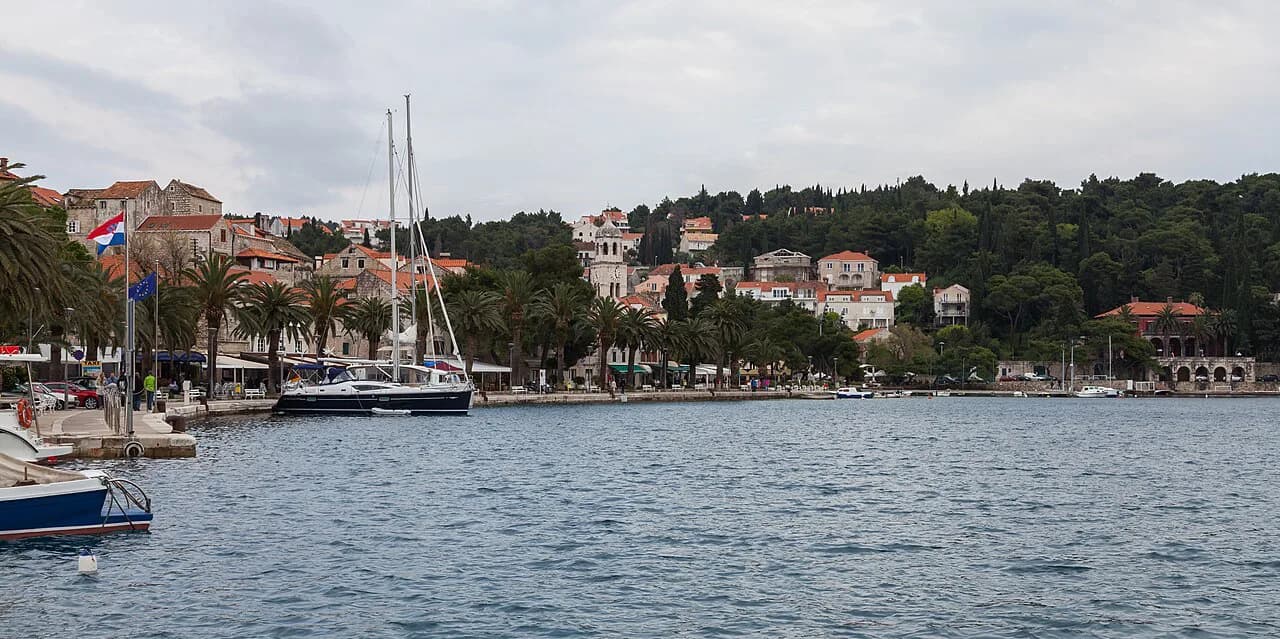
Cavtat's old centre is a compact cluster of historic buildings, and the harbour is the natural place to start. The town is small enough to walk end to end, and you are rarely far from the water. Wander the centre first to get your bearings, then follow the coastline.
The layout rewards a slow wander rather than a checklist: start at the harbour, follow the waterfront, then cut inland into the historic streets. Because the centre is small, a wrong turn costs you a few minutes, not an afternoon.
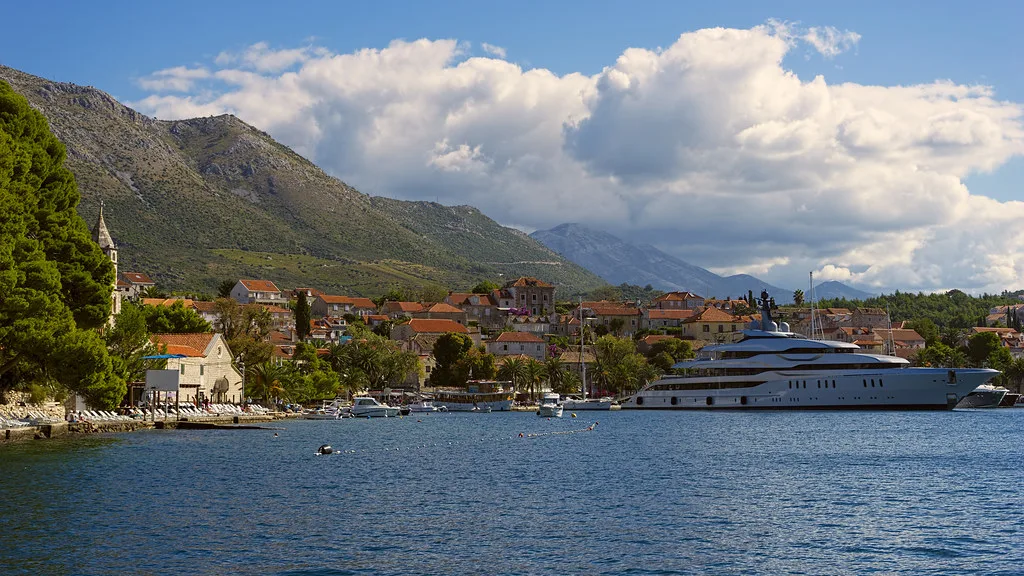
The historic centre: a compact place to wander
Cavtat's appeal is its historic centre and its coastline rather than a long list of ticketed monuments. Set your expectations for a small town and you will enjoy it more than if you arrive expecting a city's worth of sights.
Because the centre is compact, a focused wander covers the main streets comfortably. Treat any indoor stops you find as optional additions to the walk rather than the reason for the trip.
The harbour front and waterfront walk
Cavtat's identity is bound up with its coastline and its historic centre, so the outdoor town is the main event. Keep the walk as your anchor and let anything else fill in around it.
Treat the town as a relaxed half-day rather than a busy one, and pair it with the coastline walk. If your time in Cavtat is tight, the old centre and the waterfront are the two things to prioritise.
The coastline and how long Cavtat needs
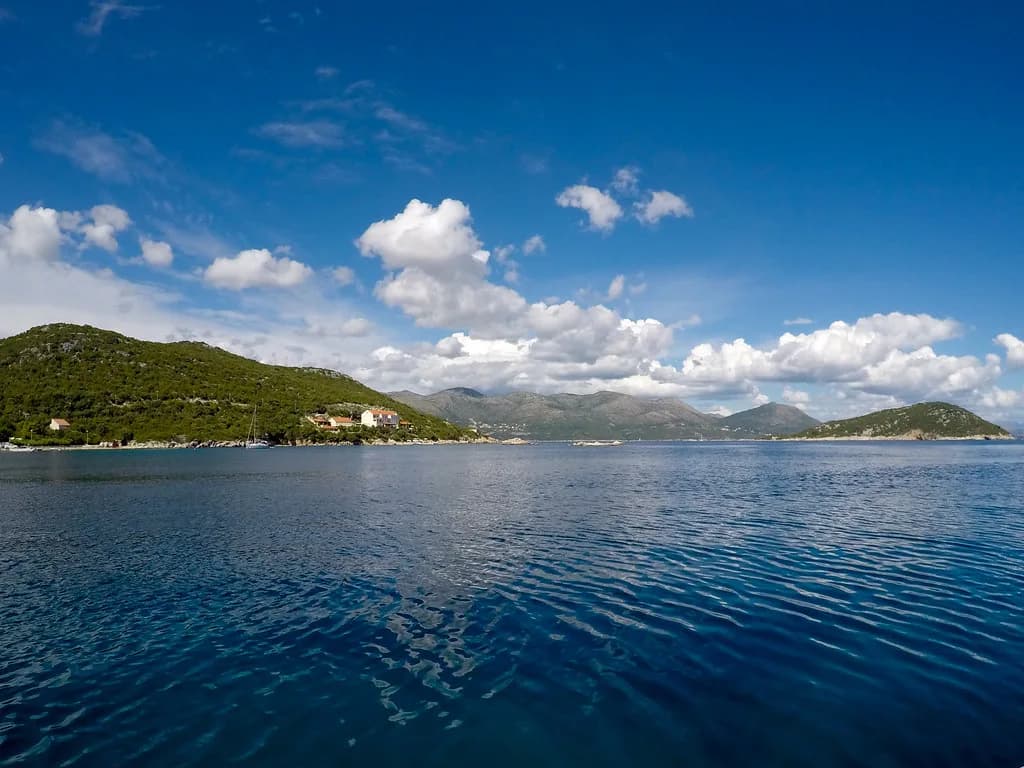
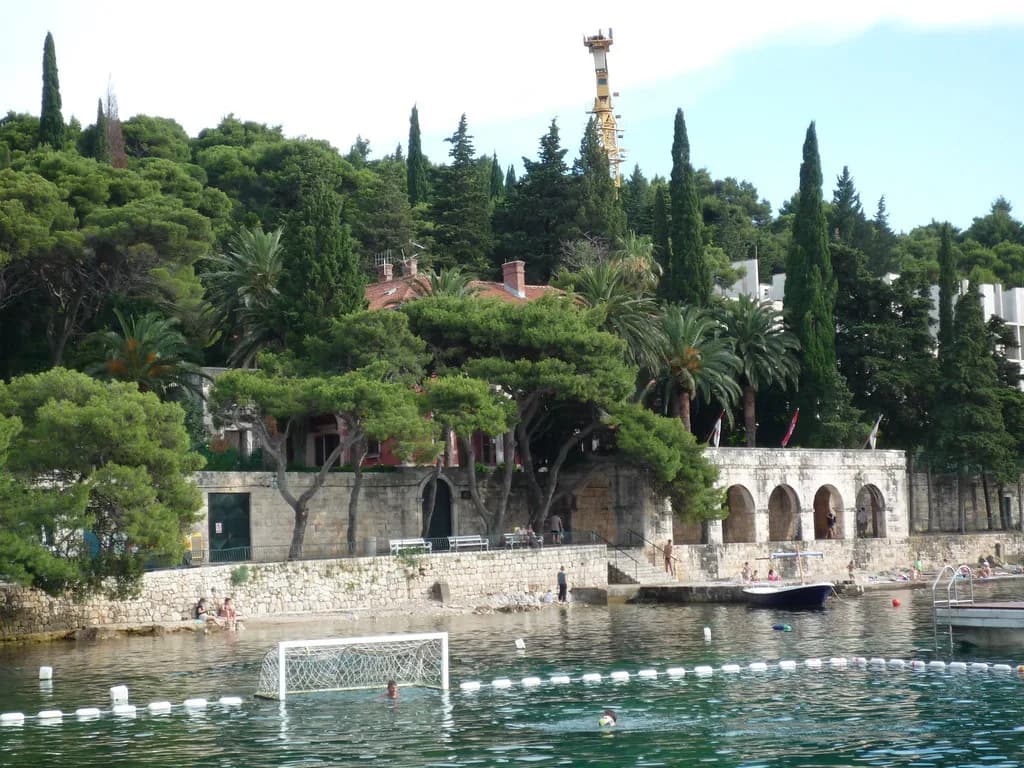
The coastline around Cavtat is a fine low-cost activity: a walk along the water with sea views and, in summer, swimming off the rocks and small bays. Allow a relaxed hour or so with stops, less if you walk briskly without swimming.
Swimming happens off the rocky coast and small bays rather than from a long sand beach, which is why the walk and the swim belong together. Bring shoes you can wear into the water and expect to share the best spots in high summer. If you want a longer day on the water instead, the Elaphiti islands sit offshore and are the obvious extension.
How long Cavtat needs: a half-day, a full day or a base
Half a day covers Cavtat comfortably: the historic centre, the waterfront and the coastline walk, with a swim if the weather allows. A full day only makes sense if you add a long lunch or an afternoon on the water. Lonely Planet's first-time guide to Dalmatia treats the region as somewhere to slow down rather than rush between towns, which fits Cavtat as a slow stop rather than a tick-box.
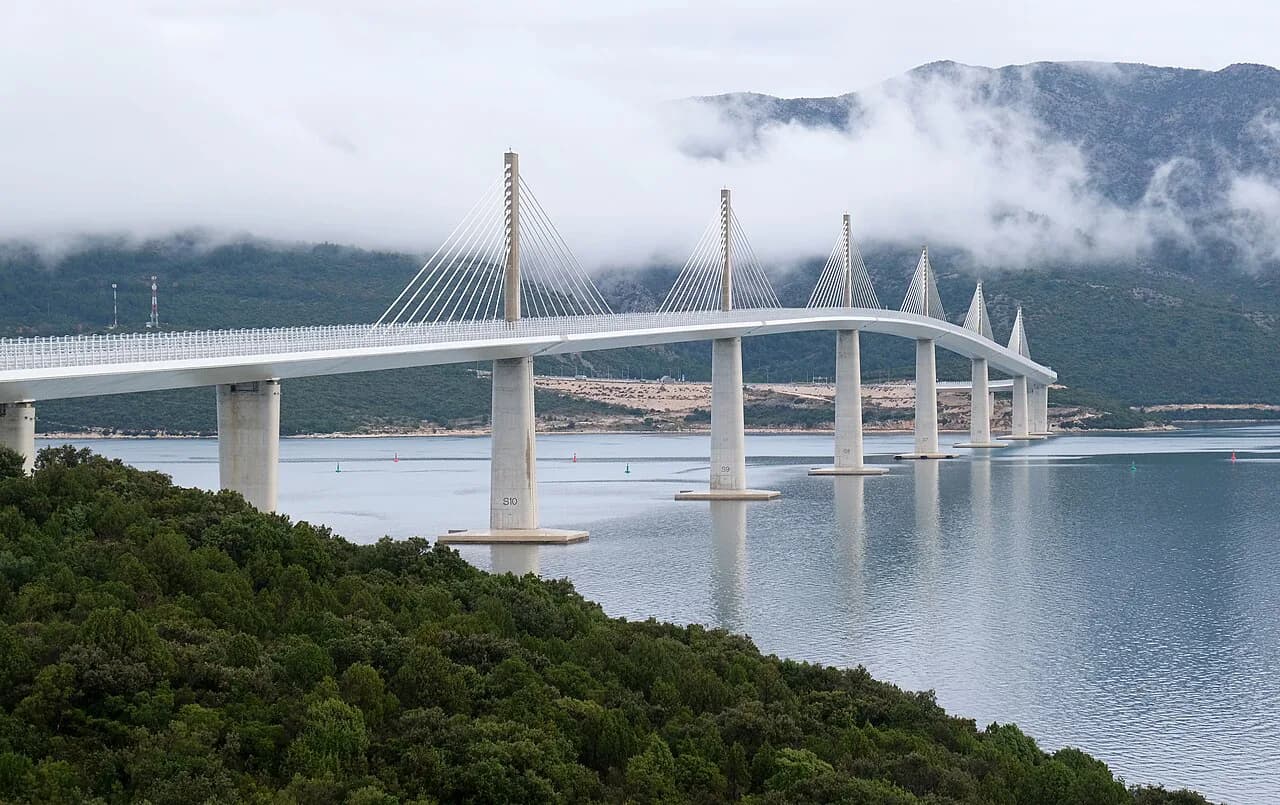
As a base, Cavtat works for travellers who want quiet evenings and short transfers to the airport and Dubrovnik, at the cost of a smaller restaurant and evening scene. As a stop, it slots neatly into a coastal route between Dubrovnik and the Pelješac peninsula. Decide which role you want before booking, because the two plans need different amounts of time.
Getting there from Dubrovnik and the airport
Cavtat is a short hop from Dubrovnik, and buses and boats in the Dubrovnik area tend to run on seasonal patterns rather than a fixed year-round timetable. Confirm the day's departures with Libertas Dubrovnik for buses or the local boat operators before you set out, and treat the water and the road as two different ways to see the same stretch of coast.
Dubrovnik airport sits close to Cavtat, which makes the town a sensible first or last night on a southern Dalmatia trip. A taxi or pre-booked transfer is the simplest arrival with luggage. If you are continuing along the coast, the road towards the Pelješac peninsula and the walls at Ston is the natural next leg.
Boat connections from the Dubrovnik area also serve the Elaphiti islands, which makes a Cavtat stay easy to combine with a day on the water rather than a separate trip. Šipan is one of the Elaphiti group and a straightforward island day from the Dubrovnik coast. Operators publish seasonal timetables and the pattern of services changes between summer and the shoulder months. Build your plan around the sailing you can confirm, not the one you assume runs daily year-round.
When to go: summer crowds and the shoulder months
Cavtat is busiest in high summer, when the whole Dubrovnik coast fills up. Late spring and early autumn give you the same coastline with far more room, at the cost of thinner boat schedules and some seasonal closures. The coastline walk is exposed in the middle of the day, so start early or go late in summer.
What it costs: drinks, tickets and boat fares in euros
Budget in euros for drinks, tickets and boat fares rather than kuna. Prices for cafés, boat fares and any admissions are set locally and change with the season, so confirm them at the door or when you buy.
Budget around a modest half-day of spending: a coffee, a meal and a bus or boat fare. Cards are widely accepted in Croatia, but carry some cash for small purchases.
Honest trade-offs: a smaller sight list, quieter out of season
Cavtat is a small coastal town centred on its historic centre and coastline, so plan it as a calm, walkable stop rather than a tick-box of monuments. What it offers is calm, walkability and easy swimming.
Out of season the town quietens, and some places reduce their hours or close, which is fine for a base but less so if you want a lively evening. Cavtat is known for its coastline and its historic centre rather than a busy night-time scene. Weigh that against the ease of reaching the airport and the short hop to Dubrovnik.
Where Cavtat fits in a southern Dalmatia trip
Cavtat works well as the first or last stop on a Southern Dalmatia route: land at the airport, settle in, then move north to Dubrovnik or west along the Pelješac peninsula. Continuing inland through the Konavle Valley, and the walls and salt pans at Ston, are the natural next chapters if you are driving. A single day here leaves room for both.
If you would rather stay on the water, the Elaphiti group makes a simple day out, with Lopud a good choice for a walkable island day. Plan the ferry first and the rest of the day around it. That is the same logic that makes Cavtat easy: pick one thing, do it slowly, and let the coast fill in around it.
Should you make Cavtat a stop or a base?
Choose Cavtat as a stop if you have half a day and want the harbour, the historic centre and the coastline walk without the crush of Dubrovnik. Choose it as a base if you value quiet evenings, a short airport transfer and easy links to the city. In both cases the town rewards a slow pace rather than a full itinerary.
Whichever you pick, check bus and boat times locally before you travel and confirm any opening times on the ground. Then build the rest of your route around those fixed points, adding Ston or an island day where the timetables allow.
Explore more Southern Dalmatia guides
Frequently Asked Questions
Can you use Cavtat as a base near Dubrovnik airport?
Yes. Cavtat is a small coastal town in southern Croatia, located not far from Dubrovnik and close to the airport, which makes it a workable first or last night on a southern Dalmatia trip.
Which part of Croatia is Dubrovnik in?
Dubrovnik sits at the southern end of the Dalmatian coast, in Dubrovnik-Neretva County. Cavtat lies close by on the same stretch of coast, not far from Dubrovnik and near the airport.
Can you visit the Elaphiti islands from the Dubrovnik area?
The Elaphiti islands lie offshore from the Dubrovnik coast, and seasonal boats and tours link them to the mainland. Check the current operator timetable before planning a day out; Cavtat's position near the airport makes the transfer straightforward.
Sources
Notes from the Croatian coast
Optional updates when our guides change.
You might also like
Continue reading
More guides you'll find useful