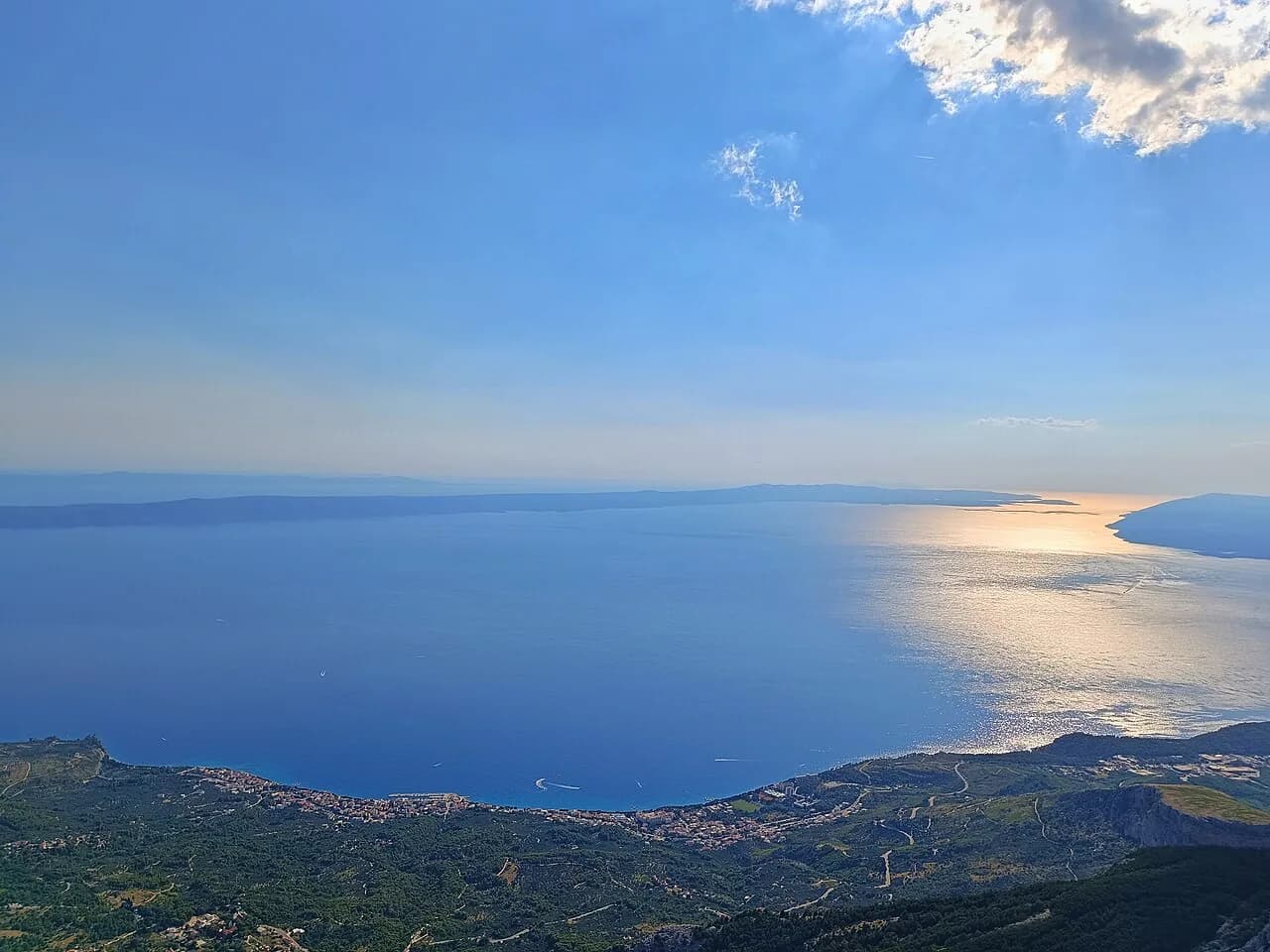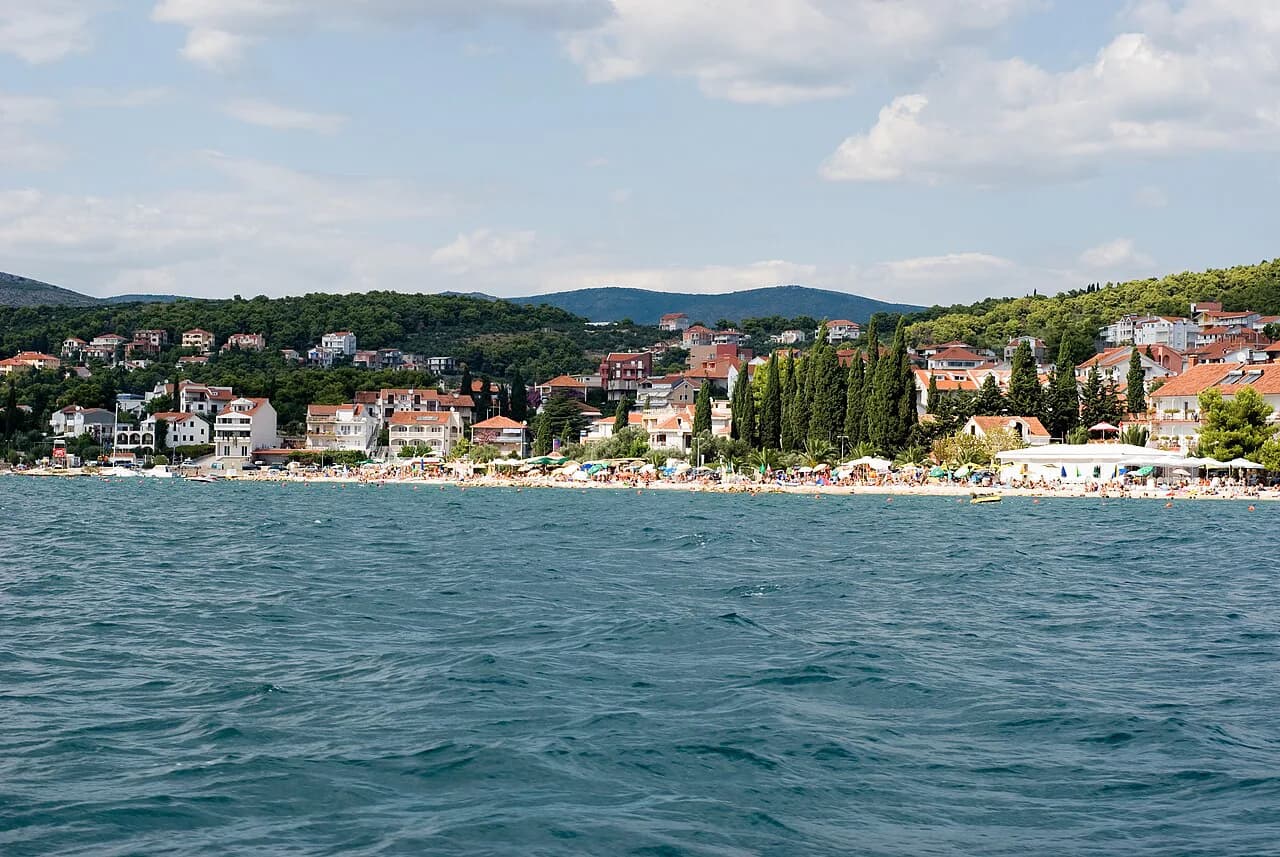
Biograd na Moru: Croatia's Royal Town and Kornati Gateway
Biograd na Moru is a small royal town in northern Dalmatia and a practical base for the Kornati, Vransko jezero and Paklenica. Here is what to see.
On this page
Biograd na Moru is worth half a day for the town itself and a full day or more if you use it as a boat base. The old royal town sits on the northern Dalmatian coast between Zadar and Šibenik, with a compact centre, a harbour and a marina, and three national parks within reach. This guide covers the layout, the sights, a short walking route and how the town fits a longer coastal trip.
The town's draw is its history as much as its waterfront. It was a seat of Croatian kings and bishops, and its churches and regional museum hold that story in a small, walkable area. Boats from the harbour reach the Kornati islands, and Pašman lies just across the water.
What Biograd na Moru is known for
Biograd na Moru calls itself a royal town and Croatia's nautical centre. The tourist board presents it as a base for family holidays and for exploring the natural sights of northern Dalmatia, with the Kornati, Paklenica and Krka national parks nearby and the Vransko jezero and Telašćica nature parks within range.
That double identity shapes a visit. The town is small enough to cross on foot, but the marina and harbour give it the feel of a working boat base rather than a museum piece. Zadar and Šibenik are both a short drive away, which makes Biograd a quieter alternative to staying in either city.
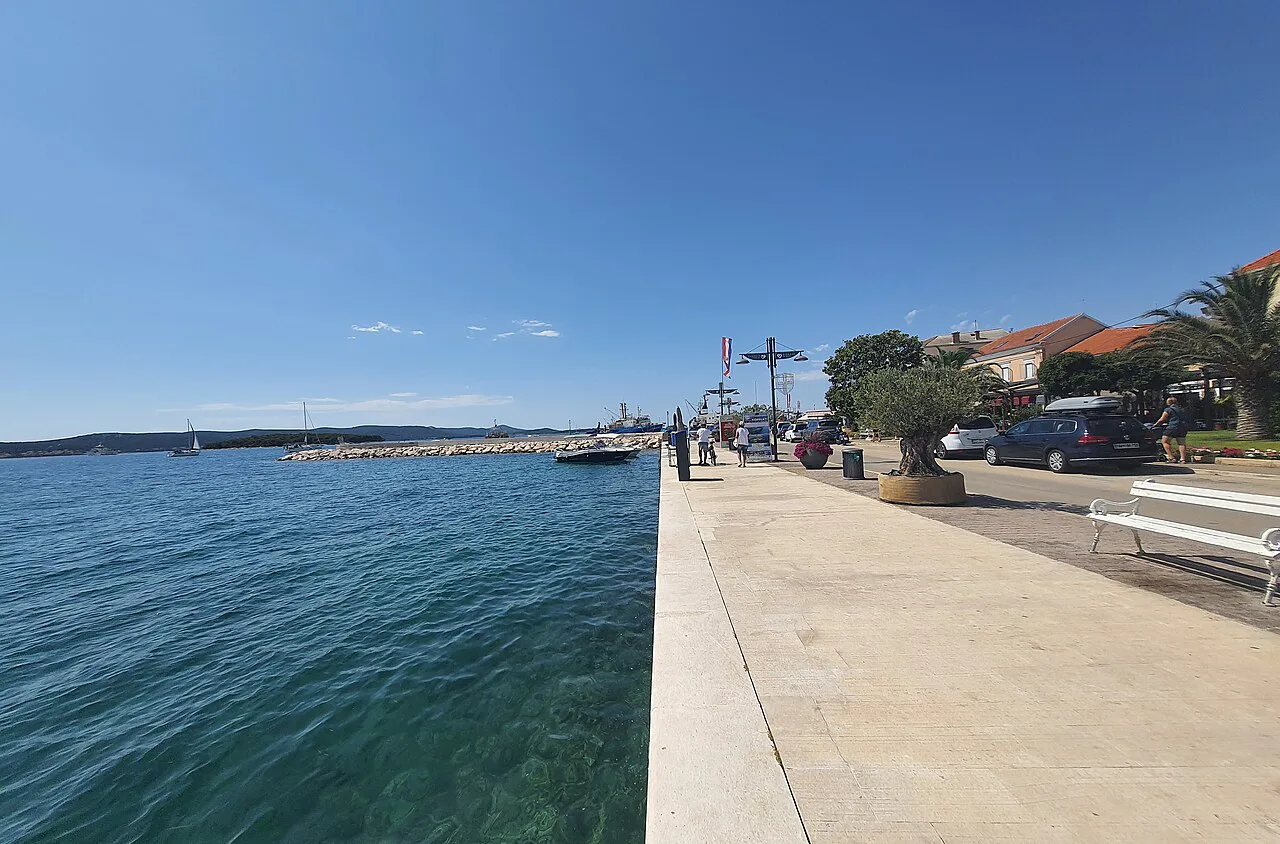
How the town is laid out
The centre, the harbour and the waterfront sit together at the water's edge, with the marina alongside, and the tourist board markets the town on its beaches as well as its history, so you can pair sightseeing with swimming. Arrange your day around the waterfront and you will cover the core on foot.
The tourist board's office is on Put Solina, a useful landmark if you want a town plan or local information on arrival. In July and August it opens 07:00 to 20:00 on weekdays, with shorter Saturday and Sunday or holiday cover; from September to June weekday hours are 07:00 to 15:00. Plan an information stop inside the summer window if you need one.
The royal history in brief
Biograd na Moru first appears in written records in the mid-10th century, and in the 11th century it was a seat of Croatian kings and bishops. The town reached its height as a capital of medieval Croatian rulers, and in 1102 the Croatian-Hungarian king Koloman was crowned there.
The Venetian destruction of Biograd in 1125 wiped out most of the ancient town. Of the old buildings, only the basilica of Sv. Ivan from the 11th century survived, and the regional museum now holds much of the material evidence of the town's turbulent history.
The sights to see
Start with the Zavičajni muzej, the regional museum, which holds the material evidence of the town's turbulent history. It is the natural place to make sense of the dates before you walk the streets. The parish church of Sv. Stošija dates from 1761, the early-Romanesque church of Sv. Ante from the 13th century, and the church of Sv. Roka from the 16th century.
The basilica of Sv. Ivan, from the 11th century, is the one ancient building the tourist board notes as surviving the Venetian destruction. Treat the churches as a set rather than individual destinations: together they plot the town's history in a short walk.
A short walking route through the old centre
Begin at the harbour and follow the Riva, then cut inland to the Zavičajni muzej. From there, take in Sv. Stošija, Sv. Ante and Sv. Roka in turn, finishing at the basilica of Sv. Ivan. The circuit stays within the small centre and suits an unhurried morning.
End the day back on the waterfront for the sunset, a natural evening ritual in a small harbour town. If you want a longer walking day, the Dalmatian hinterland holds more compact old places and fortress stops that reward the same approach.
Biograd as a boat base
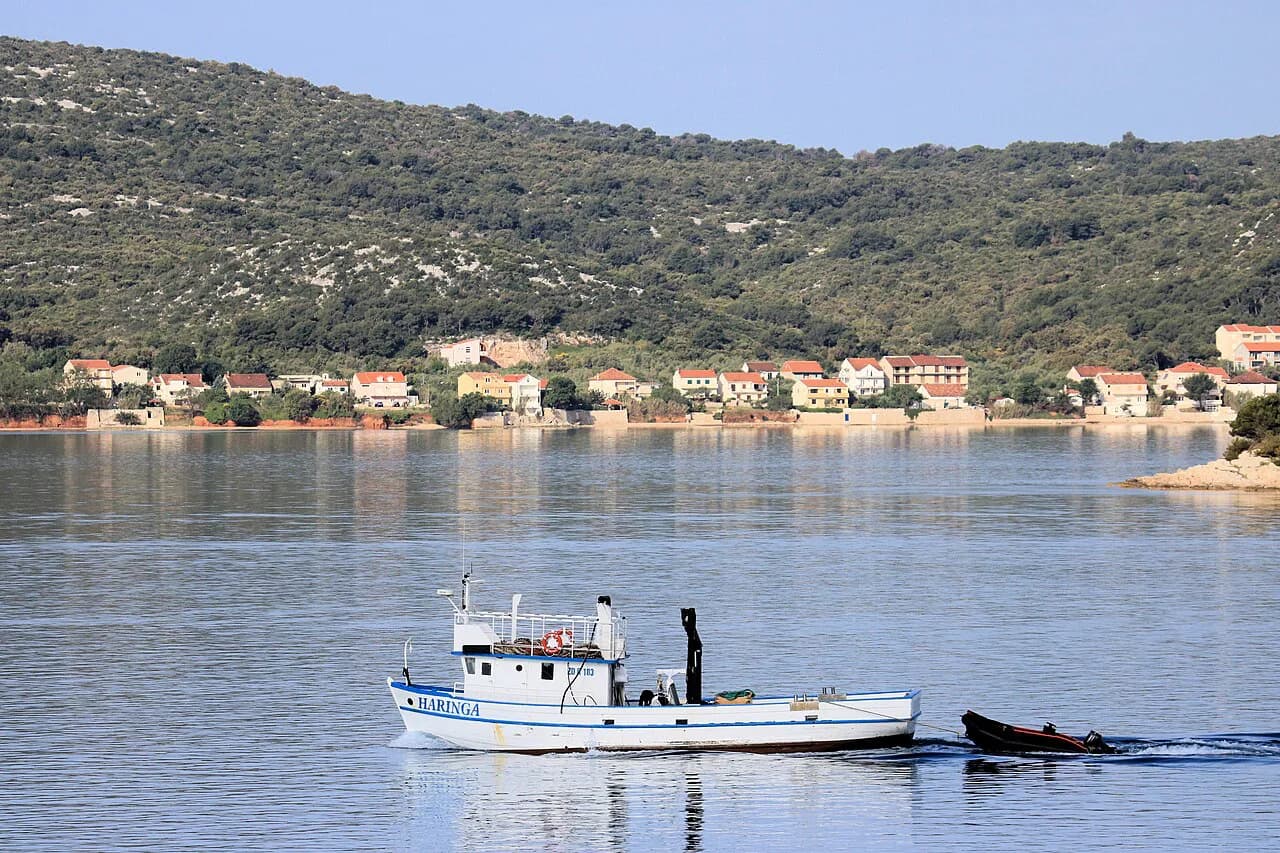
The harbour and marina are the practical reason many travellers stop here. The tourist board positions Biograd as Croatia's nautical centre, and the islands and parks within reach are the draw; the three national parks it lists are Kornati, Paklenica and Krka.
For the wider picture of how the coast and its hinterland link up, see our guide to the Dalmatian hinterland.
Vransko jezero, Telašćica and the national parks
The nature parks of Vransko jezero and Telašćica are within reach of the town: Vransko jezero is the easier add-on to a Biograd stay, while Telašćica, on Dugi Otok, needs more of a day. The tourist board lists these among the natural sights within reach of the town, alongside the national parks of Kornati, Paklenica and Krka.
For Krka National Park, with its Skradinski buk and Roški slap waterfalls, plan a full day and check park entry arrangements through the park authority before setting out; entry prices and seasonal opening vary and the park publishes them itself. If forts and inland history also appeal, the Klis Fortress above Split makes a natural pairing with a coastal drive.
Pašman across the water
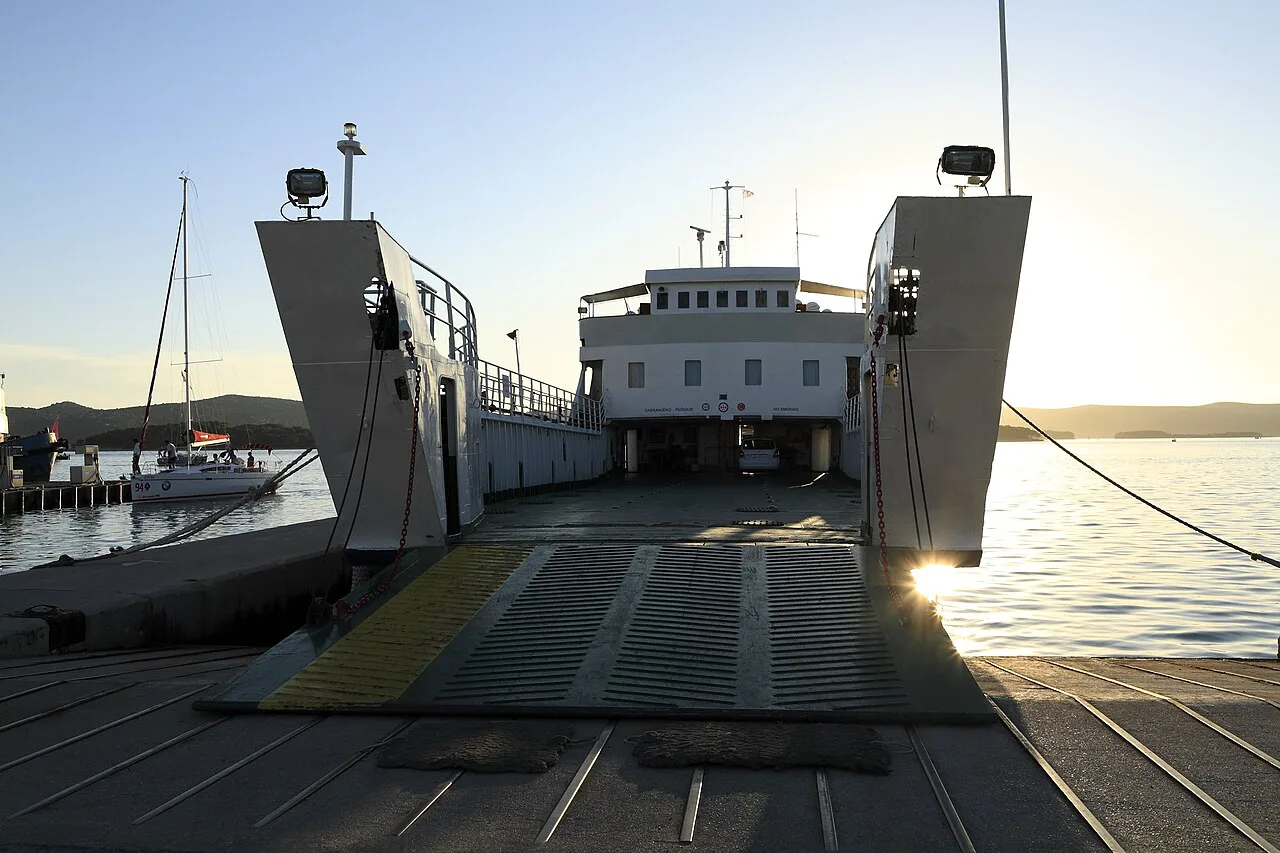
The island of Pašman lies just across the water and holds two monasteries worth the crossing. The Benedictine monastery of Sv. Kuzma i Damjan dates from 1128 and has stood for some eight centuries, while the Franciscan monastery of Sv. Dujma dates from the 16th century.
Pašman is the quiet counterpoint to a busy harbour day, and the two monasteries make it worth the crossing if you have the time. Check current boat times for your dates before you commit to the island.
How long Biograd needs
Give the town half a day: the centre, the museum and the churches fit comfortably into a morning or afternoon. Add a full day if you take a boat trip to the Kornati or cross to Pašman. Two or more days make sense if you use Biograd as a base for Vransko jezero, Paklenica or Krka.
The town works well as a slower alternative to Zadar or Šibenik. You get a smaller centre and a working harbour, in exchange for fewer big-city sights and restaurants. If your trip is built around inland scenery rather than boats, the Imotski Lakes area offers a different kind of day out.
When to go
Summer is peak season, and August brings Biogradska noć, the town's night of concerts, street parties and a fireworks finale. Expect the harbour and Riva to be busy then. Spring and autumn are quieter, with the tourist board describing the season as running from early spring to late autumn.
Boat and outdoor plans are weather-dependent, so build flexibility into any day that depends on a sailing and keep a land-based alternative ready. Crowds peak alongside the summer events, so plan boat trips and museum time around the quieter mornings.
How Biograd fits a coastal trip
Biograd sits neatly between Zadar and Šibenik, so it makes a natural two- or three-night stop on a drive down the coast. Pick it over the cities if you want a small centre, a boat base and easier logistics. Choose Zadar or Šibenik instead if you want a fuller city with more restaurants and museums.
If you continue along the coast, the Dalmatian hinterland guide sets out how the inland sights fit together with a coastal route.
Should you base yourself in Biograd?
Base yourself in Biograd na Moru if you want a compact royal town, a working harbour and easy access to the Kornati islands listed within reach and to Pašman. Come for half a day if you are passing between Zadar and Šibenik, and stay longer if boats and national parks are your priority. Check the tourist board's listings for current museum hours and boat schedules before you commit. For inland stops on the same trip, see the Dalmatian hinterland guide. For the practical details, see the Trogir.
Explore more Dalmatia guides
- Biokovo Skywalk
- Cathedral of St Lawrence, Trogir
- Kaštela: A Guide to the Seven Castle Villages Between Split and Trogir
- Nin, Croatia
- Omiš: the Old Town, the Fortresses and the Cetina Gorge
- Primošten
- Salona: the Roman city ruins at Solin, near Split
- Vodice, Croatia
- Čiovo: the Island Joined to Trogir by Bridge
Sources
Notes from the Croatian coast
Optional updates when our guides change.
You might also like
Continue reading
More guides you'll find useful