Klis Fortress: Visiting the Citadel Above Split
Plan a visit to Klis Fortress above Split: how to get there bus 22 or car, how long the walls take, what the ticket covers and the views over the Adriatic.
On this page
Klis Fortress is worth half a day from Split: a clifftop stronghold in the village of Klis, roughly 8.8km from Diocletian's Palace, where the walls, gatehouses and stone passages open onto wide views of the city and the Adriatic. Allow one to three hours on site, plus the trip out and back. This guide covers the layout, the bus and driving routes, what the ticket includes, the museum and church, the Ottoman-era history and the trade-offs of heat, wind and crowds.
What Klis Fortress is and where it sits above Split
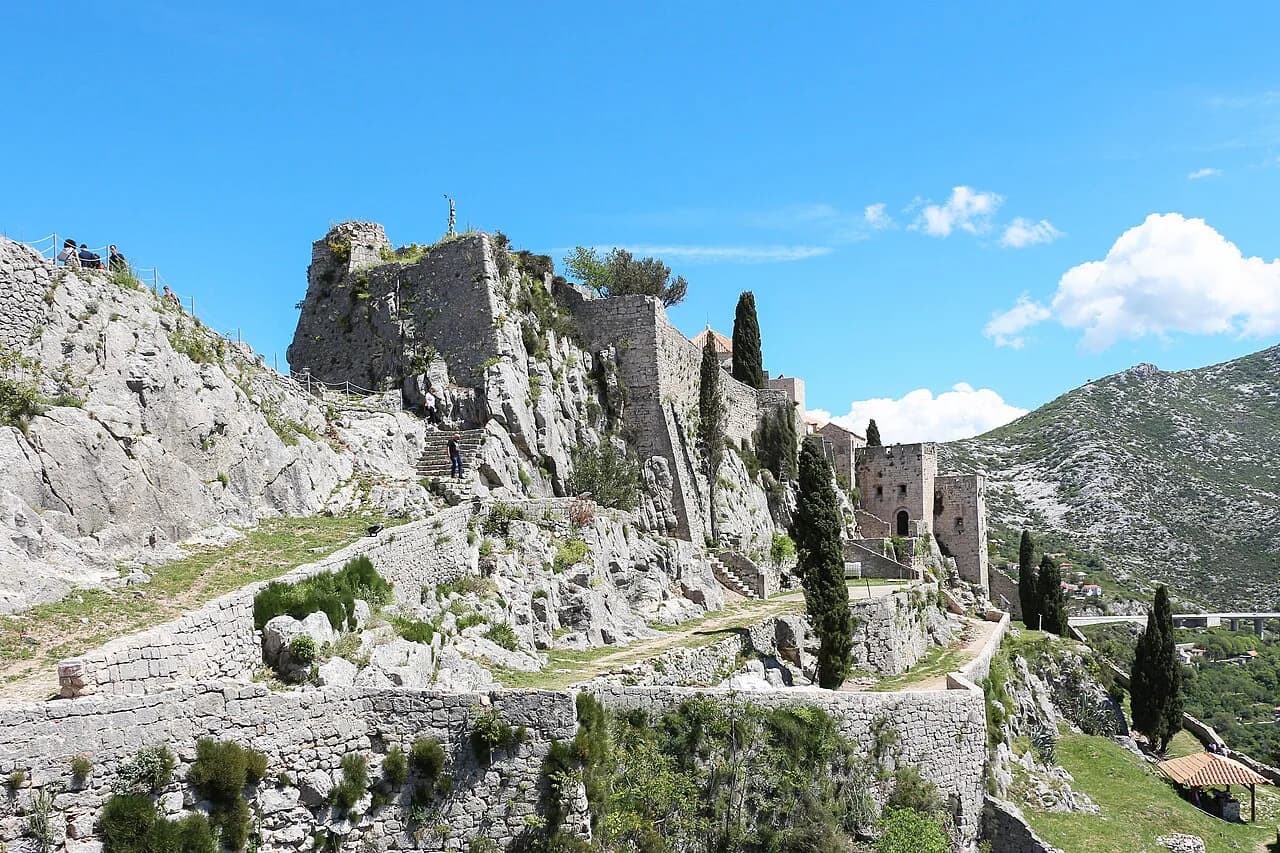
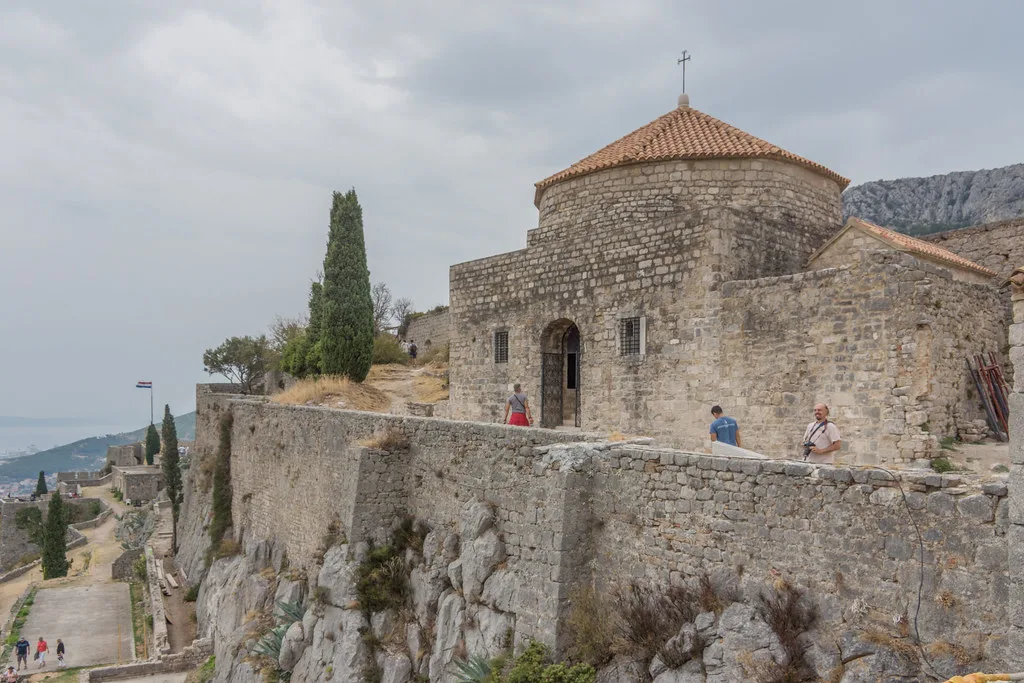
The fortress occupies a rocky ridge above the village of Klis, guarding the approach between the coastal city and the interior. It stands at Trg Mejdan 10, where the old road climbs from Split towards the mountains, so the site reads as a gateway rather than an isolated ruin: anything moving between coast and interior could be watched from the ridge.
The standing fabric largely reflects later rebuilding rather than the original medieval fortress, added layer by layer by successive rulers. Croatian, Venetian and Ottoman phases sit side by side in the walls and passages, so the visit is as much about reading the masonry as admiring a single period.
The fortress belongs to the Dalmatian hinterland, the inland belt behind the coast that includes Sinj and the Cetina valley. It is one of the closer hinterland fortresses to Split and pairs naturally with a day that also takes in the coast, though the drive inland is longer than the map suggests.
How to get to Klis Fortress from Split: bus 22, car or taxi
By car, Klis Fortress is about a 30-minute drive from Split, along city roads and then a mountain road that climbs to the village. That gives you flexibility on timing, so an early start helps on a busy summer day.
Without a car, bus 22 runs from the stop near the National Theatre in Split and sets down at the Klis Megdan stop by the fortress approach. The ride usually takes around half an hour, but the timetable can be patchy, so build slack into the plan.
Taxis and ride-hailing give a door-to-door option, and a one-way fare has been quoted at no more than about €20, though that figure is a guide rather than a fixed rate. The return leg is the trade-off: keep the bus as a fallback rather than relying on finding a car at the fortress.
From further afield, Zadar is a drive of just over an hour and a half on the E65 highway, or a group tour that continues to the Split area. The group option saves planning but gives you less freedom at the fortress itself.
How long you need inside the fortress
Plan for one to three hours inside, which covers the Interpretation Centre, the walls and a proper stop at the viewpoints. A brisk circuit of the battlements takes far less, but the gatehouses and stair passages are where the visit becomes interesting, so leave room to wander.
Add the travel time separately. A 30-minute drive each way or a half-hour bus plus waiting can turn a two-hour visit into a five-hour outing, so decide whether Klis is the main stop of the day or an add-on before Diocletian's Palace and the Riva back in Split.
If the fortress is part of a hinterland loop, Sinj is a natural second stop, with its own Alka heritage and a market town centre that contrasts with the coastal crowds. Two inland stops plus the drive back to Split is a full outing.
What the ticket covers: the Interpretation Centre and the fortress itself
The entrance ticket covers two things: entry to the Interpretation Centre at Mejdan Square, and access to the fortress itself, including the ramparts and viewpoints. One ticket takes you through both, so there is nothing extra to pay once you are past the gate.
Admission has been listed in recent seasons at around €10 for adults and €3 for children up to 15, paid in euros, and the last entrance has typically been about 30 minutes before closing. Prices and last-entry rules can change between seasons, so confirm for your date before travelling.
The attraction listing carries a telephone number for ticket enquiries, the sensible route for anyone needing to pin down group arrangements or accessibility in advance.
Walking the ramparts, gatehouses and stone passages
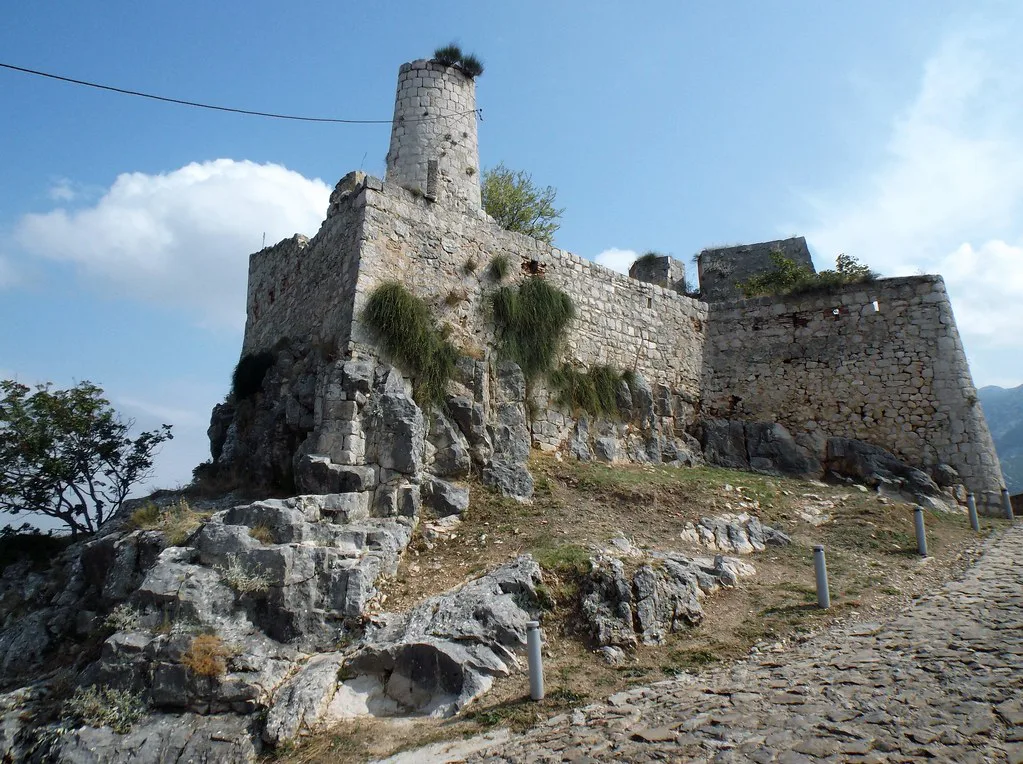
The pleasure of Klis is in the walking: ramparts, gatehouses and stone passages lead you around the crest, with the ground underfoot uneven and largely unshaded. Good shoes matter more than any other kit, and a hat and water make the difference on a summer afternoon.
Because the site is exposed along the ridge, there is little shelter from sun or wind once you are on the walls. That exposure is why the views open up so widely, but it also makes the fortress more tiring at midday than the modest walking distance suggests.
Inside the walls, museum displays of weapons, armour and uniforms give the fortress substance beyond the stonework, and a small church and restored spaces show how the site was used across different periods. On a hot day the interiors also double as shade between wall sections.
The Klis Fortress film-location connection
Klis is instantly recognisable to many visitors as a Game of Thrones location, standing in for Meereen, the city associated with Daenerys Targaryen. A small area of the site is devoted to the series, which gives fans an extra reason to make the climb.
The filming connection is a hook, not the whole story: the real draw remains the fortress, its layered history and the setting above Split. If you are travelling with someone indifferent to the series, the walls and views carry the visit on their own, and a themed tour focusing on the filming spots is a different kind of visit worth choosing deliberately.
The views over Split and the Adriatic, and the best light
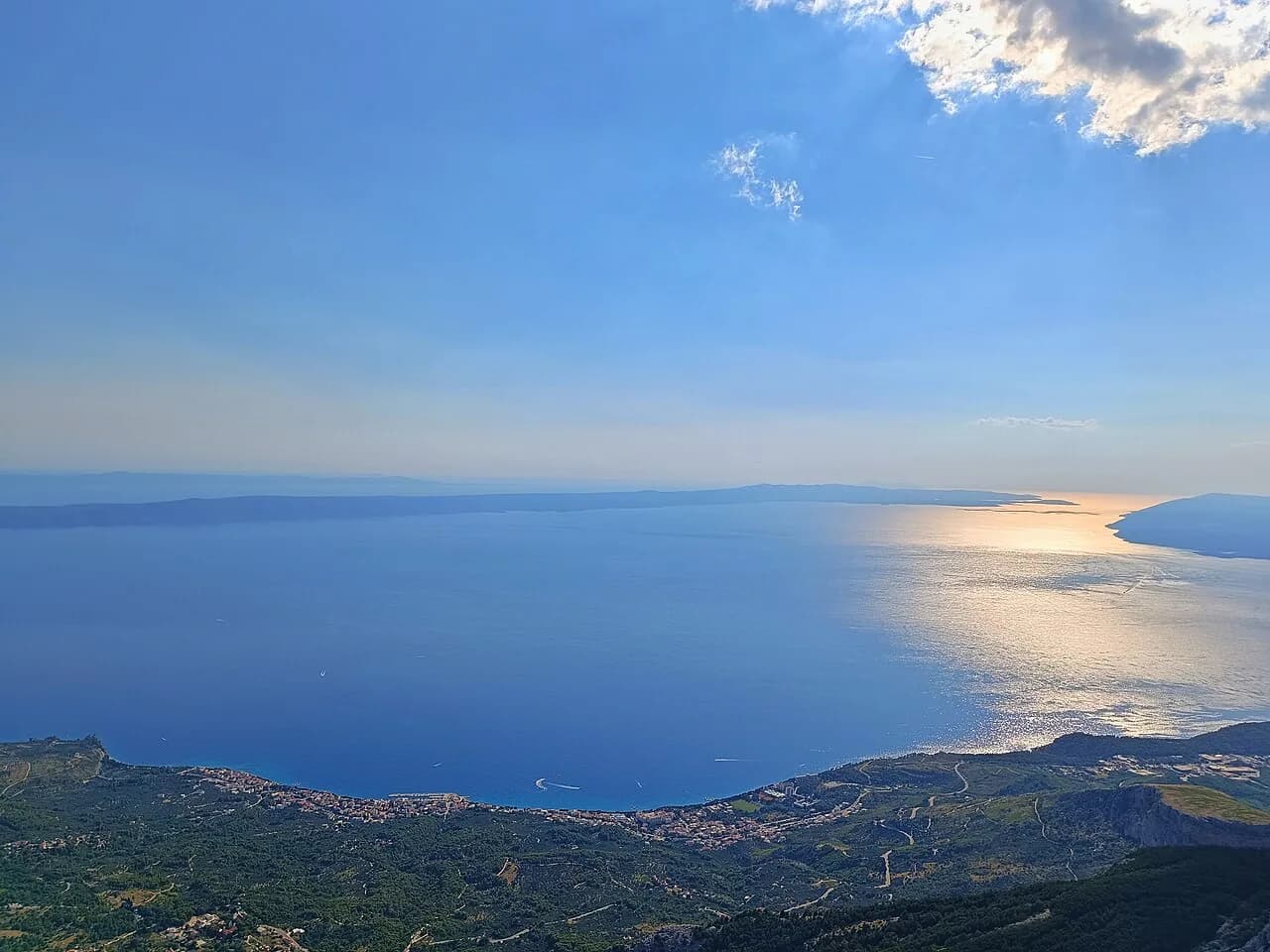
From the ramparts, the view sweeps over Split, the Adriatic and the mountains inland. For many visitors this panorama is the reason to climb to Klis, and it sits comfortably alongside the fortress interiors rather than playing second fiddle to them.
Midday flattens the scene and brings the strongest heat on the exposed ridge, so many photographers prefer the softer light of early morning or late afternoon. Treat the timing as your own choice rather than a rule: the low sun rakes across the stone and the city below at either end of the day.
Klis in the Ottoman wars: why the stronghold mattered
Klis began as an Illyrian stronghold and became a key position under Croatian rulers before turning into a hard-fought prize during the Ottoman advance, when it stood as one of Dalmatia's most important defensive sites. That sequence, rather than a single battle, explains why the fortress was rebuilt so often.
The site's value lay in control of the route between the Mediterranean and the Balkan interior, which is why Ottomans, Venetians and others contested it over centuries. The fortress story continues inland, and Knin with its fortress and old town is a natural next step for anyone touring the hinterland by car.
Opening seasons and times, and how heat and the bura change a visit
The fortress has published summer hours of around 8am to 8pm and winter hours of roughly 9am to 4pm, with last entry typically half an hour before closing. The attraction listing has shown a same-day 08:30–20:30 opening, which is a single day's record rather than a season's rule, so confirm hours for your date instead of relying on it.
Summer heat on the exposed ridge is the main practical challenge, so early morning or late afternoon beats the middle of the day. The bura, the cold, gusty north wind that funnels off the mountains down to the coast, can make the walls uncomfortable, so pack loose items away and carry a windproof layer outside high summer.
Crowds build with the season and with tour groups arriving from Split and Zadar, so arriving early or late in the day usually means a quieter walk, and it also keeps you clear of the harshest sun on the ridge.
What Klis Fortress costs and how to pay
Budget on the basis of recent listed prices: around €10 for adults and €3 for children up to 15, paid in euros. Rates have changed between seasons, so confirm the current charge at the ticket desk before you travel.
The Interpretation Centre and the fortress are covered by the same ticket, so there is no separate charge to factor in once you are through the gate. Bring some euro as a backup for small purchases around the village.
If you are compiling a wider inland itinerary, other towns in the region charge their own admission where they charge at all, so check each individually rather than assuming a single regional pass. Trilj and its river sights are a separate outing.
Is Klis Fortress worth it, and who should skip it
For most travellers based in Split, Klis is worth the half-day: an approachable trip, substantial walls, wide views and Ottoman-era history close to the city. It suits anyone who wants one inland excursion without committing to a full day's drive.
Skip it if you are short on time in Split itself, if steep, uneven ground and strong sun are a problem, or if you expect a fully intact medieval castle. The rebuilt fabric and the exposed climb are the honest trade-offs.
If you are touring the hinterland by car, pair Klis with a second inland stop such as the Imotski lakes, rather than returning straight to the coast. Distances are longer than they look on the map, so keep the day's list modest.
Should Klis be your one inland day from Split?
For a single inland day from Split, Klis Fortress is a strong choice: it is close, it is substantial, and the walls and views repay a few hours. Build the day around an early start, allow one to three hours inside, and treat the ticket as covering both the Interpretation Centre and the fortress.
If you have more time, extend beyond Klis into The Dalmatian Hinterland rather than adding a second coastal stop, with Sinj: The Dalmatian Hinterland Town of the Alka as the obvious follow-on, and keep an eye on the weather and wind for the exposed ridge. Confirm the season's opening hours and ticket prices before you set out.
Explore more Dalmatia guides
Frequently Asked Questions
Was any Game of Thrones filmed at Klis Fortress?
Klis Fortress stood in for Meereen, the city associated with Daenerys Targaryen, in Game of Thrones. A small area of the site is devoted to the series, and themed tours from Split focus on the filming spots.
Why is Klis Fortress linked with Split?
Split is the natural base for visiting Klis: the fortress sits on the ridge above the city, reached by bus 22, car or taxi, and pairs well with time in Split itself. Klis adds an inland dimension to a Split-based stay.
Are there restaurants near Klis Fortress?
Food is best planned around your return to Split rather than treated as part of the fortress visit. Carry water and a snack for the exposed walk on the walls.
Sources
Notes from the Croatian coast
Optional updates when our guides change.
You might also like
Continue reading
More guides you'll find useful