Knin, Croatia: The Fortress, the Old Town and the Krka Source
Knin is inland Dalmatia's fortress town, about 56 km from the coast, with one of Croatia's largest medieval fortresses and the Krka's source at Krčić nearby.
On this page
Knin is an inland town in Šibenik-Knin county, about 56 km from the Adriatic coast, and its draw is vertical: a vast medieval fortress on a hill above a small old centre, with the source of the Krka at Krčić in the surrounding karst. It suits travellers who want one substantial inland day between coastal bases rather than a beach stop. This guide covers the fortress climb, a short walking route through the town, its museums and churches, the viewpoints, the river source, and how to reach Knin and how long to give it.
Set your expectations before you commit: Knin is a working inland town with a thinner visitor infrastructure than Šibenik or Split, and the fortress climb is exposed in summer heat. In exchange you get space, quiet and a fortress that ranks among the largest and oldest in Croatia. The rest of this guide works through what each sight demands in time and effort, and how the town slots into a wider trip through the Dalmatian hinterland.
What Knin is and where it sits
Knin lies in the Dalmatian interior within Šibenik-Knin county, roughly 56 km from the coast, and is reached by road from Šibenik or Split rather than by ferry. That inland position is the point: karst ridges, a river gorge and a hilltop fortress instead of a Riva. Plan it as an inland leg of a coastal trip, not as a base for swimming.
The town sits near the foothills of Dinara and at the edge of the karst landscape that feeds the Krka system. The town's tourism pages present Kninska Tvrđava, the Krka and Krčić, the Dinara area, sacral heritage and museums as the things to see. Inland sights keep shorter seasons than coastal ones, so confirm what is open before you build a day around a particular museum or church.
Think of the Dalmatian hinterland as a chain of inland towns rather than a single destination, and Knin becomes one link rather than an isolated detour. Comparing it with near neighbours helps you decide whether it is a half-day from a coast base or an overnight in its own right.
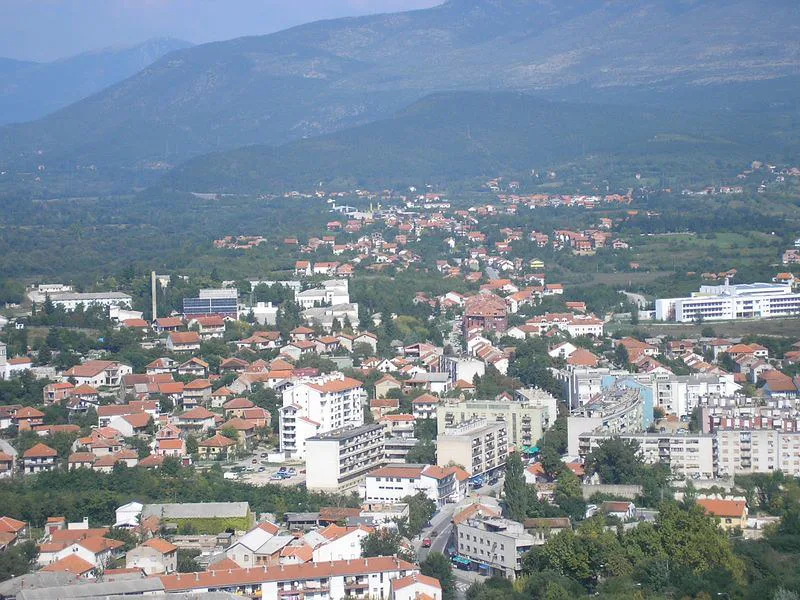
Why go: the fortress and the Krka's source
Two things justify the journey. The first is Kninska Tvrđava, described by the town as one of the largest and oldest fortresses in Croatia, occupying a long ridge directly above the streets. The second is the river: the Krka rises near Knin at the Krčić, and the town pairs the fortress with the Krka and Krčić, the Dinara area, sacral heritage and museums in its own list of sights.
Treat these as separate outings rather than one loop. The fortress is a walk-up from the centre; the Krka source and the Dinara foothills sit outside the built-up area and need transport. Much of Knin's appeal is spread across the surrounding countryside rather than clustered within a few hundred metres.
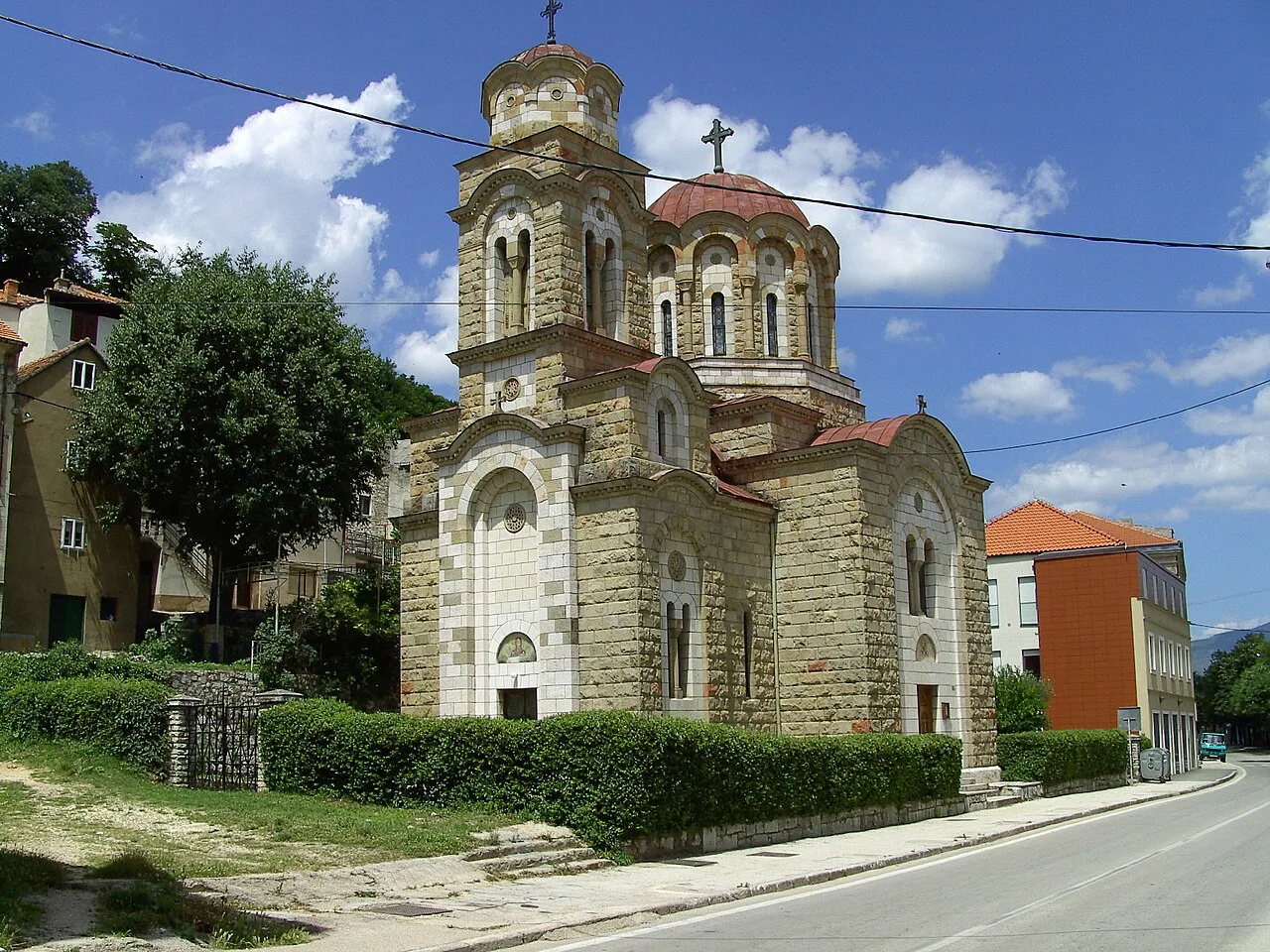
Kninska Tvrđava: the climb and what you see
The fortress is the main sight the town itself promotes. It is presented by the municipality as one of the largest and oldest fortresses in Croatia, a place of scale and atmosphere rather than a single museum room. Treat it as an exposed hilltop visit: if you go up, carry water and go early or late rather than at midday, because the ridge is open and the inland heat is stronger than on the coast.
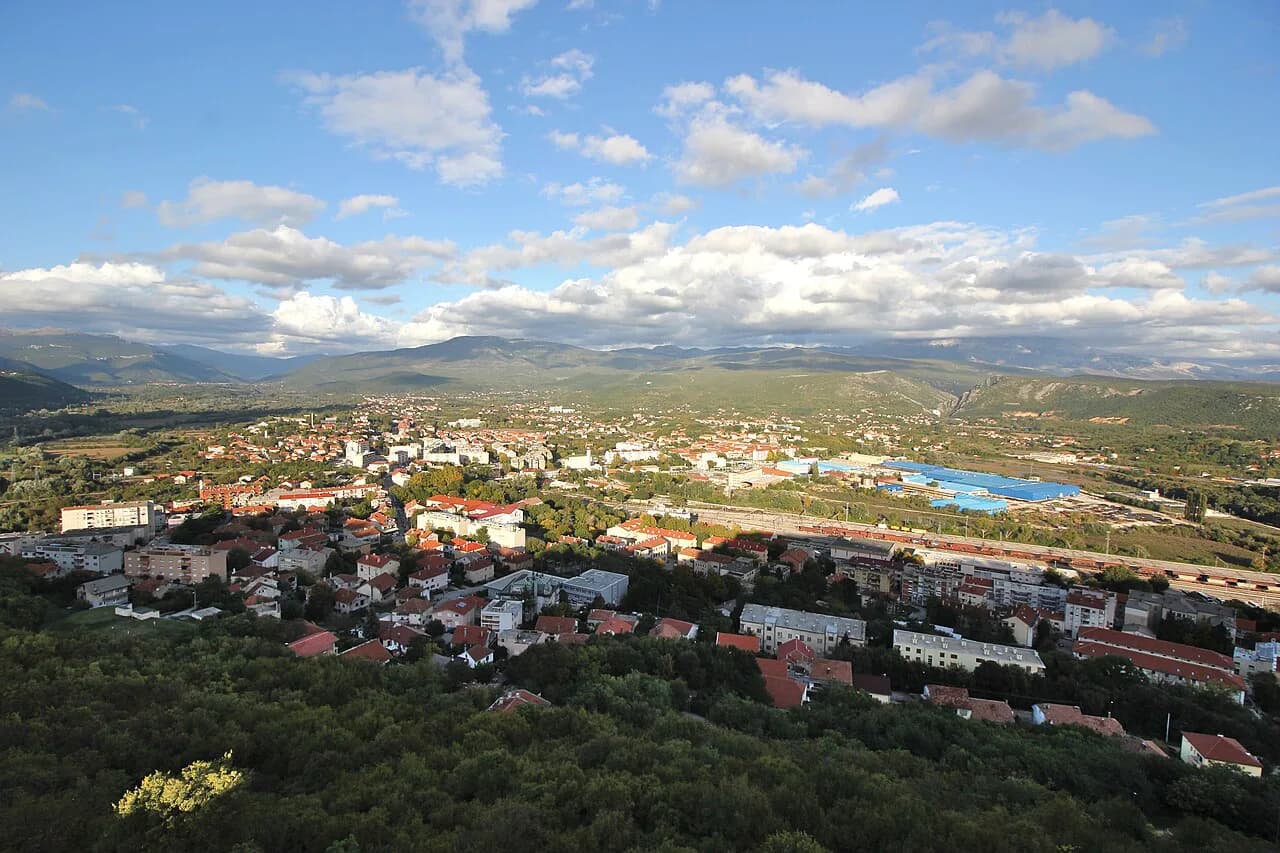
What you are walking through is one of Croatia's largest and oldest fortifications, and the town presents it on that scale. Treat the fortress and the old centre together as at least a half-day if you make the climb. The ridge above the town is also the place to look back over the streets and the surrounding karst, so the effort doubles as the best photography of the trip.
The uphill approach is the trade-off. Travellers with limited mobility or small children should plan a slower visit and check access arrangements with the town rather than assuming a lift or shuttle. For a comparison closer to the coast, the Klis fortress above Split is a different experience again, sitting on its own ridge above the coastal plain.
The old centre: a short walking route
Below the fortress, Knin's centre is compact enough for a short walk rather than a full day of sightseeing. A sensible route starts in the town core, follows the streets toward the fortress approach, climbs to the walls, and returns through the centre for the churches and museums. Give the walk an hour or two on the flat, plus the fortress time on top.
This is not a polished heritage quarter of continuous façades and cafés; it is a small inland town where everyday life and historic buildings share the same streets. That appeals after a week of restored coastal centres, but there are fewer places to shelter from heat or rain mid-route. Build in a pause in the centre before the climb, not after it.
Knin's short centre works well as a morning stop before moving on to another inland town in the afternoon. Drniš, to the south-east, is a natural next link in that chain, with its own compact centre and surroundings.
Museums and sacral heritage
Knin's tourism pages name museums and sacral heritage alongside the fortress and the rivers, which is the right way to frame them: as part of a town visit rather than standalone destinations. The churches and religious buildings sit within and around the centre, so they fit into the walking route rather than requiring a separate trip.
Opening arrangements for small inland museums and churches shift with the season and staffing, so confirm them with the town's tourism office before planning your day around them. If a museum turns out to be closed, the fortress and the centre still fill a half-day comfortably, which is a good reason to put the fortress first.
Sacral heritage in this part of Dalmatia is closely tied to the region's older settlements and to the long history of the interior, which is why it rewards a slower look rather than a quick photograph.
Viewpoints: the fortress and the ridges
The fortress ridge gives a wide view of Knin and the surrounding karst, taking in the town and the ridges beyond. Because the fortifications run along the crest, there are long sightlines along the walls as well as over the town. Go up in the morning for the clearest light.
Outside the town, the Dinara foothills and the higher ground around the Krka and Krčić provide the other viewpoints, and the town includes the Dinara area among the things to visit. These are rural roads and tracks, so a car or an arranged transfer is the realistic way to reach them. Do not assume marked trails or facilities.
Ridge weather changes quickly in Dalmatia's interior. The bura, the cold, gusty north-easterly wind, can make exposed viewpoints unpleasant at any time of year. Attach viewpoint plans to a clear morning rather than to a fixed schedule.
The Krka and Krčić: the river's source
The Krka does not begin at the famous waterfalls; it rises near Knin, and the Krčić is the stream associated with that source area. The town lists the Krka and Krčić together with the fortress, Dinara, sacral heritage and museums, which signals a distinct outing rather than part of the town walk.
Do not confuse the source area with Krka National Park downstream, where Skradinski buk and Roški slap lie and where ticketing and visitor facilities apply. They are different visits with different transport needs, and the National Park is best planned from the coastal side around Šibenik. The source area near Knin is a landscape feature rather than a managed attraction with a published schedule.
Because it lies outside the built-up area, arrange transport before you go and treat the river as a countryside excursion with limited facilities. Combine it with the ridge viewpoints rather than with the fortress, so you are not driving between town and countryside twice in a day.
How long Knin needs and how it fits a coast trip
Give Knin one full day for the fortress, the old centre and the Krka source, or a half-day for the fortress and centre alone. The climb and the return through town fill a morning; the river source and the ridges need a car and add the afternoon. An overnight is worthwhile if you want the fortress in softer early light without a long drive back to the coast.
From the coast, the realistic pattern is a day trip from Šibenik, which is closer than Split, or a stop on a route between coast and interior. Knin has no seaside, so mixing it with a beach stay means a separate day rather than a change of accommodation.
For a multi-day hinterland route, pair Knin with other inland stops rather than treating it as a lone excursion. Sinj, with its Alka tradition and its position south of the Dinara foothills, is one option; Trilj to the east offers the Cetina and its own river sights.
Getting there and around without a car
Knin is roughly 56 km from the coast and is reached by road; the practical approach is by car, whether your own, a hire car or an arranged transfer. Public transport within the interior is limited, and the sights outside the centre, including the Krka source and the Dinara area, are not walkable from the old town. Without a car, plan on the fortress and the centre only and arrange a transfer for the rest.
The town's official site is the reference for local information and tourism contacts who can confirm access and current arrangements. Ask specifically about transport to the fortress approach and to the river source, the two points where a carless visitor is most likely to come unstuck.
For a wider inland loop, Benkovac and Obrovac sit on a route through Ravni Kotari toward the Zrmanja canyon and give the interior more shape than a single out-and-back from the coast.
When to go, the bura wind and summer heat
Knin lies inland, so it runs hotter in summer and colder in winter than the coast, and the bura can bring sharp, gusty conditions to the ridges. Late spring and early autumn are the comfortable windows for the fortress climb, when the ascent is less punishing and the views are clearer. In high summer, start early and finish the exposed sections before the afternoon heat.
The inland position also means the town is quieter than the coast in peak season, with fewer crowds around the fortress and centre. That is the trade-off for thinner visitor infrastructure: fewer facilities, shorter opening arrangements at smaller sights and less to fall back on in poor weather. Keep a wet-weather alternative in the day.
Is Knin worth the inland detour?
Yes, if you have a car and a spare day, and you accept Knin as an inland stop rather than a holiday base. The fortress is one of the largest and oldest in Croatia and gives the best view in town, the old centre fills a short walk and the Krka's source at Krčić is a genuine countryside excursion. Skip it if your trip is short, carless and coast-focused, because the main sights sit uphill or outside the centre.
The workable plan is a morning for the fortress and the centre and an afternoon for the river and the ridges, starting early in summer and staying flexible if the bura blows. Put the fortress first in case smaller sights are shut, and confirm opening arrangements with the town's tourism office before you set the day.
Explore more Dalmatia guides
Frequently Asked Questions
Do I need a car to see Knin?
For the old centre, no: it is compact and walkable. For the fortress, the approach is uphill on foot and access arrangements should be confirmed with the town before you rely on them. For the Krka source at Krčić, the Dinara foothills and the outer viewpoints, yes, or you need an arranged transfer, because these lie outside the built-up area with limited public transport.
What is the best time of year to climb the fortress?
Late spring and early autumn give the most comfortable conditions for the exposed climb, and mornings are clearer than afternoons. In high summer, go early to avoid the midday heat. Inland Knin runs hotter than the coast, and the bura can bring sharp, gusty wind on the ridges at any time of year.
Sources
Notes from the Croatian coast
Optional updates when our guides change.
You might also like
Continue reading
More guides you'll find useful