Drniš, Croatia: What to See in the Dalmatian Hinterland Town
Drniš is a hinterland town between Šibenik and Knin, known for Ivan Meštrović, its city museum and old mill, and the Gradina and Ključica fortress ruins.
On this page
Drniš is worth half a day, not a full one, unless you plan to walk out to the fortress ruins above the Čikola canyon. The town sits in the Dalmatian hinterland roughly halfway between Šibenik and Knin, which makes it a natural stop on the inland road rather than a coastal base. This guide covers the old centre, Ivan Meštrović's ties to the town, the City Museum and old mill, the Gradina and Ključica fortifications, and how to fit Krka National Park into the same day.
What Drniš is and where it sits between Šibenik and Knin
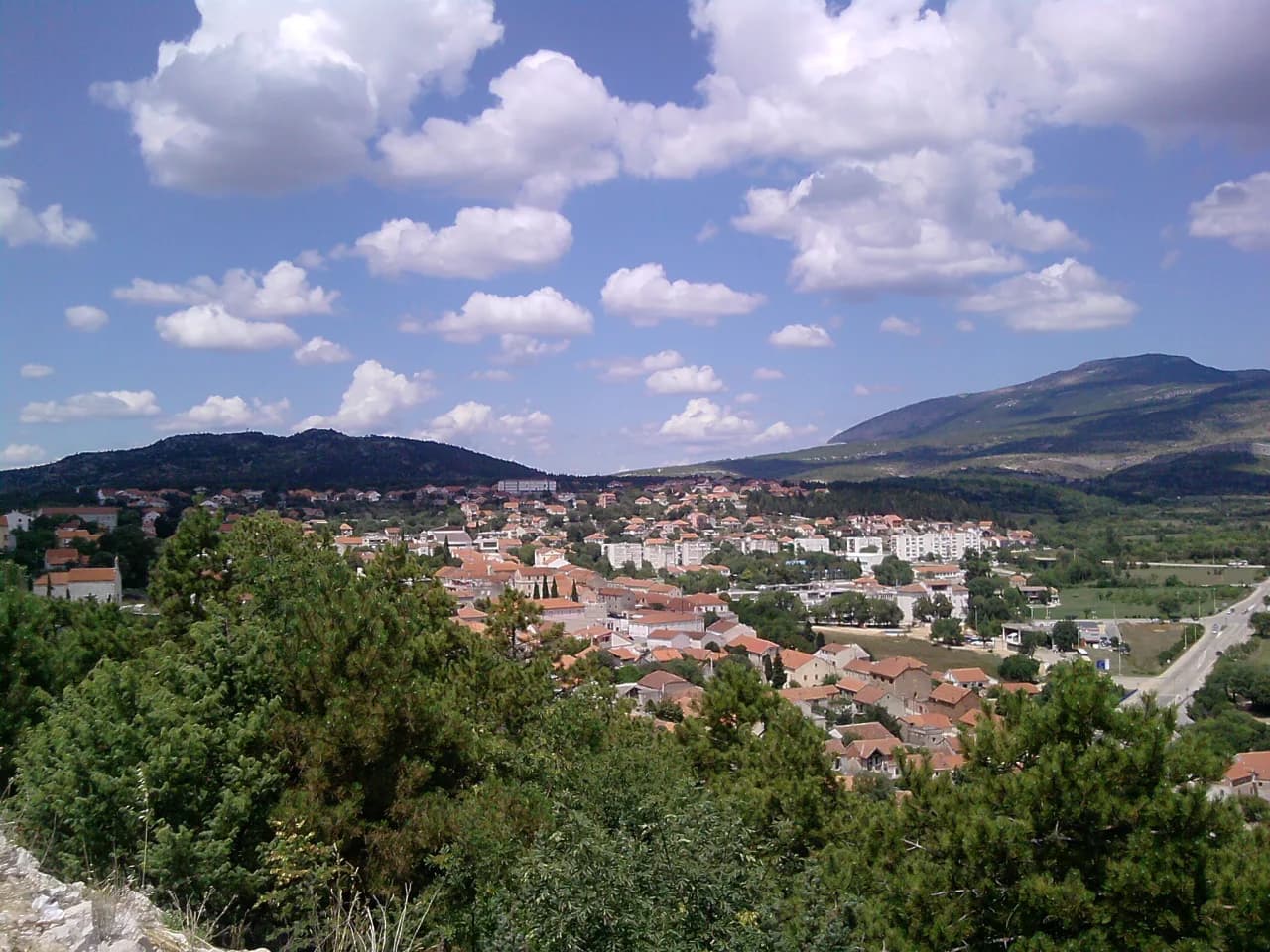
Drniš is a small town in Šibenik-Knin County, set in the Dalmatian hinterland about halfway between Šibenik and Knin. That position is the practical reason to stop: it breaks the inland drive and puts you within reach of Krka National Park without returning to the coast. The mountain of Promina stands over the surrounding area, and the town is presented in European Destinations of Excellence listings as a crossroads to Krka National Park and the rest of Šibenik-Knin County.
Think of Drniš as a hinterland stop rather than a base. Coastal towns give you ferries, islands and the Riva; Drniš gives you a compact centre, a sculptor's legacy and ruined fortresses in a landscape of canyon and karst. If your trip is built around the Adriatic, slot it in as a half-day between coast and park instead of moving your luggage inland.
How to get there and how it fits a coast trip
Drniš lies on the inland route between Šibenik and Knin, and the town has its own railway station, which makes it unusual among hinterland stops as somewhere reachable without a car. Drivers coming from the coast approach from the Šibenik side; the run inland is short enough to combine with Krka National Park in one day. Check current train and bus times before you commit, because hinterland services are thin compared with the coast.
The sensible shape of the day depends on which way you are travelling. Coming from Šibenik, do the town first, then Krka; coming from Knin, reverse it so the park gets your freshest hours. A car gives you the canyon viewpoints and the fortress ruins outside the centre, while a train-based visit keeps you to the town, since the ruins and the canyon lie away from the railway.
The old centre: what you see on a short walk
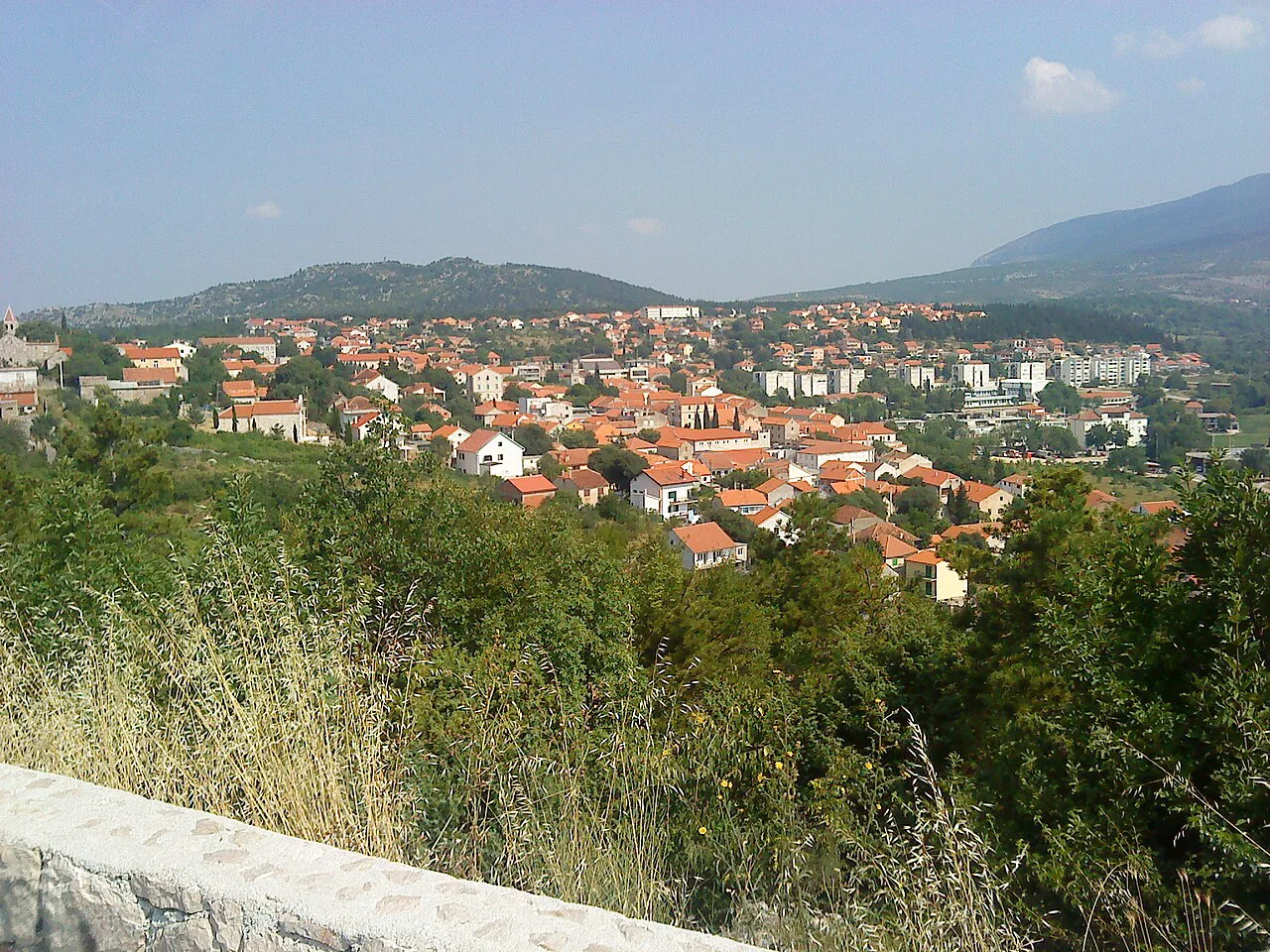
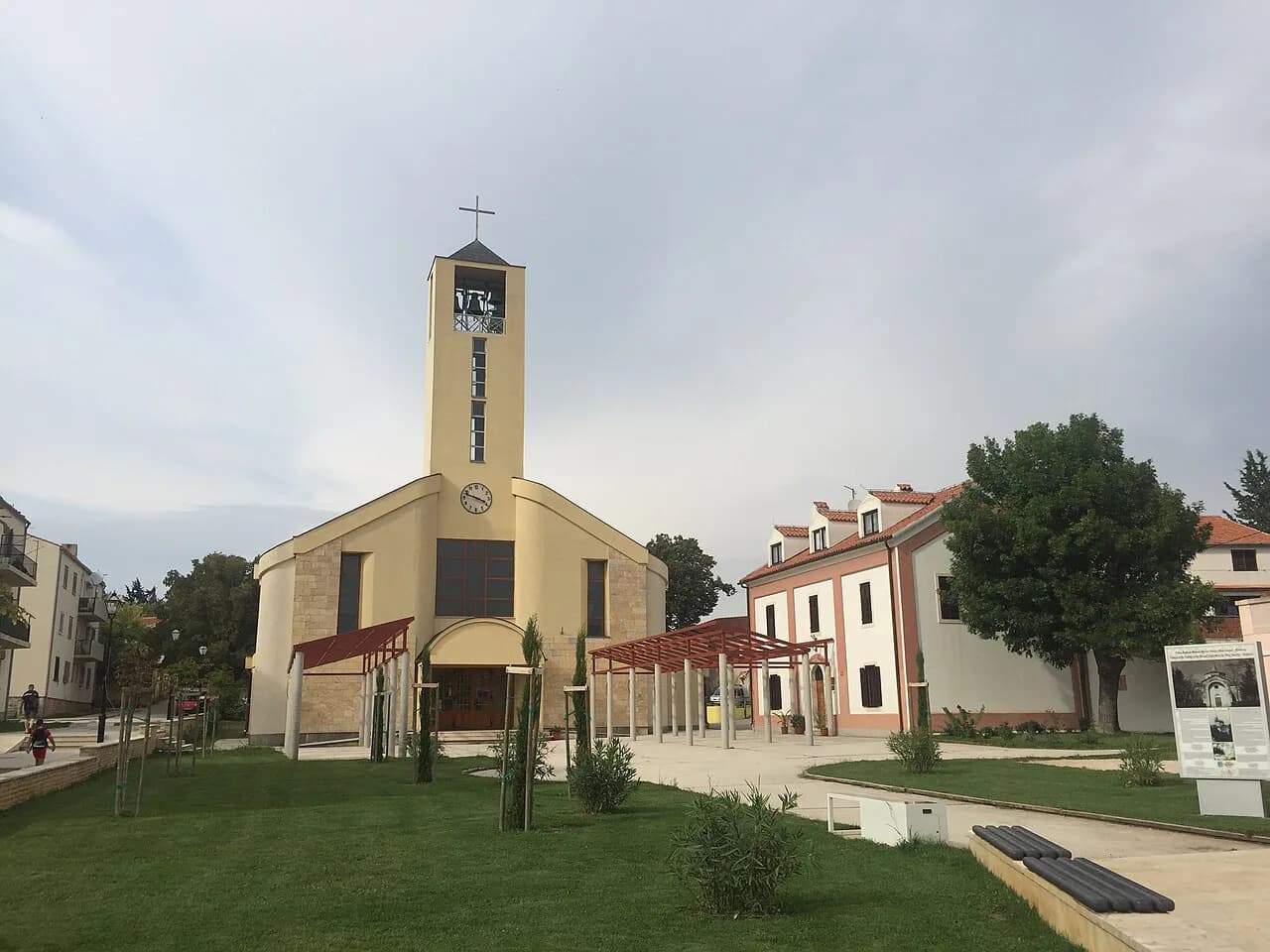
The centre is small enough to cover on foot in an hour or so, with the everyday life of a working hinterland town rather than a polished tourist core. Use the walk to orient yourself, then decide whether the museum, the mill or the fortresses deserve the rest of your time. There is no need for a fixed route; the town is legible within minutes.
Set your expectations by what Drniš actually offers: a short, worthwhile stop with a few specific sights rather than a full day of monuments. If you want a broader context for the region around it, the guide to the Dalmatian hinterland explains how Drniš sits alongside towns such as Sinj and Trilj. The fortresses here are ruins in open country, so treat them as a walk and a view rather than a managed visitor site.
Ivan Meštrović's works in Drniš
Drniš is associated with Ivan Meštrović, Croatia's best-known sculptor, and the town's sights include works connected to him. Treat this as the cultural anchor of a short visit: see the works in town, then decide whether the larger Meštrović collections elsewhere in Dalmatia are worth adding to your itinerary. The town's European Destinations of Excellence entry lists his works among its top things to do.
Allow less time than you would for a major gallery. The appeal here is the connection between the sculptor and his home region, not a comprehensive collection, and the visit fits comfortably into the same hour as the centre. If sculpture is a priority for your trip, plan a separate stop at a dedicated Meštrović museum rather than expecting Drniš to carry it.
The City Museum and the old mill
The Drniš City Museum and the old mill are the two indoor-format sights in town, and they pair naturally with a walk through the centre. The museum gives the town's history and the mill shows the grain economy that once sustained this hinterland area; between them they explain why a settlement grew here at all. Both appear among Drniš's top things to do on its European Destinations of Excellence page.
Opening hours and ticket prices for small municipal museums in the hinterland change with the season and with staffing, so confirm them locally before building your day around a visit. Treat the museum and mill as an hour combined and keep the fortresses as your flexible afternoon. That way a closed door does not sink the whole stop.
Medieval fortifications: Gradina and Ključica
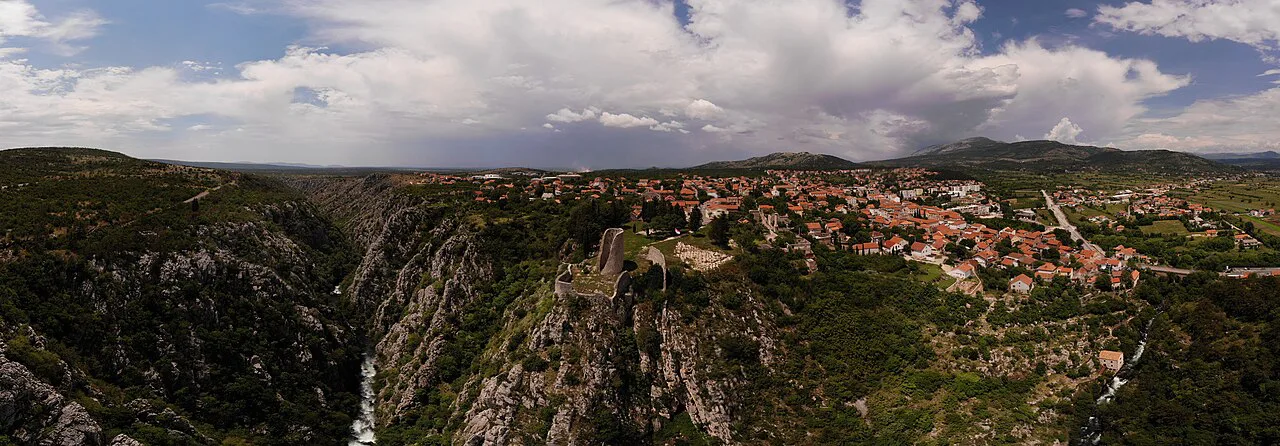
Two medieval fortifications lie above and around the Drniš area: Gradina and Ključica. They are the reason to give Drniš more than a passing hour, and they are also the reason to wear proper shoes, since both are ruins in open country rather than staffed monuments. The Drniš destination listings name both fortified sites among its top things to do, alongside the attractions of the Čikola river canyon nearby.
For a developed fortress visit with formal opening arrangements, Klis Fortress near Split is a useful comparison. Drniš offers the opposite trade-off: atmosphere and open country, with no managed visitor facilities at the ruins themselves. Choose Klis if you want a presented monument; choose Gradina or Ključica if you want a walk and a view.
The Čikola river canyon and its attractions
The Čikola river canyon is the landscape feature that makes the Drniš area distinctive, and its attractions are the outdoors counterpart to the town's museum and mill. The canyon sits within the wider setting of Krka National Park and Šibenik-Knin County, which is why Drniš works as a stop for the park's inland side. Plan the canyon as a walk or a drive with stops, not as a ticketed attraction.
There is little formal infrastructure out here, so carry water and do not rely on signage to get you to a viewpoint. The karst holds heat in summer, and the exposed canyon edges leave you little shade. Early morning is the most comfortable window for the ruins and the canyon before the day's heat builds.
Krka National Park as the day's other half
Krka National Park is the natural pairing with Drniš, and Visovac and Roški slap are the park names that come up most in this hinterland context, both on the inland side that Drniš serves. Book through the park authority rather than a reseller, and check which sites and trails are open for your dates before you drive out.
Split the day deliberately: town and museum in the morning, park in the afternoon, or the reverse if you are coming from Knin. Do not try to add the fortress ruins to a full park day; the walking adds up and the heat in high summer is real. Skradinski buk and the main falls deserve their own unhurried visit on a separate day if waterfalls are your priority.
How long Drniš needs and when to go
Give Drniš two to four hours for the centre, the museum and the mill, or most of a day if you walk out to Gradina or Ključica. The town is a half-day stop on a coast-to-hinterland route, not a destination in its own right for most travellers. Pair it with Krka and you have a full, well-balanced day inland.
Late spring through early autumn is the practical window: the hinterland is at its best when the days are long, and the fortresses and canyon are outdoor propositions. High summer brings heat rather than crowds, since Drniš sees a fraction of the coastal visitor numbers, so start early and keep the exposed walking for the morning. Outside that season, plan around fewer open doors and confirm museum and mill hours before you travel.
Should Drniš be on your route?
Yes, if you are driving between Šibenik and Knin or spending a day at Krka, and no if you want a coastal base with ferries and old-town evenings. The case for stopping is a compact centre, Meštrović's connection, a city museum and mill, and the ruins of Gradina and Ključica above the Čikola canyon. Give it half a day, take the fortresses seriously only if you have sturdy shoes and time, and build the rest of the day around the park. To see how the other Dalmatian hinterland stops fit, read The Dalmatian Hinterland.
Explore more Dalmatia guides
Frequently Asked Questions
Where is Drniš?
Drniš is a small town in Šibenik-Knin County in the Dalmatian hinterland, roughly halfway between Šibenik and Knin, with the mountain of Promina standing over the surrounding area.
How long does Drniš need?
Two to four hours covers the old centre, the City Museum and the old mill. Add most of a day if you walk out to the ruined fortifications of Gradina or Ključica above the Čikola canyon, which are open-country ruins rather than a staffed site.
Can you visit Drniš without a car?
The town has rail access on the inland line between Šibenik and Knin, so it is unusually reachable for a hinterland stop. Caveat: the canyon and the fortress ruins lie away from the station, so a car helps for the wider area.
Sources
Notes from the Croatian coast
Optional updates when our guides change.
You might also like
Continue reading
More guides you'll find useful