Čiovo: the Croatian Island Joined to Trogir by Bridge
Čiovo is the island linked to Trogir by a bridge, with villages, a clifftop church and views back to the old town. Here is how to reach it and what to see.
On this page
Čiovo is an island attached to Trogir by a bridge, and that single fact shapes every visit: you cross from the old town's waterfront to a quieter Dalmatian shore in one short hop. The island runs east to west, with the Okrug villages on its southern flank, Slatine and Arbanija on the sheltered eastern side, and the best views looking straight back at Trogir's towers. What follows covers how to reach it, how the villages divide the coast, the two named sights worth seeking out and the honest limits of a day here.
Treat Čiovo as an extension of a Trogir trip rather than a separate island holiday, and the bridge becomes one of the most useful short crossings on the Dalmatian Coast. Everything you pay for on the island is in euros.
What Čiovo is and where it sits
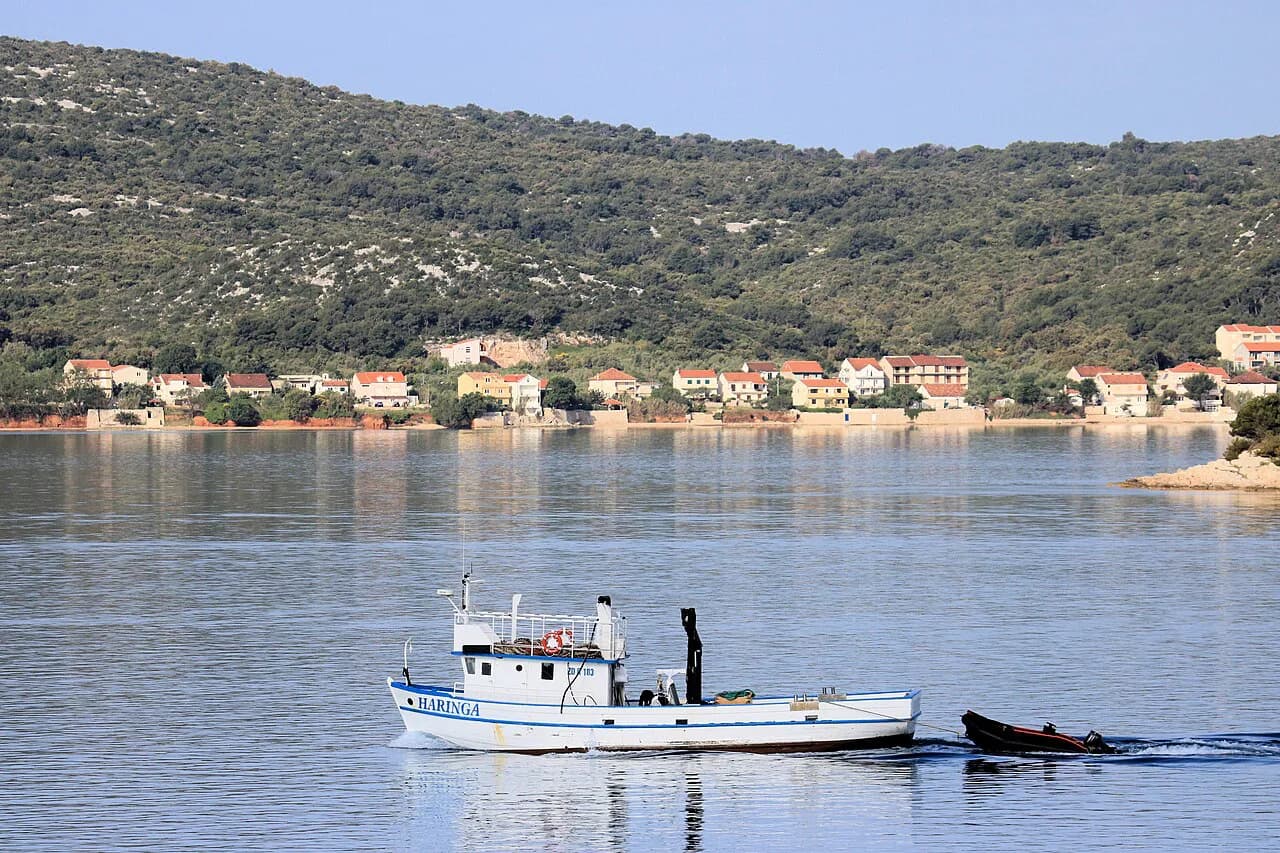
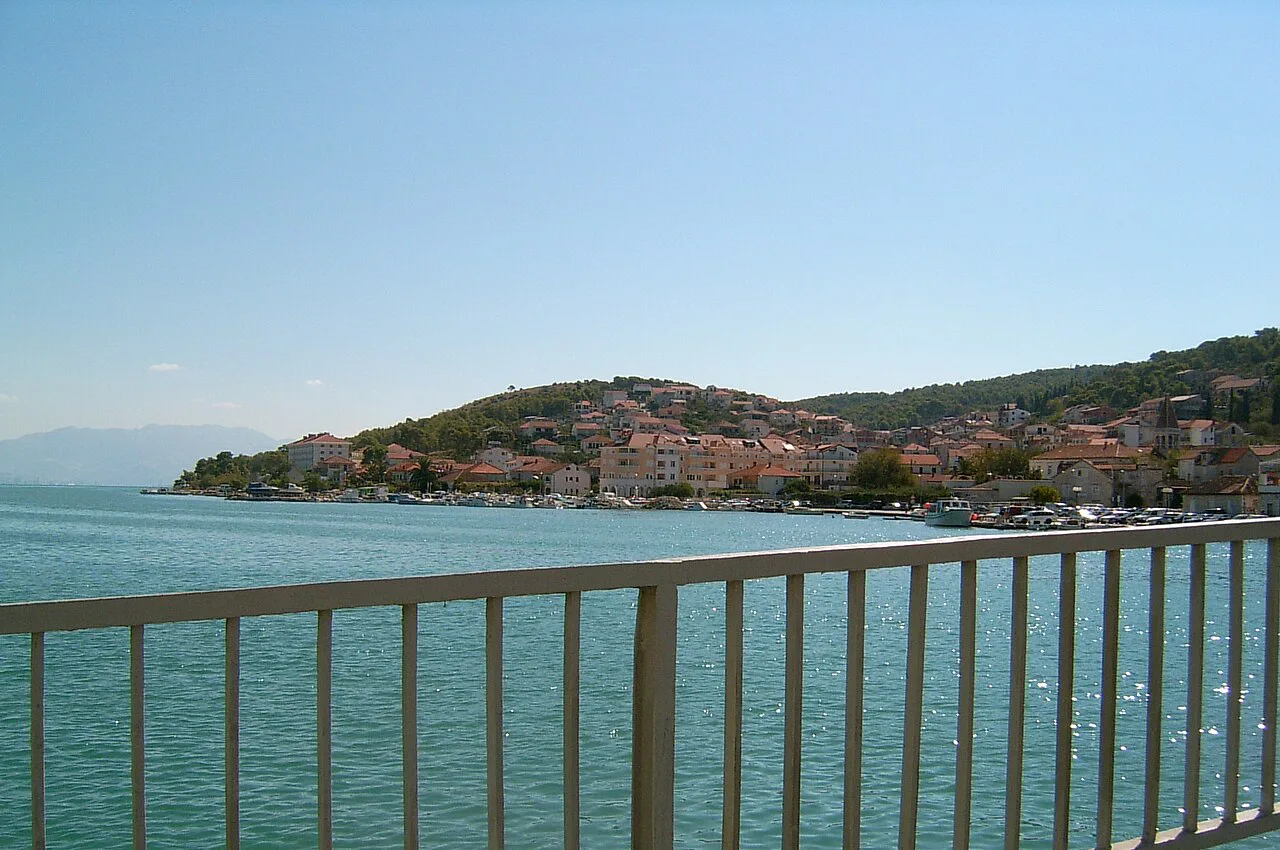
Čiovo lies immediately south of Trogir, separated from the mainland by a narrow channel that a road bridge now spans. For years the island was treated as a suburb of the old town, and its northern edge still reads that way, with houses looking across the water at Trogir's walls. Further out it becomes a destination in its own right, with villages strung along the coast and a wooded interior crossed by paths.
The island's shape matters for planning. Its long southern shore faces open water and the sun, while the eastern end around Arbanija and Slatine looks back towards the mainland and the Kaštela coast. That orientation, rather than any single sight, is what decides where you spend a day on Čiovo.
How to get to Čiovo
Čiovo is connected to Trogir by bridge, which is the simplest approach for anyone already in the old town. Drivers reach Trogir quickest on the A1 motorway, and regular buses run to the town as well; from the bus station it is a short walk to the bridge and across.
Because the bridge carries all the traffic heading for the island's villages, it is the one point where a quiet day can stall. In high summer, cross early in the morning or after the afternoon peak, and expect the return into Trogir to be slower than the outward crossing. The old town itself rewards a proper half-day before you add the island on top; for the mainland side, see our guide to Trogir.
Getting around without a car
Distances on Čiovo are modest but the villages sit far apart along the coast, and the road between them is not a place to walk casually in summer heat. The island has around 20 kilometres of walking and bicycle routes criss-crossing it, varying in difficulty enough to suit families and stronger riders alike. A bicycle is the most practical way to link Okrug Gornji, Okrug Donji and the eastern villages without a car.
Buses serve Trogir rather than threading every island village, so plan on combining a bus to the old town with a walk across the bridge and a taxi, bike or hired scooter beyond it. If you would rather keep to the mainland for a day, the Dalmatian hinterland lies a short drive inland from Trogir.
Okrug Gornji and Okrug Donji: which side of the island
Okrug Gornji occupies the southern side of the island, facing open sea, and is the busier of the two settlements, with the facilities that come with summer visitors. Okrug Donji sits on the west side, smaller and greener, and reads as the quieter base if you want evenings without much going on. Choosing between them is really a choice about which coast you want your day to face.
For a short visit the distinction is practical: the south suits a lazy afternoon with swimming within easy reach, while the west suits a slower loop by bike or car with stops at viewpoints. Neither village is a sight in itself, so fit them around the named places rather than the other way round. If you are weighing up bases along this stretch of coast, Kaštela: A Guide to the Seven Castle Villages Between Split and Trogir covers the mainland alternative.
Sightseeing on Čiovo: Prizidnica and Racetinovac
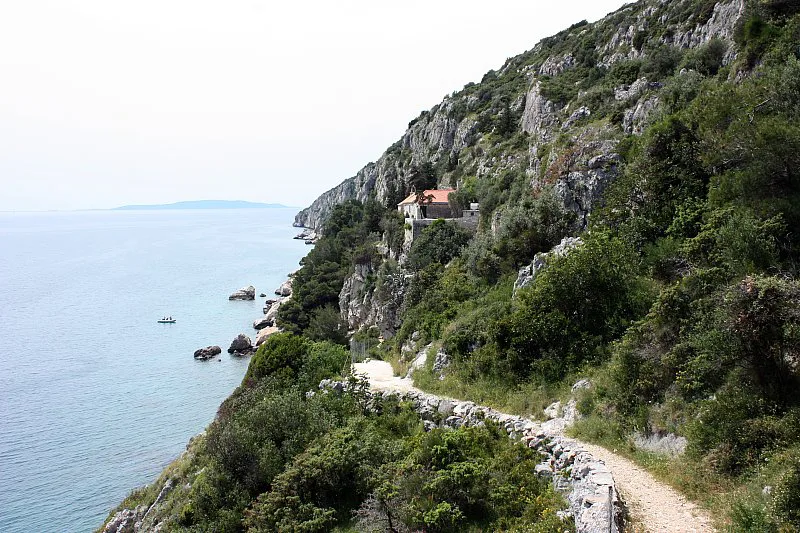
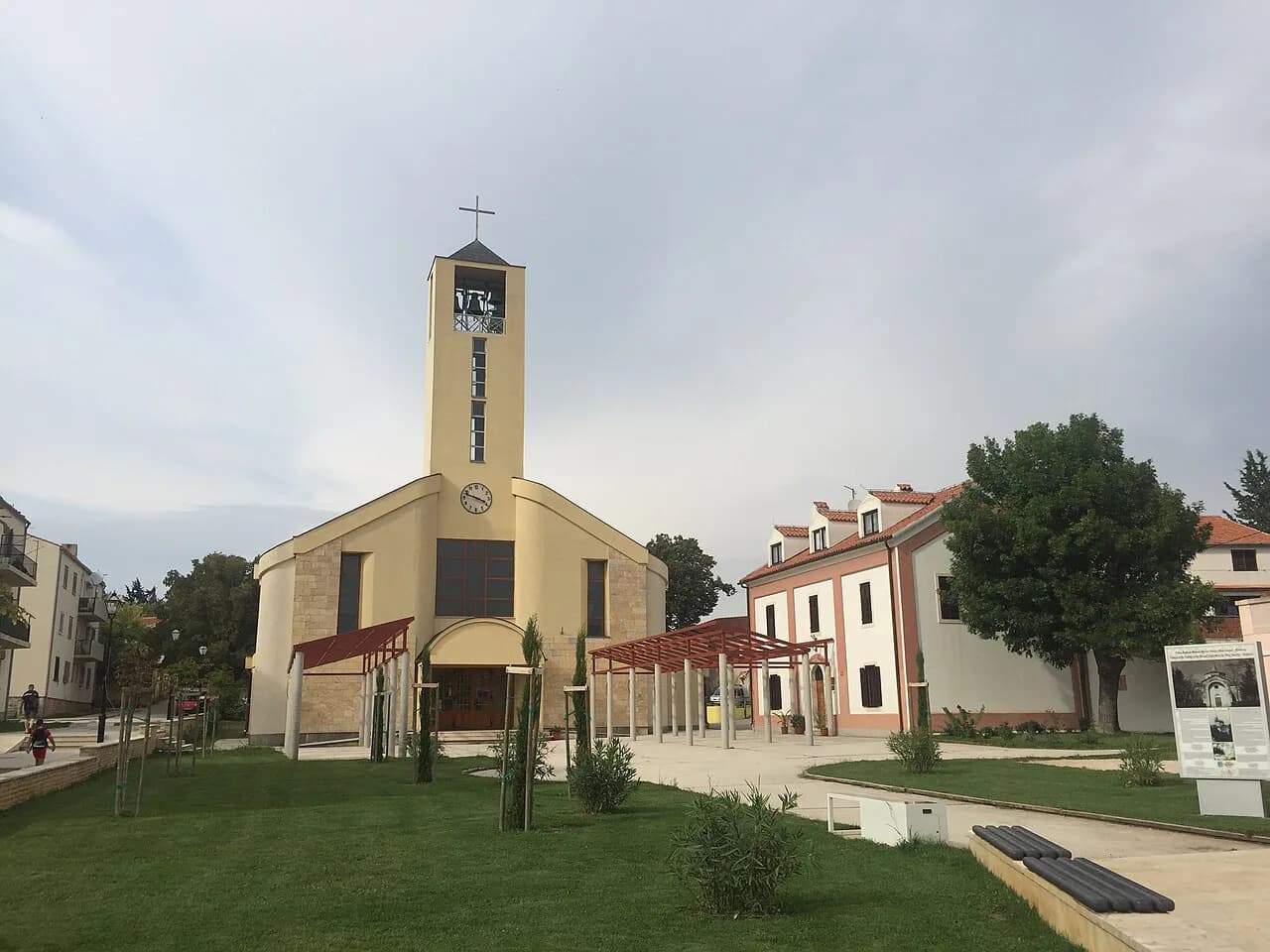
The island's clearest sight is the Church of Our Lady of Prizidnica, on the east side near the small town of Slatine, set above the water in a position that explains why people make the trip. It is a place to approach quietly, on foot, and to leave as you found it. Ask locally before setting out about access, since a religious site is not a visitor attraction with fixed hours.
The second named sight is the Racetinovac summer house, a historic seasonal residence that speaks to the island's long habit of hosting Trogir families in the warm months. It is a building to look at from outside, so give it a few minutes as part of a wider circuit rather than a journey of its own. Together these two and the views back to Trogir are the island's sightseeing list, and it is a short one.
The view back to Trogir
Čiovo's best asset is the angle it gives on Trogir. From the northern shore the old town reads as a whole: the cathedral bell tower, the waterfront and the walls all line up across the channel in a way they never do from inside the streets. Walking or cycling the coastal path with that view in front of you is worth more than ticking off the island's sights.
Use the island as a vantage point and the day organises itself: cross the bridge, follow the north-facing shore for the views, then turn inland or south for a swim. On the Trogir side of the bridge stands the Kamerlengo fortress, and seeing it from Čiovo makes clear how tightly the old town was once defended.
Which side of the island suits which kind of day
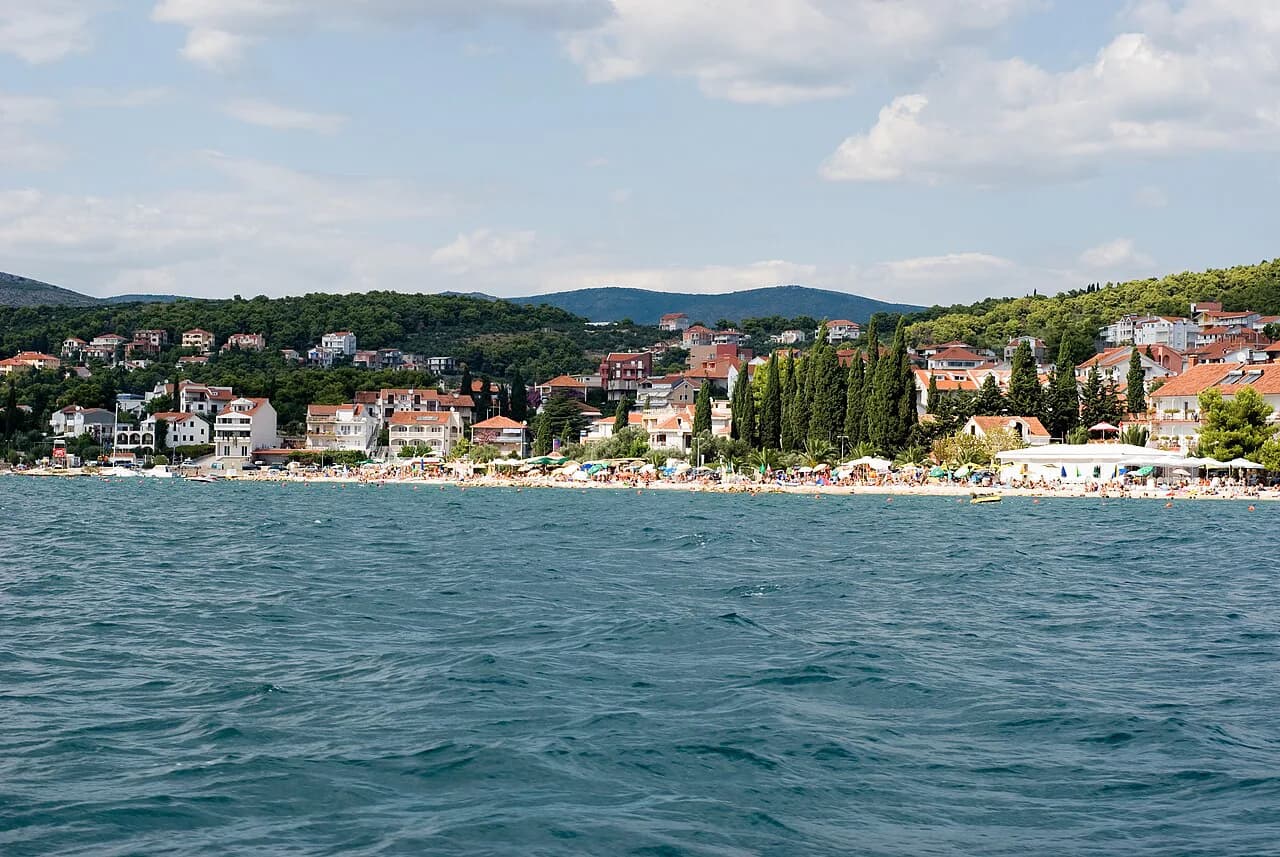
The south coast around Okrug Gornji is where most people end up, with pebbled bays and the facilities of a summer resort. The west around Okrug Donji is quieter and greener, with fewer services and a more local feel. The east near Arbanija and Slatine is the most sheltered, facing the mainland rather than open sea.
Match the coast to the weather and your energy. A windy day sends you east for shelter; a still, hot day sends you south for swimming and shade. If you only have an afternoon, pick one coast and stay on it rather than trying to circle the whole island.
Diving, jet skiing and quad tours
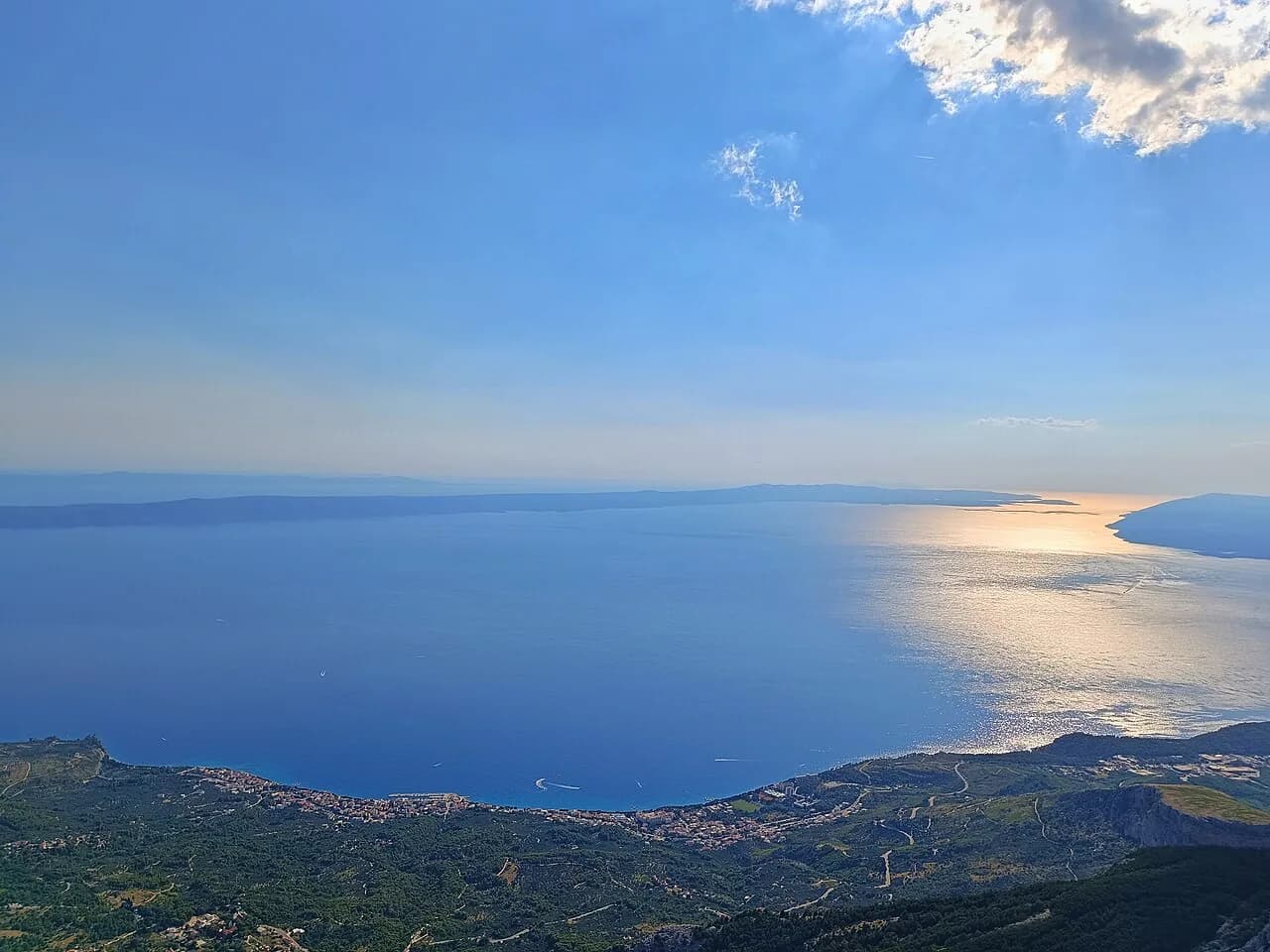
Summer activity on Čiovo is concentrated on the main beaches, where diving schools run courses and excursions for beginners and experienced divers, and jet skiing and parasailing are available to hire. Quad tours take visitors inland with views towards Brač and Šolta. Ask in the village or at your accommodation about what is running during your stay.
No published rates cover diving courses, jet ski hire or quad tours, so settle the cost with the beach operator before you set off, and confirm what is included for diving, where certification requirements vary. If you want a change from the sea, the Dalmatian hinterland and its rivers lie inland from Trogir.
When to go
Čiovo's season is the Dalmatian summer. July and August bring warm sea, long evenings and the most people on the beaches and the bridge. June and September are the trade-off most travellers settle on: water still warm enough for comfortable swimming, quieter roads, and activity operators mostly still working. Outside that window the island becomes very quiet indeed.
Summer also brings named local events such as Okrug Summer, White Night and Fisherman's Nights, which fill the evenings without needing to be planned around; ask locally if one of them matters to you. The general rule is that the crowds come with the warm water, and quiet paths come with cooler mornings.
Where Čiovo fits in a Trogir trip
A day is enough to cross the bridge, walk the north shore for the view back to Trogir, take a swim and add either the Church of Our Lady of Prizidnica near Slatine or a loop through Okrug Donji. A week on the island makes sense only if you want a low-key base with Trogir on the doorstep and the rest of the coast within reach.
Čiovo works as an extension of the old town rather than a replacement for it: use the island for swimming and views, and save your sightseeing energy for the mainland. Travellers planning a longer inland detour can look at the Imotski Lakes, and those heading further south can weigh up Primošten as the next stop.
Beaches in one line, and what the island is not
Čiovo has pebbled beaches and clear water in the bays along its south and west coasts, and that is as much as a guide needs to say about them. It is not a sightseeing destination in the sense that Korčula or Trogir is: it has two named historic sites and a lot of coast. Come for the crossing, the view and the swimming, and the island delivers.
Half-day or a week on Čiovo?
Choose a half-day if you are already in Trogir and want a view of the old town from the water and a swim within walking distance of the bridge. Choose a full day if you want the Church of Our Lady of Prizidnica and a loop of the quieter west. Only commit to a week if you want a low-key island base rather than a list of things to see.
Two things decide the quality of the day: how early you cross the bridge in high summer and whether the activities you want are running in your week. Both are worth a question at your accommodation the evening before, and if the weather turns, Klis Fortress makes a solid inland substitute. With those settled, Čiovo is the easiest island escape on this stretch of the Dalmatian coast.
Explore more Dalmatia guides
Sources
Notes from the Croatian coast
Optional updates when our guides change.
You might also like
Continue reading
More guides you'll find useful