Best Time to Visit Croatia: Month by Month, April to October
Late May to June and September to early October give Croatia warm seas, fewer crowds and running ferries. Sea and air temperatures month by month.
On this page
For most travellers, the best time to visit Croatia is late May to June or September to early October. Those two windows pair warm, swimmable water with fewer people than high summer, and they suit old towns, islands and national parks equally well. July and August deliver the hottest days and the busiest harbours, while April, May and the back end of October trade sea warmth for space and quiet. This guide runs month by month from April to October, with air and sea temperatures as typical climate averages, the crowds and ferry patterns to expect, and the trade-offs each month brings.
Croatia's two climates, and why they split your timing
The Adriatic coast and its islands — Dubrovnik, Split, Hvar, Brač, Korčula, Istria — run on a Mediterranean rhythm of hot, dry summers and mild, wetter winters, with summer highs often in the high 20s to low 30s °C. Inland Croatia around Zagreb and Plitvice Lakes is continental, with warmer summers but much colder winters and sharper seasonal swings. That matters because a single trip can cross both zones: a week in Split and on the islands follows a different calendar from a few days at the lakes.
For coastal planning, inland is best treated as a shoulder-season add-on. In November, Zagreb typically sits around 5–12°C while coastal cities sit around 10–17°C, so the two diverge most sharply outside summer. If your itinerary mixes the two, book the coast for the warm months and the interior for late spring or early autumn.
Air and sea temperatures month by month
Typical coastal averages climb steadily through spring: April air runs roughly 11–17°C, May 15–23°C, June 19–27°C, July and August 22–30°C, September 18–25°C, October 14–20°C and November 10–17°C. These are climate averages rather than a forecast, so treat them as a planning baseline for your week.
What is the weather like in Croatia in June? Coastal June averages roughly 19–27°C in the air and about 22°C in the sea, with long daylight and limited rain. It is warm enough to swim and sightsee comfortably without the peak-summer heat of July and August.
How much time do you need in Croatia? A week is the practical minimum for one region, such as Split with the islands or Dubrovnik with the southern coast. Two weeks lets you combine the coast with an inland stop such as Plitvice Lakes.
What is the weather like in Dubrovnik by month? Dubrovnik runs slightly cooler than Split. Air averages about 18–24°C in June, roughly 21–28°C in July and August, 18–23°C in September and 15–19°C in October, with the sea warmest in August.
Sea temperatures tell a similar story: about 15°C in April, 18°C in May, 22°C in June, 24°C in July, a peak of 25°C in August, 23°C in September, 20°C in October and 18°C in November. The upshot is a clear swimming calendar: comfortable water from June through September, bracing in May and October, and for the hardy only in April.
April and early May: mild days, lush parks, cool sea
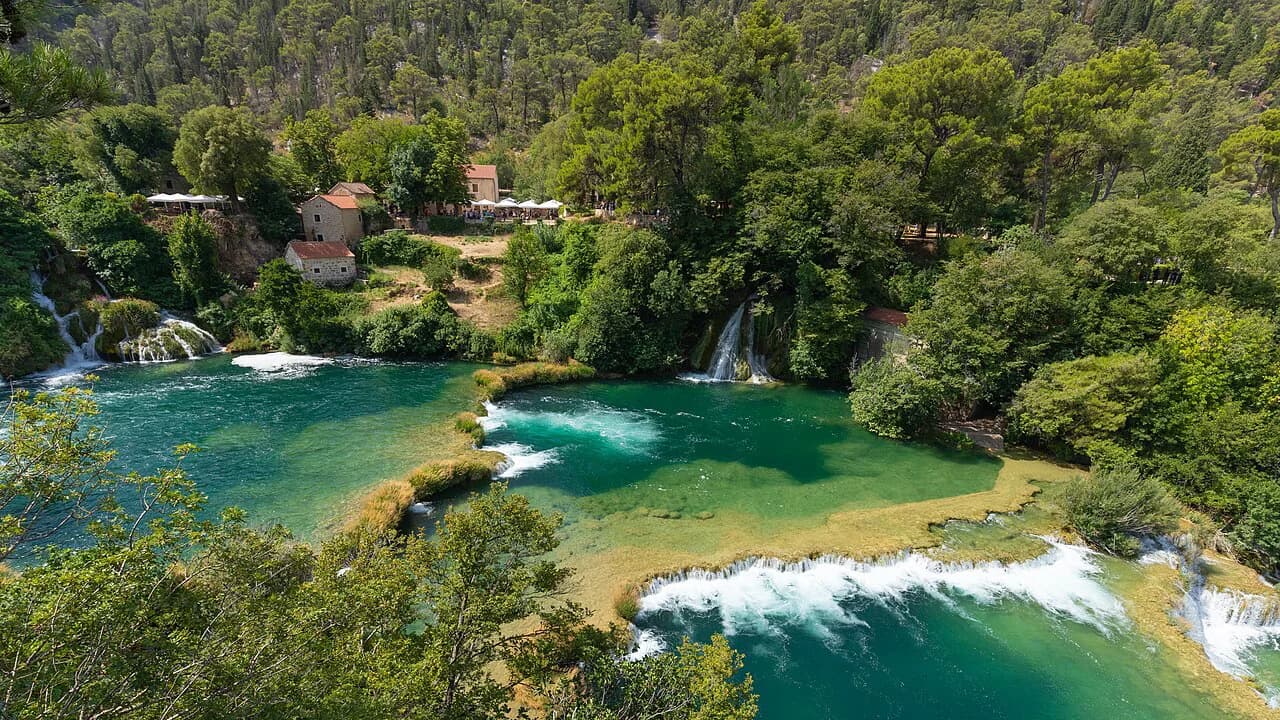
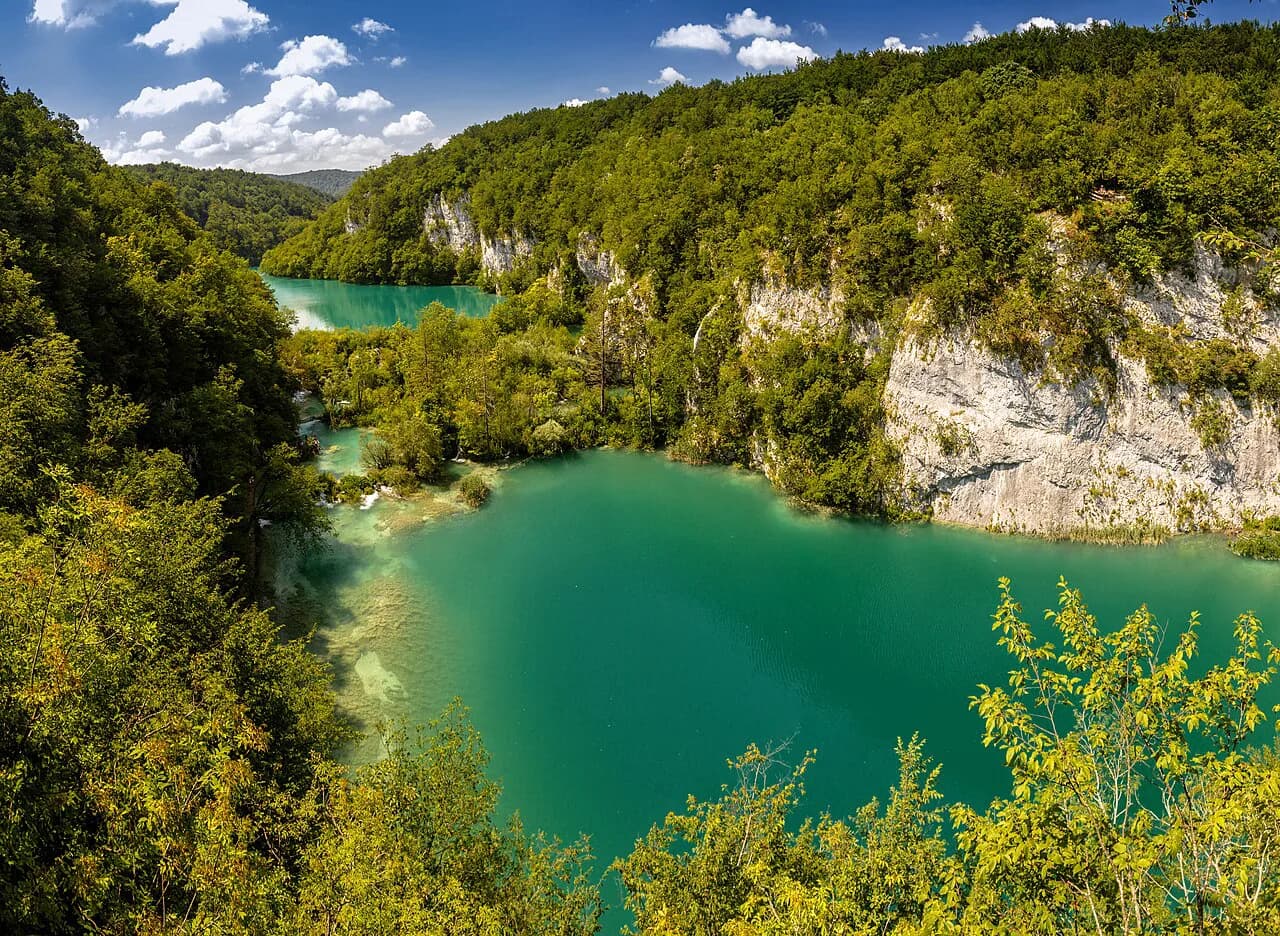
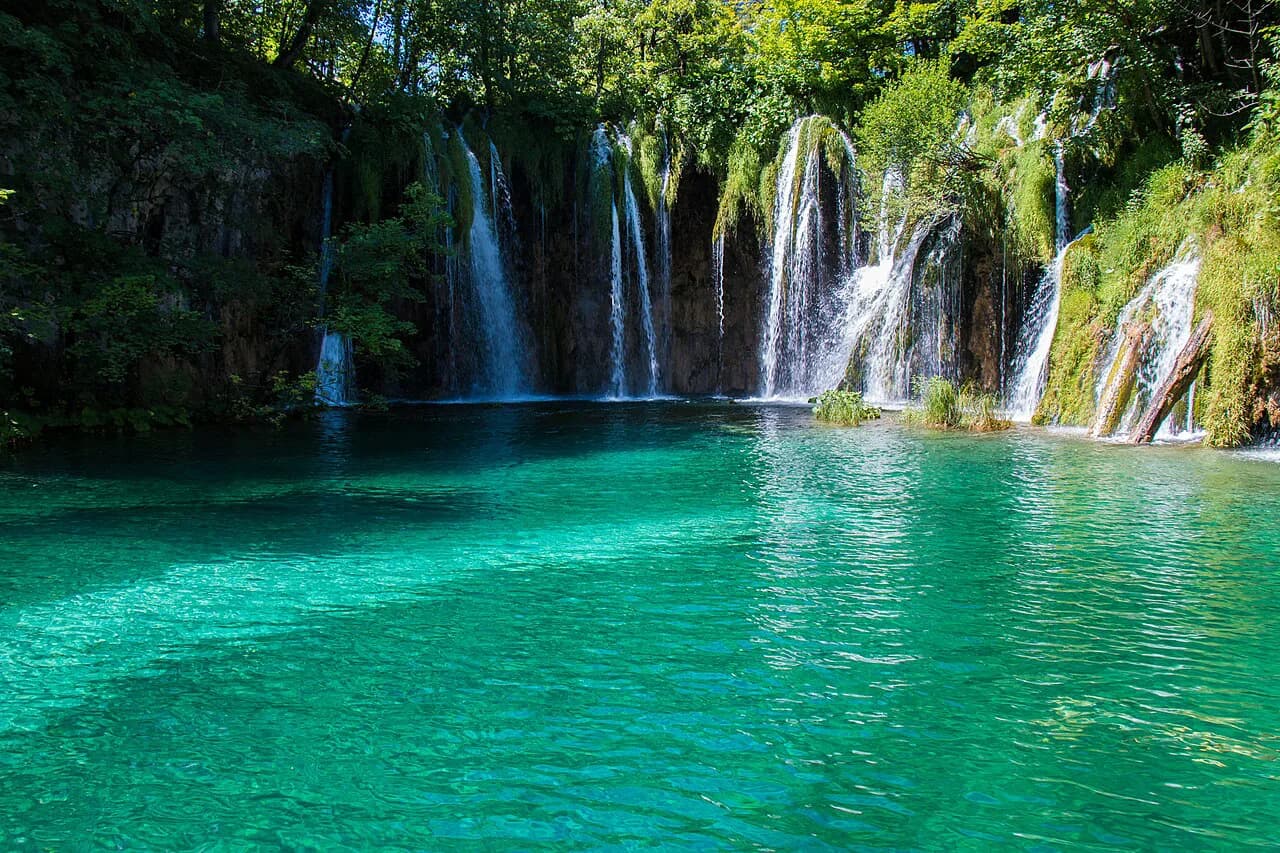
Croatia in April is a sightseeing month rather than a swimming one. Air temperatures hover around the mid-teens to high teens, the sea sits near 15°C, and the big draws — Dubrovnik's walls, Split's old town, the national parks — are far quieter than in summer. Waterfalls at Krka and Plitvice are full from spring melt, which makes this a strong window for park days.
By May the coast warms noticeably, with maxima around 23°C and the sea near 18°C, so this is the first month when a quick dip becomes plausible for hardy swimmers. The shoulder season brings more scattered rain alongside the steady winds sailors prize. Pack layers for cool evenings and expect some terraces and seasonal sites to be on reduced spring hours — see our guide to Croatia in May for what that means for island hopping.
June: long days, warming sea, season not yet at full pitch
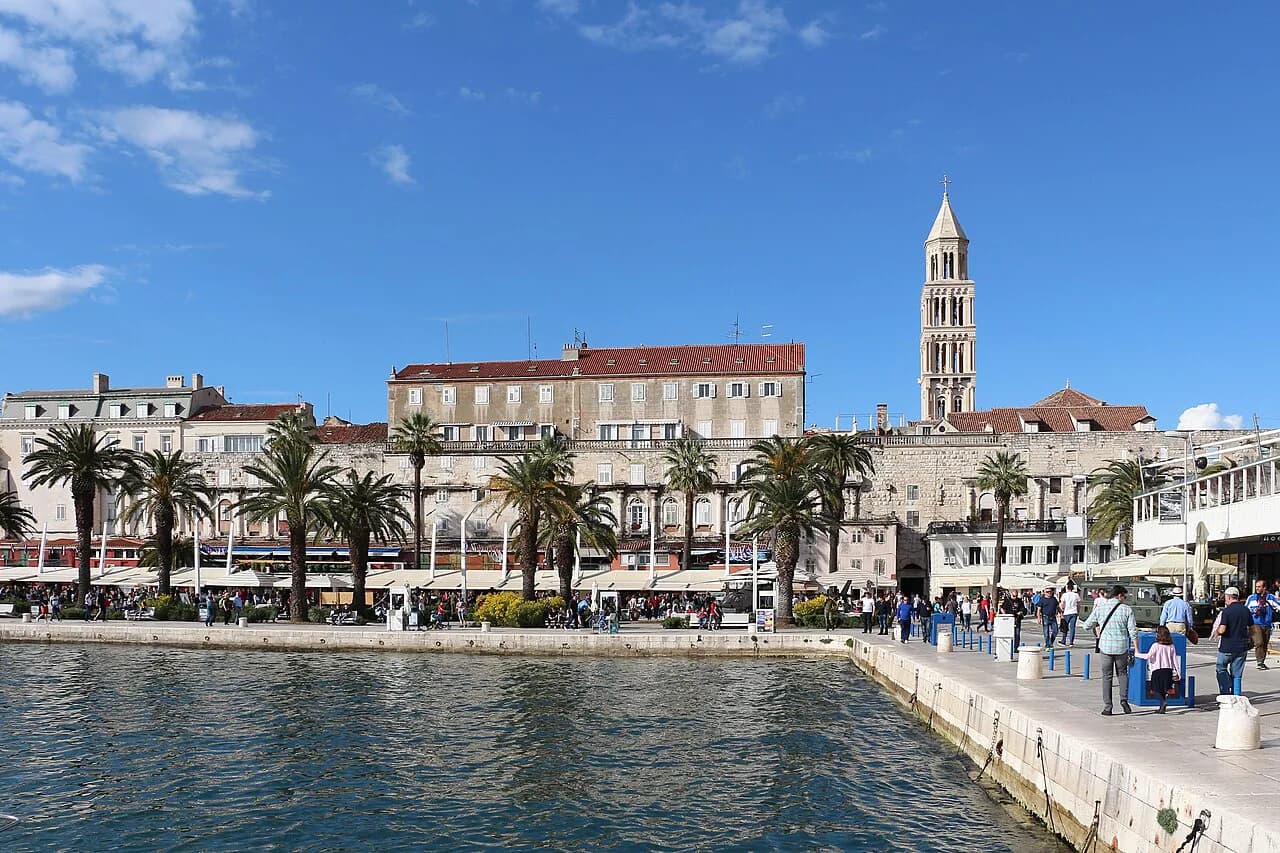
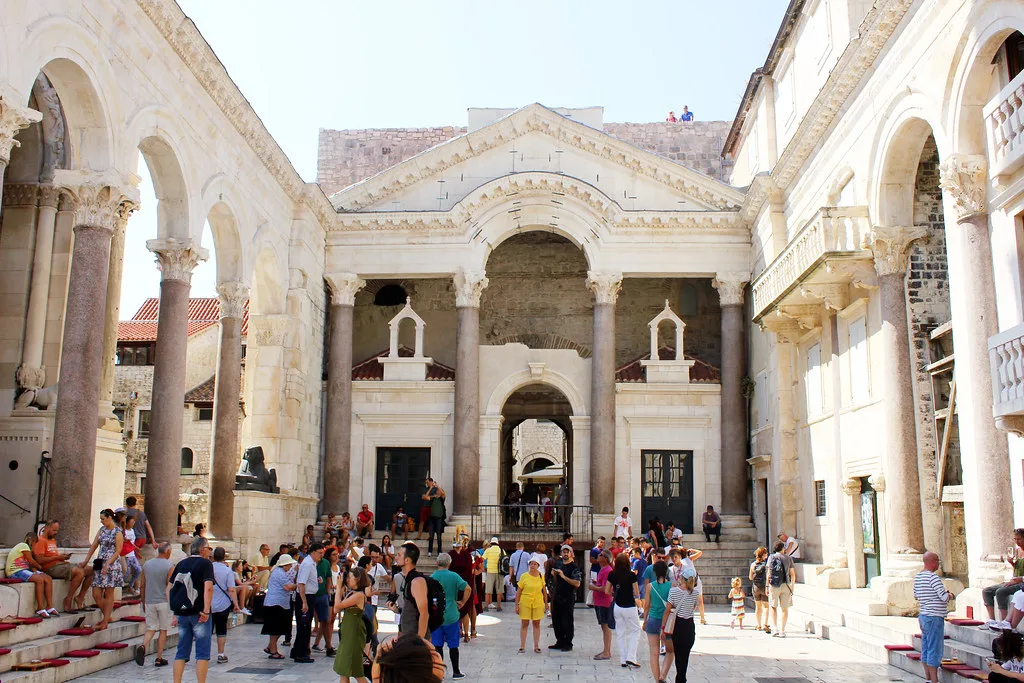
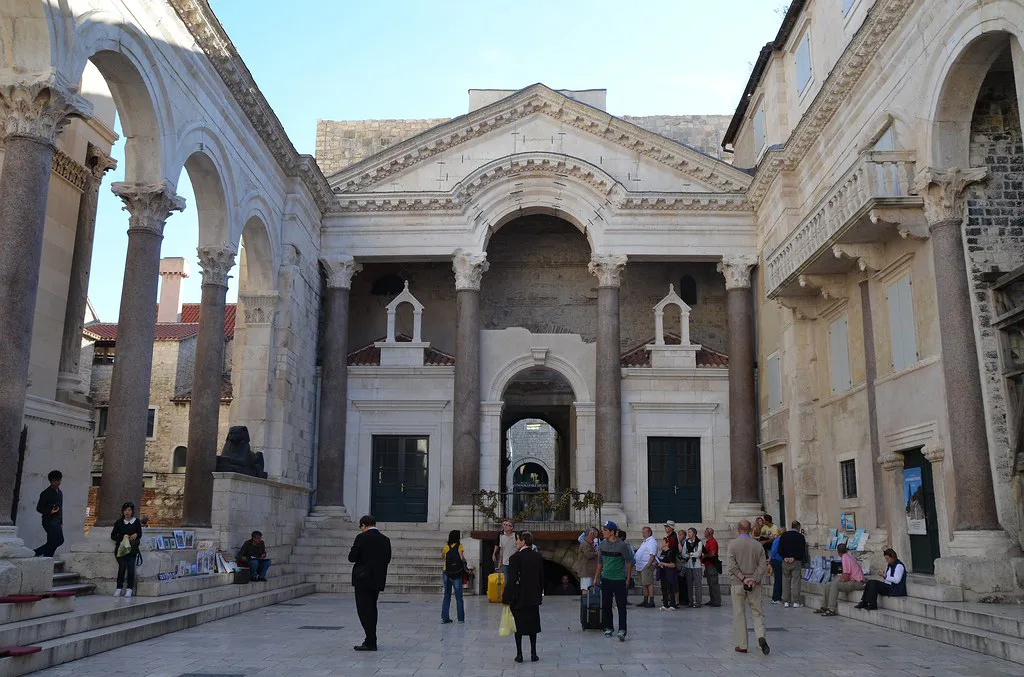
Croatia in June is the first month that feels like summer without the crush. Air averages 19–27°C and the sea reaches around 22°C, warm enough for proper swimming, and daylight runs long enough for late dinners on the Riva. It is the month many regulars choose for island hopping: connections are running, Hvar and Korčula are lively but not heaving, and Diocletian's Palace in Split is still walkable without a scrum.
July and August: the hottest, busiest and priciest window
Croatia in July brings the peak: air averages 22–30°C, the sea sits at 24°C and the sun is at its most relentless. Harbours fill, narrow streets heat up and ferries can sell out, so island hops need booking rather than improvising. This is the month for early starts, midday shade and evenings on the water.
Croatia in August is the warmest sea of the year at 25°C and the highest demand across the board, with air averages matching July at 22–30°C. High summer is mostly dry, but the odd summer thunderstorm can sweep down the coast and disrupt boat trips at short notice, so if you travel now, build a spare day into any island plan.
September: the standout month
Croatia in September is the best-value month for most itineraries. Air averages 18–25°C, the sea holds at around 23°C, and the crowds thin sharply once school terms resume. Old towns such as Dubrovnik and Split become walkable again, and the Dalmatian coast keeps its summer light without the July heat.
The catch is that some island connections and seasonal sights start winding down. Ferries and catamarans run on reduced timetables from late September, so check the published schedules from Jadrolinija, Krilo and TP Line before locking in a multi-island route. Each company publishes its own seasonal timetable.
October: quiet old towns, cooler sea, shoulder season closing
Croatia in October suits sightseeing more than swimming. Air averages 14–20°C, the sea drops to around 20°C and the old towns are genuinely quiet. It is a good month for Istria's hill towns and for Split's streets, though you should expect shorter opening hours and some seasonal closures, including reduced ferry timetables.
Matching the month to what you want to do
For old towns such as Dubrovnik and Split, aim for late May, June or September, when you can walk the walls and squares without the peak-summer crush. For national parks, spring and early autumn give you full waterfalls and thinner trails, with April a strong pick for Krka and Plitvice. For swimming and island hopping, June to September is the practical window, with September the sweet spot for warm water and fewer people.
If island choice is your main driver, the best islands in Croatia reward a June or September trip: boats run, harbours are lively but not overrun, and you can string together Hvar, Korčula and Brač without fighting for space. For a broader plan that spans coast and interior, our suggested Croatia itinerary shows how the month you pick should follow from which zones you prioritise.
Coastal trade-offs to plan around
Peak summer brings three recurring frictions: cruise-ship days that flood Dubrovnik and Split for a few hours, summer thunderstorms and sudden wind that can cancel boat trips, and reduced ferry schedules outside July and August. Build flexibility into island plans and keep a spare day for weather. The shoulder months of April, May, September and October bring more changeable, windier weather that sailors often welcome.
Shoulder-season rain is real but manageable, and the winds that come with it are ideal for sailors. Seasonal closures mean some sights and boats run shorter hours in April, May and October, so check current listings from the individual park authority before you commit.
What winter along the coast looks like, in brief
From November to March the coast turns mild but wetter, the sea is too cold for most swimmers and the pace drops sharply. It is a quiet, atmospheric time for city breaks in Dubrovnik or Split, but it is not the season for island hopping or beach days. Most travellers are better served by the April–October window this guide covers.
How the month changes what you pay and what is open
Pricing follows demand: July and August carry the highest accommodation and boat-trip rates, while late May, June, September and October offer better value with most things still open. Check each operator's or venue's own current prices and opening hours rather than relying on older figures, since Croatia prices in euros and rates shift by season.
Which month should you book?
For most trips, book late May to June or September to early October: you get swimmable water, working ferries and old towns that are pleasant to walk. If swimming is the priority, aim for June to September and accept higher prices in July and August. If you want quiet streets and parks, choose April, May or October and pack layers for cool evenings.
Explore more Croatia guides
Frequently Asked Questions
What is the weather like in Croatia in June?
Coastal June averages roughly 19–27°C in the air and about 22°C in the sea, with long daylight and limited rain. It is warm enough to swim and sightsee comfortably without the peak-summer heat of July and August. These are typical climate averages, not a forecast.
How much time do you need in Croatia?
A week is the practical minimum for one region, such as Split with the islands or Dubrovnik with the southern coast. Two weeks lets you combine the coast with an inland stop such as Plitvice Lakes. Build in a spare day for ferry delays or the bura wind.
What is the weather like in Dubrovnik by month?
Dubrovnik runs slightly cooler than Split. Air averages about 18–24°C in June, roughly 21–28°C in July and August, 18–23°C in September and 15–19°C in October, with the sea warmest in August. Treat these as climate averages and check a forecast close to travel.
Sources
Notes from the Croatian coast
Optional updates when our guides change.
You might also like
Continue reading
More guides you'll find useful