Croatia in June: Weather, Sea Temperature and Crowd Timing
June in Croatia brings warm coast days and a sea warm enough for most swimmers, with crowds building towards the end of the month. Here is how to time it.
On this page
June is one of the best months to visit Croatia if you want reliable warmth without peak-season crowding, and the second half of the month is busier and pricier than the first. The best time to visit Croatia runs from June to September, but July and August are the busiest stretch, so June buys you much of the good weather with noticeably fewer people. This guide sets out typical June weather on the coast and inland, what the sea is like for swimming, how crowds build through the month, and how ferries, boat trips and the national parks behave before the school holidays start.
Is June a good time to visit Croatia?
Yes, with one caveat: book early June if a quiet old town matters more to you than guaranteed heat, and late June if you want the sea at its friendliest. Croatia is described as amazing all year round, with May, June and September singled out for pleasant temperatures around 23°C–27°C and decidedly fewer crowds. June sits at the front of that window, so you get long sunny days while the coast is still gearing up for the summer rush rather than at full capacity.
The trade-off is that June is a transitional month: some services and island connections scale up as the season starts, while a few places still run on shoulder-season hours. If you need a specific crossing or a guided boat trip, fix it before you travel rather than assuming you can arrange it on the day. Treat June as a month to plan around rather than simply to arrive in.
What the weather in June is like on the coast and inland
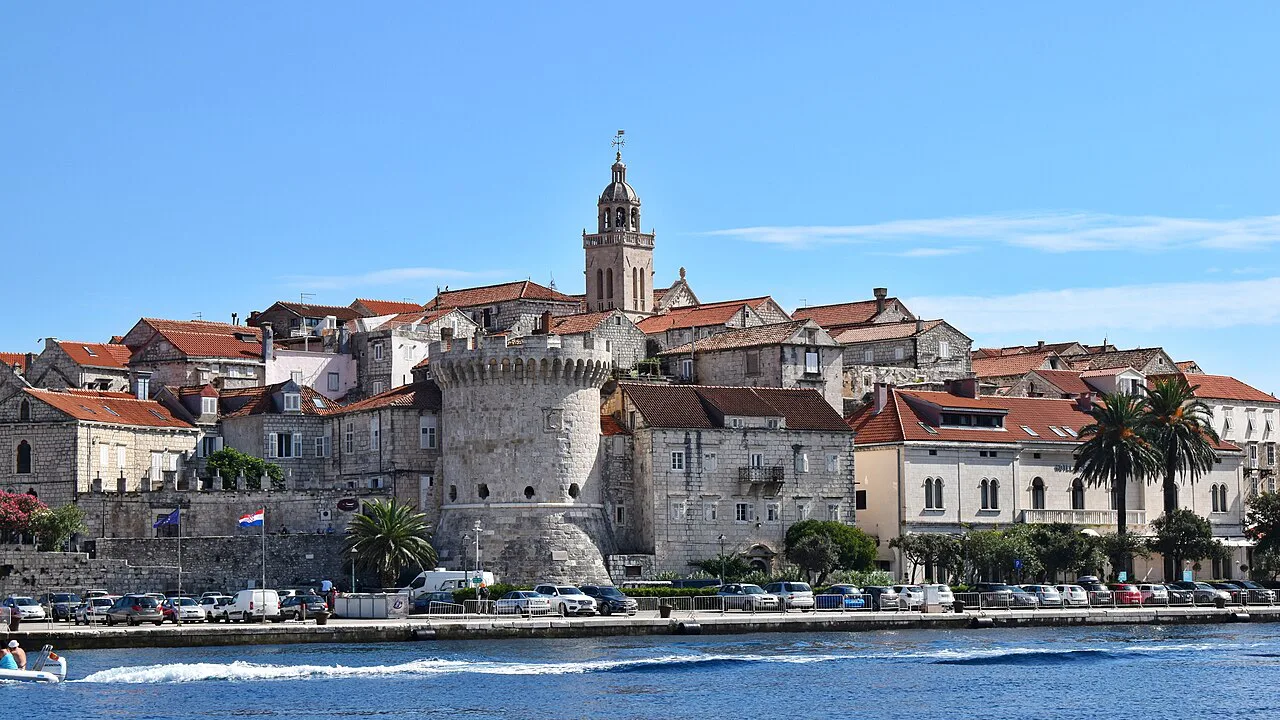
On the coast, expect typical daytime highs in the mid-to-high twenties, with Dubrovnik averaging around 25°C in June and nine hours of sunshine a day. UV levels run very high, so sun cream and shade at midday are not optional. These are climate averages rather than a forecast, so check a short-range forecast for your exact dates before you travel.
What are the dos and don'ts in Croatia? Do carry euros, since Croatia adopted the euro in 2023, and do swim at beaches with other people around. Don't treat the bura as harmless: it can cancel boat trips and close exposed stretches of coast even on a sunny June day.
Is Dubrovnik too hot in June? No. Dubrovnik averages around 25°C in June with nine hours of sunshine, which is warm but short of the July and August peak.
Does it rain in Croatia in June? Yes, but not heavily. Dubrovnik sees around 48mm of rain over roughly six days in June, and showers tend to pass quickly rather than settle in.
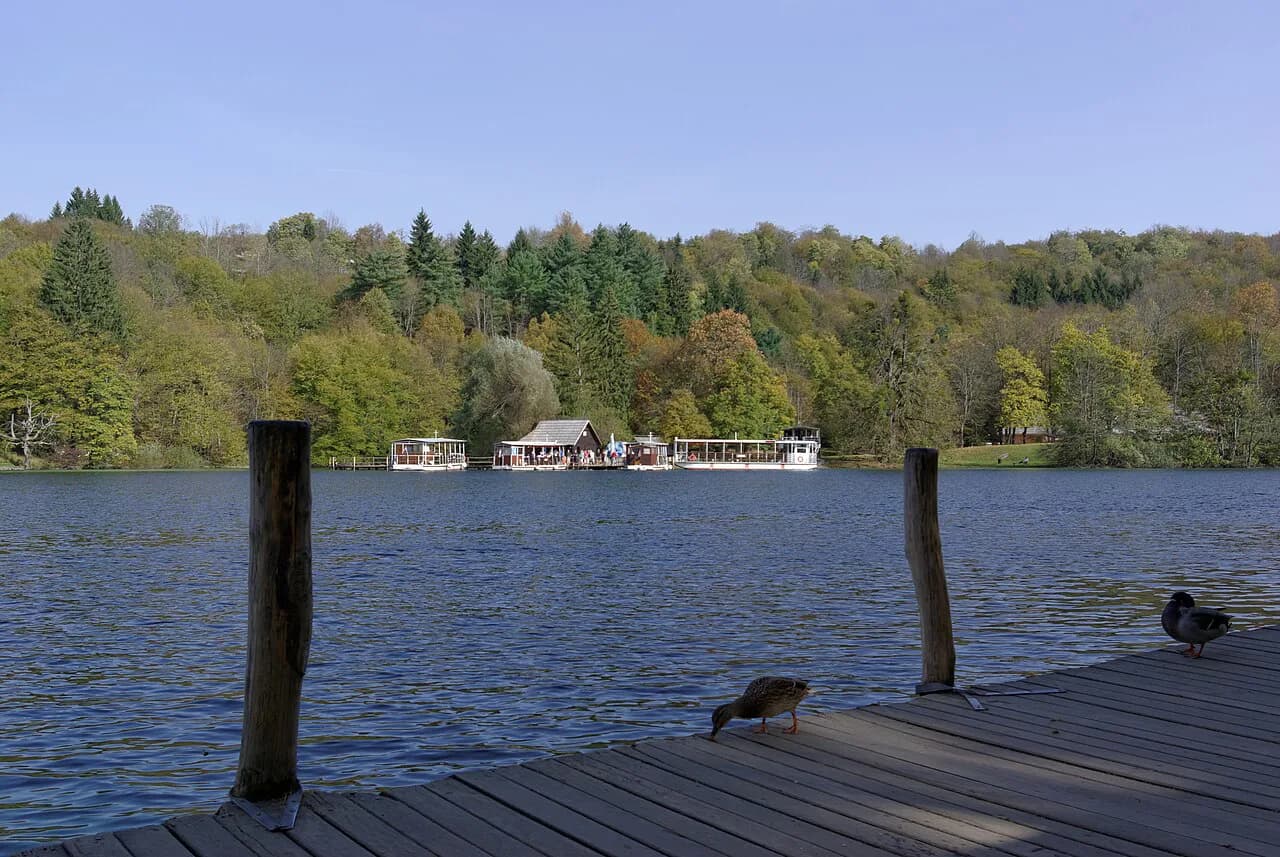
Inland is a different story: the same source describes highs reaching up to 27°C, and summer temperatures inland can get very high. Zagreb, the Plitvice Lakes and Krka sit away from the cooling effect of the Adriatic, so build in early starts and avoid the midday sun when sightseeing. For cooler, greener walking, Croatia in April or Croatia in May is a better fit than high summer.
Rain does not disappear in June, even on the coast. Expect around 48mm over roughly six days for Dubrovnik, with humidity low and the sun setting around 8.30pm. Pack a light waterproof rather than a heavy jacket, and treat showers as an excuse to spend an afternoon in a museum or a covered market.
Sea temperature in June and when swimming becomes comfortable
The Adriatic is around 22°C in June on the Dubrovnik coast: bracing in the first week, genuinely pleasant by the last. By the end of May the sea is warm enough to swim in and June only improves on that. Most British and Irish swimmers will find early June fine for a quick dip and late June comfortable for longer sessions.
Water temperature varies with depth, current and which island you are on, so sheltered bays warm faster than exposed headlands. If swimming is central to your trip, plan your days around the calmest, shallowest water you can find and save the open-sea swims for later in the month.
How busy Croatia gets in June, and how the last week changes
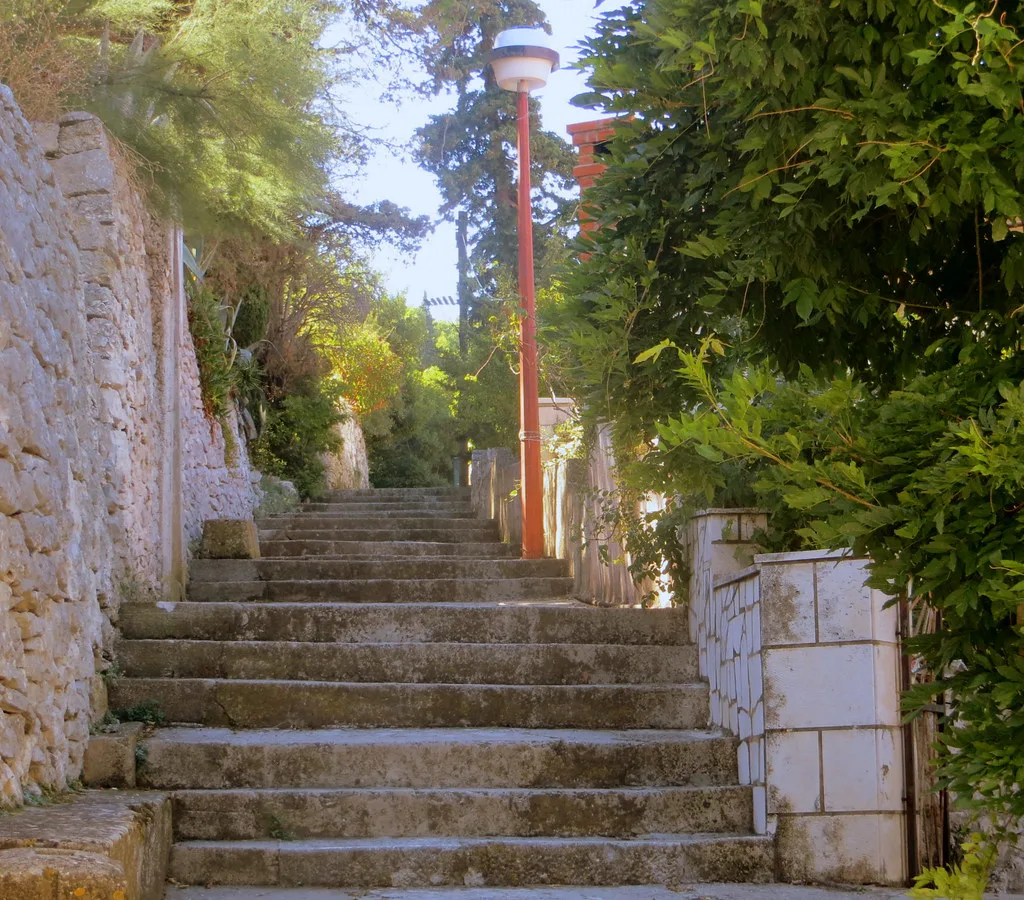
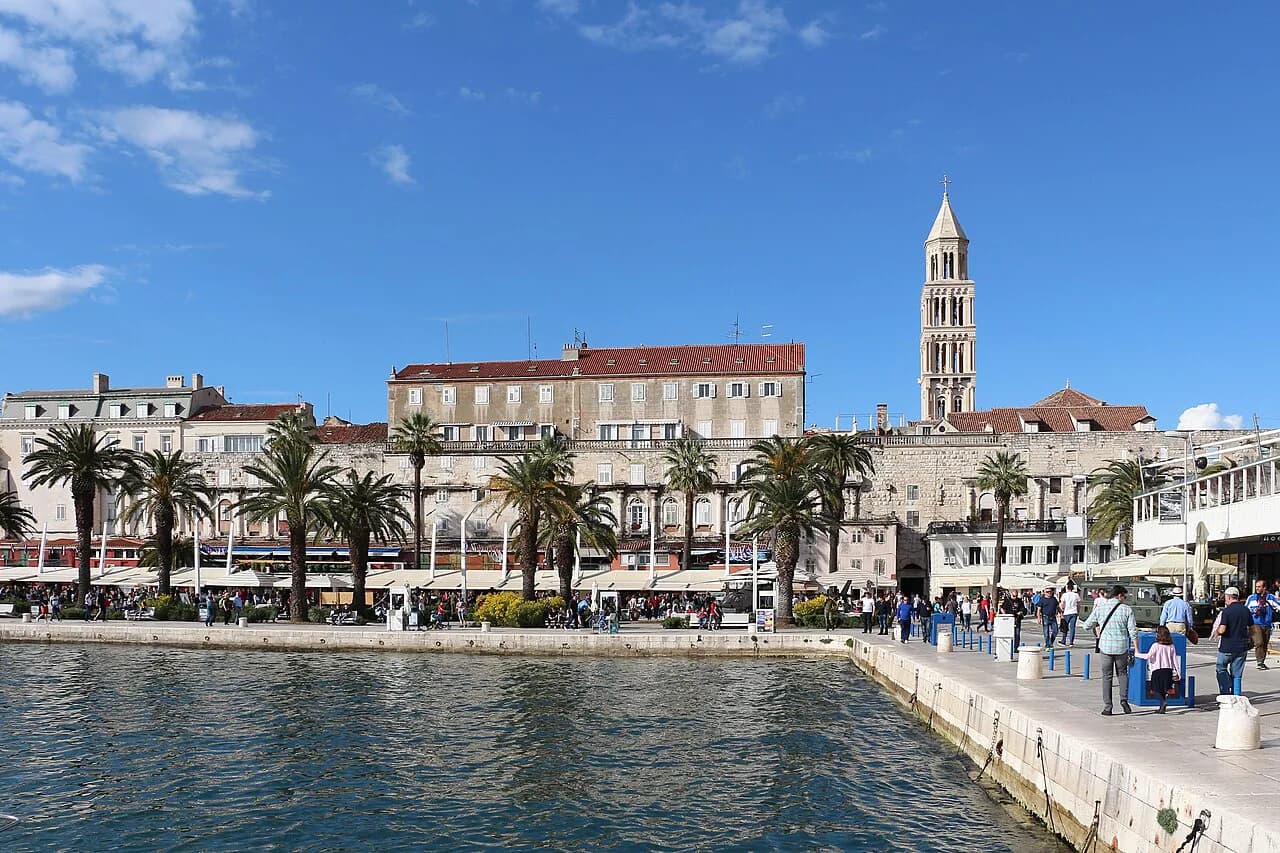
Early June still feels like a shoulder month in Split, Šibenik and the smaller islands, while late June behaves much more like peak season. Croatia in June sees hotels preparing for the summer rush, and it is described as your last chance to visit before the crowds descend. If you dislike queues at Diocletian's Palace or the Riva, aim for the first half of the month.
The final week is the point where the mood shifts most, especially in Dubrovnik and Hvar, as the summer rush draws closer. Prices follow the same curve, so the same room or boat trip may cost noticeably more once the season is in full swing; check rates for your exact dates. For a quieter alternative in the same warm season, Croatia in September offers much of June's weather after the peak has passed.
Which parts of the coast suit June: Istria, Split, Dubrovnik, the islands
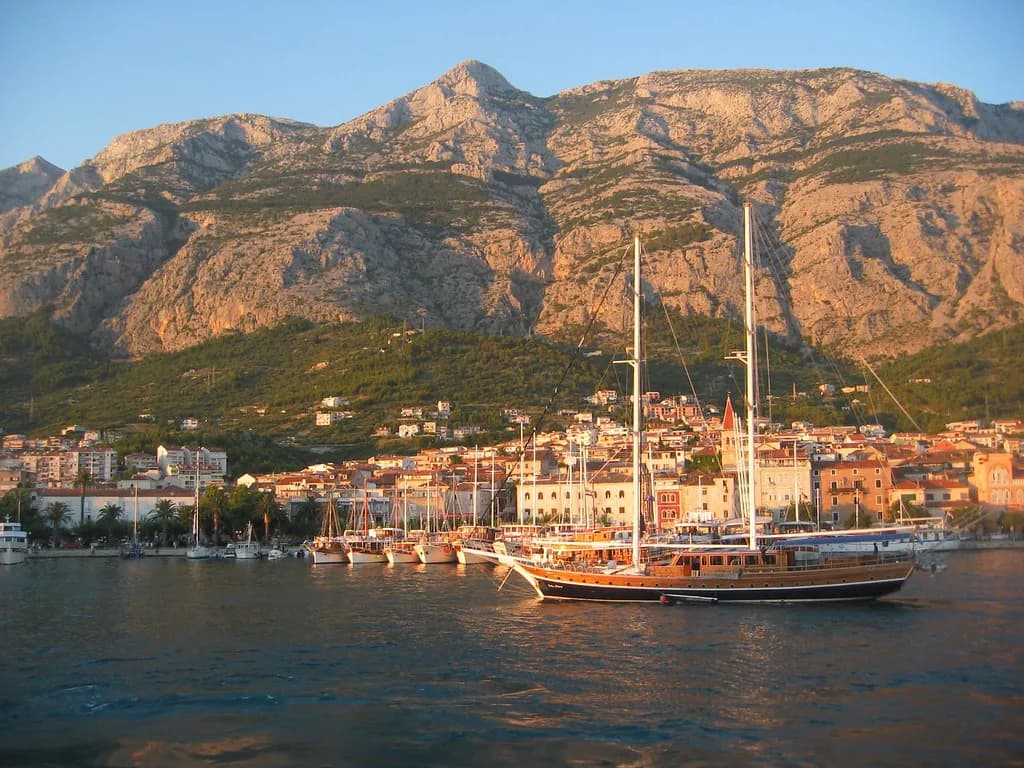
Istria and the northern Adriatic reward early June with Venetian towns such as Poreč and Rovinj that are still walkable without elbow-to-elbow crowds. Central Dalmatia around Split and the islands of Brač, Šolta and Čiovo gives you the best balance: easy ferry access, warm sea and enough choice of coves to escape the busiest spots. Dubrovnik works well in early June and becomes intense by the end of the month.
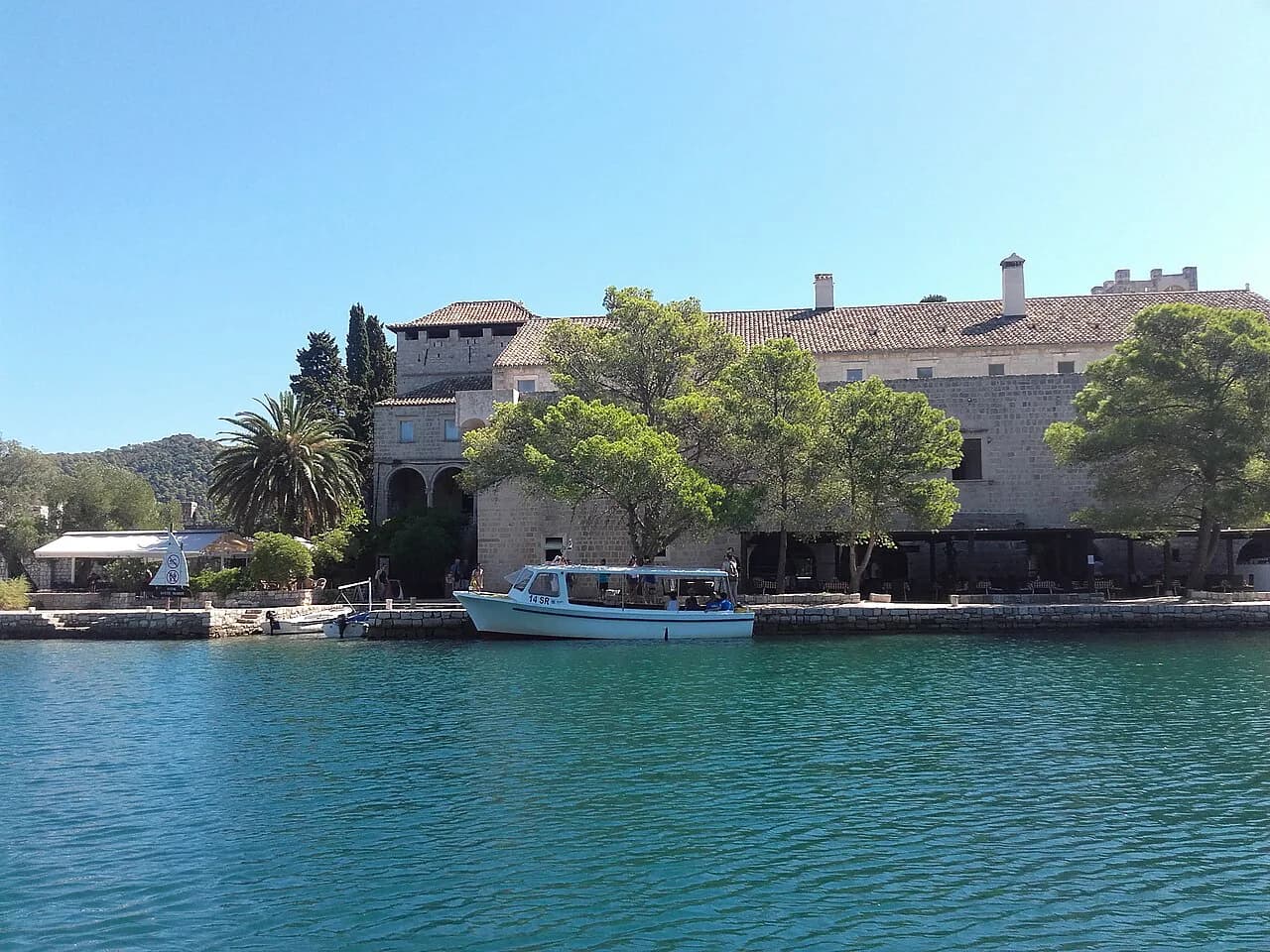
The southern islands and Pelješac are quieter and hotter, with Korčula, Mljet and the Pelješac peninsula suited to travellers who want the sea more than city sightseeing. Expect longer ferry journeys and thinner timetables outside peak season. Weigh the extra travel time against the calmer swimming and lower prices, and decide whether you would rather base in one place or move every few days.
June and the bura wind: what it does to boats and beach days
The bura is a cold, gusty north-easterly that can blow down the Adriatic even under a blue sky, and it is the single most common reason a boat trip is cancelled in June. On the coast the bura tends to be strongest in the colder months, but a June blow can still close exposed ferry routes and turn a beach day into a windbreak-and-fleece day. Keep a flexible day in your itinerary and expect water-based plans to be the first thing to change.
Watch how the wind behaves on the water rather than trusting the morning sunshine: whitecaps on open water and a sharp drop in temperature usually mean the day's boat plan is at risk. Build in alternatives such as a museum, a market or an inland town, and check with your boat trip provider on the morning rather than the night before.
Ferries and boat trips in June: what to expect from Jadrolinija, Krilo and TP Line
Ferry and catamaran services ramp up through June, with Jadrolinija running the main car-ferry network and Krilo and TP Line covering faster passenger routes along the coast and to the islands. Timetables change with the season, so check Jadrolinija, Krilo or TP Line's own published schedule for your dates rather than relying on a printed guidebook. Book car spaces and popular fast-catamaran seats in advance for late June, when demand climbs with the school holidays.
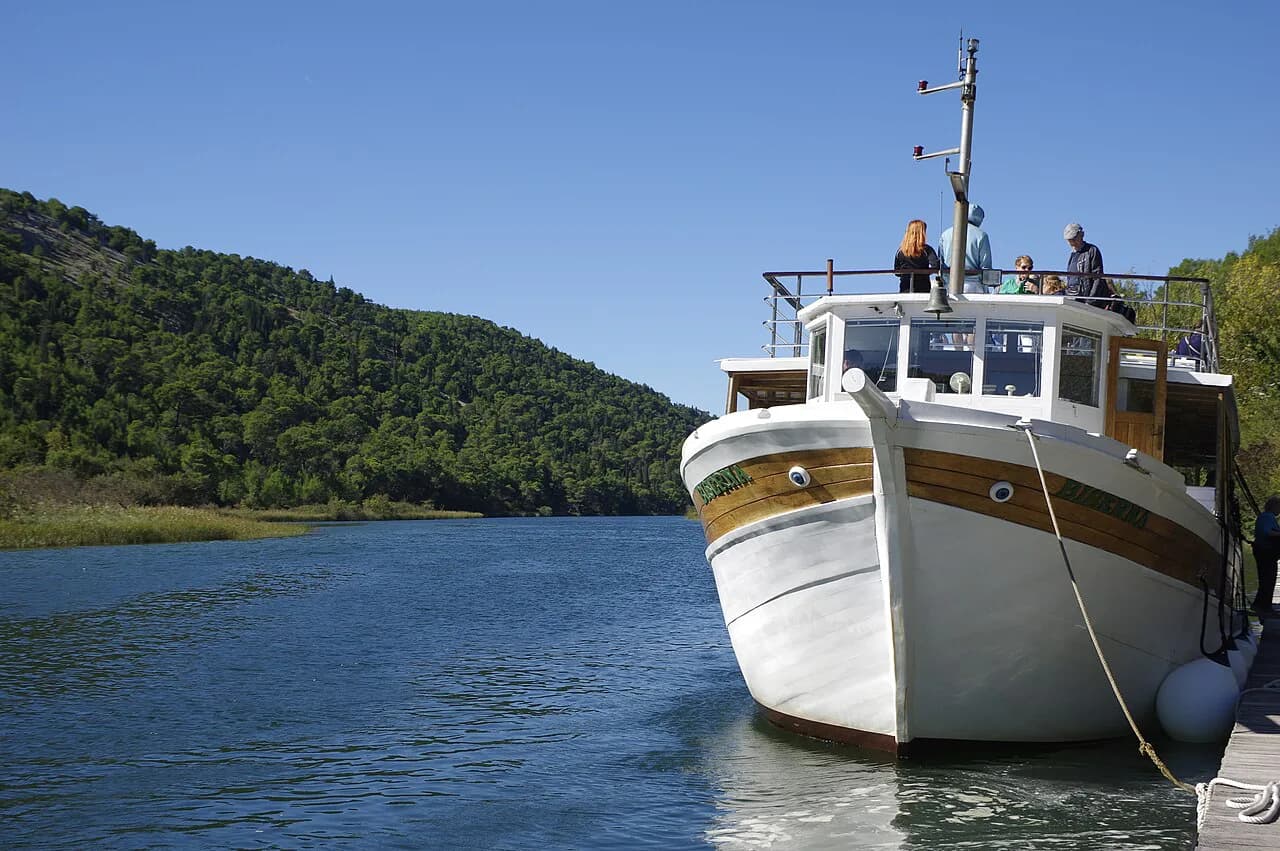
Small-ship cruising usually runs from April to October, with April and May the least busy months and calmer seas early in the season. By June the sea is warm enough to swim from the boat and most islands are open for tourism, while a small ship removes the need to queue for inter-island ferries. If you want fewer passengers on deck, choose an early June departure over a late one.
What June means for national parks and old towns: Mljet, Krka, Diocletian's Palace
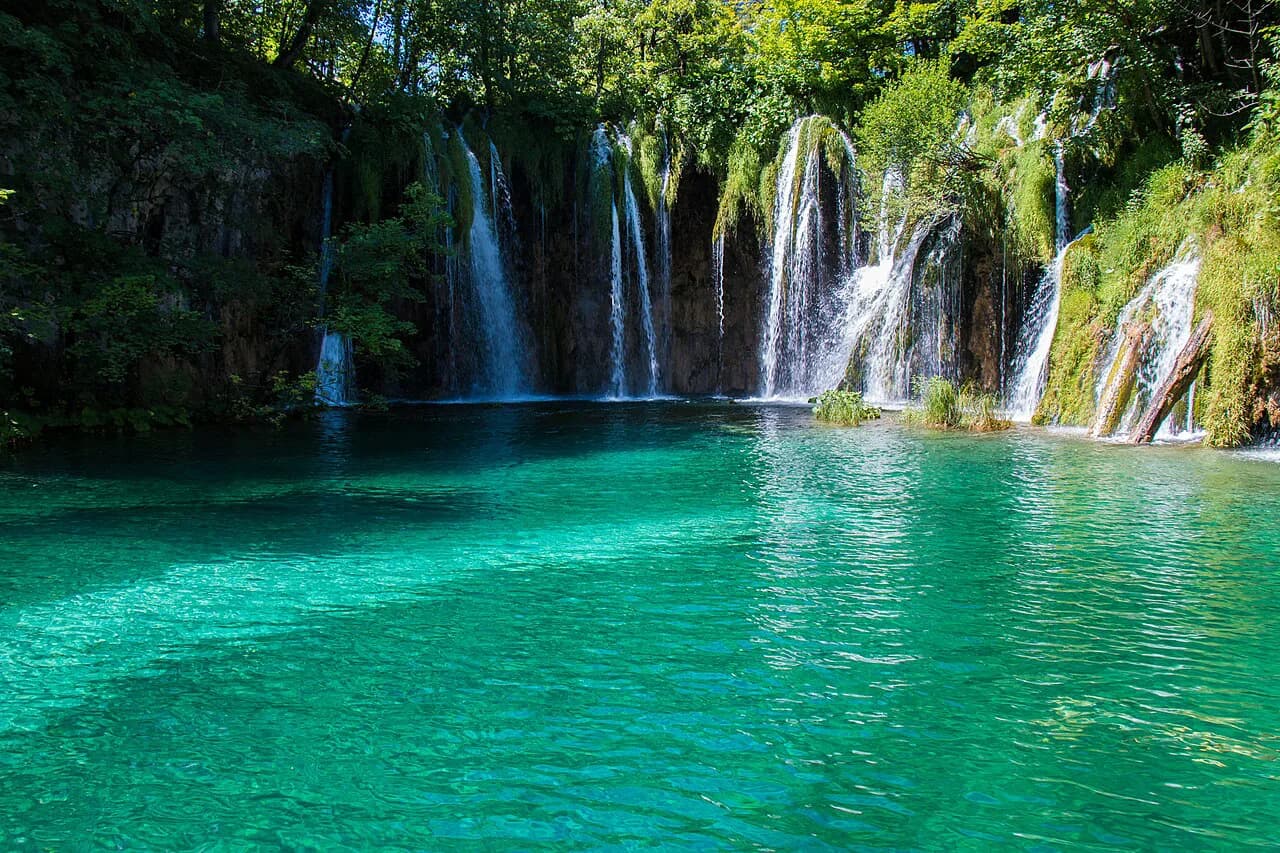
Mljet and Krka are both comfortable in June: warm enough for swimming and walking, and still short of the July and August peak. Mljet rewards an early ferry so you reach the lakes before the day-trippers, while Krka's Skradinski buk boardwalks are best walked at opening time before the heat builds. Ticket prices and opening hours change with the season, so buy from the park authority's official site for your dates.
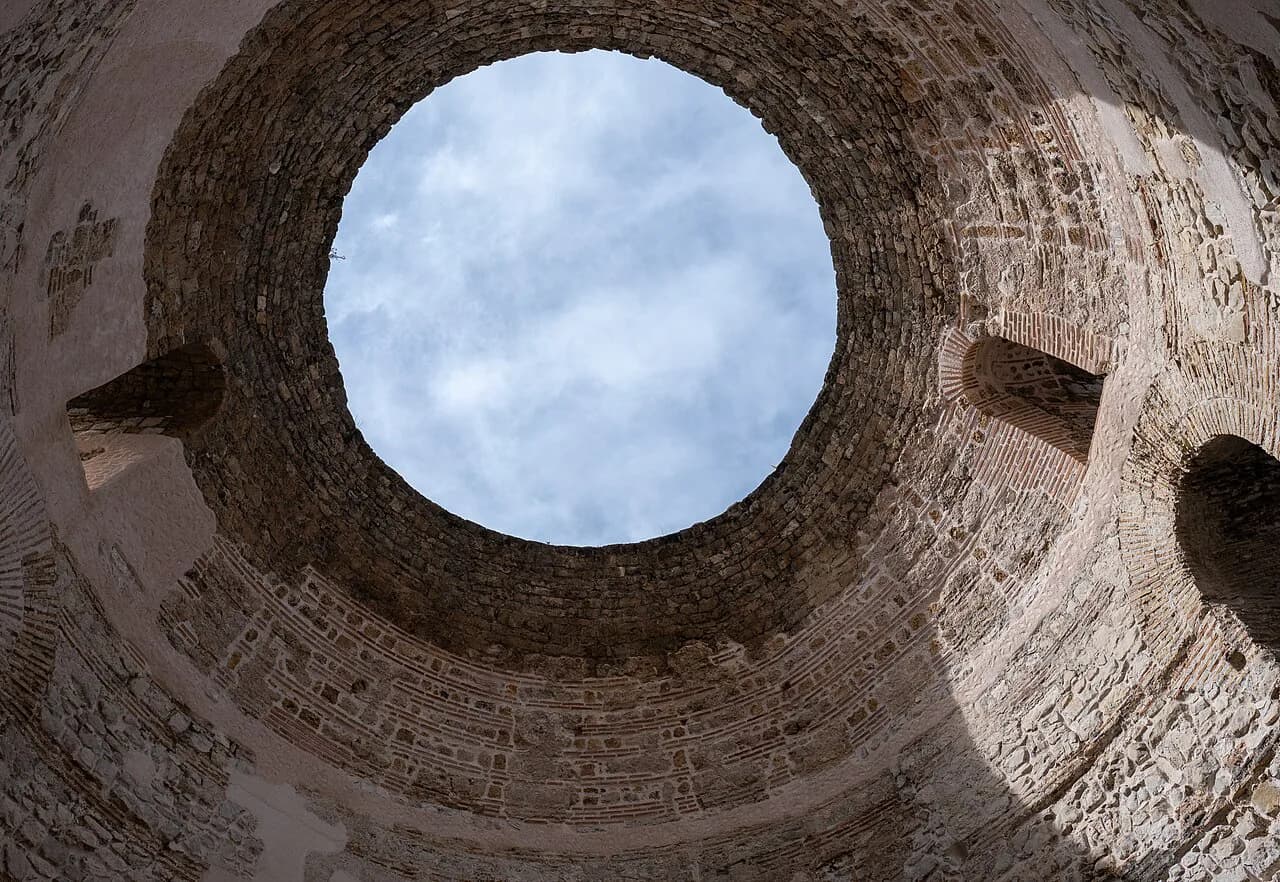
Old towns are at their best before about 10am and after 5pm, when the cruise crowds thin and the stone stops radiating heat. In Split, Diocletian's Palace and the Riva are far more bearable early in the morning than at midday, and in Šibenik the climb to St Michael's Fortress is easier before the sun peaks. If your trip can flex, June is the month to see these places without the August squeeze. For the contrast with high summer, see Croatia in July.
June versus July and August: the trade-off in heat, crowds and prices
July and August give you hotter days and warmer sea, but they also bring the heaviest crowds, the highest prices and the most pressure on ferries and hotels. June trades a little warmth for noticeably more breathing room, especially in the first three weeks. For most travellers the sensible answer is early or mid June if you value calm, and late June if the sea temperature matters more than the crowds.
Cost is the other lever. Because June straddles the shoulder and peak seasons, the same accommodation and boat trips are generally cheaper earlier in the month than once the summer rush is under way, and the difference is often large enough to fund an extra night. Compare quotes for your preferred dates before committing, and consider shifting a week earlier rather than paying peak rates for identical weather.
When in June to go: early, mid or late month
Choose early June for empty old towns, lower prices and easy ferry seats, accepting that the sea will be bracing and some services still on shoulder hours. Choose mid June for the sweet spot: warm water, long days and crowds that are lively rather than overwhelming. Choose late June only if you need the warmest sea and the fullest choice of boat trips, and book accommodation and crossings well ahead. For a cooler, greener alternative on the same coast, Croatia in October offers similar light with far fewer people.
Whichever week you pick, arrange the fixed points first: a car ferry or catamaran crossing, a small-ship departure and any National Park day. Then build the rest of the trip around swimming, old towns and the odd indoor afternoon for rain. That way a June shower or a bura gust costs you an afternoon rather than the whole itinerary.
Which week of June should you book?
Book the first or second week of June if you want Croatia at its most manageable, with lower prices, roomier old towns and ferries you can book at short notice. Accept a cooler sea, a higher chance of a rainy afternoon and a few places still on shoulder-season hours.
Book the last week if warm swimming and a full choice of boat trips matter most, and be prepared to pay peak-adjacent rates and share Diocletian's Palace, the Riva and Dubrovnik's walls with far more people. Either way, fix your ferry operator and park tickets early and leave one flexible day for the bura.
Explore more Croatia guides
Frequently Asked Questions
What are the dos and don'ts in Croatia?
Do carry euros, since Croatia adopted the euro in 2023, and do swim at beaches with other people around. Don't treat the bura as harmless: it can cancel boat trips and close exposed stretches of coast even on a sunny June day. Do start old-town sightseeing early to avoid the midday heat and cruise crowds.
Is Dubrovnik too hot in June?
No. Dubrovnik averages around 25°C in June with nine hours of sunshine, which is warm but short of the July and August peak. The bigger issue is the crowds, and they build sharply towards the end of the month, so early June is the more comfortable choice.
Does it rain in Croatia in June?
Yes, but not heavily. Dubrovnik sees around 48mm of rain over roughly six days in June, and showers tend to pass quickly rather than settle in. Pack a light waterproof and keep one indoor option in mind, such as a museum or market.
What's nicer, Dubrovnik or Split?
Split works better as a June base: Diocletian's Palace, the Riva and easy ferries to Brač, Šolta and Hvar give you more choice of day trips. Dubrovnik is more dramatic and more compact, but it is also more crowded and better suited to a shorter stay.
Sources
Notes from the Croatian coast
Optional updates when our guides change.
You might also like
Continue reading
More guides you'll find useful