Croatia in April: Weather, Crowds and What's Actually Open
Croatia in April brings mild days, a cool sea and quiet old towns. Here is how the weather behaves and how to plan a shoulder-season coastal trip.
On this page
April in Croatia suits sightseeing, not swimming. Dubrovnik's April weather is mild and pleasant enough for outdoor exploration, while the sea stays cool enough that most people cannot really swim comfortably. This guide covers what the weather does along the coast, how crowds behave before the season starts, which towns work well that month, and how April compares with waiting for late May.
What April in Croatia is actually like
Think of April as a walking month. Dubrovnik in April offers mild, moderate temperatures and plenty of scope for outdoor exploration, which fits old-town wandering, fortress walls and Roman ruins far better than beach time. Travellers comparing April with the height of summer describe cooler weather and a sea that is not really swimmable for most people. Plan your days around sights and streets, and treat any swim as a bonus rather than the point of the trip.
Expect a pre-season rhythm. Old towns are generally quieter than in high summer, and some seasonal venues and boat services may not yet run their full summer schedules, so the choice of trips can be thinner than in July or August. Build in flexibility: keep one or two days loose so a wet or windy morning can be swapped for a museum or a covered market rather than written off.
April weather along the coast and what to pack
Dubrovnik in April is mild rather than hot, with moderate temperatures and a mix of brighter and cloudier days. That is comfortable for climbing city walls and staircases, but it is not the settled heat of midsummer, so a warm afternoon can be followed by a cool, damp one. Treat the figures as typical climate averages for the month, not a forecast for your dates.
Pack in layers. A light waterproof shell and a thin jumper earn their place more than a suitcase of summer clothes, and sturdy shoes matter on polished old-town stone and stepped alleys. To see how the months compare across the country, the guide to the best time to visit Croatia sets April against the warmer months. That context helps you decide whether mild and quiet beats hot and busy for the trip you have in mind.
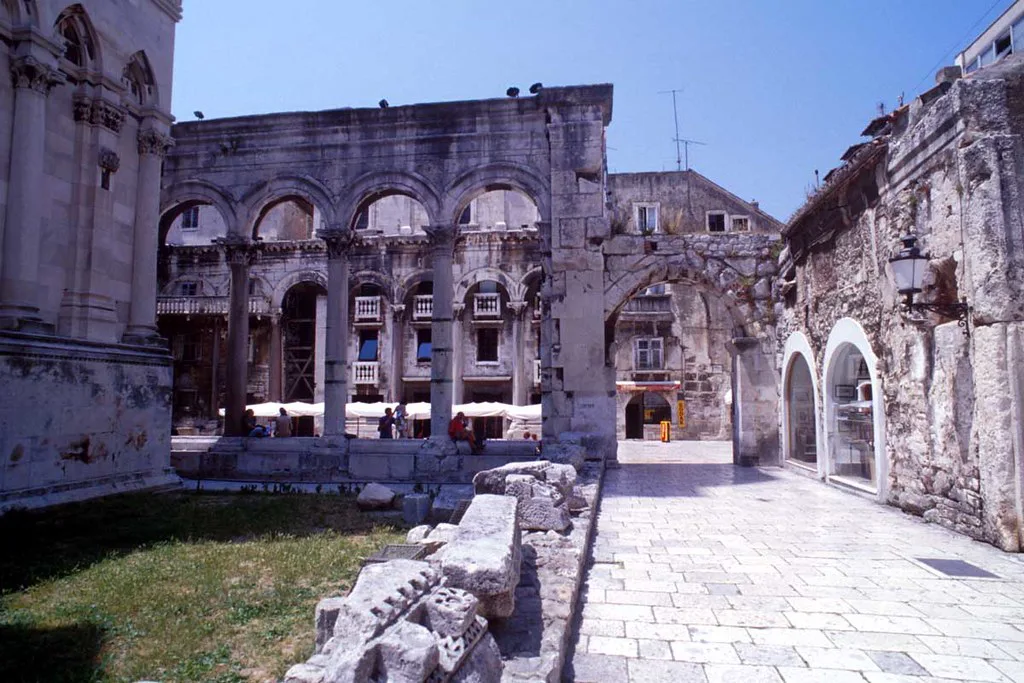
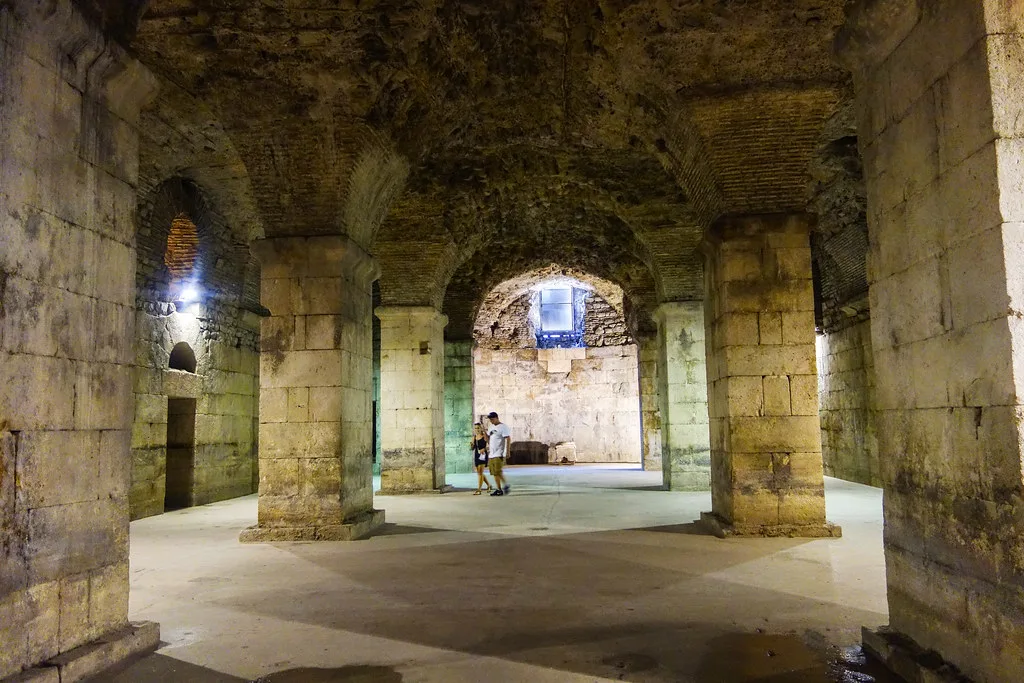
Plan each day around one indoor option and one outdoor one. In Split, Diocletian's Palace works in almost any weather because so much of it is enclosed in lanes and arcades. The wider guide to Croatia in spring sets out how the season unfolds along the coast. Keep the Sea Organ for a dry, breezy hour, since its appeal depends on sitting still and listening.
Is the sea warm enough to swim in April?
For most travellers, no. Travellers who know the coast describe April as similar to the season but with cooler weather, and say you cannot really swim unless you are unusually hardy. The Adriatic does warm through the spring, but April sits before the comfortable swimming window that arrives in early summer. Cold-water swimmers will manage a short dip; everyone else should expect to admire the water rather than spend afternoons in it.
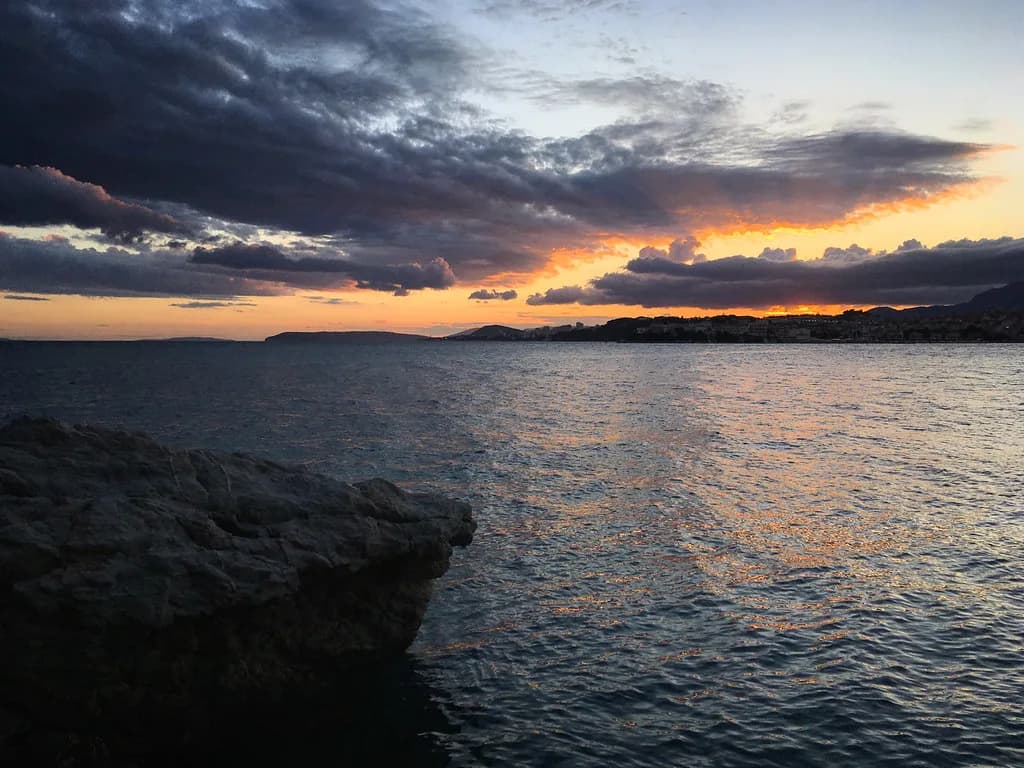
This changes how you should shape an island day. Rather than building the itinerary around a beach, use the time for harbours, stone lanes and boat views, and ask your accommodation in advance whether a pool is open and heated before you rely on one. If swimming is non-negotiable, April is the wrong month and it is worth looking at Croatia in May and later months, when the sea has had longer to warm.
Crowds and prices before the season starts
April sits outside the main season, which runs from late May through late September, so the busiest crowds and the fullest opening of restaurants and attractions have not yet arrived. Expect quieter walls in Dubrovnik and easier tables in Split. If a particular museum, site or restaurant matters to your trip, check its opening directly before you build a day around it.
Prices generally follow demand, so pre-season weeks tend to be cheaper than peak July and August, though April is no longer a secret and popular places still attract visitors. Compare your dates against high-summer rates, and weigh a cheaper room against the chance of a thinner boat schedule. If you want the contrast spelled out, the summer-month guide to Croatia in July shows how different the coast feels once peak season is under way.
Which coastal towns and islands work well in April
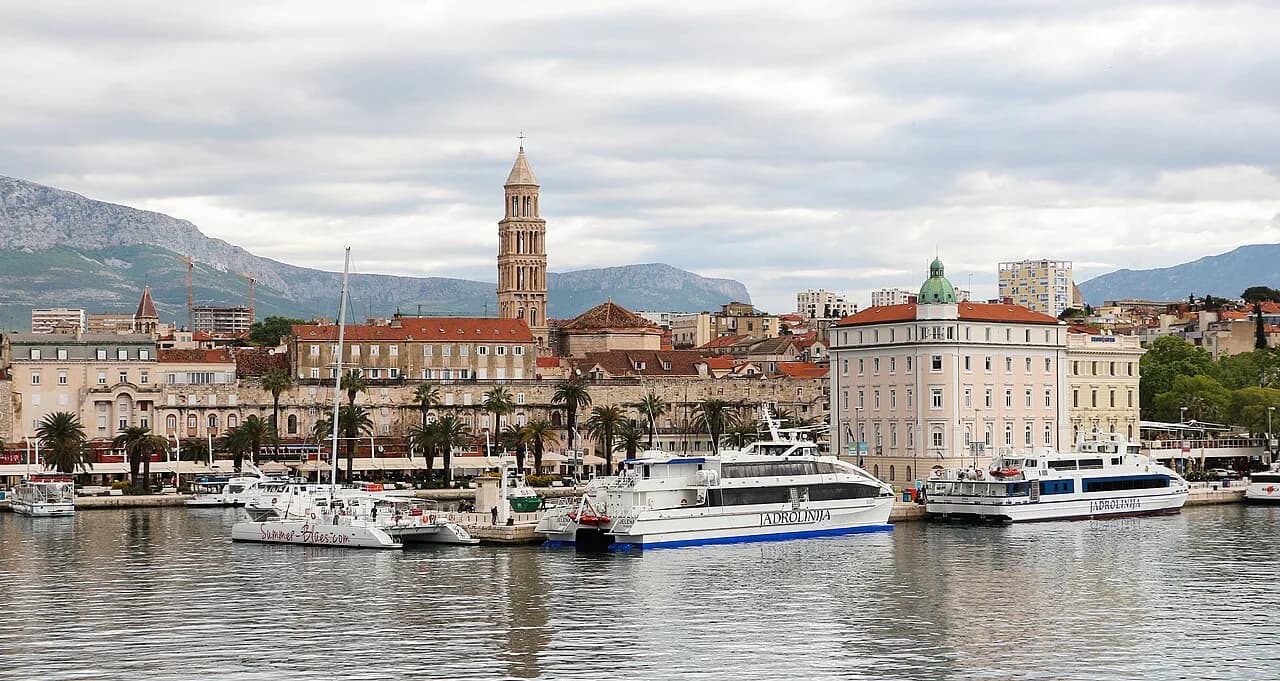
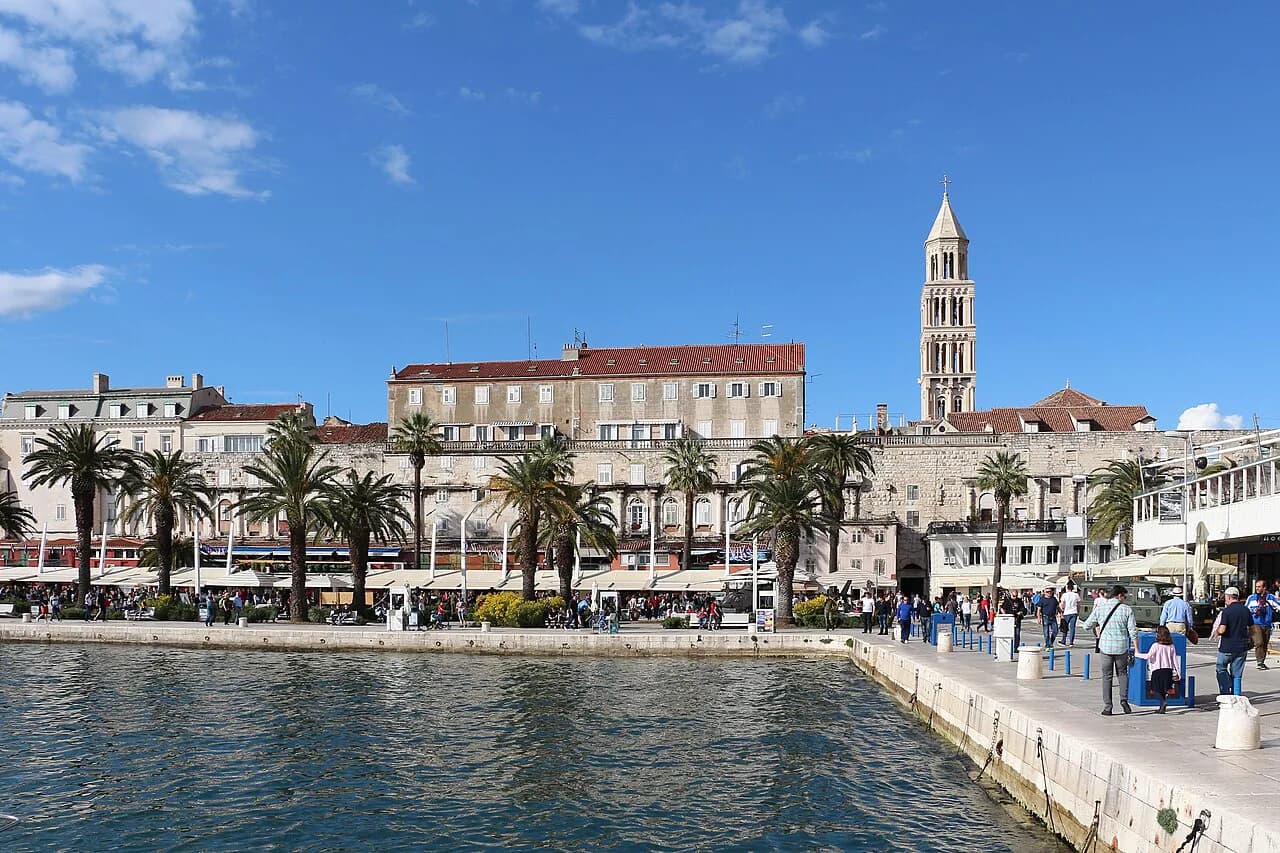
Split is the strongest April base for a first visit. Diocletian's Palace gives you a compact Roman core to explore on foot in changeable weather, and the Riva is made for a slow coffee between showers. Dubrovnik rewards the same approach: walk the walls in the middle of the day when it is mild, and use the quieter mornings for the old-town lanes. Both cities give you enough indoors to absorb a wet day without wasting it.
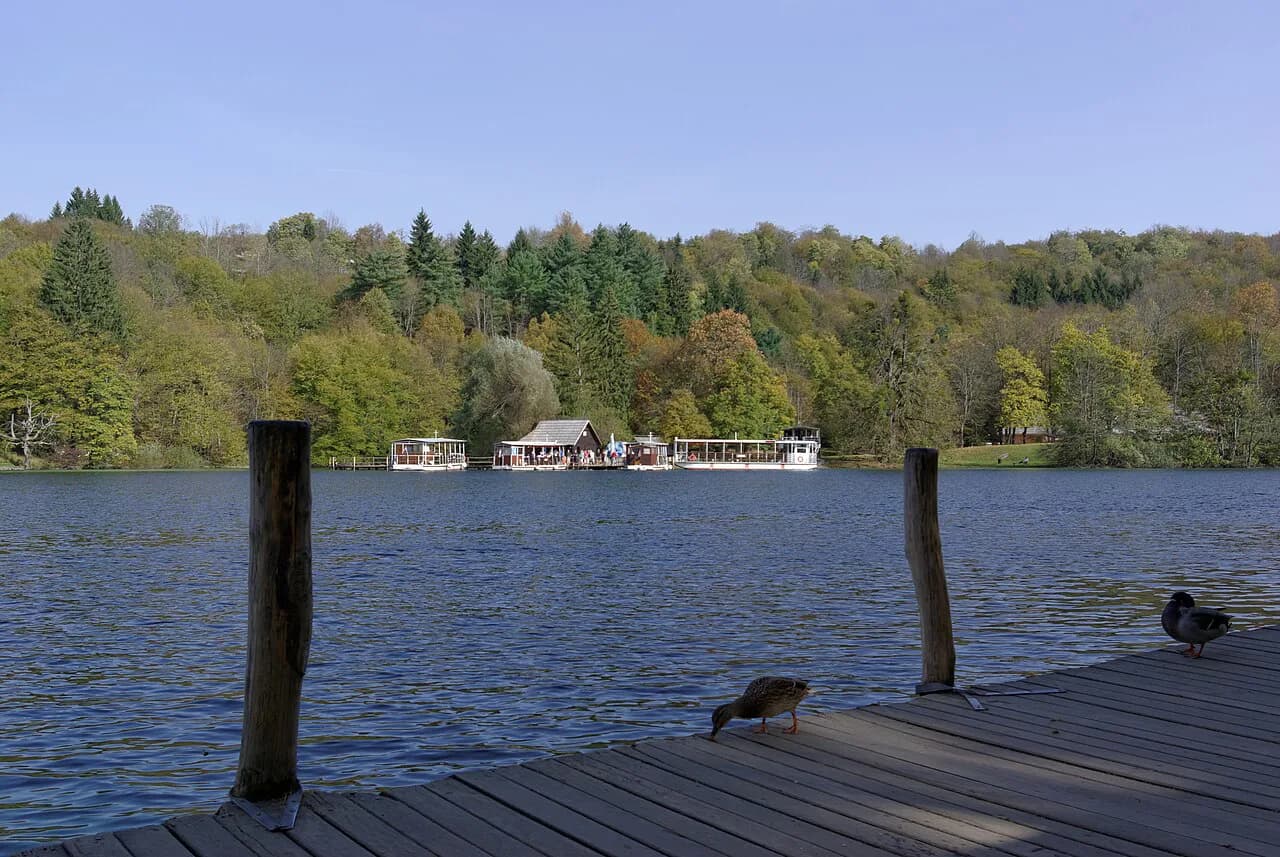
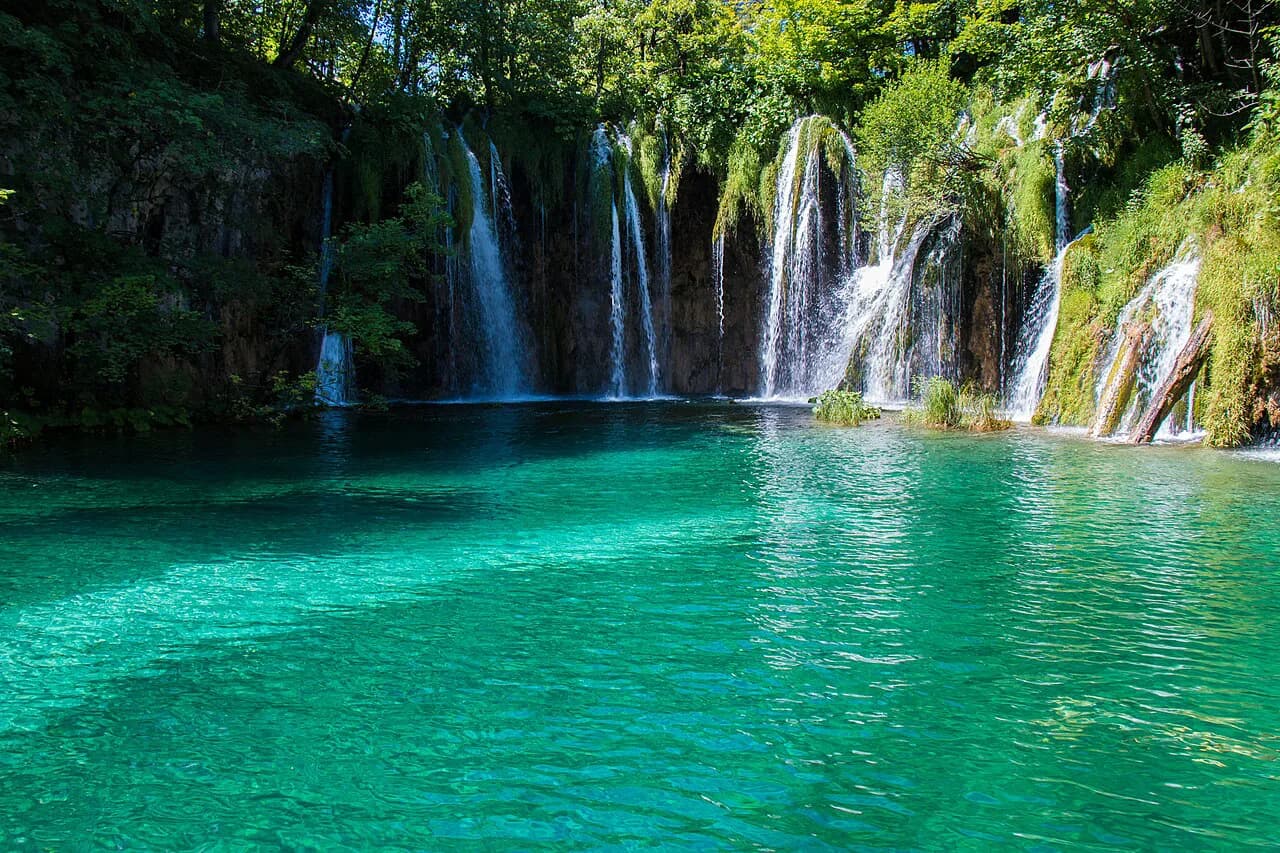
Further north, Istria and the Kvarner coast suit a slower April trip built around towns rather than swimming. Poreč, with its Venetian and Roman layers, and the harbour towns around the Kvarner Gulf reward wandering and long lunches. In Dalmatia, Šibenik's compact centre and its fortresses make a good half-day, and Korčula's walled lanes are pleasant without summer density. Plitvice Lakes National Park is a different April proposition: spring melt feeds the lakes, but check boardwalk conditions and opening arrangements with the park before committing.
Ferries and catamarans in April
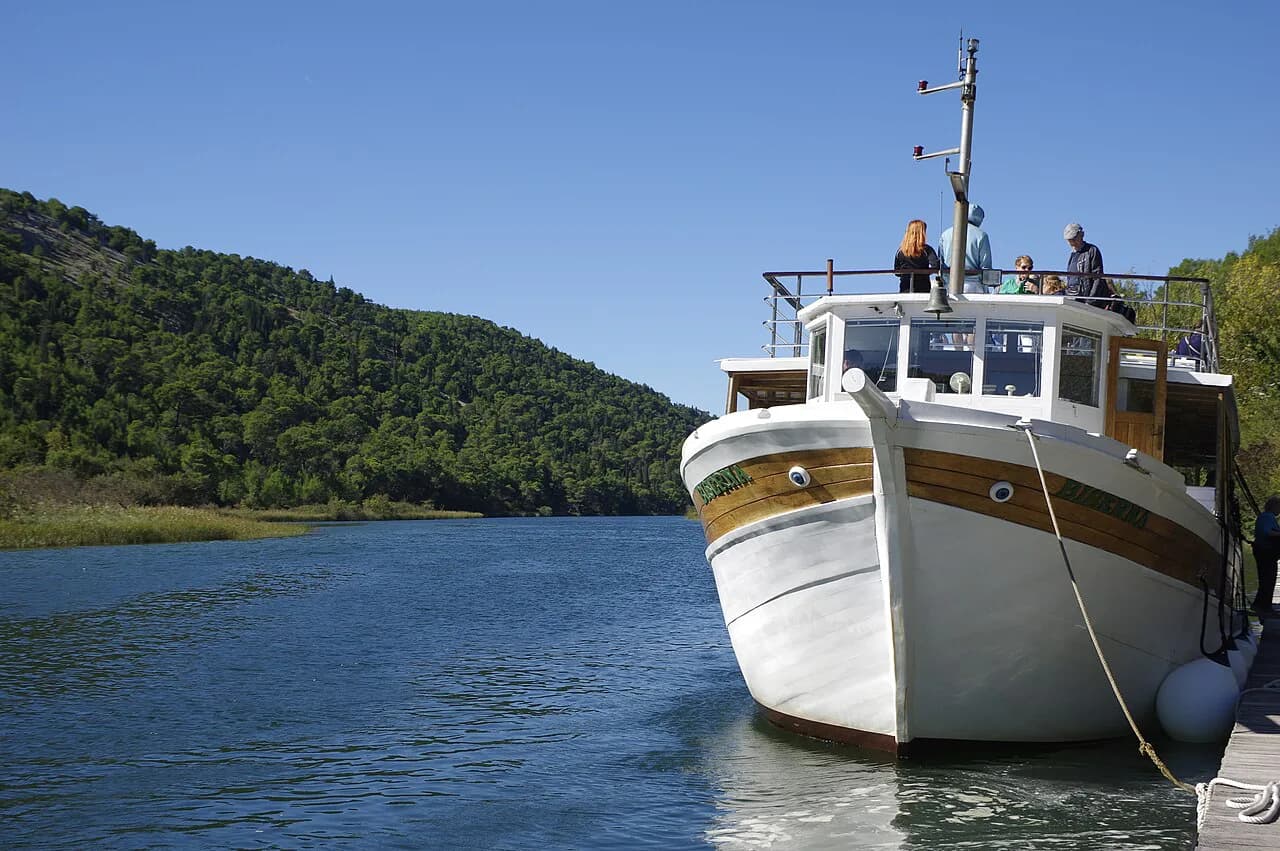
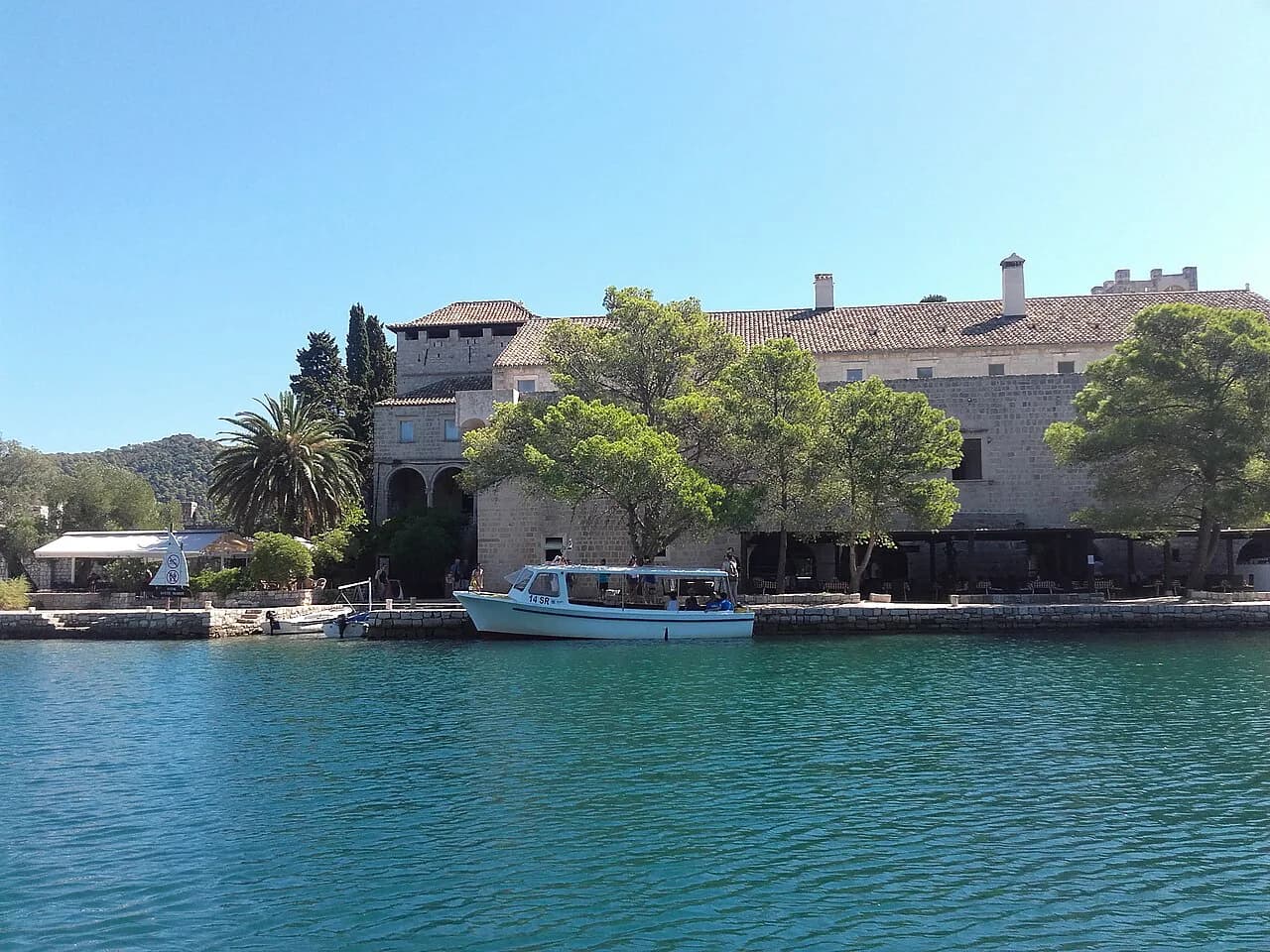
Main coastal ferries and catamarans generally run year-round, but April can sit between the winter timetable and the full summer one, so check rather than assume a July-and-August frequency. Each operator publishes its own timetable — check the sailing you actually need on the operator's site rather than relying on a summer schedule quoted elsewhere. Build island hops around the boat you can confirm, not the one you would prefer.
The same caution applies to boat trips and excursions, from day sails out of Split to trips to the islands. In April the choice can be thinner and more dependent on the day's weather, so keep a mainland plan as a backup and buy flexible tickets where you can. If your trip hinges on reaching a particular island, check the sailing early and treat your own plans as movable.
Changeable weather and how to plan around a wet day
Changeable spring weather can bring wind as well as rain. On windy days, choose sheltered old-town streets and indoor sights, and avoid exposed walls, viewpoints and small boats. Strong wind can also disrupt ferry and catamaran services, so check operator notices the evening before you travel and have a plan B in the same town.
A sensible April day pairs one indoor anchor with one outdoor stretch: a museum or cathedral in the morning, a harbour walk when the sky clears. A light waterproof layer handles most of what the month can throw at you. Croatia in May shows how the weather settles as spring turns into the start of the main season.
April versus May and June: which month suits your trip
Choose April if you want the old towns without the crush, accept changeable weather, and are happy to treat the coast as a place to walk and eat rather than swim. It suits city breaks in Split and Dubrovnik, a slow loop through Istria, and travellers who would rather carry a jacket than queue. It is not the month for a beach-centred holiday or a tightly packed island-hopping schedule that depends on frequent boats.
Choose late May or June if swimming, longer opening hours and a fuller boat timetable matter more than empty streets. The main season runs from late May, and by June the coast is warmer and the sea is more inviting. The sea warms gradually, so a June trip gives you more comfortable water than April without the full August crowds. If swimming is the deciding factor, look at Croatia in June before you commit to a spring date.
Should you choose April or wait for late May?
Pick April if your trip is about old towns, fortresses, Roman streets and long lunches, and if you can live with a jacket, a shower or two and a slimmed-down boat timetable. Book flexible travel and keep one indoor option for every day, then treat any warm, still afternoon as a gift rather than the expectation. Skip April if you want to swim daily or depend on frequent island crossings.
If the sea is the main event, wait for late May or early June, when the coast warms up and the season opens properly. If you go in April, confirm your key ferry and catamaran sailings with the operator in advance and check opening arrangements with any museum or park you have planned around.
Explore more Croatia guides
Sources
Notes from the Croatian coast
Optional updates when our guides change.
You might also like
Continue reading
More guides you'll find useful