Croatia in September: Weather, Crowds & When to Go
Daytime highs on the Dalmatian coast in September typically sit around 24–28°C. Here is how a Croatian coastal trip shapes up in the shoulder month.
On this page
Daytime highs on the Dalmatian coast in September typically sit between 24°C and 28°C according to the seasonal guide, though the rest of the month's weather, sea conditions and ferry detail are not fixed by that figure alone. It suits travellers planning around old towns such as Split, Šibenik and Zadar outside peak August, and the month is worth weighing against other travel windows when you use the Best Time to Visit Croatia.
Croatia in September: the short answer
September is often described as a shoulder-season month for coastal itineraries. Daytime highs along the Dalmatian coast typically sit between 24°C and 28°C, with cooler evenings, according to the seasonal guide. That is comfortable for walking old-town streets such as Split's Kalelarga or Zadar's Riva rather than wilting in midday heat, and it makes the month worth weighing up when you consider the Best Time to Visit Croatia.
September is a transition month rather than a continuation of high summer. Trip planning should allow for the fact that coastal weather in the shoulder season can change between days, so build some flexibility into any island-hopping itinerary.
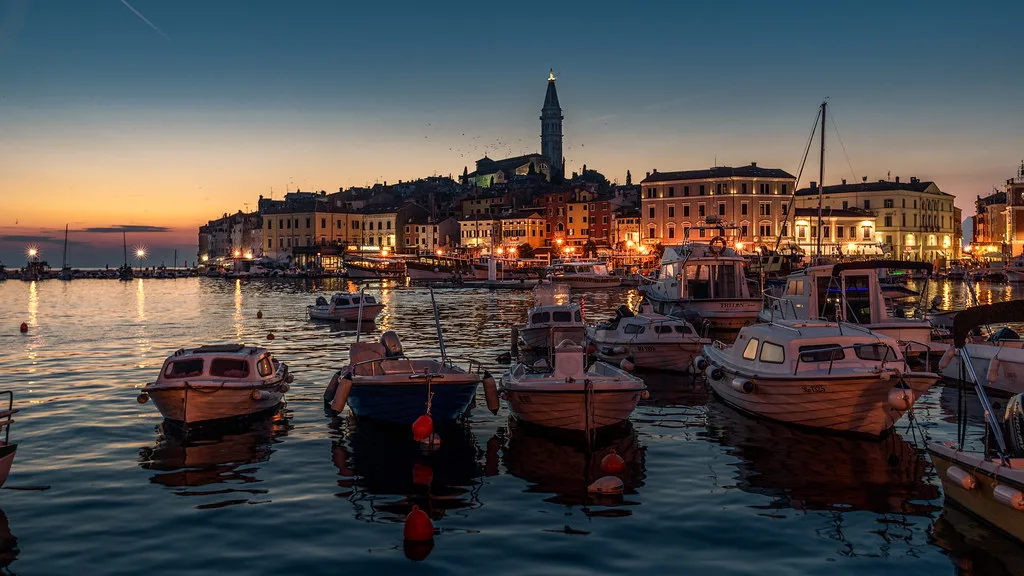
How hot is Croatia in September on the Dalmatian coast?
On the Dalmatian coast the daytime highs typically fall between 24°C and 28°C, with cooler evenings, according to the seasonal guide. Inland areas and higher ground are generally cooler than the coast, so a day away from the shore tends to feel fresher.
How hot is Croatia in September? Daytime highs on the Dalmatian coast typically sit between 24°C and 28°C, with cooler evenings than high summer. Inland areas and higher ground run cooler still.
Can you swim in Croatia in September? Swimming is often possible for much of the month given the coastal daytime highs of 24°C to 28°C, especially around Korčula, Brač and Hvar, though cooler evenings and wind can change conditions.
Do ferries run less often in September? Ferry and catamaran frequency can change as operators move between peak and shoulder-season schedules, and longer island routes can be affected first. Check the current timetable close to your travel dates.
As the month goes on, cooler evenings become more likely, so a layer for the evening is worth packing. Old-town squares, waterfront promenades and coastal walks remain comfortable at those daytime temperatures.
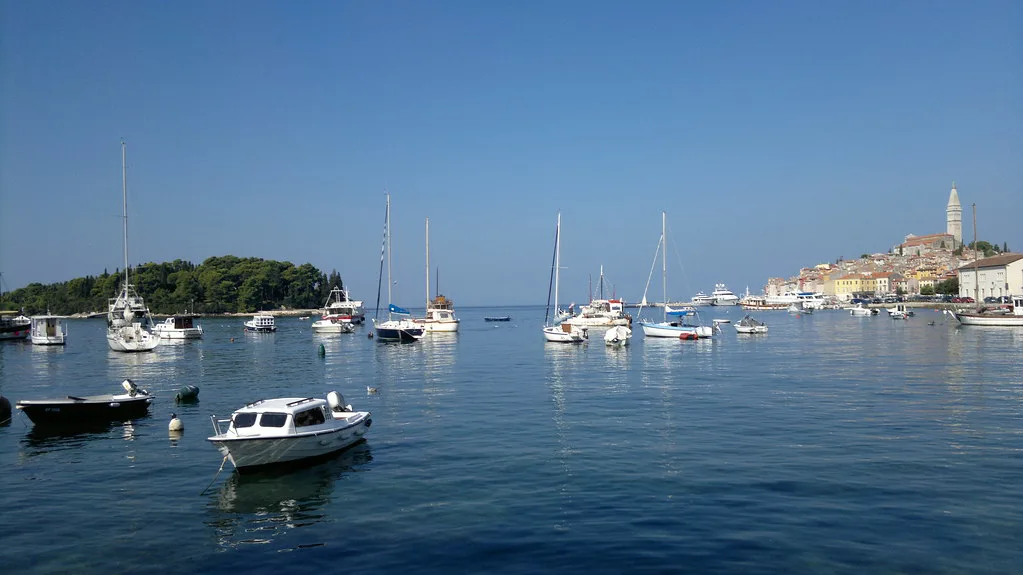
Can you still swim in September?
With daytime highs of 24°C to 28°C on the Dalmatian coast, sea conditions and swimming vary across September around Korčula, Brač and Hvar, so treat any day on the water as one to check before you commit.
The bura wind can affect exposed channels and open beaches, roughening conditions while a leeward bay stays calmer. Check the forecast before committing to a long swim, and treat a bura warning as a reason to change plans rather than push on.
September versus August: crowds and the old towns
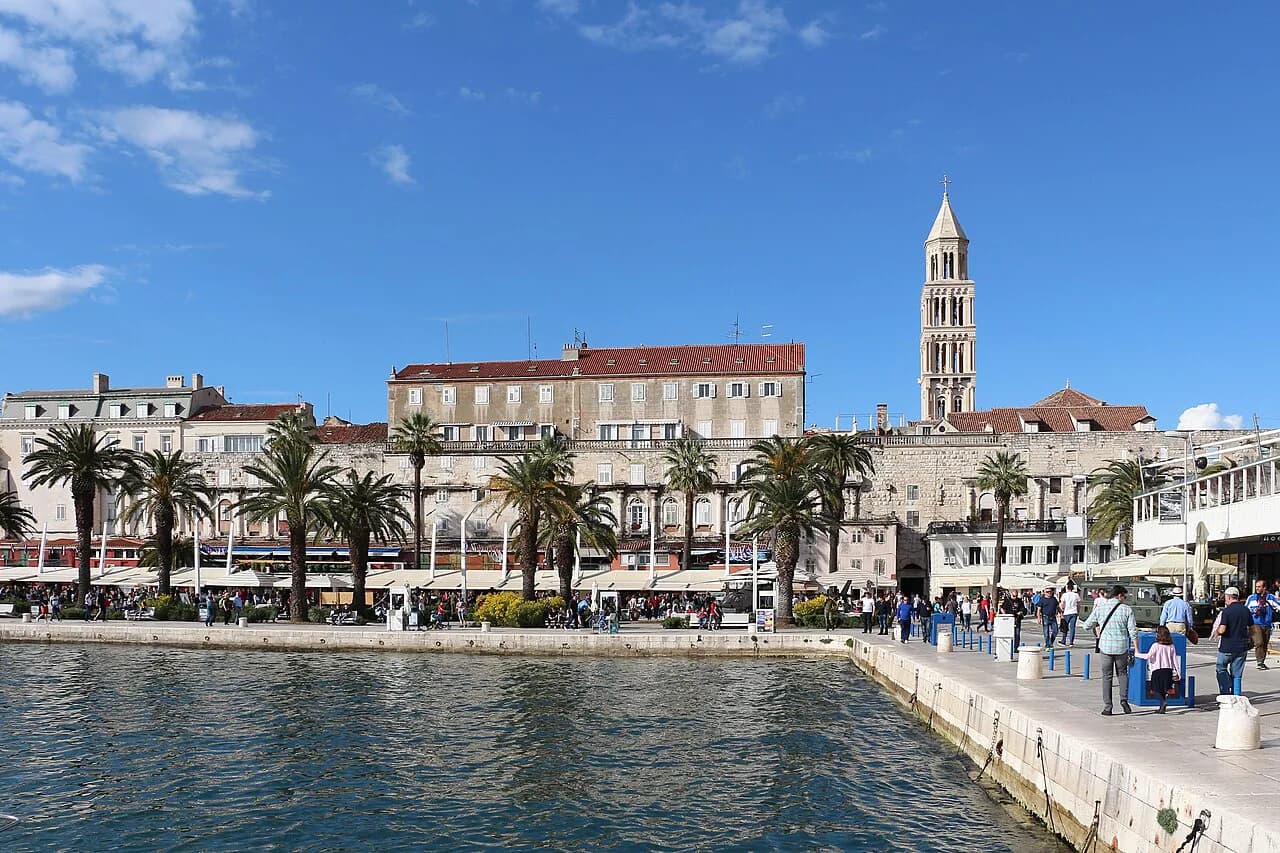
The old towns tend to feel lighter in September than at the August peak. Split's Diocletian's Palace and the Riva, and Zadar's waterfront, are easier to walk when the peak-season crowds have thinned.
If you want a baseline for how different the coast feels at peak, the same streets carry the full summer load in August, and September usually gives you much of the warmth with less of the friction.
Ferries and catamarans in shoulder season
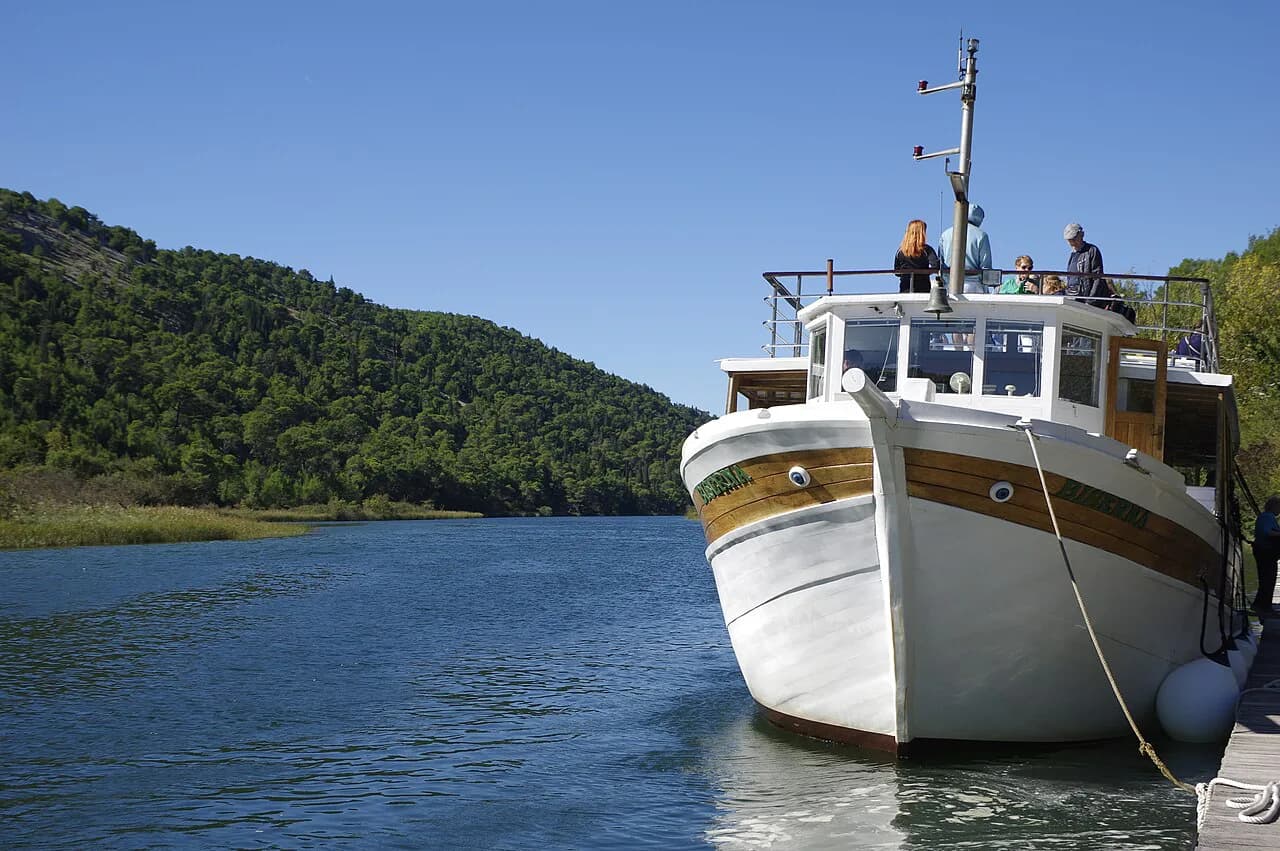
Ferry and catamaran frequency can change in September as operators shift schedules between the peak and shoulder seasons. The change can matter on longer hops such as to Korčula, Brač, Hvar and Lošinj, so book island crossings early in the trip to leave room for a rebooking.
If your plan depends on a specific sailing, check the current timetable close to departure rather than relying on a summer schedule saved months earlier.
Where to go in September: Split, Šibenik, Zadar and the islands
Split works well as a September base: Diocletian's Palace, the Riva and the ferry port put Brač, Hvar and Šolta within reach, and the old town is easy to explore. From there, Šibenik gives access to Krka's Skradinski buk and Roški slap, while Zadar combines a compact old town, the Sea Organ (Morske orgulje) and ferry links to the islands.
For a quieter September, head for the islands: Korčula's walled town, Pučišća on Brač with its stone-carving tradition, or Komiža on Vis for a slower pace. Lošinj in the Kvarner Gulf suits travellers who want a greener coast and fewer day-trippers. Pick two bases rather than five and you will spend less time on ferries and more time in the places you came for.
Rather than chase specific events, use the month's often quieter roads to explore inland Istria around Motovun and Poreč, or the Pelješac peninsula, where the pace tends to slow after August.
The bura wind and the odd September storm
September can bring the return of the bura, the cold, gusty north-easterly that funnels down towards the coast and can turn a calm morning into a rough afternoon. It affects exposed crossings, open beaches and any boat trip with a long stretch of open water, so a flexible itinerary is worth more than a tightly booked one. When a bura warning is issued, sheltered channels and leeward bays often remain workable while exposed routes close down.
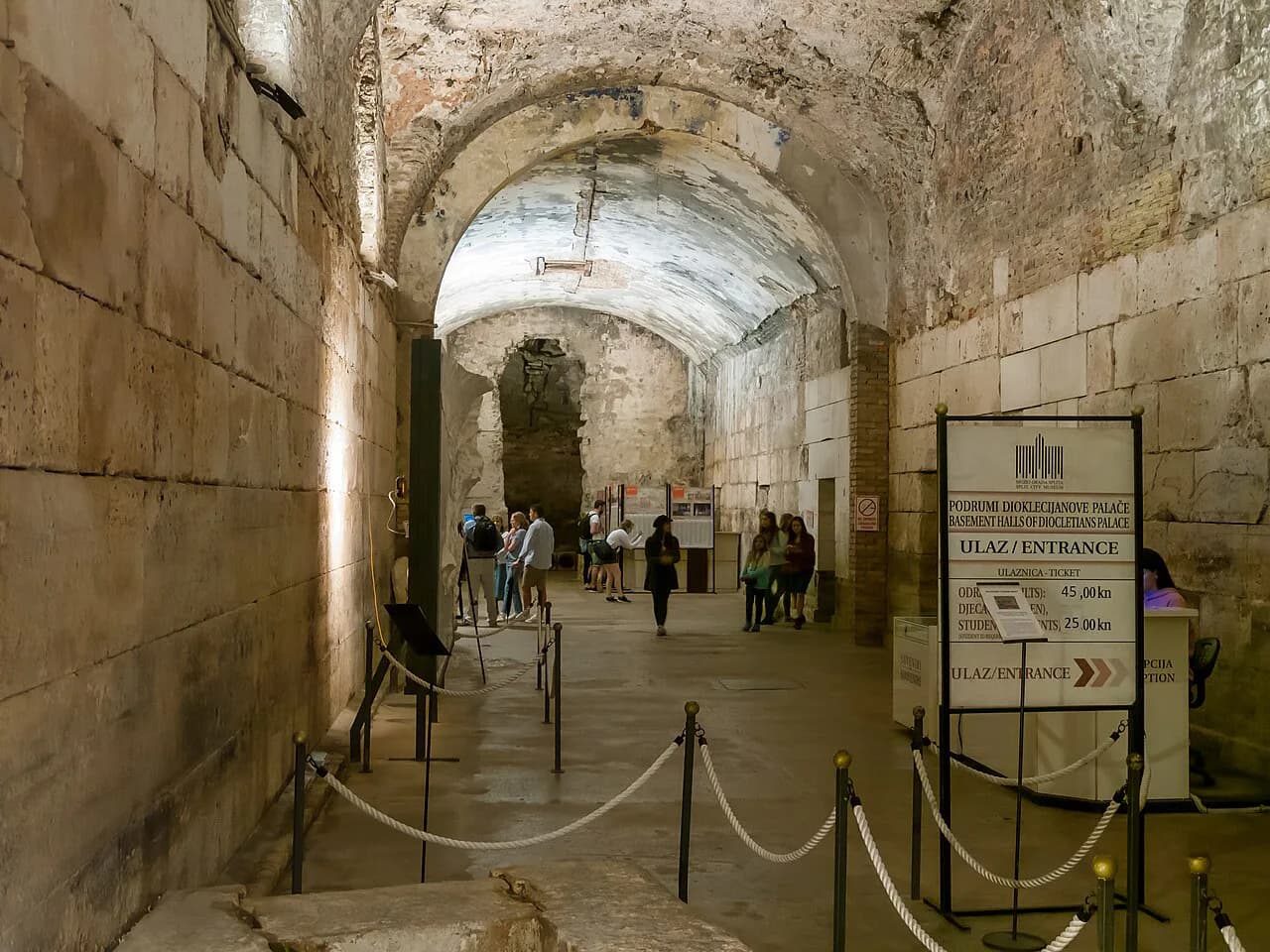
Short, intense thunderstorms can also become more common as summer breaks down, often clearing within hours. They are a reason to keep a backup indoor plan, such as a museum or a wander through Diocletian's Palace's cellars, rather than a reason to avoid the month.
Costs in euros: what September does to prices
Prices on the coast are in euros, so there is no need to change money for kuna. September can mean more availability and softer accommodation rates than August, but ferry fares and museum and National Park tickets are set by the operating companies and park authorities and vary by season. Check the official pages for the current fare or ticket before you budget.
Outside the peak, some seasonal businesses reduce their hours or close towards the end of the month, particularly on smaller islands, so a place you read about may not be open for your dates. Build a little slack into daily plans and treat the shoulder season as a reason to confirm rather than assume.
Events and seasonal changes to plan around
September is a working month on the coast, with the return of school shifting the rhythm rather than a single headline event. Ferries, museums and park entrances may move to shoulder-season hours, so the main planning risk is a timetable change rather than a closure. If a particular sight or sailing is central to your trip, check the current dates and prices before you book around it.
Is September the right month for your Croatian trip?
September is a strong all-round month for a Croatian coastal trip if you want warm days and old towns you can walk with fewer August crowds. Accept the trade-offs: possible catamaran schedule changes and some seasonal businesses winding down. Compare it with Croatia in April if you prefer cooler walking weather, or with Croatia in summer if full ferry schedules matter more than space.
Explore more Croatia guides
Frequently Asked Questions
How hot is Croatia in September?
Daytime highs on the Dalmatian coast typically sit between 24°C and 28°C, with cooler evenings than high summer. Inland areas and higher ground run cooler still.
Can you swim in Croatia in September?
Swimming is often possible for much of the month given the coastal daytime highs of 24°C to 28°C, especially around Korčula, Brač and Hvar, though cooler evenings and wind can change conditions.
Do ferries run less often in September?
Ferry and catamaran frequency can change as operators move between peak and shoulder-season schedules, and longer island routes can be affected first. Check the current timetable close to your travel dates.
Sources
Notes from the Croatian coast
Optional updates when our guides change.
You might also like
Continue reading
More guides you'll find useful