Croatia in May: Weather, Crowds and Where to Go
Croatia in May brings 23–27°C on the coast, fewer crowds than midsummer and a sea that warms up by the end of the month. Here is how to plan around it.
On this page
May is a good month to visit Croatia: coastal temperatures typically sit around 23°C–27°C, the main crowds have not yet arrived, and the sea becomes warm enough to swim in by the end of the month. Those figures are climate averages, not a forecast, so treat them as the pattern rather than a promise. This guide covers what May feels like on the coast and inland, how much rain and sun to expect, how ferries and cruise-ship days behave, and where the month suits walking, old towns and islands.
It also sets May against September as a like-for-like shoulder-season choice, rather than only against the peak of July and August. The short answer for most travellers is late May: warmer sea, longer days at the old towns, and enough quiet to enjoy Split's Riva or Dubrovnik's Stradun without queueing at every gate.
What May is like in Croatia
May on the Croatian coast is warm, mostly sunny and unsettled in short bursts. Showers and the odd storm are still possible, so pack a light waterproof as well as summer clothes. Inland, temperatures can run higher at midday than on the coast, so plan walking and cycling for the morning and late afternoon rather than the middle of the day.
The month sits at the start of the small-ship cruising season, which typically runs from April to October, with April and May usually the least busy months. Seas are calmer and islands are open for tourism, so May gives you most of the summer infrastructure without the midsummer volume. For context across the year, see the wider best time to visit Croatia guide.
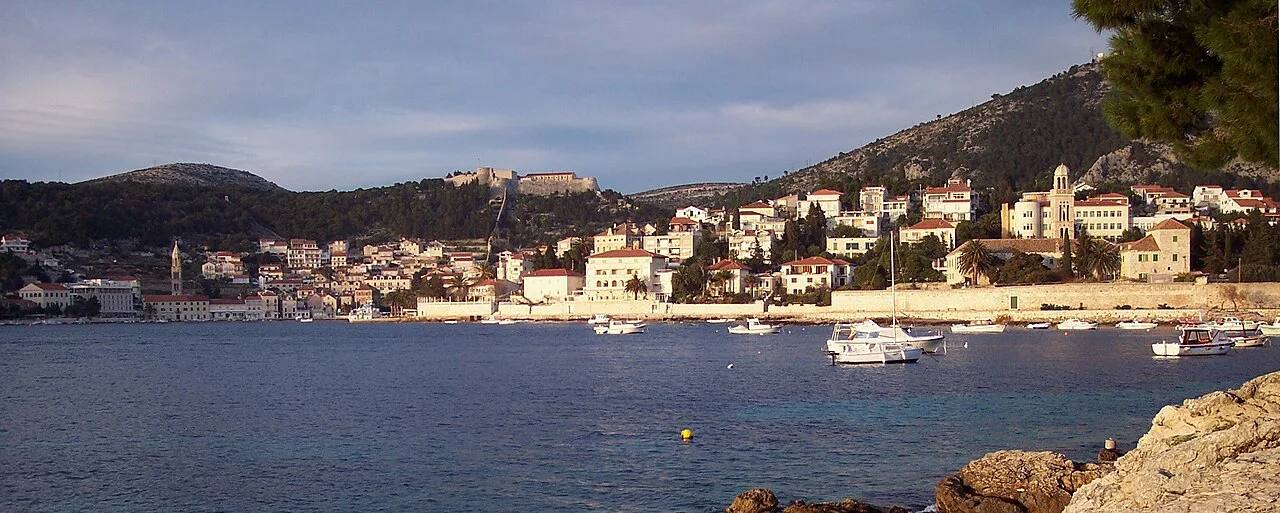
Typical May temperatures on the coast and inland
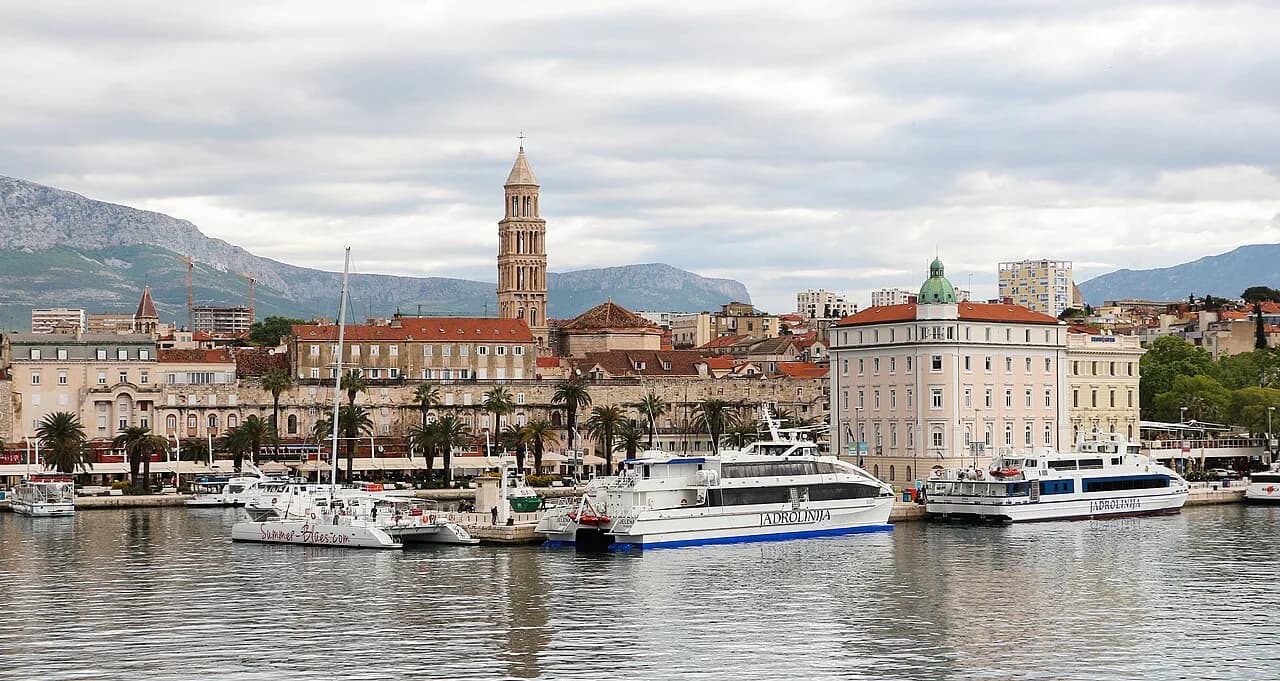
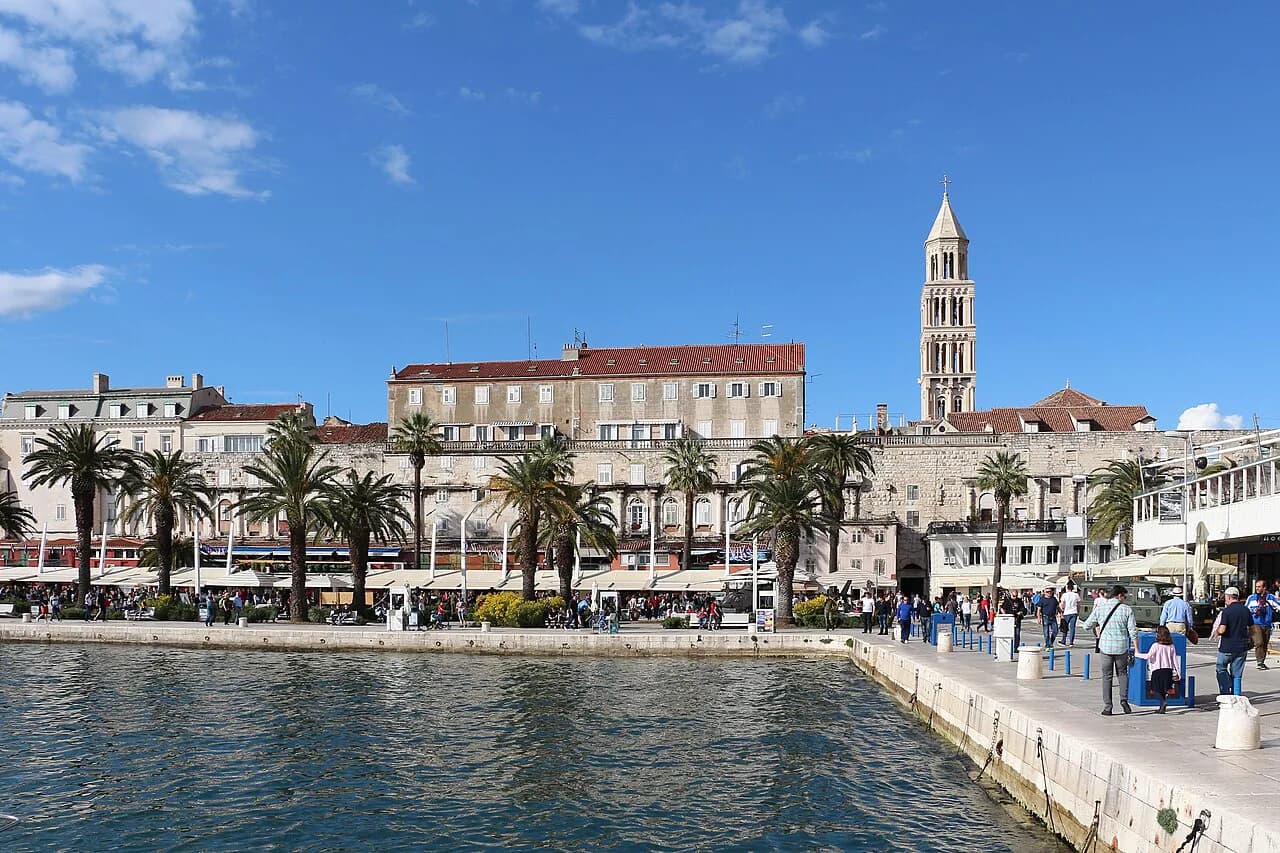
On the coast, May days typically fall in the 23°C–27°C band. That is warm enough for T-shirts and sea air, but rarely so hot that walking around Diocletian's Palace in Split becomes a slog. For the season that follows, Croatia in June adds stronger sun and warmer evenings.
Is May a good month to visit Croatia? Yes. Coastal temperatures typically sit around 23°C–27°C, the sea becomes warm enough for most swimmers by the end of the month, and crowds are lower than in July and August.
Can you sunbathe in Croatia in May? Yes, on the coast. The TUI May overview gives around nine hours of sunshine a day across Croatia, with roughly 60–80mm of rain in the month.
Which is warmer in May, Split or Dubrovnik? Both sit in the same coastal climate band in May, so neither is reliably warmer. Split has a slightly more open coastal position and Dubrovnik is further south, but day-to-day weather can swing either way.
Inland, May is still manageable but summer temperatures can climb high, and midday sun is the thing to avoid. The TUI May overview gives a broader Croatia range of about 15°C to 25°C, around nine hours of sunshine a day and roughly 60–80mm of rain across the month. In practice that means a pleasant base with occasional wet spells rather than a washout or a heatwave.
Use the sunshine window for outdoor sightseeing and keep a flexible indoor option for a rainy afternoon. Klis Fortress, above Split, rewards a clear morning more than a grey one, and the same applies to viewpoint walks around Dubrovnik's walls.

Is the sea warm enough to swim in May?
The sea is warm enough to swim in by the end of May, but earlier in the month it is still cool. That is the honest trade-off: if swimming matters most, book the last week or so of May rather than the first. The same source notes that April water is still a little chilly, so May is when the Adriatic starts to feel inviting again.
Sunbathing in May is realistic on the coast, and sheltered coves on Hvar, Brač or Šolta warm up fastest. A short swim is pleasant for confident cold-water swimmers early in the month, and far more comfortable from the third week onwards. If you need reliable warm water, July and August are safer bets.
Crowds, ferries and cruise-ship days in May
May is quieter than July and August, especially the first half. Late May approaches June levels, particularly in Split and Dubrovnik, where cruise traffic and city breaks combine. If you want Dubrovnik's old town near-empty, come early in the month and go out before the tour groups arrive.
Ferry and catamaran schedules change with the season, so check the booking pages for Jadrolinija, Krilo or TP Line for your dates rather than relying on a timetable printed in advance. Routes to Hvar, Korčula and Mljet run in May, and booking a morning crossing gives you a buffer if the weather turns.
Cruise-ship days are the single biggest variable in old-town crowds. Check the port schedules for Split and Dubrovnik and plan your wall walk or Diocletian's Palace visit for a day with fewer ships. This is one of the few months when you can genuinely dodge the worst of it.
Walking, cycling and inland parks in May
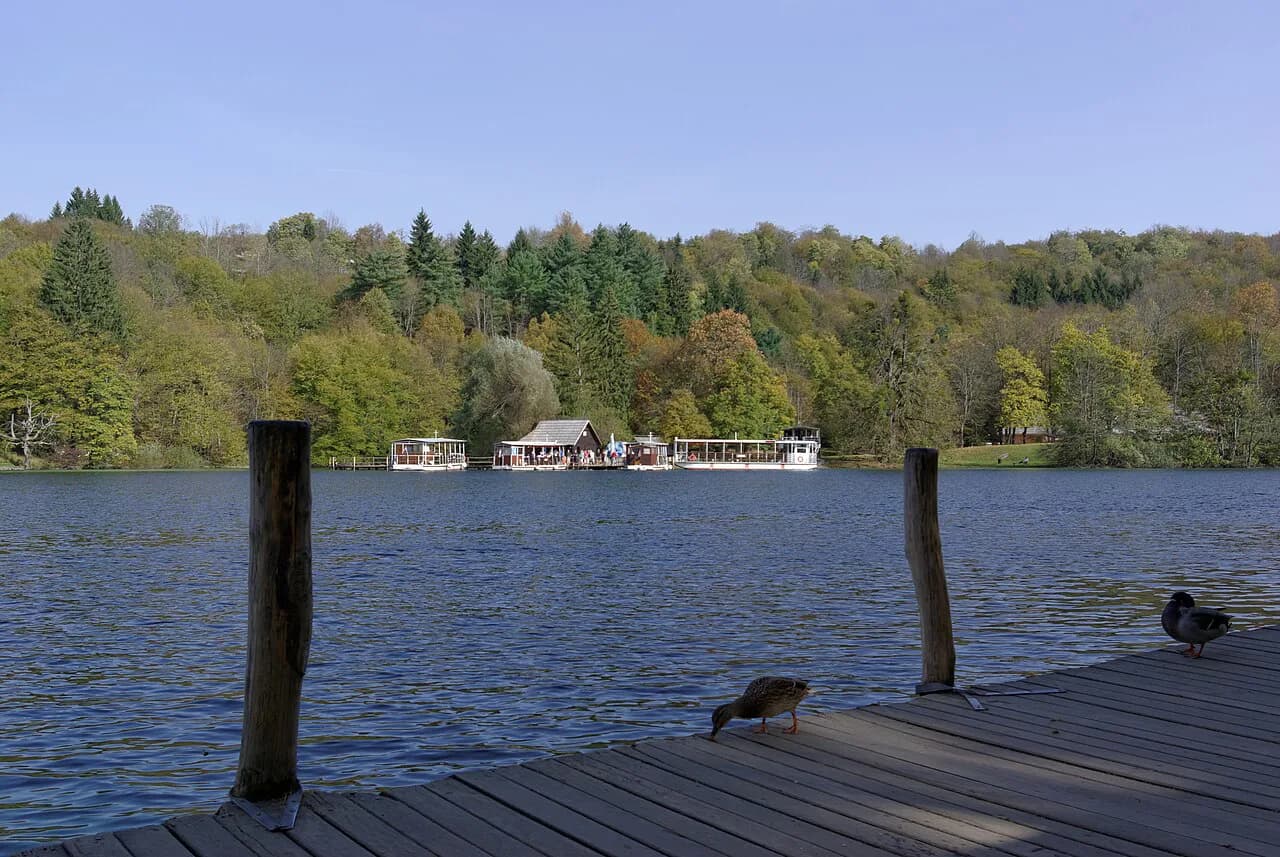
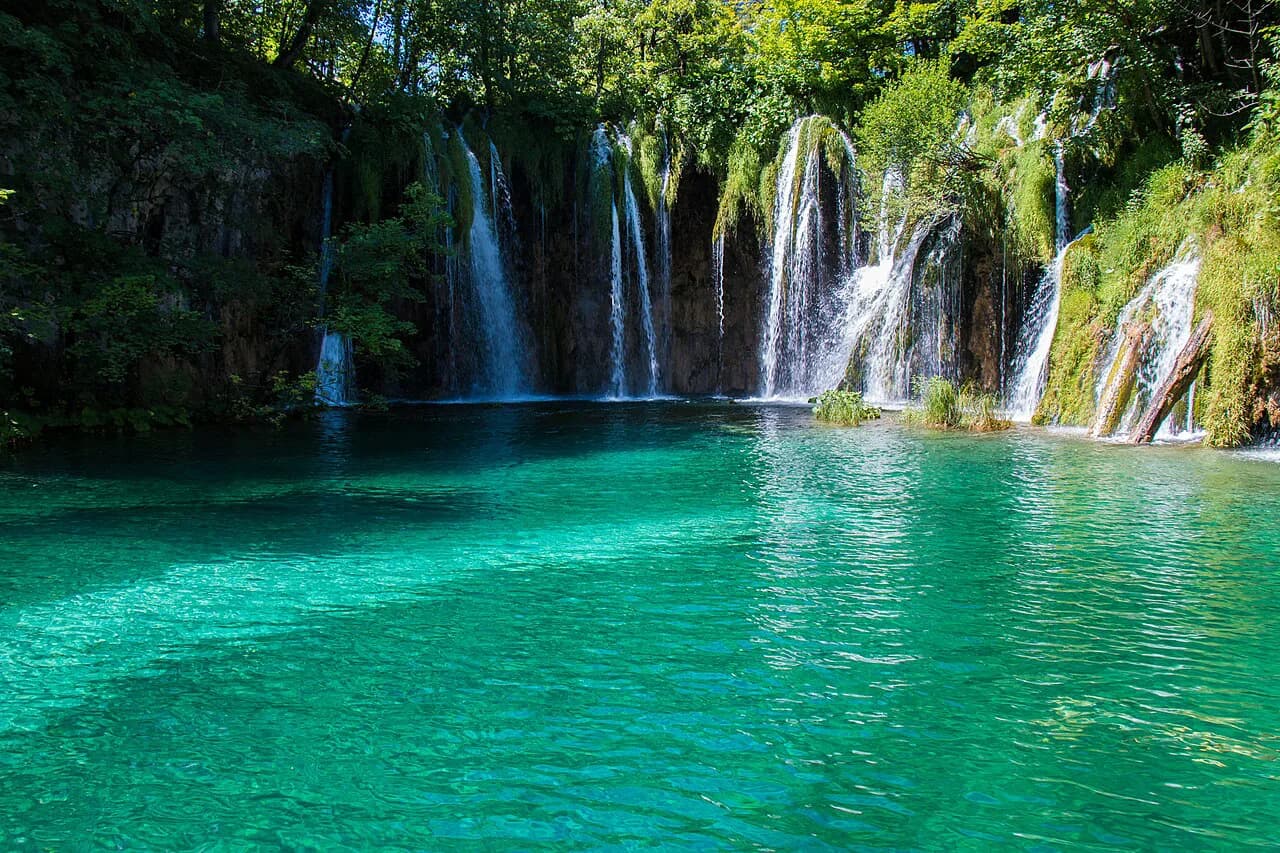
May is one of the best months for walking and cycling in Croatia. The coastal and inland trails are dry and warm, though you will still want a jacket in the evening. It suits Plitvice Lakes National Park far better than midsummer, when midday heat and crowds make the boardwalks harder work.
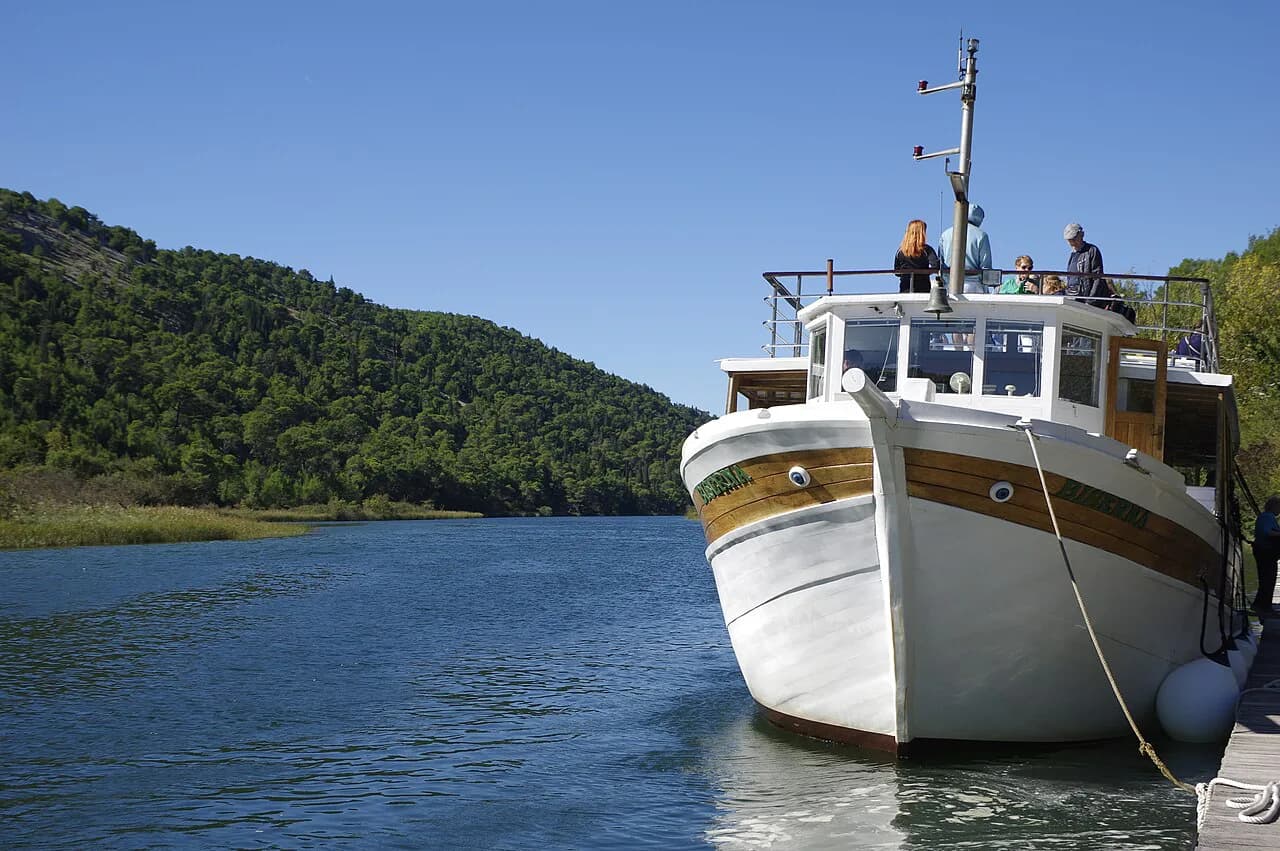
Krka's Skradinski buk and Roški slap are similarly pleasant in May, with more water after spring rain than in late summer. Check the park authority's page for seasonal opening times and ticket prices before you go. Spring is a broad shoulder for these parks, so Croatia in spring is a useful companion if you are building a longer trip.
Islands and old towns: what feels quiet in May
Island towns such as Korčula, Pučišća on Brač and Komiža on Vis are open but not yet packed. Restaurants and ferries are running, though some seasonal places may still be on spring hours. The old towns of Trogir, Šibenik and Zadar are comfortable to walk in May, with the Riva in Split lively but not overwhelming.
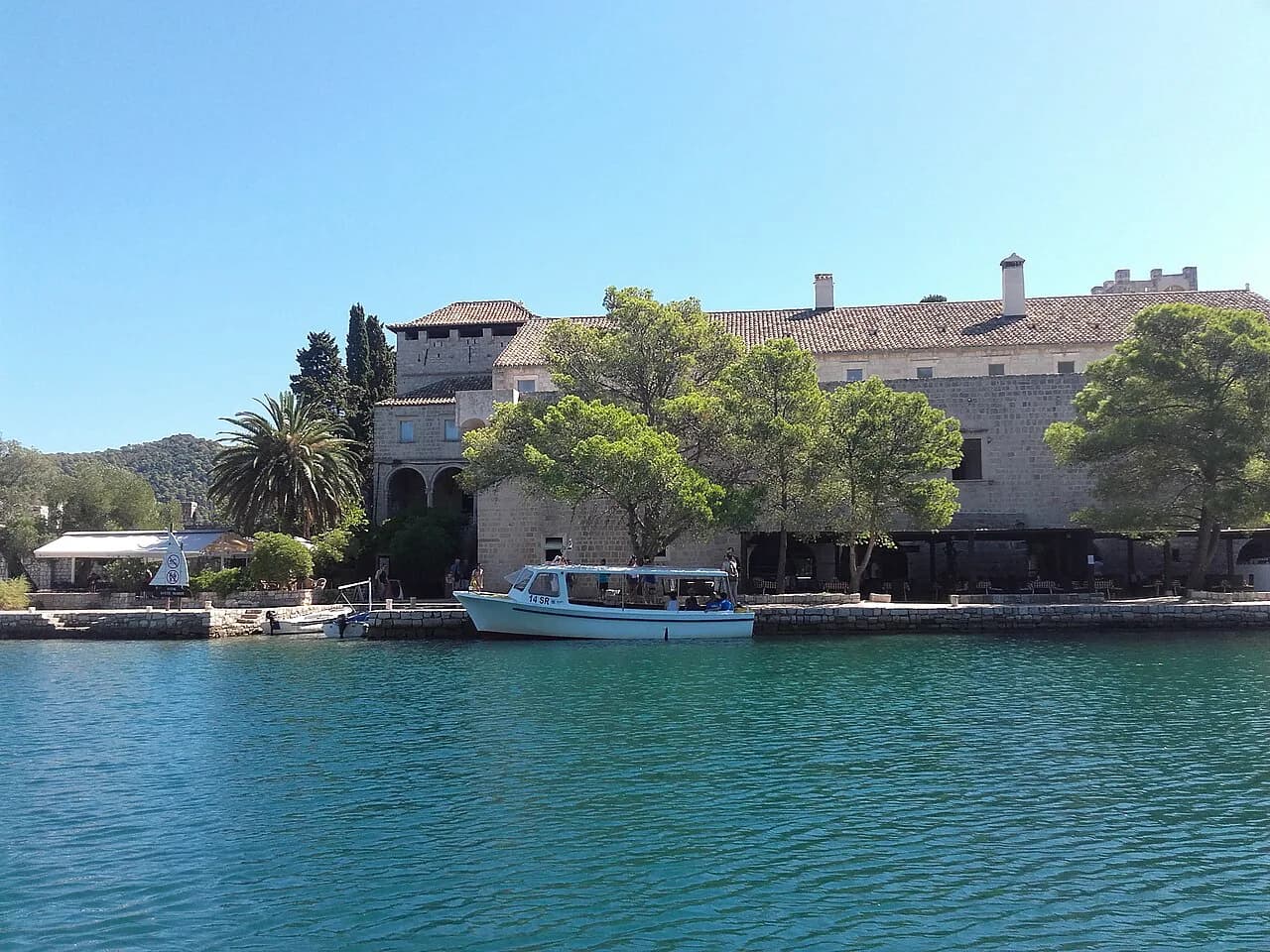
Mljet and Korčula are particularly rewarding for a few days of walking and cycling, and the islands are at their easiest before the June rush. Istria's hill towns, including Poreč and Primošten on the coast, are pleasant for wandering. If you want a single base for old towns plus islands, Split works well in May.
The bura wind and spring storms
The bura is a cold, gusty wind that can blow down the Adriatic in spring, occasionally cancelling ferries and making exposed walks uncomfortable. It usually passes within a day or two, but build flexibility into island hops. Our Croatia in April guide covers the earlier shoulder, when spring weather and the bura are more changeable; by May the wind is less frequent but still possible.
Spring storms are short and heavy rather than all-day rain. That makes May a month for layered clothing and a waterproof, not an umbrella you will fight in the wind. Coastal walks and boat trips are best booked with a day's buffer in case the weather shifts.
May or September? An honest trade-off
Both months sit in the shoulder season and both are good choices. May starts cooler and warms up, while September begins warm and cools down. May has fresher greenery and spring light; September has warmer sea and a more settled feel.
If swimming is your priority, September is the stronger choice because the Adriatic has had the whole summer to warm. If you want the coast at its greenest and quietest, May wins. For travellers tied to school holidays or UK bank holidays, May's two long weekends make it the easier fit.
If you are weighing up a longer calendar, the wider shoulder months and their trade-offs are set out in our best time to visit guide. Croatia in July and Croatia in August show the peak you would be avoiding, while Croatia in October shows where the season goes afterwards.
Who May suits, and who should wait
May suits walkers, cyclists, sightseers and people who want old towns and islands without peak-season crowds. It also suits anyone who prefers mild spring weather to high summer heat and can accept the occasional shower. Couples and independent travellers will find the coast relaxed and still fully open.
It is less suited to travellers who need reliably warm sea for long swims or who want every restaurant and boat trip running at full summer frequency. If those matter more than quiet streets, come in June or later. Croatia in summer covers the peak season in detail, while Croatia in June is the natural next step from May.
When in May should you book?
For most travellers, the last week of May is the best compromise between a swimmable sea, open ferries and manageable crowds. If cool water is fine and you want the quietest old towns, the first half of May is better value. Book ferries and popular sights a few days ahead, and check operator pages for current times.
Plan the coast first, then fit inland parks around the weather rather than the other way round. That way spring showers become a minor inconvenience rather than a reason to abandon Plitvice or Krka. For the wider year, the best time to visit Croatia guide links the months together.
Frequently Asked Questions
Is May a good month to visit Croatia?
Yes. Coastal temperatures typically sit around 23°C–27°C, the sea becomes warm enough for most swimmers by the end of the month, and crowds are lower than in July and August. Expect occasional spring showers and a cooler sea early in the month.
Can you sunbathe in Croatia in May?
Yes, on the coast. The TUI May overview gives around nine hours of sunshine a day across Croatia, with roughly 60–80mm of rain in the month. Sheltered coves warm up fastest, and a light layer helps when the bura wind blows.
Which is warmer in May, Split or Dubrovnik?
Both sit in the same coastal climate band in May, so neither is reliably warmer. Split has a slightly more open coastal position and Dubrovnik is further south, but day-to-day weather can swing either way. Pack layers for both.
Sources
Notes from the Croatian coast
Optional updates when our guides change.
You might also like
Continue reading
More guides you'll find useful