Croatia in October: Weather, Sea Temperature and Crowds
Croatia in October brings mild coastal days, an 18°C sea and thinner crowds, but the weather turns more unsettled as the month goes on.
On this page
October is a good month to visit Croatia if you want mild coastal weather without the midsummer crush, but not if you need guaranteed wall-to-wall sunshine. Typical October conditions on the coast are highs around 20°C and lows near 10°C, with roughly six hours of sunshine a day, about 100mm of rain across the month and a sea temperature of around 18°C. This guide covers what those averages mean for swimming, sunbathing and sightseeing, how crowds and services change after the season, and how the coast compares with inland Croatia.
Treat the numbers as climate averages rather than a forecast: any given October can bring a run of clear, warm days followed by a wet, windy spell, and coastal weather becomes more unpredictable as the month goes on. The practical consequence is that you should build flexibility into an October trip, favouring places where a rainy day still has indoor or sheltered interest.
Is October a good month to visit Croatia?
Yes, with caveats. The best time to visit Croatia for warmth and long sunny days is July and August, but May, June and September are often picked for pleasant temperatures with fewer crowds, and October continues that slide into a quieter, cooler season. The trade-off is real: you gain space at the big sights as the summer crowds thin, and you lose the guarantee of beach weather and some of the summer timetable.
October suits travellers who plan to walk old towns, visit Roman and Venetian sights and take the occasional boat trip, with swimming as a bonus rather than the main event. It suits less well anyone whose trip collapses without hot sun every day, especially later in the month.
Croatia weather in October: typical temperatures, rain and sunshine
The coastal picture is mild rather than hot. Expect typical highs near 20°C and lows around 10°C, roughly six hours of sunshine per day and around 100mm of rain spread across the month, according to published October averages.
Can you sunbathe in Croatia in October? Often yes, especially in the first half of the month and in Dalmatia, where typical highs are around 20°C with about six hours of sunshine a day. It is sunbathing weather for people who enjoy mild warmth, not guaranteed beach heat, and later in October the odds of cloud and rain rise.
Is Split still warm enough to swim in October? The Adriatic typically sits around 18°C in October, which is bracing but manageable for a short dip. Sheltered, shallow bays feel more comfortable than open water, and a mild, still afternoon makes a noticeable difference.
Does it rain a lot in Croatia in October? October averages about 100mm of rain on the coast. Conditions grow more unpredictable as the month goes on, so early October is generally the more reliable window.
Does it rain in Croatia in October? Yes, and the pattern matters more than the total. October on the coast is generally mild and pleasant, but the weather becomes more unpredictable as the month goes on, so early October usually behaves better than late October.
Plan one indoor anchor per day, such as a museum or a cathedral, so a wet morning costs you an hour rather than the day, and keep the rest of your plans loose enough to move indoors when the weather turns.
How warm is the sea in Croatia in October, and can you swim?
The Adriatic typically sits around 18°C in October, which is cool but swimmable for many people, especially in the first half of the month. It feels bracing rather than balmy: fine for a short dip after a warm walk, less inviting for long sessions with children.
Conditions vary through the month, so on a mild, sunny afternoon the water will feel more inviting than on a grey, windy one.
Which part of Croatia is warmest in October?
The southern coast and islands hold the autumn warmth later than the north, so Split, Dubrovnik and the Dalmatian islands are the more forgiving October bases if you still want sea days. Istria and the Kvarner Gulf, which cool sooner, are better suited to hill towns and hinterland sightseeing.
Inland Croatia cools fastest. The interior and the mountains above the coast turn distinctly autumnal, with colder mornings and a greater chance of rain, but spring and autumn are still good for walking and cycling inland, provided you carry a jacket for the evening.
A sensible October split is to base yourself in Dalmatia for the coast and islands, then take one inland excursion early in the trip while the weather is most likely to hold. If your priority is inland parks and walking rather than the sea, spring is often the better fit for dry, warm conditions — the Croatia in April guide covers that alternative.
Is Split still warm in October?
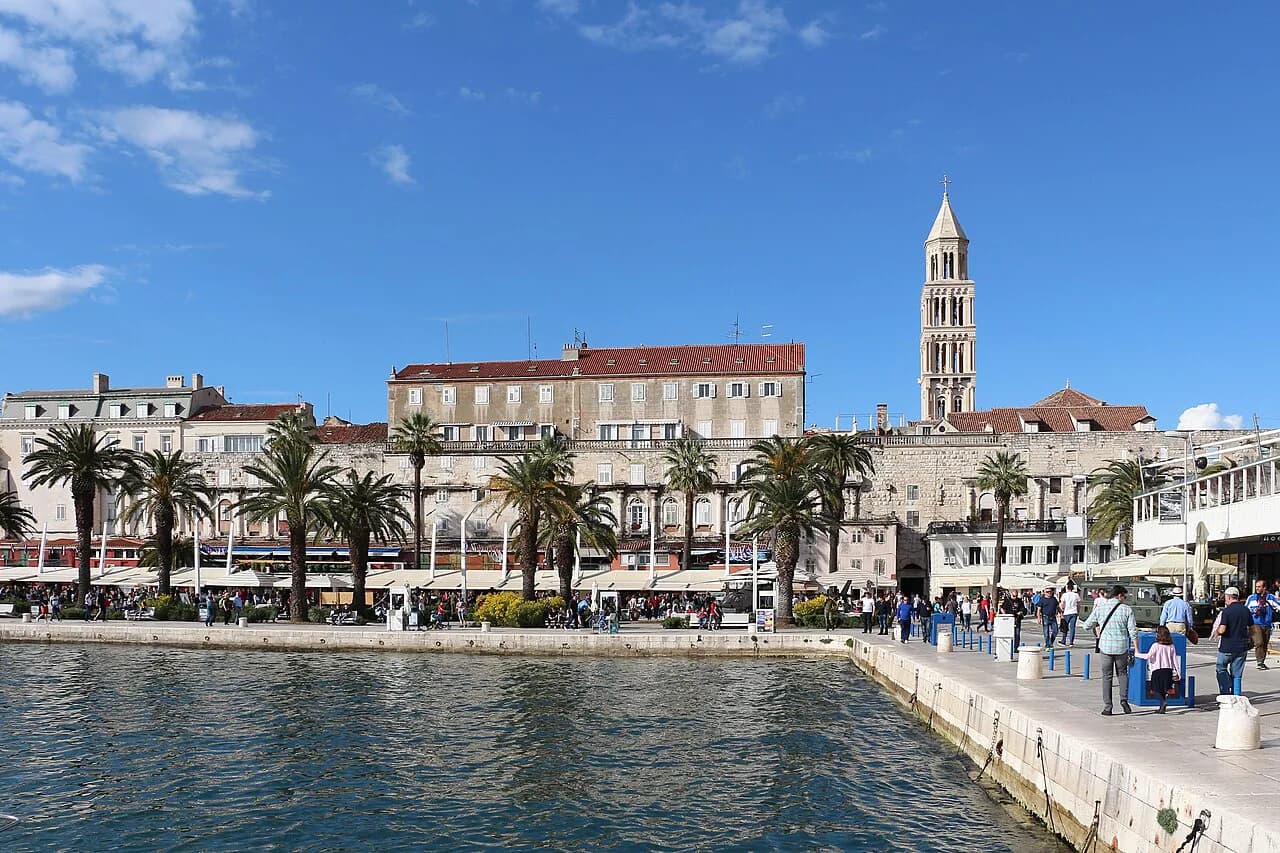
Split is usually still mild in October, broadly in line with the coastal averages of around 20°C by day, though you should expect some rain and cooler evenings. It is comfortable weather for walking the old town, Diocletian's Palace and the Riva, and gentler than the height of summer heat.
The city works well as an October base because it combines an old town you can wander for hours with harbour connections to the islands, so a windy or wet day does not strand you. Timetables thin out after the summer season, so check sailing times with Jadrolinija, or whichever line you plan to use, for your dates.

How busy is Croatia in October, and what changes on the coast?
October is markedly quieter than July and August, which are the busiest months. Old towns such as Split, Dubrovnik and Šibenik feel less compressed and queues at major sights shorten.
Some seasonal businesses wind down as the month progresses. Rather than guessing which restaurants, sites or crossings are running, check Jadrolinija's own timetable and each venue's published opening times for your dates before you commit to an island hop.
Prices often soften outside peak season, but the amount varies by town, property and week, so compare rates for your specific dates. Croatia uses the euro, so budgeting is straightforward and there is no currency conversion to factor in.
Where to go in Croatia in October: coast, islands and inland parks
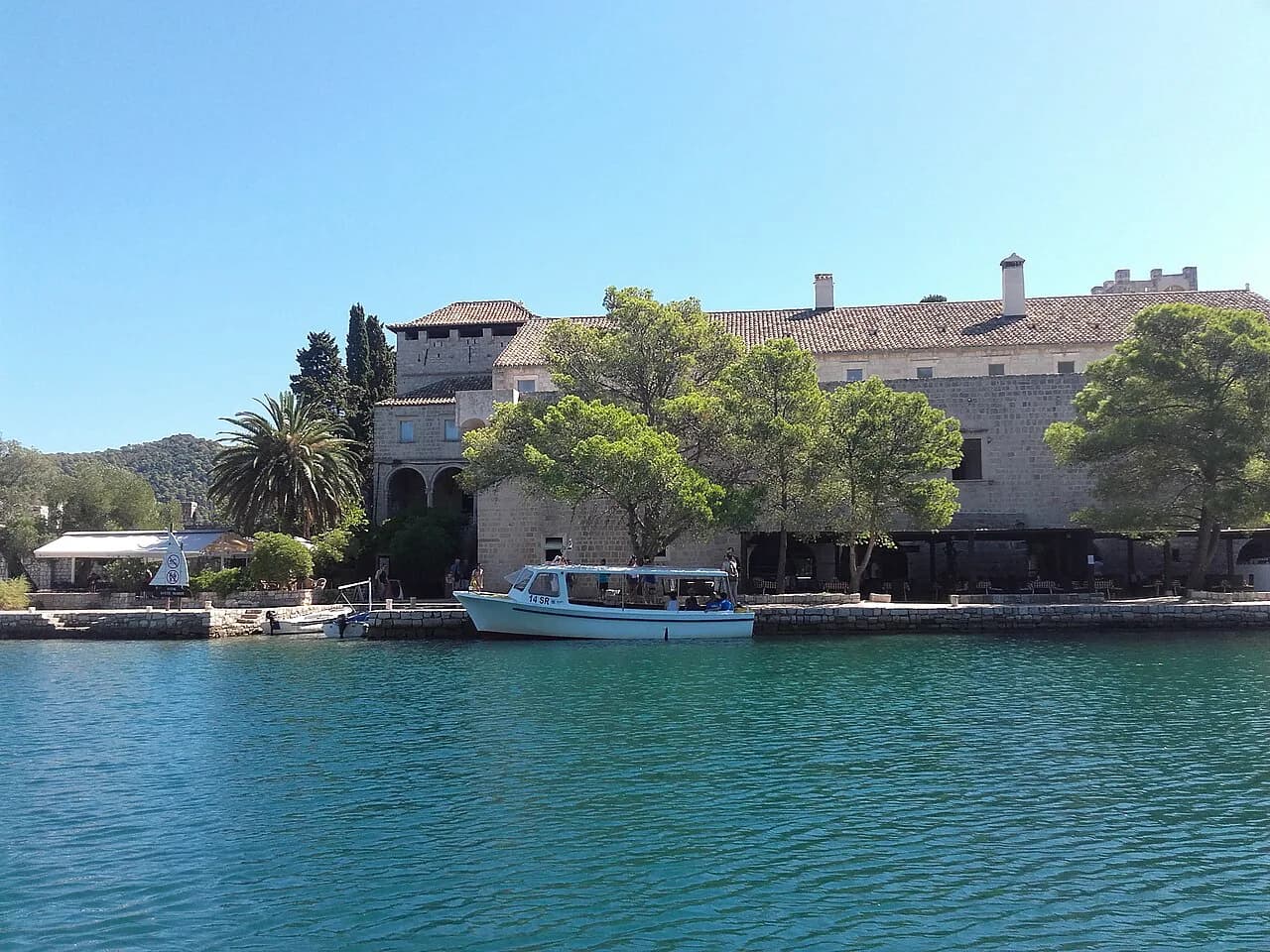
Dalmatia is the safest bet for mild days. Split and Dubrovnik give you big old towns with plenty indoors, Šibenik and its surrounding sights reward a slower pace, and the islands off the coast, including Brač, Šolta and Korčula, are far more relaxed than in high summer.
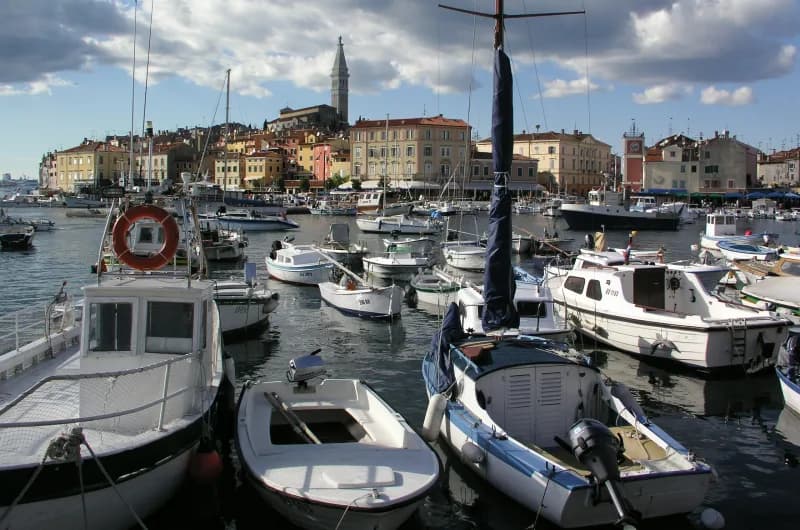
Istria and the Kvarner Gulf suit travellers who want hill towns, Venetian heritage and seafood rather than guaranteed swimming; this northern stretch cools sooner than Dalmatia. Lošinj and the surrounding islands are quiet in October, which is either the attraction or the drawback depending on what you want from an evening.
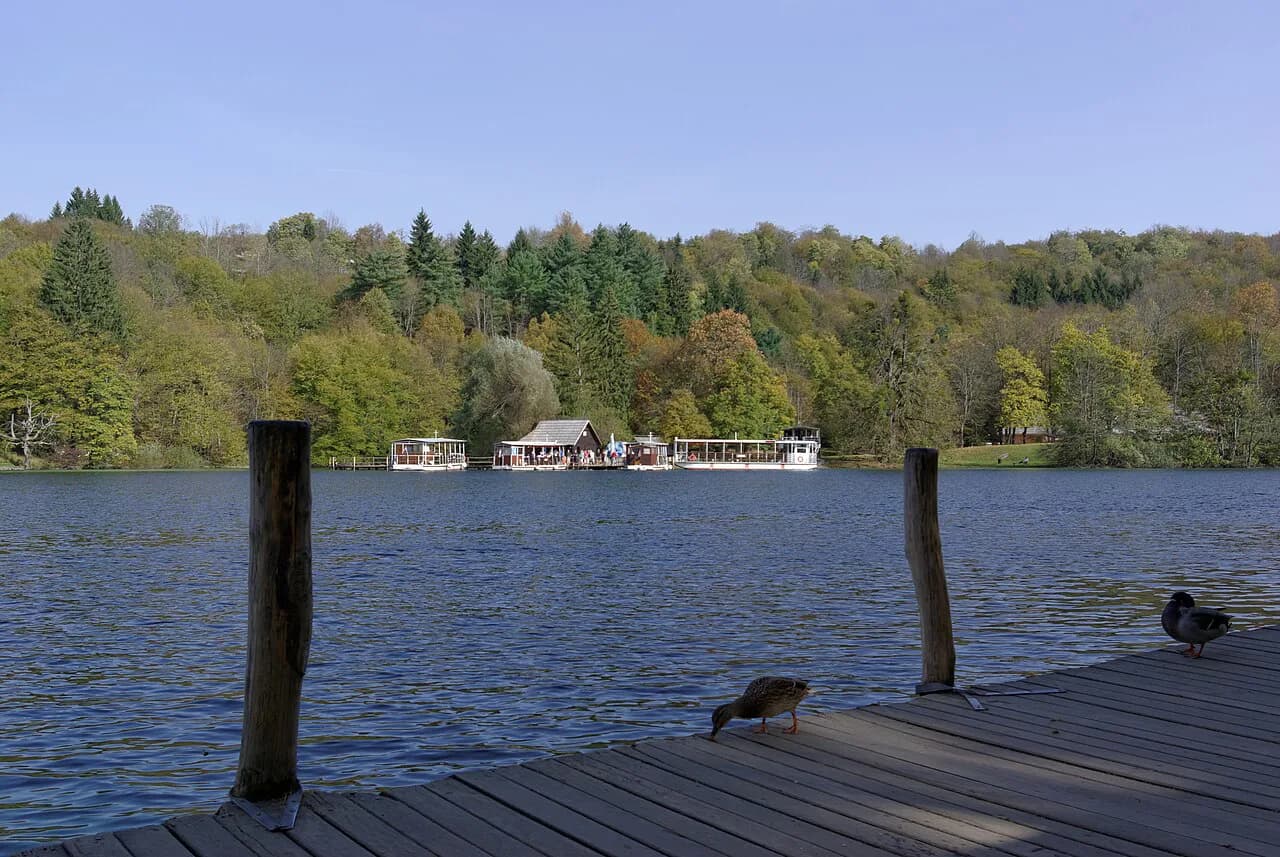
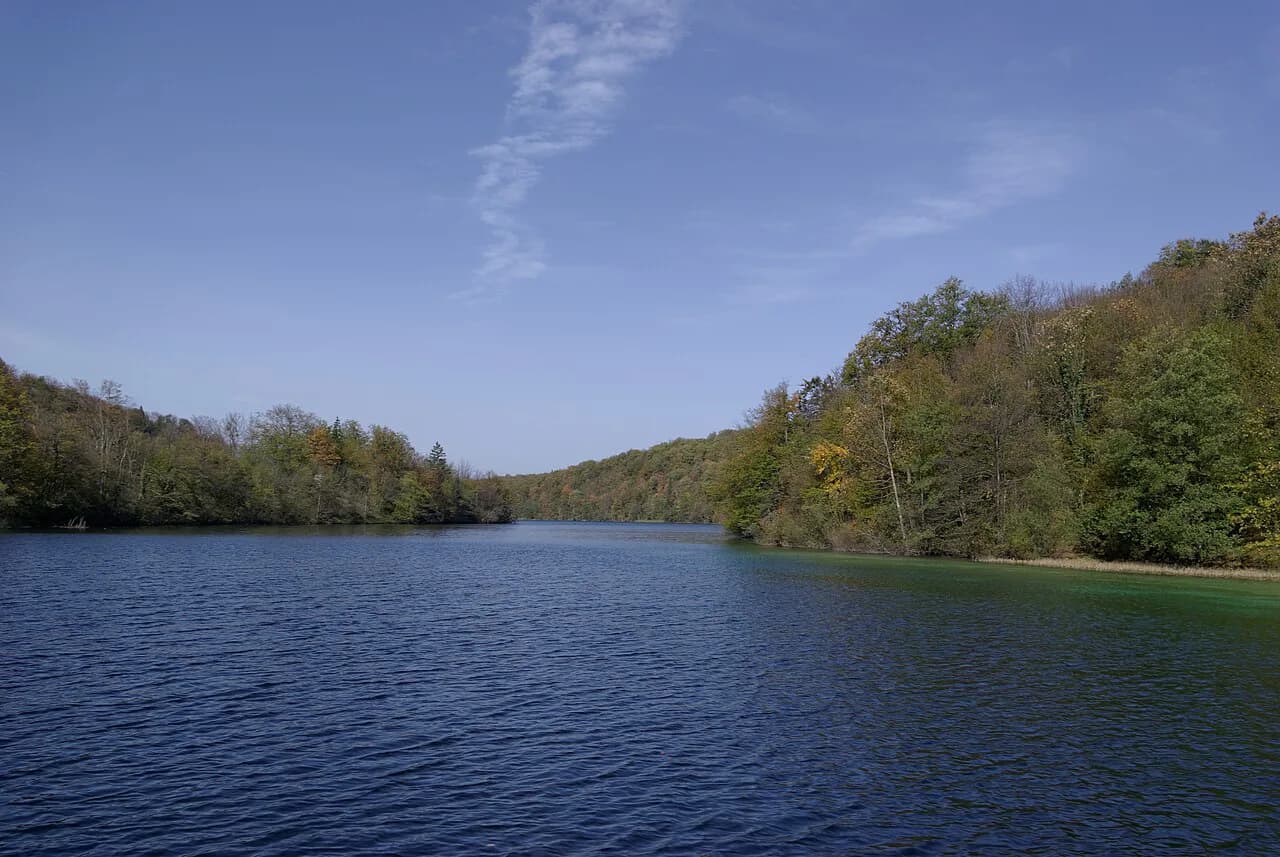
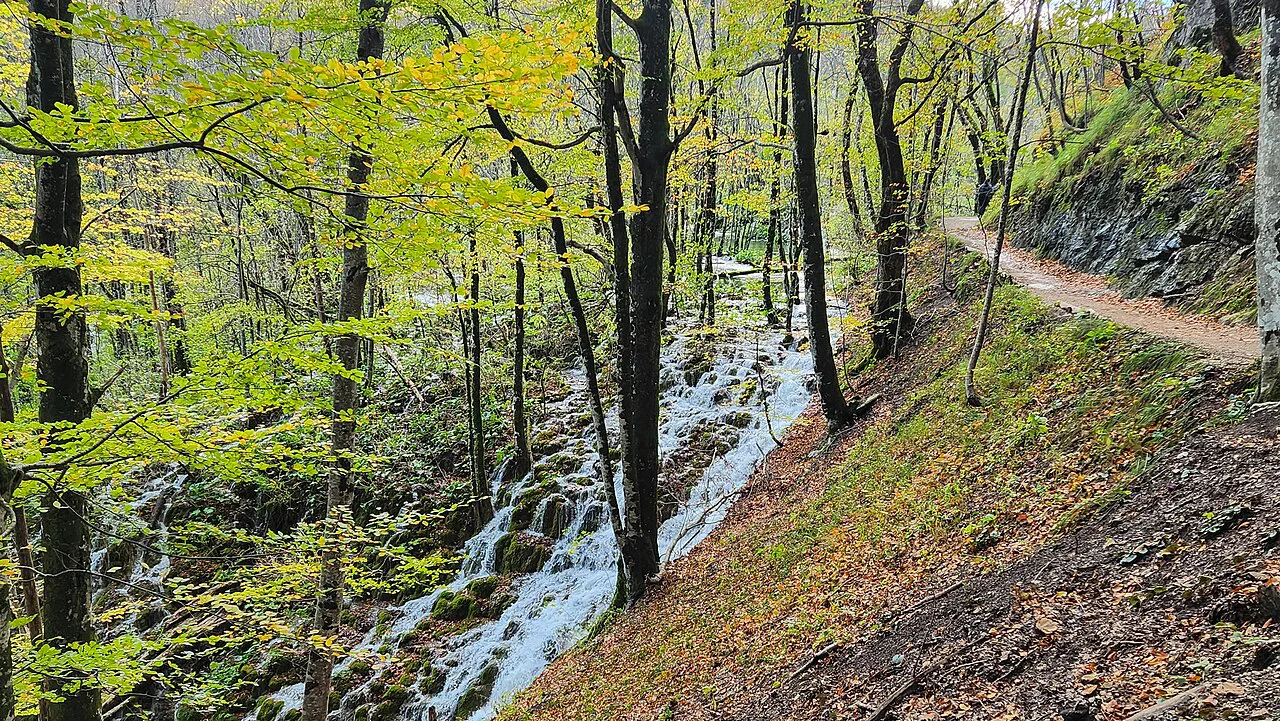
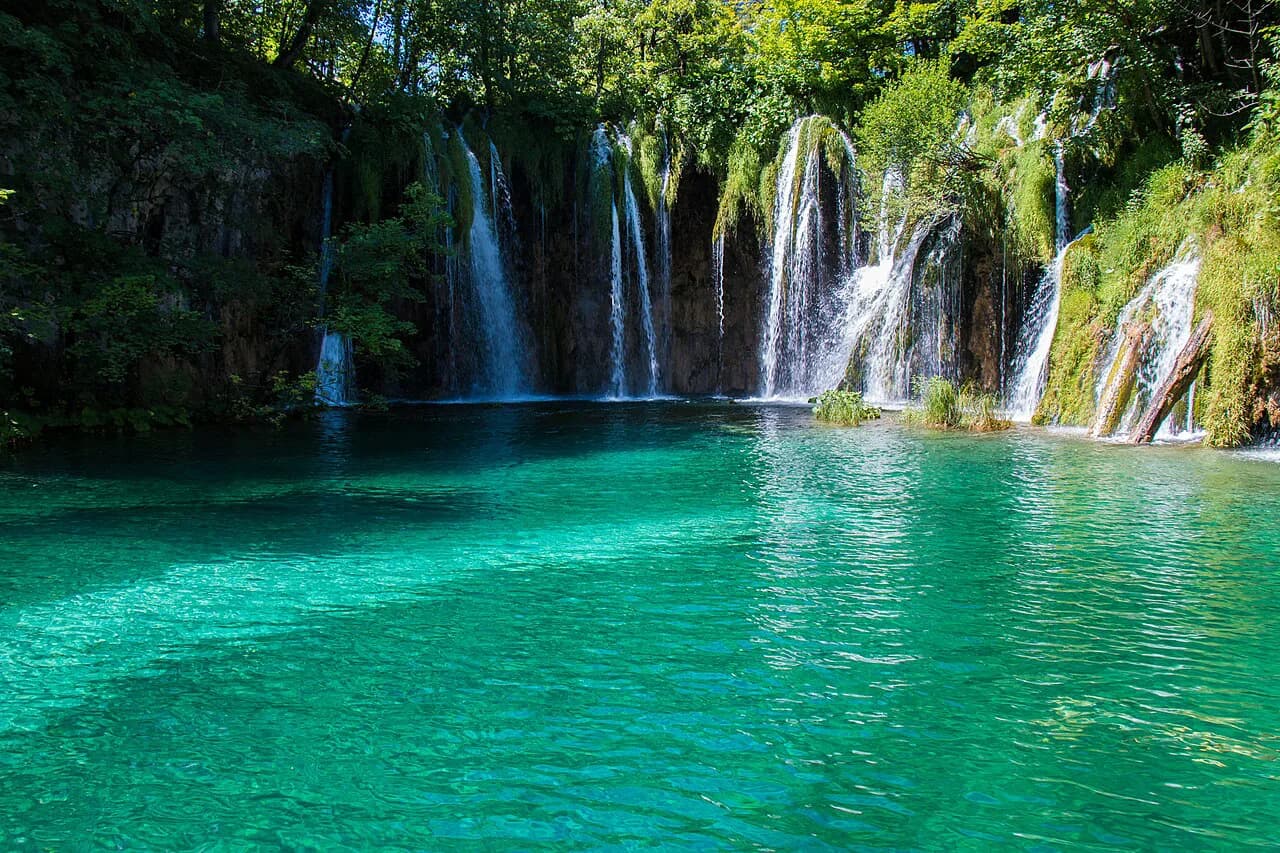
Inland, Plitvice Lakes National Park and the Krka area around Skradinski buk and Roški slap offer autumn colour and thinner paths, but expect colder, wetter conditions and shorter usable daylight. Allow more slack in your schedule than you would in spring.
The bura wind and unsettled weather: what to expect later in the month
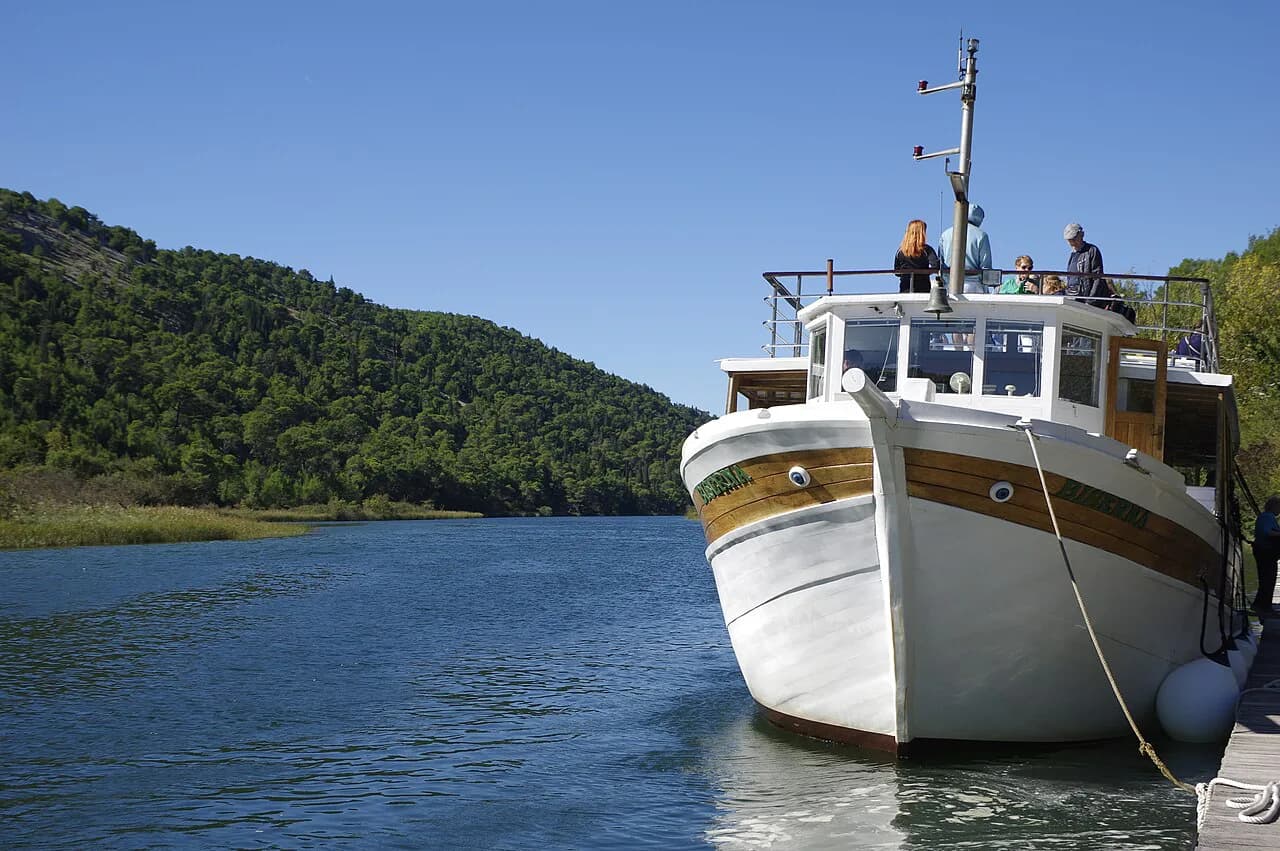
The bura is a powerful, gusty wind that channels down the Adriatic and shapes how exposed stretches of the coast can feel. It is capable of disrupting ferries and boat trips, so treat any blustery spell as a reason to check sailings with Jadrolinija, or whichever line you are booked with, rather than assume a crossing will run.
A bura day is often brilliantly clear but cold and windy, which can close boat excursions and make exposed waterfronts unpleasant even while the sun shines. Build in a contingency plan, such as a museum, a covered market or an old-town walk sheltered by walls, so a windy day does not become a lost day.
Later in October, expect a greater share of unsettled days and a wider gap between the warmest afternoons and the coolest evenings. That shift is the main reason early October and late October feel like different trips.
What to pack for Croatia in October
Pack for two seasons in one trip. Bring layers that work at 20°C and at 10°C, a waterproof shell, and a warm mid-layer for evenings and for the bura, which can make a sunny day feel raw. Sturdy shoes matter more than sandals if you plan to walk old-town stairs and stone streets.
For swimming, pack a swimsuit and a quick-dry towel, but treat the 18°C sea as a short dip rather than a long soak. Sun protection is still worth carrying, since six hours of sunshine a day adds up even when the air feels mild.
Should you book Croatia for early or late October?
For most travellers, early October is the better bet: the odds of settled coastal weather are higher, and the crowds have already thinned. Late October rewards anyone who prioritises quiet old towns and autumn landscapes over swimming, particularly in Dalmatia.
Decide by your priority. If you want the coast, choose Split or Dubrovnik and keep one indoor option per day. If you want inland parks and walking, go early and accept colder, wetter days. Either way, check ferry timetables with Jadrolinija and each site's opening times before you book.
Explore more Croatia guides
Frequently Asked Questions
Can you sunbathe in Croatia in October?
Often yes, especially in the first half of the month and in Dalmatia, where typical highs are around 20°C with about six hours of sunshine a day. It is sunbathing weather for people who enjoy mild warmth, not guaranteed beach heat, and later in October the odds of cloud and rain rise.
Is Split still warm enough to swim in October?
The Adriatic typically sits around 18°C in October, which is bracing but manageable for a short dip. Sheltered, shallow bays feel more comfortable than open water, and a mild, still afternoon makes a noticeable difference.
Does it rain a lot in Croatia in October?
October averages about 100mm of rain on the coast. Conditions grow more unpredictable as the month goes on, so early October is generally the more reliable window.
Sources
Notes from the Croatian coast
Optional updates when our guides change.
You might also like
Continue reading
More guides you'll find useful