Croatia in August: Weather, Crowds and Where to Go
August in Croatia brings the warmest sea, dry heat and the busiest old towns. Here is what the month is like and how to plan your days around it.
On this page
August is Croatia's hottest and busiest coastal month, and the trade-off is simple: you get the warmest sea of the year and reliably dry days, but you pay peak-season prices and share the old towns with everyone else. For most travellers the answer is still yes, provided you book ahead and start early. This guide covers typical temperatures, sea conditions, crowds, ferries and how to structure a day in the heat.
Air temperatures are at their annual peak in August, and coastal regions typically see daily highs between 25°C and 35°C.
If you have flexibility on dates, the shoulder months are worth weighing against the water temperature; our guide to the best time to visit Croatia sets out the wider season picture so you can compare August with May, June and September.
What August is like in Croatia: the hottest, driest and busiest month
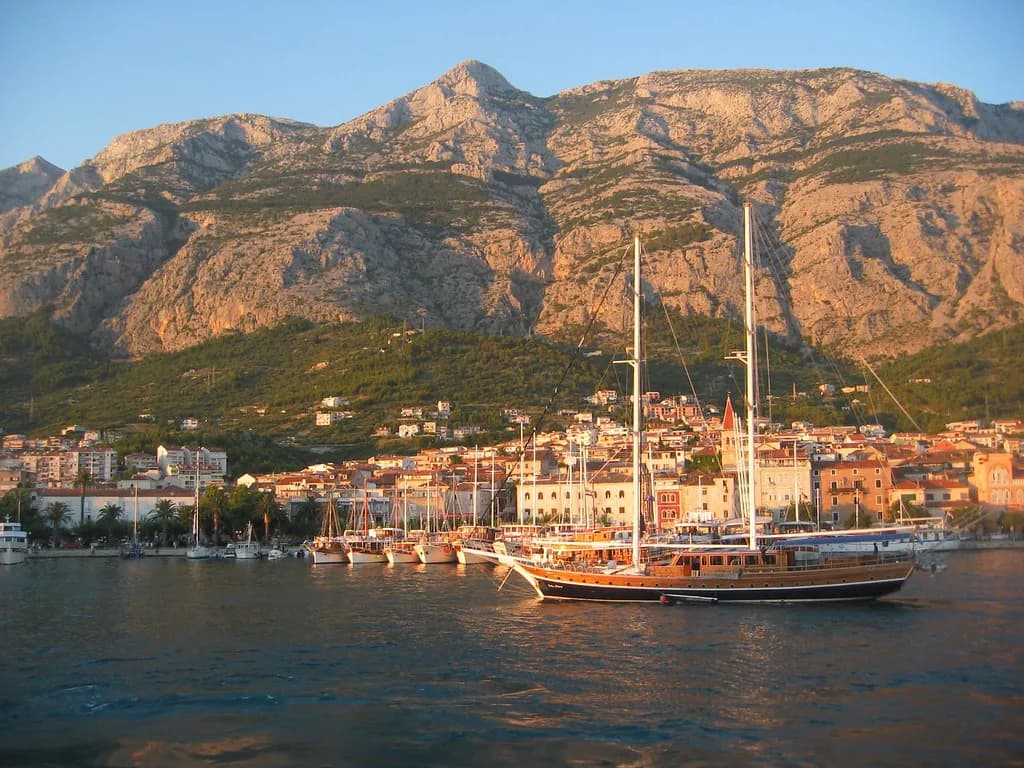
August sits in the heart of Croatia's high season, alongside July, when the coast runs hot and dry and the country's outdoor venues fill with events. The Adriatic shoreline is at its most crowded, and the old towns of Dubrovnik, Split and Hvar absorb the heaviest footfall of the year. Planning around those peaks matters more this month than at any other.
The upside is consistency. Rain is uncommon on the coast in August, so boat days, island hops and long walks through walled towns rarely need a weather plan B. The downside is that everything popular operates at capacity, from car parks outside the old towns to the ferries linking the islands.
Accommodation and transport costs peak with demand, and the cheapest rates of the year fall in the November-to-April window rather than in summer.
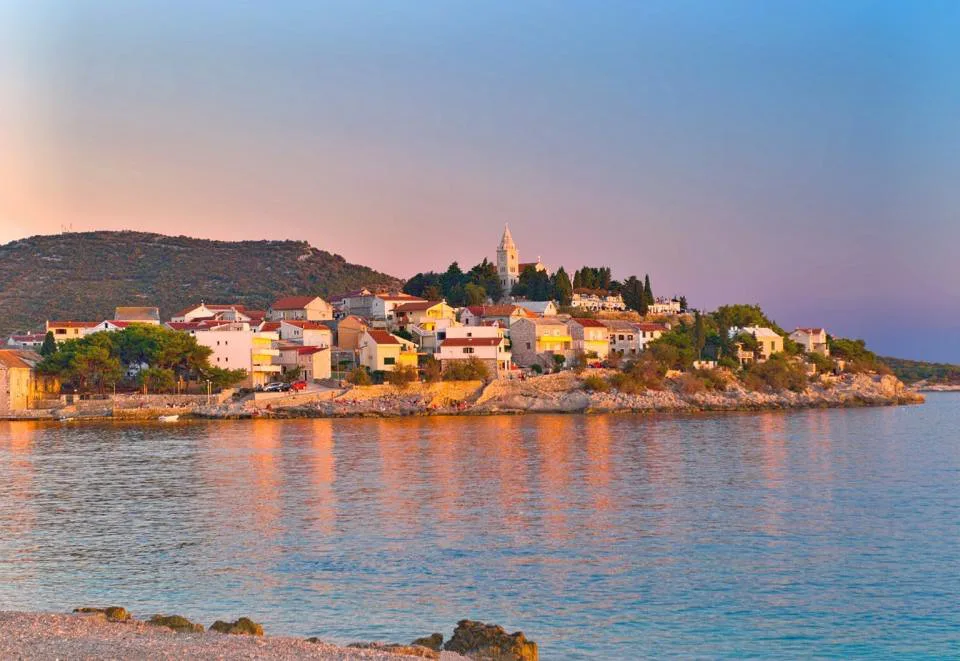
Typical August temperatures on the coast and what they mean for sightseeing
Treat the 25°C to 35°C range for coastal regions as a typical August figure rather than a forecast, and expect the upper end inland and in sheltered harbours. On stone-paved streets in Split or Dubrovnik, midday heat radiates back off the ground, so the same walk feels far hotter at 14:00 than at 08:00. Build the day around that difference.
Is October a good time to go to Croatia? October is outside the high season, so the coast is quieter and accommodation is generally cheaper than in July and August. The sea still holds summer warmth early in the month, though the weather becomes less settled as autumn advances.
What is the weather like in Croatia in April and May? Spring brings mild, changeable weather rather than August's settled heat. Coastal days can be pleasant for walking and sightseeing, but the sea is still cold and the bura can blow.
What is the weather like in Croatia in early November? November falls in the quietest, cheapest part of the year, with cooler, wetter and less predictable weather on the coast. Many seasonal businesses reduce their hours or close for the winter.
The practical response is to sightsee before 10:00 and after 17:00, keeping the middle of the day for swimming, a shaded courtyard or a long lunch. Churches, museums and cathedrals offer cool interiors at the hottest hours, which makes them a sensible midday stop rather than an afterthought. Carry water; the fountains in the old towns are useful for refills.
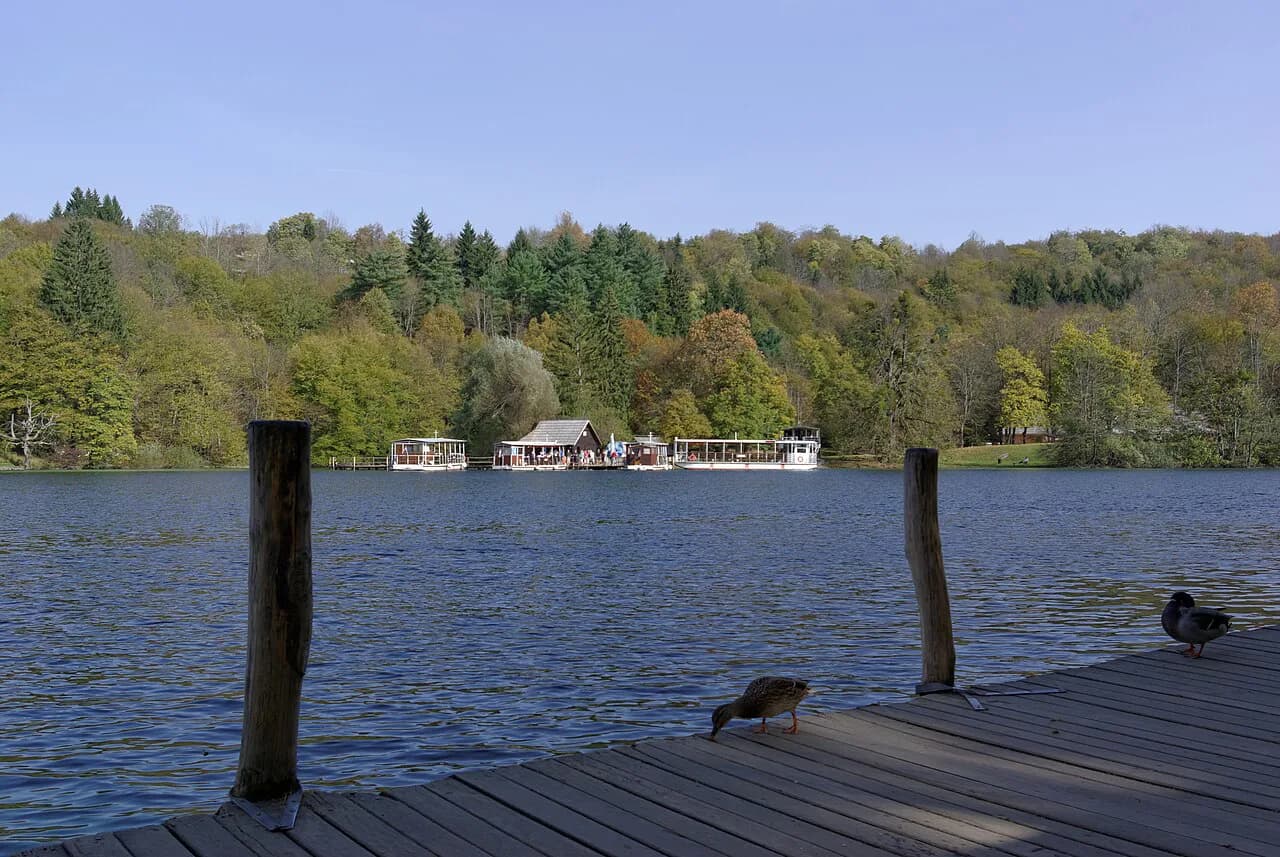
Inland destinations run hotter still in August, and the heat is one reason many travellers leave Plitvice Lakes National Park and the interior for spring or autumn.
Sea temperature and swimming: why August has the warmest water
The Adriatic has had all summer to warm through by August, so this is the month when swimming needs no gritting of teeth, even for travellers used to colder water at home. Sheltered bays on Brač, Šolta and around the Pakleni islands off Hvar hold the warmth best. Exposed stretches on the open coast feel fresher when the maestral picks up in the afternoon.
Use the sea as your cooling system rather than a single daily event: a swim before breakfast, another in the mid-afternoon, and an evening dip when the crowds thin. Rocky entries are common along the Croatian coast, so water shoes help on the limestone. On Hvar and Korčula, the smaller coves reached on foot are usually quieter than the main town waterfronts.
If warm water is your main reason for choosing August, the shoulder months are a genuine compromise: the sea stays swimmable into September and October, when the coast is quieter. Our guide to Croatia in July covers the month just before, when the water is already warm but the peak has not quite arrived.
Crowds and cruise-ship days in Dubrovnik, Split and Hvar
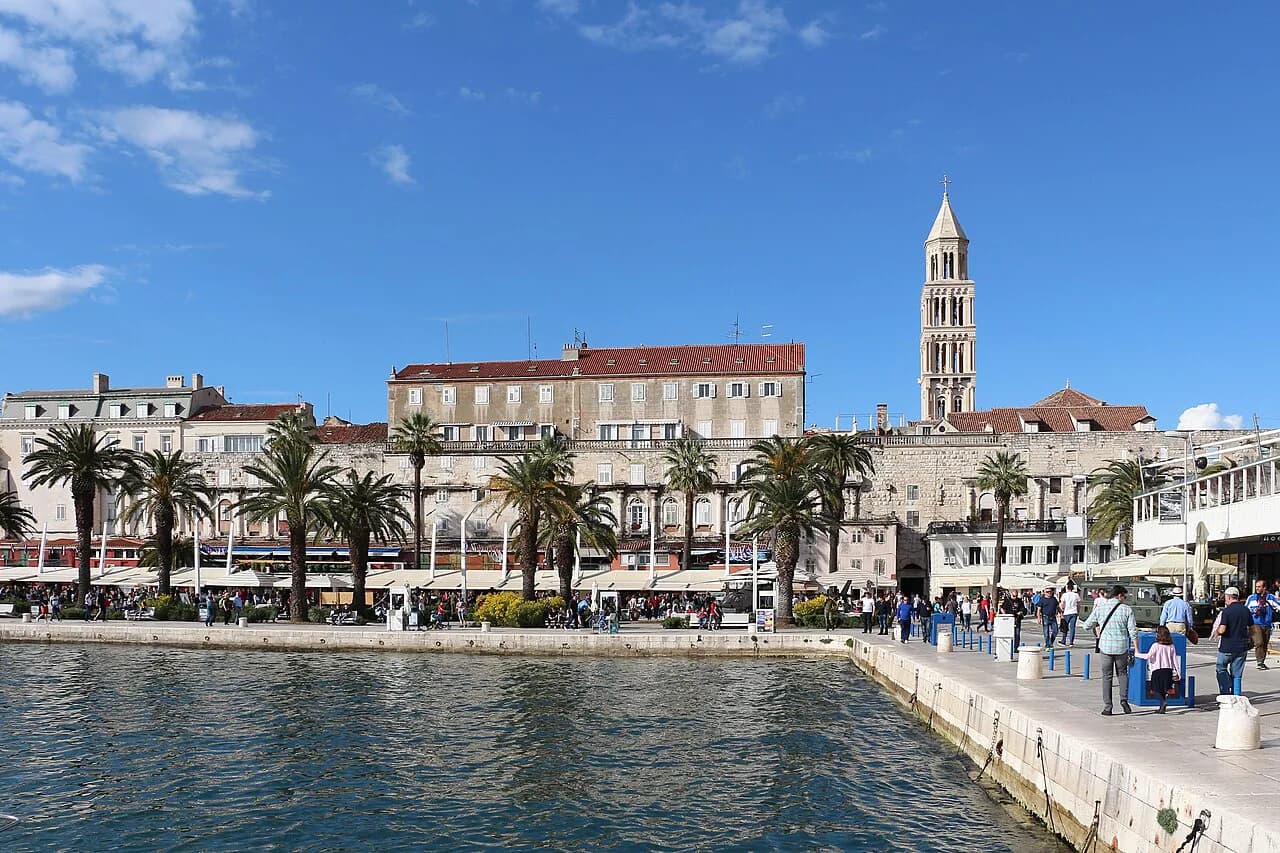
Cruise ships drive the sharpest swings in crowd levels. On days when several are in port, Dubrovnik's Stradun and the area around Diocletian's Palace in Split can feel more like a queue than a street. The pattern is predictable: mornings and early afternoons are busiest, and the old towns empty noticeably after the ships sail in the late afternoon.
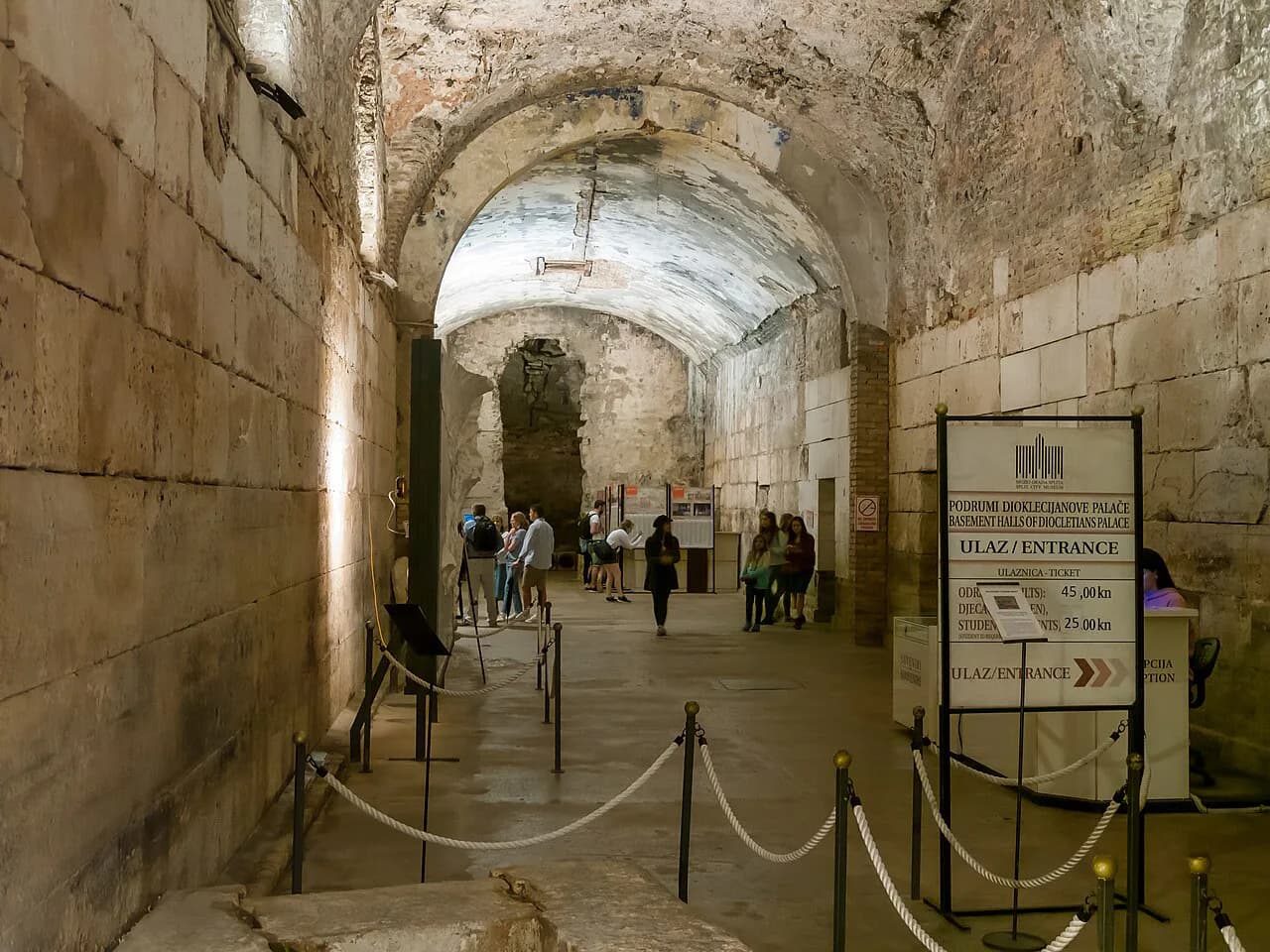
Check the port schedules for Dubrovnik and Split before you fix your days, then put the walled cities on quieter dates and use heavy ship days for islands or inland trips. In Dubrovnik, walking the city walls early, as soon as they open, gives you the ramparts with far fewer people. In Split, the cellars below Diocletian's Palace and the quieter streets north of the Riva are good refuges when the squares fill.
Hvar town is busy in a different way: it draws a summer crowd that stays late into the evening, so mornings are calmer than afternoons. Staying on the island rather than day-tripping lets you see the harbour before the first catamaran arrives.
Prices in August: peak-season accommodation and why early booking matters
August is the most expensive month for accommodation on the Croatian coast, and the cheapest rates of the year come between November and April.
Because demand is predictable, the practical rule is to book rooms and any car hire well before you travel, and to favour stays of several nights over single nights. Prices vary enormously between Dubrovnik, Split and the islands, so compare actual rates for your dates in euros rather than relying on averages. Croatia has used the euro since 2023, so quotes and card payments should be in euros throughout.
Money goes further on the less-visited stretches: the Pelješac peninsula, the interior of Brač around Pučišća, and the quieter parts of Šolta all cost less than the headline towns. Ferries and catamarans also cost money per crossing, so fewer, longer island stays beat a rushed island-hopping circuit.
Ferries and catamarans in August: book ahead, travel early and expect full boats
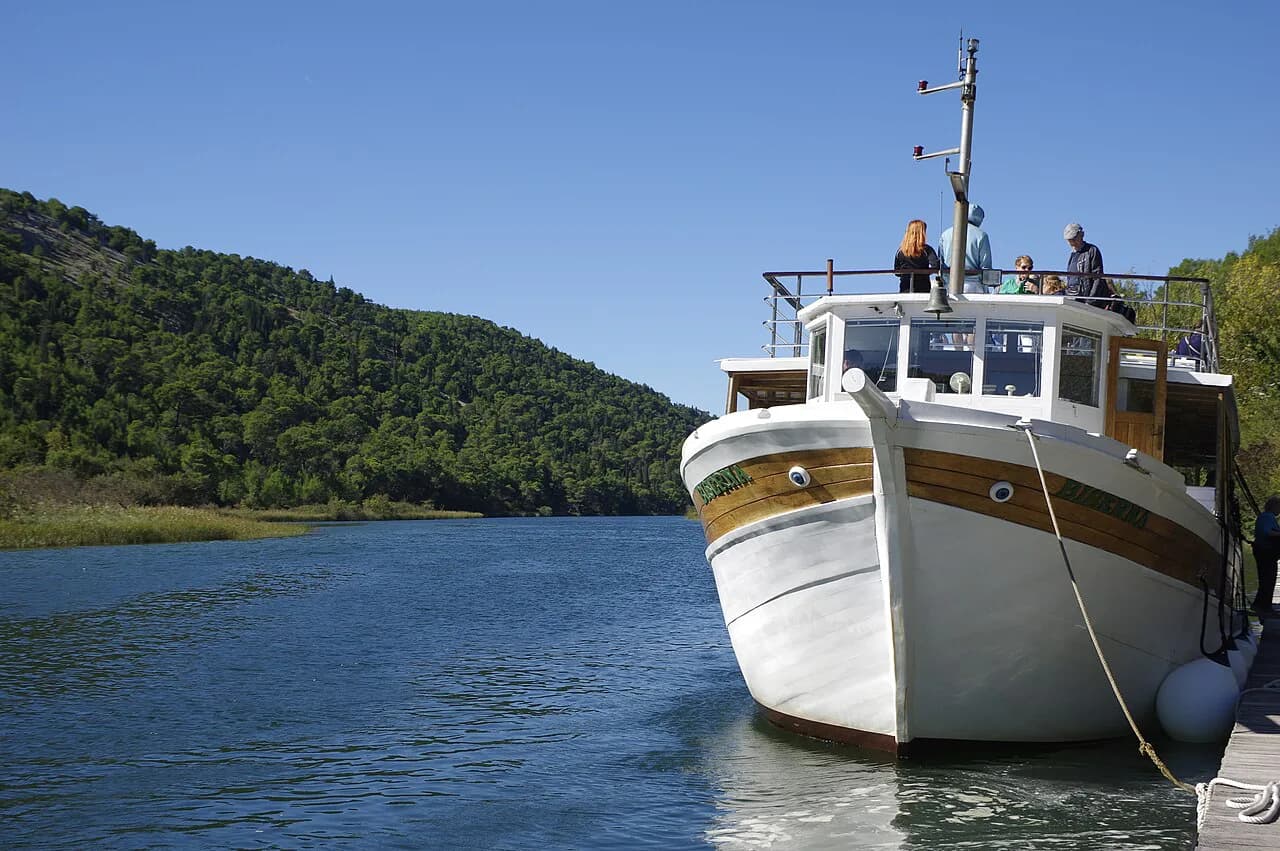
August is the month when turning up at the port and hoping for a seat stops being sensible. Jadrolinija runs the car ferries and many of the coastal routes, while Krilo and TP Line operate fast catamaran services along the coast and out to the islands. On peak weekends, popular crossings sell out, so reserve seats online in advance wherever the company allows it.
Travel early. The first morning departures are calmer at the ticket offices and on board, and they get you to the island before the day-trippers. If you are taking a car, book the vehicle lane in advance; foot passengers have more flexibility.
Keep a day's slack around any crossing that matters, such as a flight connection or a rental handover. Summer weather can interrupt sailings, and a missed boat in peak season is hard to replace at short notice. The crossing times and frequencies are seasonal, so check them for your dates rather than relying on last year's timetable.
The bura wind and summer storms: what can disrupt a boat trip
The bura is the cold, gusty north-easterly wind that funnels down from the Dinaric Alps towards the coast, and when it blows hard it can close exposed stretches of water and cancel boat trips. Its counterpart, the jugo, brings humid, unsettled weather from the south. Neither is unusual in summer, though August is more often dominated by settled high pressure and the afternoon maestral breeze.
The practical defence is a flexible plan: keep one water-based day and one land-based day that can swap places, and avoid booking two consecutive boat trips. Operators know the conditions and will cancel when it is unsafe, so ask about their policy when you book. The Dinaric Alps backdrop that generates the bura is also what makes the Dalmatian coast so dramatic; our guide to Croatia in May covers the windier shoulder season.
Where to go in August to escape the worst of the crowds
Shift the balance of a trip away from the three headline towns. Šibenik has a magnificent cathedral and a compact old centre that feels less pressurised than Split, and the Kornati islands and Telašćica on Dugi Otok reward a day on the water. Further south, Korčula and the Pelješac peninsula absorb visitors more gracefully than Hvar town in high summer.
On Brač, the stone-carving village of Pučišća above its harbour is a different world from the bustle of Bol, and the island's interior roads are quiet. Primošten and Omiš on the mainland coast make useful bases away from the biggest crowds. Čiovo, connected by bridge to Trogir, offers a calmer base with the UNESCO-listed old town minutes away.
If you want the national parks, go early or consider saving them for another trip: Krka's Skradinski buk and Roški slap draw heavy August numbers, and parking fills quickly. Our guide to Croatia in June shows what the same places look like just before the peak.
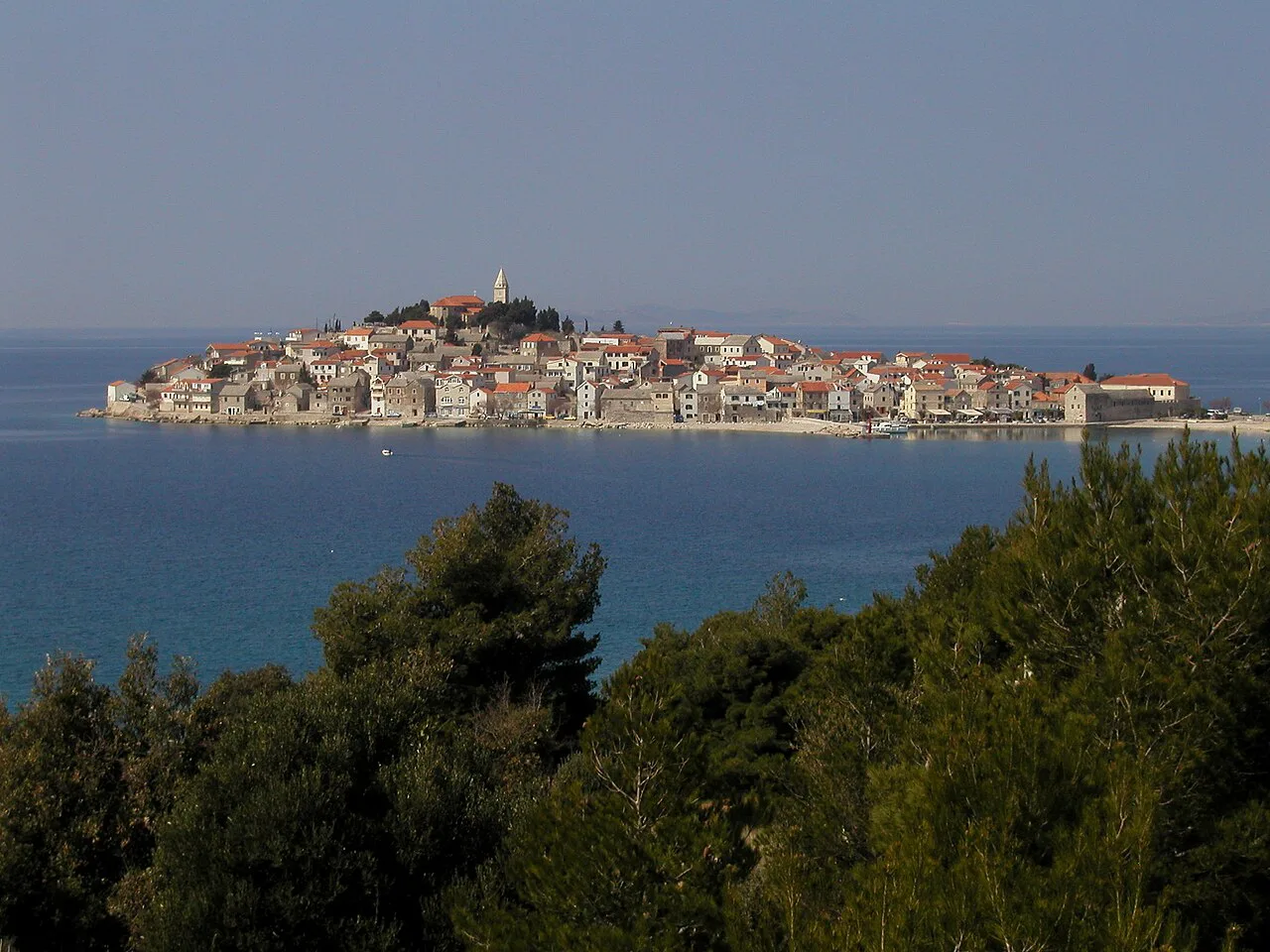
How to structure days around heat: early mornings, shaded old towns and afternoon swims
A good August day on the Croatian coast has three parts: an early walk or a trip to a market, a shaded or indoor middle, and an afternoon swim followed by an evening in the old town. Kalelarga in Zadar and the streets inside Diocletian's Palace are at their best before 09:00 and after 18:00, when the stone has cooled and the light softens. The Sea Organ on Zadar's waterfront is an easy sunset stop.
Restaurants in the old towns get busy from about 19:00, so an earlier dinner or a later one after 21:00 usually means less waiting. Keep a hat and water with you; shade is scarce on the walls of Dubrovnik and Korčula in the middle of the day.
Ferries and catamarans rarely wait, so time your final day backwards from the departure rather than squeezing in one more sight. Packing light helps on busy boats, where luggage space fills quickly in August.
Should you go to Croatia in August?
Go in August if you want the warmest sea of the year and reliably dry days, and if you are willing to book accommodation and ferry seats in advance and to start early. Accept that Dubrovnik, Split and Hvar town will be crowded, and that prices peak.
Choose the shoulder months instead if crowds and costs matter more than water temperature; the sea stays swimmable and the old towns breathe. Either way, check operator timetables for your dates before you lock in the crossings that carry the most risk. If you are weighing April against high summer, our Croatia in April guide shows how much quieter the coast can be.
Explore more Croatia guides
Frequently Asked Questions
Is October a good time to go to Croatia?
October is outside the high season, so the coast is quieter and accommodation is generally cheaper than in July and August. The sea still holds summer warmth early in the month, though the weather becomes less settled as autumn advances. It suits travellers who prefer fewer crowds to guaranteed heat.
What is the weather like in Croatia in April and May?
Spring brings mild, changeable weather rather than August's settled heat. Coastal days can be pleasant for walking and sightseeing, but the sea is still cold and the bura can blow. Expect fewer crowds and lower prices than in high summer, and pack layers.
What is the weather like in Croatia in early November?
November falls in the quietest, cheapest part of the year, with cooler, wetter and less predictable weather on the coast. Many seasonal businesses reduce their hours or close for the winter. It is not a beach month, but it suits city breaks and sightseeing in the old towns.
Sources
Notes from the Croatian coast
Optional updates when our guides change.
You might also like
Continue reading
More guides you'll find useful