Croatia in Summer: Where to Go and How to Handle the Crowds
Plan a summer trip to Croatia: which coastal towns and islands to pick, how to time old-town walks, how ferries work and how to dodge the worst crowds.
On this page
Summer in Croatia works best as a short list, not a long one: choose two or three coastal bases, walk the old towns before the heat and the crowds build, and book island crossings before you fly. July and August bring the busiest harbours, the fullest ferries and the strongest sun, so the quality of a summer trip depends on sequencing rather than on how many places you tick off.
The coast is long and the main sights sit in very different settings, from Korčula Town's compact peninsula to Split's Roman core and the waterfall parks inland. This guide sets out what summer actually feels like, where to go and for how long, how Dubrovnik and Split behave on cruise-ship days, and how Jadrolinija, Krilo and TP Line crossings fit into a realistic itinerary.
What summer in Croatia is actually like
High summer on the Dalmatian coast means hot, dry, mostly sunny days, warm sea and very little rain, while inland parks such as Plitvice Lakes National Park and Krka are hotter and more humid than the shore. Treat any temperature figure as a typical average rather than a forecast, because heatwaves push coastal afternoons well beyond what a monthly average suggests.
The bura is a gusty, cooling northeast wind that can arrive in any season and changes how a harbour or a ferry crossing feels; it is a planning constraint, not trivia, because exposed waterfronts and small boats are less comfortable when it blows. When it settles, shade and water become the day's organising principle: swim in the morning, walk the old town early or late, and keep the middle of the day for indoor sights or a long lunch.
Seasonality is the other constant: coastal towns fill in July and August, and the big parks run on park-authority tickets with summer capacity limits. For a full season-by-season comparison of weather, crowds and prices, see the guide to the Best Time to Visit Croatia, which puts June, September and the shoulder weeks in context against peak summer.
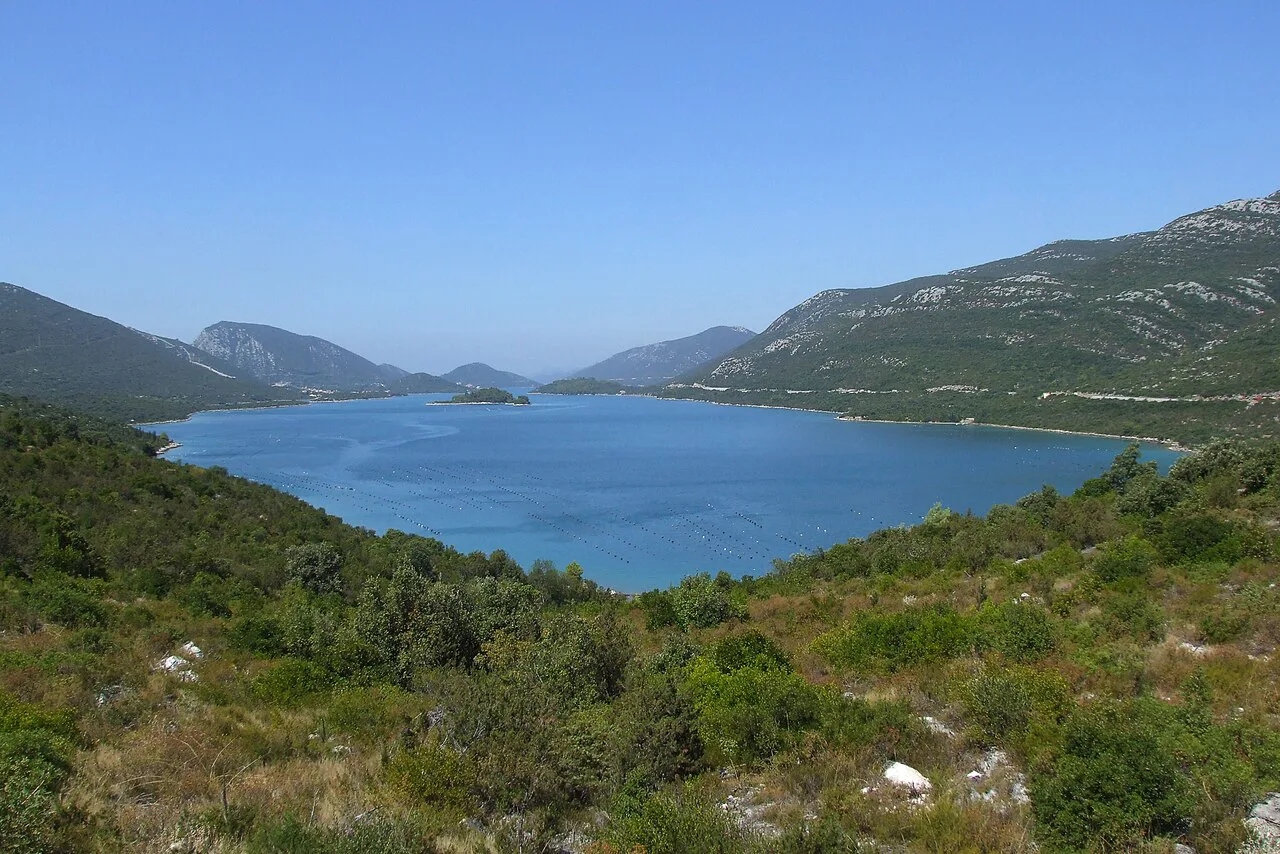
When summer peaks: July and August versus late June and September
July and August are when the coast is at its fullest: ferries, old towns and the big parks all absorb the most people, and accommodation and crossing seats go first. Late June and September give you most of the warmth with noticeably more room in the streets and on the boats, which matters most in Dubrovnik and Split, where a single busy day changes the character of a walk.
Is Croatia hot in July? July is the hottest and busiest month on the Dalmatian coast, with hot, dry, mostly sunny days and warm sea, and inland parks such as Krka and Plitvice Lakes are hotter and more humid than the shore. Treat the temperatures you see for July as typical averages rather than a forecast, and plan walking and swimming for the early morning and late afternoon.
Can you drink tap water in Croatia? Tap water is generally safe to drink in Croatian towns and cities, so refill a bottle rather than buying plastic, especially in summer heat when you will drink far more than usual. On smaller islands and in rural areas, ask at your accommodation if you are unsure.
What language do they speak in Croatia? Croatian is the official language. English is widely spoken in hotels, ferry offices, museums and tourist areas along the coast, and staff in Split, Dubrovnik and the islands routinely deal with British, Irish and American visitors.
If your dates are fixed to school holidays, accept the peak and plan around it rather than against it: fewer bases, earlier starts and pre-booked crossings do more for a trip than any attempt to find a quiet corner of a busy town. The shoulder months are covered separately in the guides to Croatia in June and Croatia in April.
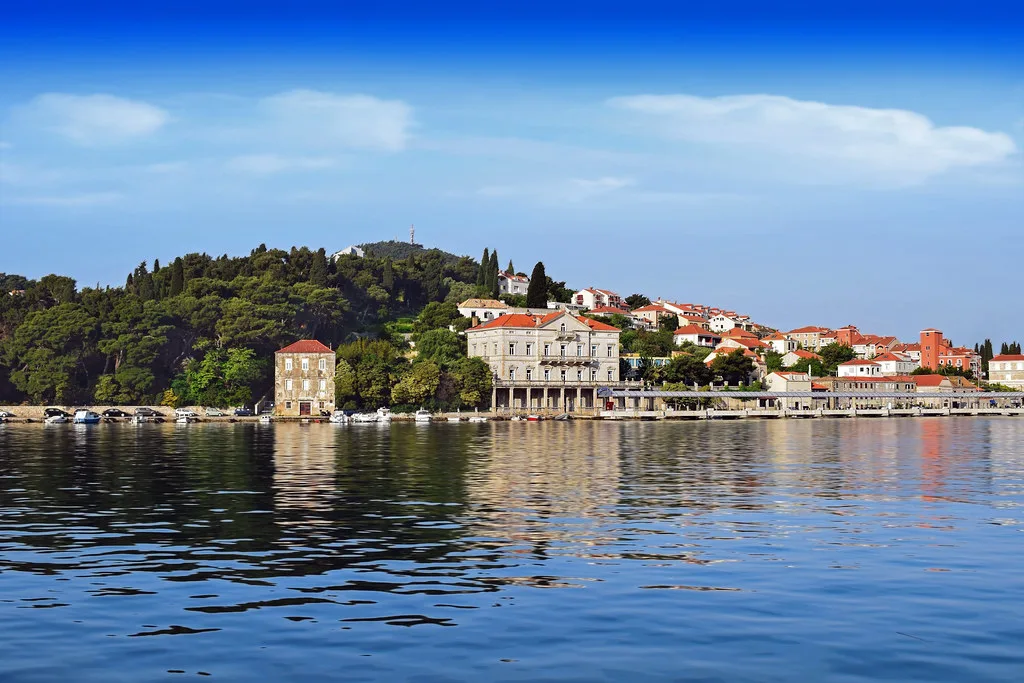
Where to go in summer: the coast, the islands and the parks
Korčula is the island that repays a summer stay rather than a flying visit: Korčula Town is a small fortified settlement on a peninsula, often described as a miniature Dubrovnik, and it works well as a base because the island has quiet swimming spots and pinewoods away from the walls. It is reachable by public ferry from Dubrovnik or Split and by a short crossing from Orebić on the Pelješac peninsula.
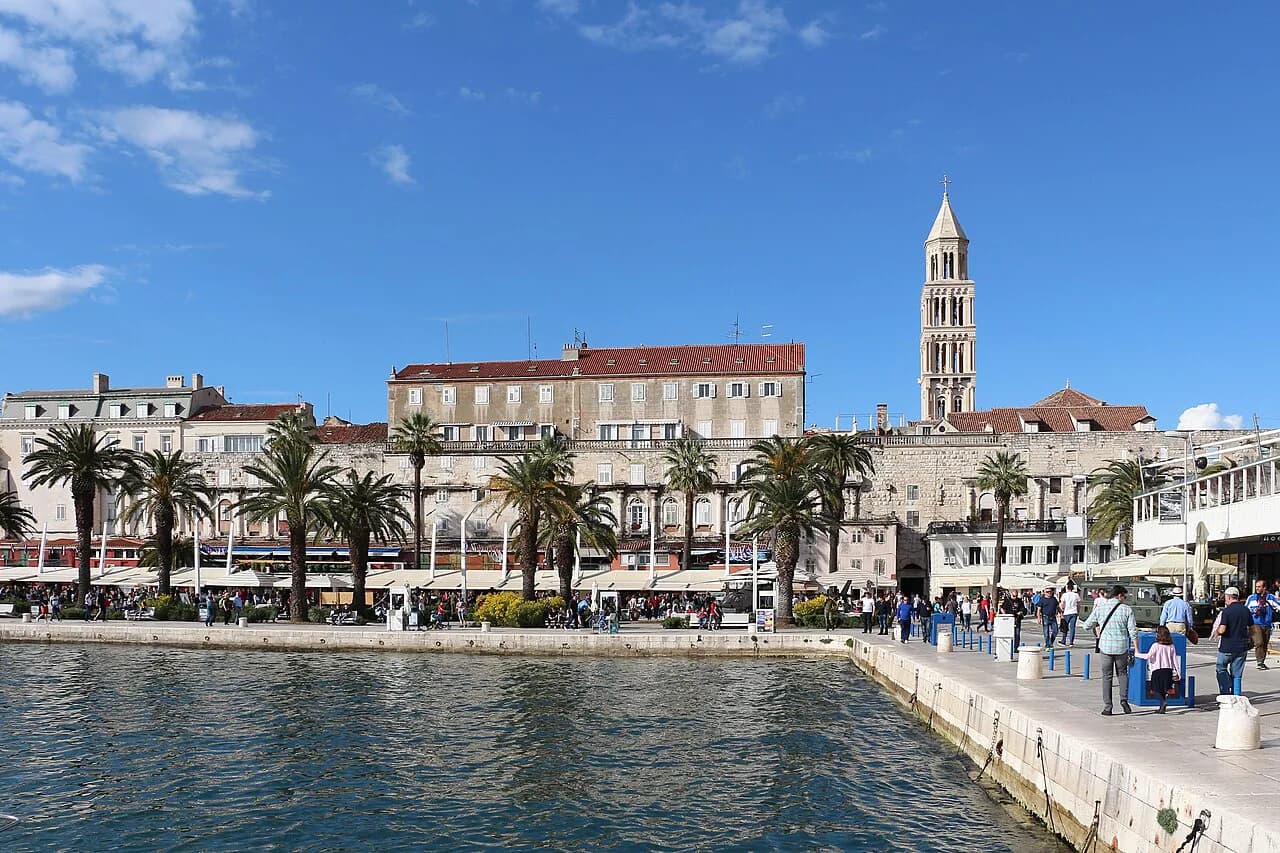
Split and Dubrovnik are the two mandatory stops for most first trips, and both are also the two places where summer crowds bite hardest. Split's Diocletian's Palace is a UNESCO World Heritage Site and functions as the old town itself, with cafés and restaurants set among the Roman remains, so it is best walked early before the tour groups thicken.
Istria, centred on Pula and Rovinj, gives a different summer: Venetian-era towns and a milder northern coast. Zadar and its waterfront are a practical midpoint for splitting the coast, while Hvar, Brač and Vis suit travellers who want island time and are willing to build the trip around ferry timetables rather than hire cars.
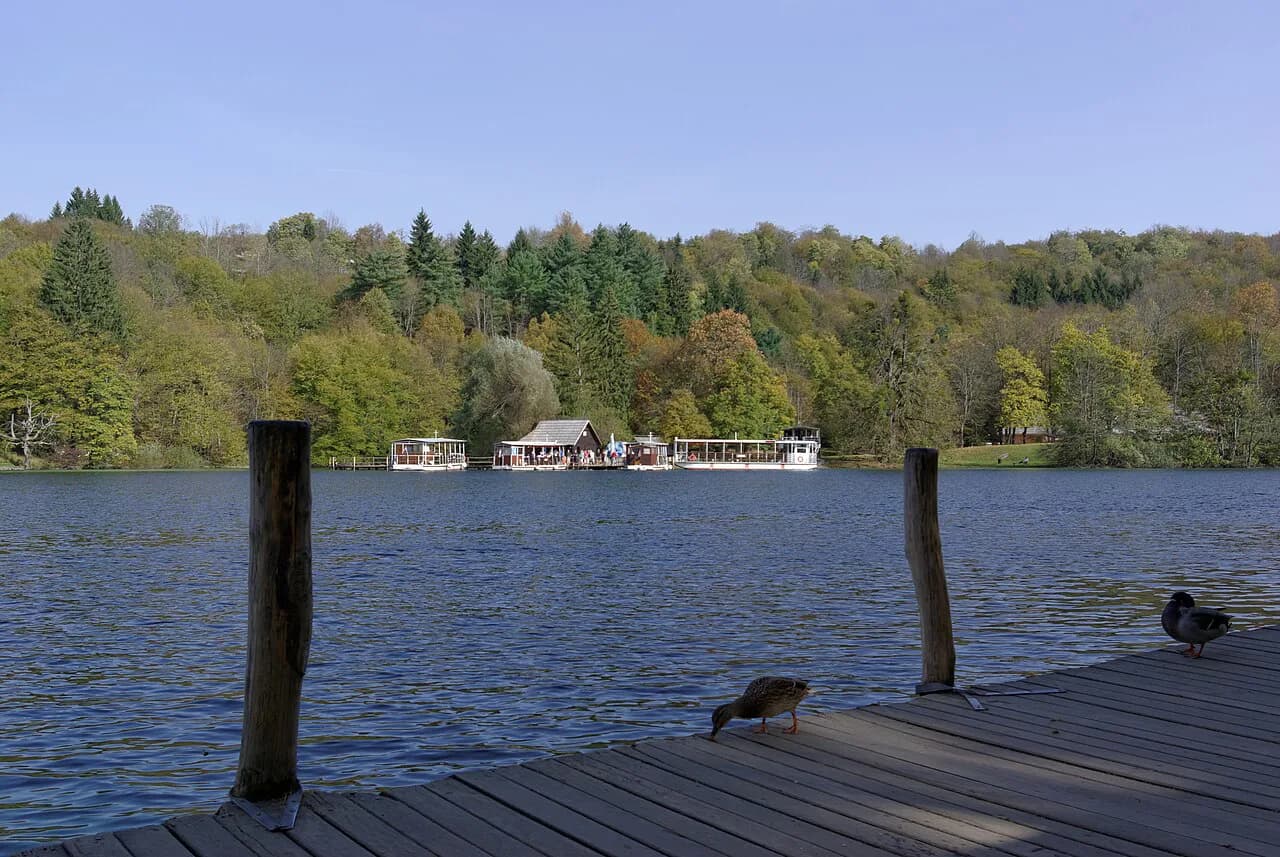
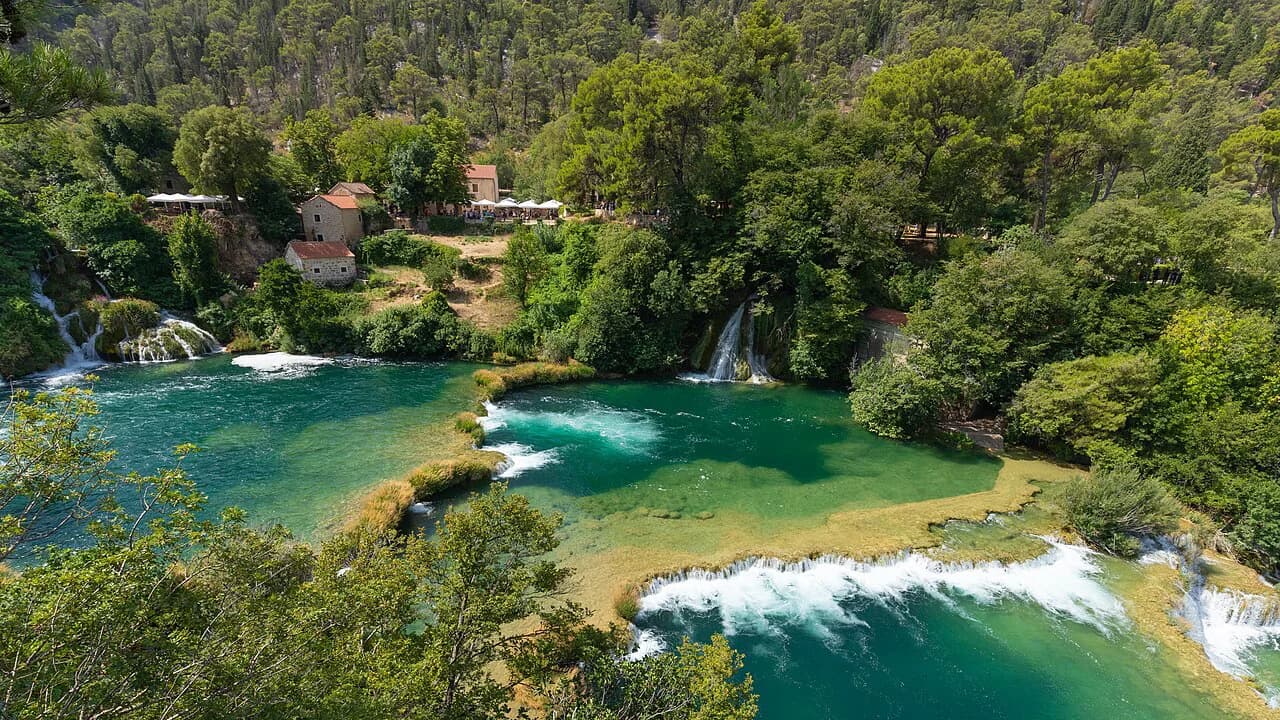
The inland parks are the counterweight to the coast: Plitvice Lakes and Krka, with Skradinski buk as Krka's best-known waterfall, both need a dedicated day and a ticket arranged with the park authority. Build them into the itinerary rather than adding them on impulse, because peak-season capacity and the heat of a mid-summer afternoon both punish a rushed visit.
How long each place needs and how to link them
A realistic summer split is two nights for Korčula Town, two or three for Split with a half-day for Trogir nearby, two for Dubrovnik outside the walls and a full day for Krka or Plitvice. Adding Zadar, Istria and a second island usually means dropping something else, and the trade-off is rarely worth it in August, when travel days eat more of the day than they do in June.
Link the coast south to north or north to south rather than doubling back: fly into Dubrovnik or Split, work up through Korčula and the Dalmatian ports, and finish in Istria or fly out of Zagreb after the parks. Public ferries and catamarans make this workable without a car, but each crossing is a fixed commitment.
Dubrovnik and Split on cruise-ship days
Cruise traffic is what turns a manageable old town into a crush, and it moves in predictable blocks: ships disgorge in the morning, passengers cluster on the main streets and the Stradun, and the town empties again by late afternoon. Walking Dubrovnik's walls and streets at opening time, or after the ships leave, is the single most effective summer tactic in the city, and the same rhythm applies to Split's palace streets around Diocletian's Palace.
Check port calls before you set your days, because a heavy ship day and a quiet one feel like different cities; local port schedules and the town's own visitor information are where that is confirmed. If your dates are flexible, put the crowded town on a lighter day and use a ship-heavy day for an island crossing or a park visit instead.
Island hopping by ferry and catamaran
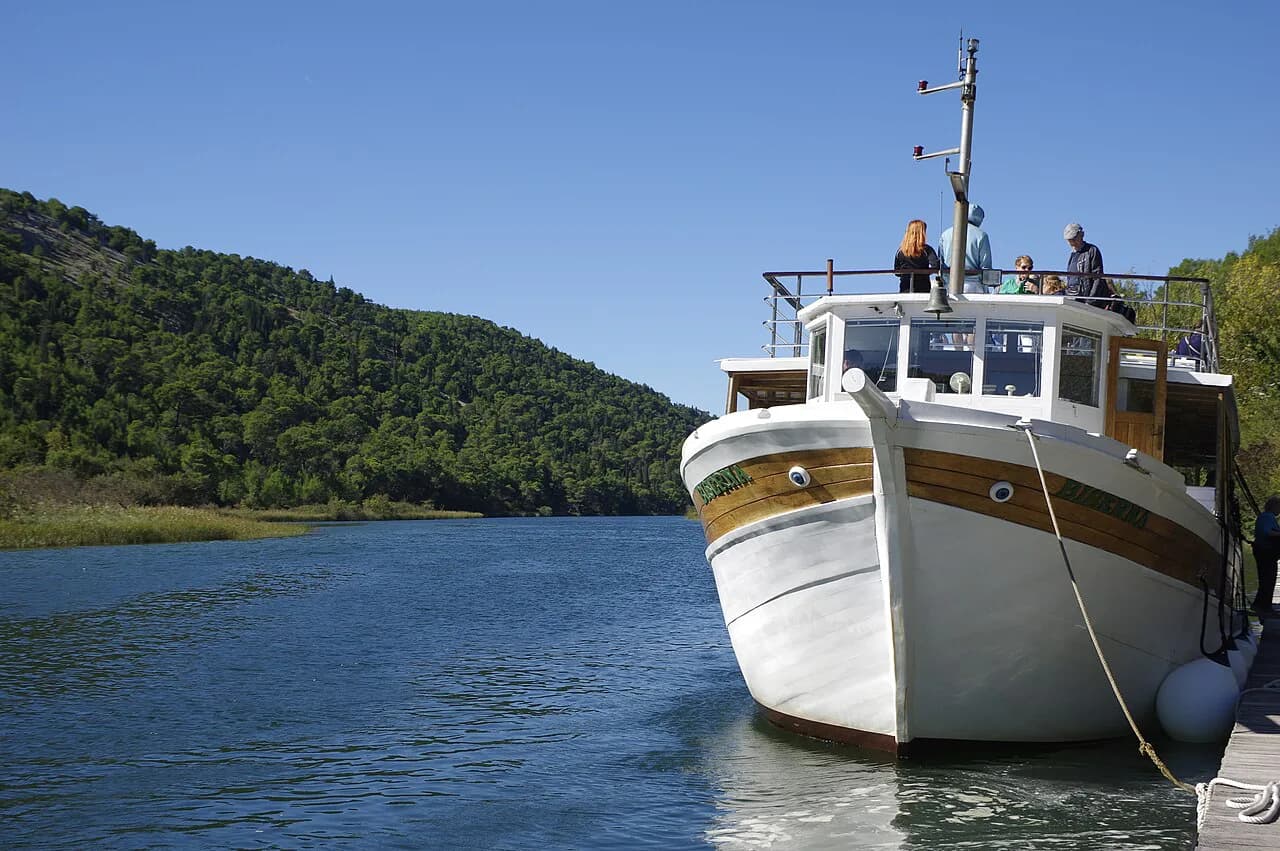
Jadrolinija runs the main car-ferry network along the coast and to the islands, while Krilo and TP Line operate faster passenger catamarans on the longer coastal routes; which company you pick matters because car ferries, fast catamarans and seasonal lines have different timetables. Summer seats sell out on the popular Split–Hvar–Korčula–Dubrovnik axis, so book the crossings you cannot miss before you leave and keep the rest flexible.
Crossing times and departure frequencies change by season and by company, so take them from Jadrolinija's, Krilo's or TP Line's own timetable for your travel dates rather than from a printed guide or an old blog post. Arrive at the port with time to spare, keep luggage light enough to carry up a gangway, and remember that a late afternoon catamaran can be cancelled or delayed by wind, which is where a spare night on an island earns its keep.
Riva and harbour evenings: how the waterfront sets the day
The Riva, the waterfront promenade in Split, and the comparable harbour fronts in Zadar, Korčula Town and Rovinj are the social spine of a summer day: people walk, sit and swim from the rocks and piers, and the promenade stays busy well into the evening. Plan your day so the late afternoon and evening are spent there rather than in a museum, and let the morning carry the walking and the ticketed sights.
This rhythm also solves the midday problem. When the heat and the tour groups peak, a swim, a shaded harbour table and a ferry-watching hour restore the day; the alternative, pushing through three churches and a fortress between noon and four, is how summer itineraries collapse.
How summer shapes opening months, seasonal closures and prices
Summer is when everything on the coast opens, from town museums to boat trips and park entrances, and when prices are at their highest in euros; Croatia has used the euro since 2023, so ignore any older figure quoted in kuna. For anything with a published ticket price or opening time, use the attraction's or park authority's current information for your dates, since those details change by season.
Boat trips and crossings are the costs most worth confirming early: Jadrolinija's, Krilo's or TP Line's own booking page states the fare and the timetable for the season you travel, and that is also where cancellations and conditions appear. If a price is not published for a specific sight on your dates, check current prices when you book rather than carrying a stale estimate.
Common summer mistakes to avoid
The classic error is an over-packed itinerary: five islands in eight days looks fine on a map and falls apart when each crossing and each old town takes longer in July than in May. Fewer bases, longer stays and one National Park rather than two is the version of a Croatian summer that people actually enjoy.
The second is treating midday as sightseeing time, and the third is leaving ferries and park tickets unbooked in August, when the most convenient departures are the first to go. Walking early, swimming when it is hot, booking the crossings you cannot miss and checking ship days in Dubrovnik and Split covers most of what summer throws at a coastal itinerary.
Which summer version of Croatia suits you?
If you want the fullest version of the coast, with everything open and the sea at its warmest, go in July or August and accept the crowds: base yourself in Split or Korčula, book the crossings early and walk the old towns at the edges of the day. If you want the same coast with room to move, late June and September are the better bet, and the guide to the Best Time to Visit Croatia lays out the trade-offs month by month.
Either way, the decision that shapes the trip is how many places you commit to. Two or three bases, one inland park day, a booked ferry or two and a loose evening plan on the Riva will beat a longer list every time in high summer.
Explore more Croatia guides
Frequently Asked Questions
Is Croatia hot in July?
July is the hottest and busiest month on the Dalmatian coast, with hot, dry, mostly sunny days and warm sea, and inland parks such as Krka and Plitvice Lakes are hotter and more humid than the shore. Treat the temperatures you see for July as typical averages rather than a forecast, and plan walking and swimming for the early morning and late afternoon.
Can you drink tap water in Croatia?
Tap water is generally safe to drink in Croatian towns and cities, so refill a bottle rather than buying plastic, especially in summer heat when you will drink far more than usual. On smaller islands and in rural areas, ask at your accommodation if you are unsure.
What language do they speak in Croatia?
Croatian is the official language. English is widely spoken in hotels, ferry offices, museums and tourist areas along the coast, and staff in Split, Dubrovnik and the islands routinely deal with British, Irish and American visitors. Learning a few greetings is appreciated but not needed to get around.
Sources
Notes from the Croatian coast
Optional updates when our guides change.
You might also like
Continue reading
More guides you'll find useful