Milna Brač Guide: Harbour, Church & How Long to Stay
Plan a visit to Milna on Brač: the sheltered harbour, the baroque Church of Our Lady of the Annunciation, the old shipyards and how the village is laid out.
On this page
Milna needs about two hours for the old centre and the harbour front, or half a day if you want to eat on the waterfront and see the church properly. It sits on the western coast of Brač around a deep, sheltered inlet, and its appeal is less a checklist of sights than a compact stone village that grew up around boats. This guide covers how the village is laid out, the Church of Our Lady of the Annunciation, the old shipyards, a short walking route and how Milna fits into a wider Brač trip.
What Milna is known for
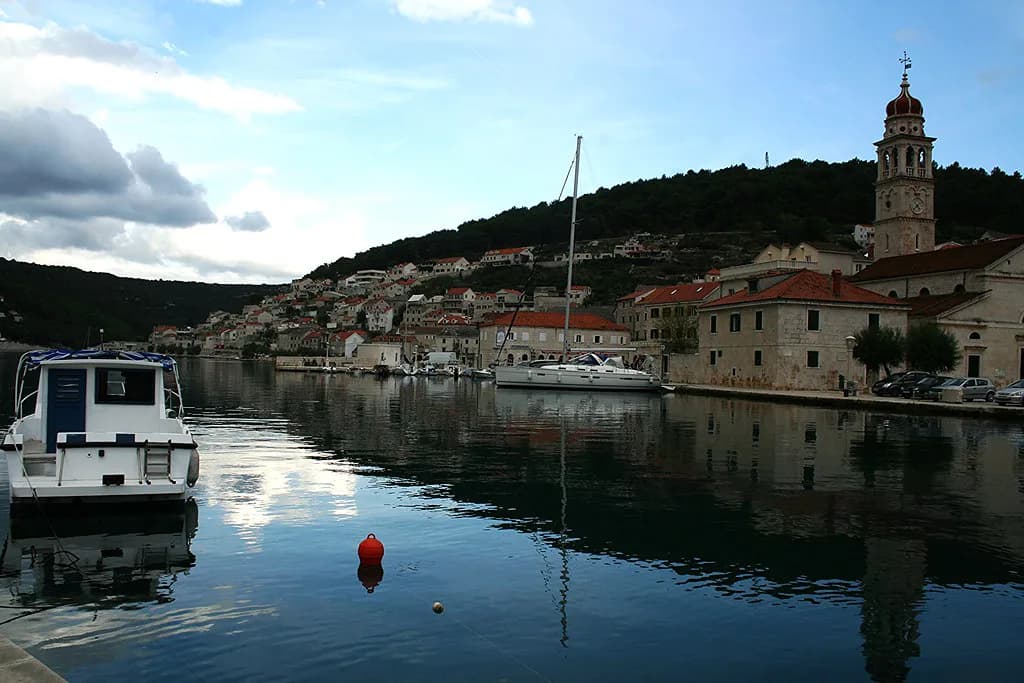
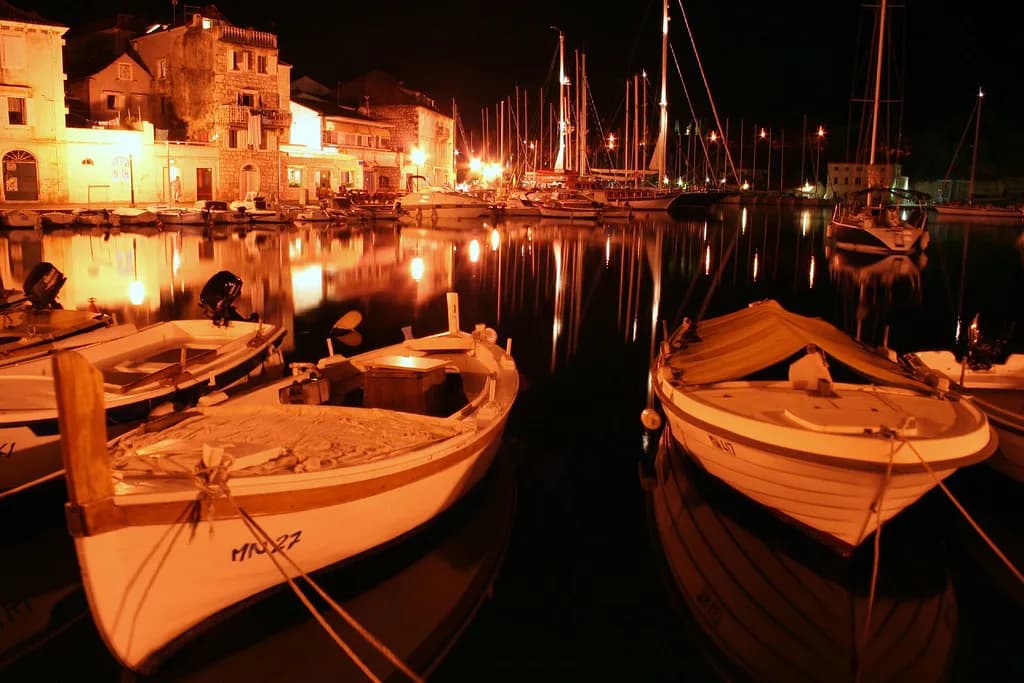
Milna is known for two things that are really one: a protected harbour and a maritime past built on it. The inlet gives calm water in most conditions, which is why yachts and small boats gather here in numbers through the summer. That boat traffic shapes the village's character and its daily rhythm, and it is the reason Milna feels more like a working harbour than a resort.
For a land-based visitor the practical point is that summer mornings give the calmest version of the village, before the day's boat traffic and visitors build through the middle of the day. If you arrive by road or ferry and leave the same day, aim to walk the centre in the morning to early afternoon, and treat the waterfront as busier later on.
How Milna is laid out
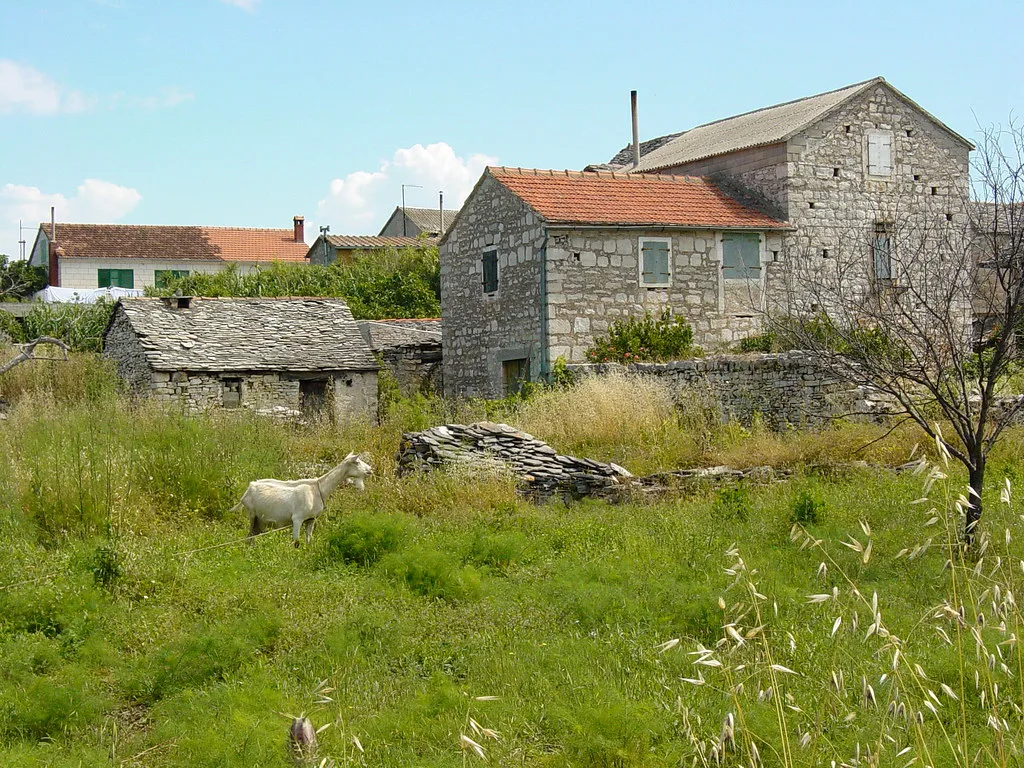
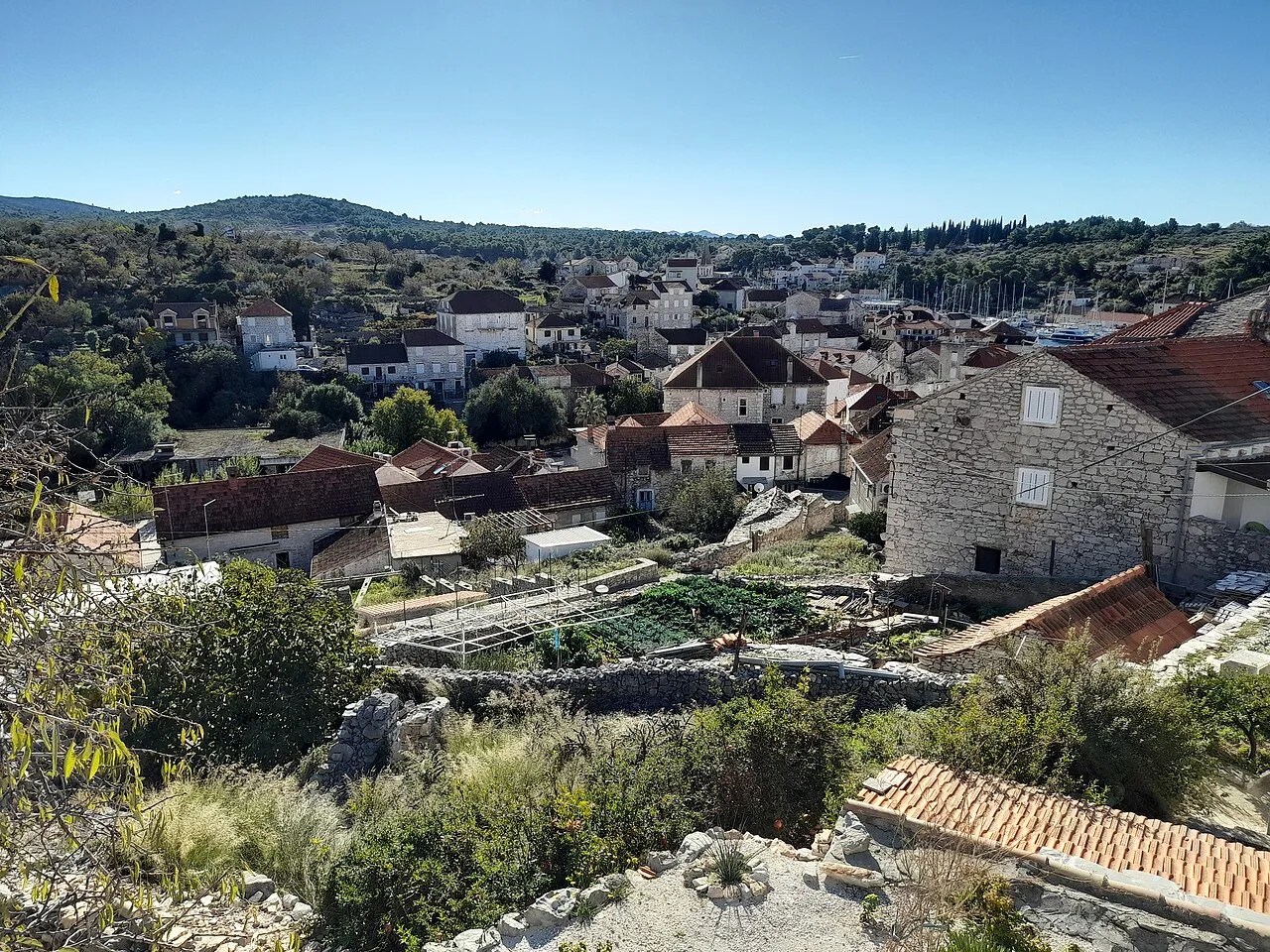
The village wraps around the head of the inlet, with the harbour water in the middle and the built-up area on the shore either side. The waterfront promenade is the spine of the place: cafés, restaurants and traditional Dalmatian stone houses line it, many of them in the Venetian-influenced style that gives the centre its look. Walking the promenade end to end takes minutes, not hours, which is why the village suits a short stop rather than a full day.
Behind the waterfront the lanes climb gently into the older residential streets, where the stone is plainer and the crowds thin out quickly. This is where the village's shape becomes clear: a harbour economy at the water, ordinary houses above it. If you only have an hour, stay on the promenade and take one lane uphill for a view back over the boats; that combination gives you the whole picture.
The Church of Our Lady of the Annunciation
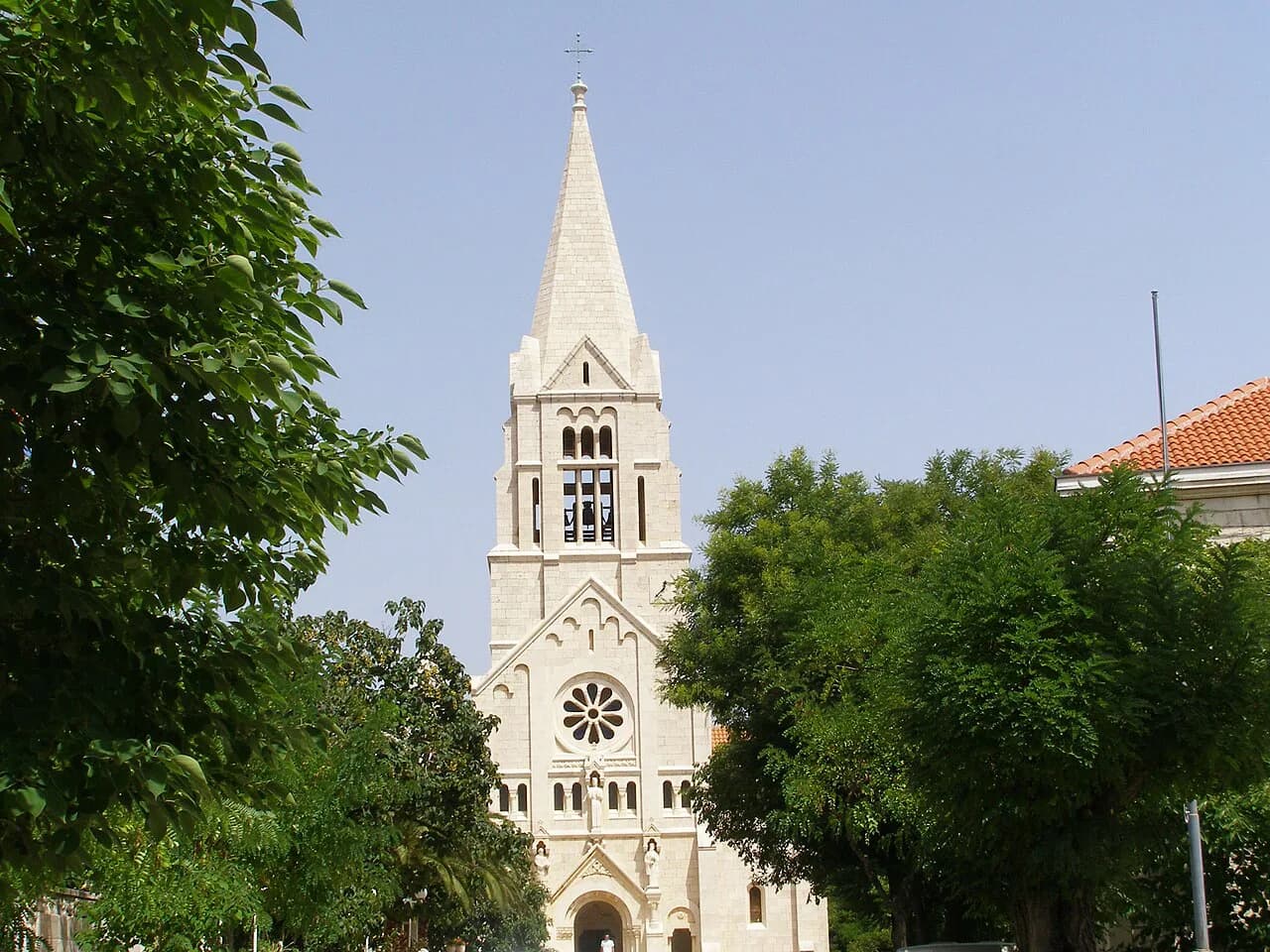
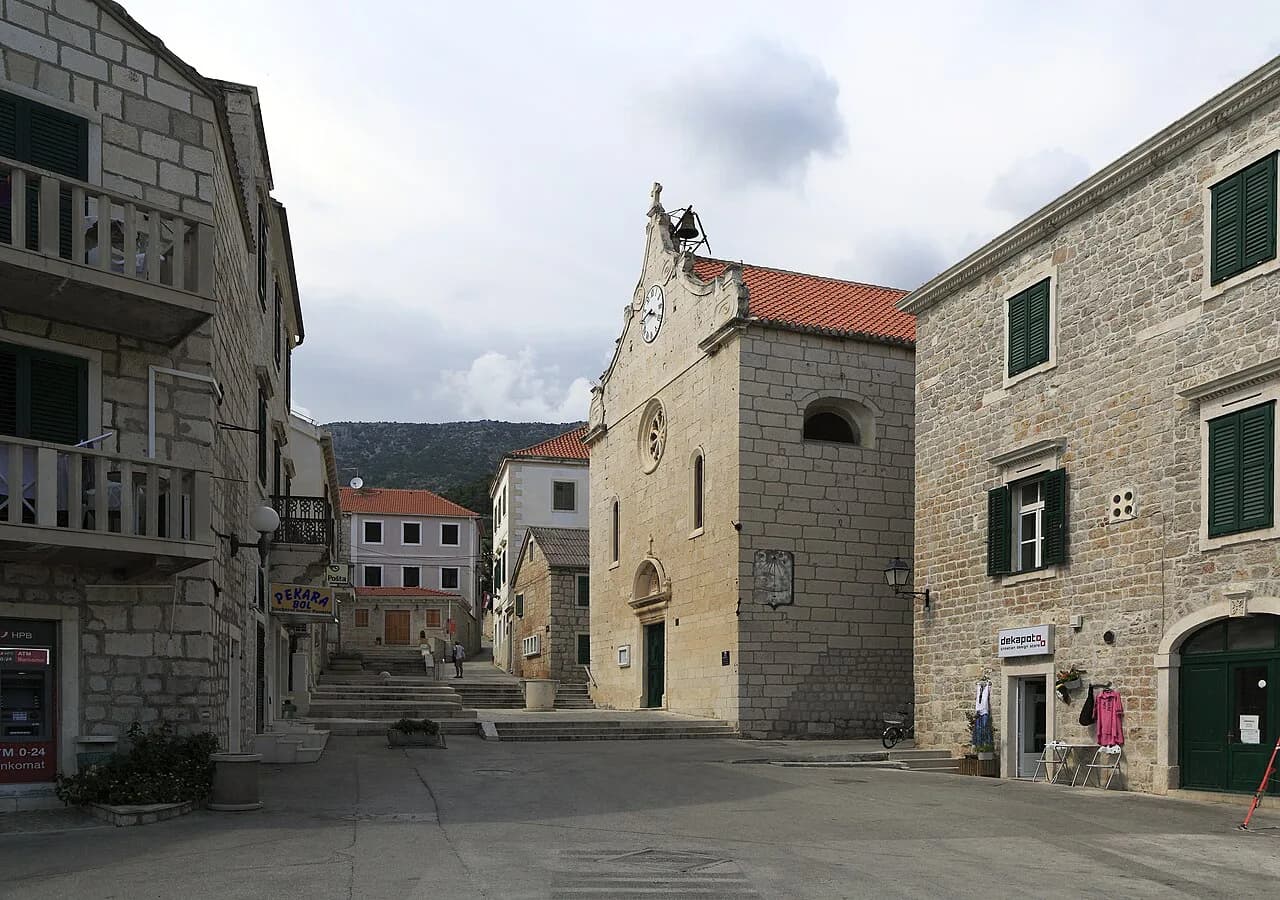
The Church of Our Lady of the Annunciation is Milna's principal landmark, an 18th-century baroque building whose ornate front and interior detail reward a proper look. It is the sight most visitors come into the centre for, and it anchors the village's identity as a place with money and ambition behind its shipping trade. Set aside fifteen to twenty minutes rather than a quick glance at the door.
Opening arrangements for churches on Brač vary with the season and with parish business, and there is no reliable published timetable to plan around. Approach it as a stop on the walk rather than the fixed point of the day, and if the doors are shut, the exterior and the surrounding lanes still justify the detour. Check locally on the day if the interior matters to you.
The old shipyards and Milna's shipbuilding heritage
Milna was once the main shipbuilding centre on Brač, turning out traditional Dalmatian boats, and the remnants of the old shipyards are still part of the harbour scene. You will not find a formal museum experience here; what survives is read in the fabric of the waterfront and in the village's continuing association with boats. Walk the shore and look for the working edges of the harbour rather than expecting signage and interpretation boards.
This heritage explains the harbour's pull for sailors today and gives the village a seriousness that purely seasonal places lack. For anyone interested in how the Croatian coast made its living before tourism, half an hour spent looking at the water and the boatyards says more than a display case would.
A short walking route through the centre
Start at the head of the inlet, where the harbour water is closest to the road, and follow the promenade along one shore until the stone houses give out. Turn up into the lanes behind the front, loop back through the older residential streets and rejoin the water on the opposite side, finishing at the Church of Our Lady of the Annunciation. The whole circuit is short and mostly level, with only a gentle climb in the middle.
Do the loop in the morning if you are here in high summer, when the light on the stone is better and the waterfront is quieter. Allow an hour for the circuit without stops, and two hours if you want to sit down at the water and look at the church properly. Sturdy shoes are sensible: the lanes are paved but uneven in places.
How long Milna needs
Two hours covers the promenade, the lanes, the church exterior and the old shipyard area at an unhurried pace. That is the right allocation for most travellers fitting Milna into a tour of the island, and it leaves the rest of the day free.
A half day makes sense if you want to eat on the waterfront, take a longer walk above the village or simply sit with the harbour in front of you. There is no beach scene here to fill the afternoon, and the village itself does not expand to fill more time than that. Treat a full day as unnecessary unless you are using Milna as a base for several nights.
Milna as a sailing base
The harbour's shelter and its position close to Hvar, Vis and Šolta make Milna one of the island's main sailing hubs, and yachts come and go accordingly. That is why marina facilities and boat services cluster here rather than in the village's size alone. If you are arriving by land, expect the waterfront to be organised around the water first and visitors second.
For a land-based visitor this is a practical consideration, not a reason to stay away. Berthing and course activity fill the quays in season, so parking near the water and finding a free table at peak times take longer than the size of the village suggests. Come early in the day, or accept the bustle as part of the place.
Getting to Milna and fitting it into a Brač trip
Milna is on the western end of Brač, reached by road from the island's main ferry port of Supetar or from the resorts further east. Buses and taxis connect the villages, but services thin out outside summer, so a car gives you far more flexibility for combining Milna with the rest of the island. Whichever way you come, the final approach drops down into the inlet and makes the village's geography obvious at a glance.
Within a Brač itinerary, pair Milna with a second stop rather than making it the whole day. Bol and Zlatni rat sit on the south coast, Pučišća and its stone-working tradition on the north, and Vidova gora above all of them for the island view. One of those plus Milna is a sensible day by car.
When to go: summer crowds against quieter months
High summer brings the yachts, the day visitors and the fullest waterfront of the year, and with them slower parking and busier quays. Late spring and early autumn give you the same stone village with room to walk and a better chance of a quiet table by the water. The trade-off is that some seasonal places on the coast run shorter hours or close outside the main months, so a village as small as Milna can feel very quiet.
The bura, the cold northerly wind that funnels down the Adriatic, can make the exposed parts of the coast uncomfortable even in fine weather, though Milna's inlet is sheltered by design. Check the forecast before committing to a day on the water, and keep a flexible plan for days when the wind gets up.
Should Milna be on your Brač itinerary?
Yes, if you want a genuine harbour village rather than a beach stop: two hours of promenade, lanes, church and shipyard heritage gives you the essence, and a half day lets you eat by the water. Skip it if your day is already built around the south coast, because the drive west and back eats into time better spent elsewhere; the wider Brač Island guide sets out the alternative stops.
Come in the morning in summer, bring a car if you are combining Milna with a second village, and treat the yacht traffic as part of the scenery rather than an obstacle. That is the version of Milna most travellers remember.
Explore more Brač guides
Frequently Asked Questions
Is Milna worth visiting on Brač?
Yes, for a short stop. Milna gives you a sheltered harbour, a baroque 18th-century church, a waterfront of Dalmatian stone houses and the remains of a shipbuilding past, all within a compact centre that takes about two hours to walk. It is less compelling as a full-day destination, because the village is small and there is no major sight beyond the church to hold you longer.
Sources
Notes from the Croatian coast
Optional updates when our guides change.
You might also like


Continue reading
More guides you'll find useful