Selca, Brač: the stonemasons' village and its hilltop church
Selca on Brač is an inland stonemasons' village above the Puntinak coast. See the old stone centre, the hilltop church of St Nicholas and how long to allow.
On this page
Selca is worth half a day, not a whole one. The village sits inland on eastern Brač, about 1 km from the sea at 114 m above sea level, so you walk a compact stone centre and a short climb to its signature church rather than a stretch of waterfront. This guide covers the old centre, Glavica and the church of St Nicholas, how long the circuit takes, and how Selca fits between Pučišća and the Sumartin ferry.
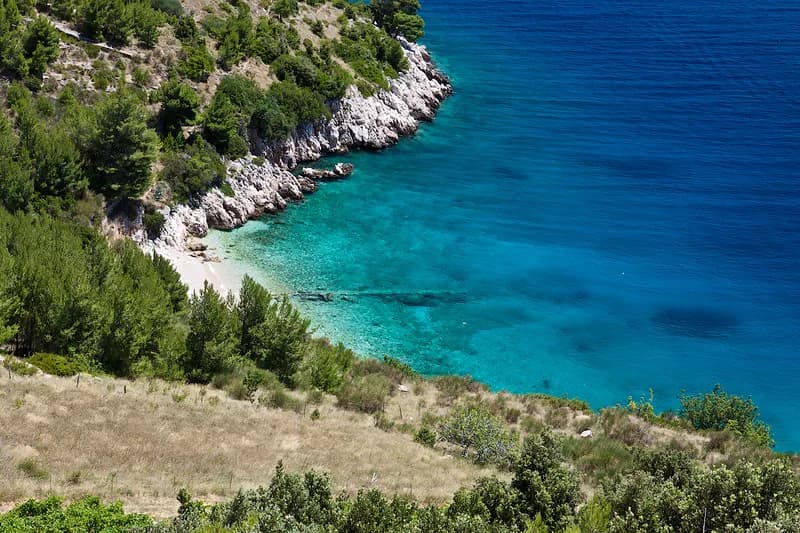
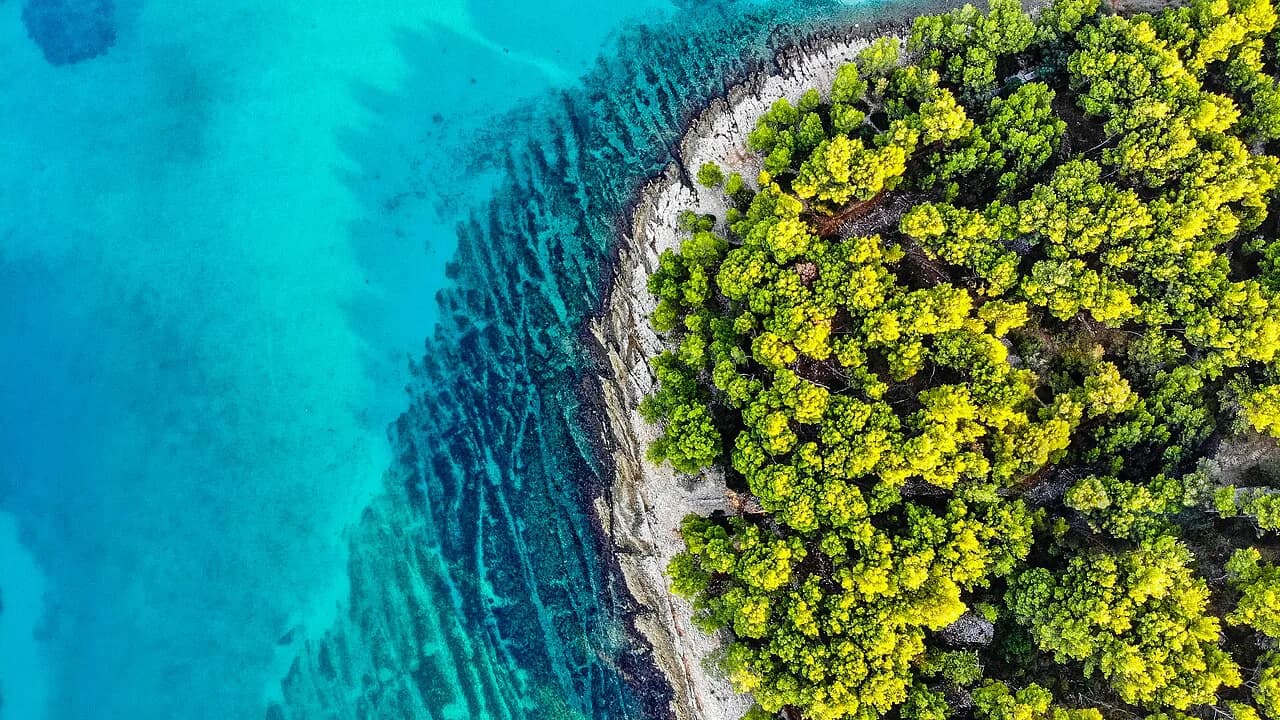
Below the village lie the coastal zones of Puntinak and Ružmarin, set near the beaches Radonja, Spilice and Žirje, which is why Selca works as a quiet base with a separate swimming stop. The trade-off is simple: you get stone lanes and silence instead of Bol's evening bustle, roughly 20 km away.
Where Selca is on Brač and how it fits a coast trip
Selca lies in the eastern interior of Brač, which puts it on a natural eastward run along the island rather than on the ferry-to-beach axis. If you are touring the island, the village slots in after Pučišća, the white-stone harbour village further north, and before Sumartin in the south-east, where ferries cross to Makarska on the mainland.
Treat Selca as a stop of two or three hours inside a driving day, not a destination in itself. Drivers coming from the main ferry ports at Supetar or Milna should count on a longer run across the island before reaching the east, and should plan Selca as the middle or end of that day rather than an afterthought at dusk.
To get the island's geography straight, sketch the route first: west-coast ferry towns, the central ridge, then the eastern stone villages. A Brač island map makes the distances between Selca, Pučišća, Bol and Sumartin obvious, and that shape should decide how many nights you give each. Check current ferry timetables before fixing dates.
The old centre on foot
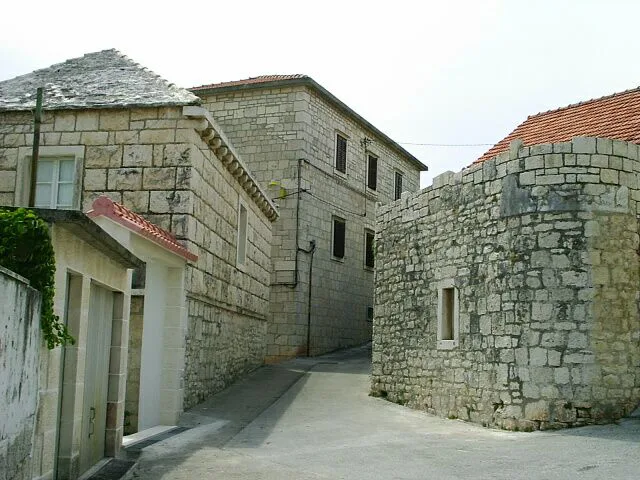
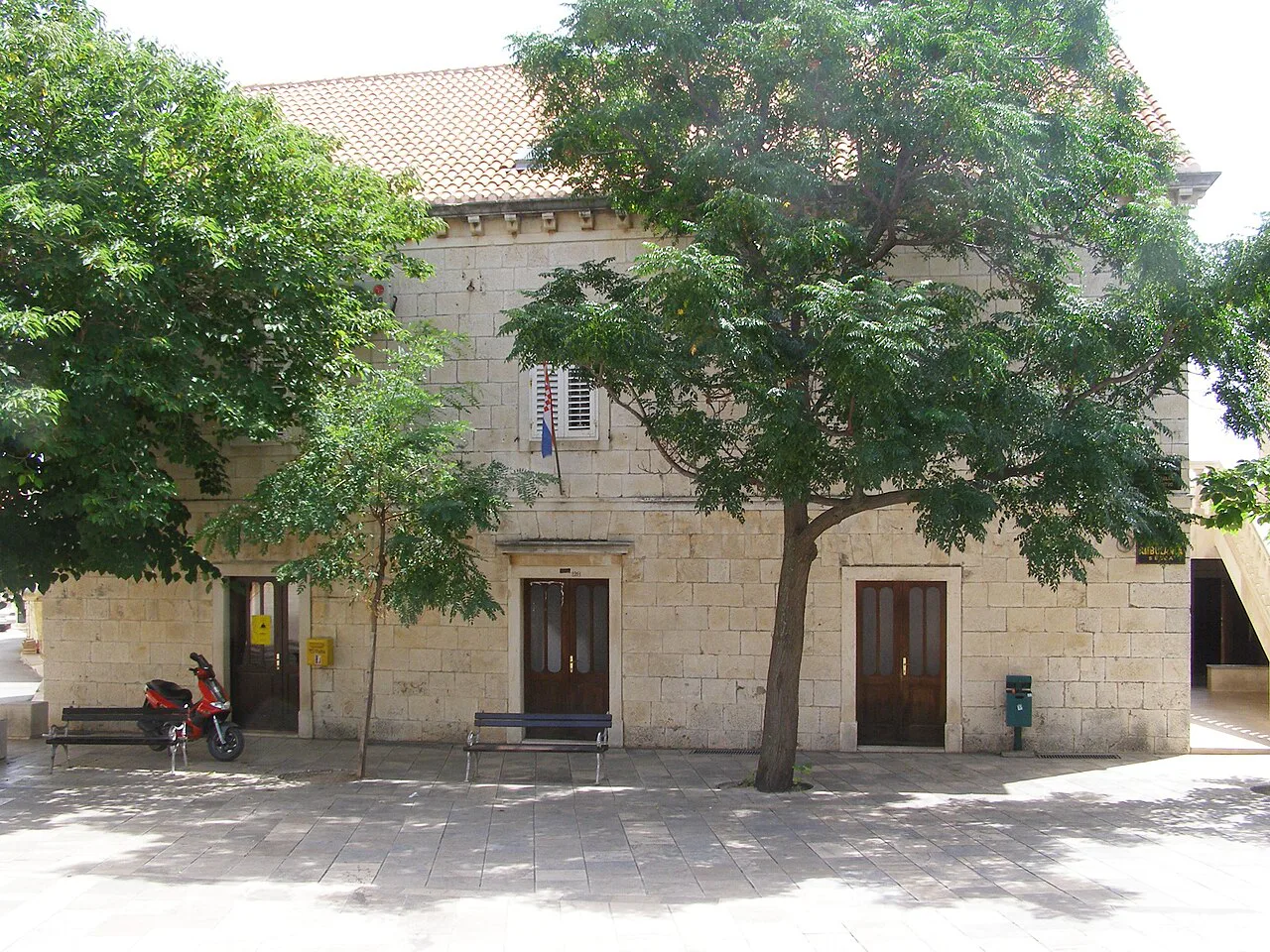
Start in the centre and walk it slowly, because the interest is in the fabric rather than in any single museum. Selca is first recorded in 1184 as a pastoral settlement and later became the centre of stonemasonry on Brač, and the stone that paid for the village is visible in its houses, churches and the small parks between them.
Aim for a simple order: the lanes around the core first, then the climb to Glavica, so the church is your high point and the walk back downhill finishes the circuit. Allow roughly an hour for the centre at an unhurried pace, more if you stop for coffee on the way.
Brač is the largest of the central Dalmatian islands, and its popularity means the well-known spots fill up first, so an inland village like this one absorbs visitors without feeling squeezed.
Glavica and the church of St Nicholas
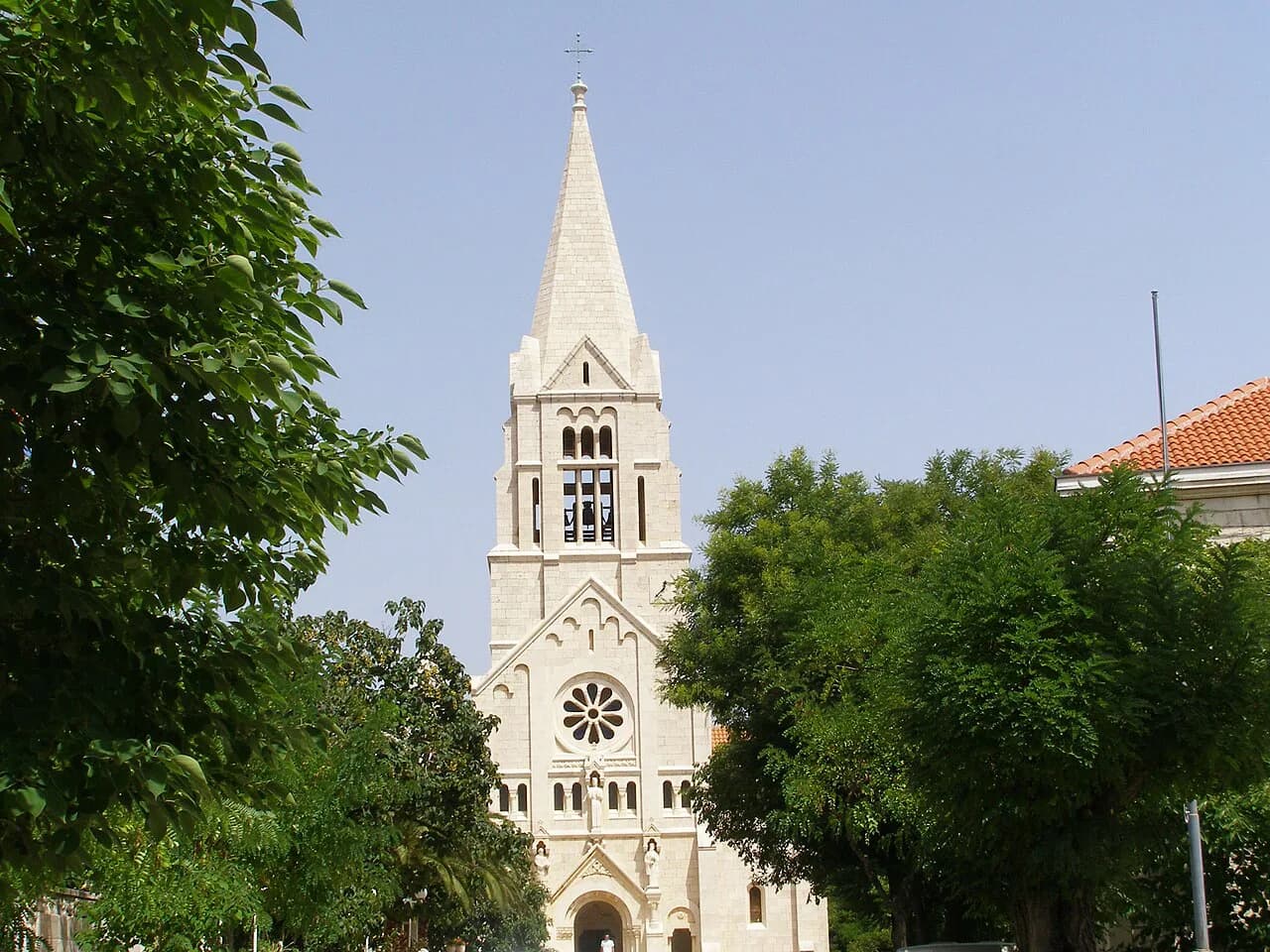
Glavica is Selca's signature sight and the reason to walk uphill. It holds the early-Croatian church of St Nicholas, a domed building from the 11th century, standing above an abandoned old quarry, so the stone trade and the village's faith sit in one small, legible spot.
Approach it as a building to see from the outside rather than as a museum to tour: the position above the old quarry gives you the village and the surrounding interior, and the small domed church is quickly taken in. Combine it with the centre rather than making a separate trip, and wear shoes that cope with stone steps and uneven ground.
Plan around the exterior and the site itself, which is the part that matters: the domed church set above the abandoned quarry. There are no published visiting hours, so treat the climb as a look at the setting rather than a guaranteed look inside.
How long Selca needs
Give Selca a two-to-three-hour block: an hour in the centre, half an hour for Glavica and the church, and the rest for a slow coffee and the walk back. That is enough to see what the village is about without turning it into a filler stop on the way to somewhere else.
Add time if you plan to drop down to the coast afterwards. Puntinak and Ružmarin sit about a kilometre below the village, and the road down and back plus a swim easily turns a short visit into a half-day; decide before you park whether you are doing the village only or the village and the shore.
The single beach note worth making: Radonja, Spilice and Žirje are the coves below the village, reached from the Puntinak side. They are a swim and a lie-down rather than a sight, and they are not the reason to come to Selca.
What the stone trade explains
Selca's identity is quarrying, and once you know that, the village reads differently. The stone industry produced the fine houses, churches and walled parks you walk past, which is why the centre feels more substantial than its size suggests, and why the details repay a slower look than you would give an ordinary hill village.
This is also the reason to pair Selca with Pučišća rather than with the beach towns. Both villages grew from Brač stone, and seeing them on the same day makes the island's working history concrete instead of abstract; the Brač Island Guide sets out the wider picture if you want the full context before you go.
Selca versus the resort side of Brač
Selca is the quiet option, and Bol is the busy one, about 20 km away on the south coast. If you want evening life and the summer buzz, base yourself in Bol, Croatia and visit Selca by day; if you want stone lanes and early nights, Selca is the better fit and Bol becomes the outing.
The compromise is to sleep inland and drive to the coast for swimming, which keeps costs and noise down but adds a car journey each time you want the sea. Travellers without a car should weigh that carefully, because the village's position about a kilometre from the shore makes the coast a walk rather than a step outside your door.
If you want a wider picture of the island's bases before deciding, the Brač Island Guide covers the ferry towns, the resort coast and the interior villages in one place.
Getting there, parking and the coast below
Arriving by road is the practical way to do Selca. Ferries reach Brač at Supetar from Split and at Milna on the west side, and Sumartin in the south-east connects to Makarska; from any of these the village is a drive across the island rather than a short hop.
Park and do the village on foot; the lanes are narrow and the whole circuit is short enough that moving the car is pointless. After Glavica, drive or walk down to Puntinak if you want the sea, and treat the return climb as the price of the quiet.
The village also works as a base for other corners of Brač, including the Blaca hermitage in the steep country elsewhere on the island, which rewards a separate half-day of its own. Build your days around one anchor sight each rather than trying to string four together.
When to go
Summer is the obvious season for Selca because the coast below the village is the point of the trip. Late spring and early autumn give you the village and the coves with more room, at the cost of a shorter swimming season.
Weather can change quickly on an island, so keep a flexible day for when the wind blows. The Brač Island Guide sets out how the seasons affect the island's different coasts, which matters more here than in a sheltered resort.
Is Selca worth the detour?
Yes, if you are already driving eastern Brač and want one inland village done properly. It is a two-to-three-hour stop: the stone centre, the climb to Glavica and the 11th-century church of St Nicholas, with the Puntinak coast as an optional add-on rather than the main event.
Skip it if your only interest is beaches and evening life; Bol serves that better and is roughly 20 km away. The honest summary is that Selca rewards curiosity about stone and quiet, and asks for very little time in return.
Explore more Brač guides
Frequently Asked Questions
What is Brač famous for?
Brač is known above all for its white stone, quarried and worked at places such as Pučišća and Selca. Selca itself grew as the island's stonemasonry centre, and that trade built its houses, churches and parks.
Is Selca on Brač worth visiting?
It is worth a detour of two to three hours if you are touring eastern Brač by car. The draw is the compact stone centre and the 11th-century domed church of St Nicholas on Glavica, above an abandoned quarry; it is not a beach resort and does not try to be.
Sources
Notes from the Croatian coast
Optional updates when our guides change.
You might also like

Continue reading
More guides you'll find useful