Pučišća, Brač: Stone Village Guide and What to See
Pučišća on Brač is a harbour village built on white stone, home to a stonemasonry school and quarries above the bay. Here is what to see and how long to allow.
On this page
Pučišća needs two to three hours, not a full day: it is a small harbour village on the northern coast of Brač whose whole character comes from the white limestone cut from the quarries above the bay. Come for the deep inlet, the pale stone houses packed around it and the stonemasonry school that keeps the trade visible, then move on. This guide covers the layout, the sights worth the walk and how the village fits into a wider island trip.
The trade is not folklore. Stone from the Pučišća area has long been quarried for building, and the same island limestone went into Diocletian's Palace in Split and the White House in Washington, which is the clearest way to understand why the village looks as it does.
What Pučišća is and why it stands out on Brač
Most Brač harbours are pretty in a generic Dalmatian way. Pučišća stands out because the village is inseparable from one material: the quarries in the surrounding hills near Pučišća supplied the stone that islanders built their own homes from, and that trade gave the place its working identity rather than a resort one. Approach it expecting a stone village with a harbour, not a beach town.
That makes it a different proposition from the island's southern headline. Bol, on the far side of Brač, built its reputation on the shingle spit at Zlatni rat and a busy summer season; Pučišća's appeal is quieter and architectural, and it rewards a slow hour on foot more than a sun lounger.
Where Pučišća sits on the island and how it fits a Brač trip
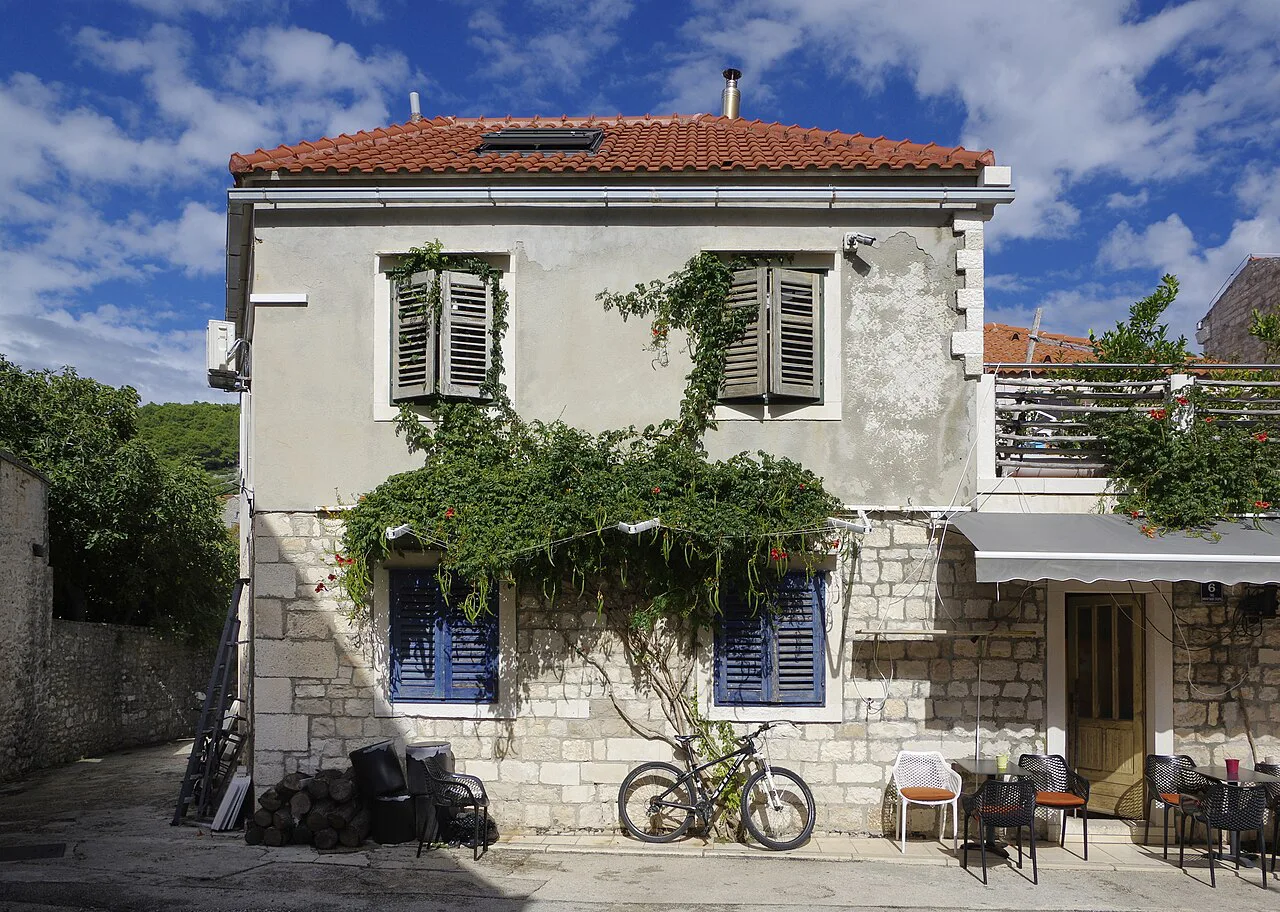
Pučišća faces north, roughly midway along Brač's northern shore, between Sutivan and Postira, while Supetar at the western end is the island's administrative capital and main ferry port of entry. That geography matters: if you arrive by ferry at Supetar, Pučišća is a straightforward cross-island drive rather than a detour to the far south.
The usual mistake is trying to bolt Pučišća onto a Bol day. The island's interior, with its karst fields and hill villages, makes the drive between north and south longer than the map suggests, so pair Pučišća with the northern villages and Supetar instead, and save Bol for its own half-day.
The harbour front and the old stone centre
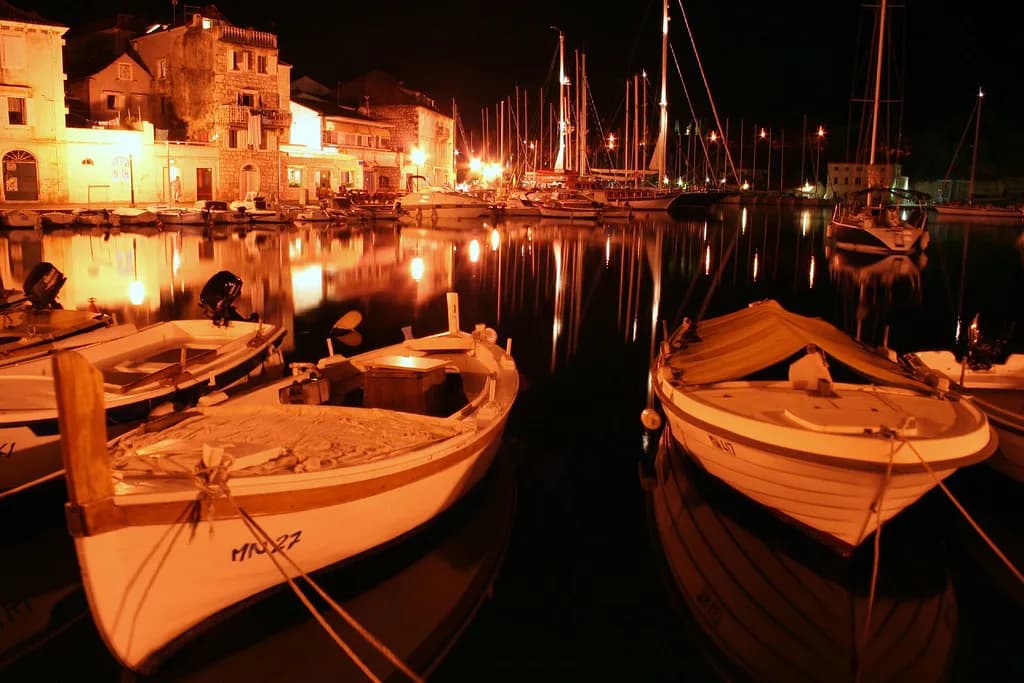
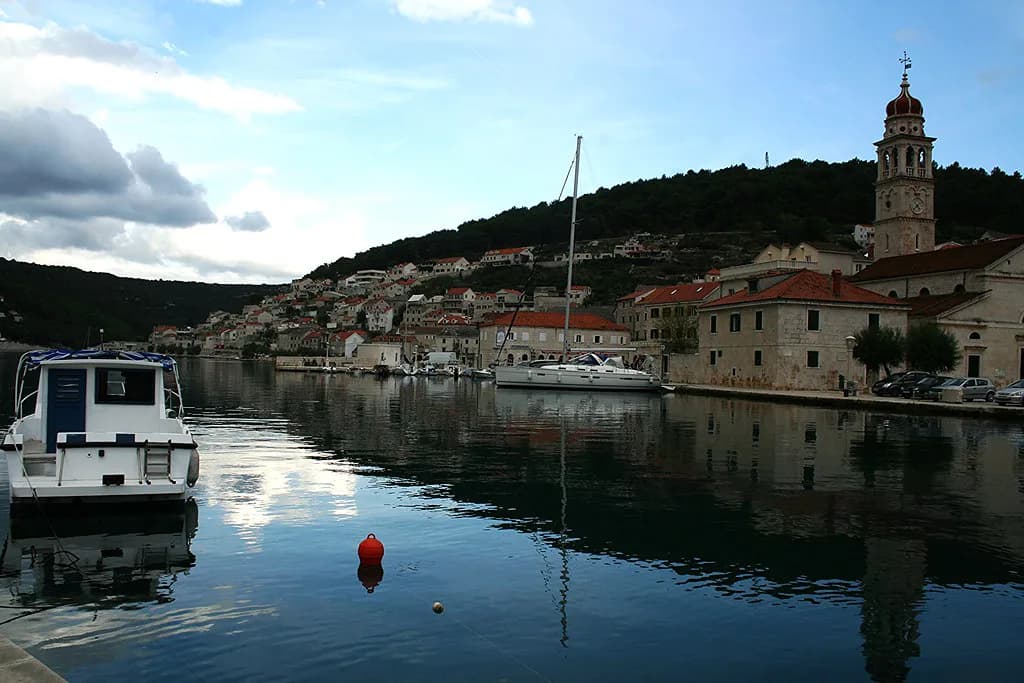
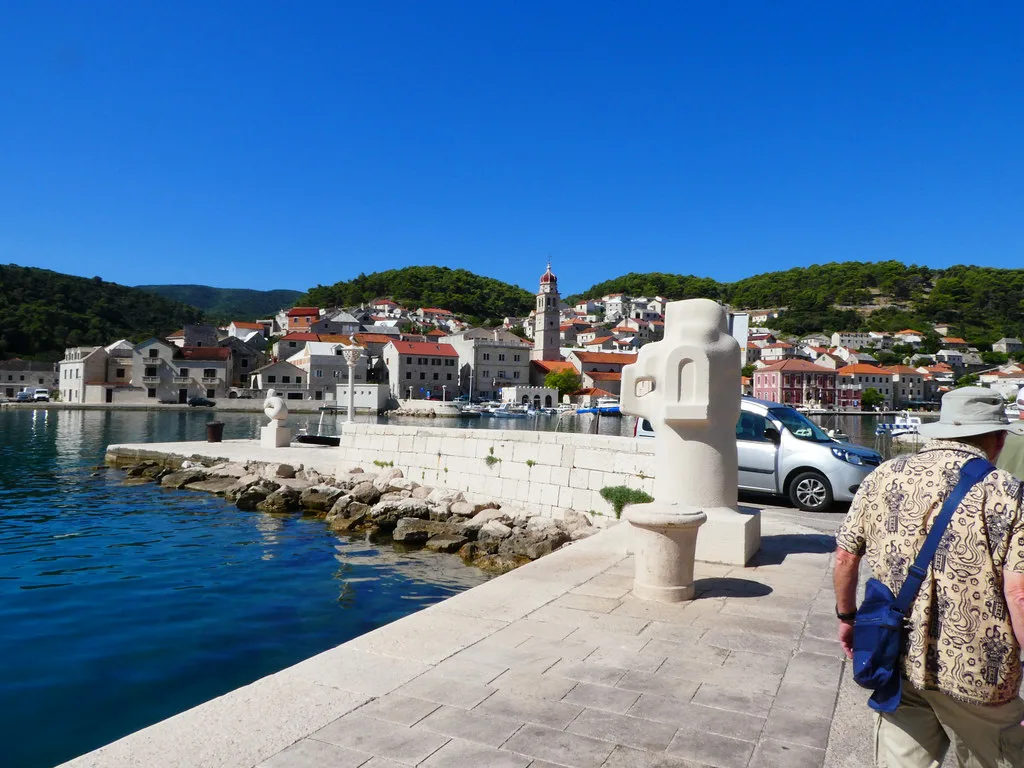
The village wraps around a deep, narrow inlet, and the harbour front is where to start. From the quay the houses rise in tiers above the water, built in the same pale limestone as the quays themselves, and the whole scene is compact enough to walk end to end without a plan. Give the waterfront ten minutes before heading inland.
Behind the harbour, the old centre is a knot of stone lanes and small squares rather than a single showpiece street. Wander uphill from the water and you get the best sense of the village's fabric: plain stone facades, shuttered windows and the occasional carved detail that points back to the quarry trade. Sturdy shoes help on worn, smooth limestone.
The white stone of Pučišća: quarries and the stonemasonry school
The quarries sit in the hills around Pučišća, and they are the reason the village exists in this form. Stone from the island was used to build local homes and was also shipped far beyond Dalmatia: island limestone went into Diocletian's Palace in Split and into the White House in Washington, which is stone provenance rather than a claim about every building you see in the village.
Pučišća is also known for its stonemasonry school, and that is the strongest single reason to come if you care about craft rather than coastline. Treat it as a working institution in a small village and ask locally about what can be seen on the day you visit; access and visiting arrangements are not fixed, so build the rest of your stop so it does not depend on getting inside.
Other sights worth the walk, including the parish church
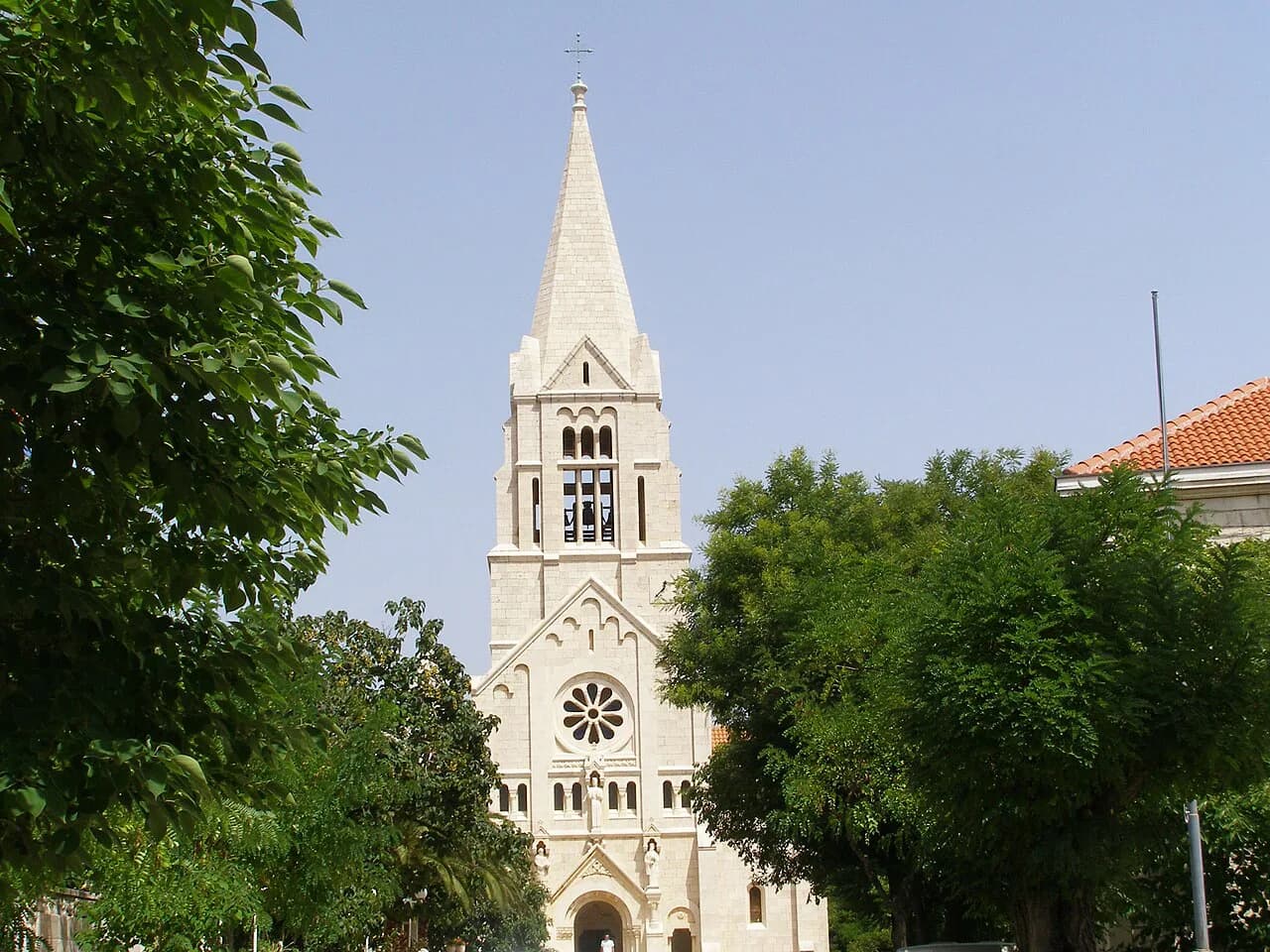
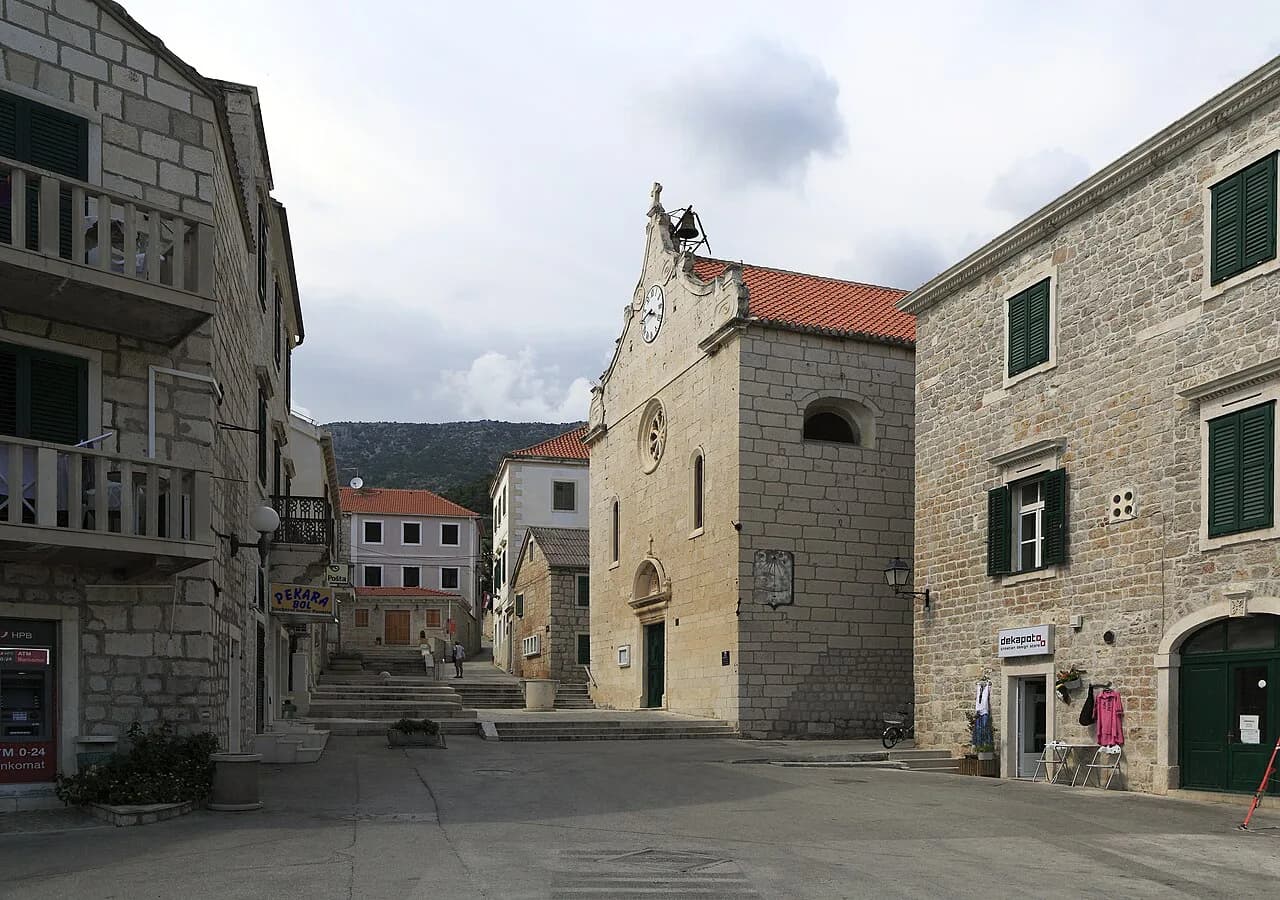
The parish church above the harbour is the natural second stop after the waterfront, and the walk up to it gives you the classic view back down over the inlet and the tiers of stone roofs. The climb is short but steep in places, so do it before the midday heat rather than after a long lunch.
Beyond the church, the pleasure of Pučišća is simply walking the upper lanes and looking down. Outside the village, Brač offers more substantial sights if you want to build a fuller day, from the old settlement at Škrip to the island's highest point, and these pair more naturally with a Pučišća morning than a beach afternoon.
Vidova Gora and the island's high point as a wider Brač option
Vidova Gora, above Bol, is the highest peak of the Dalmatian islands, and on a clear day it gives a panoramic view that takes in Bol, the Zlatni rat spit and the sea beyond. It belongs to the southern side of Brač rather than to Pučišća, so treat it as a separate outing rather than an extension of a village morning.
If you want to combine the north and south of the island in one day, start at Pučišća early, cross the interior and finish on the heights before dropping into Bol. It is a driving day, not a walking one, and the winding roads mean you should leave more time than the distance alone implies.
How long Pučišća needs and the honest trade-offs
Budget two to three hours for the harbour, the old centre and the church, with extra time if you want to linger over the stone details. It is not a place that fills a day on its own, and padding it out with a long lunch is a better plan than rushing the lanes.
The trade-off is straightforward. Pučišća is quieter and less set up for visitors than Bol, and it works poorly as a base if you want beaches on your doorstep, since the village's appeal is its architecture and its stone-working heritage rather than its shoreline. Come for the fabric of the place and accept that the day's swimming will happen elsewhere.
Getting to Pučišća from Supetar, Bol and the ferry ports
Supetar is the island's main ferry port, and ferries from the mainland arrive there, which makes it the natural arrival point for a Pučišća visit; from the port the village is reached by road across the northern side of the island. Check Jadrolinija's current sailing schedule for your dates before you plan the rest of the day.
From Bol in the south, allow for a slow cross-island drive over the interior rather than a coastal run. If you are moving on afterwards, other northern harbours such as Milna make a logical next stop, and it is worth glancing at the Brač Island guide for how the villages fit together before you commit to a route.
Should Pučišća be a stop or a base?
Make Pučišća a half-day stop, not a base. The harbour, the stone lanes, the church and the quarry heritage justify two to three hours, and pairing them with Supetar or another northern village gives you a better day than staying put.
Build the day so that the stonemasonry school is a bonus rather than the fixed point, and confirm current ferry sailings with Jadrolinija and any visiting arrangements for the school before you set out.
Explore more Brač guides
Frequently Asked Questions
Can you visit the stonemasonry school in Pučišća?
The school is a working institution in the village and its visiting arrangements are not fixed, so ask locally when you arrive rather than planning the day around it. If getting inside matters to you, enquire ahead through the village's tourist information before you travel.
How far is Pučišća from Supetar?
Pučišća is on Brač's northern coast between Sutivan and Postira, and Supetar is the island's main ferry port at the western end. The journey is a road transfer across the northern side of the island, so allow more time than the straight-line distance suggests.
Is Pučišća worth visiting on a Brač holiday?
Yes, if you care about architecture and stone craft rather than beaches. It is one of the island's most distinctive villages, with a deep harbour, pale limestone houses and a quarrying heritage that includes stone used in Diocletian's Palace and the White House in Washington. Allow two to three hours.
Sources
Notes from the Croatian coast
Optional updates when our guides change.
You might also like

Continue reading
More guides you'll find useful