Škrip, Brač: Brač's Oldest Settlement and Its Island Museum
Škrip is the oldest settlement on Brač, built around the Radojković tower that now holds the Museum of the Island of Brač. Here is what to see and how long to allow.
On this page
Škrip is the oldest settlement on Brač, and an hour is enough to see why it matters: the village stacks Illyrian ramparts, a Roman mausoleum, a medieval fortress and the island's main museum on one small hill. It is an inland village, not a coastal one, so it rewards a deliberate detour rather than a stroll off the ferry. This guide covers what sits inside the Radojković tower, the layers beneath it, the second small museum in the village and how much time to give it.
Why Škrip is worth the detour inland
Most visitors meet Brač at its harbours, from the ferry town of Supetar round to Bol and the Zlatni rat spit. Škrip offers the opposite: a compact settlement on high ground where the island's history is concentrated in a few hundred metres. If you are choosing between another harbour stop and one inland village, this is the one to pick.
The reason to come is the sequence of eras on a single site. Prehistoric walls, Roman funerary monuments and medieval graves are all part of the village's story, and the fortress that crowns it holds the collections that explain them. Treat the visit as a short, dense history lesson rather than a scenic wander. For the wider context of where this fits, see the Brač Island guide.
Set expectations before you drive up. Škrip is a small village with a limited set of sights, and the honest draw is the museum and the layers under it, not a long list of attractions. It works best as a stop on a day that also takes in the interior — see the Brač Island guide for how the villages fit together — rather than a destination in its own right.
Where Škrip sits on Brač and how to reach it
Škrip lies inland in the centre of Brač, in the hill country above the coastal towns. Approach it by road from the coast; the village is reached by car or by taxi from the harbour towns rather than by a dedicated ferry service. If you are basing yourself at the ferry port, Supetar is the natural starting point for the drive up.
A car gives you the most flexibility, since Škrip pairs naturally with other inland stops rather than sitting on a coastal route. If you are relying on public transport, ask locally about current connections before building a day around them, because island bus coverage changes with the season. The Brač Island Map is the useful reference for judging how the interior villages relate to the coast.
The village sits close to Donji Humac, another interior settlement, which makes the two easy to combine in a single loop away from the water. Coming from the south coast, the road up from Bol is the other obvious approach. Either way, plan the drive around daylight and leave the coastal swim for the return leg.
The Radojković tower and the Museum of the Island of Brač
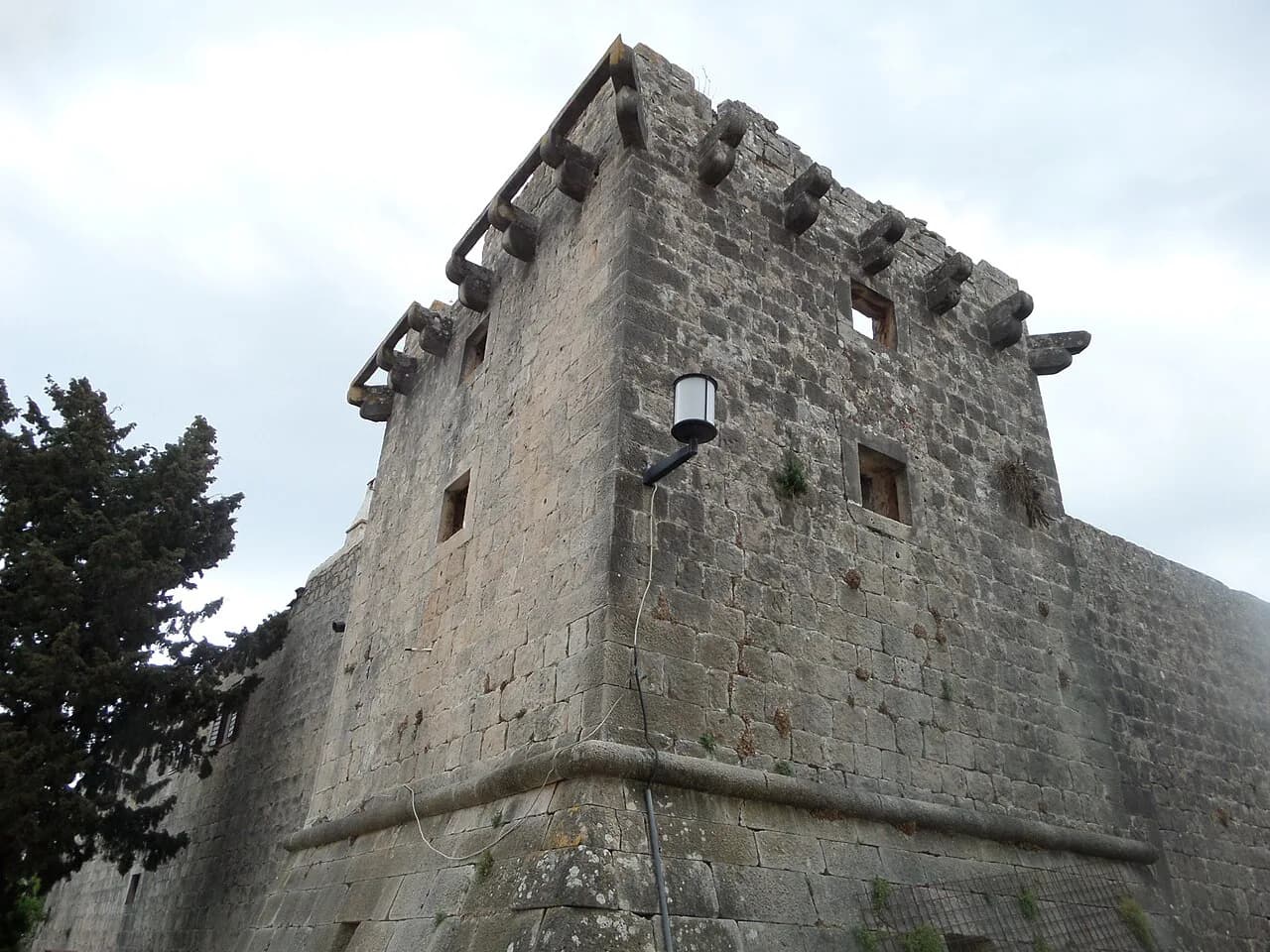
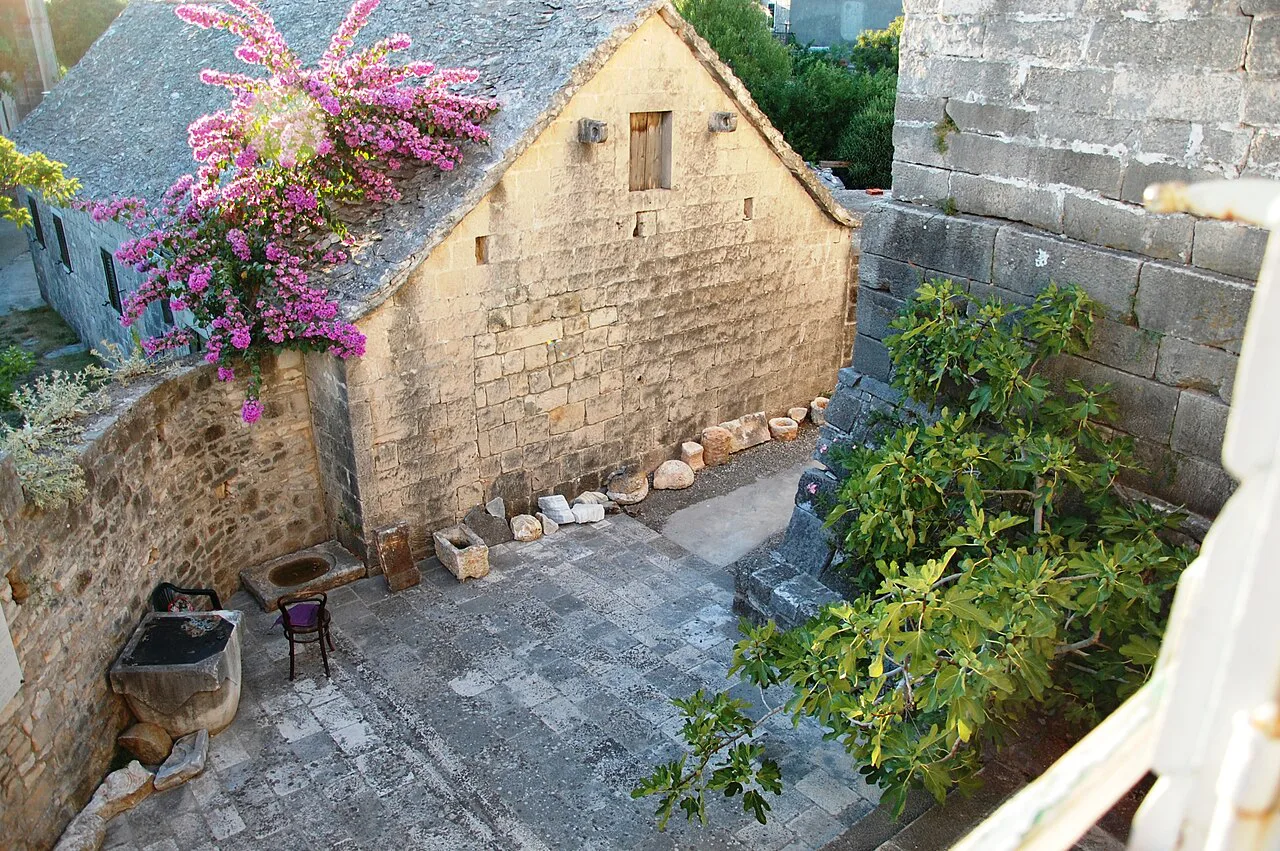
The village's centrepiece is the Radojković tower, a defensive fortress built on the site of older walls. It now houses the Museum of the Island of Brač, whose exhibits cover the island's archaeology, history and crafts in a space small enough to see properly in one pass. The building itself is half the point: you are walking through a fortification that has been reworked across centuries.
Inside, the collections include finds from the Kopačina cave, Roman tomb monuments and reliefs, maritime charts and examples of Brač handicrafts, as the island tourism site sets out. That mix makes the museum a good orientation for the rest of a Brač trip, because it ties together objects you will meet again at other sites. If you only have time for one museum on the island, this is the one that explains the whole place.
Check the museum's current opening days and ticket price with the museum or the local tourist board before you set out, since island museums keep seasonal hours. Do not assume it will be open on the day you pass through, especially outside the summer months.
The layers beneath: Illyrian walls, the Roman mausoleum and medieval graves
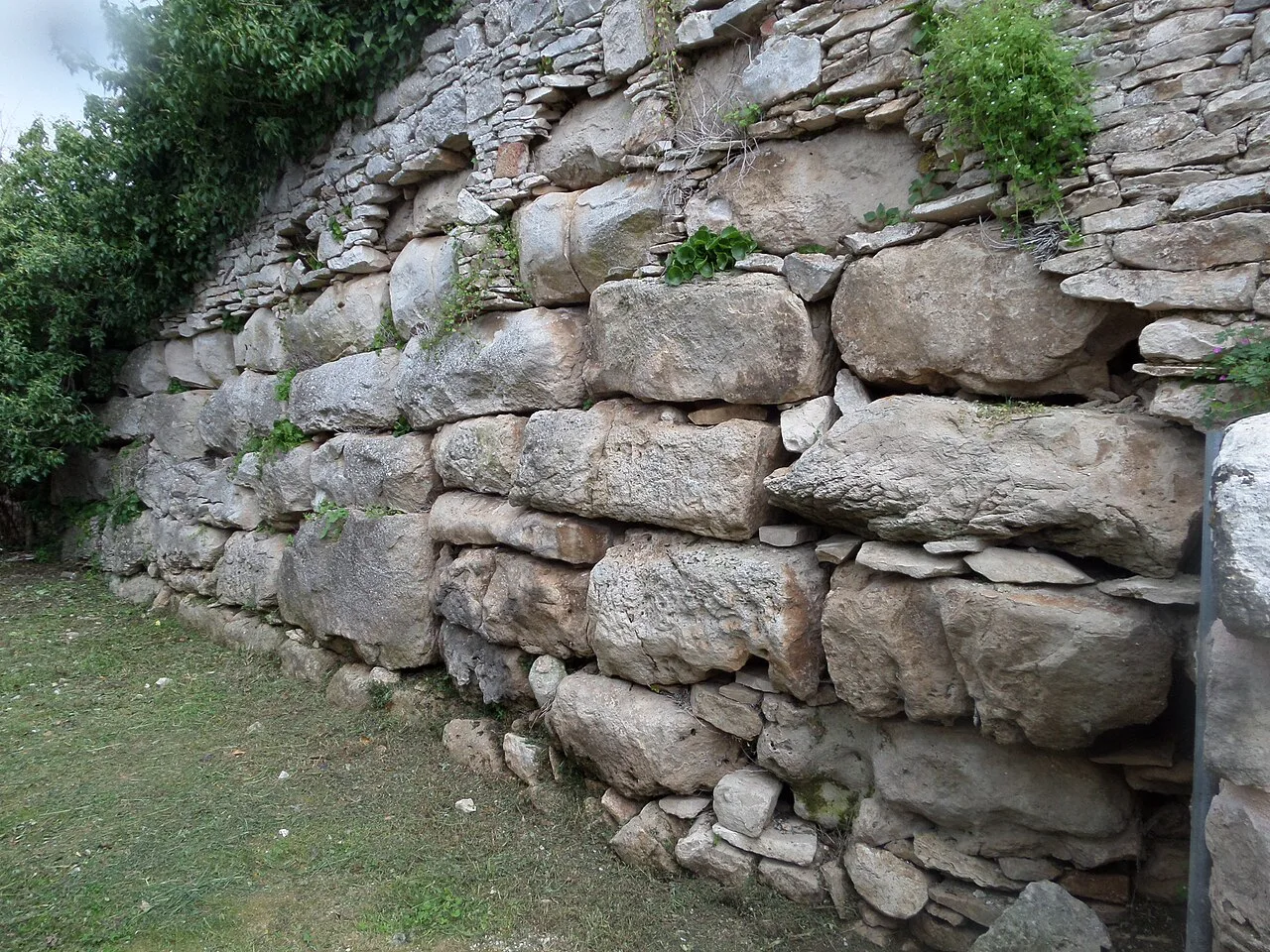
The site's importance comes from what was built here in succession. The island tourism site dates the Illyrian walls to around 1400 BC, and describes a Roman mausoleum raised on the same spot before the later defensive tower. Medieval graves and carved tombstones add a further layer. Standing in one small village, you are reading four distinct periods in sequence.
That continuity is the reason Škrip claims the title of oldest settlement on Brač, and it is what separates it from the island's prettier harbour towns. The visible fabric is modest, but the story is unusually clear: each era reused the fortifications of the one before. Look for the Roman reliefs and sarcophagi as you move through the village, not only inside the museum.
The oil museum and Brač's olive-growing tradition
Škrip also has a small oil museum, listed among the village's sights alongside the island museum. It covers the olive and oil tradition that shaped the interior of Brač, where terraces and groves sit away from the coastal towns. It is a short visit, and it pairs naturally with the main museum in the same stop.
Come for the process rather than a tasting: the interest is in the old equipment and the way olive growing structured life inland. The village page lists the oil museum as one of Škrip's sights but gives no opening hours, so treat it as a bonus rather than the reason for the drive, and confirm it is operating before you set out.
A short walking route through the village and the views
There is no single prescribed route, but the village is small enough to cover on foot. The obvious anchors are the Radojković tower and the Museum of the Island of Brač, the Roman remains and older walls around the village, and the oil museum. The circuit is short; an hour covers it at an unhurried pace.
Škrip sits in the island's interior hill country, so the setting is farmland, stone and dry walls rather than beachfront. That is the contrast with the coast, and it is worth slowing down for. Bring decent shoes, since the lanes and surfaces around the old walls are uneven.
How long Škrip needs and how it fits a day
Budget around an hour for Škrip: the museum and fortress take the bulk of it, with the village lanes and the oil museum filling the rest. That is a realistic figure for a small inland settlement with two small museums — though the exact time depends on how long you linger over the Roman monuments.
The best use of the village is as one leg of an interior day. Pair it with Donji Humac, then drop back to the coast for the evening. If you are coming from the south, working Škrip into a day that ends in Bol is a sensible shape, and Bol, Croatia covers what to do once you are back on the water.
If your trip is built around the harbours, Škrip is the counterweight that makes the coast make sense. The Brač Island Guide sets out how the other towns fit together, and Pučišća is the obvious next stop if you are following the stone-working thread through the island.
Honest trade-offs: a small village with limited opening
What Škrip is not: a picturesque harbour, a beach stop or a place to spend a whole day. The village is small, the sights are few, and the streets are quiet. If you want waterfront promenades and swimmable coves, stay on the coast and treat this as a half-day excursion inland.
The main risk is arriving to find the museums shut, since island museums generally keep seasonal hours. Check current opening days with the Brač Island Museum or the local tourist board before you go. The second risk is overestimating the visit: an hour is genuinely enough, and stretching it leaves you with little to do.
The payoff is context. Once you have seen the Illyrian walls, the Roman mausoleum and the island collections in one place, the rest of Brač reads differently, from the quarries to the harbour towns. Come for that, not for the scenery.
Should Škrip be on your Brač itinerary?
Yes, if you want one inland stop that explains the island, and no if your days are already full of coast. The village suits travellers with a car and a spare half-day, especially those heading between Supetar and the southern shore.
Build the visit around the Museum of the Island of Brač, add the oil museum if it is open, and keep the whole thing to about an hour. Check the museums' current hours before you drive up, and leave the rest of the day for the water.
Explore more Brač guides
Sources
Notes from the Croatian coast
Optional updates when our guides change.
You might also like

Continue reading
More guides you'll find useful