Croatia in Spring: What April and May Are Really Like
Plan a spring trip to Croatia with recorded April conditions, quieter old towns, seasonal park pricing and honest trade-offs on crowds and sea temperatures.
On this page
Choose May over April if you want warmth and a working coastal rhythm; choose April if quiet streets matter more than sunshine. In one recorded April, daytime temperatures along the Dalmatian coast sat around 12–16°C — warm enough for walking old towns and ruins but not for swimming. This guide covers what that means for Split, Trogir, Krka and the coast road south, and you can read more on Croatia in April before the season properly opens.
Spring's real advantage is fewer people. Old towns and national parks are calmer, but you trade away the warm Adriatic and some seasonal services. The sections below set out the month-by-month case, the money, and a practical week.
April or May: the spring trade-off
April is the quiet end: cool days, plenty of space at the sights, and a sea nobody sensible swims in. May lifts temperatures and brings the season properly alive, with more visitors in Split, Trogir and Dubrovnik. Pick April for unhurried sightseeing, May for a version of the coast that feels fully open.
If your decision hinges on month-by-month detail rather than spring as a whole, see our guide to the best time to visit Croatia before you book flights.
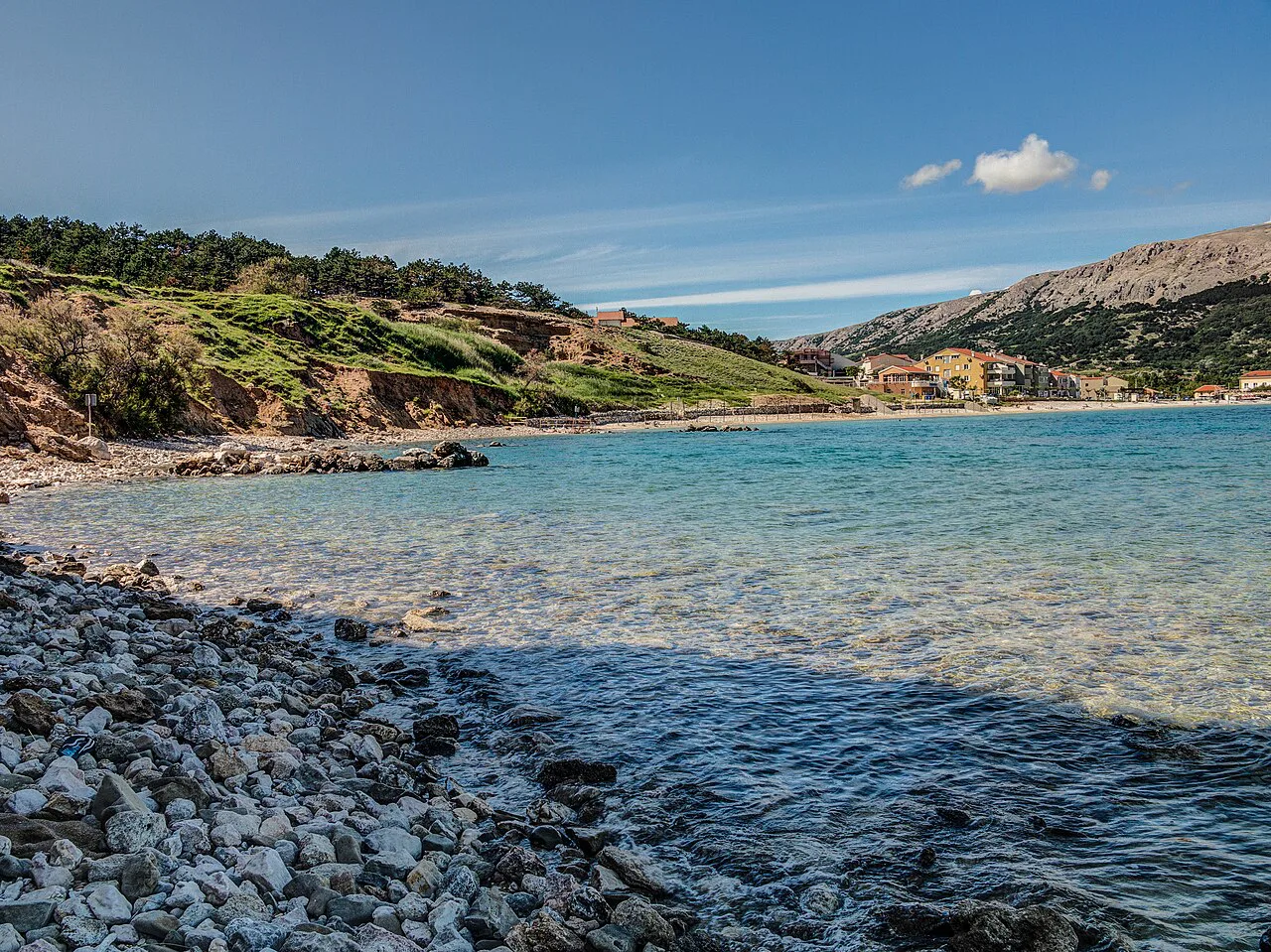
What spring weather actually feels like
In one recorded early-spring trip, a traveller saw days hovering between 12 and 16°C along the Dalmatian coast in April, which made anything in the water out of the question. Treat those figures as one recorded April; plan walks, ruins and town wandering rather than swims, and bring layers for changeable days.
The Croatian tourism board frames spring around historic streets on foot, mountain trails and time on the Adriatic, which matches the realistic spring plan: land-based days with sea views rather than days spent in the water.
Keep one indoor option per day in case of rain or wind, so a changeable spring day does not strand you in a town centre. Splitting each day between a walk and an indoor sight keeps the plan resilient.
For a closer look at conditions in the colder month, our Croatia in April guide covers what to expect before the season properly opens.
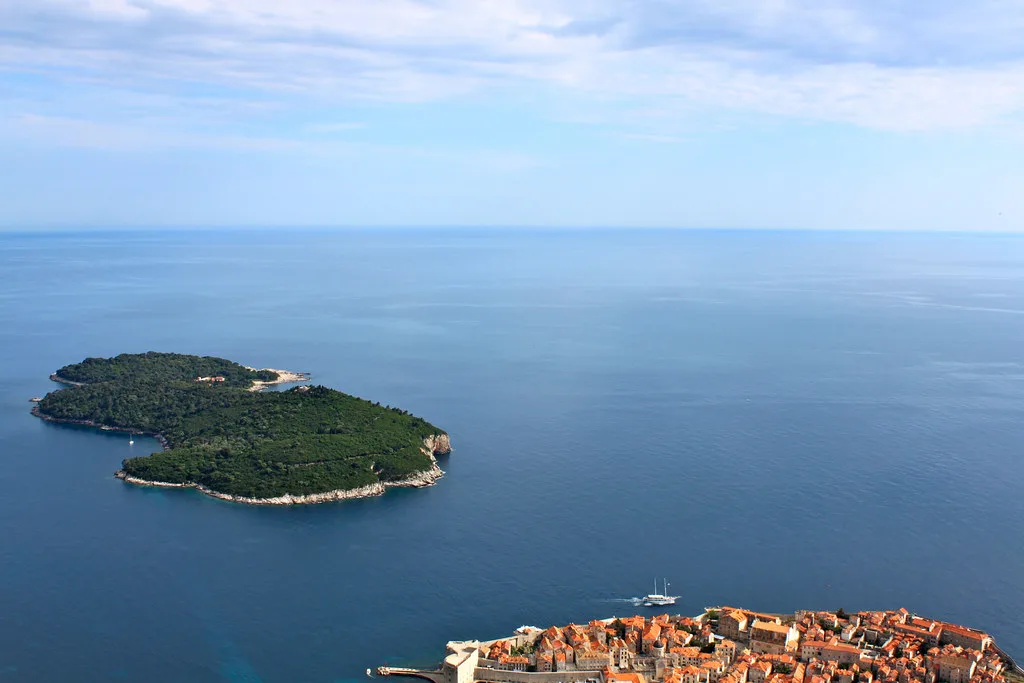
Why spring suits old towns and parks
Spring's strongest argument is space. Even in the off-season, parking around popular stops can be a bit of a challenge, which gives a fair idea of what midsummer pressures look like. Through April and May you get the same Roman and Venetian streets with far thinner queues at the ticket windows.
That logic holds across the coast: Trogir's stone lanes, Šibenik's stepped alleys and Korčula's compact grid all reward slow walking, and in spring you can do it at your own pace. For a full picture of how crowding builds through the year, our overview of the best time to visit Croatia sets the seasons against each other.
Park pricing by season
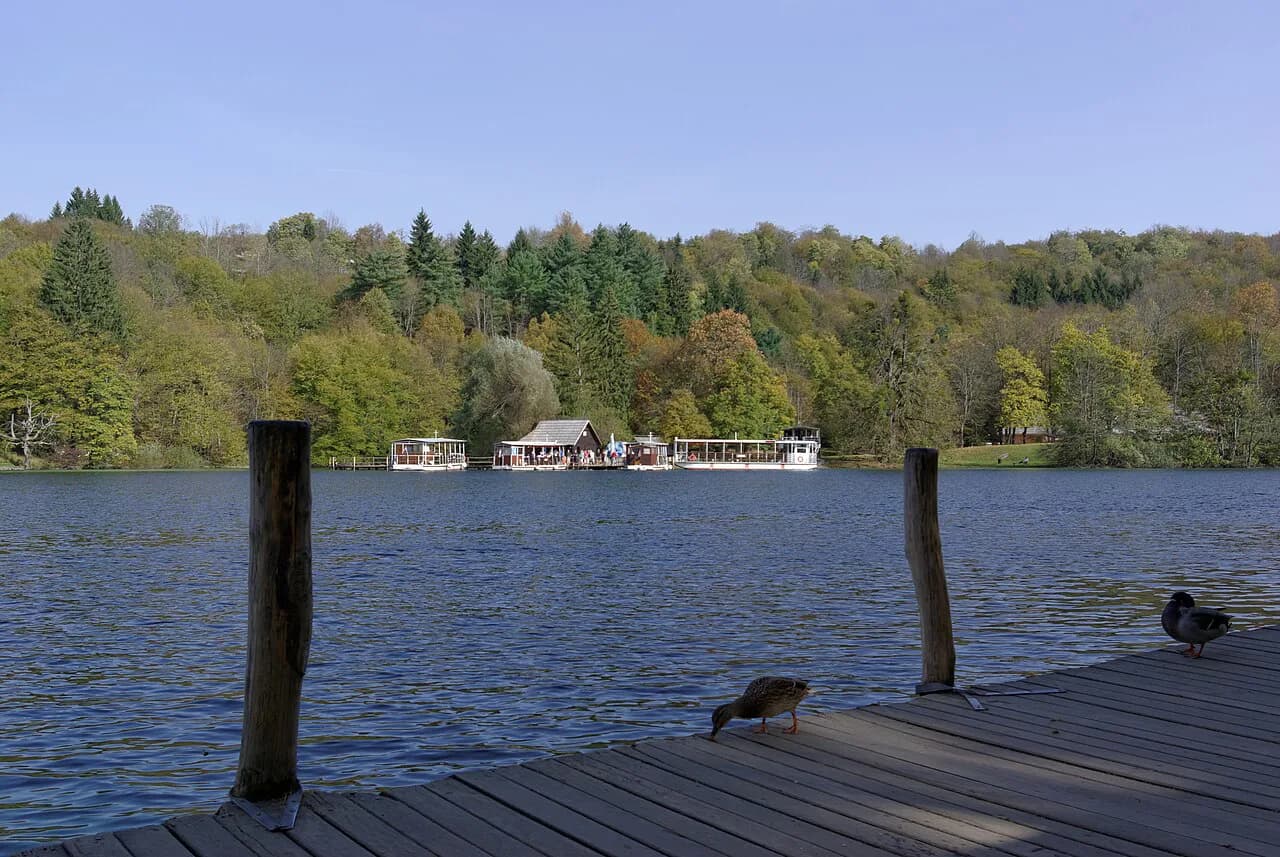
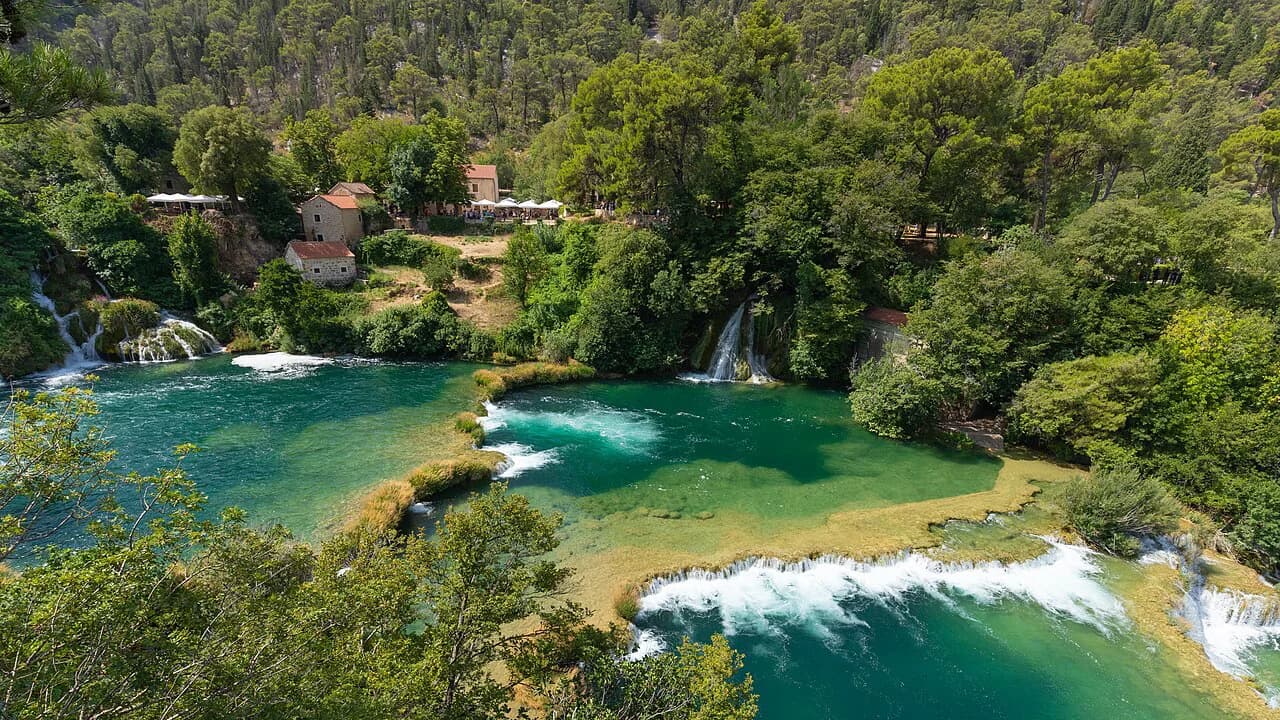
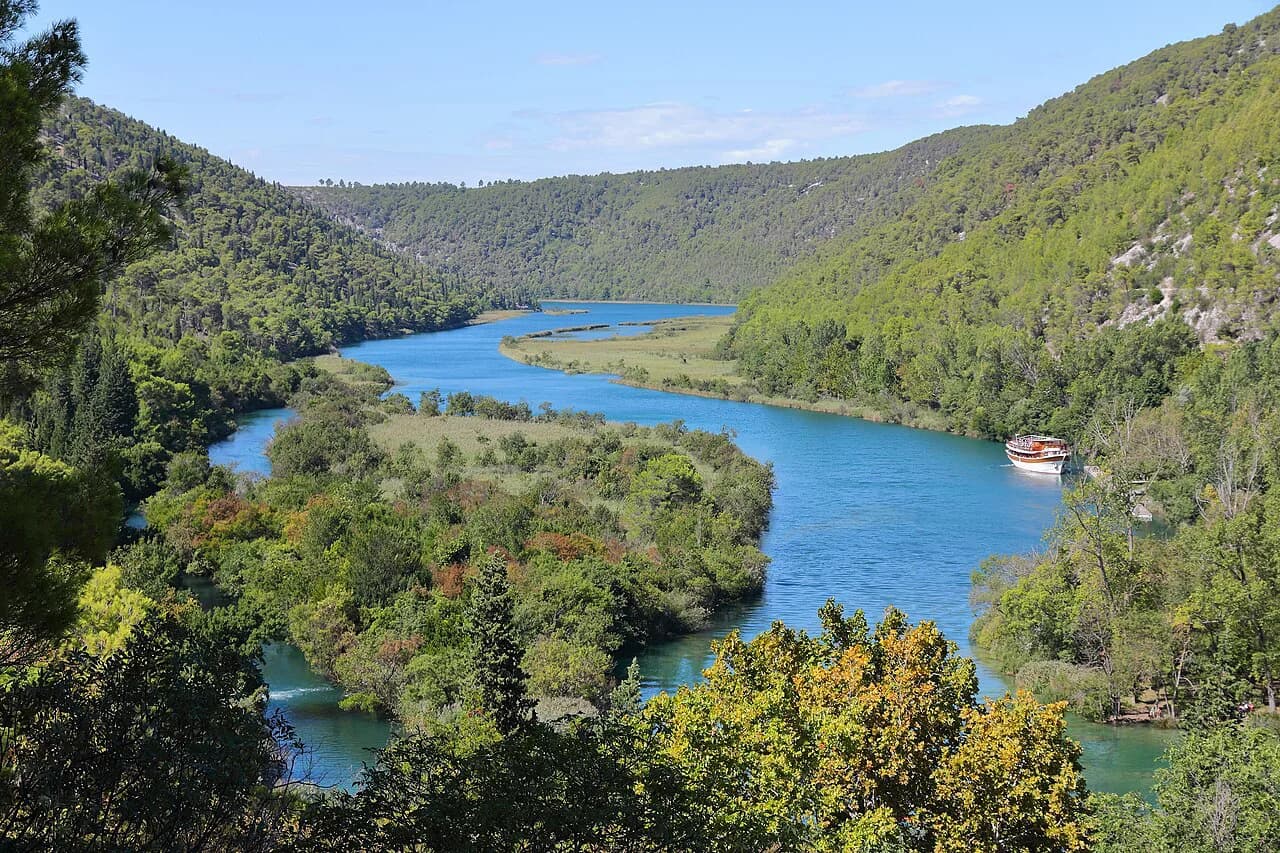
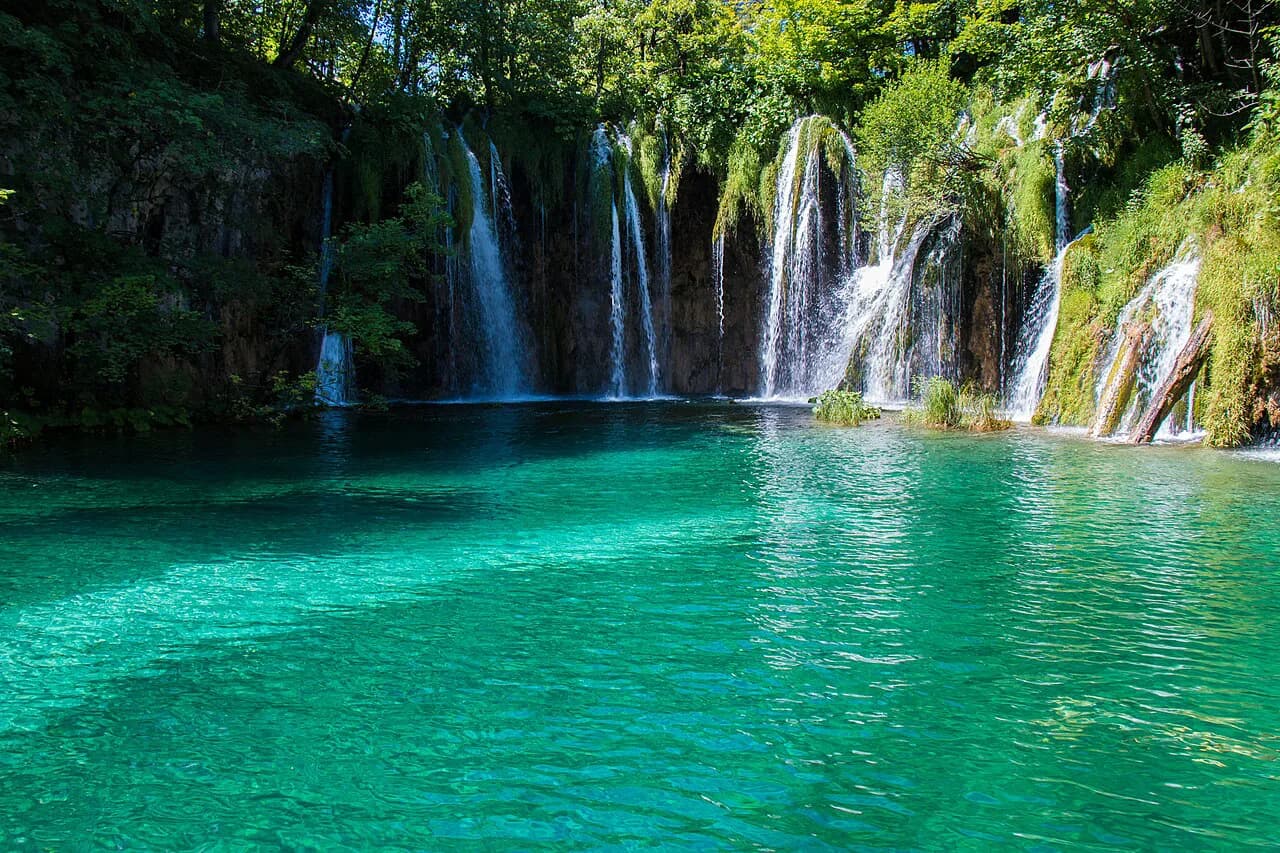
National park tickets move sharply with the calendar. In one recorded spring trip, Krka National Park cost around €15 in April and May, against roughly €40 from June to September, so spring entry is a genuine saving. The same account noted similar seasonal price swings at other parks, Plitvice Lakes included.
If Plitvice Lakes National Park is on your list, plan it for spring and check the park authority's own seasonal ticket page before you travel, because rates change with the calendar. Our best time to visit Croatia guide helps place each park in the year.
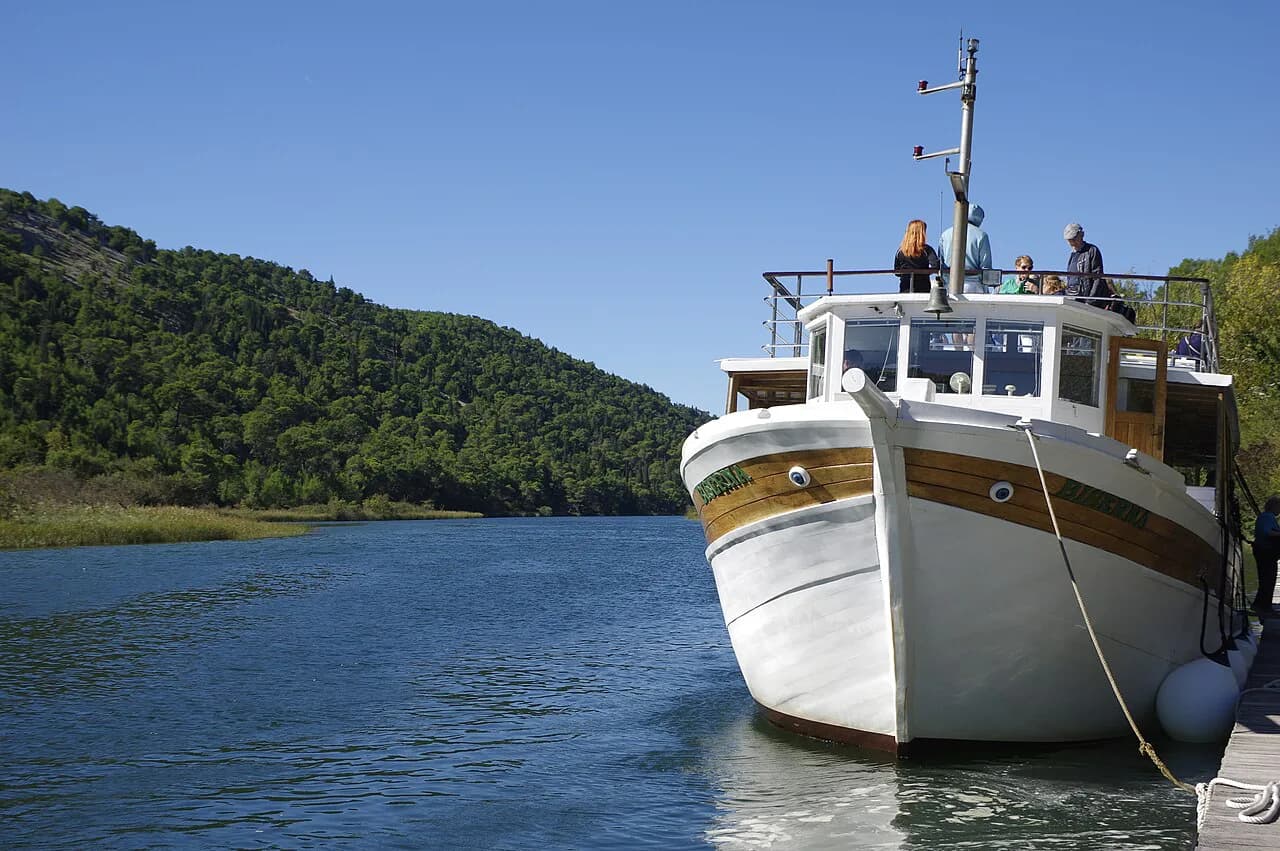
Krka's boardwalks draw heavy summer crowds, and a wet week can affect paths, so build a flexible day into your plan and check conditions before you set out.
The hidden extras: meals and parking
Budget for more than tickets. A typical main meal near a city centre ran €20–30 in one recorded spring road trip, comparable to northern European prices, while parking cost roughly €20–30 a day, and it was not usually included with accommodation. Those extras add up fast on a moving itinerary.
Renting a car made the coastal loop manageable in the same account, and the Pelješac Bridge now connects the Croatian mainland around Dubrovnik without a border crossing through Bosnia and Herzegovina. That removes a queue but not the parking bill.
A spring week on the coast
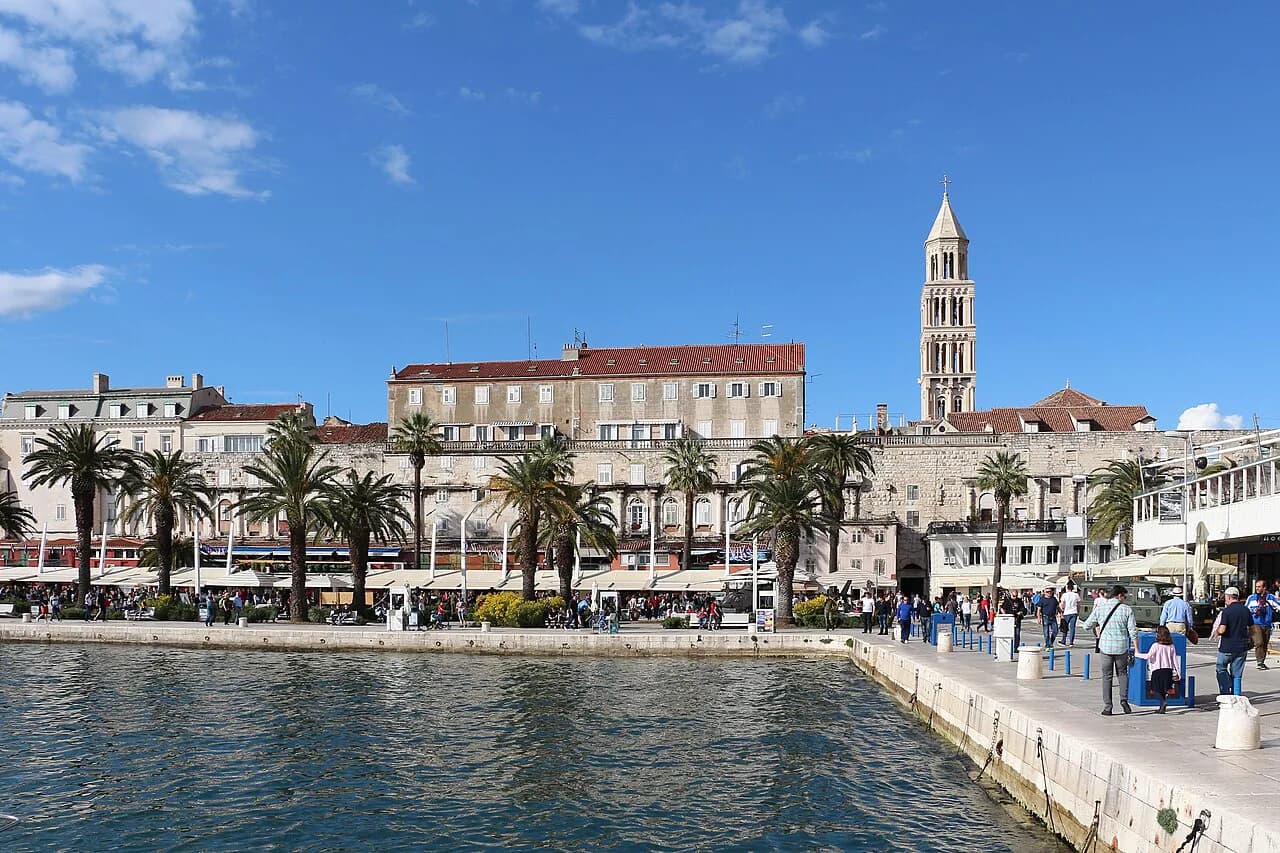
A workable route runs from Split to Dubrovnik with stops in between. Start with Diocletian's Palace and the Riva, then head out to Trogir, Krka and Klis Fortress, which the recorded itinerary grouped on a single day.
Carry on down the coastal road through Omiš and Makarska, where the Biokovo mountain drops almost straight into the sea, before reaching the stone walls of Ston. Ston's fortifications and its salt pans make a natural half-day pause, and Lokrum island off Dubrovnik is a short ferry hop for a quieter afternoon.
One week is enough to sample the coast but not to see it thoroughly, so resist squeezing in too many stops. Save inland parks such as Krka and Plitvice for their own days rather than tacking them onto coastal drives.
Spring or September?
Spring's drawback is the cold sea, which rules out swimming and most water-based days until later in the season. September offers a warmer Adriatic after a summer of heating, still with fewer crowds than midsummer. If beach time matters, September wins; if you want the emptiest streets, spring does.
Spring also suits walking rather than swimming, and the Croatian tourist board positions it around trails as well as towns. Just leave the swimming kit at home in April.
How warm is Croatia in April?
One recorded April on the coast saw daytime temperatures around 12–16°C, with the chance of rain — comfortable for walking and sightseeing, but not for swimming or lounging on a beach. If you need warmer days, look at Croatia in May.
Is April worth it in Croatia?
Yes, if you value quiet over warmth. In the recorded April trip, park entry was lower and the old towns were quiet, but the sea was too cold for swimming and parking still took planning even in the off-season. It suits city breaks, Roman and Venetian sightseeing, and National Park visits that revolve around walking rather than water.
Should You Book April or May?
Book April for empty streets, lower park prices and a land-based itinerary, accepting cool days and a sea nobody swims in. Book May if you want a warmer version of the same coast with more of the season open. Either way, plan around walking and sightseeing rather than swimming.
Check park ticket prices and any ferry timetables against the official sources for your travel dates, since both shift with the season and operators publish their own current schedules.
Explore more Croatia guides
Frequently Asked Questions
Do you need to book National Park tickets in advance in spring?
Krka and Plitvice publish seasonal rates rather than a single year-round price, and spring rates are lower than high summer. Booking arrangements change with the season, so check the park authority's site for your dates.
Are ferries to the islands running a full timetable in April?
Ferry and catamaran timetables vary by season and operator, and spring schedules are thinner than in July and August. Check the operator's own timetable for the specific island and date you plan to travel.
Sources
Notes from the Croatian coast
Optional updates when our guides change.
You might also like
Continue reading
More guides you'll find useful