Croatia in July: Weather, Crowds and Where to Go
Plan Croatia in July with typical temperatures and sea temperatures, peak-season crowds on the coast, and how ferries and old towns work in high season.
On this page
July in Croatia means heat, a warm sea and the thickest crowds of the year along the Adriatic coast. If you want long daylight, reliable swimming and a lively waterfront, July delivers; if you want quiet old towns and easy ferries, it is the hardest month. This guide covers typical July temperatures, how busy Dubrovnik, Split and the islands get, how catamarans and buses work at peak season, and where July gives you something June and September do not.
Treat every temperature here as a typical climate average, not a forecast. The wider question of when to travel, from spring to late autumn, is set out in the month-by-month guides on this site, which let you compare July against quieter shoulder months.
July in Croatia: hot, dry and the peak of the season
July is the hottest month of the Croatian year, with air temperatures typically reaching around 30°C and rarely dropping much below the low twenties. Days run long, so early mornings and late evenings are where sightseeing fits most comfortably.
The season builds through the month rather than starting and stopping. July and August are the peak of peak season, when boats, buses, restaurants and accommodation are fullest and the crowds are overwhelmingly European. Book the pieces you cannot change, such as catamaran seats, before you fly.
Practically, that means planning around heat and volume: a morning in a walled town, a swim in the middle of the day, and a late walk when the stone has cooled. If your trip must land in high summer, July is slightly less frantic than August, when European holidays peak.
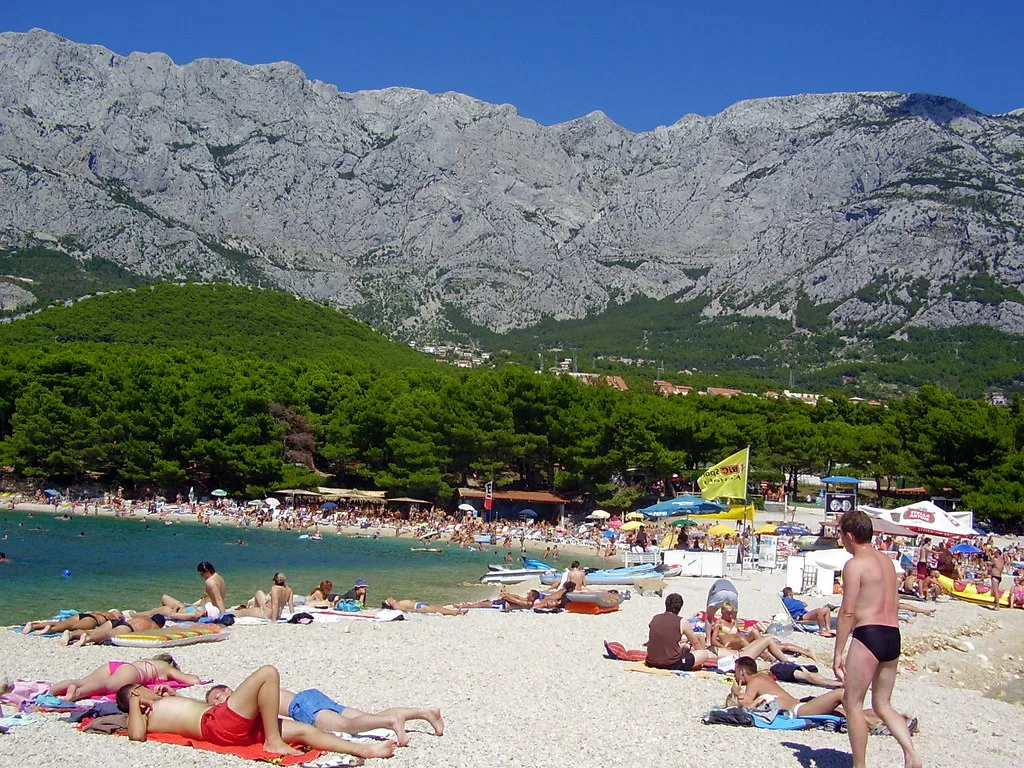
Typical July temperatures and sea temperature
The Adriatic is at its most inviting in July, with sea temperature typically holding around 25°C, which makes swimming, sunbathing and kayaking comfortable for almost everyone. That warmth is the single biggest argument for July over June, when the water is still warming up.
Is Croatia in July too hot for sightseeing? July is the hottest month, with typical daytime highs around 30°C, so long midday walks in old towns are hard going. Sightsee early in the morning or after the heat drops in the evening, and use the middle of the day for swimming or a shaded museum.
Is the sea warm enough to swim in Croatia in July? Yes. The Adriatic typically sits around 25°C in July, which is comfortable for most swimmers.
How far ahead should I book ferries and catamarans for July? Book as soon as your dates are fixed, especially for fast catamarans between Split, Hvar and Korčula, such as those run by Jadrolinija, Krilo or TP Line, since summer schedules and demand change.
Air heat is the trade-off. Expect low-to-mid thirties at the top end and humid nights in Split and Dubrovnik, so choose accommodation with air conditioning and plan museum or palace interiors for the hottest hours. Croatia in June shows what you gain in cooler days and thinner crowds if the heat worries you.
Rain is uncommon but not unknown, and the bura wind can still blow through in short bursts, clearing the air and occasionally disrupting boat schedules. Build one flexible day into a week so a windy or grey spell does not cost you a booked excursion.
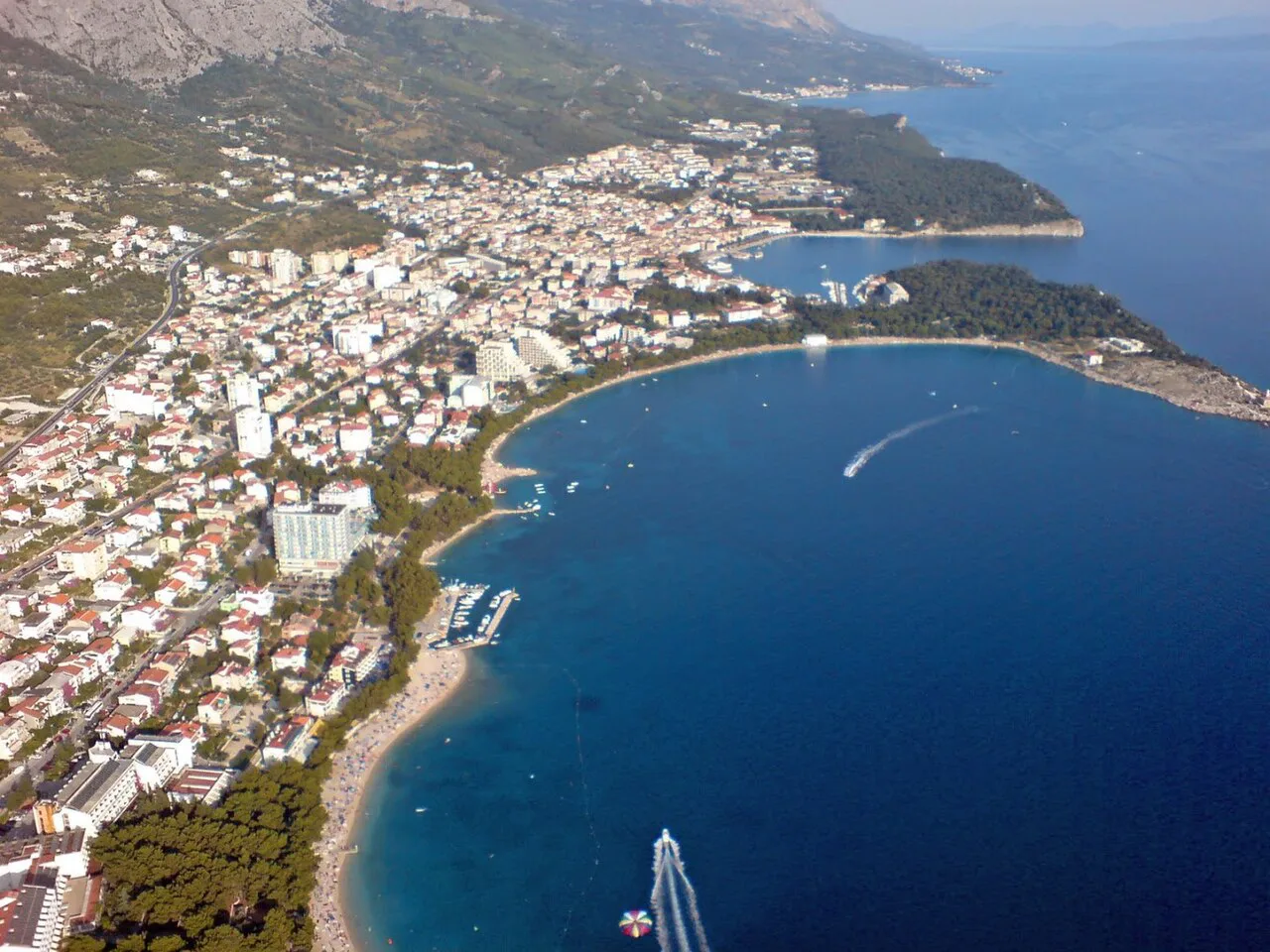
How busy the coast gets in July–August
Old towns are the pinch points. Dubrovnik's walled centre and Split's Diocletian's Palace sit on the main cruise and coach routes, and in peak season the narrow lanes fill from mid-morning to late afternoon. Go at opening time or after the day-trippers leave, and save the city walls for the earliest or latest slot you can get.
This crowding is not limited to the mainland. Korčula's compact old town, with its medieval walls and squares, fills quickly when ferries and excursion boats land together. Check when the day boats arrive and plan your walk around them.
Buses and ferries run fuller and later, and popular routes sell out days ahead rather than hours. Where a service is frequent in theory, book the sailing that fits your plan rather than chancing a walk-up ticket in the last week of July.
Which parts of the coast suit July: Dubrovnik, Split, Korčula, Hvar and Bol
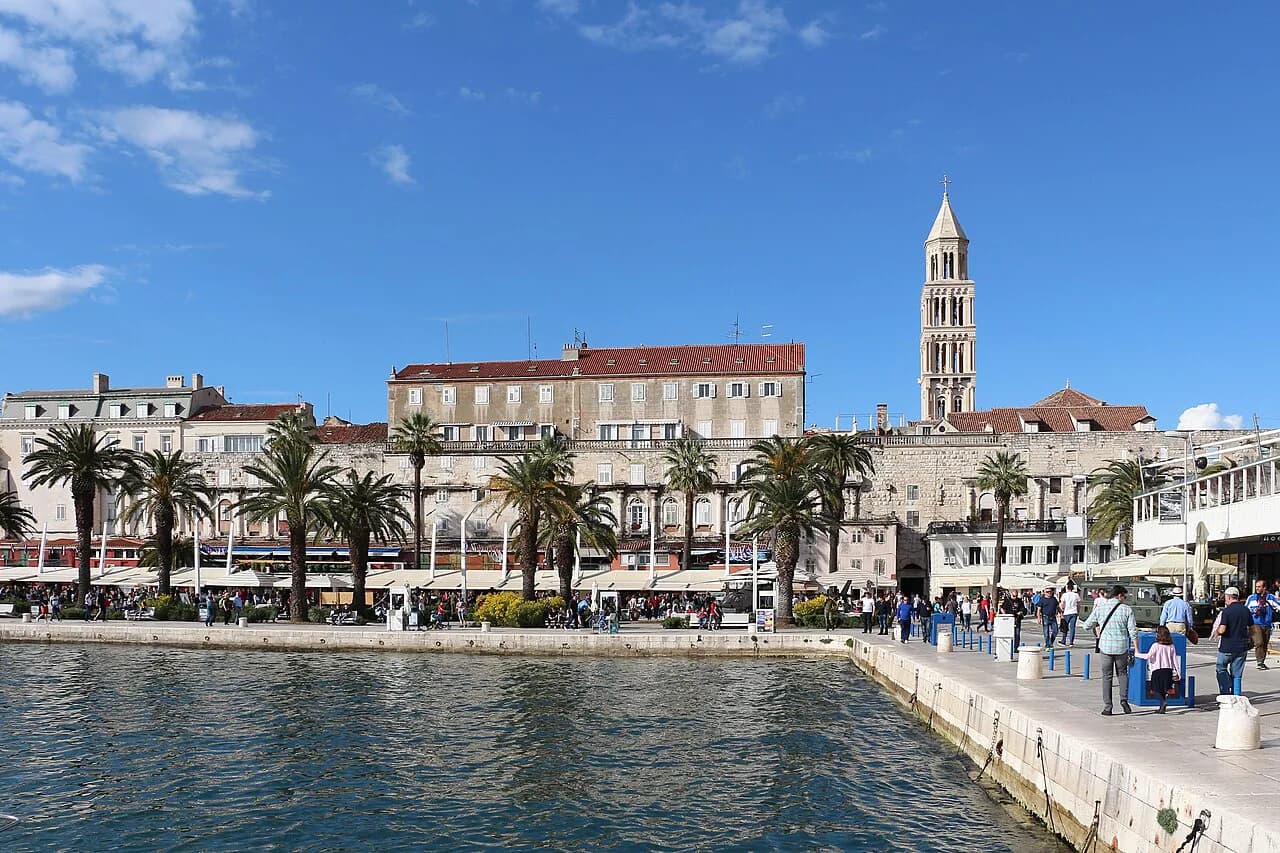
Dubrovnik is at its most spectacular and most congested in July; its medieval walls, old-town streets and fortresses reward an early start before the heat and crowds combine. Split works better as a base because Diocletian's Palace is a living quarter you can enter at any hour, not a ticketed single visit.
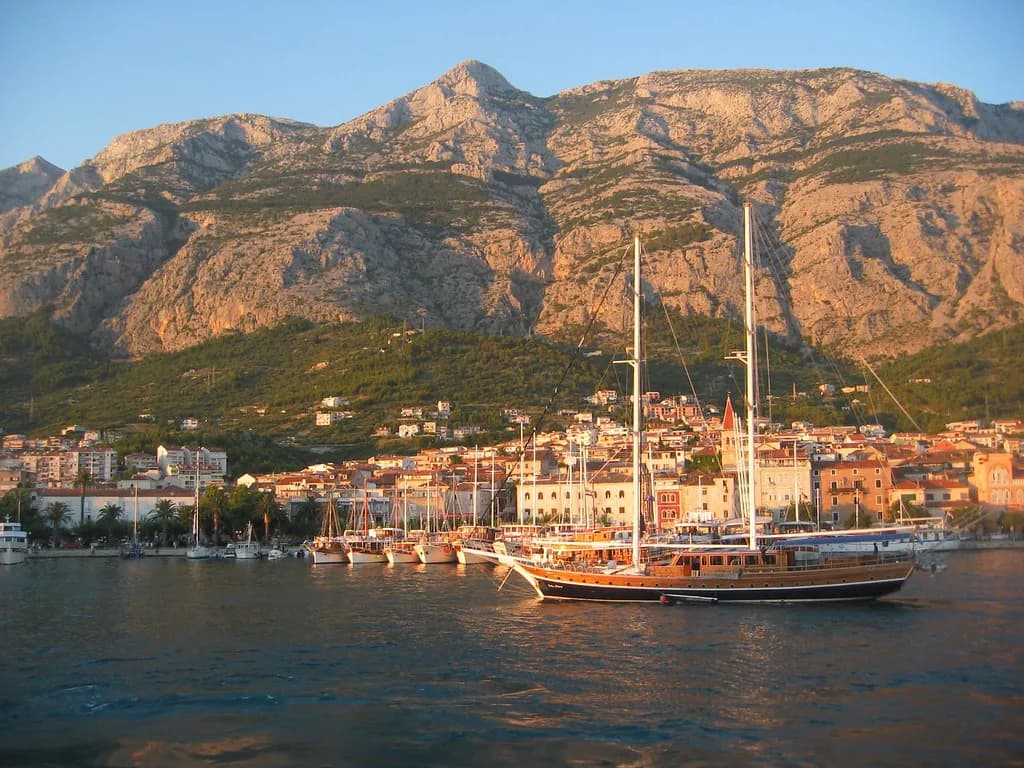
Hvar suits travellers who want lavender fields, coastal walks and evening life, and the island's boat connections make it easy to pair with Korčula. Bol on Brač, home to the Golden Horn beach of Zlatni Rat, is the place to swim and try water sports; arrive early, as the beach and its activities get busy by midday.
Korčula rewards at least a night, because the old town's walls and squares are best walked once the excursion boats have gone. Wherever you base yourself, the pattern holds: coast-hugging towns are hot and crowded by day and much pleasanter after five.
Getting around in July: ferries, catamarans and why early boats matter
Ferry and catamaran timetables shift with the season, and peak summer generally means the densest schedule of the year alongside the heaviest demand. Confirm the sailing, operator and departure port directly with the company for your dates rather than relying on a printed overview; the Best Time to Visit Croatia guide sets out how demand shifts across the year.
Book early sailings. Morning boats are cooler, less likely to be affected by afternoon wind and give you a full day at the far end; late-afternoon returns are the ones that sell out and run late. Allow a buffer of an hour or more when connecting a catamaran to a bus or flight.
On the mainland, buses link Split, Dubrovnik and the coast in summer, but the roads and terminals are at their busiest in July. Carry water, keep tickets on your phone and avoid tight connections. Croatia in September shows how much easier the same routes feel once the school holidays end.
Money in July: euro prices and where costs bite
Croatia uses the euro, so there is no currency conversion to plan for. July is when peak-season rates apply to accommodation and boat trips, and the difference against quieter months is substantial.
Costs bite hardest in beds, boat excursions and National Park entry. For park tickets and any timed entry, check the official park authority website for the current euro price for your date, and compare July against shoulder-season costs before you commit.
Days out that work in the heat: national parks and Roman and Venetian sights
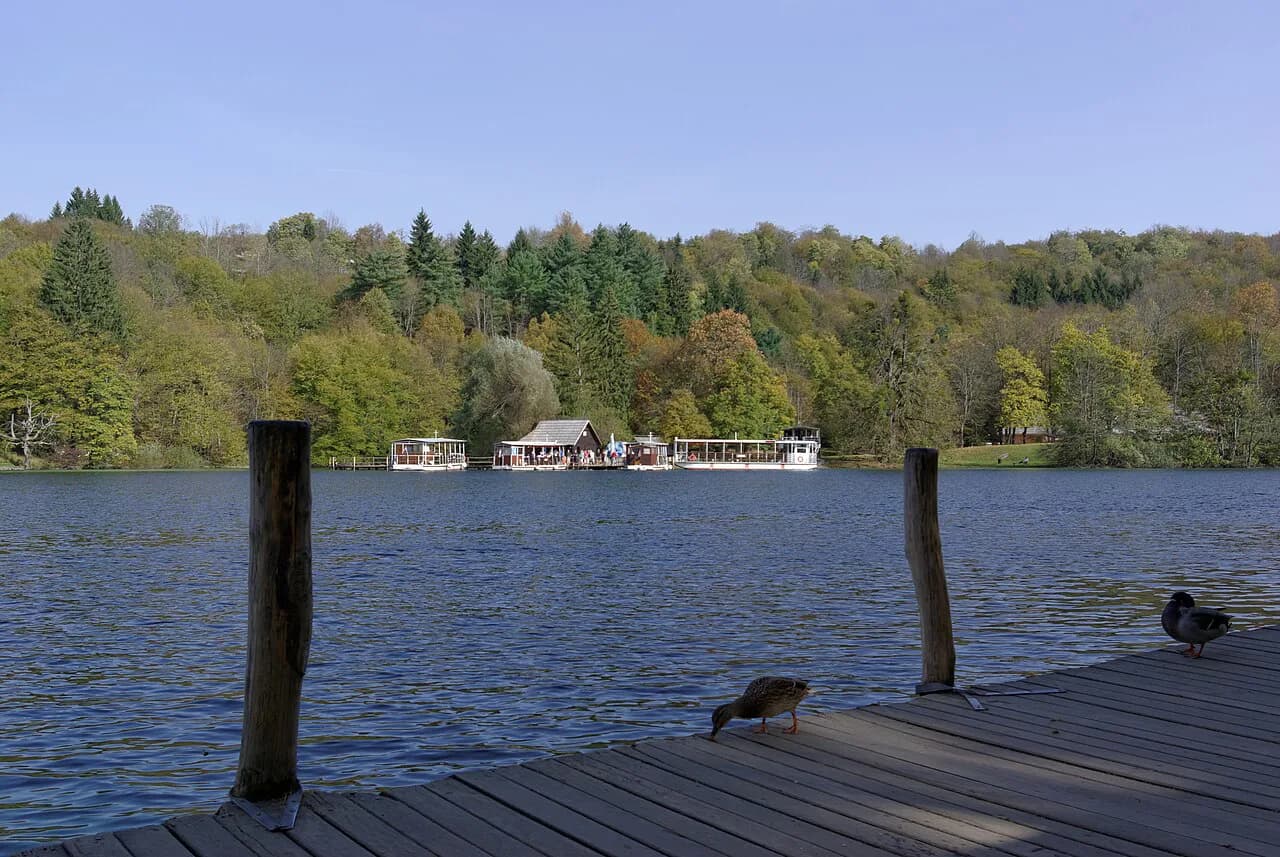
Heat changes the shape of a day out. At Plitvice Lakes National Park, start at opening rather than midday, when the boardwalks and shuttle queues are thickest, and carry more water than you think you need.
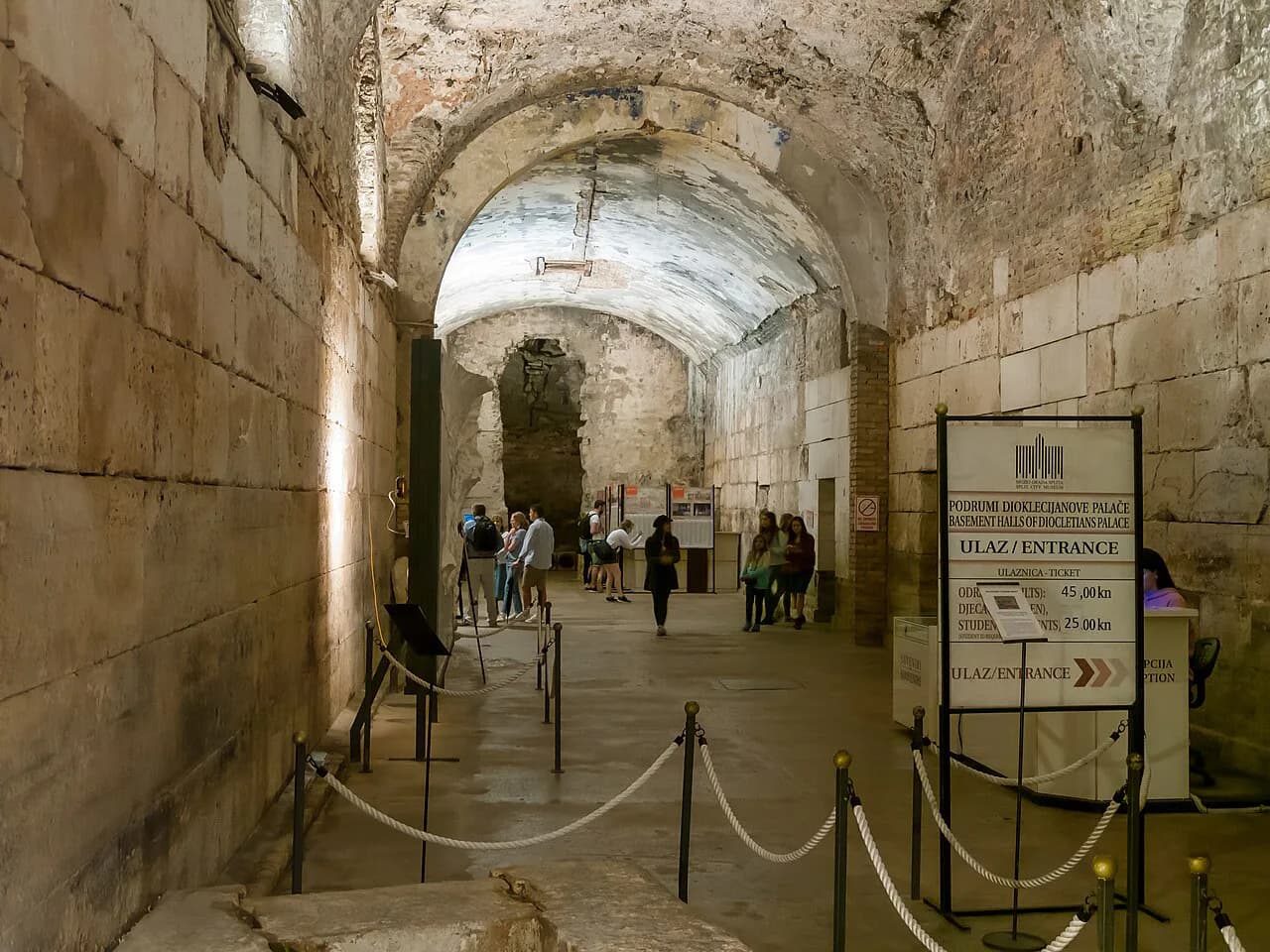
Roman and Venetian sights are easiest in the early morning or the evening. Split's palace cellars and cathedral, Šibenik's St James's Cathedral and Korčula's old town all offer shade and stone interiors in the middle of the day, while Trogir's small island centre is compact enough to walk before the heat peaks.
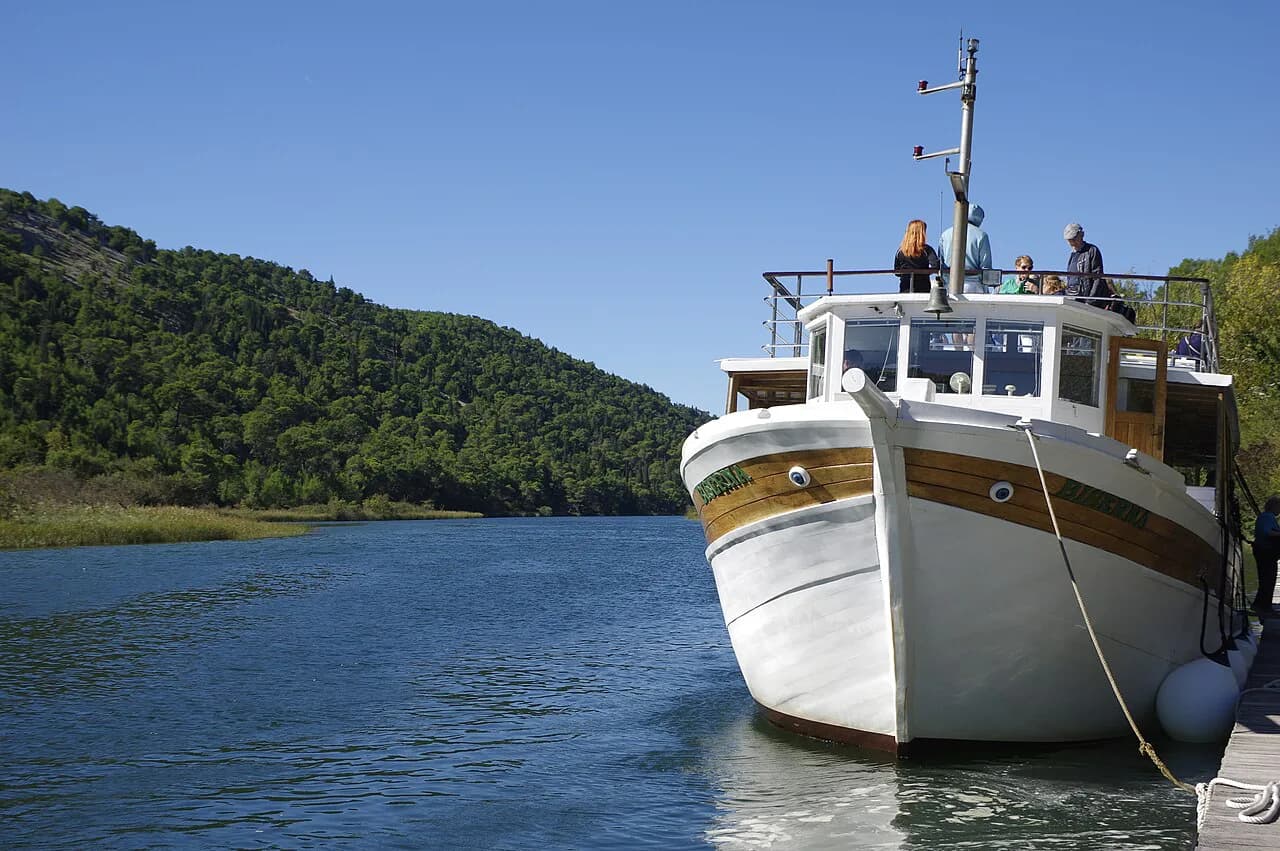
On the water, a half-day boat trip to a swimming stop or a shaded kayak session beats a full day in the sun. Keep the water-based plans for the morning and the museums for the afternoon.
What July gives you that June and September do not
July's advantages are real: the warmest sea of the year, long evenings, the fullest choice of boat trips and a coast at its liveliest. If swimming is the point of your holiday, July and August are the months when the Adriatic feels like a bath.
June and September offer most of that with fewer people. Croatia in June covers the run-up to the season, and Croatia in April shows a coast that has barely woken up, with cool water and short queues at the Roman sights.
When July is the wrong month for your trip
July is the wrong month if you want empty old towns, flexible ferry tickets and low prices. It is also hard work for anyone who struggles with heat, and the midday sun makes long walking days in Dubrovnik or Hvar genuinely uncomfortable.
If your dates are fixed by work or school, keep the trip compact: one base, one island, one National Park, and a plan that swaps sightseeing for swimming when the heat peaks. With flexible dates, compare July against September and October before booking flights.
Should you go to Croatia in July?
Go in July if a warm sea, long evenings and a lively coast matter more to you than quiet streets and cheap beds. Book catamarans early, start old-town days at opening time, and treat midday as swimming time rather than walking time.
If crowds and heat would wear you down, shift to June or September instead. The ferry and National Park schedules change season to season, so check current timetables and booking details before you travel, and the rest of the trip will run on its own.
Explore more Croatia guides
Frequently Asked Questions
Is Croatia in July too hot for sightseeing?
July is the hottest month, with typical daytime highs around 30°C, so long midday walks in old towns are hard going. Sightsee early in the morning or after the heat drops in the evening, and use the middle of the day for swimming or a shaded museum.
Is the sea warm enough to swim in Croatia in July?
Yes. The Adriatic typically sits around 25°C in July, which is comfortable for most swimmers. It is the warmest, most reliable month for swimming and kayaking along the coast.
How far ahead should I book ferries and catamarans for July?
Book as soon as your dates are fixed, especially for fast catamarans between Split, Hvar and Korčula, such as those run by Jadrolinija, Krilo or TP Line, since summer schedules and demand change.
Do I need to pay for National Park tickets in advance in July?
July is the busiest month, so timed-entry slots and daily visitor caps can apply at popular parks. Check the official park authority website for the current euro price and booking rules for your date.
What should I pack differently for July than for June?
Expect a warmer sea and hotter days than June, so light, breathable clothing, a hat and a refillable water bottle matter more. A light layer helps for breezy evenings and the bura wind, which occasionally clears the air and disrupts boat schedules.
Sources
Notes from the Croatian coast
Optional updates when our guides change.
You might also like
Continue reading
More guides you'll find useful