Kornati National Park: Tickets, Boat Access and What You'll See
Kornati National Park is a scattered archipelago reached only by boat. Here is how access works, what the park ticket covers and how long to allow.
On this page
Kornati National Park is a scatter of islands, islets and reefs in the Adriatic off the Šibenik-Knin coast, and it is reached by water. Every visit starts at a mainland harbour and a booked boat, so the crossing and the ticket matter more than any single sight. This guide covers how access works, where boats leave from, what the park ticket normally bundles in, which spots are worth knowing and how much of a day the trip really takes, and it sits within our wider guide to Croatia’s National Parks for anyone weighing up several parks in one trip.
The landscape is the point: pale limestone, long sea cliffs, dry stone walls and very little shade. Treat it as a sea day rather than a walking day, bring more water than feels necessary and expect to spend several hours aboard.
What Kornati National Park is
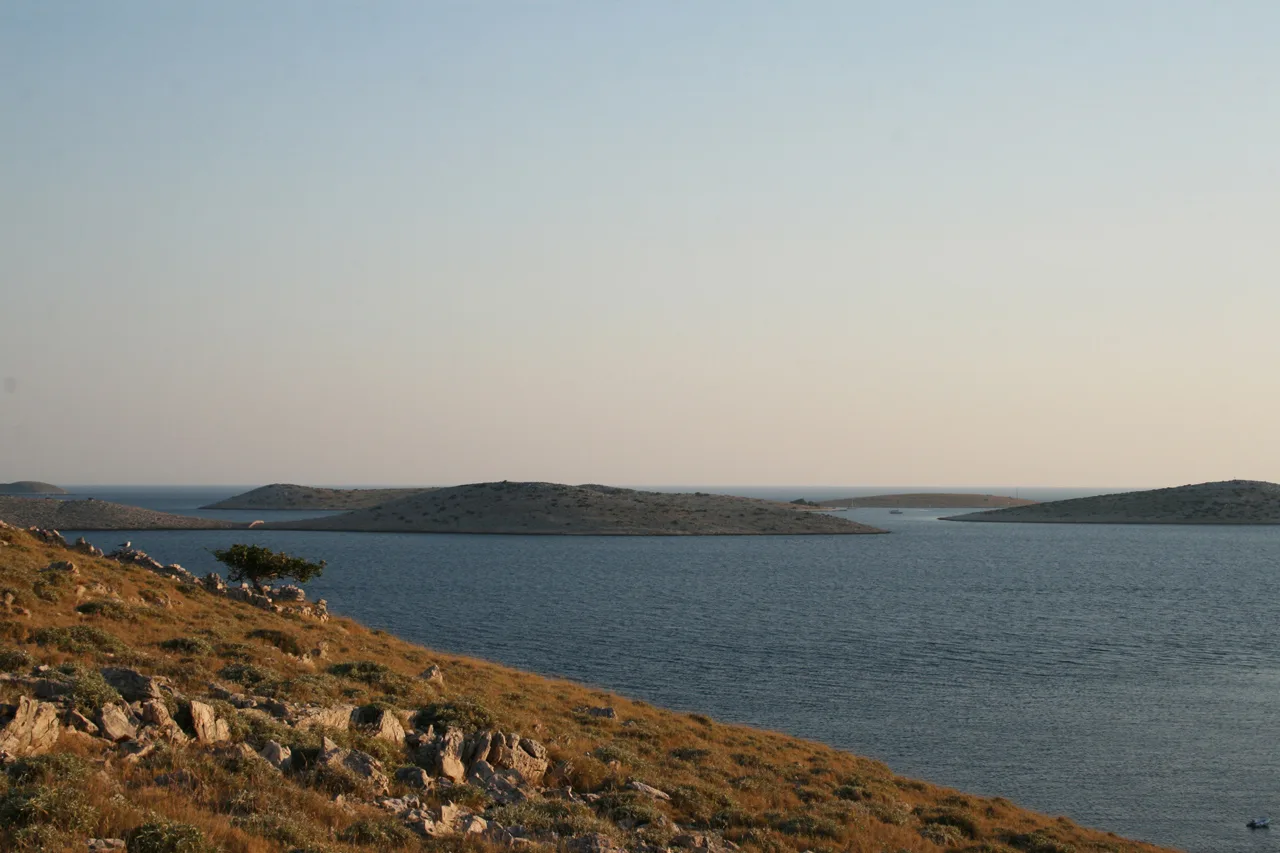
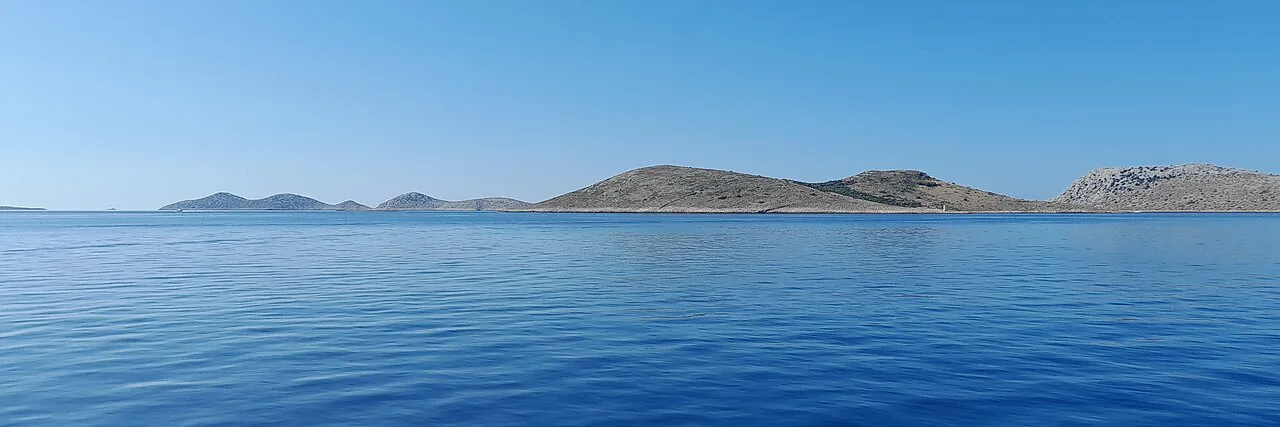
Kornati is an archipelago, not a single island, and the park covers the sea around it as well as the land. That shape dictates everything about a visit: you see it from a boat, moving between coves and islands rather than following a path.
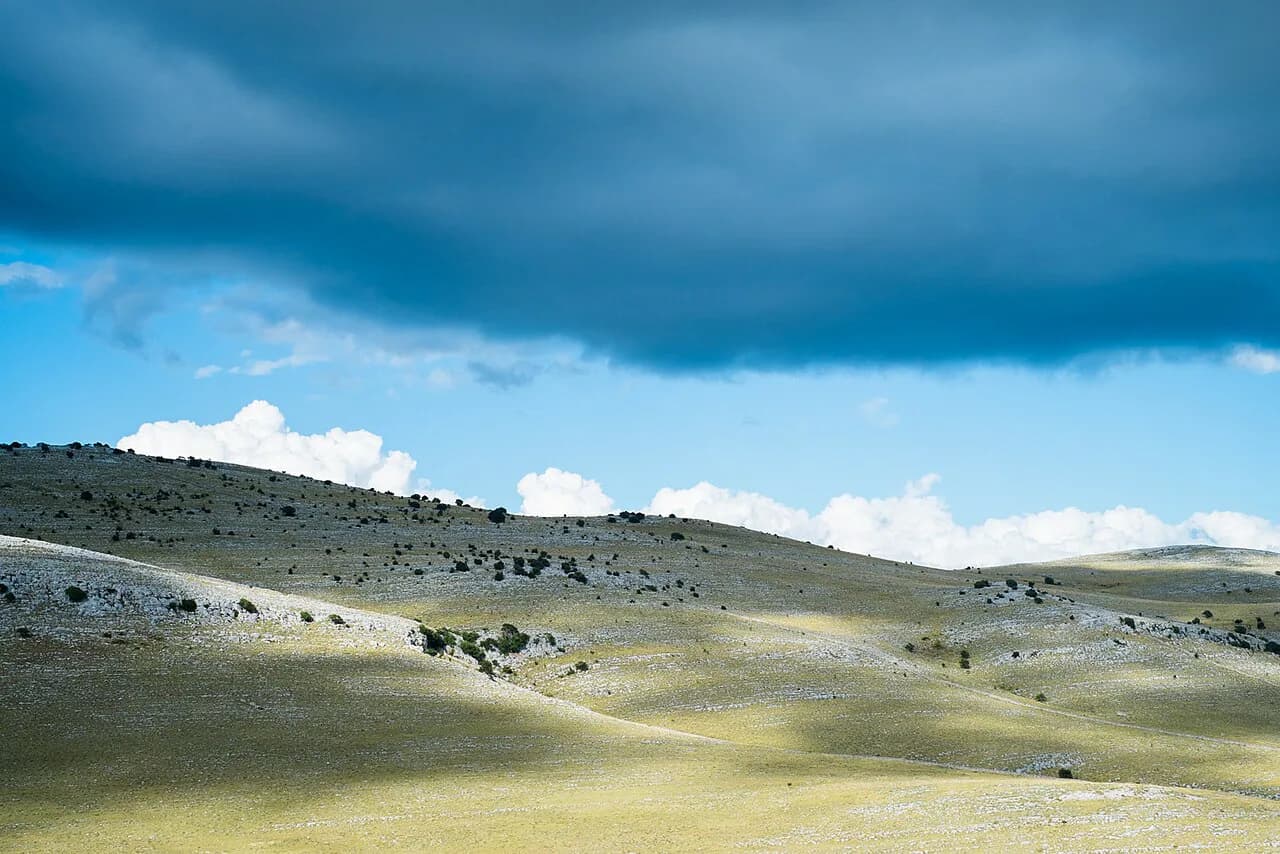
The islands are arid and sparsely settled, with thin soil, low scrub and rock running down to the water. Protection here is as much about the marine environment and the empty horizon as about any one monument, and the quiet is the main attraction.
How you actually get there
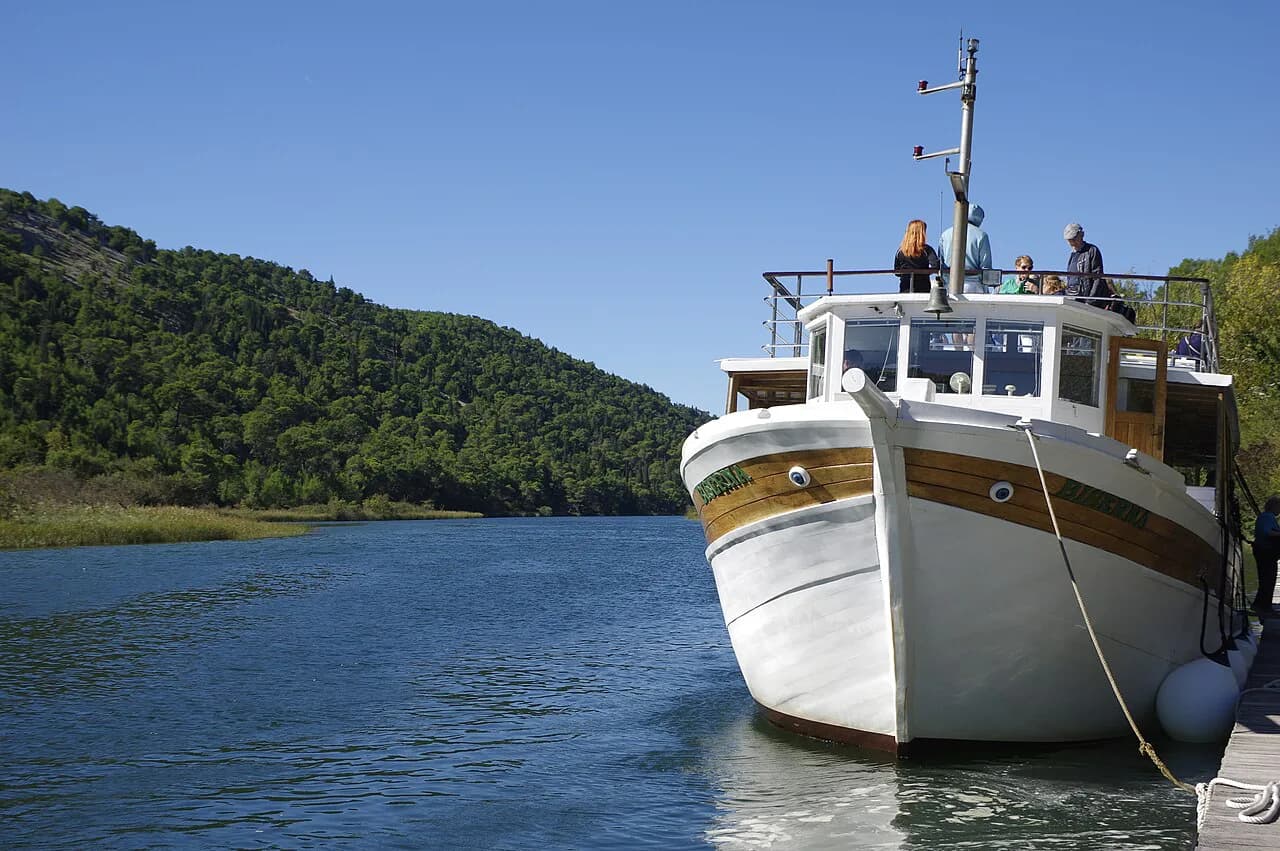
There is no bridge and no scheduled ferry into the park for visitors, so a day excursion or a private boat is the practical route. Most travellers join a group boat from a mainland port, which bundles the crossing, a swimming stop and the park entrance into one arrangement.
For general ferry logistics along the coast, Jadrolinija is the state operator most travellers use, though its scheduled lines serve inhabited islands rather than the park itself. Sailings to Kornati depend on excursion operators and their seasonal timetables, so ask your operator directly about departure times and pick-up points.
Where boats leave from
Departures cluster on the mainland coast, and where your boat departs shapes the whole day. Choose your base and operator together and weigh how much of the day the sea passage will take each way, because a longer run from a distant port eats into time in the park and is more exposed on a windy day.
Confirm the pick-up harbour and the return time in writing when you book, and ask how long the crossing each way typically takes from that port.
The park ticket and what it covers
Kornati lies within the Croatian system of protected areas, and an entrance charge normally applies that excursion operators often collect on top of their own price. Ask at the booking stage whether the park entrance is included in the advertised fare or charged separately on the day.
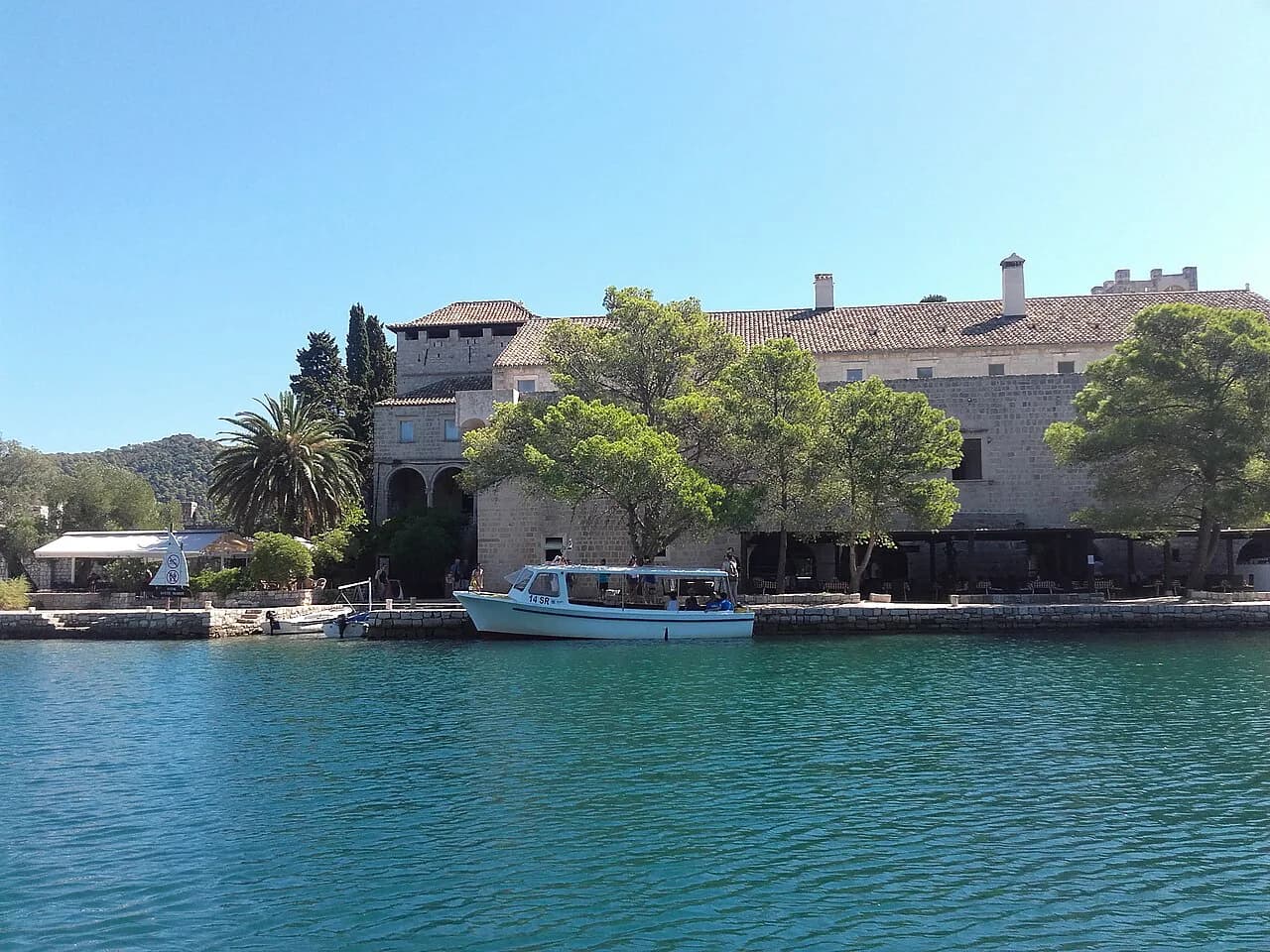
Croatian park tickets often include more than entry alone, which is why the wording matters. At Mljet National Park, for example, the visitor ticket also covers a return solar-boat crossing to the island of Sveta Marija in the Great Lake, plus the electric train and parking on Vrbovica, so a single price can bundle several services.
Check the same detail for Kornati before you pay: whether the park fee is inside the total, whether it covers everyone on board and what happens if weather cancels the sailing. Croatia uses the euro, so expect any supplements quoted in euros, and never accept a kuna figure as a current price.
Islands, coves and landmarks to know
Cliffs on the outer edge of the park are its signature sight: sheer limestone dropping straight into deep water, best appreciated from below on a small boat. Sea conditions decide whether you get close, so an operator's route can change from one day to the next.
Learn the names of the main islands and settlements before booking so you can follow an itinerary. A stop on Kornat, the largest island, is common on day cruises, and some sailings also take in the salt lake at Telašćica Nature Park – a separate protected area on Dugi Otok that is sometimes combined with a Kornati day on the same cruise.
Croatian protected areas enforce designated entry points, marked paths and speed limits for boats. Inside Telašćica Nature Park, for example, visitors may enter only where tickets are sold, cars may only use the Dolac entry point, and boats are held to speed limits in the bay. Expect similar discipline inside Kornati and follow the skipper's instructions on where the boat may moor or swimmers may enter the water.
Before you pick a route, look at the whole archipelago on a map, because the islands are widely spread and no boat can cover them all in a day.
What a day looks like
A typical excursion starts early from the mainland, runs out to the park, makes one or two swimming stops and a lunch stop, then heads back in the late afternoon. The sea passage is a big share of the day, so treat the hours afloat as the main event rather than dead time.
Group boats often carry a crowd and a fixed schedule, which is fine for a first look and less good if you want quiet coves. A smaller boat costs more and moves faster, but you should still confirm the route, the number of stops and the expected return time before committing.
How long to allow
Plan on a full day on the water. Once the crossing in each direction is counted, a short trip leaves little time in the park, and the return run has to fit before the skipper heads home. The islands are widely spread, so the passage itself is a big part of the experience.
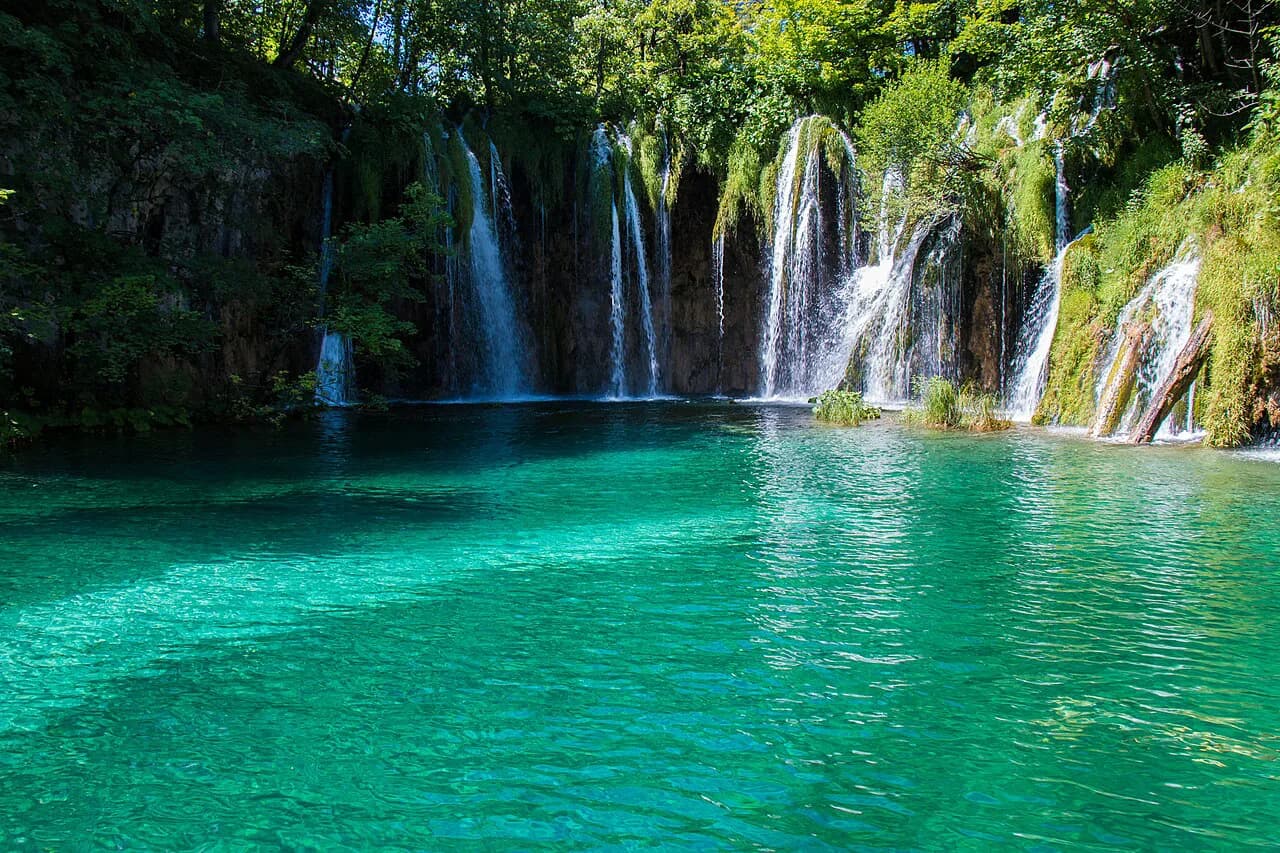
Compare park layouts before you commit weeks of a Croatian itinerary: Plitvice Lakes, the country's oldest and largest National Park, was first protected in 1949 and later inscribed on the UNESCO World Heritage List in 1979, and it is an inland walking park on a completely different scale.
Swimming, snorkelling and anchoring rules
Swimming and snorkelling are the main activities on a Kornati day, and clear water over rock is part of the appeal. Rules on anchoring, boat speed and access to shore are set by the park authority, so follow your skipper's guidance about where the boat can stop and whether you may go ashore.
If you want a feel for a Croatian park where you land and explore on foot instead, Mljet is the opposite experience, with lakes, marked paths and a boat to St Mary's Island in the Great Lake.
When to go and how the weather shapes the day
Summer brings the most boat departures and the warmest swimming, along with the densest crowds at the popular stops. Late spring and early autumn usually mean fewer boats and cooler water, and excursion schedules thin as the season ends.
The bura, the cold, gusty north-easterly wind, can build quickly and make exposed crossings rough, and some operators cancel or reroute when it blows. If your only day in the park is fixed, keep a spare day in reserve and ask your boat company how it handles a weather cancellation.
Honest trade-offs
Kornati is bare and beautiful rather than lush, with almost no shade, no sandy beaches and little to do beyond swimming, eating and looking. That suits travellers who want empty sea views and does not suit anyone hoping for a resort island with facilities.
The crossings are long and the sea can be choppy, so sea-sickness matters more than most people expect on a first visit. Take it seriously if you are prone to it, and weigh a shorter crossing over a long exposed run when you compare operators.
Practical points before you book
Bring cash in euros for drinks, harbour fees or extras your cruise does not include, and pack sun protection and plenty of water because shade is scarce. Check the meeting point and the return time on the booking confirmation before you travel.
If you want to compare Kornati with a park that mixes sea and land more gently, Brijuni National Park off Istria offers an island day with organised transport.
Should Kornati be your boat day?
Book Kornati if you want a full day at sea among bare limestone islands and accept that most of it is spent on the water. Choose a mainland departure that keeps the crossing short, confirm the park entrance is in the price and leave a spare day for wind.
If you would rather walk, swim in sheltered water and land at a scheduled hour, Mljet's lakes and paths are the better fit.
Explore more Croatia guides
Frequently Asked Questions
Is Kornati worth visiting?
It is worth considering if you want a sea day among empty limestone islands and accept that the boat crossing takes a large share of the time. Travellers who prefer walking, shade and organised sights may get more from a land-based park.
How do I get to the Kornati Islands?
By boat, on a day excursion or in your own vessel. Boats commonly depart from mainland coastal ports, and the crossing differs from one operator to another. Check the pick-up harbour and return time, since there is no road into the park.
What is the entrance fee for Kornati National Park?
An entrance charge normally applies, and excursion operators often collect it as part of the fare or as a supplement on the day. Ask whether the park fee is included before you pay, and expect everything quoted in euros.
Sources
Notes from the Croatian coast
Optional updates when our guides change.
You might also like
Continue reading
More guides you'll find useful