Croatia Road Trip: Coastal Route, Tolls and Ferries
Plan a Croatia road trip along the Adriatic: how the motorway and coast road compare, toll gates, taking a car on ferries and how many days to allow.
On this page
A Croatia road trip along the Adriatic is a chain of short coastal hops linked by one long spine road, and the single decision that shapes it is how much of that spine you spend on the motorway versus the coast road. Get that balance right and the rest — ferries, parking, day counts — falls into place. This guide sets out the routes, the driving practicalities and the honest trade-offs between them.
Croatia has used the euro since 2023, which makes fuel, tolls and ferry tickets easier to budget than the old kuna era. Croatian motorways use toll gates rather than a prepaid vignette, so there is no windscreen sticker to arrange before you travel.
What a Croatia road trip along the Adriatic actually looks like
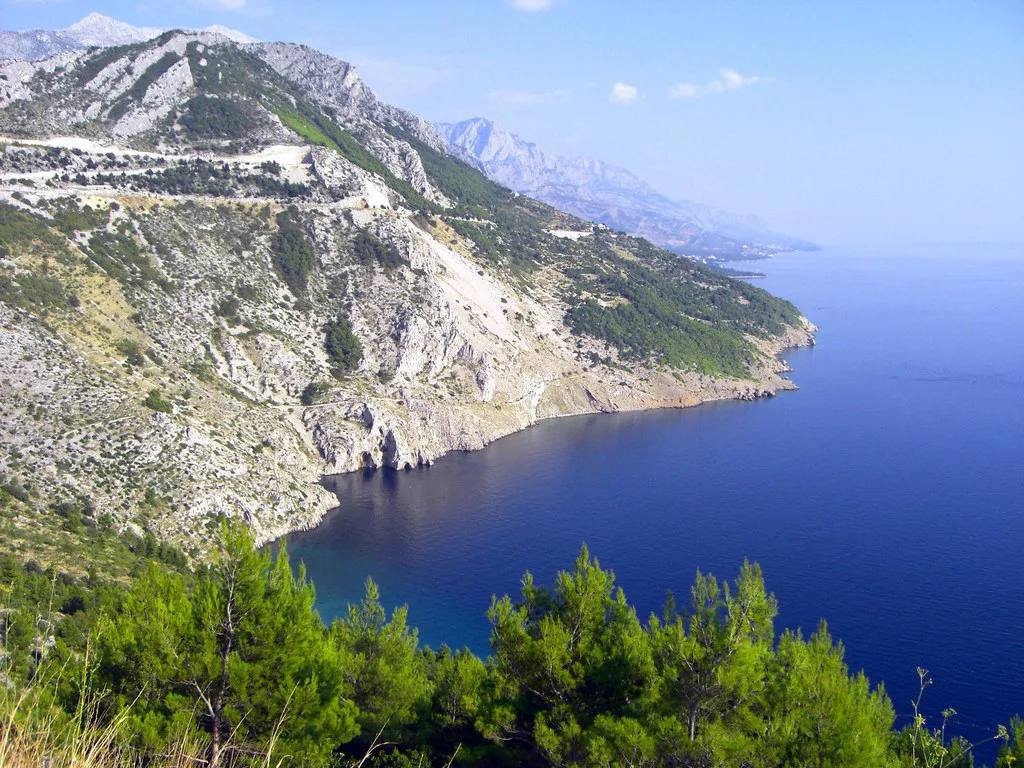
The Adriatic coast runs roughly from Istria and the Kvarner Gulf in the north down through Dalmatia to Dubrovnik in the south, with a thick scatter of islands offshore. A road trip here is not one continuous scenic drive: the coast road stitches together old towns and viewpoints, while the motorway runs inland behind the mountains as a fast alternative. Most sensible trips blend the two, using the motorway to skip a dull stretch and the coast road where the scenery earns the slower pace.
Because the country is long and thin, the driving you plan should follow the line of the coast rather than zig-zagging inland. The classic framing is a south-to-north run from Dubrovnik up to Istria, or the reverse; either way, you are trading stops against days rather than trying to see everything.
How many days a Croatia road trip needs
Day counts are really decisions about how many bases you can be bothered to unpack at. With 7 days in Croatia you can cover one stretch well — say Dubrovnik and the southern Dalmatian coast, or Istria and the Kvarner Gulf — and adding a second region means spending more of each day in the car. Fewer stops, longer stays is usually the better trade on a coast this congested in summer.
Do you need a vignette to drive in Croatia? No — Croatian motorways use toll gates rather than a prepaid vignette, so you pay as you go at the barrier instead of buying a windscreen sticker in advance. Toll amounts vary by route and season, so budget for them as a running cost.
What are the most beautiful places to visit in Croatia by car? The coast road passes Dubrovnik, Split, Šibenik, Korčula and the Istrian towns of Poreč and Rovinj, with the Kvarner Gulf and its islands to the north. Building a route around a handful of these plus an inland day at the Plitvice Lakes keeps a drive from becoming a checklist.
How much does a Croatia road trip cost? Tolls, ferry tickets and parking are the main variable costs, and Croatia uses the euro since 2023. Because toll amounts and ferry fares vary by route and season, check current prices with the motorway operator and with Jadrolinija rather than relying on a single figure.
Ten days lets you link two regions without rushing and gives you a buffer for a ferry crossing or a wet day. If you want to stretch from Istria all the way to Dubrovnik with island time in between, 2 weeks in Croatia is the honest minimum rather than a luxury.
Five days is workable only if you pick one region and resist the urge to add a second. Treat any inland detour — such as the interior parks — as a whole day of its own rather than a quick diversion from the coast.
Motorway or coast road: the trade-off
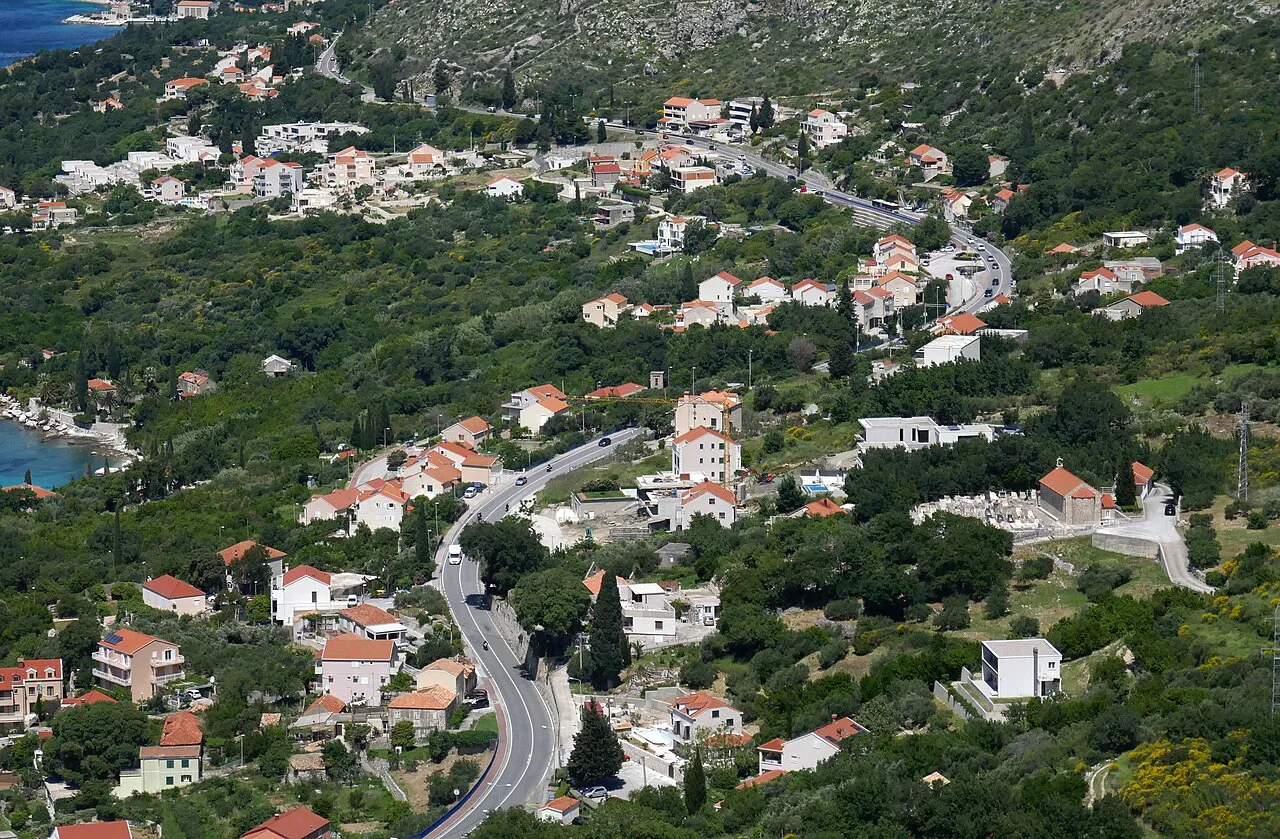
The motorway is the fast, boring, reliable option: it carries you behind the coastal mountains and is the sensible choice for a long transfer day or an arrival from Zagreb. The coast road is slower, busier and far more scenic, threading through towns and along the water, and it is where the trip actually happens. The trade-off is time against scenery, and in July and August the coast road's slowness is compounded by traffic.
A workable rule is to use the motorway for the one or two long legs where there is nothing you particularly want to see, and the coast road for every stretch with a town or viewpoint worth stopping at. That keeps the driving days manageable without turning the trip into a motorway slog.
Tolls, vignettes and driving in Croatia
Croatian motorways have toll gates, and you pay as you go rather than buying a vignette in advance. That means no windscreen sticker to arrange before you travel — you simply take a ticket or pay at the barrier. Toll amounts vary by route, so budget for them as a running cost rather than a fixed figure.
Croatia drives on the right, which will feel familiar to UK and Irish drivers once they adjust to being on the other side of the car. Carry the usual documents for the vehicle and check the current rules on things like reflective jackets and warning triangles with your rental company before you collect the keys.
Taking a car on Jadrolinija ferries and catamarans
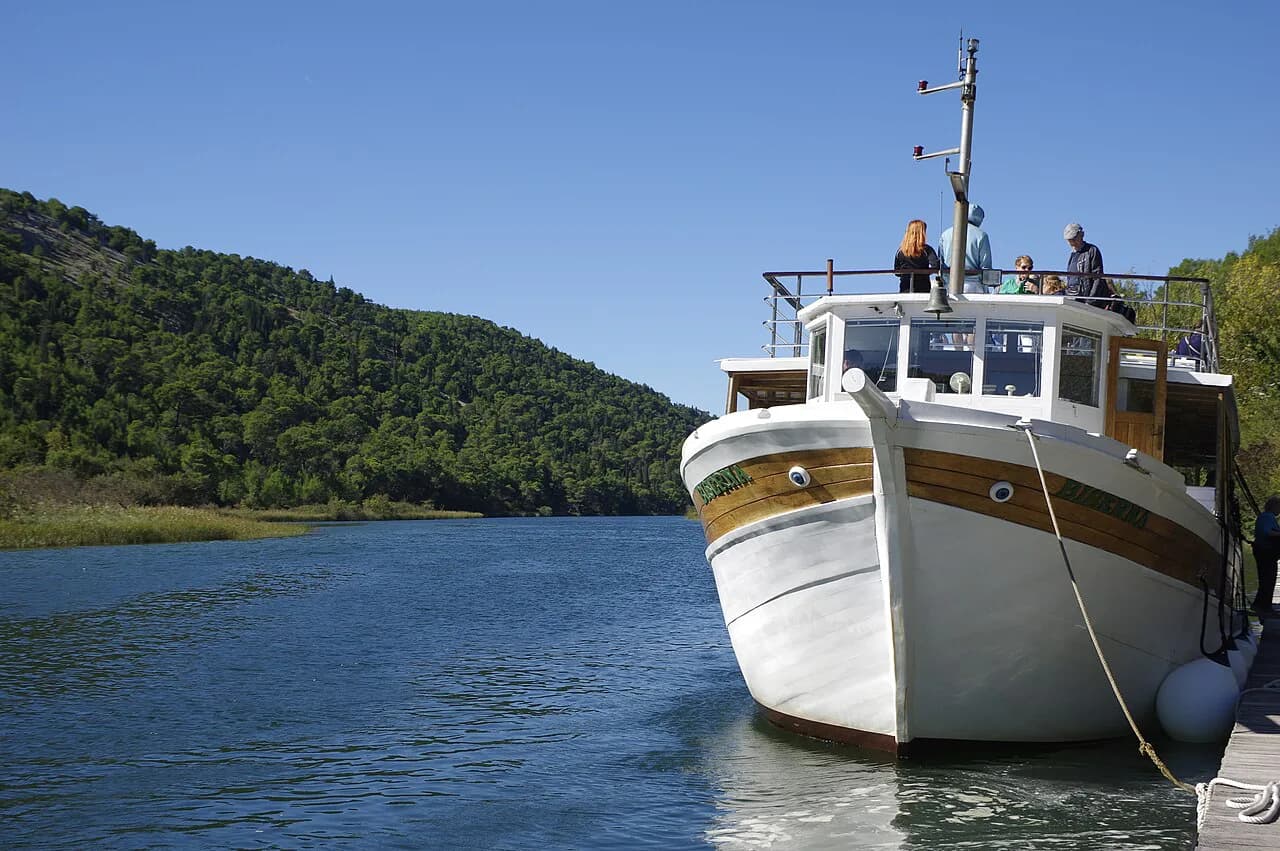
Cars cross to the larger islands on ferries, and Jadrolinija is the main operator for vehicle crossings on the Adriatic. Foot-passenger catamarans are faster and serve more island stops, but they generally do not take cars, so a car-based trip depends on the ferry network rather than the catamarans. Book vehicle space ahead in summer, when popular crossings fill.
Decide early whether your route needs a car crossing at all. Some islands are easy to visit as a foot passenger while leaving the car on the mainland, which saves ferry space, cost and stress; others only make sense if you drive off and explore. That choice shapes which islands belong on your route.
Parking and driving into old towns
Most Croatian old towns — Dubrovnik, Šibenik, Korčula, Trogir — have historic centres where driving in is either restricted or simply impractical. The realistic approach is to park outside the walls or in a designated car park and walk in, treating the car as a base-camp tool rather than a way to reach the doorstep.
Parking in popular towns is limited and priced accordingly in high season, so plan to arrive earlier in the day or accept a longer walk from the edge of town. If you are travelling by campervan, the same logic applies with more constraints on where you can stop overnight.
A south-to-north route: Dubrovnik and Dalmatia up to Istria
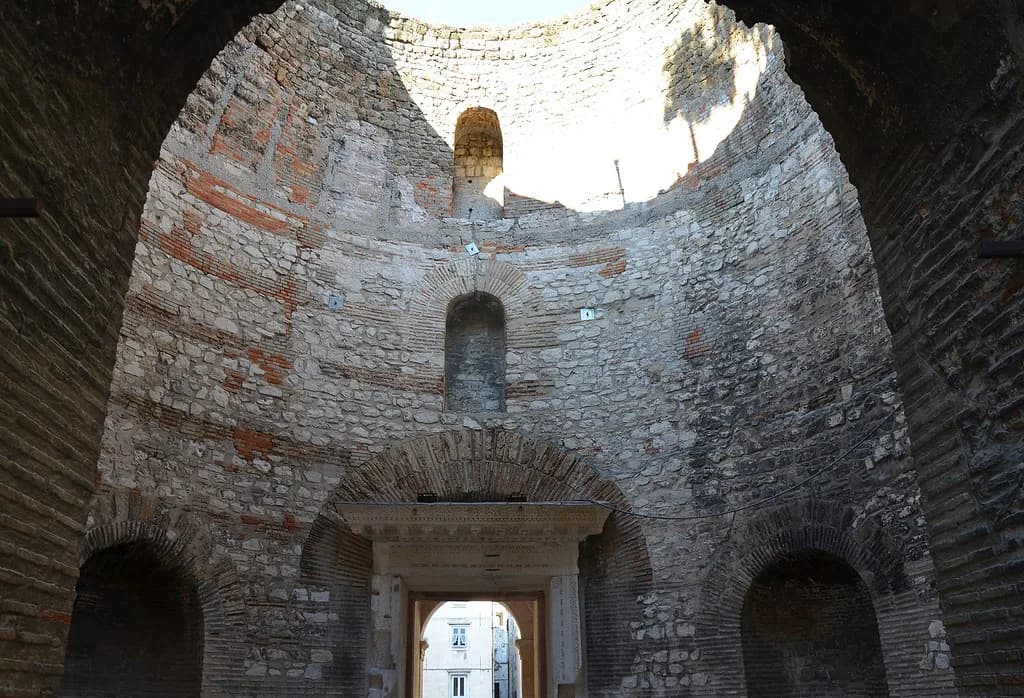
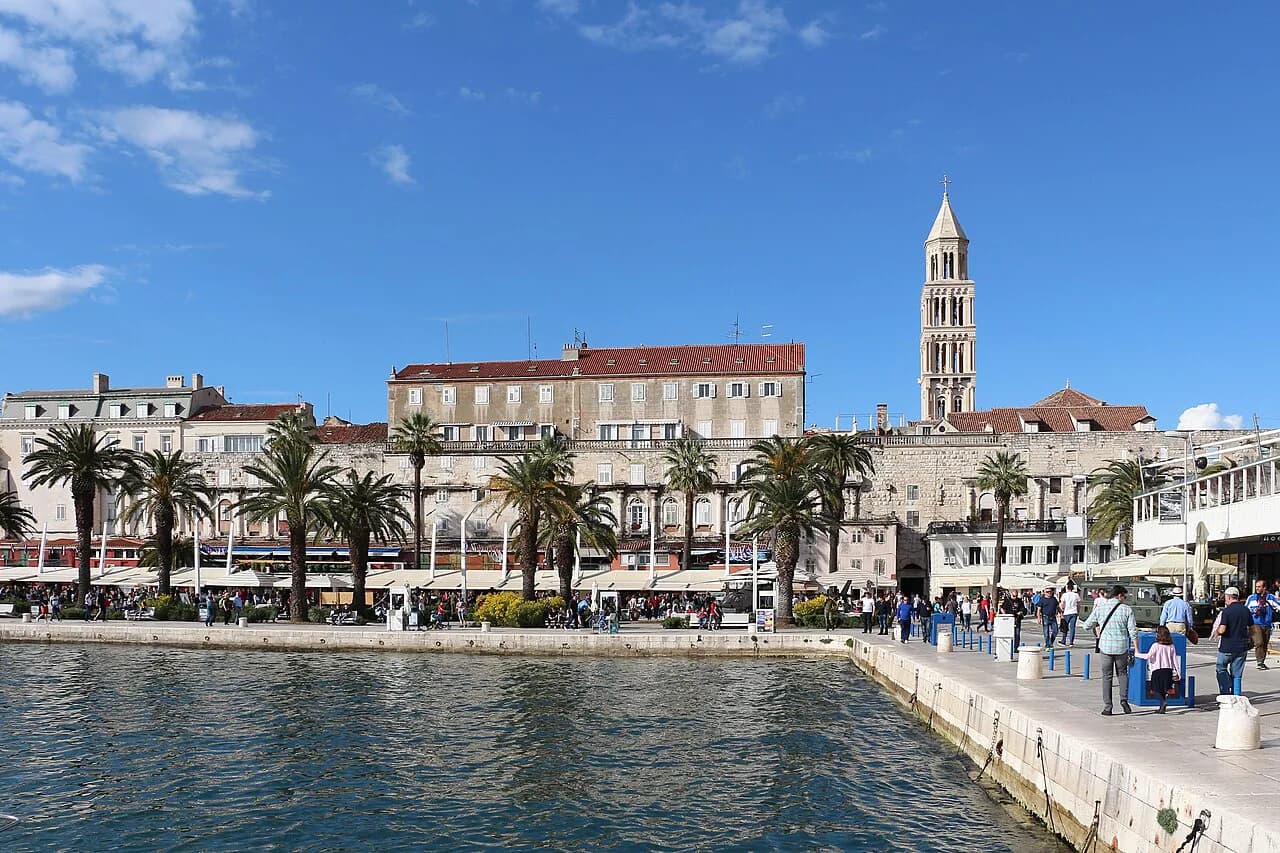
Starting in Dubrovnik and driving north takes you through the southern Dalmatian coast, past Split and its Diocletian's Palace, then up through Šibenik and the Kvarner Gulf toward Istria. This direction works well because you begin with the most famous set-piece and then trade down to quieter stretches as you go. Allow the most days for the southern half, where the stops are densest.
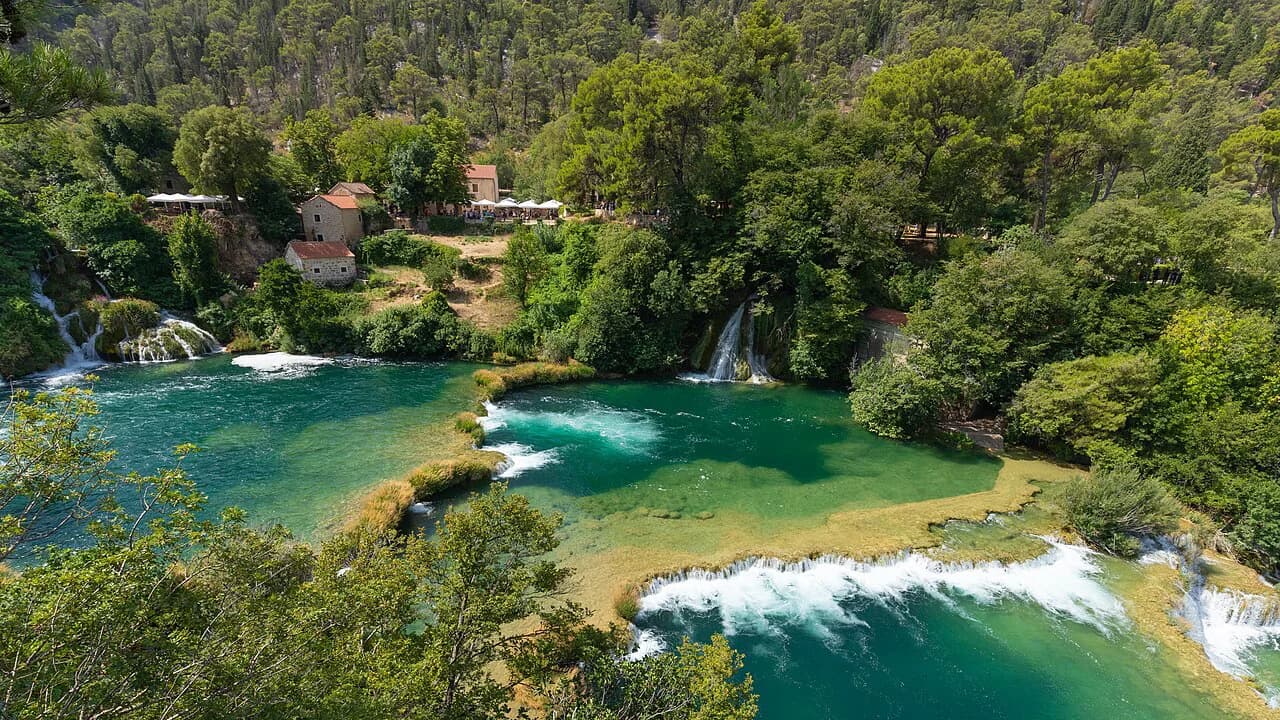
A south-to-north drive can absorb an inland day at the Plitvice Lakes National Park if you build it in deliberately rather than treating it as a spur-of-the-moment detour. That single day is often the difference between a coastal trip and a fuller one; see the wider Croatia Itinerary for how the inland parks slot into a coastal route.
A north-to-south route: Istria and the Kvarner coast down to Dalmatia
Driving from Istria and the Kvarner Gulf southward suits travellers arriving from Italy, Slovenia or Zagreb, and it front-loads the quieter, greener northern coast before the crowds of Dalmatia. You can take in Istrian hill towns and the Kvarner islands, then follow the coast road down toward Split. The pace accelerates as you head south, which is worth planning for.
The northern leg rewards slower driving: the coast road here is less trafficked than the Dalmatian stretch, and the island crossings from the Kvarner Gulf are short. That makes it a good place to spend your first couple of days adjusting to the roads and the ferries before the busier south.
Stops worth building the drive around
The coast's headline stops are well known for good reason: Dubrovnik's walls, Split's Diocletian's Palace, Šibenik's cathedral, Korčula's old town and the Istrian towns of Poreč and Rovinj. Each is worth a night rather than a photo stop, and clustering too many into consecutive days is the fastest way to tire of them. Pick the ones you care about most and let the rest be views from the road.
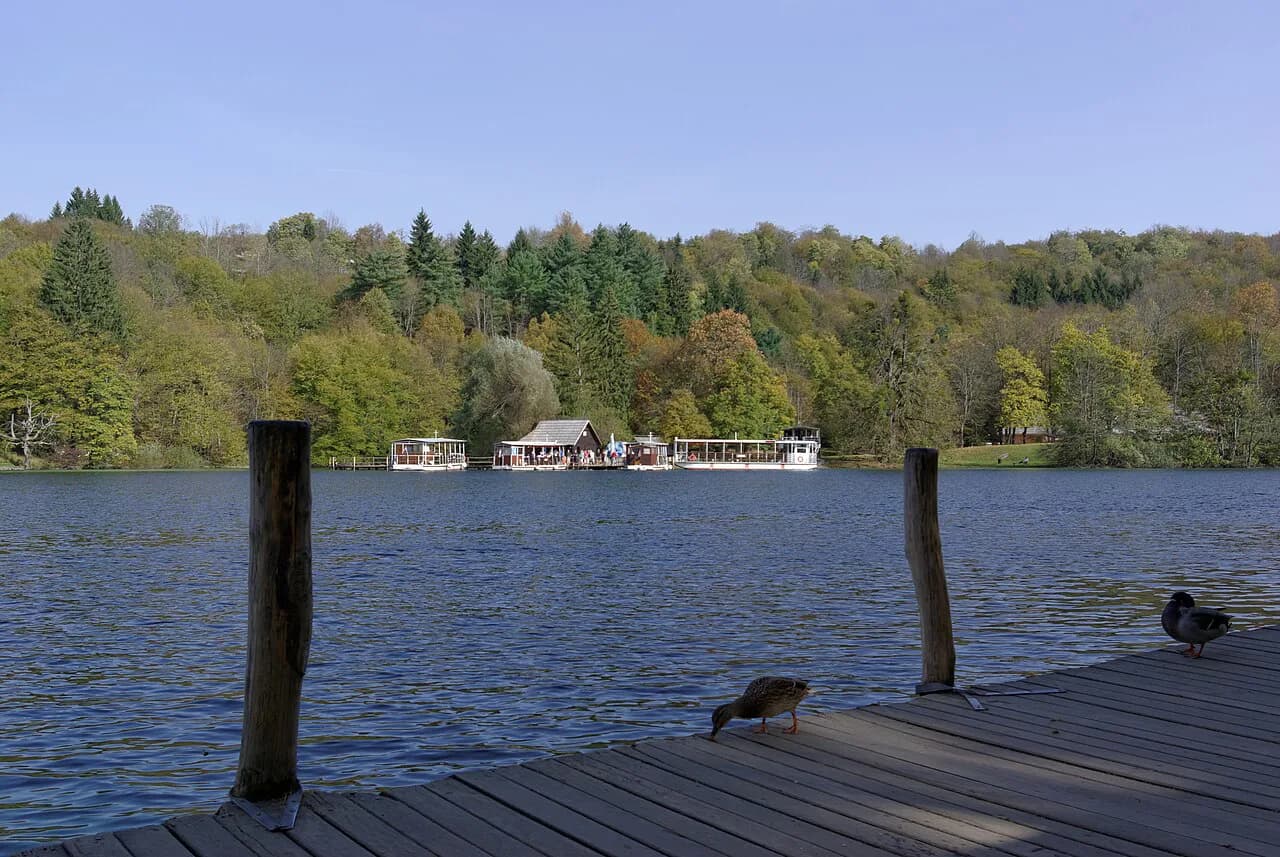
Inland, the Plitvice Lakes are the obvious anchor for a day off the coast, and smaller coastal villages make good unhurried overnight stops between the bigger names. Building the drive around a handful of these, rather than a long list, keeps the trip coherent; the 10 days in Croatia guide is one place to see how that shape works.
When to go and the summer crowd problem
Summer is when the coast road is at its slowest and the old towns are at their fullest, so the same route takes materially longer in July and August than in the shoulder months. Late spring and early autumn give you the scenery, the open ferries and far more breathing room at the stops. If you must travel in high summer, plan shorter driving legs and arrive at popular towns early.
Ferry and catamaran timetables change with the season, so a crossing that runs daily in summer may be much reduced outside it. Confirm the schedule for your dates with the ferry or catamaran company before you commit a route to it.
The bura wind and what it does to a driving day
The bura is a cold, gusty north-easterly wind that funnels down the coastal mountains, and it can make exposed stretches of the coast road genuinely unpleasant to drive. It is most associated with the cooler months and can disrupt exposed routes when it is strong. Build flexibility into any winter or shoulder-season driving day and check current conditions and road closures before setting out.
If a bura is forecast, the pragmatic move is to shorten the day, take the sheltered motorway option where it exists, and keep an eye on operator notices for ferry cancellations. Treating it as a real constraint rather than a curiosity is the difference between a good day and a miserable one.
Is the coast road or the motorway right for your trip?
If scenery is the point, the coast road is your trip — just build in shorter days and accept that summer traffic makes it slower. If you are covering a long distance with a fixed ferry booking at the other end, the motorway is the sensible tool. Most trips want a mix, with the fast road doing the dull transfer and the coast road doing the work that makes the holiday.
Settle your region, your day count and your car-ferry decision first, and the route almost writes itself. For a fuller picture of how the pieces fit across the country, pair this with the wider Croatia Itinerary planning.
Explore more Croatia guides
Frequently Asked Questions
Do you need a vignette to drive in Croatia?
No — Croatian motorways use toll gates rather than a prepaid vignette, so you pay as you go at the barrier instead of buying a windscreen sticker in advance. Toll amounts vary by route and season, so budget for them as a running cost.
What are the most beautiful places to visit in Croatia by car?
The coast road passes Dubrovnik, Split, Šibenik, Korčula and the Istrian towns of Poreč and Rovinj, with the Kvarner Gulf and its islands to the north. Building a route around a handful of these plus an inland day at the Plitvice Lakes keeps a drive from becoming a checklist.
How much does a Croatia road trip cost?
Tolls, ferry tickets and parking are the main variable costs, and Croatia uses the euro since 2023. Because toll amounts and ferry fares vary by route and season, check current prices with the motorway operator and with Jadrolinija rather than relying on a single figure.
Sources
Notes from the Croatian coast
Optional updates when our guides change.
You might also like
Continue reading
More guides you'll find useful