Croatia Island Hopping Itinerary: A 10-Day Route by Ferry
A day-by-day Croatia island hopping itinerary, from Rab and Lošinj via Dugi Otok, Hvar, Brač and Vis to Korčula and Mljet, with ferry legs and what to see.
On this page
Ten days is enough to string together the Kvarner Gulf, the Zadar archipelago and southern Dalmatia if you travel the chain one way rather than looping back. This itinerary runs south-east from Rab Town to Mljet, giving two nights to each of five island groups: Rab and Lošinj, Dugi Otok, Hvar, Brač and Vis, and Korčula and Mljet. It covers what to see on each island, the ferry legs that join them and the trade-offs that decide whether the route suits you.
National Geographic's ten-day island-hopping route follows much the same south-east arc: Rab with Lošinj, then Dugi Otok with Kornati, then Hvar with its own Stari Grad, then Brač with Vis, and finally Korčula with Mljet. That pairing is the practical logic: each pair sits close enough to share a ferry leg or a short crossing, so you spend your time ashore instead of retracing water you have already sailed.
Why a one-way route beats a loop
A round trip from Split forces you to double back through the same ferry corridors, and each backtrack costs you a sailing slot you could have spent on an island. A one-way chain from the Kvarner Gulf to southern Dalmatia keeps every crossing pointing the same way, so a ten-day trip carries five island bases rather than three. The cost is a longer, more awkward arrival and departure: you begin in the north around Rijeka and finish in the south near Dubrovnik, so allow for the transfer at each end and plan your arrival and departure around them.
For context on which islands reward the effort, the best islands in Croatia are grouped by character rather than by ferry convenience, from the Venetian stone towns to the karst and scrub of the Kornati archipelago. Use that overview to swap stops if your interests lean towards old towns or towards quiet coves.
How many days you need, and the seven-day cut
Ten days gives you roughly two nights per island group and a comfortable buffer for a delayed catamaran. A seven-day version has to lose one end of the chain: either drop the Kvarner Gulf and start at Dugi Otok, or keep Rab and Lošinj and finish at Korčula without Mljet. Cutting Mljet is the cleaner edit, because Korčula Town's lanes and the Korčula waterfront fill a final day without a national-park crossing.
Whichever length you choose, plan around a base rather than a checklist. Two nights in one harbour town lets you see the old core in the morning, take a boat out in the afternoon and still catch an early ferry the next day, which is how Rab Town, Hvar Town and Korčula Town work best.
Days 1–2: Rab Town and Lošinj
Start in Rab Town, where four medieval and Renaissance belfries rise above Venetian palaces and stone houses set in narrow marble lanes. The town is compact enough to walk in a morning, and the Lopar peninsula to the north carries a run of sandy bays that is unusual on a coast of pebble and rock. Rab's medieval summer festival, Rabska Fjera, dates from 1364, so check the town's own announcements if you want to be there for it rather than plan a trip around a fixed date.
Sail south-east to Lošinj and split your time between the two harbours: Mali Lošinj, the larger and busier, and Veli Lošinj, smaller and quieter, both lined with the Italianate houses of sea captains who built Lošinj's merchant fleet. Čikat Bay, south of Mali Lošinj, is the sheltered swim stop, with pines down to the water. Lošinj rewards a slow afternoon more than a tick-list morning, so give it the second night and take the morning ferry onwards.
Days 3–4: Dugi Otok, Telašćica and Kornati
Dugi Otok lives up to its name: a long, thin strip in the Zadar archipelago, scattered with fishing villages and pebbly beaches, with Sali as its main port in the south. From Sali you are within reach of Telašćica Nature Park, the claw-shaped southern end of the island with six islets and 25 coves among olive groves and oak forest. Base yourself in or near Sali for these two nights, because the park and the Kornati approaches are both at the island's southern tip.
Pair Kornati National Park with Telašćica on the same day out, since the two sit side by side and a single boat trip can take in both. Kornati's 89 islands and islets are stark karst and scrub with olive groves, a few fishermen's cottages and flocks of sheep, and no permanent settlements at all. Boat operators run from the Zadar area and from Sali; compare what each trip actually lands on, because some circle the islands without setting foot ashore.
Days 5–6: Hvar Town and Stari Grad
Hvar Town is the itinerary's crowd problem, and timing is the whole answer. Go early: St Stephen's Square and the baroque St Stephen's Cathedral are calmer first thing, and the uphill path to the 16th-century Fortica Fortress, known locally as Španjola, gives you the classic view over terracotta rooftops to the Pakleni islands. Cruise-ship mornings and summer evenings are when the square and the Riva fill up, so build the day around a dawn start and a siesta. If you want more ideas beyond the fortress and the square, see things to do in Hvar.
Stari Grad, on the island's northern side, offers much of the same Venetian charm with a fraction of the crowds, and it is the better base if you want quiet nights. Just outside town, the UNESCO-listed Stari Grad Plain is a broad patchwork of fields and dry-stone walls where Greek settlers laid out vineyards and olive groves some two thousand years ago; walking it takes a half-day and repays an early start before the heat.
Days 7–8: Brač and Vis
Brač is Dalmatia's largest island, and most visitors make for Zlatni Rat, the V-shaped spit beside Bol, which is also the busiest corner. The quieter alternative is the west coast: Milna sits in a deep harbour, and Sumartin at the eastern end stays laid-back despite serving as the ferry port for the Makarska Riviera. On a two-night stop, pick one side and see it properly rather than driving the length of the island twice.
Vis remains pleasantly remote, and its main town rewards a slow walk along the seafront between Prirovo and Grandovac, past pale stone houses. In summer, Vis Kino shows films outdoors at the water's edge. From Vis Town, a bus runs to Komiža, the quieter fishing harbour that serves as the launch point for boat trips to the Blue Cave on Biševo. Cave trips depend on sea conditions, so keep the cave for your full day and the town walk for the arrival afternoon.
Days 9–10: Korčula Town and Mljet
Korčula Town sits on its own thumb-shaped peninsula, its marble alleys fanning out in the pattern of a fish skeleton, with a waterfront route that circles the whole town. Walk the circuit at street level first, then climb to the lanes behind for the Venetian houses and cobbled squares. The fishing village of Lumbarda, almost four miles away, makes an easy excursion if you want a change of scale from the walled town.
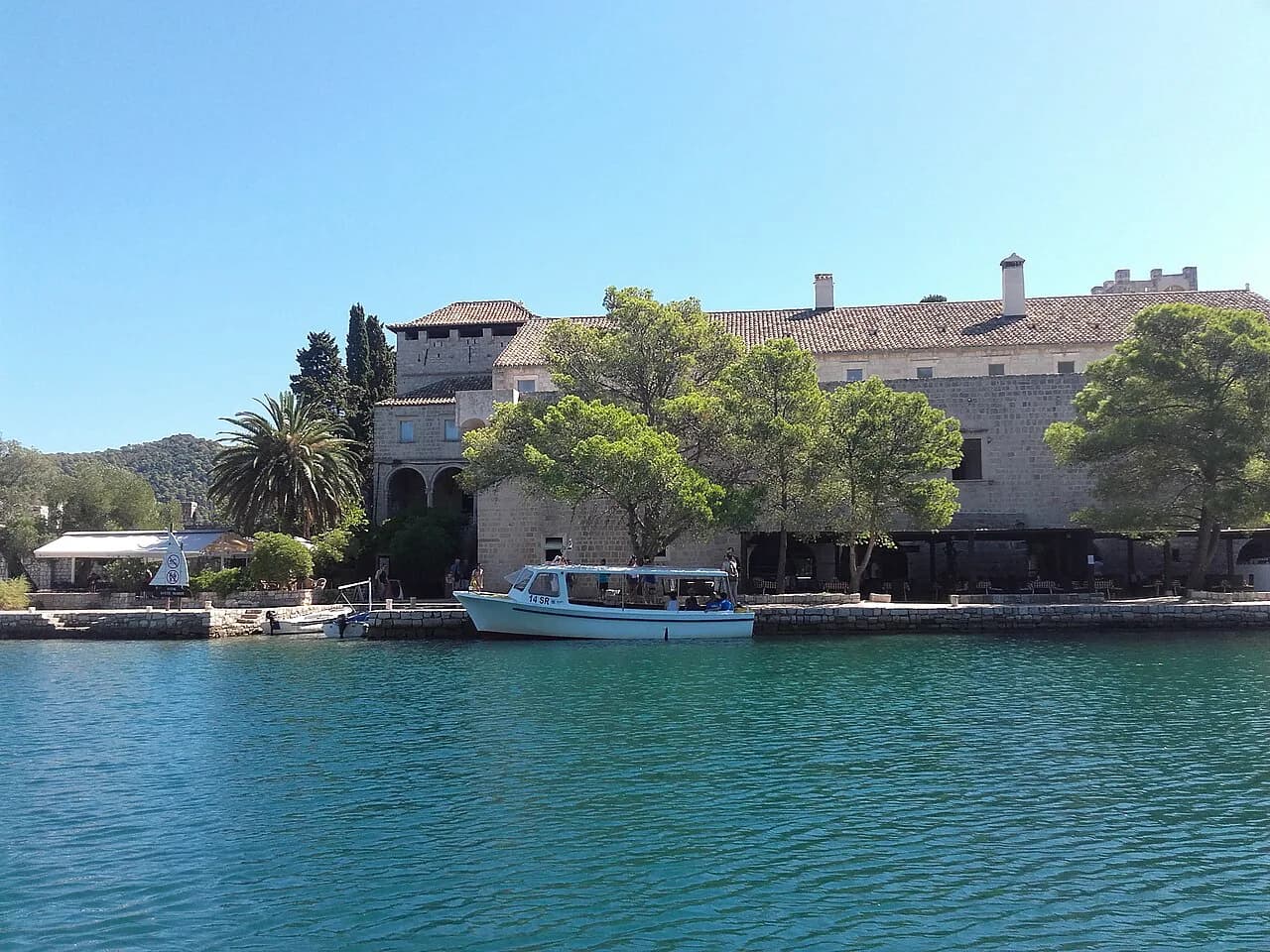
Finish on Mljet, Croatia's greenest island, where more than a third of the land falls inside Mljet National Park. Two saltwater lakes sit among oak and pine, with walking and cycling trails shaded by the trees, and a small boat crosses the larger lake to St Mary's Island and its 12th-century Benedictine monastery. Give Mljet a full day for the lakes and the island, or use the morning for the boat and keep the afternoon for the ferry onward.
The ferry and catamaran legs that link the route
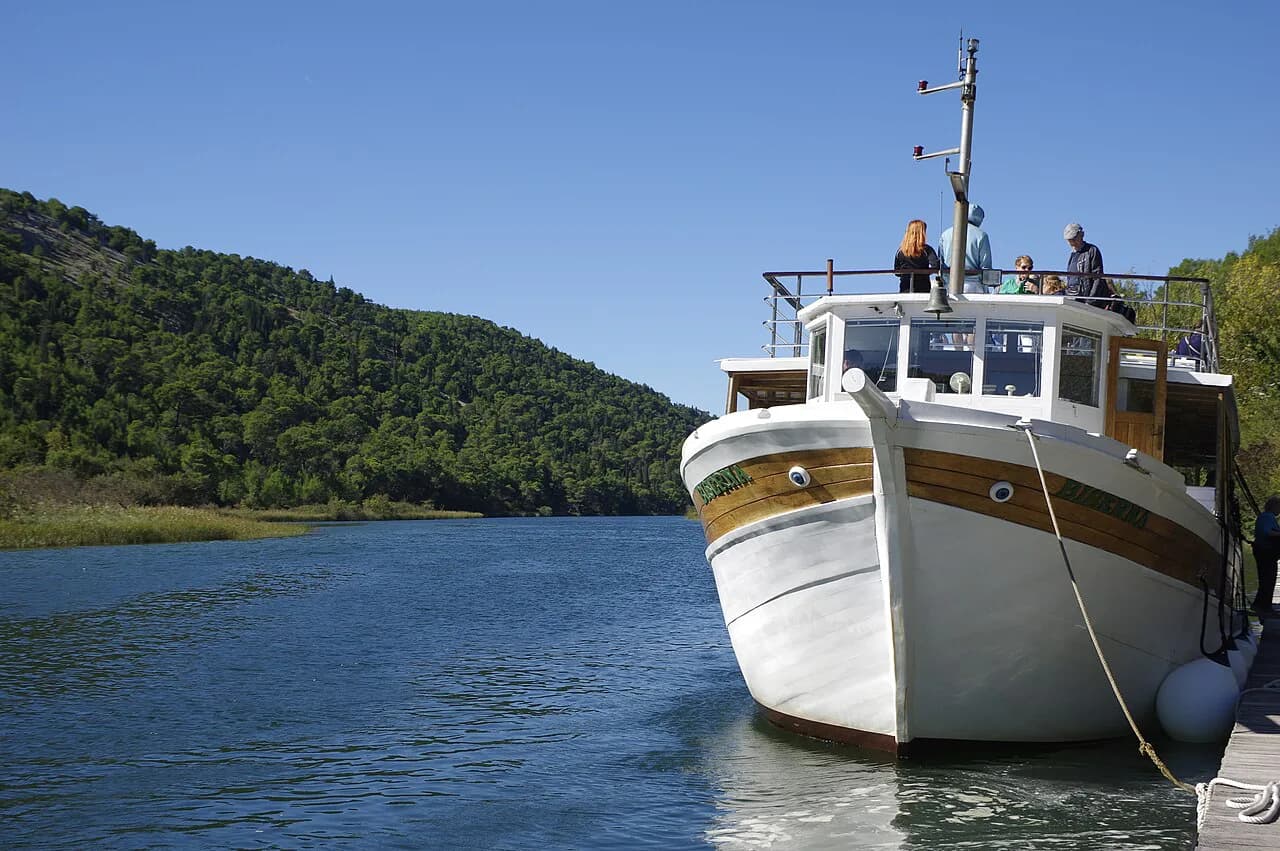
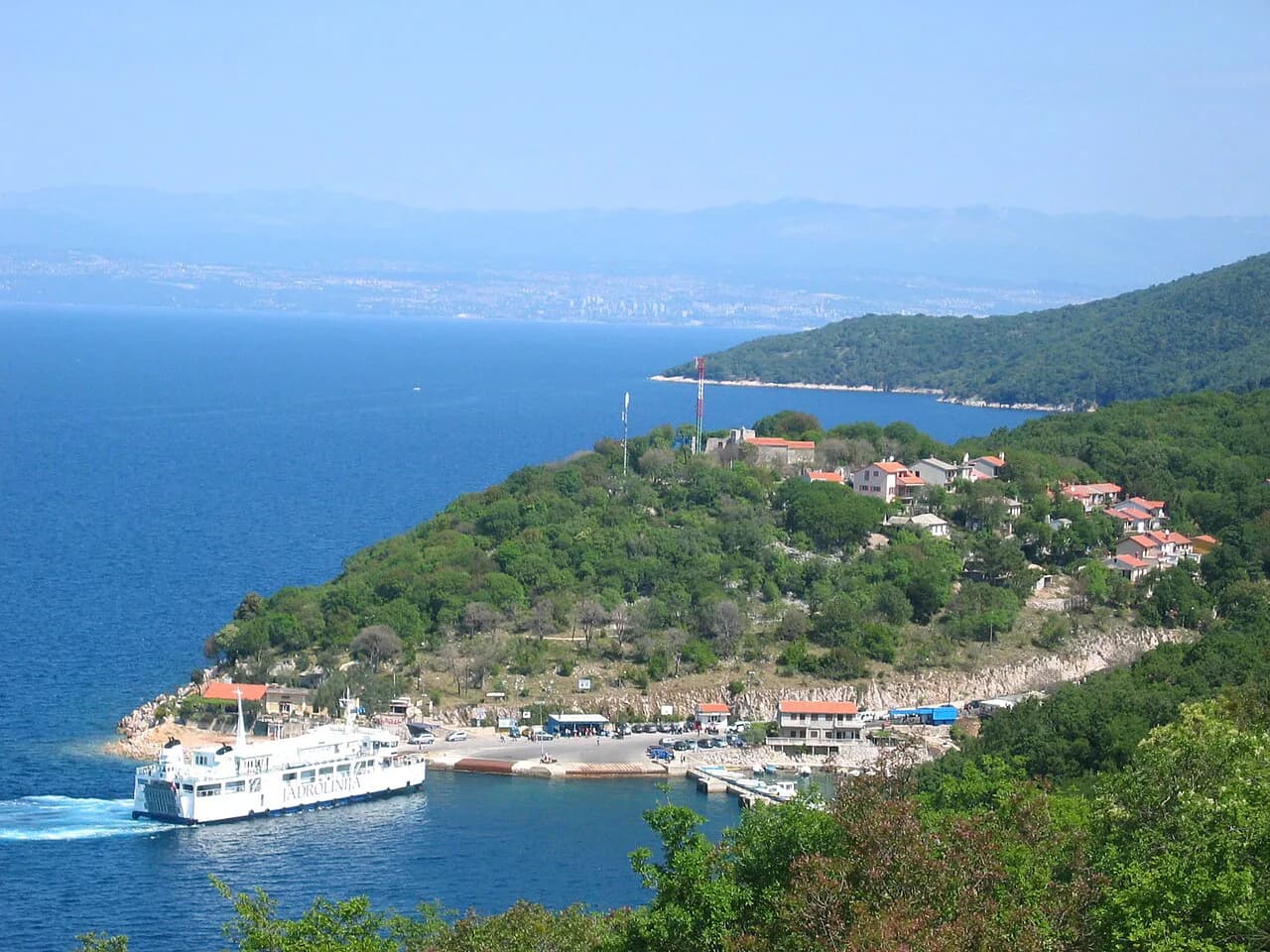
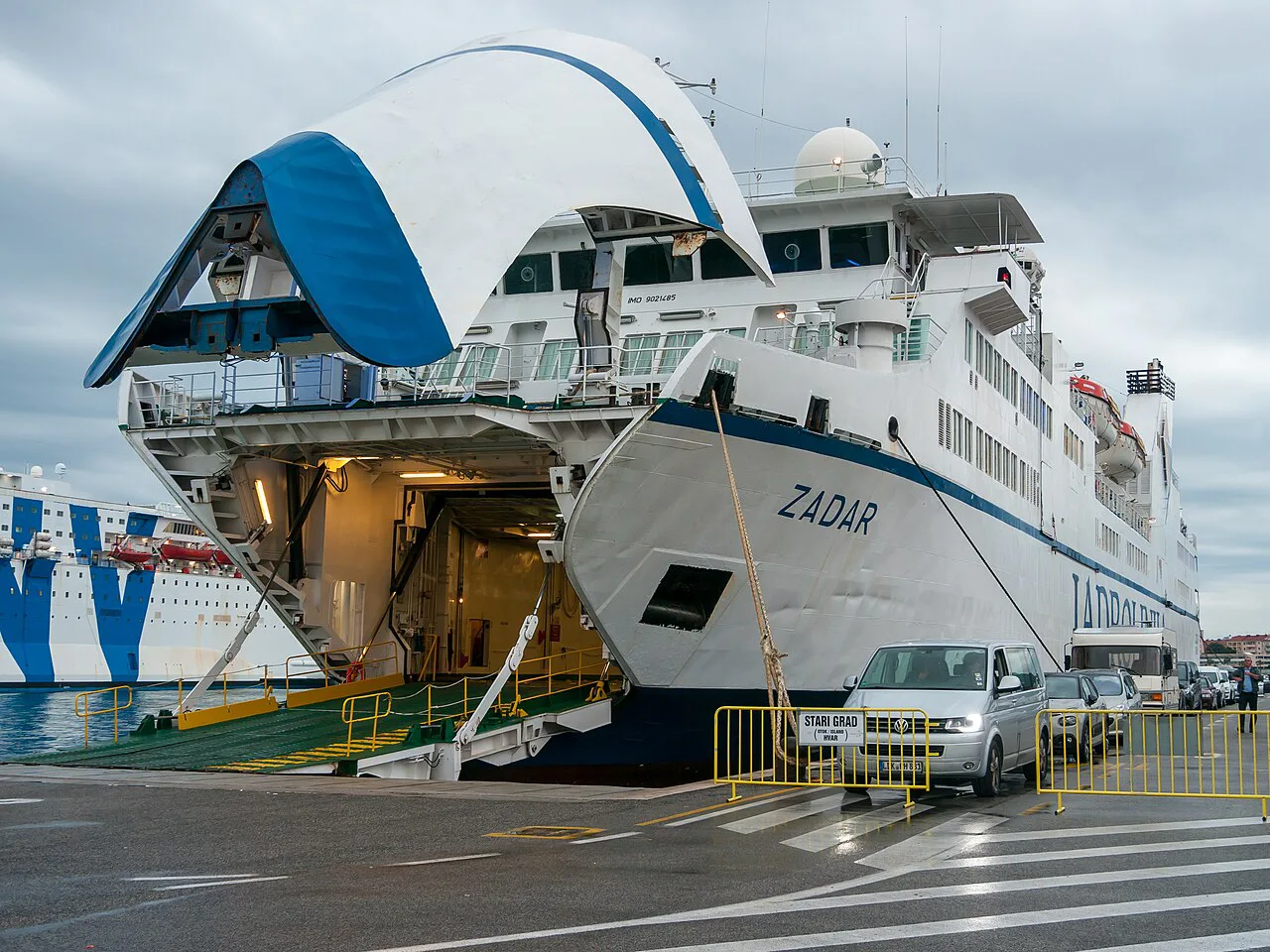
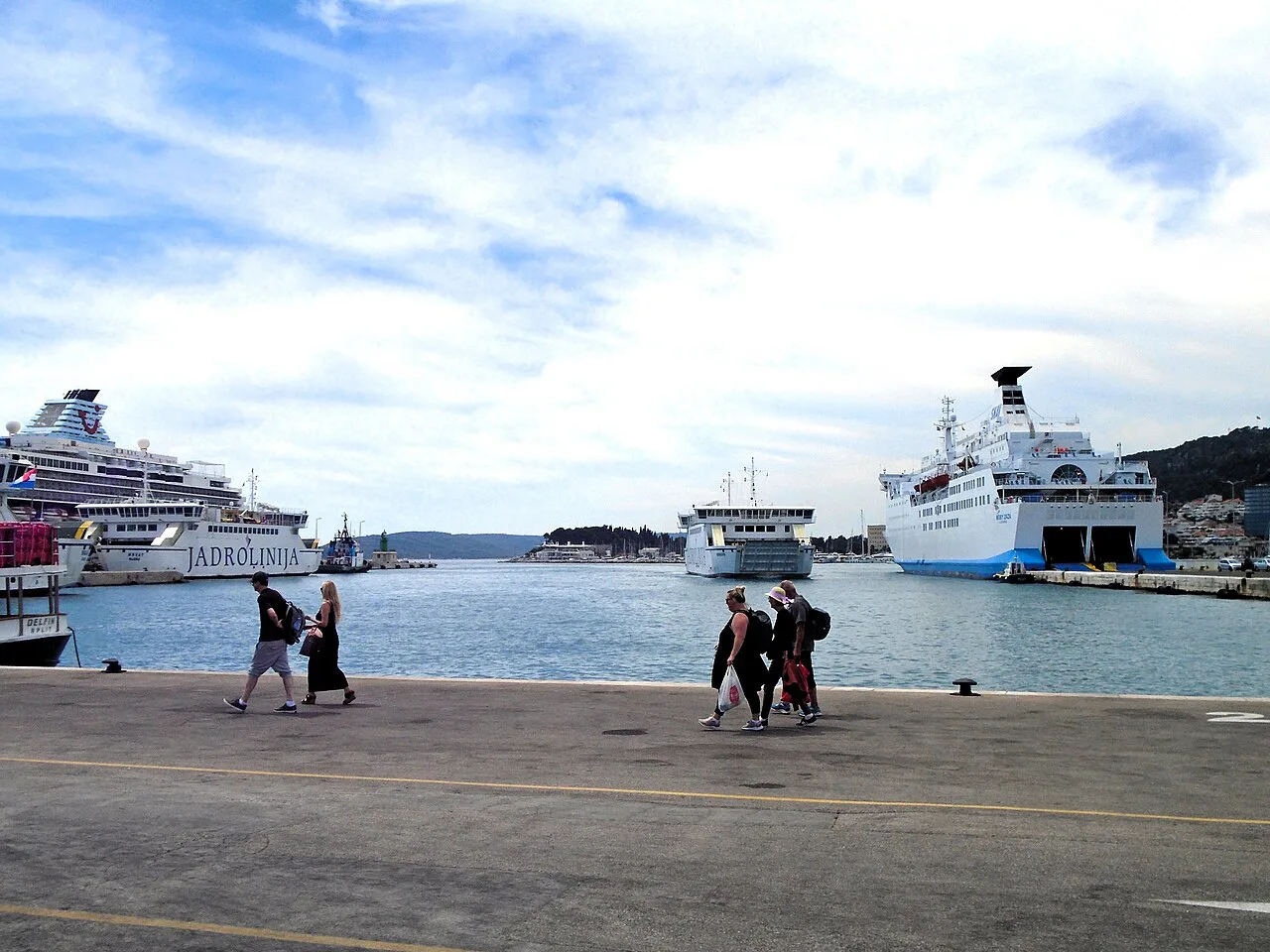
Each island pair in this route is joined by a scheduled passenger service, and Jadrolinija and the other ferry companies publish their own seasonal timetables. Look up sailing times for your exact dates once you have fixed the route, because catamaran and ferry schedules change between the shoulder and summer seasons, and not every leg runs daily.
Book the long legs first, particularly the crossing that carries you from the Zadar archipelago down towards Hvar and the one that links Vis back to the mainland or onward to Korčula. Those passages constrain everything else on the itinerary, so set them before you choose accommodation.
If timetables push you towards a different chain of islands, the best islands comparison is a useful second opinion on which stops to keep when you have to cut one. Some islands suit a two-night stay; others work as a long lunch between sailings.
When to go: crowds, cruise-ship days and the bura
June and September give you reliable swimming water and noticeably thinner crowds than July and August, when Hvar Town and Korčula Town absorb both overnight visitors and day-trippers. Cruise-ship calls concentrate footfall into a few hours around midday, so plan old-town walks and fortress climbs for the early morning and leave the afternoon for the water.
The bura is a cold, gusty north-easterly wind that can disrupt small-boat trips and make exposed crossings uncomfortable; it is most associated with winter but can blow at other times of year. Build a spare half-day into the itinerary, ideally at Dugi Otok or Vis, so a cancelled boat trip does not cost you a whole island.
What the trip costs in euros
Croatia uses the euro, so there is no currency conversion to budget for and no need to carry kuna. The main variable costs are ferry and catamaran tickets, national-park entry at Telašćica, Kornati and Mljet, boat trips to the Blue Cave and around Kornati, and the odd taxi or bus transfer.
Fares and park fees are set by the operators and park authorities and change with the season, so price your dates against their current published rates rather than a figure quoted in a guidebook. As a rough shape, two people doing this route for ten days should expect transport and park entries to be the largest single line after accommodation, with boat trips the variable you can trim.
Should you book the full ten days or the seven-day cut?
Book the full ten days if you want both the Kvarner Gulf's Venetian towns and Mljet's lakes, and if you are happy to start in the north around Rijeka and finish in the south near Dubrovnik. Take the seven-day cut if your time is tight: keep Rab and Lošinj or start at Dugi Otok, and finish at Korčula Town rather than adding a national-park crossing.
Whichever version you choose, fix the long ferry legs first, then fill in the island days around them, and leave one spare half-day for weather. That order of booking is what keeps a ten-day Croatian island chain from turning into a series of missed connections.
Frequently Asked Questions
What is the best way to island hop in Croatia?
Travel the islands as a one-way chain in a single direction, using scheduled ferries and catamarans between pairs of neighbouring islands. A south-east route from the Kvarner Gulf through the Zadar archipelago to southern Dalmatia avoids retracing water and lets you cover five island bases in ten days.
Is island hopping in Croatia expensive?
Transport and national-park entries are the costs that add up, alongside accommodation in the busiest harbours. Croatia uses the euro, so there is no exchange cost, but fares and park fees vary by season and operator, so budget from current published rates for your dates rather than a guidebook figure.
Do I need to book ferries in advance?
Book the long crossings first, because they set the shape of the whole itinerary, then arrange the short hops around them. Schedules change between seasons and not every leg sails daily, so confirm times with each operator for your exact dates before locking in accommodation.
Sources
Notes from the Croatian coast
Optional updates when our guides change.
You might also like
Continue reading
More guides you'll find useful