Things to Do in Croatia: Old Towns, Islands & Parks
Plan what to do in Croatia by theme: walled old towns, Roman sites, island trips, national parks and boat days, with honest notes on crowds and timing.
On this page
Croatia rewards travellers who pick a handful of themes rather than chasing every highlight: old towns, Roman and Venetian sights, island days and national parks. The country's tourism industry is well developed and the main coastal sights are easy to navigate, so the real decisions are about which base you choose and how early you start. This guide groups things to do by theme and region, from Zadar's walled peninsula and Šibenik's stone lanes to Plitvice Lakes and the island ferries, so you can match experiences to the time you have.
What Croatia is best known for
Croatia's reputation rests on four things: walled old towns, Roman ruins such as Salona and Diocletian's Palace, island hopping, and karst national parks. The national parks are often overshadowed by the coast, yet travellers who make the effort find landscapes unlike anything else in Europe.
Plitvice Lakes and Krka come up again and again among the country's defining natural sights, and historical sites such as the ruins at Salona rank alongside them for many visitors. For a structured overview of the country's headline destinations, the best places to visit guide shows how the coast, islands and inland fit together.
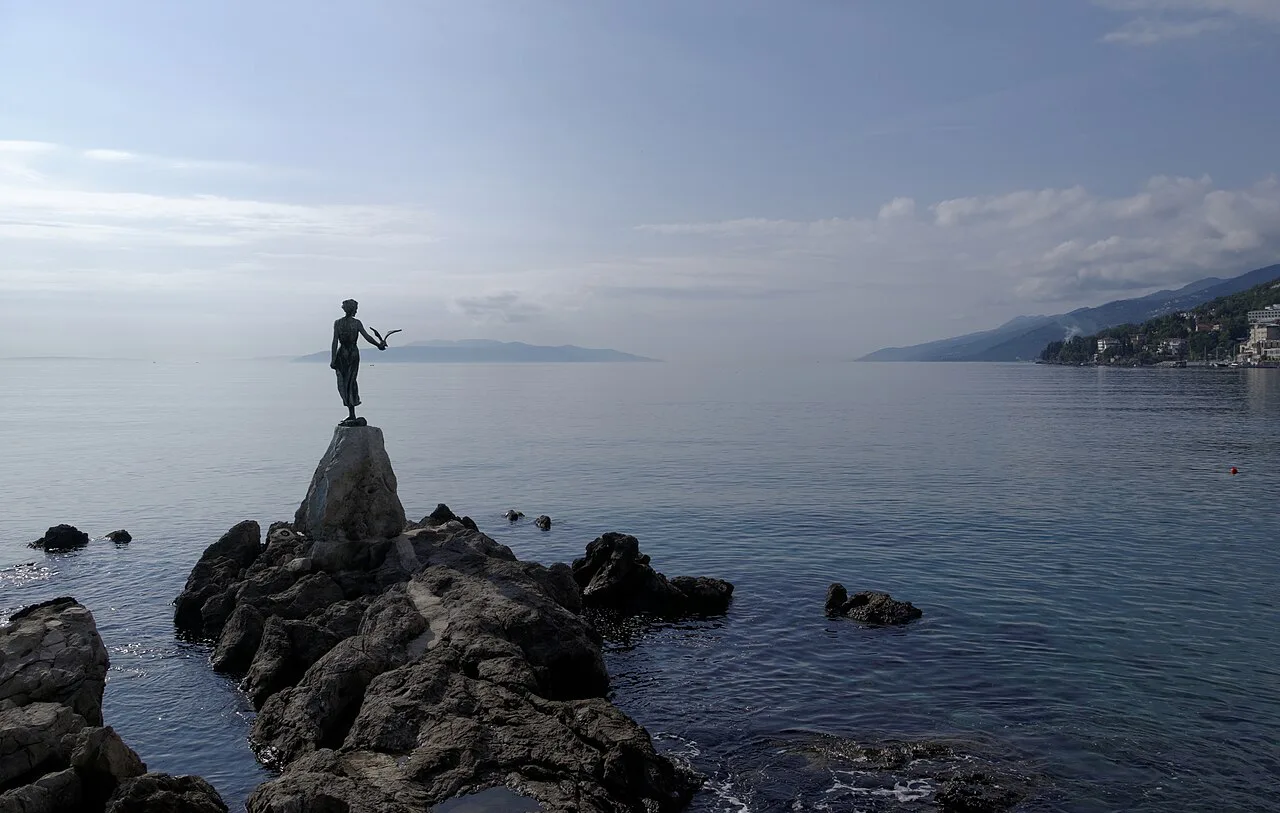
Old towns to walk: Zadar, Šibenik and Trogir
Zadar's old town sits on a walled peninsula, compact enough to cross on foot and best explored without a fixed route. The city's Roman forum and Sea Organ sit close to the waterfront, making a natural loop through the lanes. Zadar is best treated as a city to wander for its atmosphere rather than a checklist of single monuments.
What should you not miss in Croatia? If you are visiting for the first time, prioritise Diocletian's Palace in Split, one walled old town such as Zadar or Korčula, Plitvice Lakes, and a boat trip to an island or the Blue Cave. These cover the country's defining experiences: Roman history, Venetian town planning, karst landscapes and the Adriatic.
What are the main practical risks on a Croatian trip? The main things to plan around are summer heat and sun, busy roads in high season, and the bura wind, which can affect boat trips and sea conditions. Check sea conditions before any small-boat excursion, and confirm national-park opening hours before you travel to a park.
What should you not do in Croatia? Do not try to cover the whole coast in a short trip, and do not turn up at Plitvice Lakes at midday in summer expecting quiet boardwalks. Avoid assuming ferry timetables are stable year-round, and check park opening hours before travelling to a National Park.
Šibenik rewards a slower wander through its stone lanes, with St James's Cathedral as the anchor of the old centre. The city also draws travellers interested in its Game of Thrones connections, though the medieval streets stand on their own. Trogir, on its own small island, packs a cathedral, a waterfront Riva and a maze of alleys into a space you can cover in a half-day.
For a wider shortlist of towns with the strongest old cores, the guide to the best towns in Croatia groups them by character and region. It helps to see which towns work as a day stop and which deserve an overnight. The Croatian coast guide covers how these towns sit along the mainland and island ferry routes.
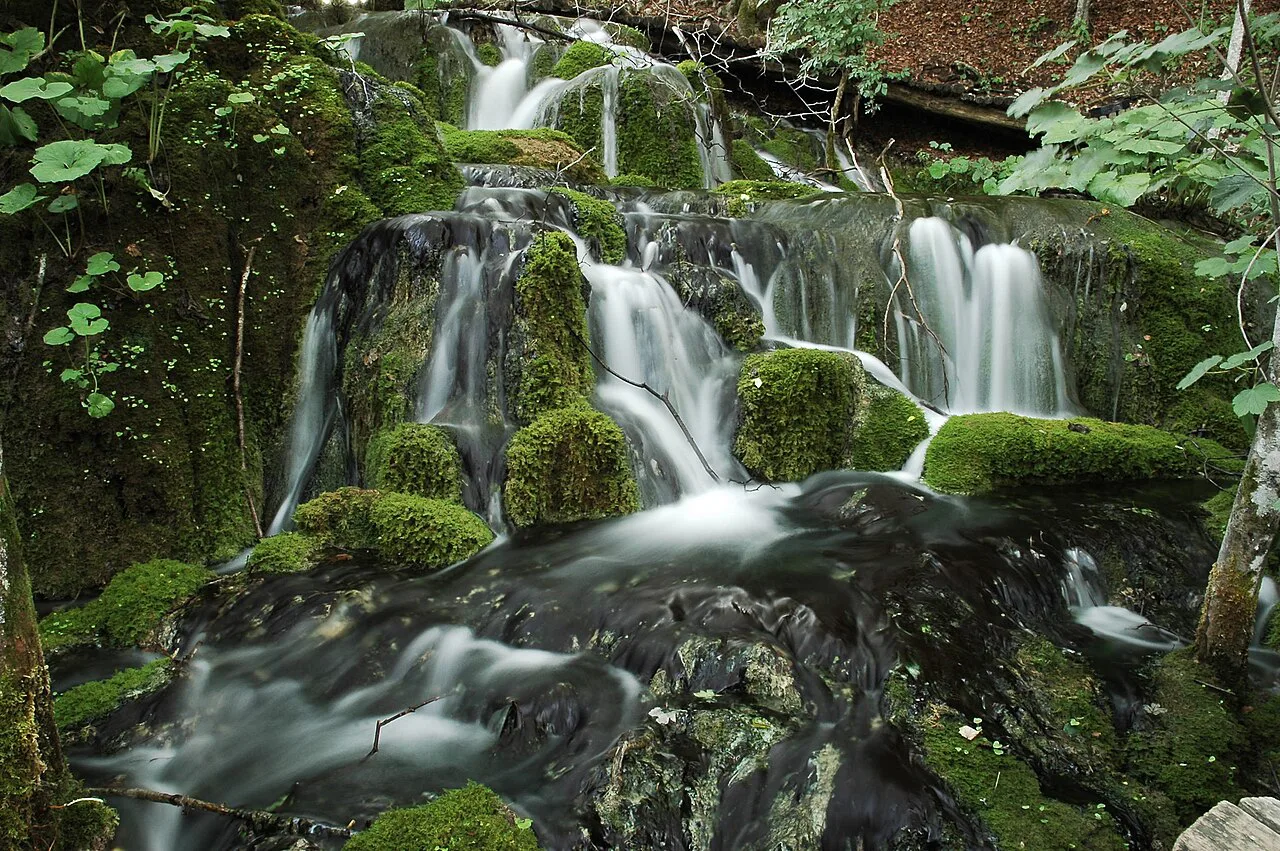
Roman and Venetian sights
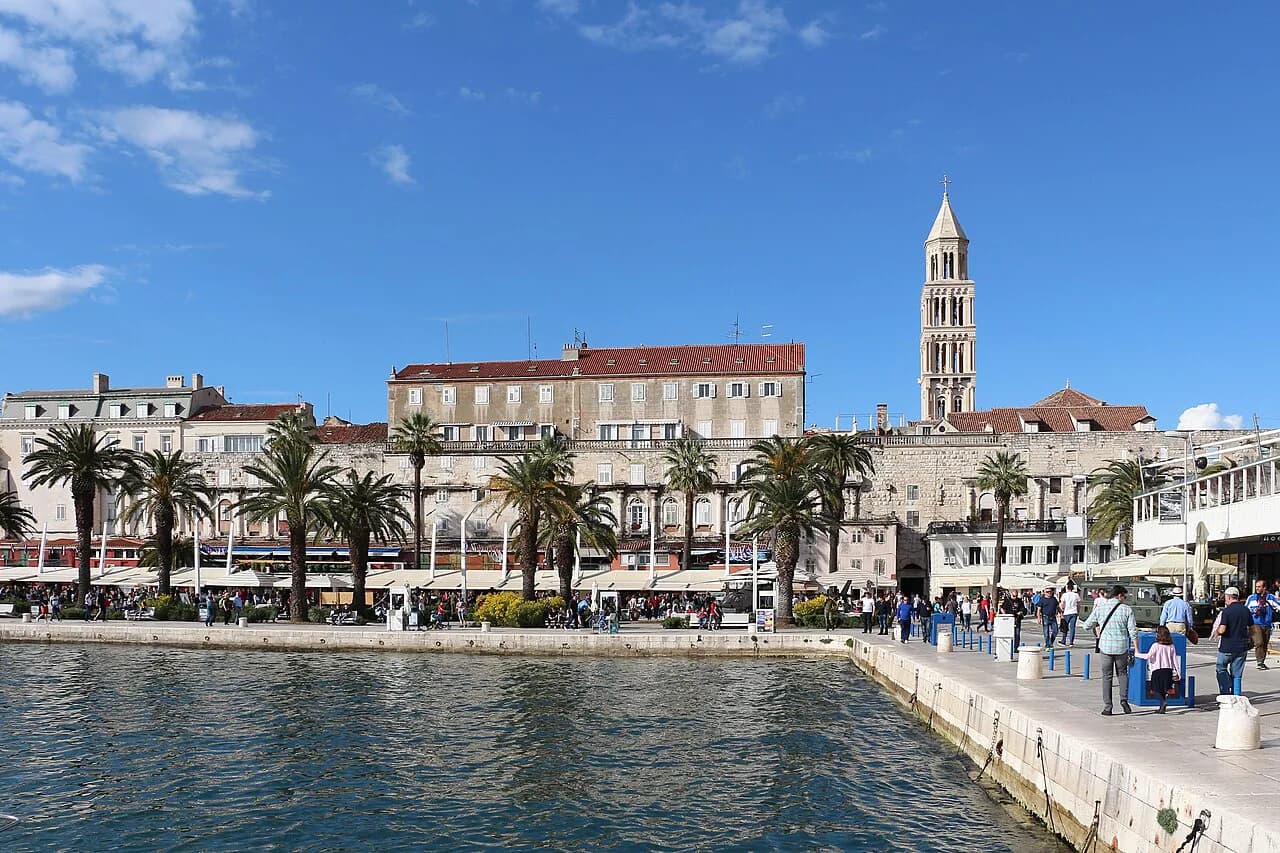
Diocletian's Palace in Split is the country's most celebrated Roman site, a vast complex that functions as the living heart of the city rather than a fenced ruin. Walking through its gates, courtyards and cellars takes a couple of hours; add more if you plan to climb the cathedral bell tower. Salona, a short trip from Split, preserves the remains of a Roman provincial capital with amphitheatre, baths and basilica foundations.
Venetian influence is stamped across the coast, from Zadar's fortifications to Korčula's planned streets and Šibenik's cathedral. These towns reward travellers who look beyond the main square: the lanes, loggias and town gates carry the most visible Venetian detail. Several of these old towns hold UNESCO status, and the UNESCO sites guide explains what each designation covers.
National parks: Plitvice Lakes, Krka, Paklenica and the wider system
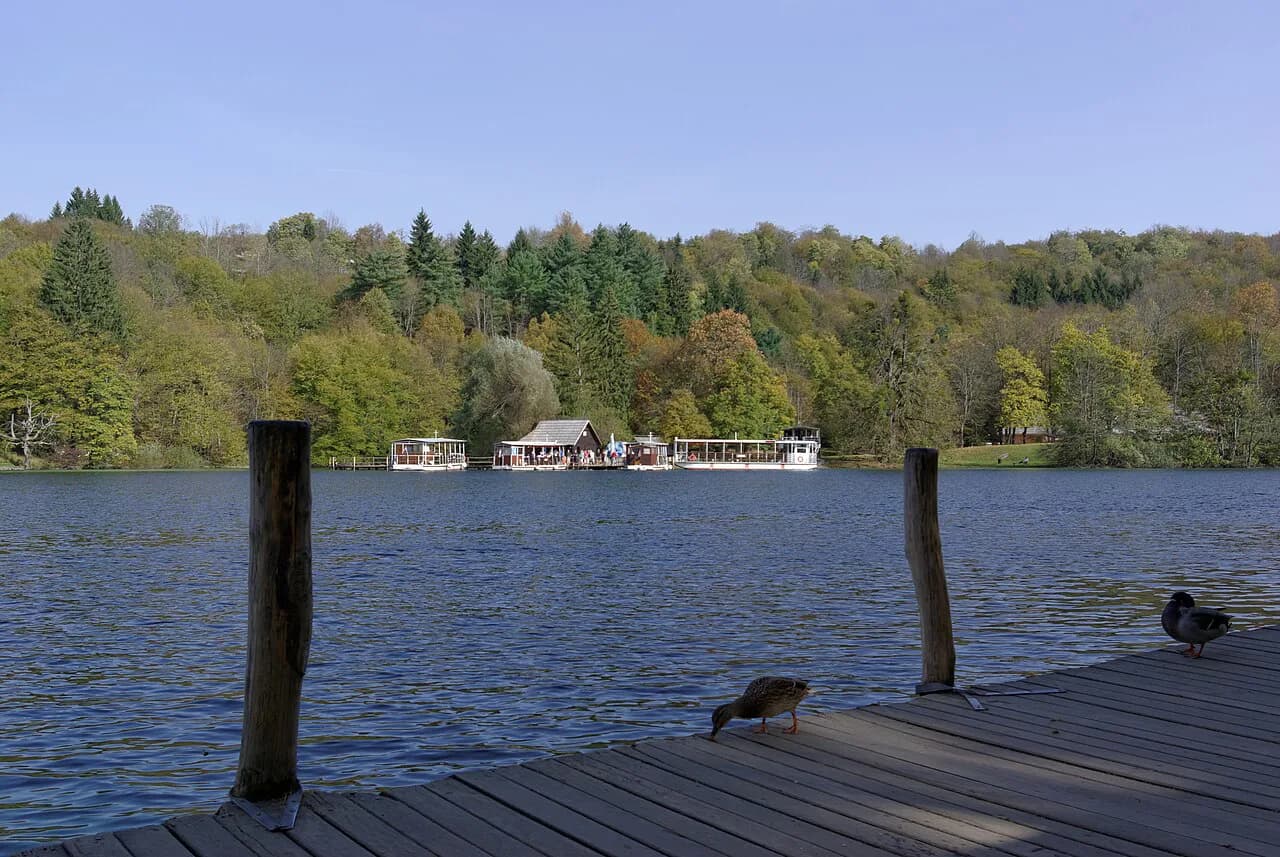
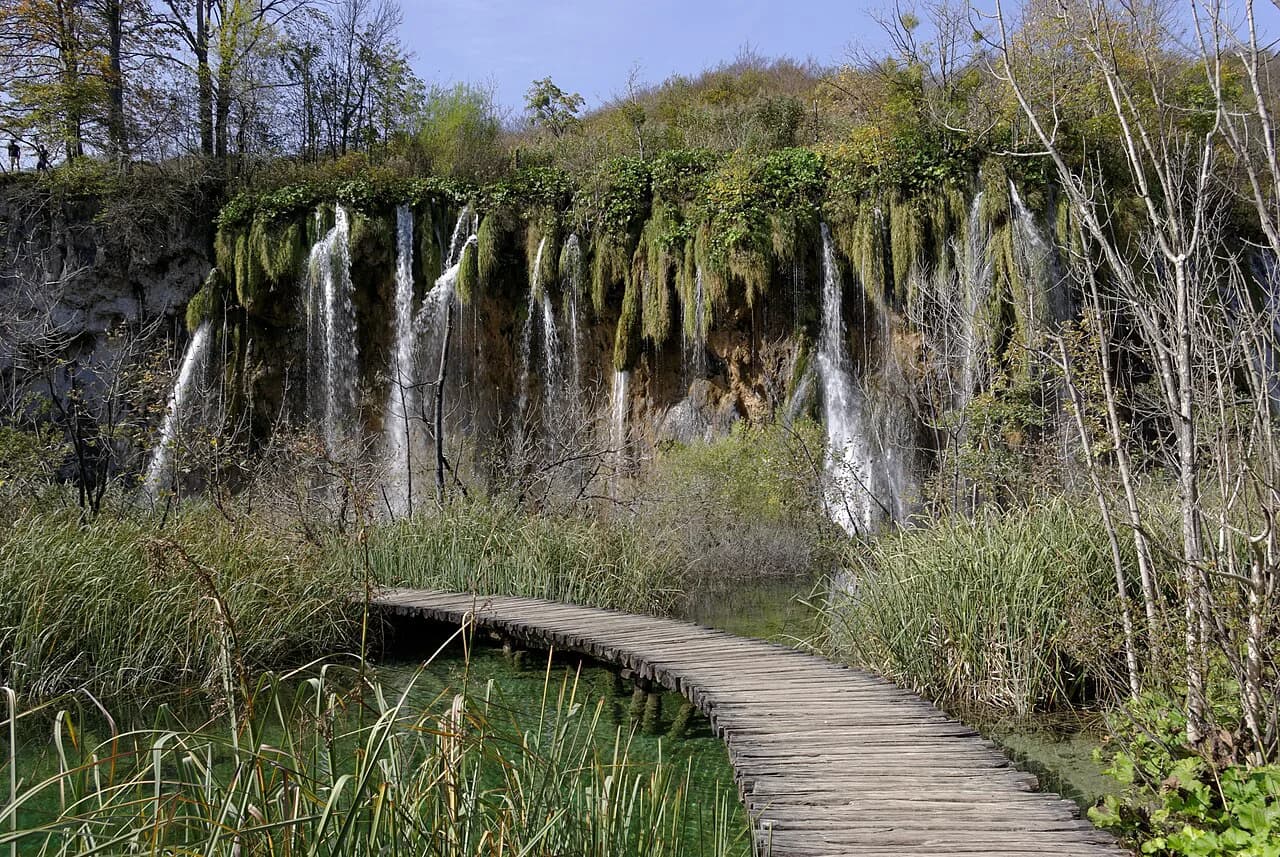
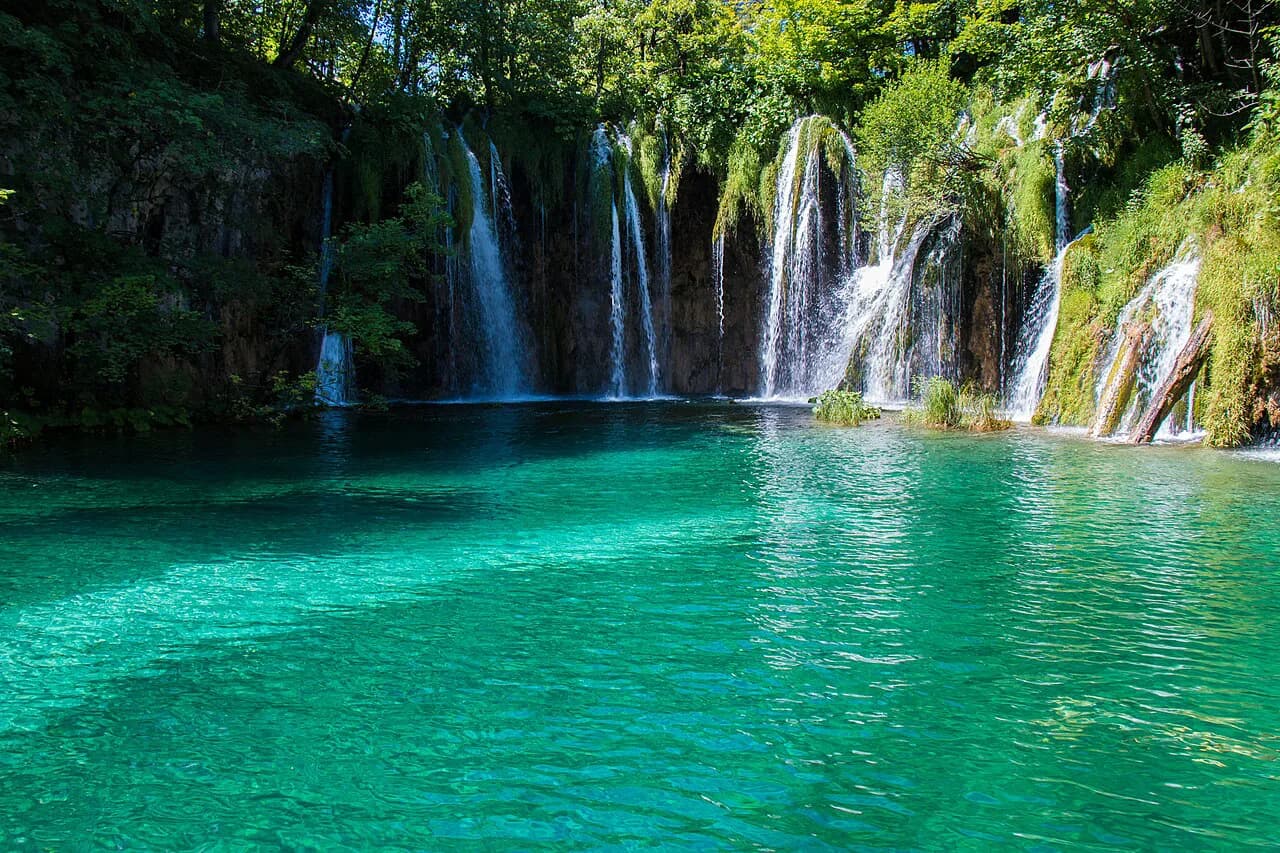
Plitvice Lakes is the most visited National Park and the one most travellers picture: a chain of turquoise lakes linked by travertine waterfalls and boardwalks. A published travel account describes sixteen travertine waterfalls and a landscape formed by water flowing over limestone and chalk. The park's popularity is the main trade-off; arriving early and choosing the Upper Lakes or a longer trail reduces the sense of a procession.
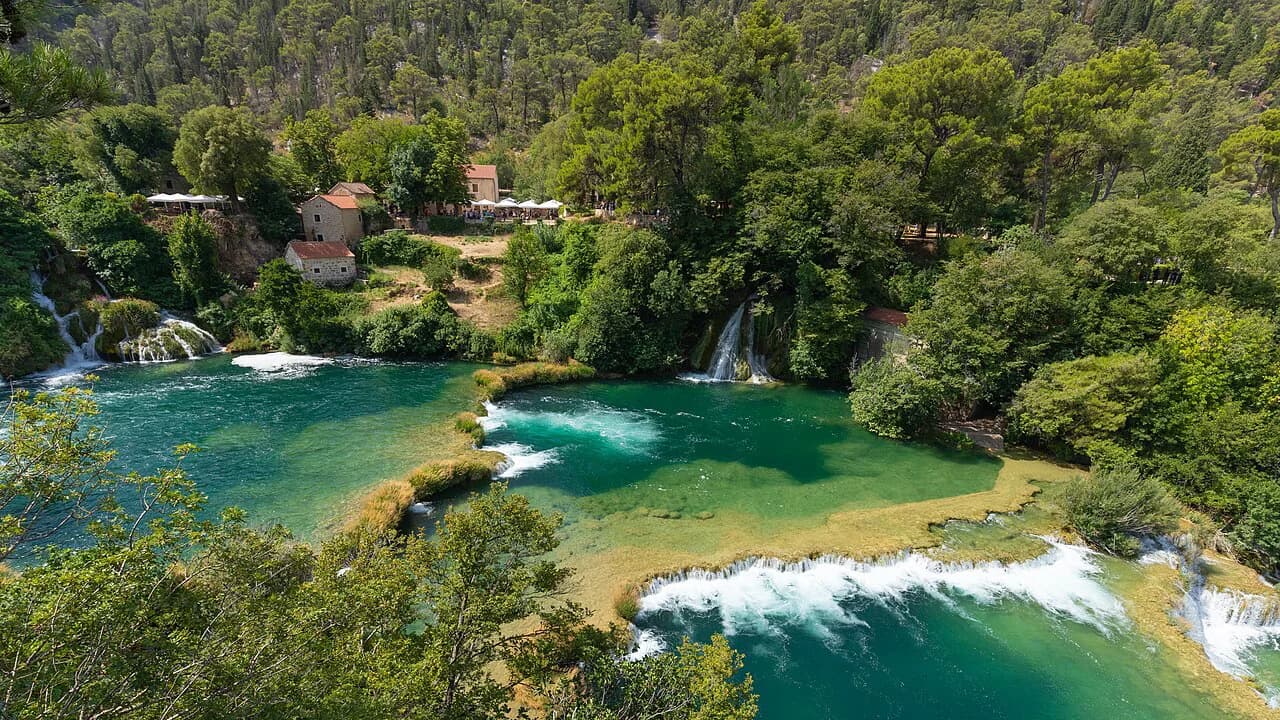
Krka National Park, nearer Split, is known for its waterfalls and the chance to see the karst river system up close; the Skradinski buk and Roški slap areas are the usual focus. Paklenica, in the Velebit range, suits travellers who want hiking and a sense of scale rather than boardwalk crowds. Park entry prices and seasonal opening hours vary by park and season, so confirm them with the individual park authority before you go. The best places to visit guide also covers Plitvice Lakes National Park within the wider itinerary picture.
How to handle Plitvice Lakes crowds
A published travel account offers practical crowd advice: start as early as 7am, eat breakfast in the park, head for the Upper Lakes if time is short, and stay overnight near the park so you are ahead of the tour buses. It also suggests the K trail, a roughly 12-mile route around all the lakes and viewpoints, for average hikers who want to escape the main walkways. Those are that account's recommendations, not a guarantee that any day will be quiet.
The trade-off is time and logistics: an early start usually means staying near the park rather than in Split or Zadar, and the longer trail takes most of a day. If you have only one day, the Lower Lakes boardwalks are the shortest introduction but also the busiest. Decide whether you want the classic circuit or a quieter, longer walk before booking accommodation in the area.
Island days: Vis, Hvar, Korčula and Brač
Each island serves a different purpose. Vis, the furthest of the main central islands, suits travellers who want a slower day and the Blue Cave, a sea cave on the nearby islet of Biševo. Hvar combines a Venetian old town with a lively harbour and is the easiest island day from Split. Korčula's walled town rewards a full day, while Brač is known for the white stone of Pučišća and the view from Vidova gora.
Ferry and catamaran services are run by Jadrolinija, Krilo and TP Line, with timetables that change by season and route. Fast catamarans are quicker but carry fewer vehicles; car ferries are slower and fill up in summer. Check the Jadrolinija, Krilo and TP Line timetables for the dates you need rather than relying on a printed guide. A Croatia map helps visualise which islands connect to which mainland port.
Boat trips: the Blue Cave, the Blue Lagoon and choosing a base
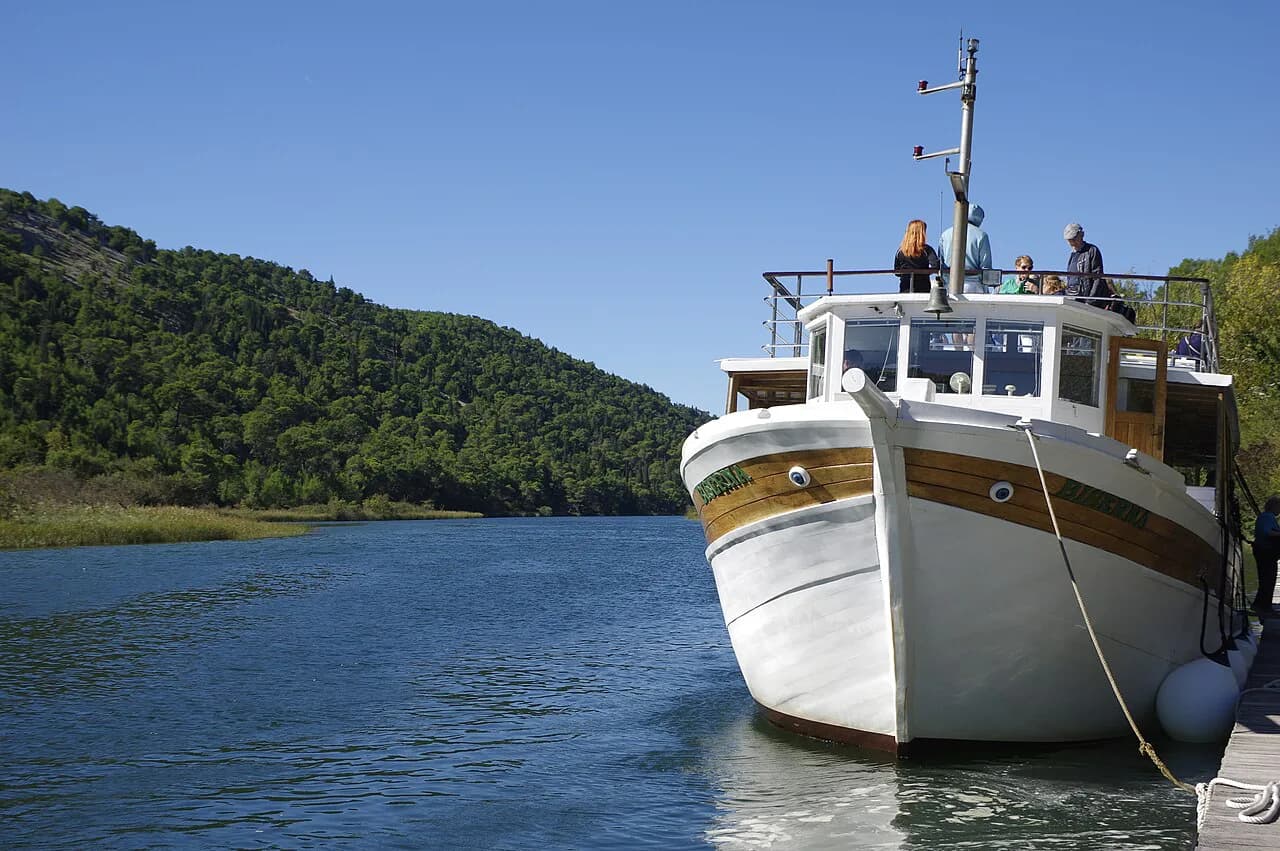
Boat trips from Split and Trogir are the usual way to reach the Blue Cave and the Blue Lagoon, and operators typically combine several stops in one day. Tour listings describe itineraries that pair the Blue Cave with Vis and snorkelling at the Blue Lagoon, with a choice of Split or Trogir as the starting point. The Blue Cave's appeal depends on light and sea conditions, so a flexible operator matters as much as the route.
Choosing a base is the key decision: Split and Trogir give the widest choice of boat tours and island connections, while Zadar and Šibenik suit Kornati and Krka trips. A smaller harbour town means fewer operators and less choice, but shorter queues. Compare routes by the number of stops and the time spent on the water, not just the headline destination.
The boat tours guide compares the main route types and how to pick an operator, while the Croatia kayaking guide covers paddling options around Split and the islands. Both are worth reading before you commit a full day to the water.
Zagreb and inland Croatia
Zagreb is the natural counterweight to the coast: a capital with a strong café culture, museums and a distinct central European feel. Going inland to Zagreb rather than treating the coast as the whole country gives the trip a different register. It makes sense as a first or last stop if you fly into the city, and it breaks up a coastal itinerary that can otherwise blur into a sequence of old towns.
Inland Croatia also opens up truffle country and the interior landscapes that most coastal visitors skip. The trade-off is time: Zagreb is roughly a half-day's drive or a train ride from the coast, so it works best as an add-on of at least a night. If your trip is short, the coast and one National Park will use the time you have.
Active options: cycling and kayaking
Cycling and kayaking are the easiest ways to add activity to a coastal trip. A published travel account recommends renting a bike and a kayak, noting that both give a different view of the landscape and can be arranged around Split. Kayaking is particularly rewarding on the sheltered stretches of the Adriatic Sea, where you can paddle close to the shore and into sea caves.
For kayaking around Split, the Croatia kayaking guide covers the main routes and how they compare. Cycling inland, particularly around the national parks, offers a quiet alternative to the coastal crowds. Both options need an early start in summer to avoid the heat.
When to go to avoid the worst crowds
Crowd levels track the calendar more than any single tactic, and timing plus early starts do more for your day than any booking trick. The same logic applies across the country: early mornings at the parks, outside cruise-ship hours in the old towns, and shoulder-season dates where possible. Summer is hot and busy, spring and autumn are cooler with fewer queues, but some seasonal services and ferry routes thin out by late October.
Sea temperatures in the Adriatic are warm enough for swimming from late spring into early autumn, but the bura wind can bring sudden changes on the coast. If you are planning boat trips, build in a spare day in case of wind. For broader seasonal context, the Croatia travel guide sets out the main travel windows.
How many days you need and how to group these by region
A week gives you one inland stop (Plitvice or Zagreb), a Split base with a day for Trogir and Salona, and two island days. Ten days allows a Zadar or Šibenik stay alongside Split, plus Krka and a boat trip. Two weeks is enough to link Zagreb, Plitvice, Split and two islands without spending every day in transit.
Group by region rather than by theme: Plitvice and Zagreb belong together in the north, Split and Trogir in the centre, Zadar and Šibenik on the northern coast, and the islands by ferry line. The best places to visit guide arranges the same stops into regional clusters. A Croatia map will help you see the distances before you build the schedule.
What to skip if your trip is short
With only three or four days, skip Plitvice unless it is your main reason for travelling, as the journey eats a day on its own. Skip the more distant islands such as Vis or Korčula and focus on one near island or a boat trip from Split. That leaves time for Diocletian's Palace, Trogir and one old town rather than a blur of ferry terminals.
Also skip attractions that duplicate each other: you do not need every fortress, cathedral and viewpoint. A short trip is better served by fewer places with time to walk them. The best towns in Croatia page can help you decide which two old towns justify the walk.
Which base fits your trip?
The practical decision is your base. Split gives you Diocletian's Palace, Salona, Trogir and the widest choice of boat trips; Zadar puts you in a walled peninsula with easy access to Plitvice and Krka; Zagreb works as an inland start or finish. Pick one or two bases rather than trying to cover the whole coast, and match them to the experiences you care about most.
Once you have a base, use the regional guides to fill each day: the UNESCO sites guide for the old towns, the boat tours guide for the water, and the Croatia travel guide for timing and logistics. Spread your must-dos across the days and leave room for a windy day or a slow morning in a café. The best trips here are built around fewer stops, earlier starts and a willingness to skip the second cathedral.
Explore more Croatia guides
Frequently Asked Questions
What should you not miss in Croatia?
If you are visiting for the first time, prioritise Diocletian's Palace in Split, one walled old town such as Zadar or Korčula, Plitvice Lakes, and a boat trip to an island or the Blue Cave. These cover the country's defining experiences: Roman history, Venetian town planning, karst landscapes and the Adriatic. Adding Zagreb gives a different side of the country.
What are the main practical risks on a Croatian trip?
The main things to plan around are summer heat and sun, busy roads in high season, and the bura wind, which can affect boat trips and sea conditions. Check sea conditions before any small-boat excursion, and confirm national-park opening hours before you travel to a park.
What should you not do in Croatia?
Do not try to cover the whole coast in a short trip, and do not turn up at Plitvice Lakes at midday in summer expecting quiet boardwalks. Avoid assuming ferry timetables are stable year-round, and check park opening hours before travelling to a National Park.
Sources
Notes from the Croatian coast
Optional updates when our guides change.
You might also like
Continue reading
More guides you'll find useful