UNESCO Sites in Croatia: Where Each One Is and How to Visit
Croatia's UNESCO sites run from Dubrovnik's old town to Plitvice Lakes and the Euphrasian Basilica in Poreč. Here is where each sits and how to see it.
On this page
Croatia's World Heritage entries come in two kinds. Several UNESCO listings sit entirely within Croatia — Dubrovnik, Split with Diocletian's Palace, Trogir, Šibenik, the Euphrasian Basilica at Poreč, Plitvice Lakes and the Stari Grad Plain on Hvar — and others are transnational listings Croatia shares with other countries: the Ancient and Primeval Beech Forests, the Venetian Works of Defence, and the Stećci medieval tombstones. The set is more varied than the old-town postcards suggest: walled cities, a Roman palace at the heart of a living city, a cathedral that dominates its town, a Greek field grid on Hvar, tufa terraces at Plitvice and shared landscape and military-architecture listings that reward different expectations.
This guide takes the listings one at a time and says what each protects, which town or park you actually walk through, and roughly how much time it deserves. It then groups the coastal sites by ferry and bus geography so you can build a route rather than chase a checklist. Plitvice Lakes National Park is included as the inland outlier that most trips hinge on.
Trogir, Šibenik and Poreč: The Three Town Listings
Trogir's historic city sits on a small island between Split and Šibenik, a compact ensemble shaped by a succession of ruling powers. Because the listed core is island-sized, a half-day covers the cathedral, the lanes and the waterfront without rushing. Stay overnight nearby or stop between Split and Šibenik rather than treating it as a detour from either.
Šibenik's listing is built around the Cathedral of St James, the monument that defines the town's skyline. The cathedral anchors a walk uphill through the old town rather than a single room to tick off. Allow time to circle the exterior as well as step inside.
In Poreč the listed monument is the Euphrasian Basilica complex, the episcopal ensemble at the heart of the historic centre. It is a working religious site in the middle of a lively Istrian town, so pair the visit with the Decumanus and the harbour rather than arriving by coach and leaving immediately.
Dubrovnik and Split: The Big Old Towns
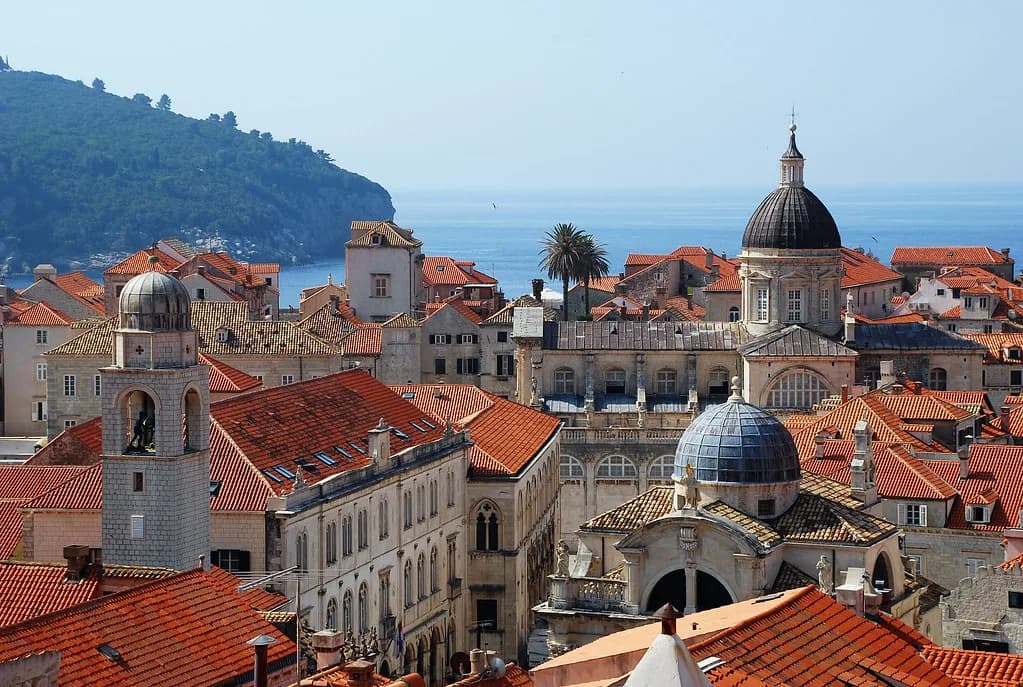
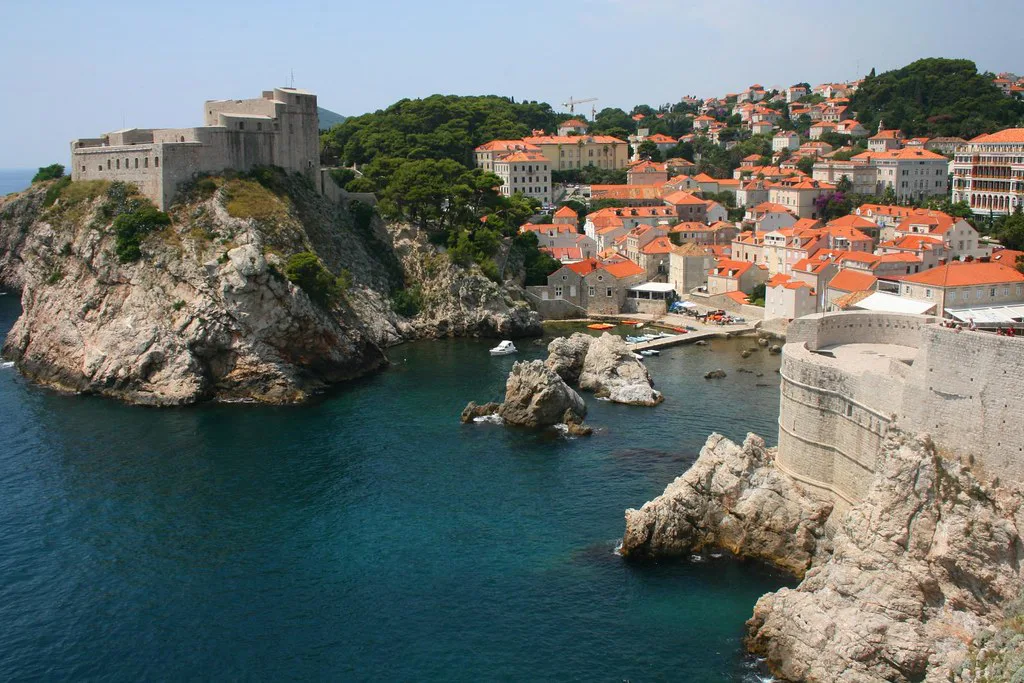
Dubrovnik's Old City is listed as a well-preserved medieval, Renaissance and Baroque city inside extensive intact fortifications. The walls are the defining experience, but the listing covers the whole enclosed street pattern, so a walk through the Stradun and the side lanes counts as much as the ramparts. Give Dubrovnik a full day at minimum.
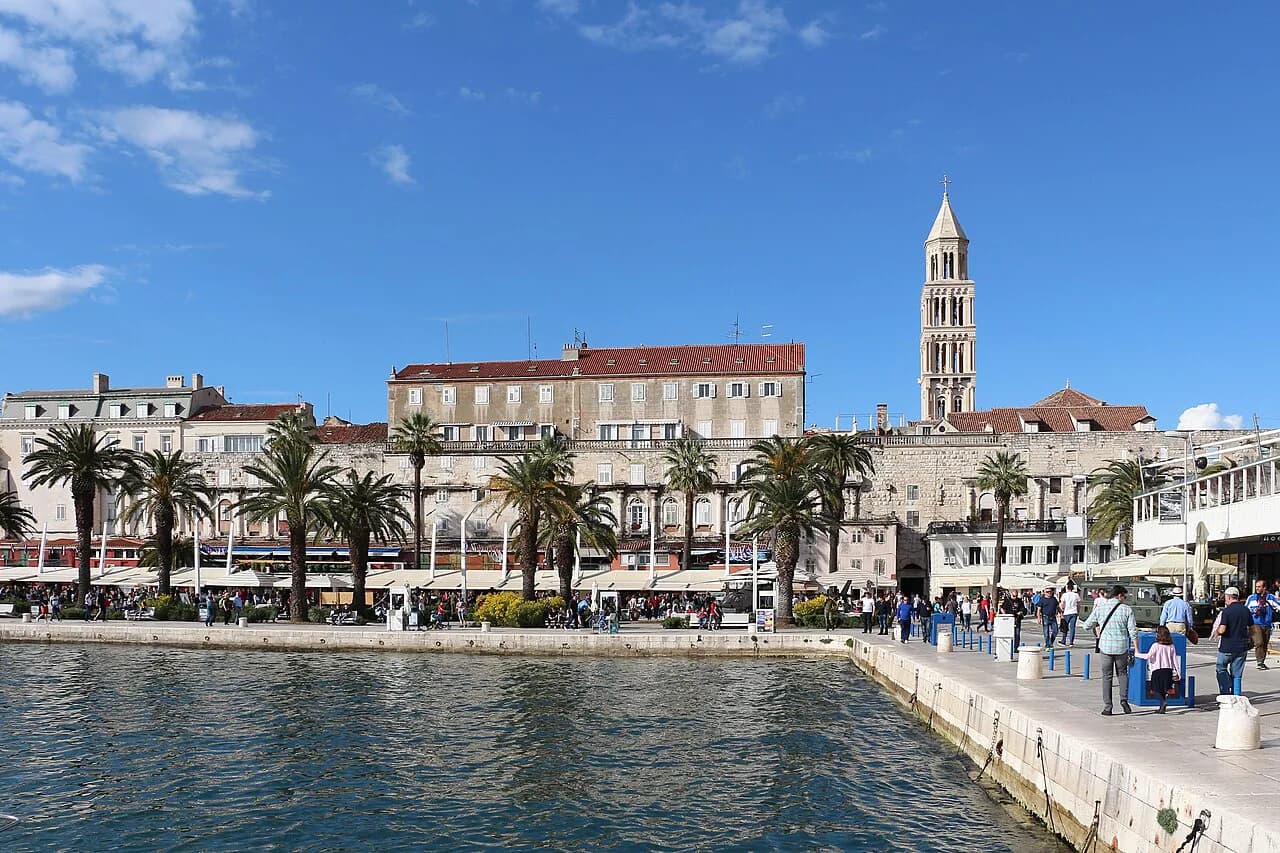
Split's listing is the Historical Complex with Diocletian's Palace, described as a complete architectural ensemble built around the well-preserved ruins of a large palace complex. The sight is the street plan, the peristyle and the substructures woven into the modern town rather than a roped-off ruin standing apart from it.
Plitvice Lakes: Tufa Terraces and Waterfalls
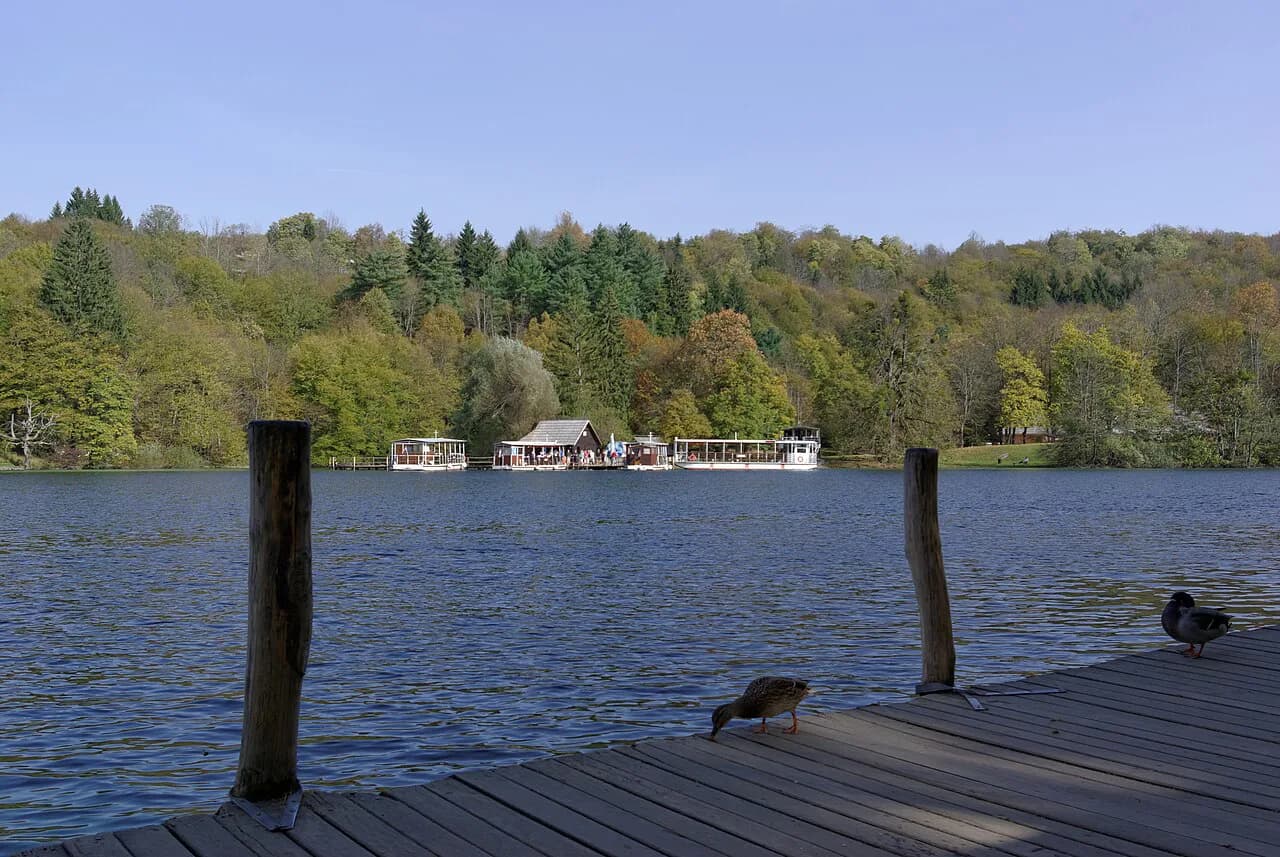
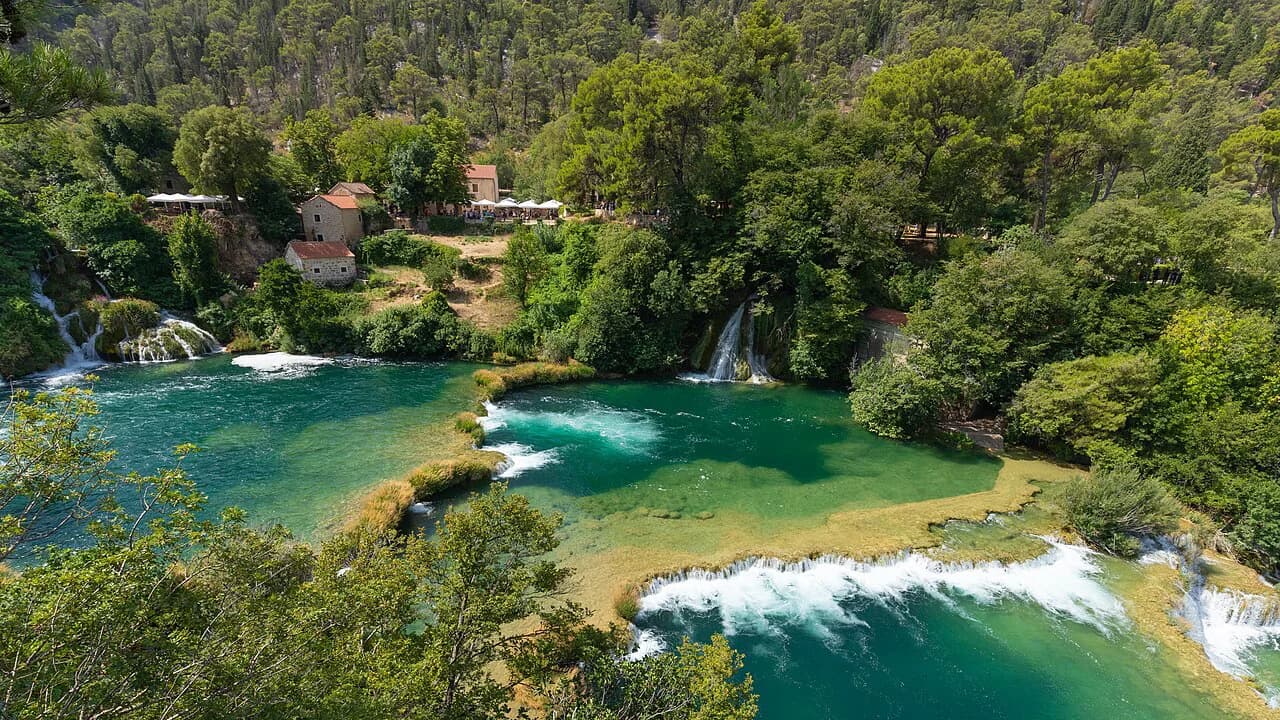
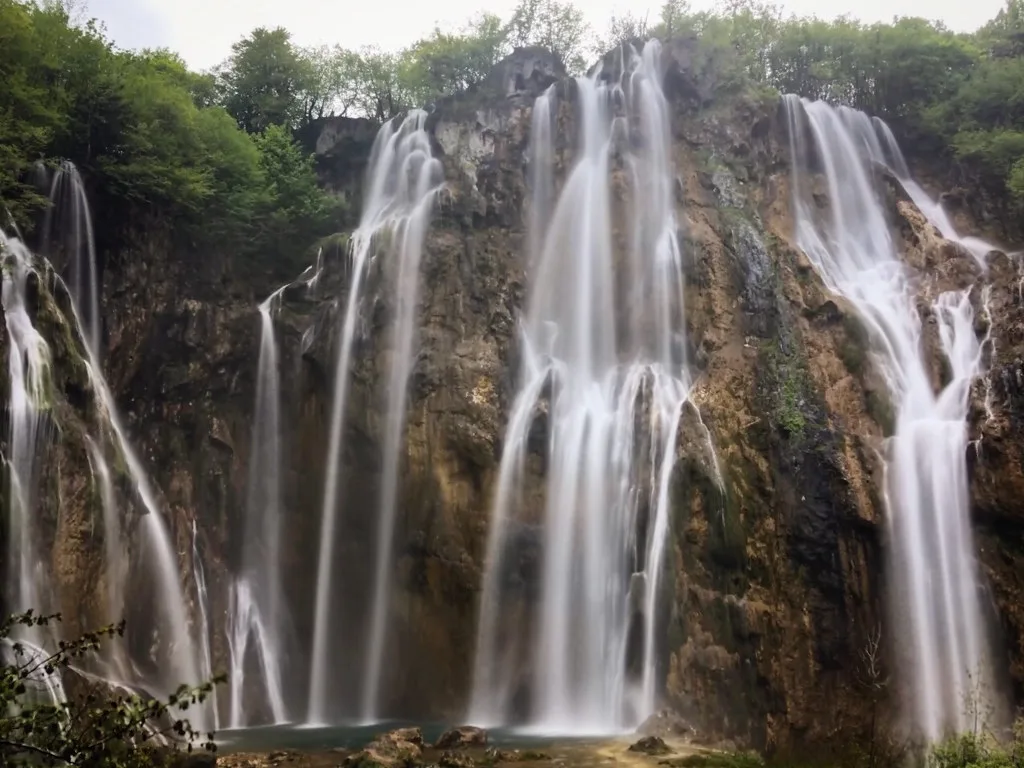
Plitvice Lakes National Park is listed for its waterfalls and lakes formed by natural tufa barriers, the travertine steps that build up and hold the water in terraces. This is a landscape listing, not a town: your day is spent on the park's paths and boardwalks around the lakes rather than in a museum. Plan a full day and accept that the walking is the point. It sits among the Best Places to Visit in Croatia for good reason.
The park is inland, well away from the coast, so it fits badly into a ferry-hopping itinerary and well into a route between Zagreb and the Dalmatian coast. Check the park authority's own site for the season's opening arrangements and ticket terms before you commit a day to it.
Stari Grad Plain on Hvar: A Greek Field Grid
The Stari Grad Plain is an archaeological landscape rather than a monument you enter: a Greek field grid laid out on Hvar and still farmed today. What you see is boundaries, dry-stone walls and cultivated plots, so the value comes from understanding what you are looking at before you arrive. Pair it with a wider Croatian coast plan if you are stringing the islands together.
Seeing it without a car is easiest from Stari Grad itself, on foot or by bike along the lanes that cross the plain. Hvar is reachable by catamaran and ferry, and the town of Stari Grad sits at the head of a deep bay, so a car-free visit is realistic. Read up on the Greek parcel system first; without that context the plain looks like ordinary farmland.
The Venetian Defence Works and the Stećci
Croatia shares the Venetian Works of Defence between the 16th and 17th Centuries: Stato da Terra – Western Stato da Mar with other countries as a serial listing. The listed sight is a fortification system rather than a single building, so approach it as military architecture and city defence, not as a museum tied to one gate and one ticket desk.
The Stećci Medieval Tombstone Graveyards are likewise a shared, multi-country listing of carved tombstones. They are scattered archaeological sites, often in open country, so they suit travellers already moving through the hinterland rather than a dedicated pilgrimage. Expect carved slabs and settings rather than a single developed site.
Ancient Beech Forests: Croatia's Share of a Landscape Listing
The Ancient and Primeval Beech Forests of the Carpathians and Other Regions of Europe is a transnational listing of forests that survived the last Ice Age and spread across the continent, now protected across many locations in many countries. Croatia's share is part of that scientific and conservation listing rather than a headline sight with its own set of paths and viewpoints.
Skip it as a sightseeing stop and treat it as the reason some Croatian woodland is protected. If old-growth forest is your interest, plan around a National Park with public access instead and leave the beech listing out of the itinerary.
Linking the Coastal Sites by Ferry and Bus
The listed towns line up along the coast in a workable order: Poreč in Istria, then Split, Trogir, Šibenik and Dubrovnik going south, with Hvar reachable by catamaran from Split. Buses link the mainland towns; Jadrolinija and the catamaran operators handle the islands. Book island crossings around your town days, not the reverse, because weather can rewrite a boat plan.
Trogir and Šibenik sit close enough to Split to be done as a pair, which frees days for Dubrovnik and Plitvice. Ferries and catamarans run on seasonal timetables, so confirm sailing times with the ferry and catamaran companies for your dates rather than relying on a printed plan.
Crowds, Season and Cruise-Ship Days
Dubrovnik and Split absorb the heaviest pressure because their listed cores are narrow and pedestrian. Cruise-ship days concentrate visitors into a few hours, so the wall walk in Dubrovnik and the peristyle in Split feel very different at opening time than at midday. Check the port schedules for your dates and reverse the order of your day around them.
Shoulder months give you the same streets with fewer people, and Plitvice is a different experience outside high summer. The bura wind can close boat crossings, so keep ferry-dependent days flexible. None of this requires a rigid plan; it requires you to look at the calendar before you fix a day for each town.
Two Days, Five Days or a Week
With two days, pick one big old town and one smaller one: Dubrovnik's walls plus Trogir, or Split's palace plus Šibenik's cathedral. With five days you can add Poreč or a Hvar day for the Stari Grad Plain. A week lets you bring in Plitvice as an inland leg and still keep the coast unhurried; our Things to Do in Croatia picks are a useful starting point for filling the gaps.
The best towns in Croatia are the ones whose listed monument you can see without queueing for it, so build the route around what you actually want to look at. If Roman and Venetian architecture is the draw, weight the trip towards Split, Trogir and Šibenik. If landscapes matter more, give Plitvice and Hvar the days and treat the towns as staging posts.
Which Listing Should You Build the Trip Around?
Start with one town listing that matches your interest: Diocletian's Palace for Roman street life, Dubrovnik for intact fortifications, Šibenik for its cathedral. Then add one landscape listing, Stari Grad Plain or Plitvice, and let the ferry and bus geography decide the order. Our Things to Do in Croatia picks cover the towns in between.
Treat the transnational listings as context rather than stops, and check park and operator pages for current opening arrangements before you lock a day. A Croatia travel guide that covers the whole coast will help you judge how much time each town deserves.
Explore more Croatia guides
Sources
Notes from the Croatian coast
Optional updates when our guides change.
You might also like
Continue reading
More guides you'll find useful