Šolta, Croatia: A Quiet Island Guide from Split
Šolta is a small Dalmatian island an hour by ferry from Split, known for quiet coves and village life. Here is how to reach it, get around and what to see.
On this page
Šolta is worth visiting if you want a Dalmatian island within easy reach of Split and would rather spend the day in quiet coves and village harbours than on a crowded city beach. The island lies just 9 nautical miles — about 17 kilometres — from Split, and the tourist board describes it as practically a suburb of the city, reached in under an hour by ferry or around half an hour by catamaran. This guide covers the island's settlements, how the crossing works, how to move around once you land, what the island produces, and how long to stay. For the wider context, see our guide to the Croatian coast.
What Šolta is and where it sits
Šolta is a small island in the central Dalmatian Adriatic, close enough to Split that residents treat the city as their mainland neighbour. It is compact rather than dramatic: no walled Venetian town, no Roman palace, no National Park. What it has instead is a ring of small settlements, a green interior of olives and vines, and a coastline of bays that stay calm and uncrowded by comparison with the mainland.
The tourist board lists eight settlements: Rogač, Grohote, Srednje Selo, Donje Selo, Gornje Selo, Nečujam, Stomorska and Maslinica. Rogač is the ferry port; Grohote is the inland hub; Stomorska and Maslinica sit on opposite shores; Nečujam looks south; and the three Selo villages occupy the fertile middle of the island. Knowing which of these you are heading for matters more than knowing the island as a whole; if you are still choosing between Dalmatian islands, see our guide to the best towns in Croatia for how Šolta's village-scale appeal compares.
Why Šolta suits travellers escaping the busy Split coast
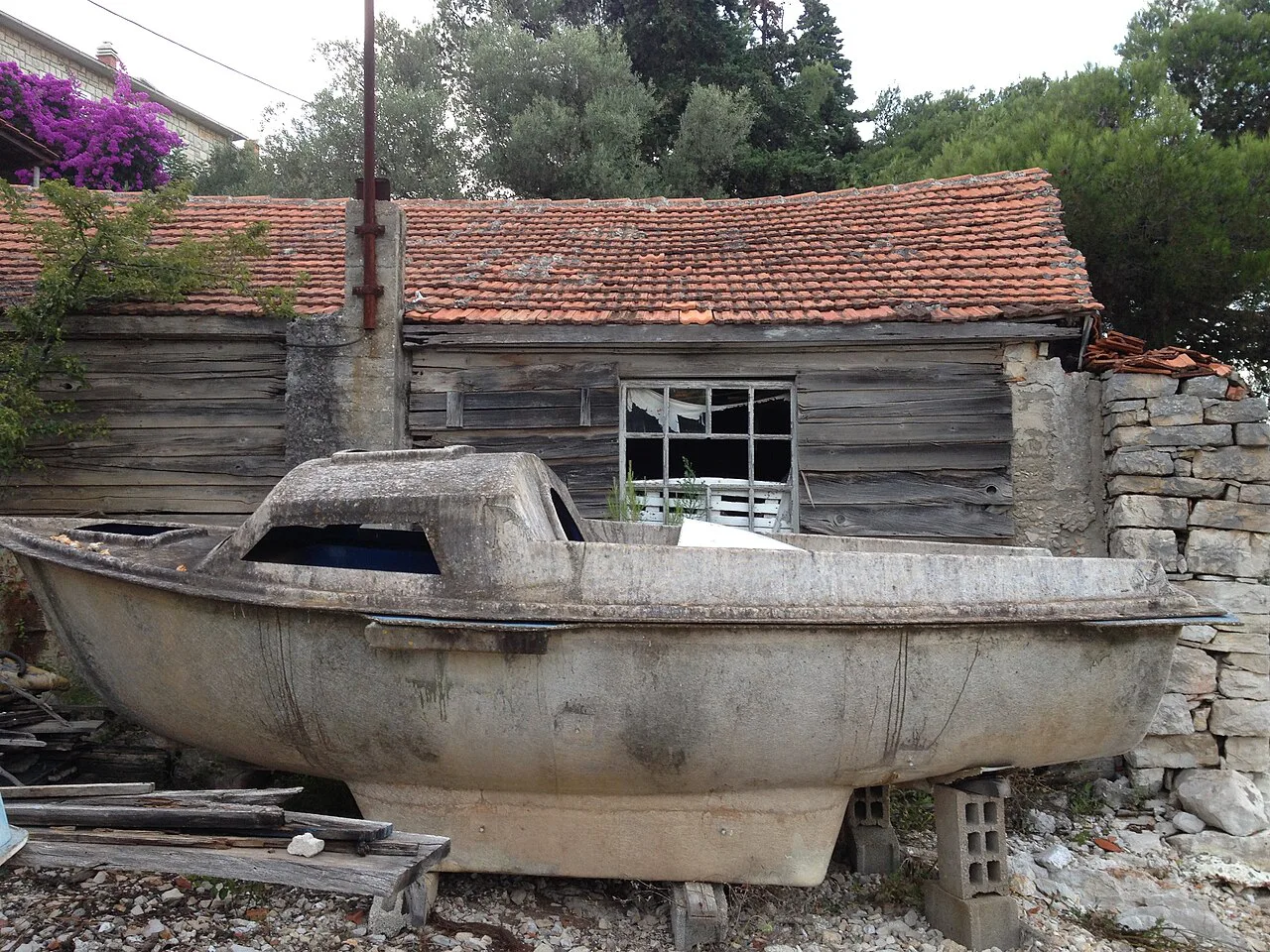
Split's nearest swimming spots fill up quickly in summer, and the roads heading out of the city are slow. The tourist board makes the island's pitch directly: trade the traffic for a ferry deck, and within an hour you reach clear water and pebble beaches that are not crowded. That short crossing is the whole argument — Šolta gives you island quiet without eating a day in transit each way.
The pace is village-scale. Harbours and family farms set the rhythm rather than beach clubs, and the tourist board highlights family-run farms producing olive oil, wine and honey as a reason to leave the water. Travellers who want a resort strip or a late bar scene will find Šolta thin; travellers who want to swim, eat simply and sleep will not. The best time to visit Croatia guide sets out how the island seasons sit alongside the mainland.
How to reach Šolta: ferry and catamaran to Rogač
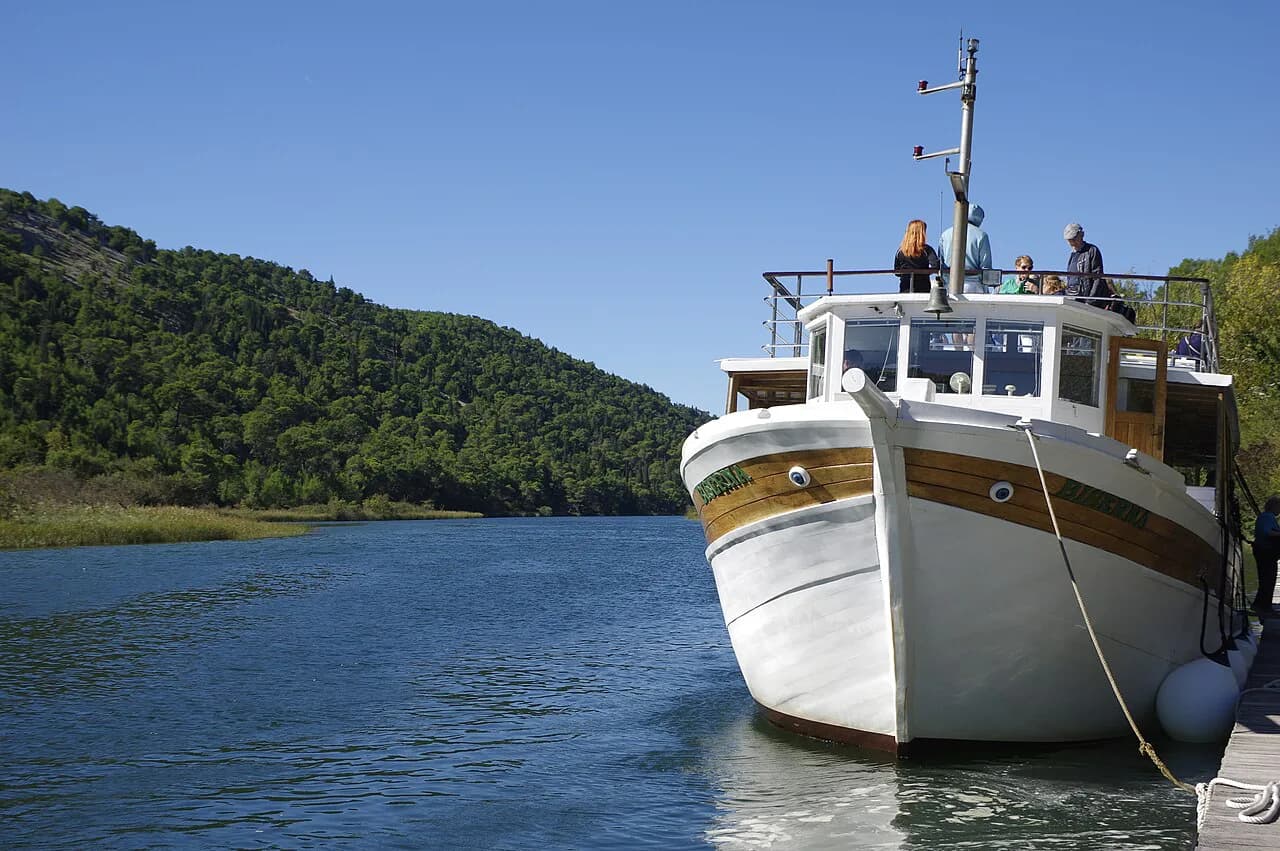
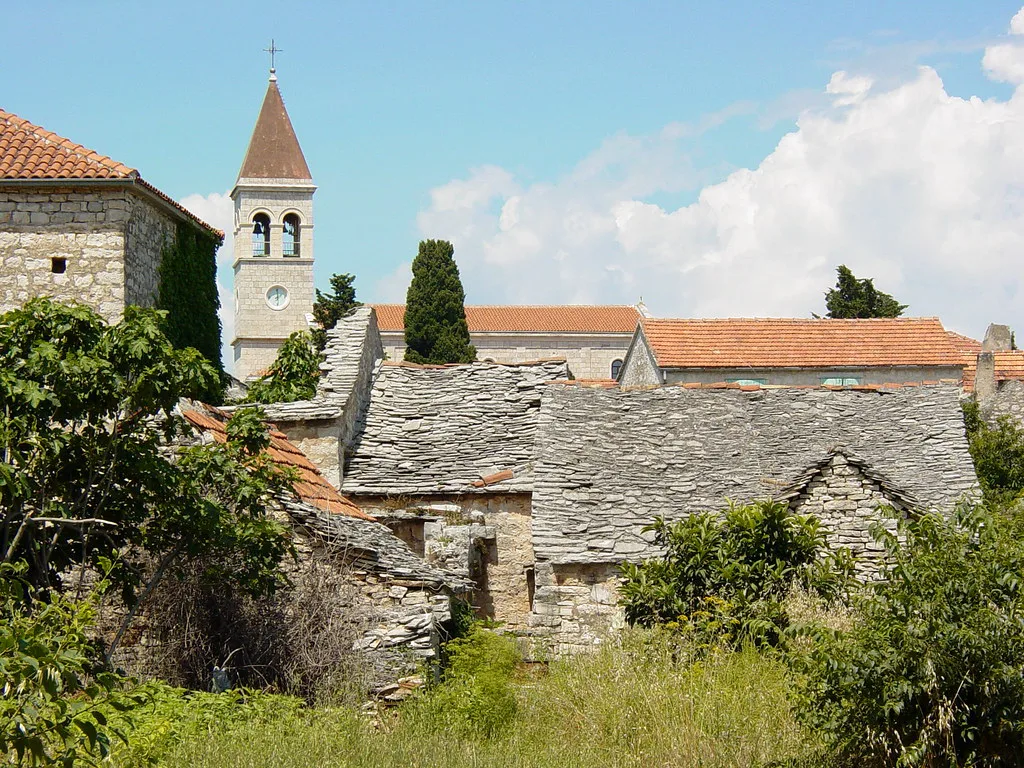
Boats from Split arrive at Rogač, the island's port and its link to the mainland. The tourist board gives the crossing as about an hour by ferry and about half an hour by catamaran, so the ferry is the slower option and the catamaran is faster for foot passengers on a day trip. For timetables and connections around the Dalmatian islands, see our Croatia travel guide.
The tourist board states that the crossing takes about an hour by ferry or half an hour by catamaran, and lists 6 ferry lines and 1 speedboat line per day during the season. Sailing times change with the season, so confirm the crossing you want before you travel.
Rogač itself is small, with the port as its main reason to exist; it is not where most visitors spend the afternoon. From the port you need onward transport towards Grohote and the coast, and the tourist board lists taxi and rent-a services among the island's amenities.
Getting around Šolta without a car
On an island this spread out, your own wheels make a difference. Without a car or scooter the villages are far apart and you will spend time waiting rather than swimming. A vehicle turns Šolta from a single-village visit into an island you can actually explore, linking Rogač, Grohote and both coasts in one day. If you are planning a longer island circuit, our Croatia itinerary guide covers the Dalmatian sequence.
If you are staying overnight in one village and intend to swim there, walking is enough — Stomorska and Maslinica are both compact, and Nečujam's bays are close to its houses. The calculation changes for a day trip: with a few hours on the island, moving between coasts without transport is impractical, so either hire something at Rogač or pick one village and stay put. For the options, see how Croatia by boat works.
The villages: Grohote, Stomorska, Maslinica and the hill Selos
Grohote is the administrative and everyday centre, set inland rather than on the water, and the tourist board's own address for the island sits here. It is where you come for the shop and a sense of ordinary island life. The three Selo villages — Gornje Selo, Srednje Selo and Donje Selo — surround it in the fertile interior, quieter still and oriented towards olives and vines rather than swimming.
Stomorska and Maslinica are the two harbour faces of Šolta: Stomorska on the north-east coast, Maslinica on the western side. Stomorska is the village the tourist board singles out as a favourite with boaters; Maslinica wraps around a small bay with the Marina Martinis Marchi beside it. Choosing between them decides your swimming and how far you are from the ferry at Rogač.
Nečujam sits on the southern side, facing open water, and the tourist board points visitors to the bays along the south coast for swimming, fishing and quiet. The inland villages suit travellers who want village architecture rather than a harbour view. None of these places is large; the pleasure is in the contrast between them rather than in ticking off sights.
Maslinica and the Marchi marina
Maslinica occupies the island's western edge, a tight harbour village gathered around a bay with the Marina Martinis Marchi alongside. The tourist board recommends spending time in the marina there and sailing around the island to see the southern bays. For a day visitor, the appeal is the enclosed harbour and the boats.
Because Maslinica is the far side of Šolta from Rogač, it rewards travellers with a vehicle or a night on the island; squeezing it into a few hours between ferries is frustrating. Boaters find it the natural overnight stop on the western coast, while land-based visitors should treat it as a half-day at minimum.
Stomorska: the harbour village boaters favour
Stomorska curves around a bay on the north-east coast, and the tourist board notes how fond boaters are of the place, using it as a stopover. The waterfront is the centre of gravity: boats along the quay, houses rising behind, and a pace that slows markedly in the evening. It is a good base for a first visit because Rogač and Grohote are both within easy reach.
Evenings here are about the harbour rather than entertainment. That suits travellers who want a swim, a slow meal and an early night, but it is worth being honest: if you need variety after dark, Šolta's villages will feel limited, and Split is the answer.
Nečujam and the southern bays
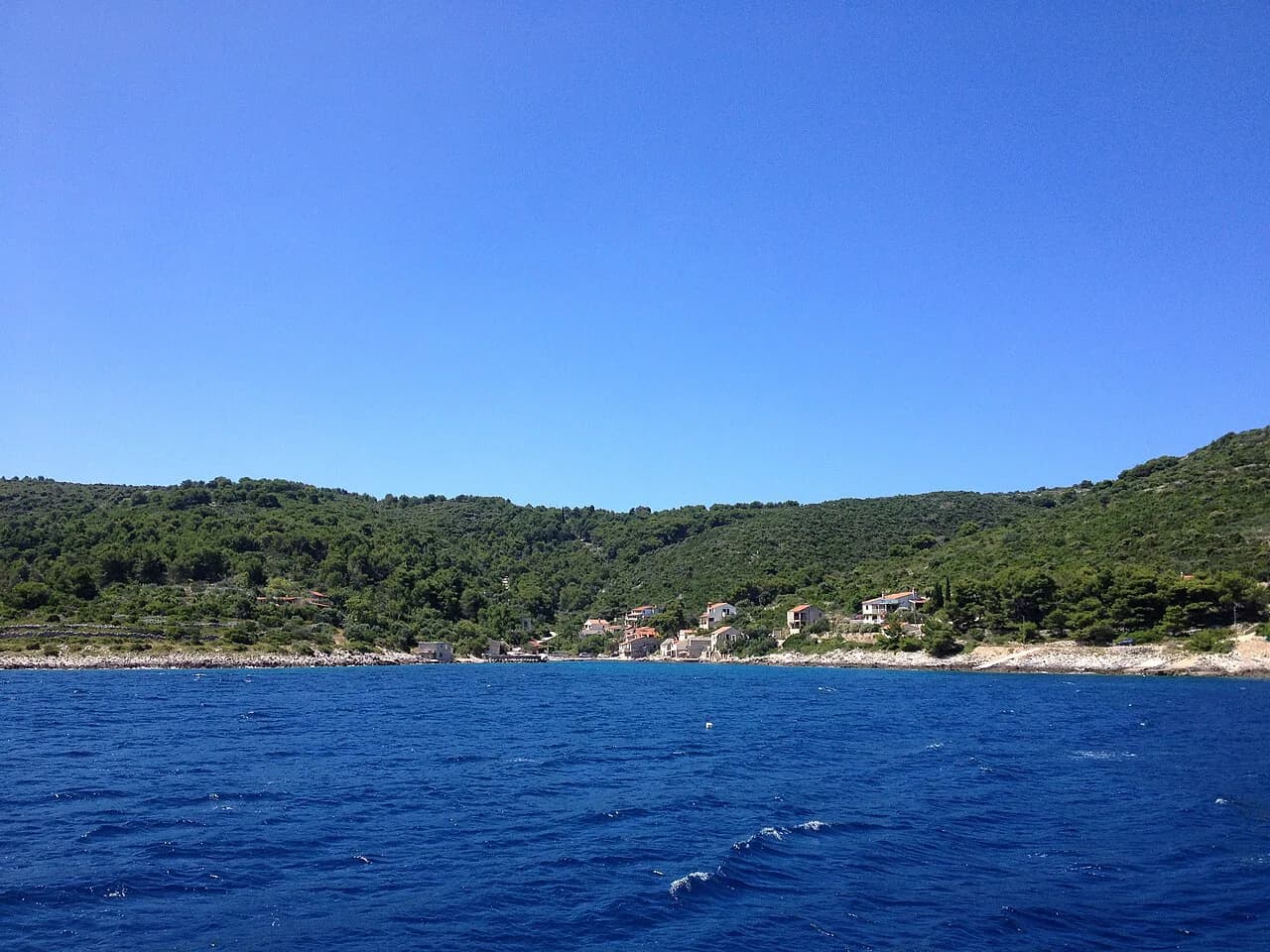
The southern side of Šolta faces open sea, and the tourist board directs swimmers and anglers to its many bays — turquoise, pebbly and markedly less busy than mainland beaches. Nečujam is the main village on this coast, with houses close to the water. Calm water and the island's quiet are the reasons to choose it.
The beaches are pebble rather than sand, which means water shoes help and the swimming is clear. Treat the coast as a place to spend an afternoon rather than a list of named beaches to collect; the appeal is space and quiet, not facilities.
Šolta's inland heritage: oil, Dobričić and honey
Šolta's produce is its quiet claim to attention: protected extra-virgin olive oil, honey, and red wine from the indigenous Dobričić grape. The tourist board describes visiting family-run farms to learn how oil, wine and honey are made, and drinking Dobričić in the cellar where it was produced. This is farm-gate territory rather than a tasting circuit; arrange visits directly and expect small operations.
The village of Grohote and the inland Selos are set among olives and vines, and the tourist board describes a green interior where this agricultural life is visible around the houses. Give it an afternoon rather than a day, and treat it as context for the island rather than the main event.
How long to stay: a day trip or two or three nights
A day trip works only if you accept a narrow slice of the island: one village, one swim, one meal. With a morning crossing and an afternoon return, you cannot comfortably see both Maslinica and the southern bays, and you will be watching the clock. Travellers with a car can just about manage Rogač, Grohote and one coast in a day.
Two or three nights is the honest answer for most people. That gives you a full day on the water at Nečujam or Stomorska, a half-day at Maslinica, and time in Grohote and the hill villages without rushing. It also lets you enjoy the evenings, which are the best part of a harbour village. A week or more lets you add island-hopping to nearby Brač and Hvar, planned in our 7 days in Croatia guide.
When to go: September versus high summer
September is framed by the tourist board as ideal for exploring the island, and the summer crowds have thinned by then. High summer brings the busiest crossings and the fullest harbours, though Šolta remains far calmer than Split.
Seasonal timetables are the thing to watch. The daily ferry and speedboat frequency the tourist board quotes applies during the season, which means shoulder-month sailings can be fewer. If your trip hinges on a particular crossing, confirm it before you build the day around it.
What Šolta costs and how it compares with Split
The tourist board describes the island's prices as realistic and affordable, which matches its character as a place without a resort premium. Beyond transport, the main costs are food, hire of a car or scooter, and any farm visits. Because Croatia uses the euro, budgeting is straightforward and there is no currency conversion to factor in.
Ferry and catamaran fares vary by route and season, and are not something to rely on from memory; check the fare when you book the crossing. If you are comparing options, our Croatia travel guide covers the wider coast.
Practical trade-offs: transport, timetables and the bura
The main constraint on Šolta is transport timing. Sailing times change with the season, so a day trip needs a firm plan for the return crossing to Split. The same applies to onward transport within the island: without your own vehicle you may be waiting a while in a small village with little to do but enjoy the view.
A second constraint is the timetable itself: sailings are fewer outside the season, so leave slack around a return crossing and treat a delayed sailing as a reason for a longer lunch rather than a crisis. Winter and early spring are outside the scope of a swimming trip anyway.
Day trip or overnight on Šolta?
Stay at least two nights. Šolta's appeal is the contrast between its harbour villages, its southern bays and its inland farms, and a day trip shows you only one of those. Base yourself in Stomorska or Nečujam for swimming, or in Maslinica if you want the western harbour, and hire a car or scooter at Rogač so you can move between them. If you are stringing several islands together, see our Croatia island hopping guide.
Book the crossing once your dates are set, and check the return sailing times before you commit to a day trip. If you are weighing Šolta against the busier Dalmatian islands, it wins on proximity and quiet rather than on sights. For the practical details, see the best islands in Croatia.
Explore more Croatia guides
Sources
Notes from the Croatian coast
Optional updates when our guides change.
You might also like
Continue reading
More guides you'll find useful