Kvarner Islands Guide: Krk, Cres, Lošinj and Rab Compared
A practical guide to the Kvarner islands of Krk, Cres, Lošinj and Rab, covering bridge and ferry access, how long each needs and how to link them.
On this page
Pick Krk if you want an island you can drive to, Cres if you want the least developed of the big four, Lošinj for harbours, pines and a wellness bent, and Rab for a walled old town and sand. The Kvarner Gulf sits between Istria to the north and Dalmatia to the south, and Rijeka is its transport hub, with buses along the coast and ferries out to the islands. This guide compares the four main islands and the two small ones, Unije and Susak, and shows how to combine them with the Opatija Riviera and the Velebit mountains. For the full island picture, start with the Krk Island guide and the Krk Town guide.
What the Kvarner islands are and where they sit
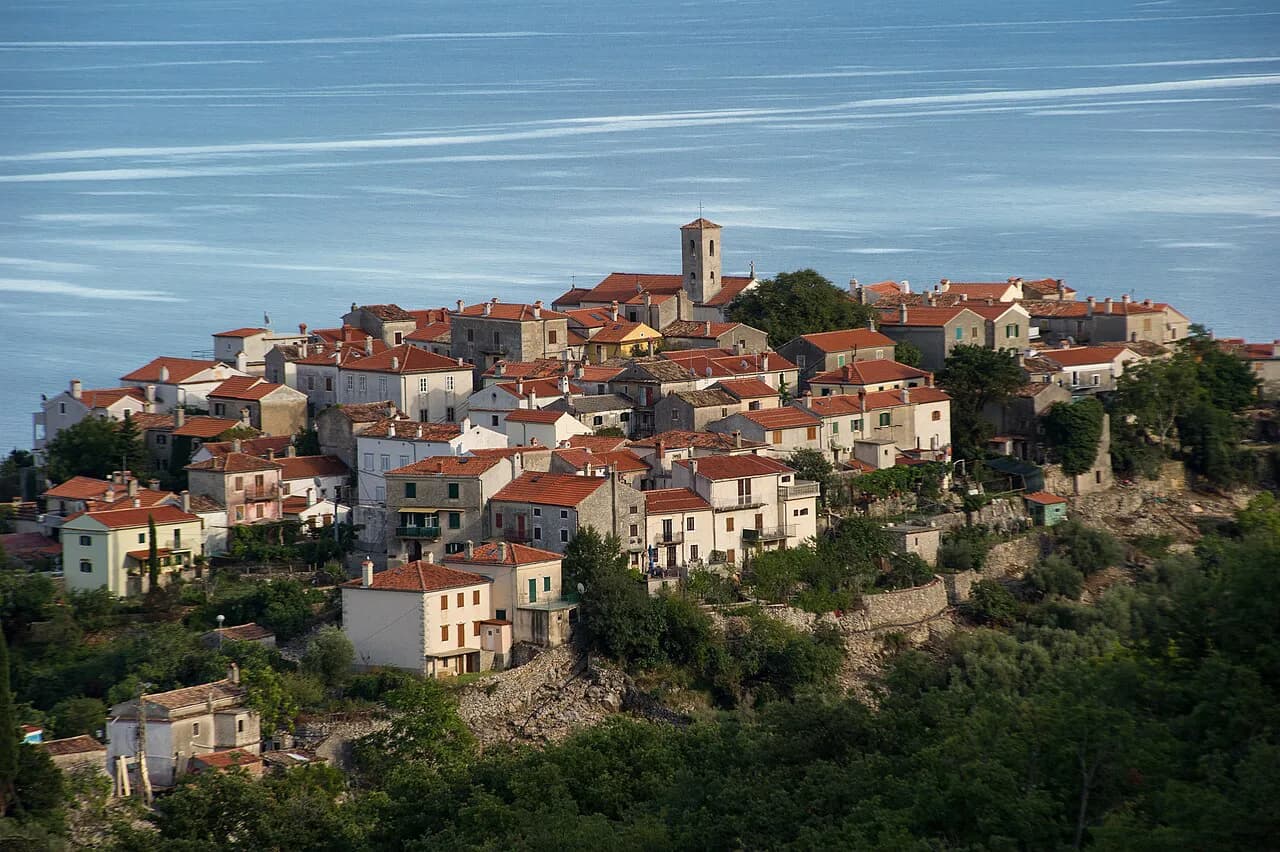
More than a hundred islands lie scattered across the Kvarner Gulf, sheltered by mountains that give the region a mild climate and a greener, more wooded look than much of the Dalmatian coast. Four of them carry almost all the visitor traffic: Krk, Cres, Lošinj and Rab. Each has a historic town, a ring of coves and a character distinct enough that choosing between them is a real decision rather than a coin toss.
The practical split is between Krk, joined to the mainland by a road bridge about half an hour's drive from Rijeka, and the rest, which you reach by ferry and which feel correspondingly quieter and more rural. That single difference shapes itineraries more than anything else: a car and a tight schedule point to Krk, while a slower island-hopping rhythm suits Cres, Lošinj and Rab. The region begins along the north-east coast of the Istrian peninsula and runs east through Lovran, Opatija and Rijeka before opening into the gulf.
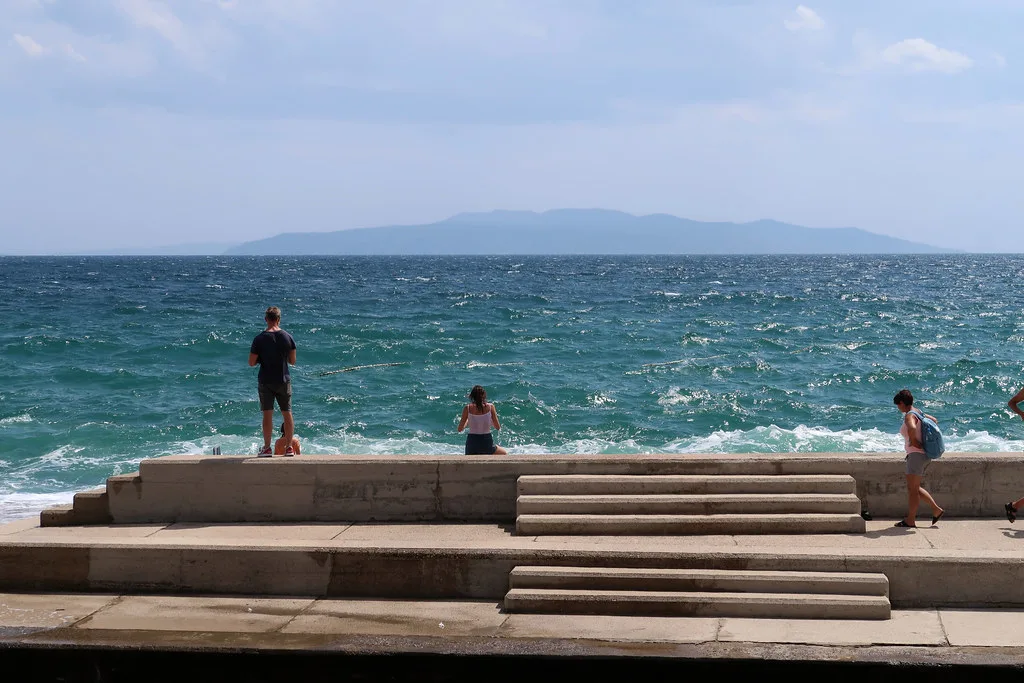
Krk: the island you can drive to over the bridge
Krk Island is one of the largest islands in the Adriatic and the easiest to reach, thanks to the bridge from the mainland. It rewards more than a transit stop: Roman remains, medieval churches, caves and a coastline of pebbly bays fill several days comfortably. Base yourself for two or three nights and you can see the main town, the southern coast and the interior without rushing.
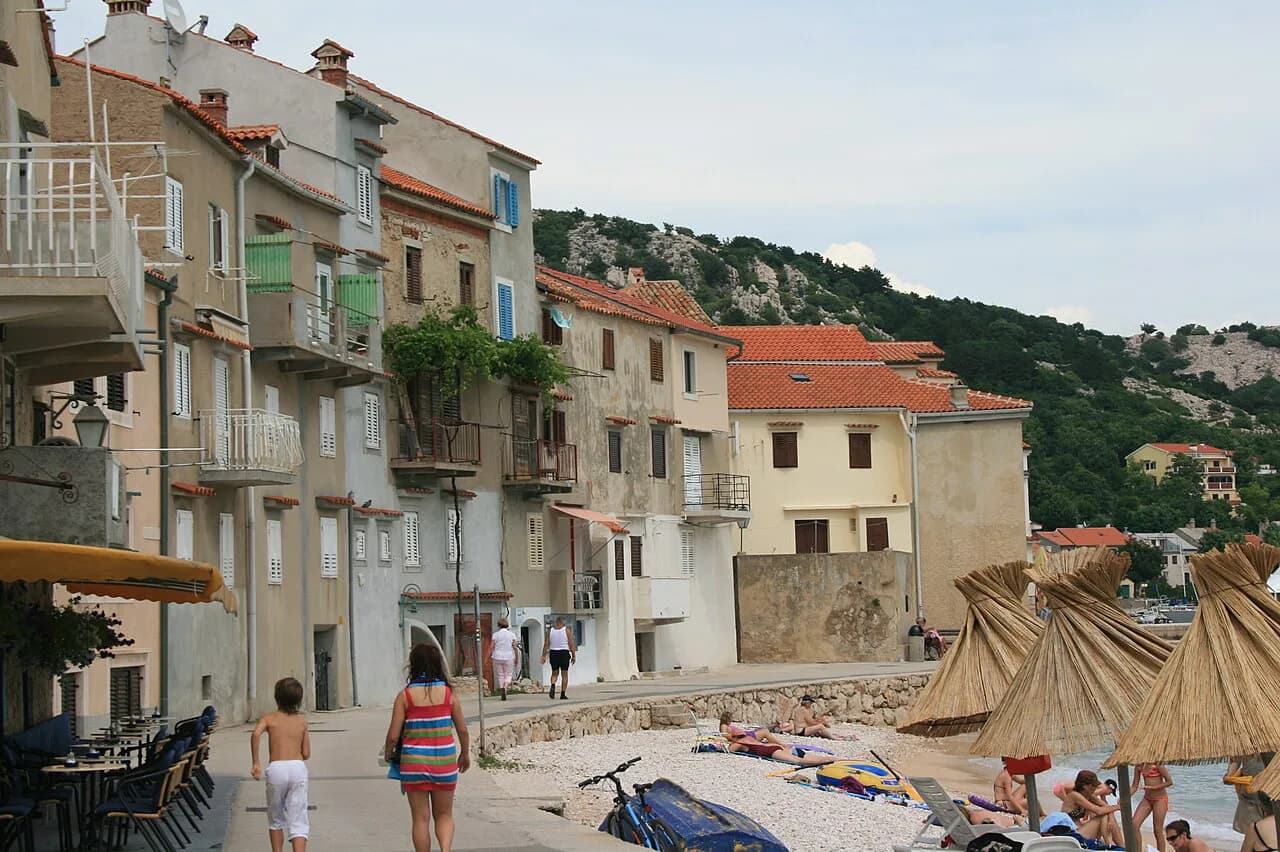
The island's sightseeing concentrates at Krk Town, the largest settlement, where the 12th-century St. Mary's Cathedral and the Church of Sveti Kvirin show off the island's Romanesque church architecture. Along the southern shore, Baška holds the main beach, Veli Plaza, a long stretch with pedalos and surfboards for hire, and Biserujka Cave opens up a very different day out underground. From here the Krk Town guide takes you through the old town's lanes and churches before you head for the coast.
Krk's road network means you can sleep in one place and range across the whole island, which is not true of the ferry-only islands. The trade-off is summer traffic around Krk Town and Baška, where roads and parking get busy in July and August. Punat, on the south-west coast, makes a calmer base with its harbour and boatyard.
Krk Town and the Romanesque churches worth your morning
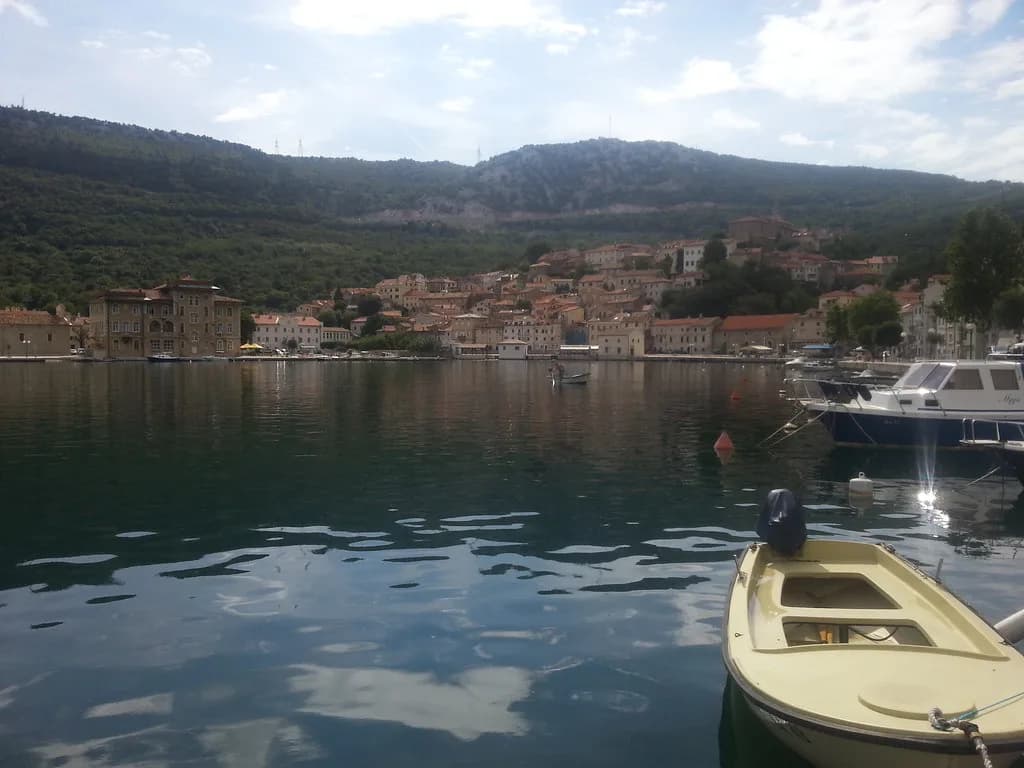
Krk Town is a compact walled knot of lanes above the harbour, and an hour or two walking it covers the cathedral, the smaller churches and the Frankopan fortress. Go early and the old town feels considerably slower. The waterfront below is a good place for coffee afterwards, with the harbour and the bay in front of you.
The two 12th-century churches, St. Mary's Cathedral and the Church of Sveti Kvirin, carry most of the island's Romanesque architecture, so allow a morning in Krk Town and a separate afternoon for the coast.
Cres: the least developed of the big Kvarner islands
Cres is only marginally smaller than Krk but far emptier, with forests and coves that make it one of the most rewarding of the Croatian islands for anyone with time to slow down. Its history runs from the Paleolithic through Roman, Byzantine and Venetian rule, and it is the last Croatian habitat of the endangered griffon vulture. Give it two or three nights, or more if you plan to walk or swim seriously.
Cres Town was once ringed by medieval walls, gates and towers built by the Venetians in the 16th century, and parts survive, including the Cres Tower and the town gate, the Gradska Vrata, with quieter streets behind the harbour.
Lošinj: Mali Lošinj harbour, Čikat Forest Park and the Island of Vitality
Lošinj has long drawn visitors with a mild microclimate and salty sea air, and it bills itself as the Island of Vitality on the strength of the pines, eucalyptus and wild herbs that grow across it. The Lošinj Aromatic Garden lets you handle and smell the plants, while Čikat Forest Park offers shaded walks and quieter swimming coves close to Mali Lošinj. Two to three nights is a sensible first visit.
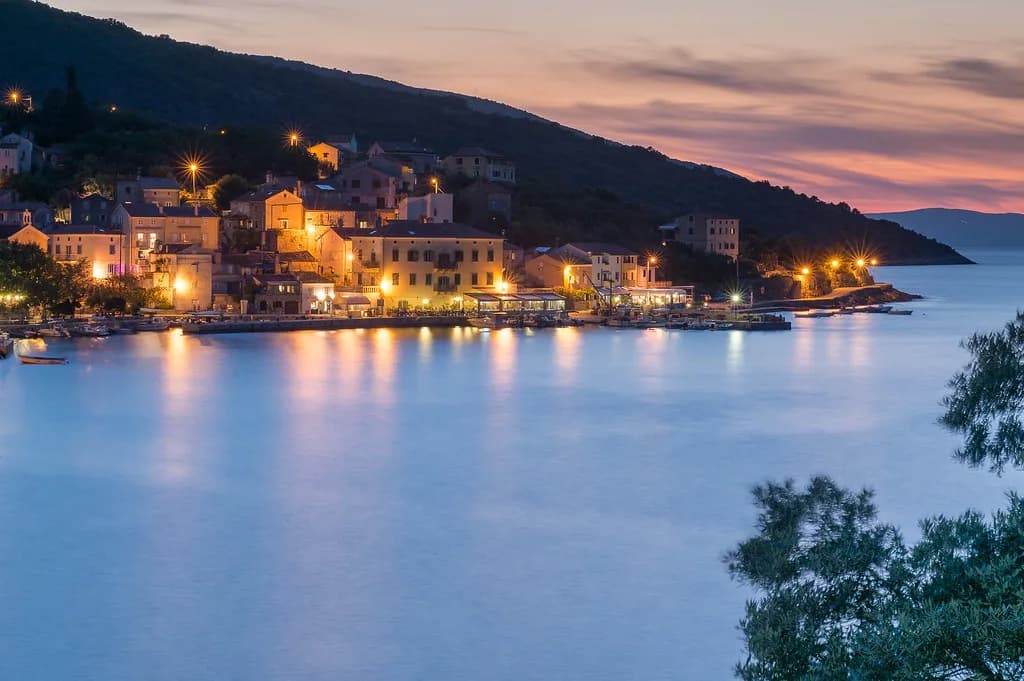
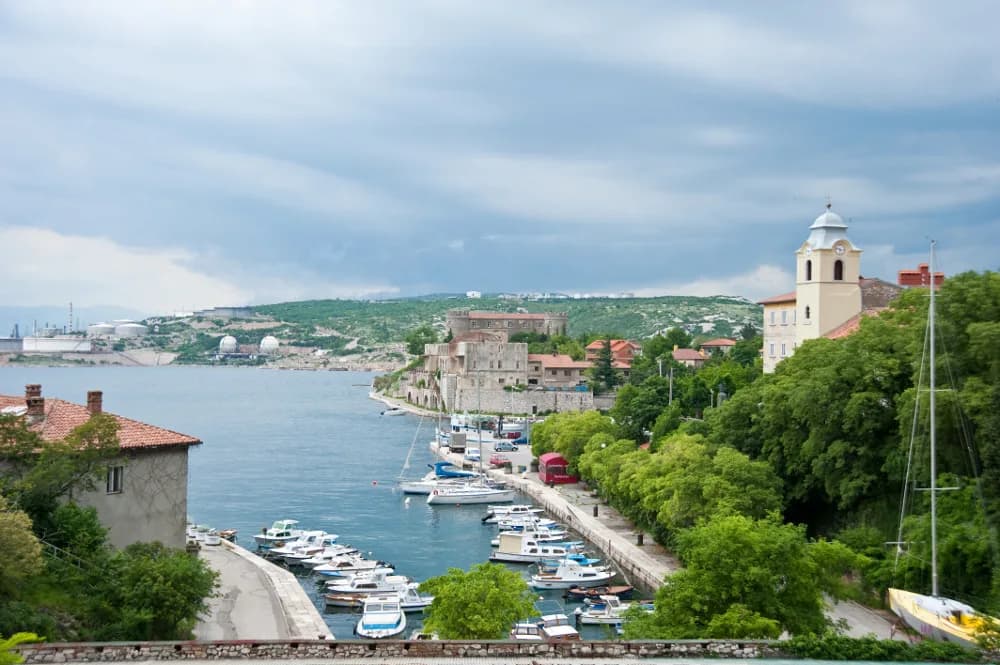
Mali Lošinj itself is the working heart of the island, with pastel houses around a busy harbour and a marine centre focused on the dolphins that live in these waters. Veli Lošinj, at the southern end, is a separate, smaller settlement that makes a quieter alternative base to Mali Lošinj.
Rab: the walled old town and its four bell towers
Rab Town is the most photogenic of the Kvarner old towns: a walled peninsula of stone lanes with four striking bell towers rising above terracotta roofs. It is small enough to walk in an hour but worth double that for the churches, the harbour and the evening light. The island around it mixes pine forest with sandy beaches, a combination rare on this coast. See the Rab Island guide for the wider island.
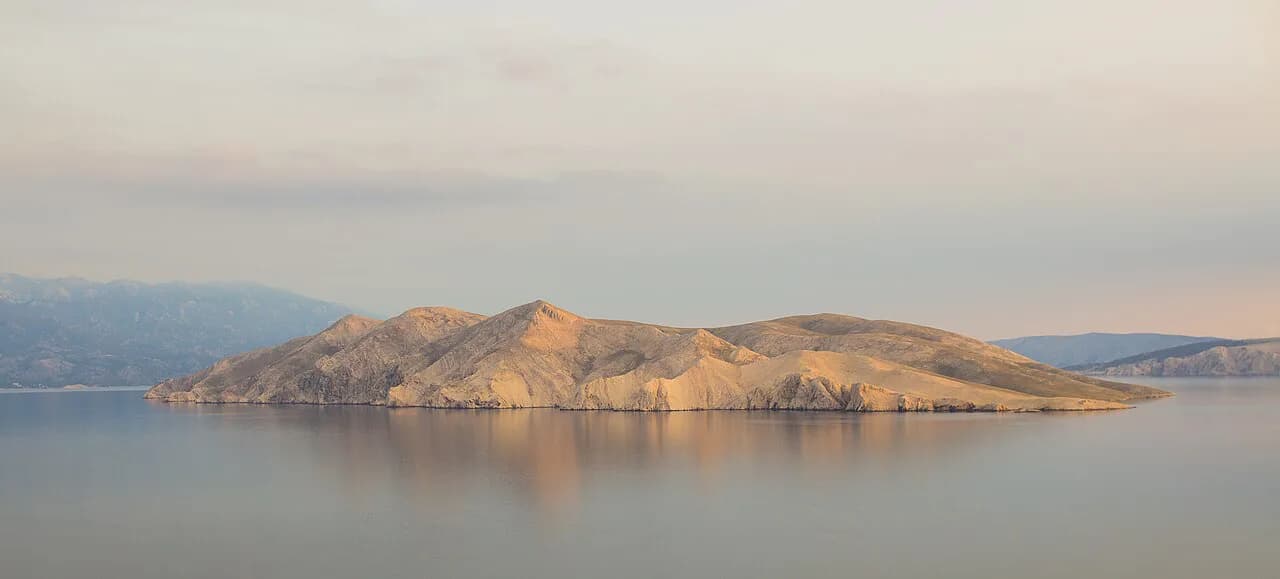
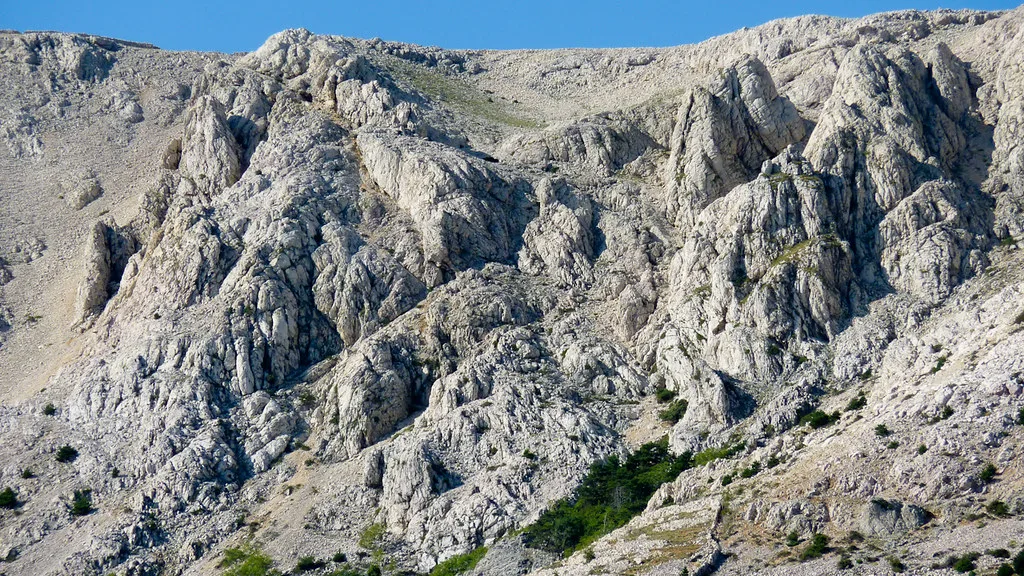
Give Rab two nights, or three if you want beach time at Lopar, the sandy spit on the northern tip where the water stays shallow a long way out. Like Pag across the water, Rab looks hauntingly bare when seen from the mainland, the result of Venetian-era logging and a fierce bura that has kept exposed slopes from regrowing, while pine forests still shade parts of the island.
The small islands: Unije and Susak
If Krk and the rest feel too busy, Unije and Susak offer a different scale entirely. Susak is the most distant island in the gulf, sitting around 30 miles off the mainland and six miles west of Lošinj, and boat day tours loop in both islands from Mali Lošinj. Neither has the range of facilities of the big four, so treat them as a long day out or a two-night retreat rather than a base.
How long to give each island
A realistic minimum is one full day for Krk Town plus one for the coast, two nights on Cres, two or three on Lošinj and two on Rab. Add a night whenever you move between islands, because ferry sailings eat into the day. A four-island trip in a week is possible but hollow; seven to ten days lets each island breathe and still leaves time for Opatija or the Velebit.
Getting around: the Rijeka hub, ferries and catamarans
Rijeka is the region's transport hub, with buses along the coast and ferries out to the islands, and you can reach the city easily from Zagreb or northern Italy. Catamarans and passenger ferries serve the islands, and boat day tours cover itineraries such as Cres or a loop that includes Mali Lošinj, Unije and Susak. In the high season, with mid-July through August the busiest stretch, Saturdays are the crunch day and you should plan on being at the departure point at least 90 minutes ahead.
Check current Jadrolinija catamaran and ferry timetables before you commit a route to your dates, and leave slack on connecting days. Route the trip so you move outward from Rijeka and finish at the furthest island you want to see, rather than shuttling back and forth.
When to go: late May to June and the second half of September
Late May through late September is the comfortable window for sailing and swimming, generally the best time to visit. June and the second half of September are the sweet spots: plenty of sunshine with fewer people, and in September a sea that has warmed all summer and stays swimmable into early October. The Kvarner doesn't suffer the crush of the Dalmatian hotspots, but July and August still bring the busiest ferries. If you're weighing the coast as a whole, the same month-by-month logic applies in our Croatia guide, from April through October.
Sea temperatures are typical climate averages rather than a forecast, so treat them as a planning guide for your week.
The bura wind and how it shapes the islands
The fierce north-easterly wind called the bura is a planning factor, not a footnote. It strips vegetation from exposed slopes, which is part of why islands such as Rab and Pag look hauntingly bare from the mainland, and it can make time on the water uncomfortable. The Opatija Riviera sits protected behind the ridge of Mount Učka, so it stays calmer when the wind is up.
Build flexibility into any ferry day in a bura spell, and keep a mainland alternative such as Opatija or Rijeka in reserve. The wind is usually short-lived but it can change a schedule fast.
Linking the islands with the Opatija Riviera and the Velebit
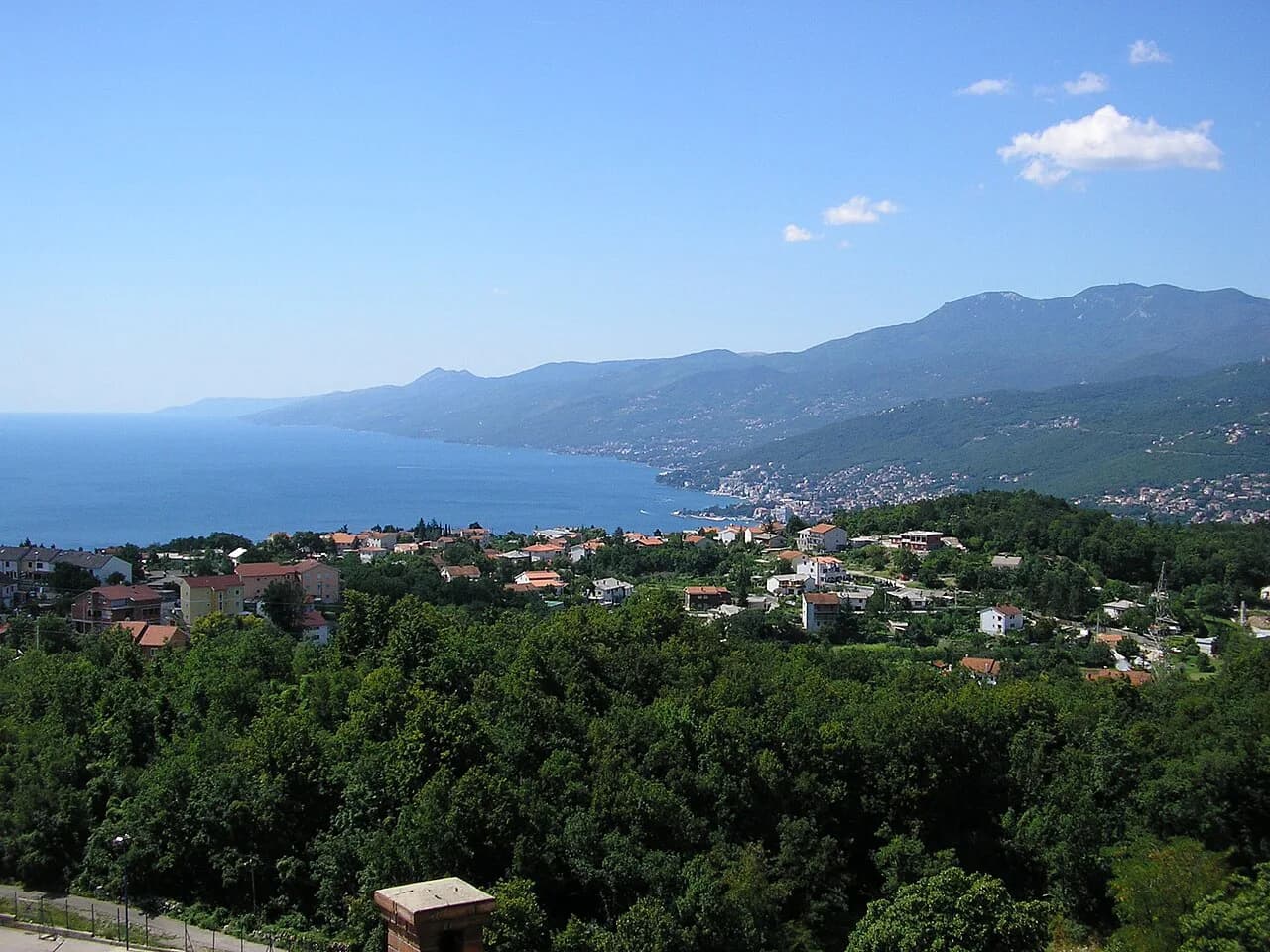
The Kvarner pairs islands with a mainland that is worth real time. Opatija, the longest-established resort of the Kvarner Gulf, preserves Austro-Hungarian villas, clipped parks and the long seafront promenade, with the prettiest fin-de-siècle architecture in neighbouring Lovran. Behind the coast, Mount Učka rises as a backdrop, while the Velebit range to the south holds Northern Velebit and Paklenica national parks at opposite ends.
A sensible shape is two nights on the Riviera at the start, then out to the islands, then back via Rijeka, so you never double back. Opatija and Lovran also make good bad-weather bases when the bura is blowing.
Which island suits which kind of trip
Drivers on a short break should head for Krk, where the bridge removes ferry logistics and the island still holds enough for three days. Travellers with a week and no car should pick two of Cres, Lošinj and Rab and go deep rather than collect all three. Rab suits anyone wanting a walkable old town plus sand, Lošinj suits slower harbour time and forest walks, and Cres suits the traveller who wants the emptiest roads and the wildest coast.
Anyone craving a small-island experience should add Unije or Susak as a day trip from Lošinj. For a full base of the region, including Rijeka and the Opatija Riviera, use a regional guide and plan the island hops around it.
Which Kvarner island to book first
Book Krk first if you have a car and a short window, and build out from Rijeka to Cres, Lošinj or Rab if you have a week or more. Two islands done well beat four done badly, and a night on the Opatija Riviera either side of the ferry days makes the logistics far gentler.
Explore more Kvarner guides
Frequently Asked Questions
Do you need a car on the Kvarner islands?
Not on Krk, which is linked to the mainland by a road bridge and is the most accessible of the Kvarner islands, but a car helps on Cres and Lošinj, where the sights are spread along the coast. Rab Town is walkable, so a car matters less if you stay there. Ferry space for cars fills up in high season, so book ahead if you plan to bring one.
How many Kvarner islands can you see in a week?
Two or three is realistic. Ferries take a chunk out of each moving day, so a week split between, say, Krk and Lošinj with a night in Rijeka or Opatija at either end gives a better trip than trying to add Rab and Cres as well.
Is Krk connected to the mainland by a bridge?
Yes. The road bridge makes Krk the only one of the big Kvarner islands you can drive to from the mainland, about half an hour from Rijeka. Cres, Lošinj and Rab are reached by ferry or catamaran.
When is the water warmest around the Kvarner islands?
The sea has warmed through the summer and stays swimmable into early October, which makes the second half of September a strong choice for swimming without the August crowds. Treat sea temperatures as typical climate averages rather than a guarantee for your dates.
Sources
Notes from the Croatian coast
Optional updates when our guides change.
You might also like
Continue reading
More guides you'll find useful