Rab Island Guide: Rab Town, Lopar and How to Get There
Plan a trip to Rab island in the Kvarner Gulf: Rab town's four bell towers, Lopar's sandy beaches, ferry access and how long to allow on the island.
On this page
Rab island rewards a stay of two nights or more: enough time for the walled peninsula of Rab town on foot and a half-day in the north around Lopar. It is one of the Kvarner islands, the group scattered across the gulf south of Rijeka, and unlike Krk it has no road bridge, so every arrival is by boat. This guide covers what the island is like, how to reach it, what to see in Rab town, where the sand is, and how to judge your time there.
What Rab island is like
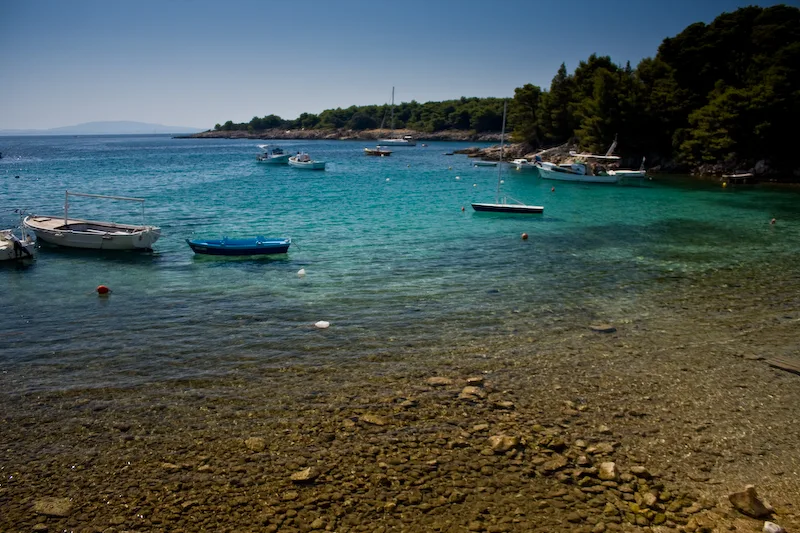
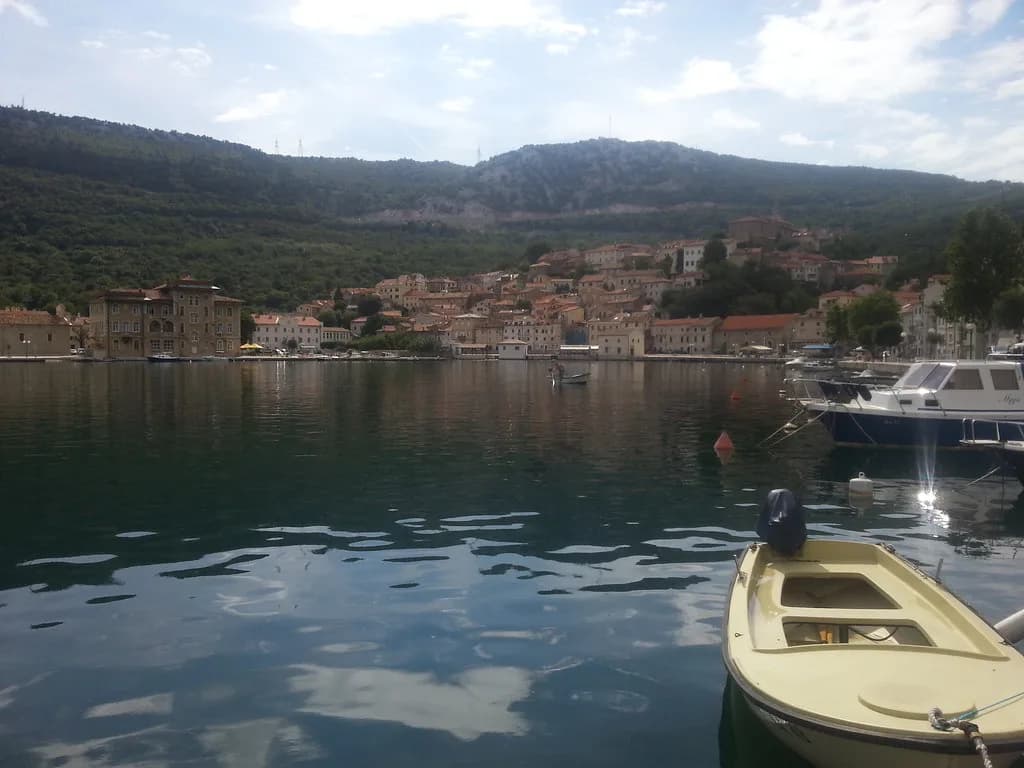
Rab is a green island in the Kvarner Gulf, known for pine forest running down to the shore and, in the north, the sandy beaches around Lopar that are uncommon on the Croatian coast. Its medieval core sits on a slender peninsula that curls around a harbour, with a second, quieter settlement at Lopar in the north. The island is often called the Island of Love, a promotional name that has stuck far better than most; the practical appeal is the combination of a compact historic town and more easily swimmable shoreline than much of the Croatian coast.
The island's forests and its sandy northern coves are the two features worth planning around, because they shape where you spend your days. Rab town is for wandering, churches and harbour evenings; the north is for water and shade.
Where Rab sits in a Kvarner itinerary
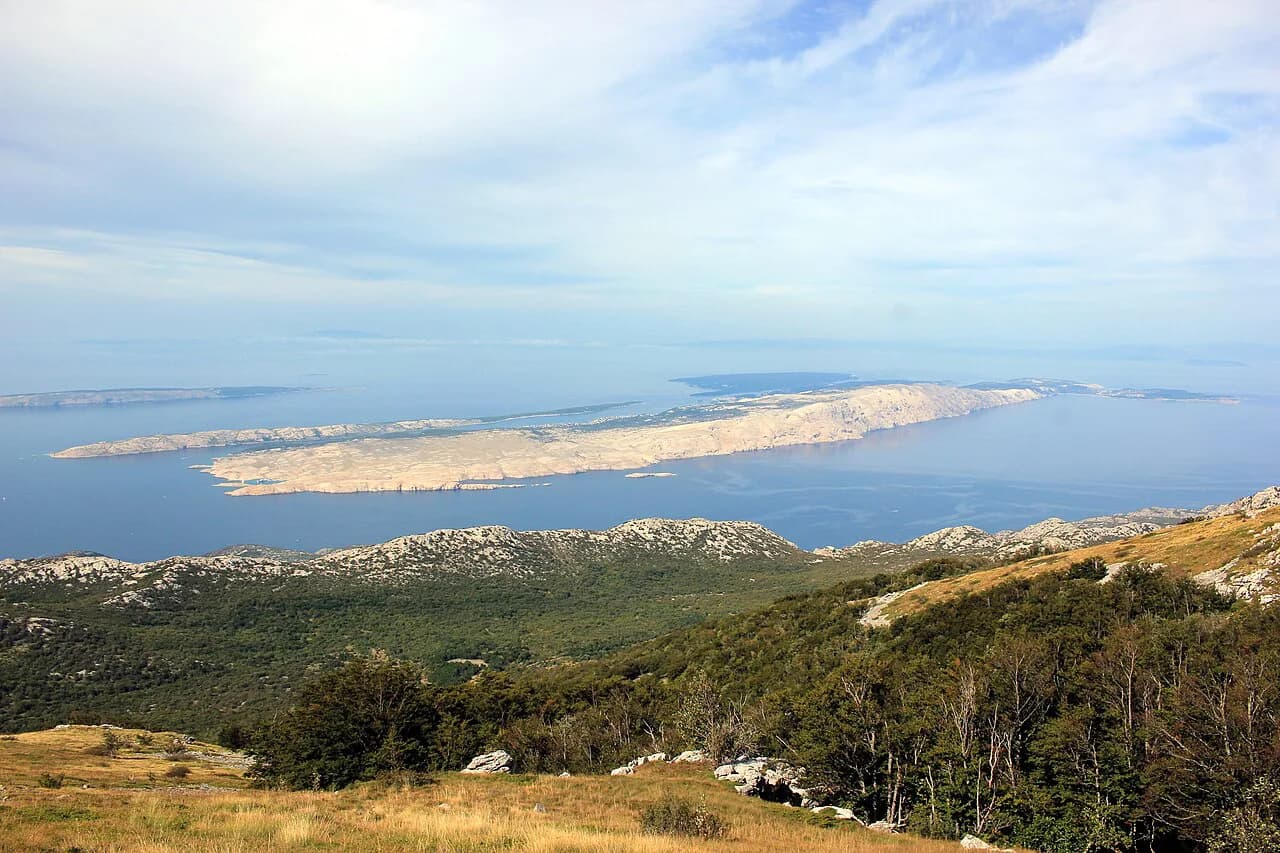
Rab lies off the northern Croatian coast, with Rijeka as the region's transport hub for buses along the coast and ferries out to the islands. That makes Rab a natural middle stop on a Kvarner circuit that also takes in Krk, Cres and Lošinj. The Kvarner Islands guide covers the archipelago as a whole if you are still deciding which islands to combine.
The structural difference from Krk matters more than distance. Krk Island is joined to the mainland by a road bridge about half an hour's drive from Rijeka, so you can drive onto it without booking anything. The islands farther out — Rab among them — are reached only by ferry, and the island feels correspondingly quieter and more rural once you are there.
Cres and Lošinj sit further out in the gulf and are also reached only by ferry, which makes them a further leg of the trip rather than a quick day return. If you are building a route from the mainland outwards, Krk first and Rab second is the simpler order; reversing it means every move depends on a boat.
Getting there: ferry or catamaran
The key decision is car ferry versus catamaran. Ferry services to the Kvarner islands run for both passengers and cars, while catamarans suit travellers moving between towns without a vehicle. The crossing does not come with a fixed plan: timetables and fares change with the season, so check the sailing for your dates with the ferry company before you build the rest of the trip.
There are also private catamarans serving islands such as Lošinj and Rab, and day boats that link Cres with Mali Lošinj, Unije and Susak. In peak season, from roughly mid-July through August, Saturdays are the busiest days on Kvarner ferry routes, and arriving at least 90 minutes before departure is the safe habit.
Drivers coming off a car ferry have the whole island within reach but must accept the sailing times as fixed points in the day. Foot passengers travel lightest on a catamaran and should plan their arrival and onward moves around the published sailing. Either way, there is no bridge alternative, so treat the boat as the spine of your plan rather than an afterthought.
Rab town: the peninsula and its four bell towers
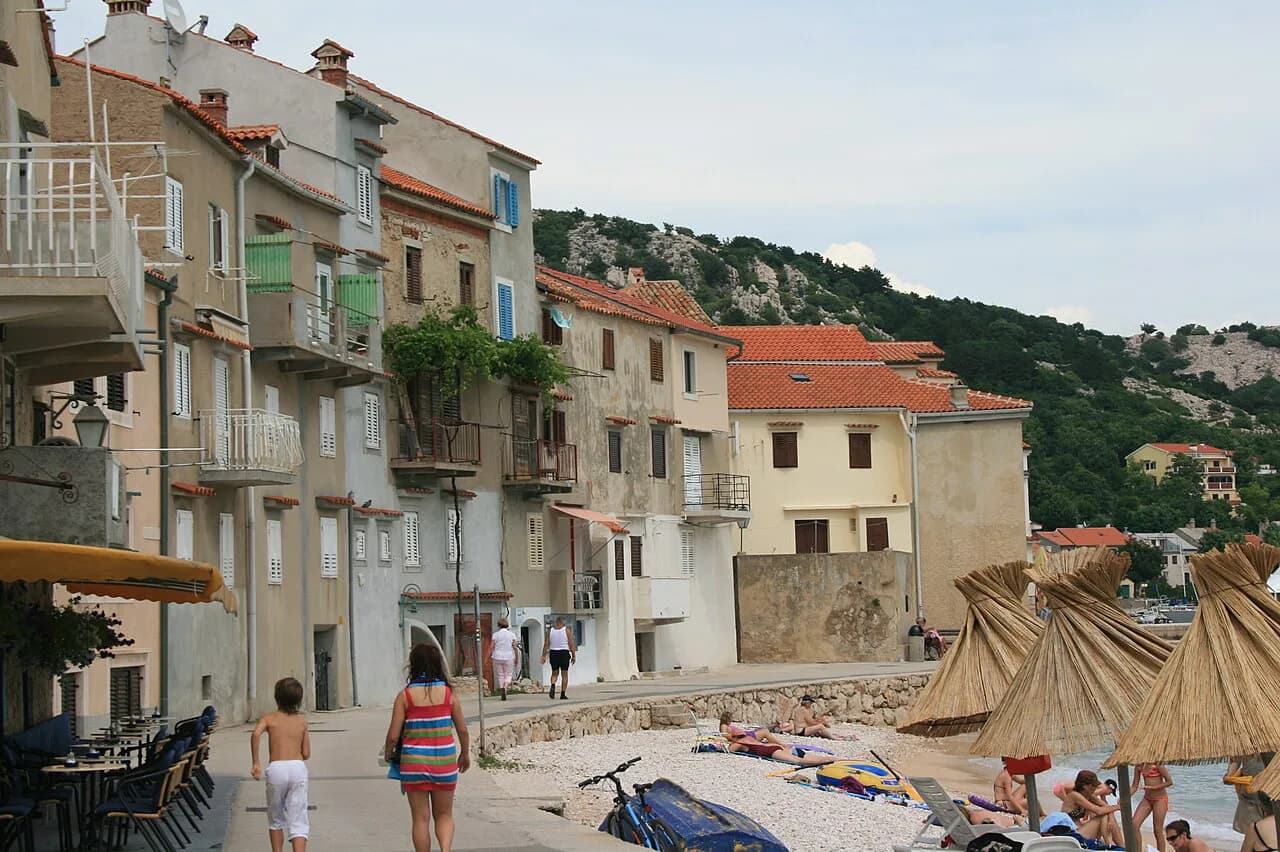
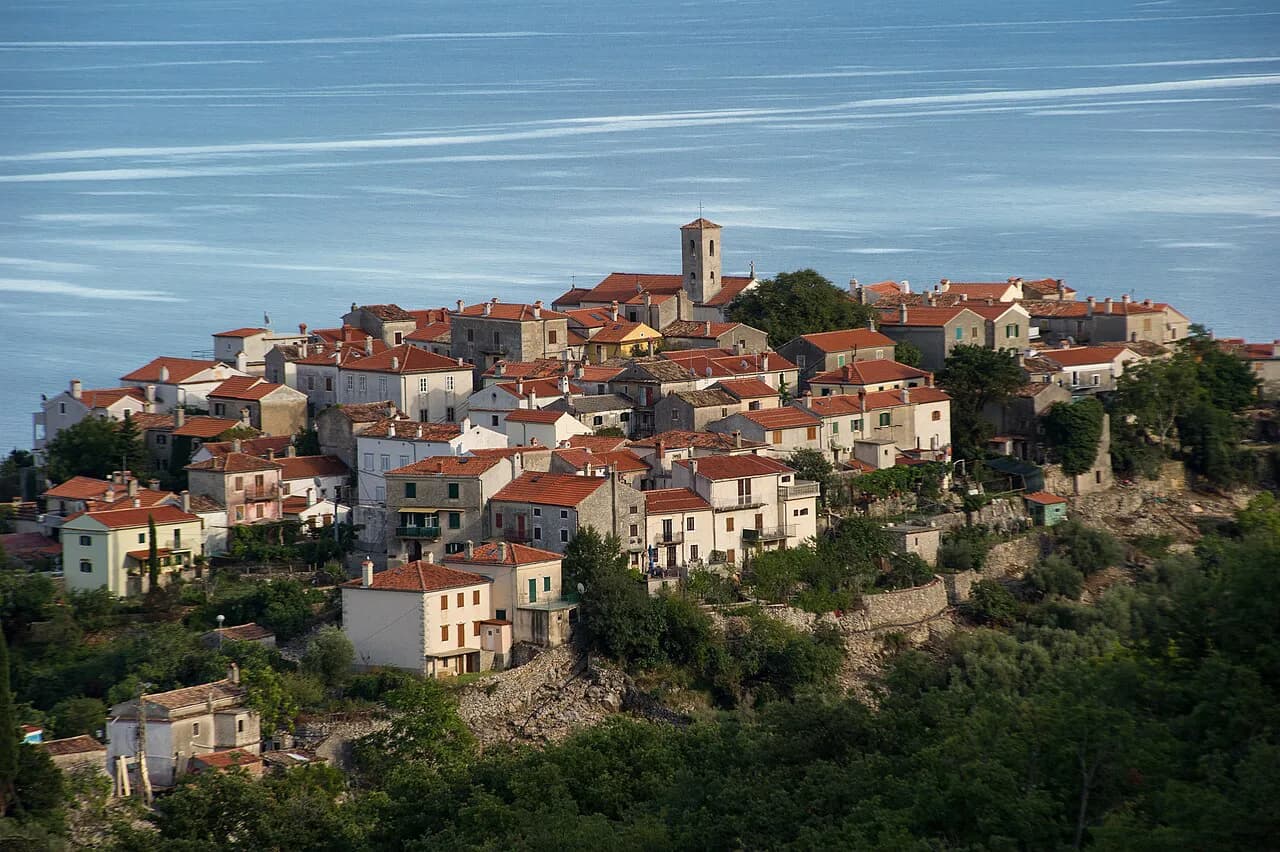
Rab town's old core occupies a narrow peninsula flanked by water, with stone streets running between the harbour side and the open sea. Four bell towers rise above the rooftops, and they are the best orientation tool you have: pick them out from the waterfront and you can place yourself anywhere in the old town within minutes. Walk the perimeter first, then cut through the lanes in the middle.
Inside the walls, the pleasure is the fabric of the place rather than any single sight: paved lanes, small churches, loggias and squares that open unexpectedly onto the sea. Allow a relaxed half-day for the peninsula on foot, including a coffee stop and a look at the harbour from both sides. Anyone with a serious interest in church architecture should add time, because the town's medieval buildings reward a slower pace.
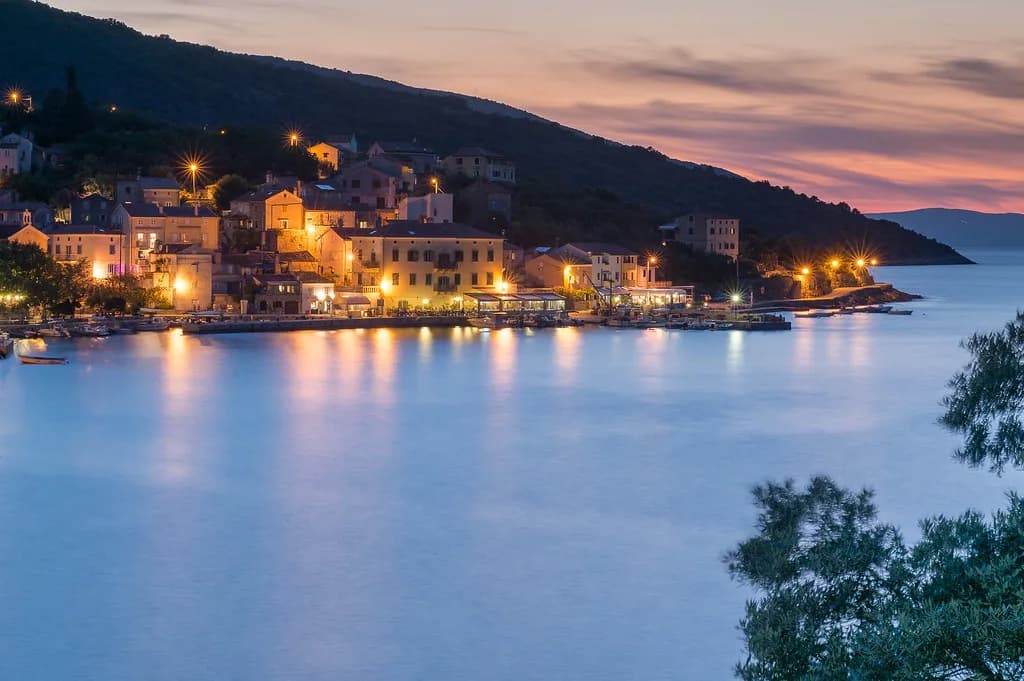
Evenings are when Rab town works best, with the day-trippers gone and the harbour front settling into its own rhythm. Use the towers as a landmark when you head back after dark, since the lanes inside the peninsula are deliberately narrow and twist in ways that defeat a mental map.
What to see in Rab town and how long it needs
Budget two to three hours for the old town at walking pace, plus whatever you spend over lunch. The circuit that makes most sense is harbour front, up through the lanes to the seaward side, along the walls, and back through the centre. That covers the four towers, the main squares and the views without turning the visit into a checklist.
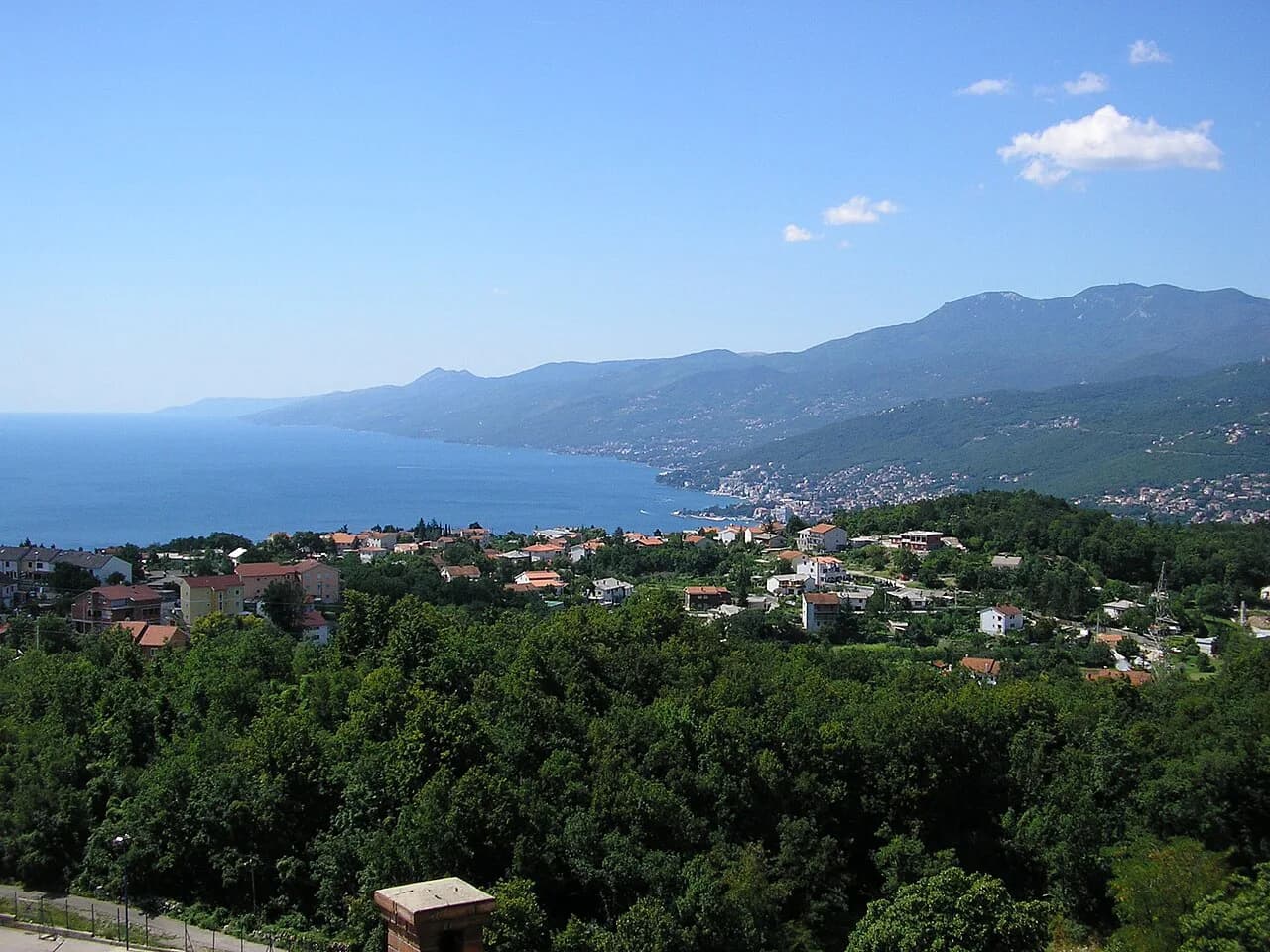
Beyond the peninsula, the town's waterfront and the streets immediately behind it hold most of what a short stay needs. Rab's compact old town, with its four towers and medieval churches, is the island counterpart to the region's historic mainland resorts, such as the Habsburg-era villas and promenades of the Opatija Riviera. The town is small enough that you will pass most of it without trying.
Opening hours and entry arrangements for individual churches and any small museums change from season to season, so confirm them locally on the day rather than planning around a fixed time. That frees you to spend the hours where they matter: on the streets and the water's edge.
Lopar and the north of the island
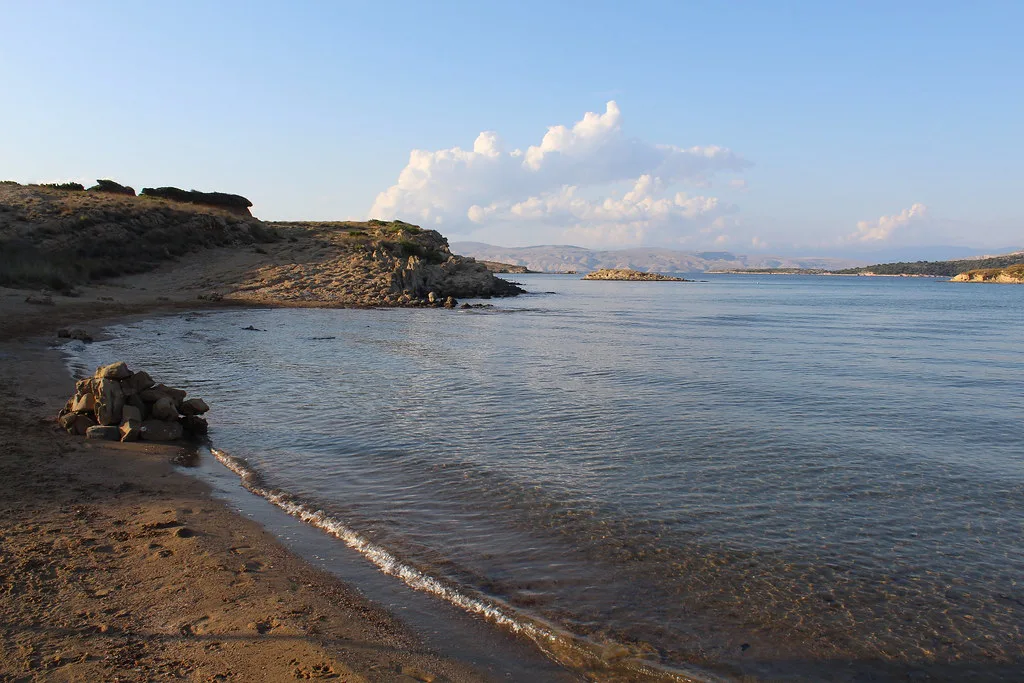
Lopar, at the northern tip, is where Rab's sand is. Sandy beaches and shallow water are genuinely rare on the Croatian coast, and the island's tourist board makes much of its beaches, so this is the place to plan a swimming day rather than a sightseeing one. Paradise Beach at Lopar is the best-known stretch and the busiest in August.
The north also suits families and anyone who wants shade close to the water, since pine forest comes down near the shore. Arrive in the morning during July and August for space, and treat the middle of the day as the time to move inland or back to Rab town. Beach detail beyond that is a subject in itself and best judged on arrival.
Combining Rab with Cres and Lošinj
Whether you can hop from Rab to the other islands depends on the seasonal sailing. Lošinj, the so-called Island of Vitality, has its own draw: a mild microclimate, aromatic gardens and forest parkland around Mali Lošinj. Sailings vary by season, so check what runs for your dates before committing to a sequence.
Whether to combine the islands depends on your time. Each extra island means at least one more ferry booking that constrains your day; if you have only three or four nights in the gulf, pick Rab and one other island rather than three. Cres rewards longer stays for its forests, so it is a poor choice for a rushed half-day.
Lošinj's tourist board publishes events and island information if you want to time a visit around something specific, and it is the authority for what is on across the Lošinj archipelago. Keep the plan loose enough that a cancelled or full sailing does not wreck the week.
Getting around the island
Rab is small enough that a car is a convenience rather than a necessity. A car earns its keep if you want to reach quieter coves, carry beach kit, or move between Rab town and Lopar at your own hours, with the distances short enough to make that a relaxed drive.
Whatever your transport, keep the ferry or catamaran time as your fixed anchor and plan the day around it. That single discipline does more for a Rab visit than any amount of fine-tuning on the ground.
When to go
Late May to June and the second half of September are the best compromises: warm weather, swimmable sea and far fewer people than August. The water holds its summer warmth into early October, which makes the second half of September especially good if swimming is the priority. High summer is busiest, with Saturdays the crunch day for ferries.
The bura, the fierce north-easterly wind, is a real planning factor in the Kvarner Gulf rather than a curiosity. It has shaped the landscape itself, stripping vegetation on exposed islands, and it can make a ferry crossing rough and an exposed walk unpleasant. Build a flexible day into any stay and switch to the sheltered side of the island when it blows.
How long to stay on Rab
One day is enough only if you stick to Rab town and its lanes; you will leave without seeing the sand. Two nights gives you the old town at leisure plus a half-day at Lopar, which is the minimum for a satisfying visit. Three or four nights lets you add the island's quieter corners and still keep a buffer for a windy day.
As a base for the wider gulf, Rab works well for two or three nights before or after Krk, with Cres and Lošinj as a further leg. Anything longer belongs to a different kind of holiday: slow days, swimming and forest walks rather than sightseeing.
Which islands should you pair with Rab?
Pair Rab with Krk if you want the simplest logistics, since Krk's bridge removes one booking from the plan, and with Lošinj if you are happy to travel by catamaran and want a second, softer island. Skip Cres on a short trip rather than squeezing it in.
Whichever pairing you choose, settle the sailings first and let the days fall around them. That single decision does more for a Kvarner itinerary than any amount of fine-tuning on the ground.
Explore more Kvarner guides
Frequently Asked Questions
Is there a car ferry to Rab island?
Yes. Ferry services to the Kvarner islands carry both vehicles and foot passengers, while catamarans take foot passengers only. Times and fares change by season, so check the sailing for your dates before committing to a route.
How do you get to Rab island from Rijeka?
Rijeka is the transport hub for the Kvarner Gulf, with ferries out to the islands and buses along the coast. From there you reach Rab by ferry or by catamaran, depending on whether you are travelling with a vehicle.
What is Rab island known for?
Rab is known for its medieval town with four bell towers, its pine forest, and the sandy beaches at Lopar, which are unusual on the Croatian coast. It is also marketed as the Island of Love.
Sources
Notes from the Croatian coast
Optional updates when our guides change.
You might also like
Continue reading
More guides you'll find useful