Cres Island Guide: What to See and How Long to Stay
Plan a trip to Cres island in the Kvarner Gulf: the island's character, Cres town, the Brestova and Valbiska ferries, and how long you really need.
On this page
Give Cres two nights if you want to see more than the harbour town; a full circuit of the island needs a car and the better part of a day on top of that. The island is about 400 square kilometres with only around 3,000 full-time residents, so distances are longer and services thinner than the map suggests. This guide sets out the island's character, its main settlements, the two ferry crossings and a realistic time budget for each kind of trip.
If you are island-hopping in the northern Adriatic, Cres slots naturally alongside Krk and Lošinj, and the guide to The Kvarner Islands explains how the group fits together. Individual stops get their own pages: Cres town for the harbour core and Beli on Cres for the northern village.
What Cres island is like
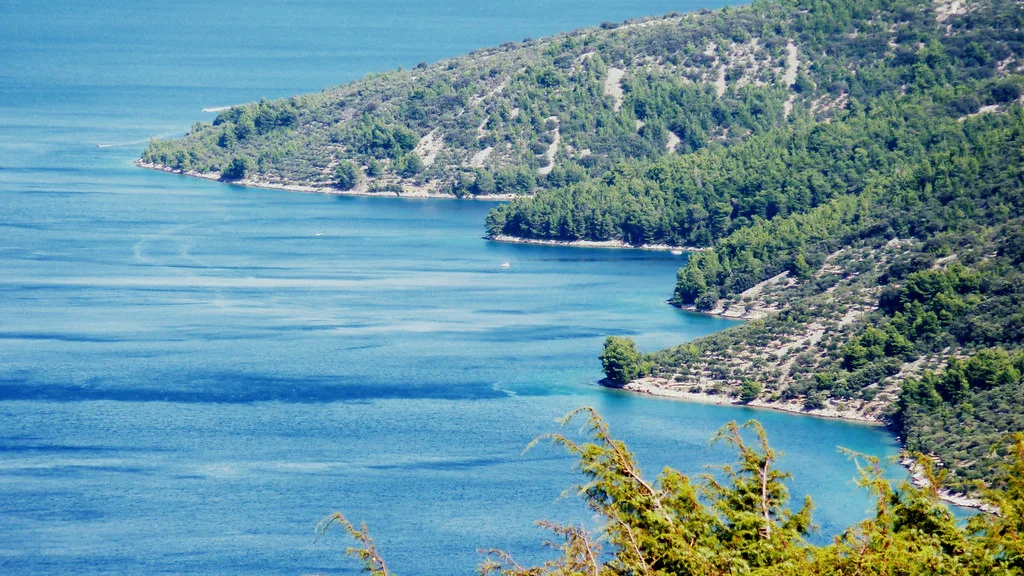
Cres is one of the largest and least developed of Croatia's islands, and that pairing defines a visit. The interior is rugged wilderness rather than farmland or resorts, with an estimated 80 breeding pairs of griffon vultures and a full-time population of only about 3,000. There are a couple of resort settlements, but not much else in the way of luxury development, so expect a quieter, simpler base than in Kvarner's busier resorts.
The island sits in the Kvarner Gulf, just south of Rijeka, and presents itself as a place of forests and an indented coastline rather than a beach strip. In practice the wilderness character cuts both ways: you get empty roads and big views, but also a large island where the villages are far apart. Travel with a car or accept that you will see one corner well rather than the whole island.
Cres town: history and the harbour
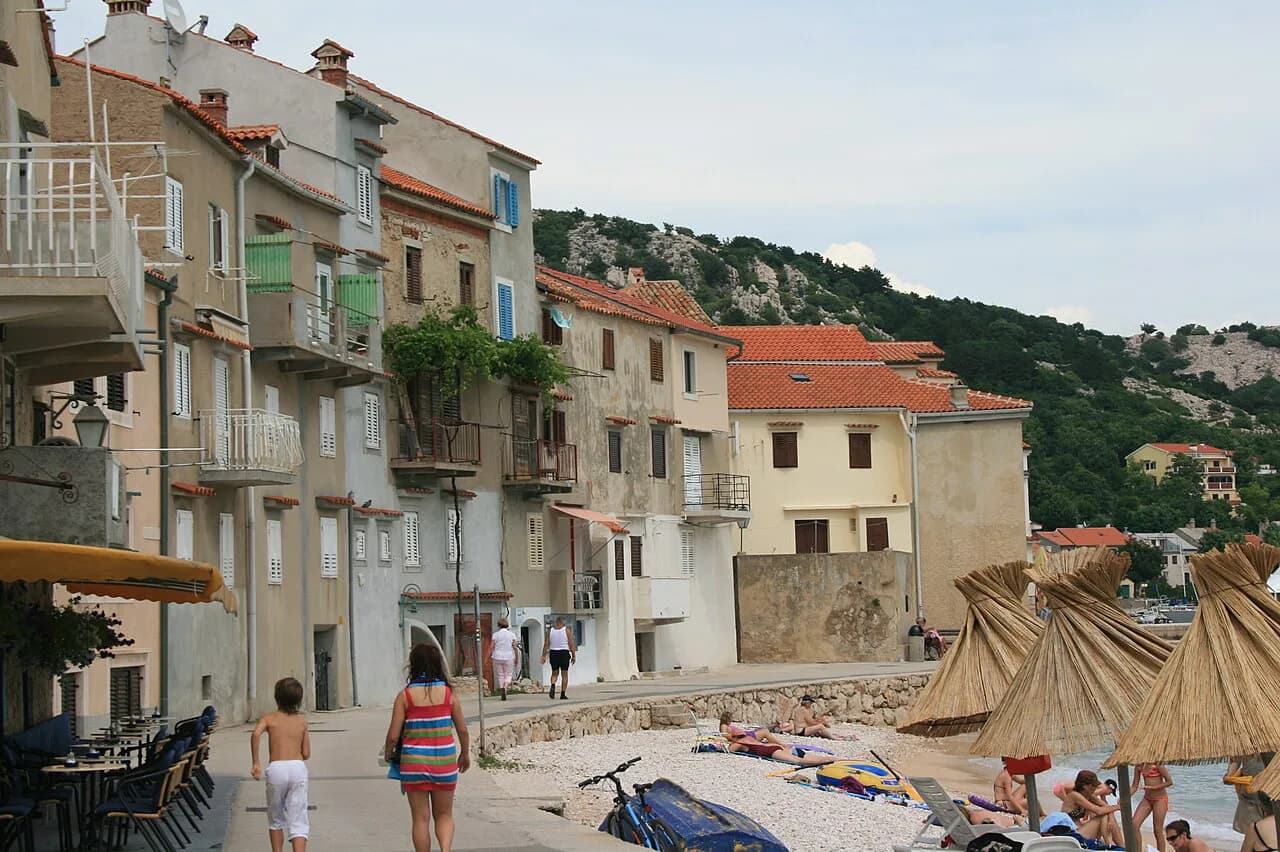
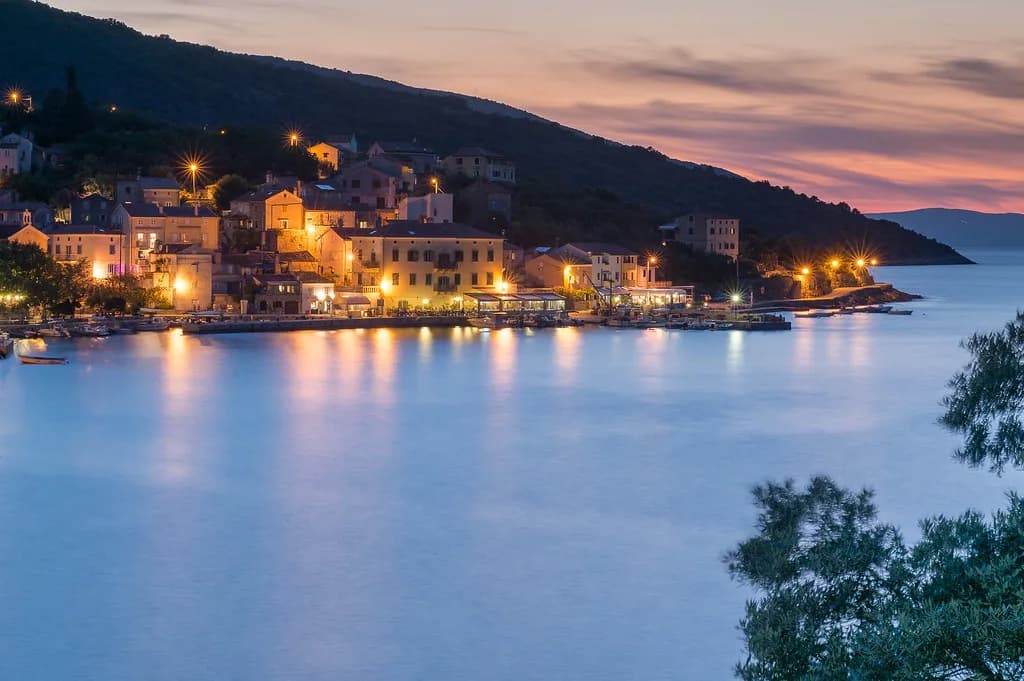
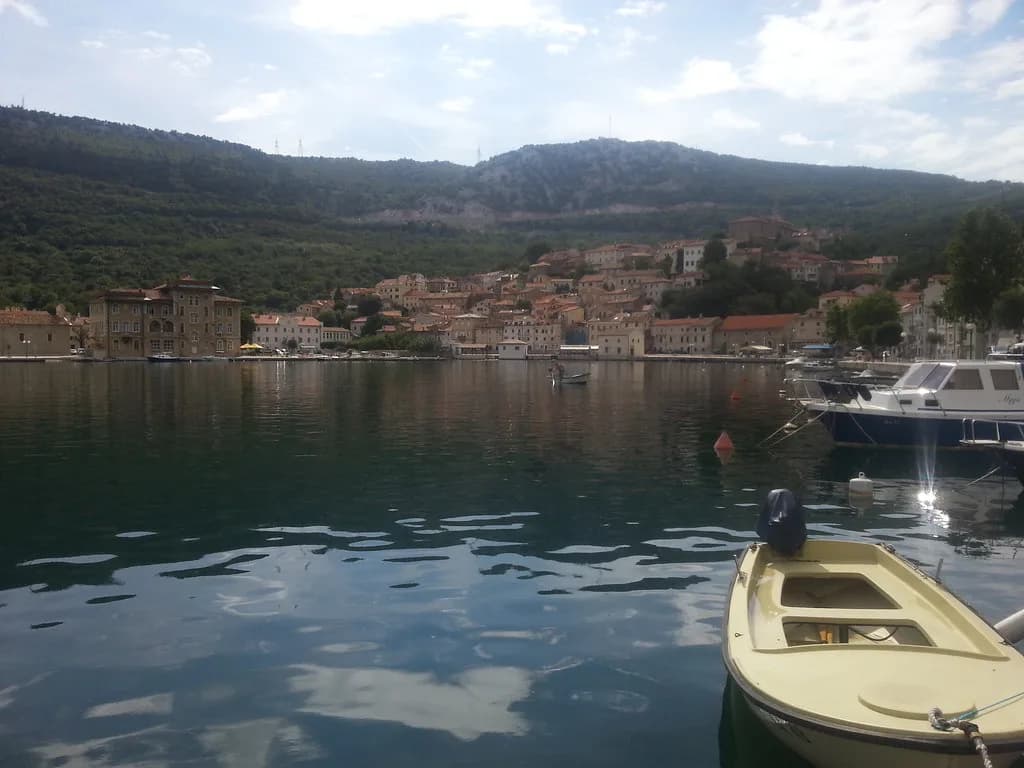
Cres town is where most visitors sleep, and its harbour, old core and small squares are enough for a relaxed afternoon on foot. The town dates back at least a couple of millennia and takes in Roman and later Venetian rule. Base yourself here for the first night and use the evening light for the harbour rather than trying to drive on.
Treat the town as a centre rather than a checklist. An afternoon covers the waterfront and the lanes behind it comfortably, and the harbour is at its best after the day-trippers have gone. The Cres Town Guide goes through the layout in detail if you want to plot the walk before you arrive.
Beli and the north of the island
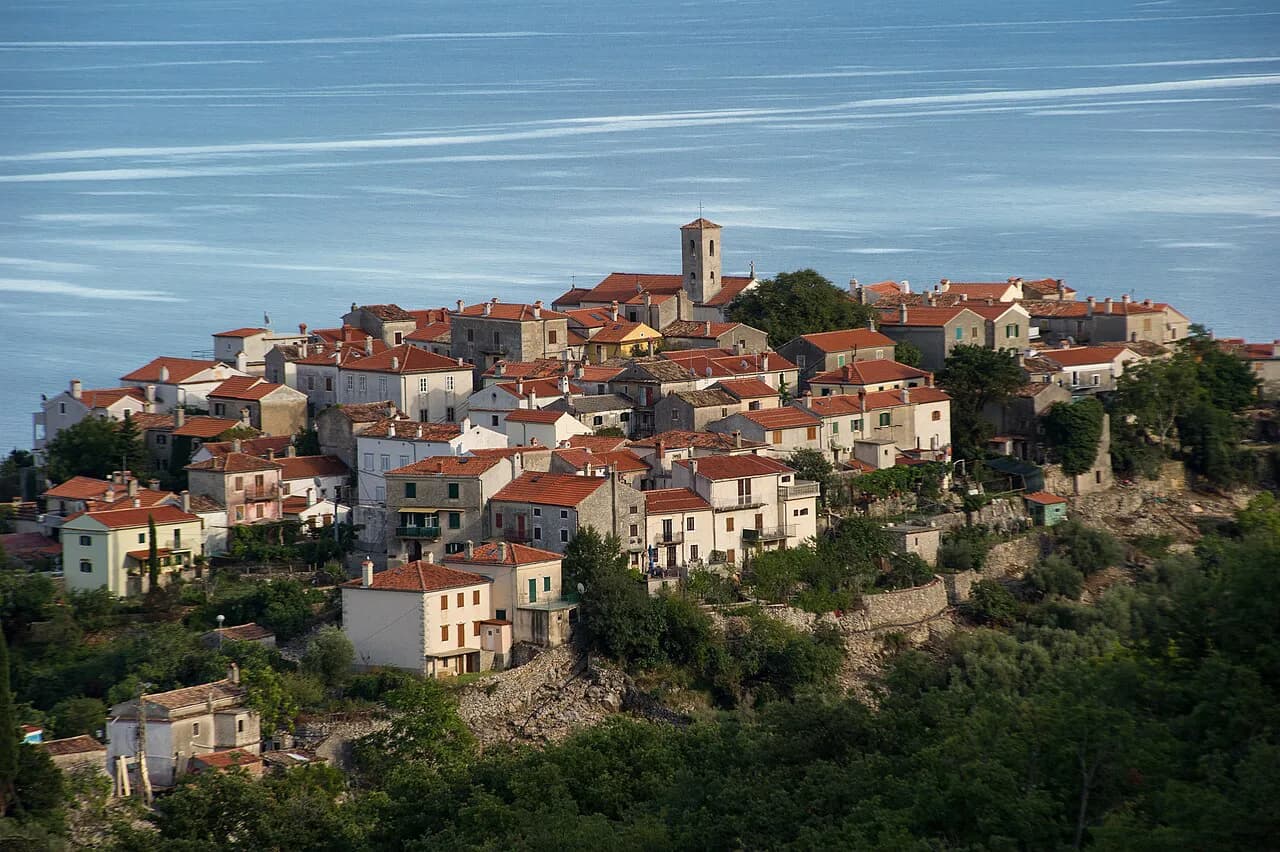
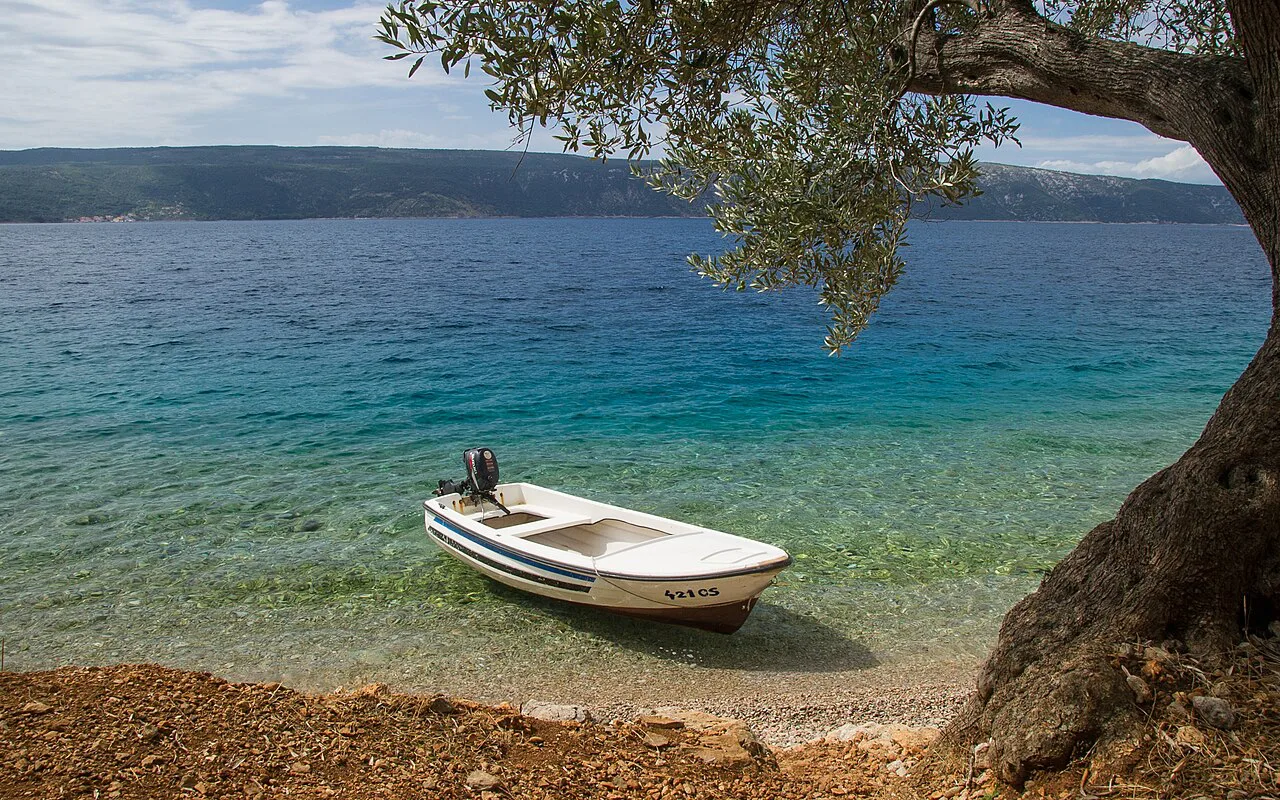
Beli occupies the north of Cres above the island's forested interior, and it works best as a half-day loop from Cres town rather than a separate base. The appeal is the setting and the quiet rather than a sight with a ticket desk. Combine it with the northern stretch of coast road, and keep it to one village if you are working with a short visit. The Beli on Cres page covers the village itself.
Lubenice and the west coast
Lubenice is on the island's west side, and its clifftop position above the coast makes the drive across the interior worthwhile. The west is the wildest part of Cres: long stretches of rough country, sparse settlement and few stop-offs, so fill the tank before you head out and treat the drive as the day's activity. The reward is the landscape rather than a list of attractions.
Osor and the crossing to Lošinj
At Osor the south of Cres connects to Lošinj, which makes it the natural place to continue rather than turn back. The section between the two islands is short enough to see on the way through. Osor, the small old town between Cres and Lošinj, covers the village itself; the island planning detail is on the Lošinj page.
Getting there: the two ferry crossings
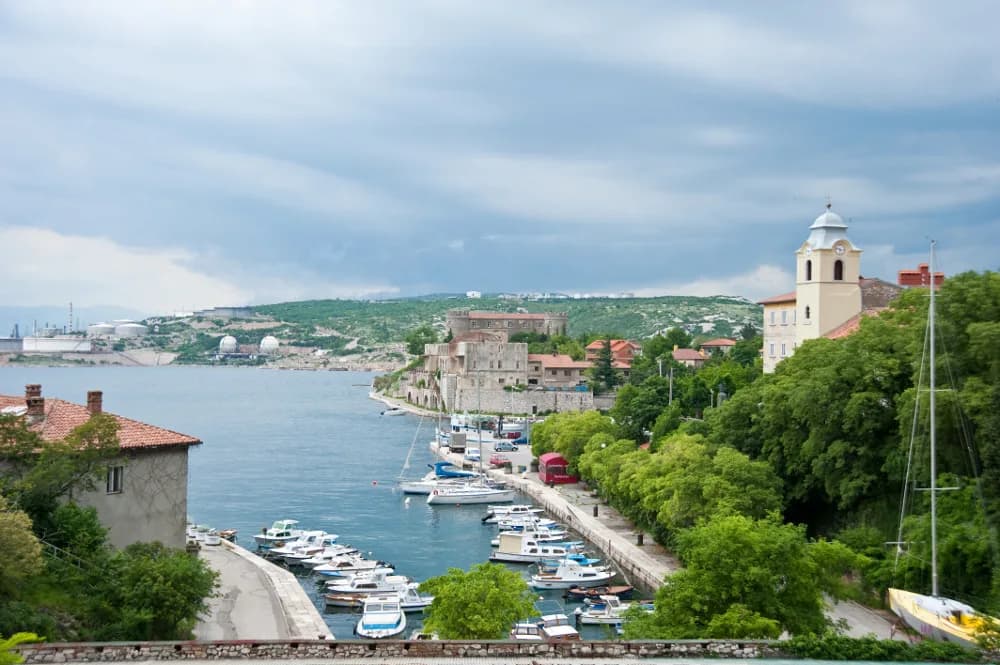
Cres has two direct car ferry crossings: Brestova on the mainland to Porozina in the north of the island, and Valbiska on Krk to Merag on the east coast. Both crossings take about 30 minutes, so the choice is really about where you are coming from rather than the crossing itself. From the mainland and Rijeka, Brestova–Porozina is the shorter road approach; if you are combining Krk with Cres, Valbiska–Merag keeps you off the mainland entirely.
A daily catamaran also runs in summer, which is the practical option for foot passengers arriving without a car. Schedules and fares for that service change by season, so confirm the sailing and ticket price before you commit to a foot-passenger crossing. If you are already on Krk, the Krk Island guide explains the road geography that leads you to Valbiska.
Driving from the mainland also works via the Krk bridge, connecting to Valbiska for the Merag ferry, which suits anyone doing a loop through both islands. Towns along the way, such as Vrbnik and Baška on Krk, make sensible stops rather than detours if you are taking that route. Allow for a queue at the ferry port in high summer, since the crossings are the only vehicle routes onto Cres.
Getting around the island without a car
A car-free visit realistically means basing yourself in Cres town and making one or two short excursions, since the main settlements are spread across a large island and the distances between villages on the outer edges are not walkable. If you arrive by catamaran, plan around what you can reach from the town rather than attempting a full circuit.
For a car-free northern Adriatic itinerary, Krk is worth weighing up because of its road and bridge connections; The Kvarner Islands guide is useful for comparing which island suits a short break. Krk town and other Krk settlements are straightforward stops if you switch islands.
How long to stay: a day, a weekend or a full circuit
A day trip only works if you accept one corner of Cres: arrive on an early ferry, spend the afternoon in Cres town and leave on an evening sailing. A weekend is the sensible minimum for the harbour town plus either Beli in the north or Lubenice in the west. Give three nights or more if you want to drive the full length of the island and cross to Lošinj at Osor.
Griffon vultures and the wilderness interior
The island's reputation for wilderness rests largely on its griffon vultures, with an estimated 80 breeding pairs, and on the empty country inland. The vultures are a conservation population rather than a visitor attraction, so the most useful approach is to watch from the coast roads and not to expect a scheduled viewing point. The interior rewards slow driving, but it is not somewhere to walk without a plan.
When to go
July and August bring the most ferries, the most services and the most traffic on both crossings, so a summer visit needs an early start for the drive across the island. The shoulder months are quieter and suit the harbour towns better, though fewer services run and some seasonal places close. Choose summer for convenience and the shoulder months for space, then check the current ferry timetable before booking accommodation.
Beaches in passing
The coastline of Cres is indented and rocky rather than lined with long sand beaches, which fits the island's undeveloped character. Swimming is best treated as something you do on the way between villages, not the reason for the trip. Anyone prioritising sand should look at the beaches on Krk or Rab instead, where resort development is more established.
Practical costs: ferry fares and the euro
Croatia uses the euro, so there is no currency conversion to worry about on Cres; bring a card and a little cash for small places. Ferry fares are set by the ferry company and vary by season and vehicle length, so check the price when you book rather than relying on last year's figure. Restaurants on the island are casual but serious about good-quality food, with fresh fish and the island's famous lamb among the local staples.
Which crossing should you book?
Book Brestova–Porozina if you are coming from Rijeka or the mainland, and Valbiska–Merag if you want to combine Cres with Krk or approach via the Krk bridge. Both take about 30 minutes, so the decision is about your road route rather than the crossing. Choose the catamaran if you are on foot and travelling in summer, and confirm its current sailings before you plan the rest of the trip.
For the surrounding islands, The Kvarner Islands guide sets out the rest of the group, and Lošinj at the far end of the Osor crossing makes a natural continuation. Two nights on Cres and a night on Lošinj is a better-balanced northern Adriatic trip than trying to see everything from one base.
Explore more Kvarner guides
Frequently Asked Questions
How big is Cres island and how many people live there?
Cres covers about 400 square kilometres, roughly 155 square miles, and has only around 3,000 full-time residents, which makes it one of Croatia's larger but least developed islands. The villages are far apart, which is why a car helps if you want to see more than one corner.
Do you need a car on Cres island?
It helps considerably. The main settlements are spread across a large island and public transport there is limited, so a car lets you see Beli in the north and Lubenice in the west on the same trip. Without one, Cres town is the sensible base and the island's outer villages become difficult to reach.
Sources
Notes from the Croatian coast
Optional updates when our guides change.
You might also like
Continue reading
More guides you'll find useful