Susak Island, Croatia: Sandy Beaches, Car-Free Village and Ferries
Guide to Susak island in Croatia's Kvarner bay: its sandy beaches, car-free village, and the ferry and catamaran routes from Mali Lošinj, Cres and Rijeka.
On this page
Susak is a small, car-free island in the Kvarner bay, just west of Lošinj, and its appeal is unusual for Croatia: sandy beaches, a village built on a mound of fine yellow earth, and almost no traffic. It covers under four square kilometres, so you can walk it in a couple of hours, and its two-part village keeps everything within reach on foot. This guide covers the layout, the main beaches and coves, the church and lighthouse walk, and the ferry and catamaran options that decide whether Susak is a day trip or an overnight stay.
Getting there is the part that shapes the trip. A Jadrolinija car ferry links Mali Lošinj and Susak, while foot-passenger catamarans connect the island with Rijeka, Cres and Mali Lošinj and a separate Kapetan Luka service stops here on its Pula–Zadar run. The timings and the number of sailings per week differ sharply between these services, so the route you pick matters more than the distance on a map.
Where Susak sits in the Kvarner bay
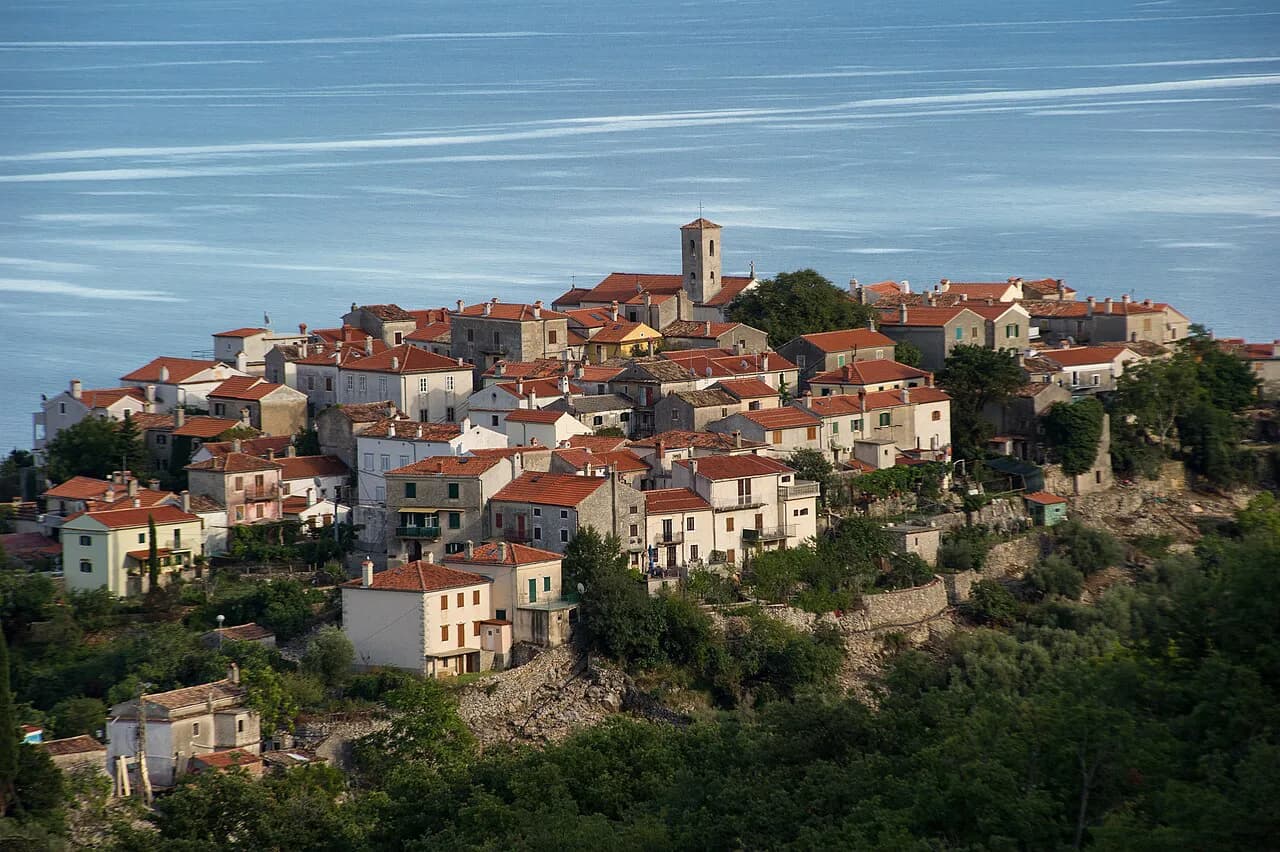
Susak lies off Croatia's northern coast in the Kvarner bay, immediately west of Lošinj and within reach of Cres, and it can also be approached from Pula or Rijeka to the north and Zadar to the south. As one of the smaller and more remote of The Kvarner Islands, it has a permanent population of roughly 150 people, and winter leaves it practically deserted. That remoteness is the point: the island has stayed off most tour-agency itineraries, which keeps the crowds down.
Pair it with Lošinj if you want a base with more ferries and amenities, or with Cres if you are working down the island chain. From Mali Lošinj the crossing is short enough to treat Susak as a day out; from Rijeka, Cres, Pula or Zadar it is a longer commitment that rewards an overnight stay.
The village: Gornje selo and Donje selo
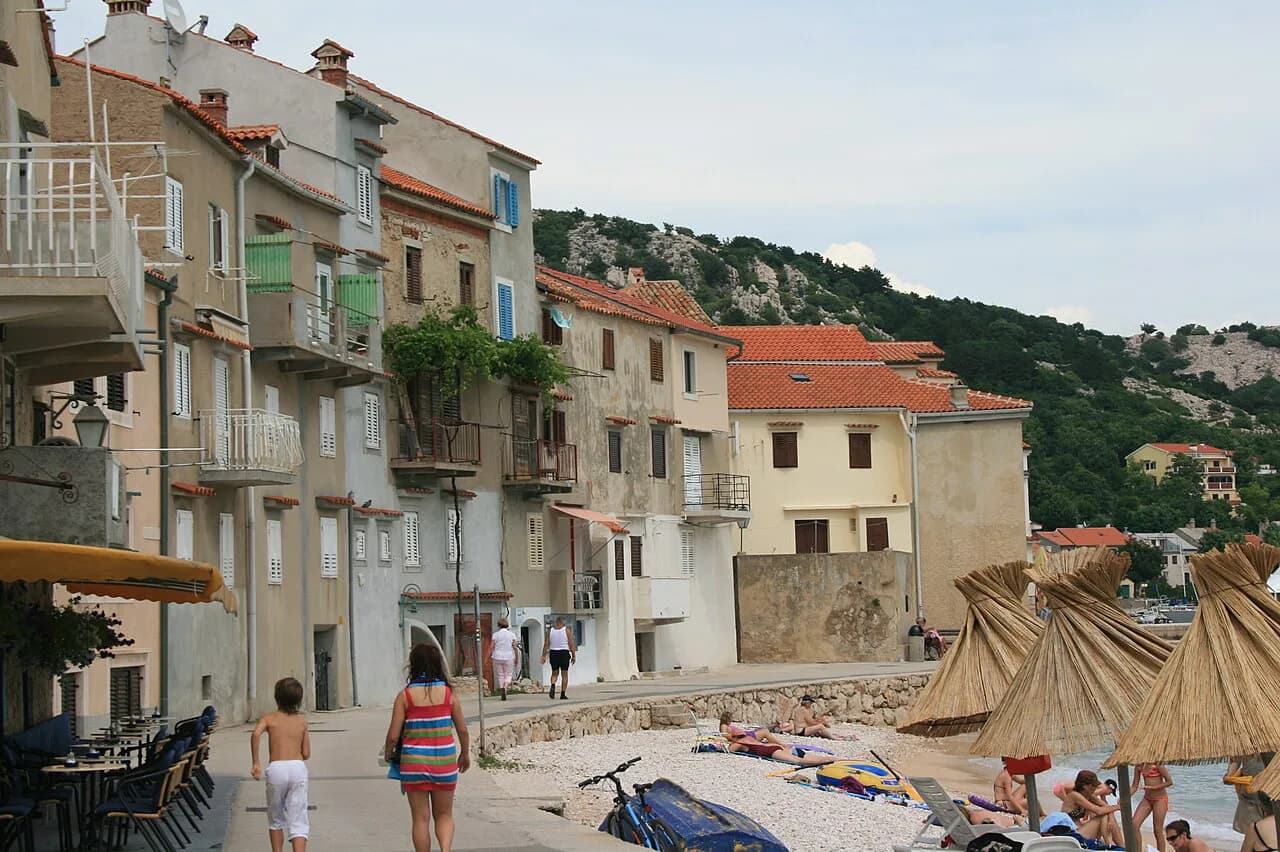
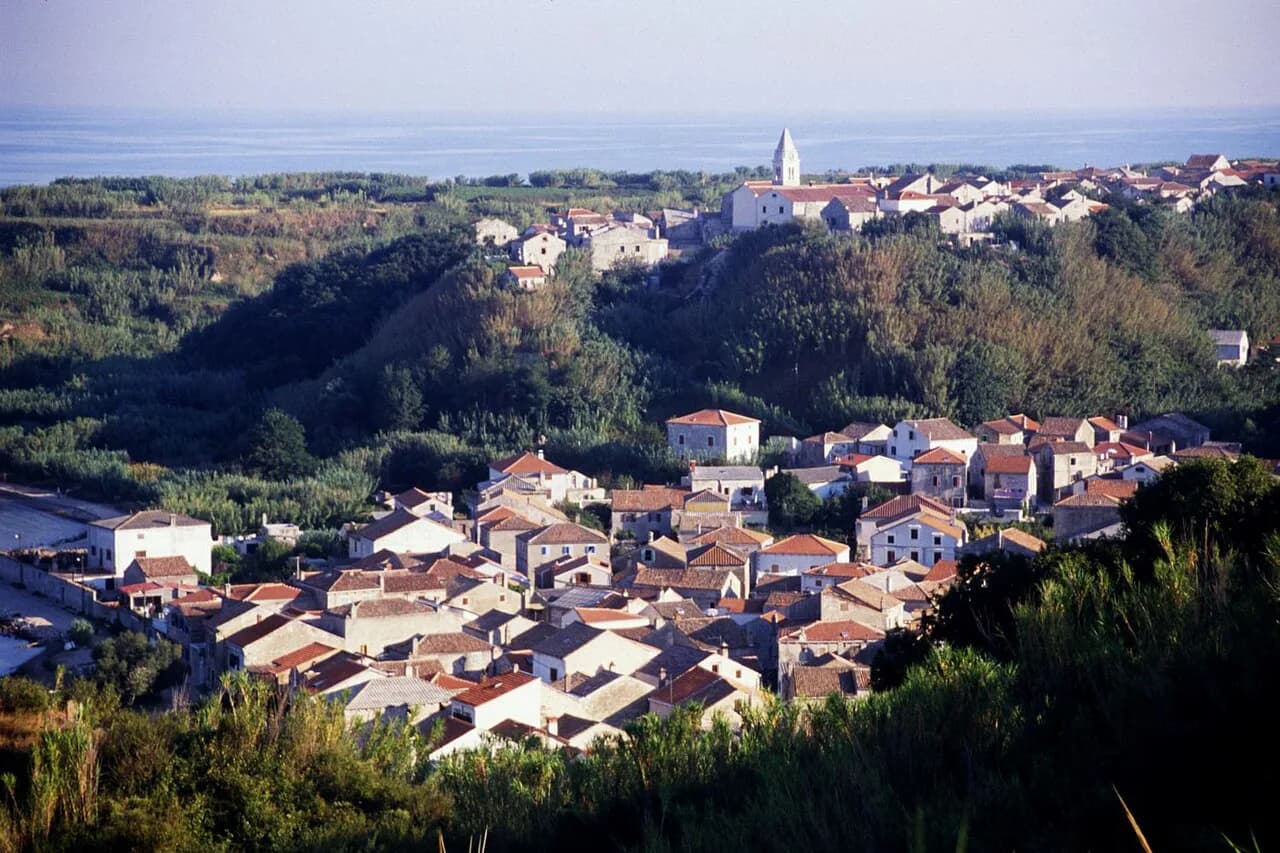
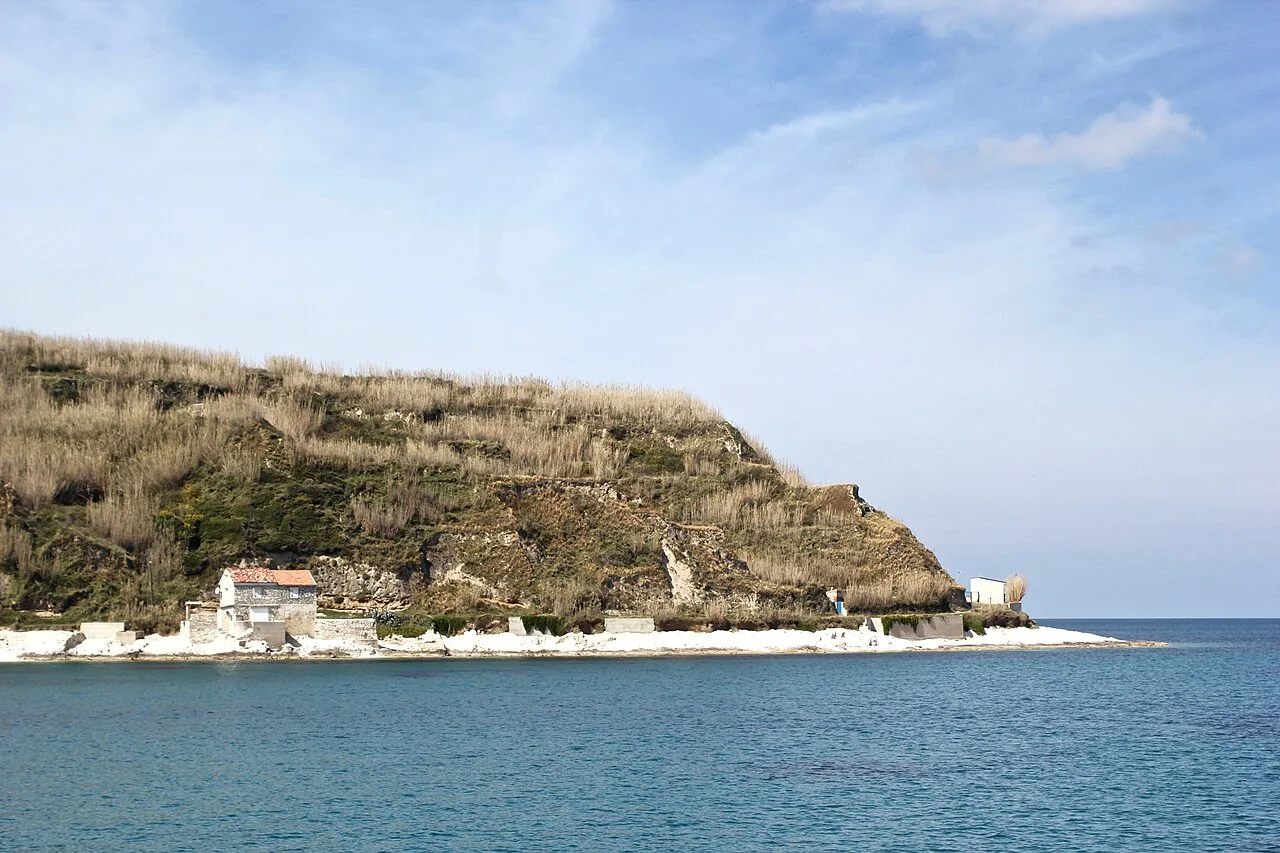
The main settlement, also called Susak, is split into Gornje selo (the upper part) and Donje selo (the lower part), connected by paths rather than roads. There are no cars on the island, so unless you bring your own bicycle you navigate on foot, and the harbour is the natural starting point for both halves. Orientate yourself in the village first, then pick your direction: uphill for the church and views, downhill for the water.
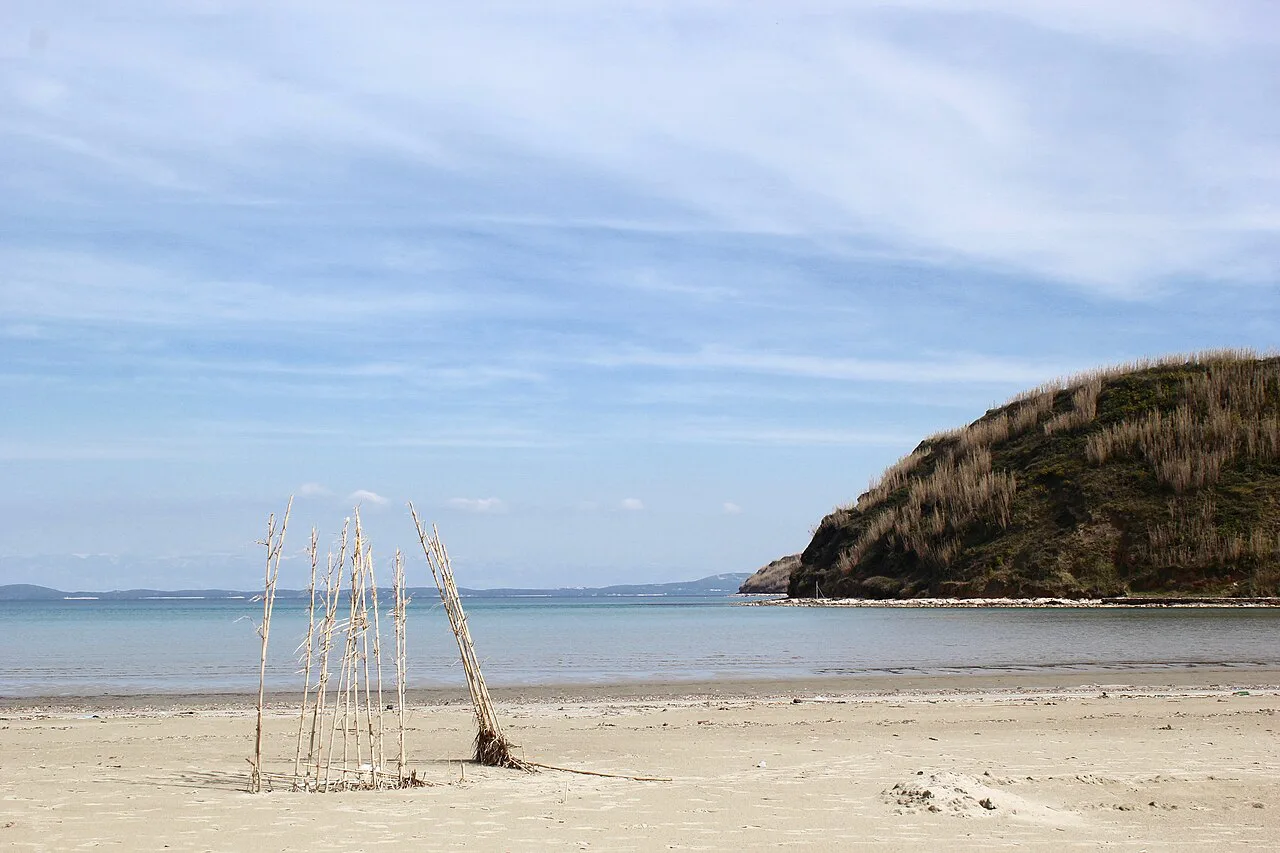
The paths are made of the island's fine yellow dust, running across sand cascades between the village and the coves on the far side. Walking on it is soft and slow rather than rocky, so give yourself more time than the distances suggest, especially in the middle of the day. The terrain is gentle compared with the stone paths on neighbouring islands.
The sandy beaches: Spiaza, Bok and Baldarka
Sand is the anomaly that makes Susak worth the crossing, since most Croatian swimming is off rock or pebble. The best-known beach is Spiaza on the north of the island: wide, soft and very shallow, which makes it the obvious choice for families, though it is also the most popular and you can rent loungers and umbrellas there. Bok, nearby, is smaller but still sandy and shallow, family-friendly with fewer amenities on hand.
Baldarka, northwest of those two, is rocky and pebbly rather than sandy, and correspondingly quieter, so it suits anyone who wants to swim away from the main cluster. Nasuzanski is a small rocky beach with strikingly clear water colour, another good option for a shorter, calmer stop. Bring what you need and check conditions yourself before swimming.
If you want several beaches in one day, walk around the island in a couple of hours and combine the swims with the route. That pace suits a day trip from Lošinj, arriving in the morning and leaving in the late afternoon. It is less comfortable on a long crossing from Rijeka or Zadar, which is when an overnight stay makes more sense.
Gornje selo: St Nicholas Church and the lighthouse walk
St Nicholas Church sits in the upper part of Susak village, a small church built in the 18th century and the island's main historic sight. It is a short climb from the harbour and pairs naturally with a wander through Gornje selo's lanes. Plan around the exterior and the village streets, as the church is not generally open to visitors.
The lighthouse stands on the island's highest point, about 98 metres up, and you can walk to it but not inside. The route passes an abandoned 20th-century military outpost, which adds a slightly melancholy edge to a straightforward climb. Go early or late in the day, when the heat is off and the views over the yellow dust and the sea are at their best.
Yellow dust, dialect and folk costumes
Susak's soil is a fine yellow dust, and the island's own website makes the claim that no similar island exists anywhere in the Mediterranean. It shapes everything: the paths, the dunes, the way the village sits on its mound. Even the island's name is bound up with its vegetation, since Sansegus or Sansacus is usually traced to the Greek word for oregano, a herb that grows abundantly here.
The island keeps a distinct identity beyond its landscape. A local dialect so different from standard Croatian that many Croatians cannot follow it, and the folk costumes, are part of what Susak is known for. Many islanders left in the mid-20th century, largely for the United States, and around 2,500 people who emigrated or are their descendants live there, mostly in New Jersey, which explains the out-of-season quiet.
Coves that need a boat, including Porat Bay
Some beaches on the south side can only be reached by boat, including those in Porat Bay, so they are out of reach on foot alone. If those coves are the reason for your visit, arrange a private boat, perhaps from Lošinj. For most visitors the northern beaches are enough, and the boat-only coves are a bonus for anyone with their own transport on the water.
This is where the small-island trade-off bites: the lack of cars and crowds keeps Susak peaceful, but it also means the harder-to-reach corners stay hard to reach. Decide in advance whether you want a simple beach day on foot or a boat-based day around the coast.
Ferry and catamaran routes to Susak
Jadrolinija runs the car ferry between Mali Lošinj and Susak, once per day at varying times, with a journey of two hours twenty-five to thirty-five minutes depending on stops made along the way. That is slow for a short crossing, so treat the car ferry as a scenic, unhurried option, not the quickest way over.
The foot-passenger catamaran is faster. It connects Rijeka, Cres and Susak and continues to Mali Lošinj, taking three hours fifteen minutes from Rijeka, one hour fifty minutes from Cres, and either thirty-five minutes or one hour fifteen minutes from Mali Lošinj depending on whether it calls at Ilovik. It calls at Susak six days a week in high season and five in off-season, even though it links Rijeka with Cres and Mali Lošinj daily.
Kapetan Luka operates a separate catamaran between Pula and Zadar that stops at Susak, along with Mali Lošinj and some smaller nearby islands. The crossing takes two hours fifteen minutes from Pula and just under four hours from Zadar, and the service runs five times a week in peak season, twice a week just outside it and once a week off-season.
How long Susak needs and the trade-offs
A day trip is realistic from Mali Lošinj, where the catamaran crossing is short, and a single day covers the village, one or two beaches and the lighthouse walk at an easy pace. From Rijeka or Zadar, the crossings are long enough that an overnight stay is the sensible choice. The island has one small hotel, Hotel Sansegus, and a handful of private rooms, so plan early if you intend to stay.
The trade-offs are honest ones. You get sand, an unusual village and genuine quiet in exchange for limited sailings, no cars and a thin choice of places to eat, mostly laid-back konoba-style spots such as Sansegus and Konoba Barbara. Off-season the island empties out and services thin further. If you want a busier Kvarner base with more ferries and facilities, look at Krk island instead and treat Susak as the contrast.
Is Susak worth the crossing for you?
Choose Susak if you want sandy swimming, a car-free village and an island that still feels removed from the main Croatian circuit. Base yourself on Lošinj and take the fast catamaran for a day, or commit to an overnight if you are coming from Rijeka, Cres, Pula or Zadar.
Confirm the sailing days for your dates before booking anything else, because the catamaran frequencies vary by season and the car ferry runs only once daily. If the timetable does not fit, pivot to Lošinj or Krk rather than forcing a long day around a single boat.
Explore more Kvarner guides
Frequently Asked Questions
Can you swim at Susak's beaches?
Yes. Spiaza and Bok are shallow, sandy and the most family-friendly, while Baldarka and Nasuzanski are rockier and quieter. Beyond loungers and umbrellas at Spiaza there are few organised facilities, so check conditions yourself before going in.
Do you need a car on Susak?
No. Cars are not allowed on the island, and the village, beaches and lighthouse walk are all reached on foot.
Which boat is quickest from Mali Lošinj to Susak?
The foot-passenger catamaran is much quicker than the Jadrolinija car ferry, taking either thirty-five minutes or one hour fifteen minutes depending on whether it stops at Ilovik. The car ferry takes over two hours.
How many days should you spend on Susak?
One full day covers the village, the main beaches and the lighthouse walk. Stay overnight if you are arriving from Rijeka, Pula or Zadar, where the crossings are long enough to make a day trip exhausting.
Sources
Notes from the Croatian coast
Optional updates when our guides change.
You might also like
Continue reading
More guides you'll find useful