Lošinj: What to See, How to Get There and How Long to Stay
Plan a trip to Lošinj in Croatia's Kvarner Gulf: what the island is like, Mali and Veli Lošinj, getting there by ferry or catamaran, and how long to stay.
On this page
Lošinj rewards two or three nights rather than a rushed day trip: it is a long, narrow island in the Kvarner Gulf of Croatia's northern Adriatic, almost due south of Rijeka, with Mali Lošinj as its main settlement and the smaller Veli Lošinj nearby. The island has no airport, so a typical arrival is a flight to Rijeka or Krk followed by a ferry or catamaran. This guide covers how the island is laid out, what to see in each town, how the boat crossings work and how to pace a stay.
What Lošinj is and where it sits in the Kvarner Gulf
Lošinj lies in the northern Adriatic, almost due south of Rijeka, and forms part of the Kvarner Gulf chain that also includes Krk, Cres and Rab. It sits in Primorje-Gorski Kotar county and is usually paired with Cres, its larger neighbour. The two are the central pair of the Kvarner islands and are often visited together, so plan Lošinj as one stop in a wider island circuit.
The island is long and thin, which shapes how you move around it. Distances between the main settlements are short by road, but the terrain is hilly and the coast indented, so a car or scooter saves real time if you want to reach more than one town in a day. Hiking and biking are part of the island's appeal, and the tourist board promotes walking and cycling alongside its other outdoor activities.
For a wider sense of how Lošinj fits with Rijeka, Opatija and the other islands, read it as one piece of a larger Kvarner itinerary rather than a standalone destination. Crossings link it into the island network, so a sensible route often combines Lošinj with Cres or a night in Rijeka before or after. The broader Kvarner Islands guide sets out the neighbouring options.
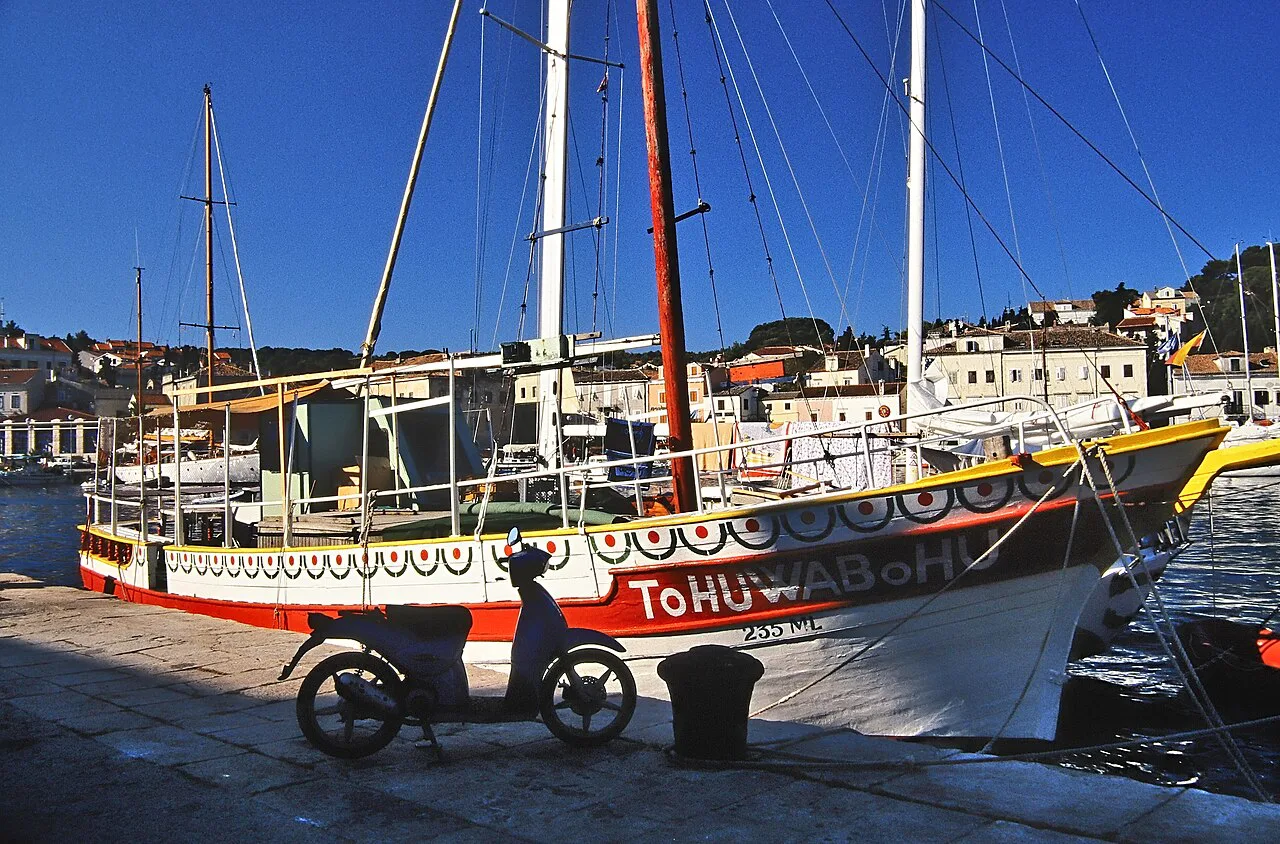
Mali Lošinj: the island's main town
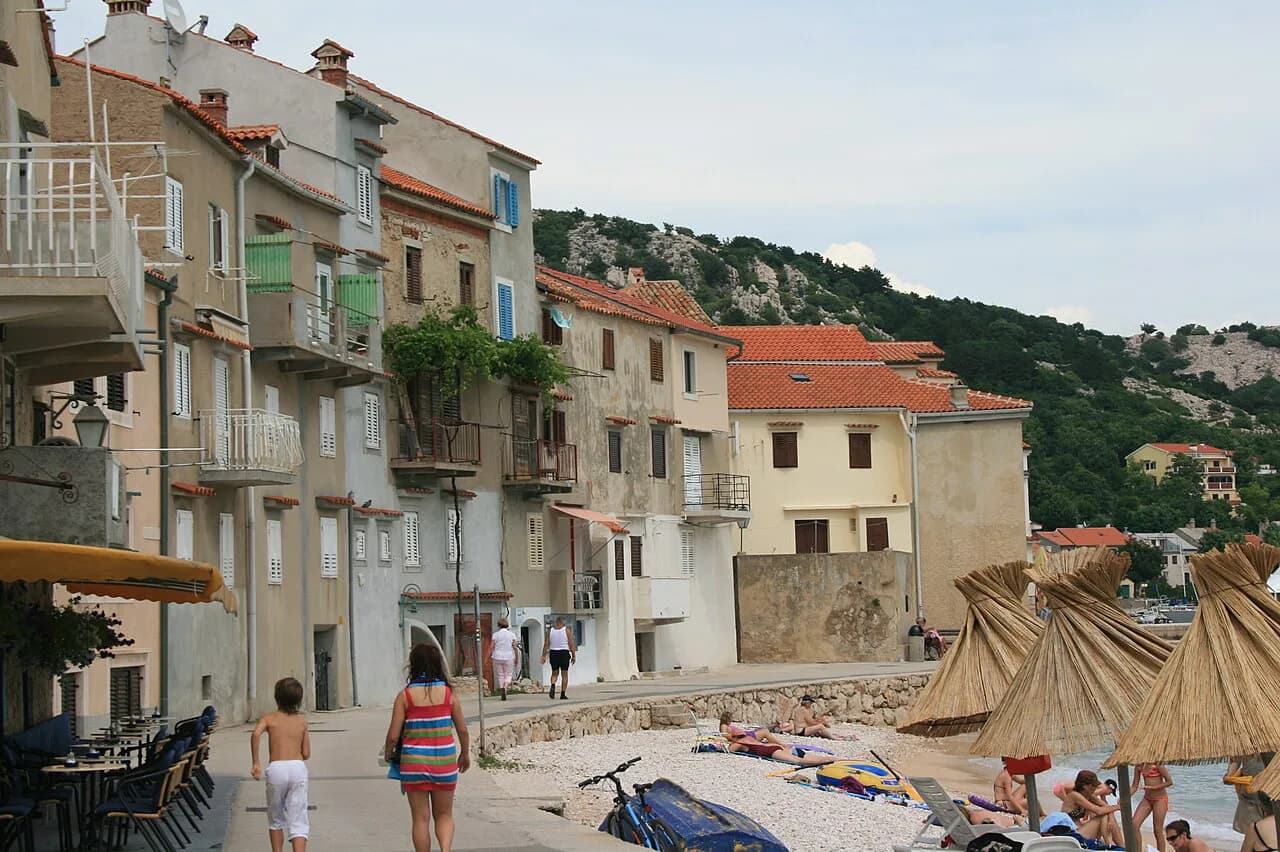
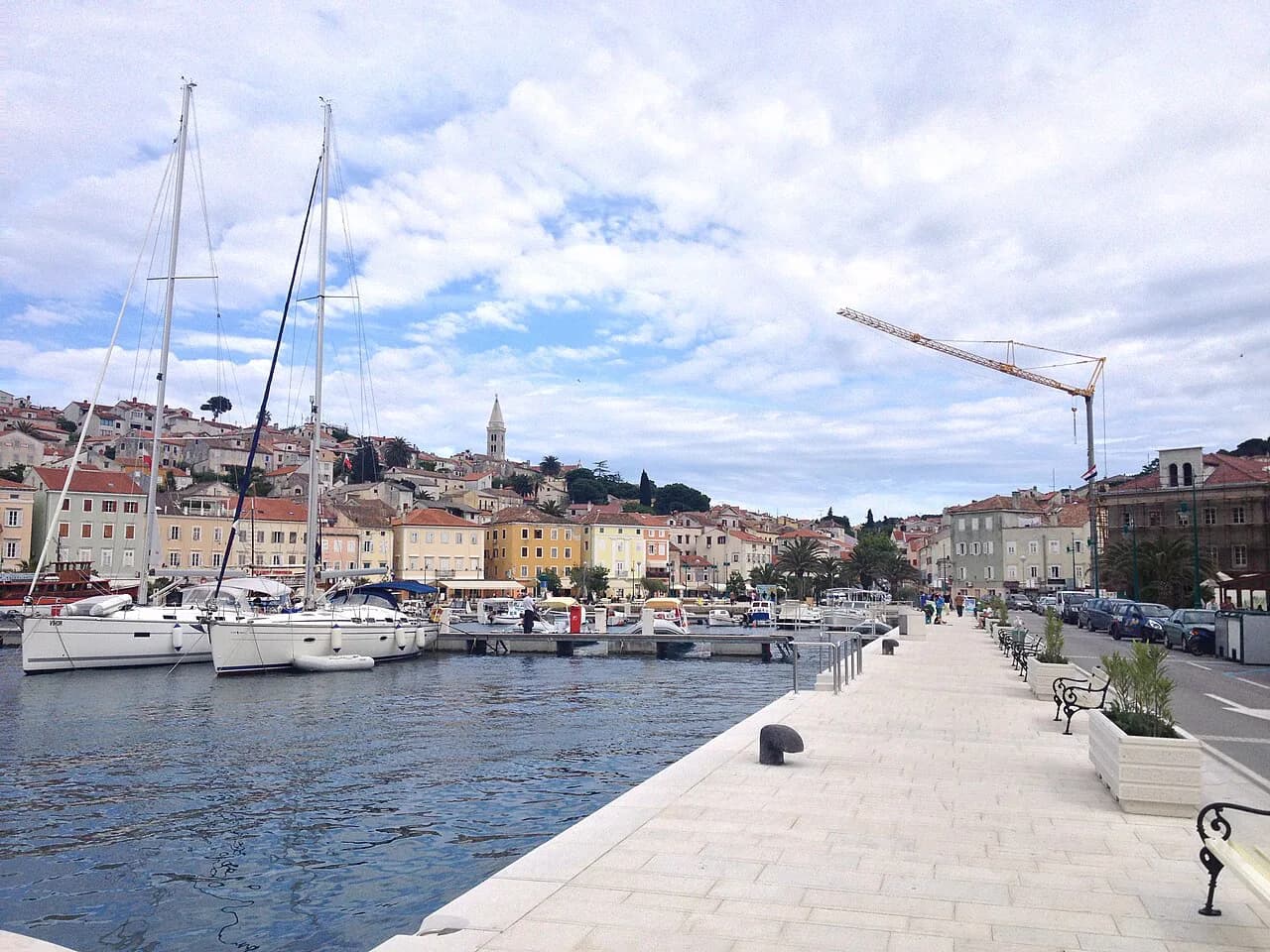
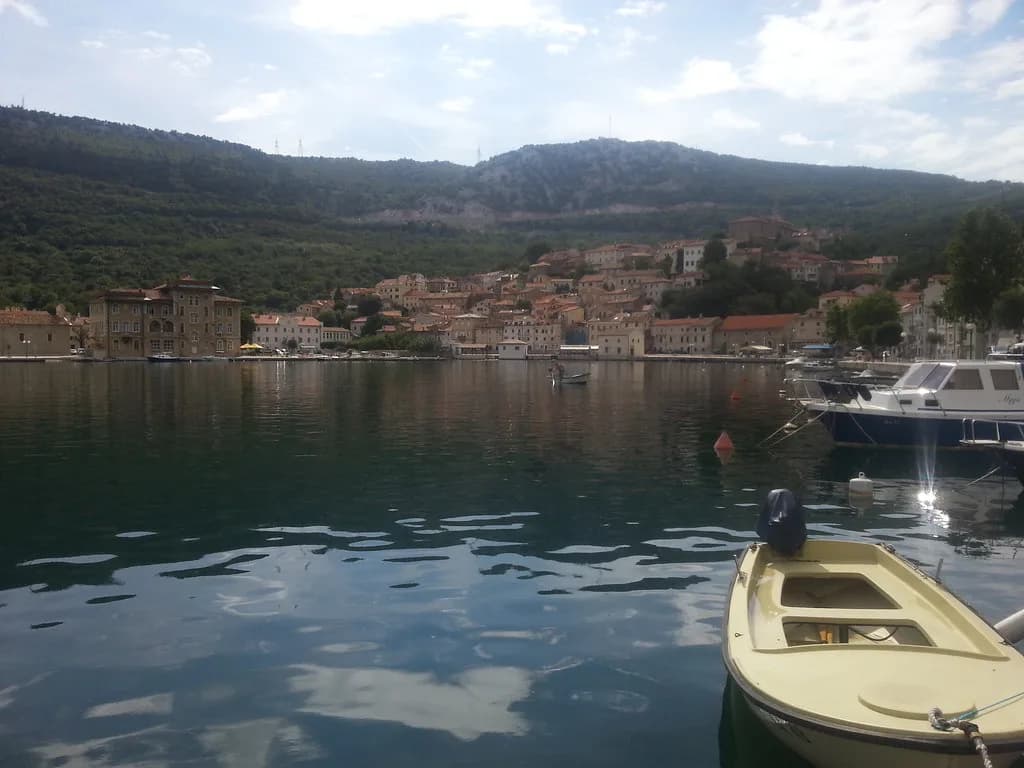
Mali Lošinj is the island's main town, built around a sheltered harbour lined with waterfront promenade, where boats moor and cafés face the water. This is where most travellers base themselves, because the town has the island's largest concentration of services. Give the harbour a leisurely walk rather than treating it as a quick pass-through.
The town spreads up the hillside behind the harbour, with stepped lanes and stone houses climbing away from the water. That gradient shapes your choice of base: a place near the waterfront puts much of the centre within reach on foot, while accommodation higher up means a climb back at the end of the day. The tourist board's site lists the town's attractions and excursions as starting points for planning.
Mali Lošinj is also the practical hub for the archipelago, and the tourist board lists excursions among the island's activities. If your priority is getting out on the sea rather than staying in town, this is the place to arrange it. Allow at least a full morning or afternoon for the harbour itself, plus whatever boat trip you add.
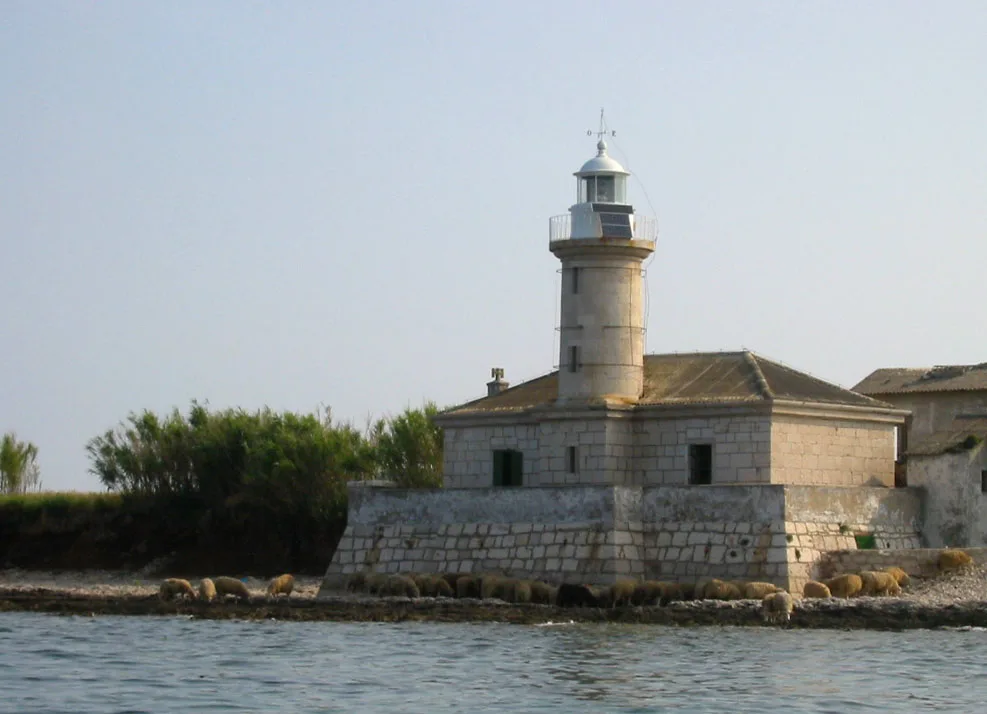
Veli Lošinj and the smaller settlements
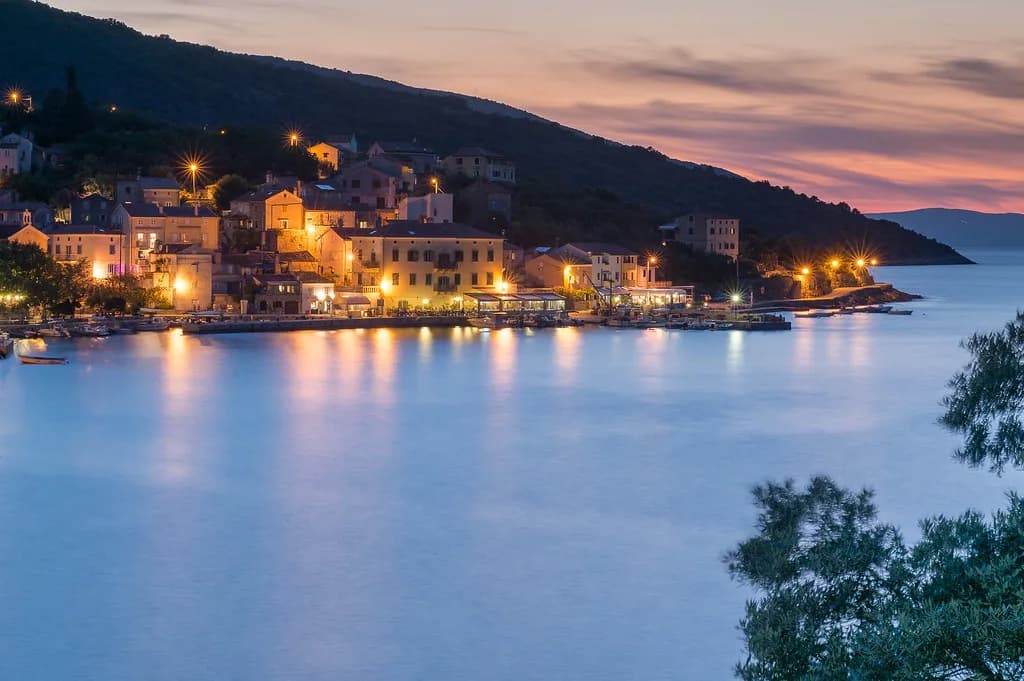
Veli Lošinj sits close to Mali Lošinj, a smaller harbour village with a tighter, quieter feel. The two work well in the same day, and many travellers walk or cycle the coastal path between them rather than driving. If you want a base away from the main port, Veli Lošinj trades convenience for calm.
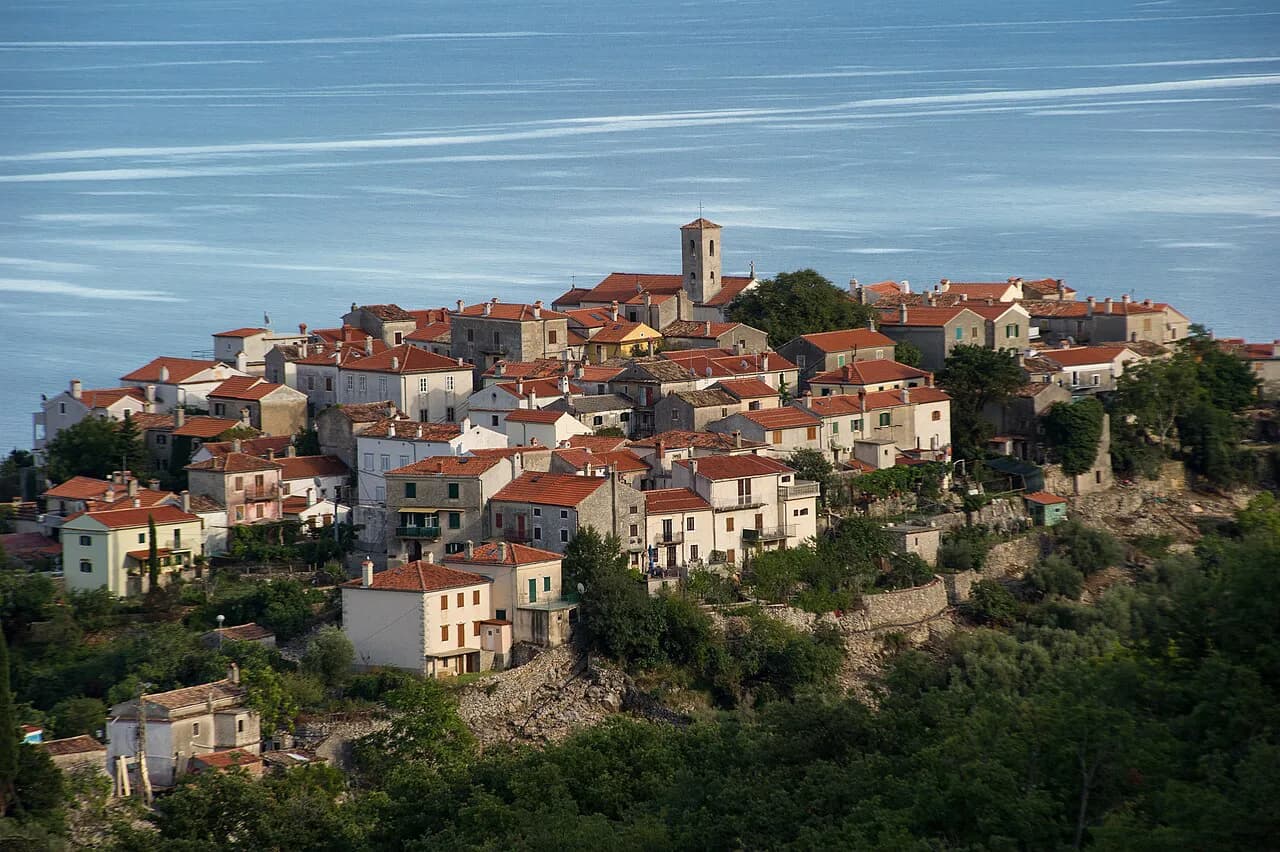
Beyond the two main towns, Lošinj's settlements are small and strung along the coast and interior. The island is known for its pine woods and its reputation as an island of vitality, with the tourist board building its branding around clean air, walking and outdoor activity. That character suits travellers who want a slow, outdoorsy stay rather than a busy resort.
The Apoxyomenos and the island's heritage
The island's standout cultural sight is the Apoxyomenos, a bronze statue of an athlete recovered from the seabed near Lošinj. It is the reason many travellers give the island more than a passing visit. Confirm the current display arrangements and opening times before you build a day around it.
Beyond the Apoxyomenos, Lošinj's heritage sights are modest in scale and best treated as a half-day option rather than the main event. Opening months and ticket prices can vary by season, so confirm them with the museum or the tourist board before travelling rather than relying on a guidebook.
Dolphins, the sea and boat trips
Lošinj is known for its dolphins, and the surrounding waters are part of what brings boat traffic to the island. Any wildlife trip is a few hours on the water with a chance of a sighting rather than a certainty, so treat it that way. Ask the tourist board or local operators what is running during your stay.
The Lošinj archipelago includes a scatter of small islands close to the main island, which is what makes the boat-trip scene here more interesting than a single coastline. Excursion boats use these islands as their draw. If you have limited time, one half-day boat trip gives you a better sense of the archipelago than staying ashore.
How to get to Lošinj: ferry and catamaran routes
Lošinj has no airport, so the realistic arrival is a flight to Rijeka or to Krk, then a transfer to the port for a ferry or catamaran. Steppes Travel describes exactly this pattern: fly to Rijeka or Krk, transfer to the port, and cross by ferry or catamaran. Build the transfer into your day; the flight, the road transfer and the crossing together take more of the day than the flight time alone suggests.
Ferries and catamarans are run by Croatian operators, with timetables that vary through the year. Summer and shoulder-season schedules are not the same, so match sailing times and fares to your travel dates. Arriving by car is also possible via Cres, which avoids a second sea crossing.
If you fly into Krk, the road link to the mainland makes it a convenient gateway for both foot passengers and drivers; more on that is covered in the guide to Krk Island. From further south, the practical route is usually up the coast to Rijeka and across, rather than looking for a direct boat from Dalmatia, since Rijeka is the main gateway for this group of islands. Plan the crossing around the ferry rather than the flight where possible, because sailings are fewer outside summer.
Getting around the island
The two main towns, Mali Lošinj and Veli Lošinj, are close enough to link on foot or by bike along the coast, which covers most short-stay needs. For anywhere else on the island, a car, scooter or taxi is the realistic option, because the road network follows the length of the island rather than a compact centre. If you are relying on public transport, check what runs in your season before committing to a base outside the main town.
Cycling suits the island's scale better than walking if you want to cover ground, and the tourist board promotes hiking and biking among its outdoor activities. The trade-off is the hills and the summer heat, so plan rides for the morning. A car is still the easier choice for a family or for reaching remote coves with gear.
How long you need on Lošinj
Two nights is the minimum that makes the journey worthwhile: one full day for Mali Lošinj and the Apoxyomenos, and one for a boat trip or Veli Lošinj. Three nights lets you add a second excursion or a slow day on the water without rushing the crossings. A day trip from Krk or Cres is possible but leaves little margin if a sailing is delayed.
The island's length means you should decide early whether you want one base or two. Staying entirely in Mali Lošinj is simplest and covers the museums and excursions along with the main town, while splitting time with Veli Lošinj suits travellers who want a quieter second half. Moving between the two costs little time, so the decision is about atmosphere rather than distance.
When to go: summer crowds, the bura and the shoulder seasons
July and August bring the warmest sea and the fullest harbours, along with higher prices and busier excursion boats. June and September are the sweet spot for most travellers: warm enough for swimming, with more room on the waterfront and easier booking. The tourist board publishes events and seasonal openings that help you judge what is running in a given month.
The bura is a cold, gusty north-easterly wind that can blow down the Kvarner with little warning, and it affects exposed coastal walks and boat trips more than it affects the towns. Build flexibility into any day that depends on a crossing or an excursion, since wind can suspend sailings. Summer heat is the other constraint, so keep walking and cycling to the morning and evening.
Outside the summer season, some excursions and seasonal cafés close or run reduced hours, so a shoulder-season trip needs a looser plan. The island's walking and cycling routes remain the reliable draw when the water is too cold for swimming. Check opening dates before booking a spring or autumn stay around a specific sight.
What to skip or save for another trip
Lošinj is not the place for a packed sightseeing schedule: outside the Apoxyomenos and the two harbour towns, the appeal is the water, the trails and the slow pace. If you want Roman monuments, Venetian old towns and major museums, split your time with somewhere else in the region rather than trying to find them here.
Beaches are part of the island's offer but not its strongest card, and a dedicated beach-focused trip is better aimed at the southern Dalmatian islands. Treat swimming here as something you do from the rocks and coves near town rather than a destination in itself. Save the long beach days for another island and give Lošinj your walking shoes and boat time.
Should Lošinj be your Kvarner base?
Lošinj works best as a two- or three-night stay built around Mali Lošinj's harbour, the Apoxyomenos and one boat trip into the archipelago, with Veli Lošinj as a quieter second base or a day out. Book the ferry or catamaran before you book the flight, since sailings thin outside summer and the crossing shapes the whole journey.
If you want a busier island with more road access and easier logistics, look at Krk Island instead; if you want the slow, outdoorsy version of the Kvarner, Lošinj is the better fit. Decide which of those two you are, and the rest of the planning follows.
Explore more Kvarner guides
Sources
Notes from the Croatian coast
Optional updates when our guides change.
You might also like
Continue reading
More guides you'll find useful