Bakar, Croatia: The Terraced Old Town Above the Bay
Plan a short visit to Bakar in Croatia's Kvarner Gulf: the terraced old town above the bay and old port streets, with how long it needs and how it fits a coast trip.
On this page
Bakar rewards two to three hours, not two days: it is a compact old port town stacked in terraces above its bay, with an upper centre and harbour streets below. Come for the layout, the viewpoint and the sense of a working port town rather than a resort, then move on along the Kvarner coast. This guide covers where Bakar sits, how the climb through the town works, a short walking route, and how it compares with Krk, Crikvenica and Rijeka.
The honest trade-off is scale. Beyond the old centre there is little to hold a visitor for a full day, so Bakar works best as a stop folded into a wider journey rather than a base. Position it on the map first: it sits in Primorje-Gorski Kotar County at the head of the Bakar Bay, close to Rijeka and the road south towards Crikvenica.
Where Bakar sits in the Kvarner Gulf
Bakar lies at the inner end of the Bakar Bay, the deep inlet that cuts into the mainland just southeast of Rijeka, in Primorje-Gorski Kotar County. That position makes it a natural pause on the coastal run between Rijeka and the resorts further south rather than a destination in its own right. Rijeka is the region's transport hub, with buses along the coast and ferries out to the islands, so most travellers pass this way with a car or a bus ticket already in hand.
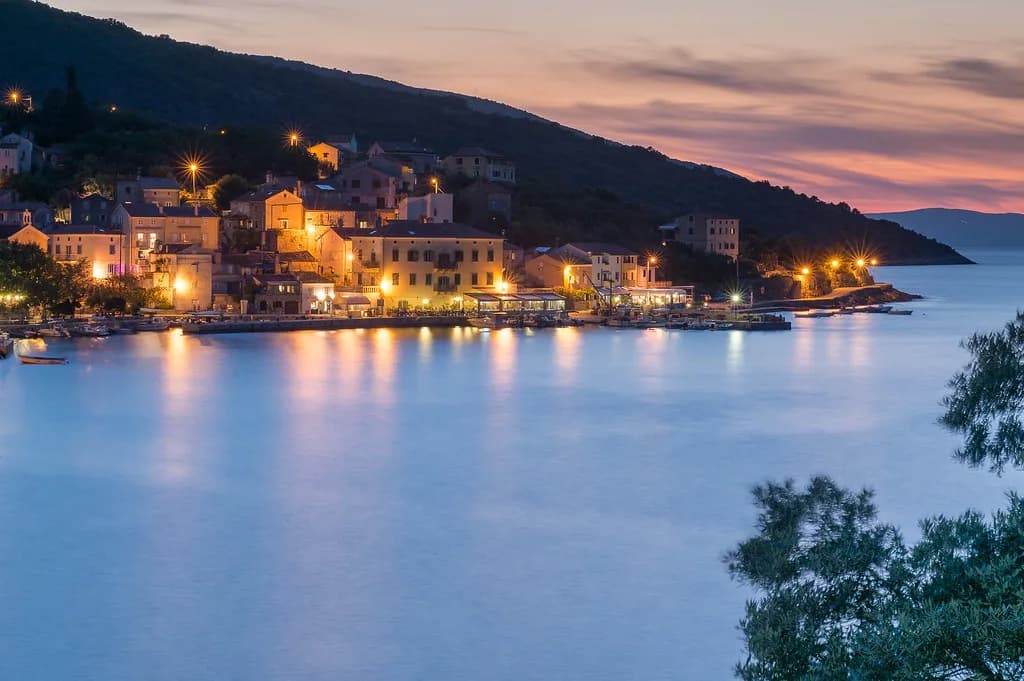
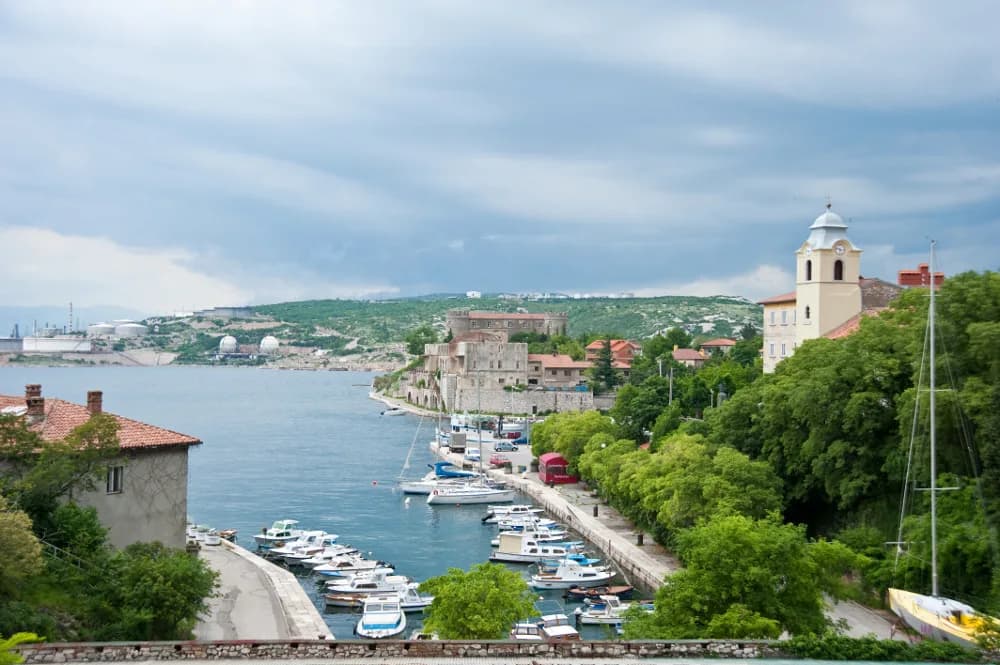
Bakar sits on a bay that carries working port activity, so treat that as context rather than a drawback, but do not expect a picture-postcard cove. If your trip is strung between Istria and Dalmatia, Bakar sits comfortably on the northern leg, an easy add-on to a night in Rijeka or a drive down to Krk.
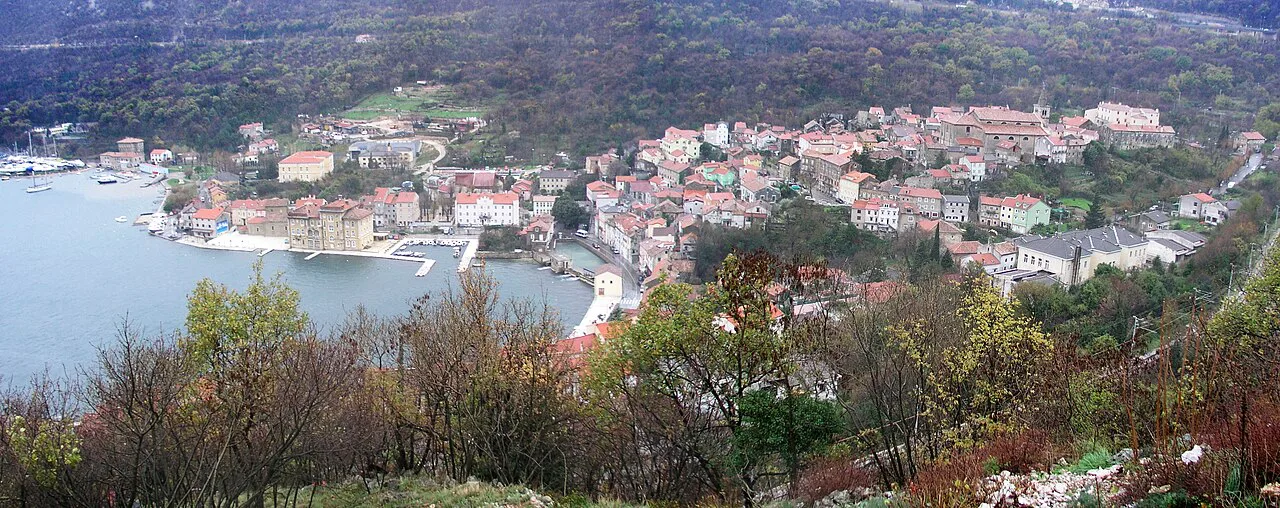
The layout: a terraced town that climbs
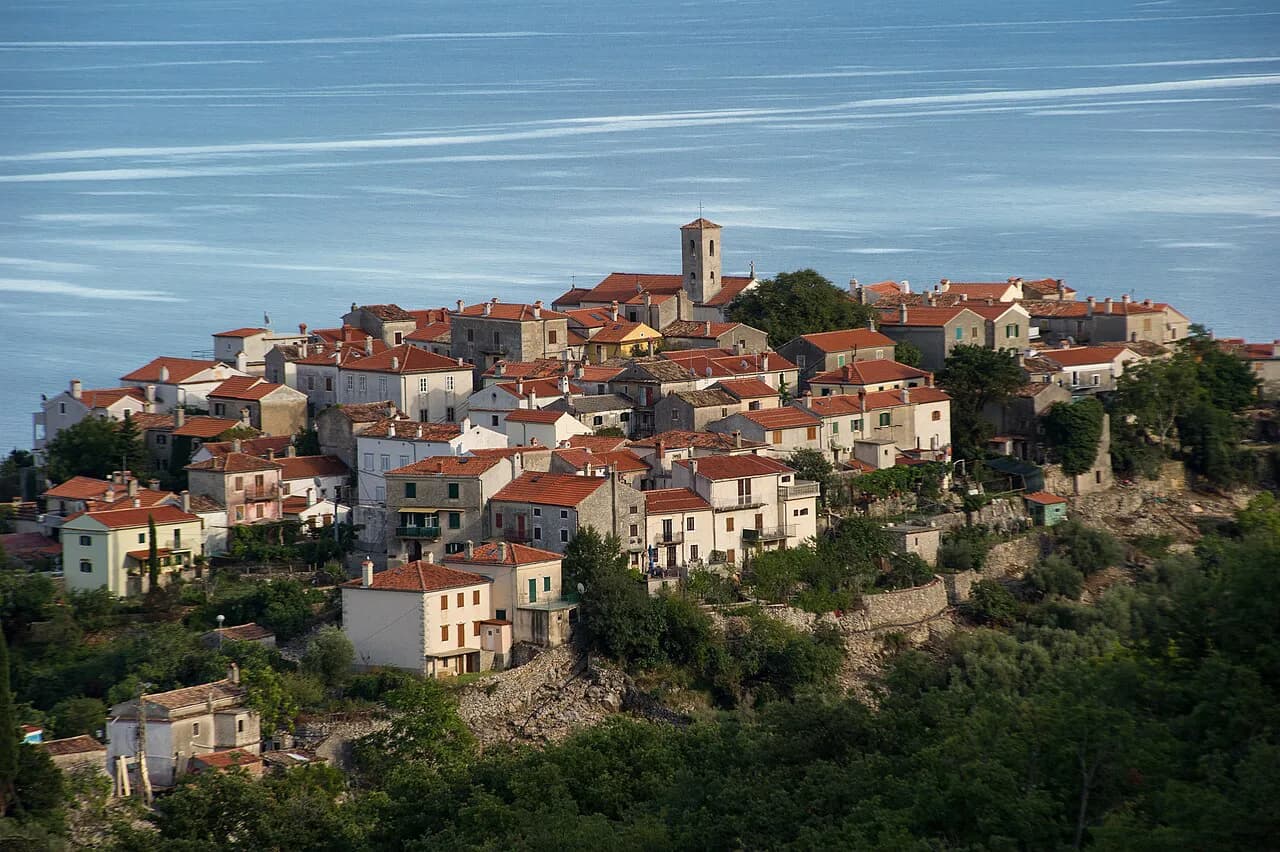
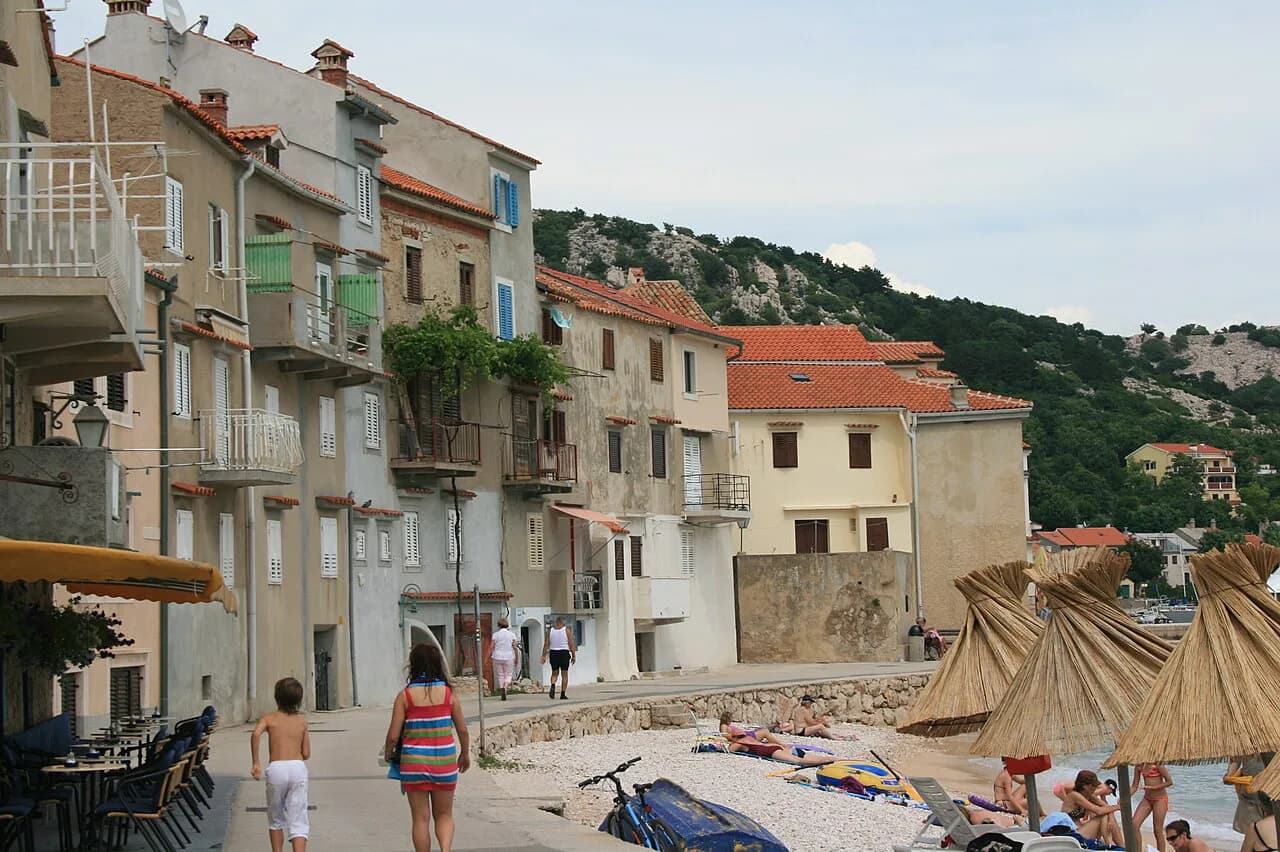
The defining fact about Bakar is its gradient. The historic centre rises in tiers above the harbour, so almost every walk between the waterfront and the upper town is uphill, often on steps and steep lanes. Plan your visit in one direction: climb first, look out from the top, then descend to the port streets at your own pace. Visit Bakar describes the town as an ancient port and one of the oldest in the Adriatic, which is the frame to keep in mind.
That shape explains why the town feels bigger than it is. Terraces fold into each other, so a short distance on the map becomes a slower walk with turns and staircases, and comfortable shoes matter more than a route plan. Allow for that in your timing: a climb of a few hundred metres of streets can take noticeably longer than the same distance on the flat.
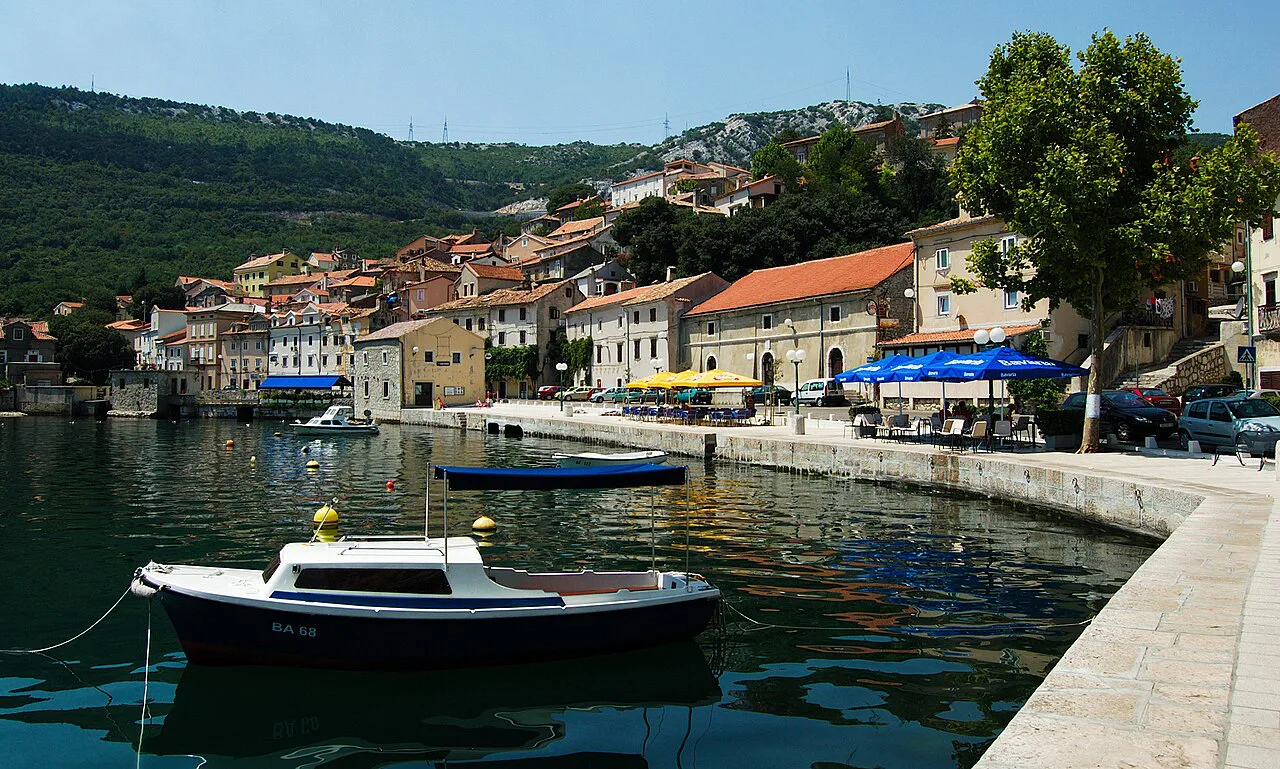
The old centre and the port streets
The upper town holds the historic core and the streets that grew up around the old port, while the harbour below keeps the everyday life of a small coastal town. The climb to the upper lanes gives the classic view back over the bay and the rooftops, and it anchors the walk through the town.
Bakar's identity as an old Adriatic port is the thread to follow through the centre; the waterfront and the lanes behind it carry that history more clearly than any single sight. Read the town as a whole rather than ticking off buildings, because the pleasure here is the arrangement of streets, walls and views.
A short walking route through the upper town to the harbour
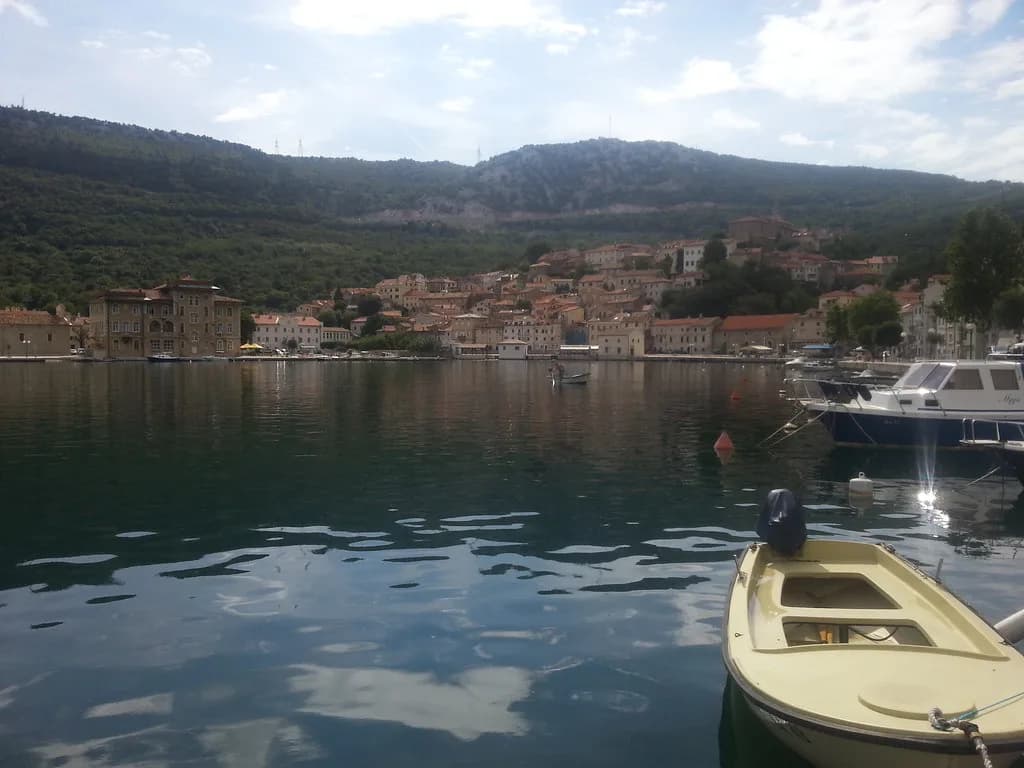
Start high and work down. Enter the upper town, take the lanes through the historic core to the highest point for the bay view, then follow the terraces down towards the waterfront, letting the staircases dictate the route rather than forcing a straight line. Finish at the harbour, where the port streets give you the contrast between the town above and the working water below.
Keep the route loose. Bakar's charm is in the turns and the sudden outlooks over the bay, and a fixed itinerary of named stops would oversell a town this small. Two to three hours covers the climb, the castle viewpoint and a wander along the harbour streets without rushing.
When Bakar works as a half-day from Rijeka or Krk
Bakar fits most naturally as a half-day from Rijeka, which sits close by and serves as the region's base for buses and island ferries, or as a detour on the coastal run towards the islands. Krk is the most accessible of the Kvarner islands, joined to the mainland by a road bridge about half an hour's drive from Rijeka, while the islands farther out — Lošinj, Rab and Cres — are reached by ferry.
Do not build a holiday around Bakar. A full day here would stretch thin, while a morning or late afternoon gives you the climb, the view and a coffee at the harbour at an unhurried pace. If you want beaches and long swims, base yourself elsewhere and visit Bakar as a change of scene.
Getting there and onward links
Bakar's access runs through Rijeka, the hub of the Kvarner transport system, with coastal buses linking the mainland towns and ferries heading out to the islands. Coming by car gives you the most flexibility, because the bay-side roads make an onward hop up to the bridge-linked island of Krk straightforward.
For the islands further out, Lošinj and Cres are reached by ferry rather than bridge, with private catamarans also serving Lošinj and Rab in season. Island services and their seasonal timetables are best checked against the current Jadrolinija sailing schedules before you commit a day to them, since sailings change with the season.
When to go, and what the bura does to a visit
Late May to late September is the reliable window for warm weather, sailing and swimming in the Kvarner Gulf, with late May to June and the second half of September offering the same sunshine with fewer people. High summer is the busiest stretch, when the coast fills and the ferries run heaviest.
The bura is the wind to plan around. This fierce northeasterly blows down from the Velebit range and has shaped the bare look of islands such as Rab and Pag, and when it is blowing, exposed terraces and waterfronts are uncomfortable places to linger. On a bura day, keep to the sheltered lanes of the upper town and save the harbour walk for a calmer hour.
Bakar, Crikvenica or Krk: choosing a short stop
Krk suits travellers who want a full island day, with a historic town, Romanesque churches and easy access by bridge from the mainland. The Opatija riviera works better for seaside resort time, with its Belle Époque villas and long promenades, while Bakar is the choice for a short, steep, terraced old town with a bay view and no beach agenda.
If you have one free half-day in the region, pick according to appetite: Bakar for architecture and a climb, Krk for island variety, Rijeka for city life and onward ferries. Bakar is the smallest of the three and the one that most rewards a deliberate, short visit rather than a full day out.
Lošinj and its dolphins: a separate side trip
If marine life is the draw, look south to Lošinj, where bottlenose dolphins live in the waters around the island and a local marine centre runs eco-friendly excursions. That is a separate trip from Bakar, planned around the Lošinj archipelago rather than the Bakar Bay.
Lošinj styles itself the Island of Vitality, with pine forests, herb-scented trails and a mild climate, and excursions and outdoor activities are listed through the island's tourist board. Dolphin watching belongs in a Lošinj itinerary, not a Bakar stop, so give it its own day and its own base.
Is Bakar worth the detour?
Yes, if you set your expectations at a half-day. Bakar gives you a terraced old port town, a castle viewpoint over the bay and harbour streets that feel lived-in rather than staged, all within a short hop of Rijeka and the road to Krk. Pair it with a night in Rijeka or a day on Krk and it earns its place on a Kvarner itinerary.
Build the visit around the climb: upper town first, the viewpoint second, harbour last, and leave room for the bura to change your plan. Check seasonal ferry and catamaran sailings before you tie Bakar to an island day.
Explore more Kvarner guides
Sources
Notes from the Croatian coast
Optional updates when our guides change.
You might also like
Continue reading
More guides you'll find useful