Lovran, Croatia: Old Town, Villas and the Lungomare
Lovran is a small Kvarner town on the slopes of Mount Učka with a medieval core and a seafront Lungomare. Here is how it is laid out and how long it needs.
On this page
Lovran needs half a day: enough for the old centre, a stretch of the Lungomare, with Mount Učka above as the reason to stay longer. The town sits on the slopes of the Učka mountain on the Kvarner coast, and it has a long history of tourism, with the courtyards of the old town the draw. This guide covers how the town fits together, a short route through the centre, how long to allow, and how Lovran slots into a wider Kvarner trip with Opatija and Rijeka.
Where Lovran sits on the Kvarner coast
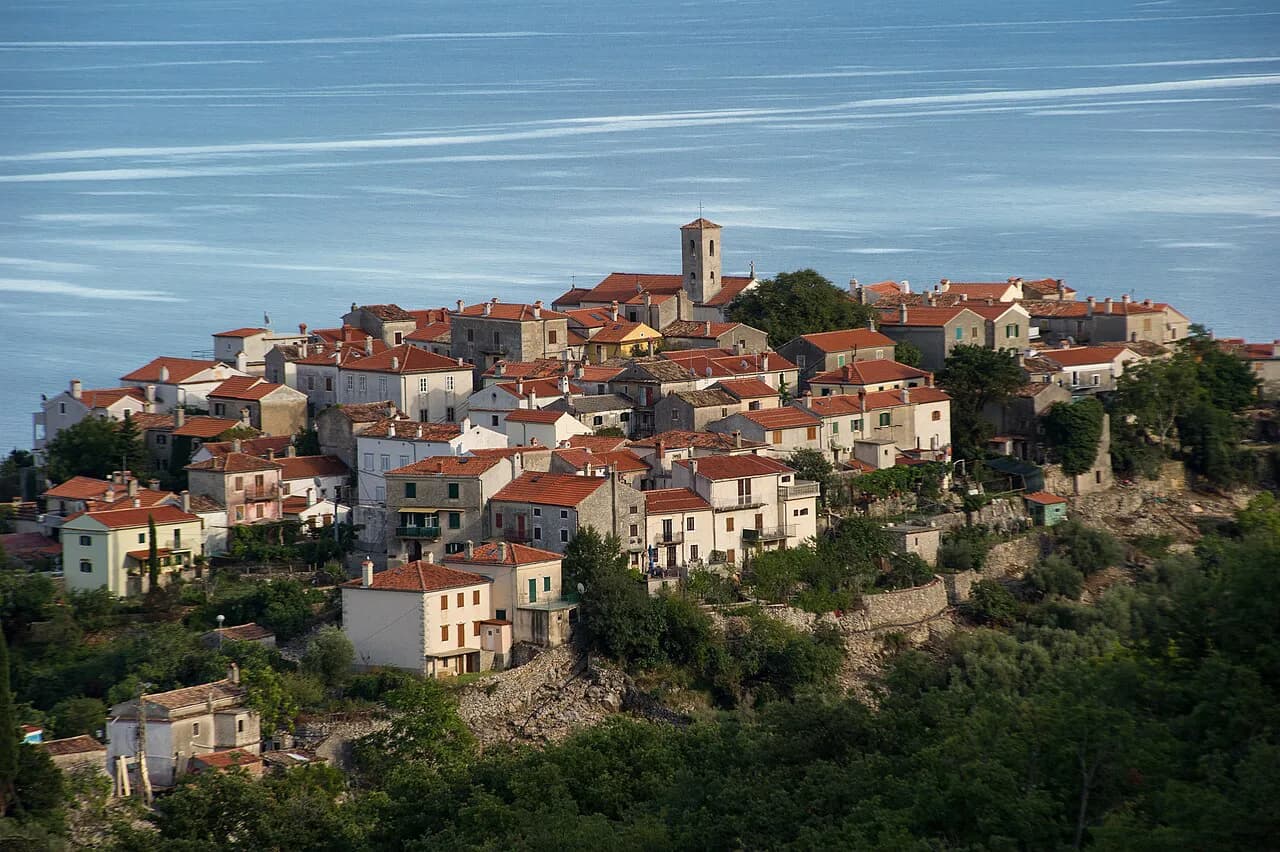
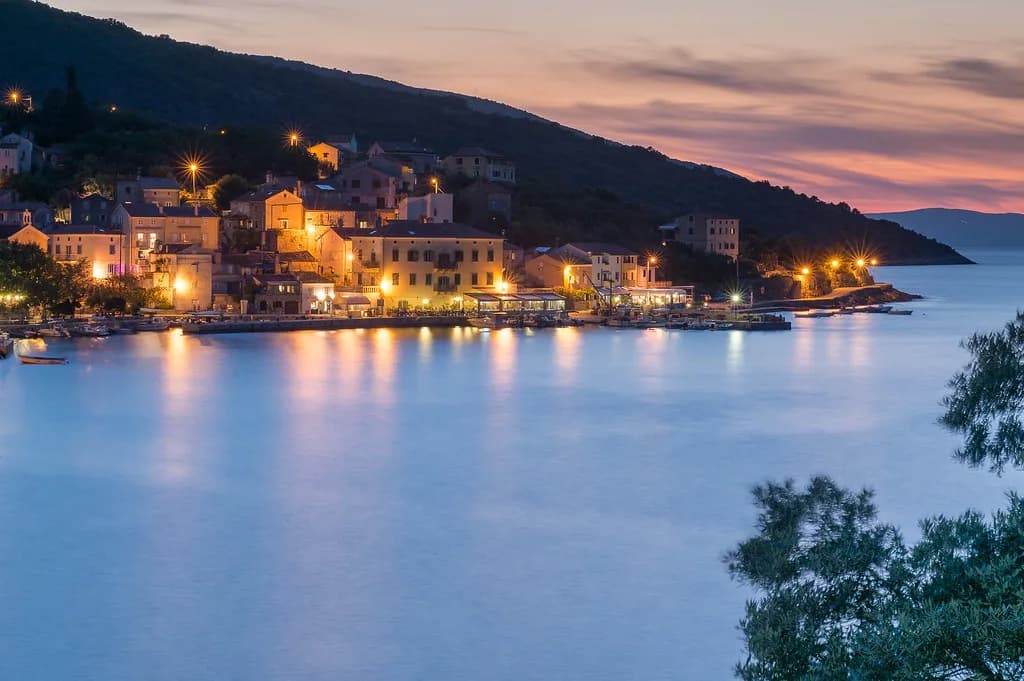
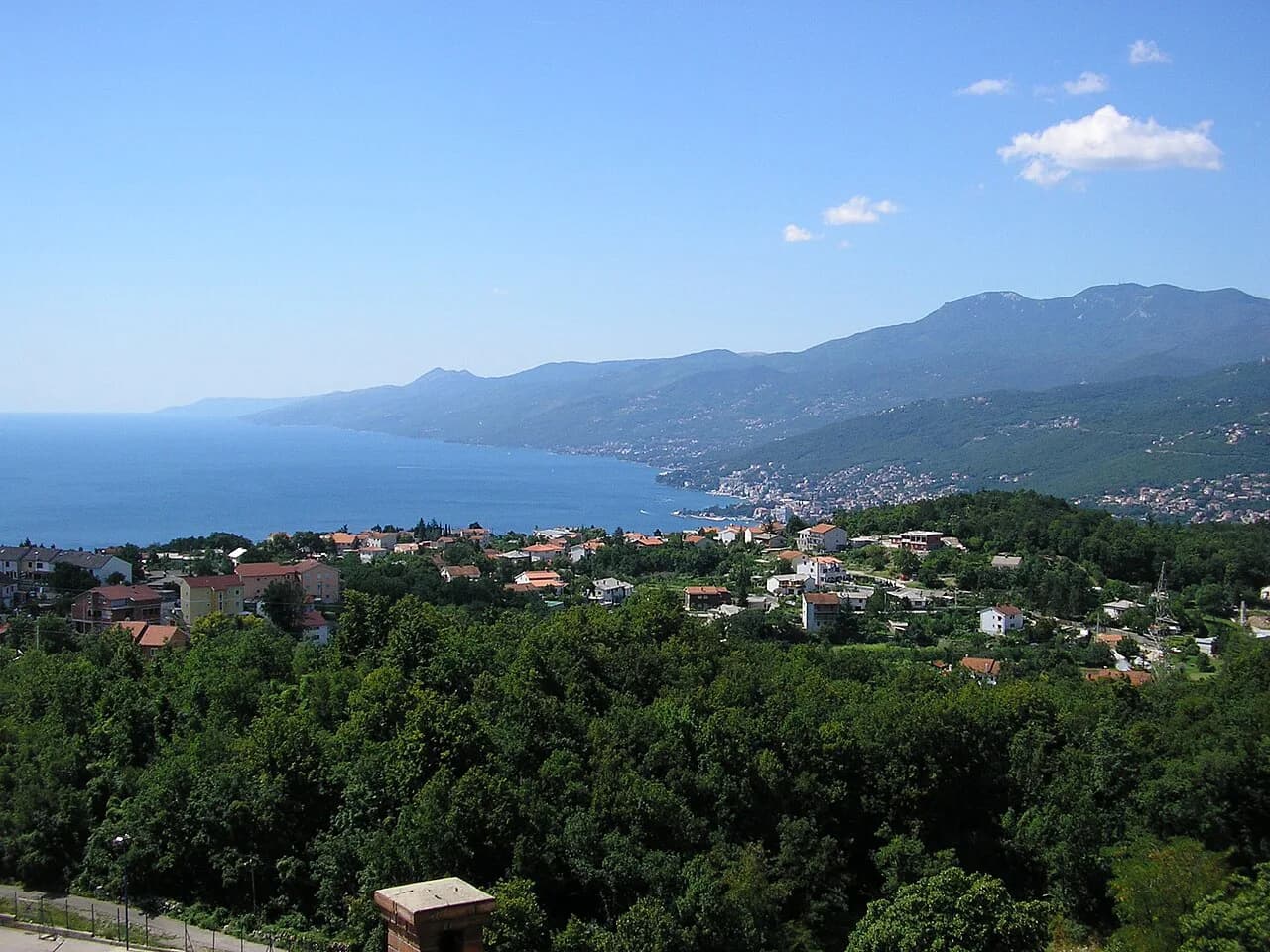
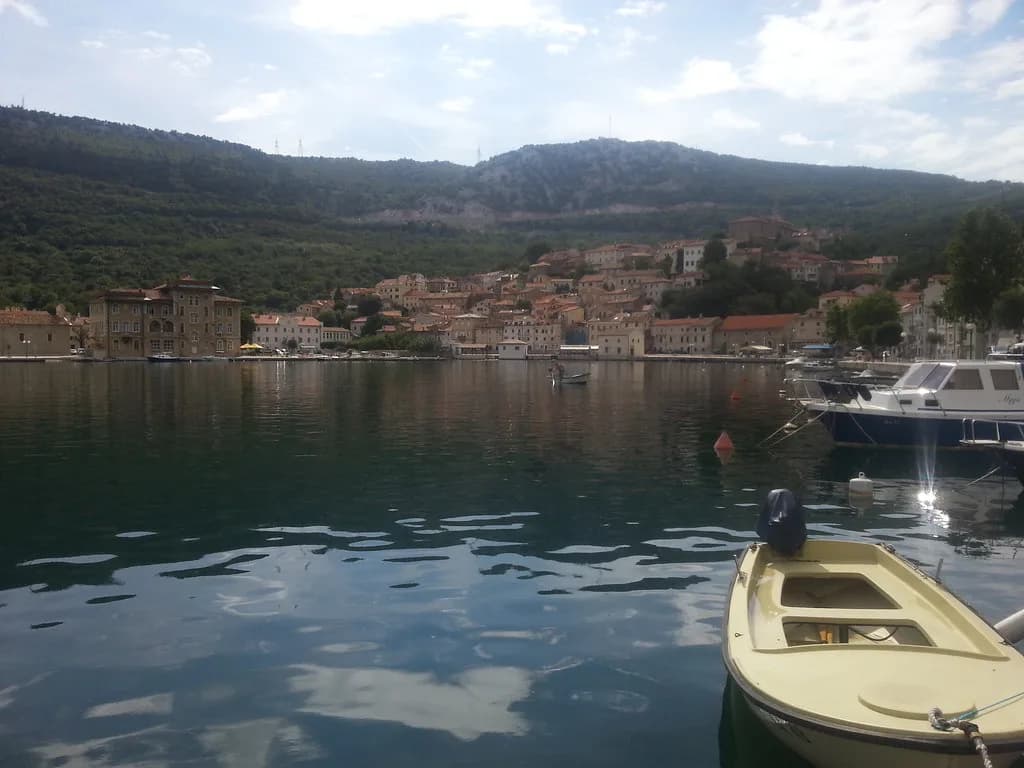
Lovran sits on the slopes of the Učka mountain on the Kvarner coast, above the water rather than on it, so the historic core and the seafront are at two different levels. Reach the seafront by walking down from the centre. Treat Opatija as the nearest larger resort neighbour and Rijeka as the regional city for onward transport and the wider Kvarner picture.
Lovran sits on the slopes of the Učka mountain, which is the single most useful fact for planning a day here: the town is built into the hillside, so you are generally either climbing or descending.
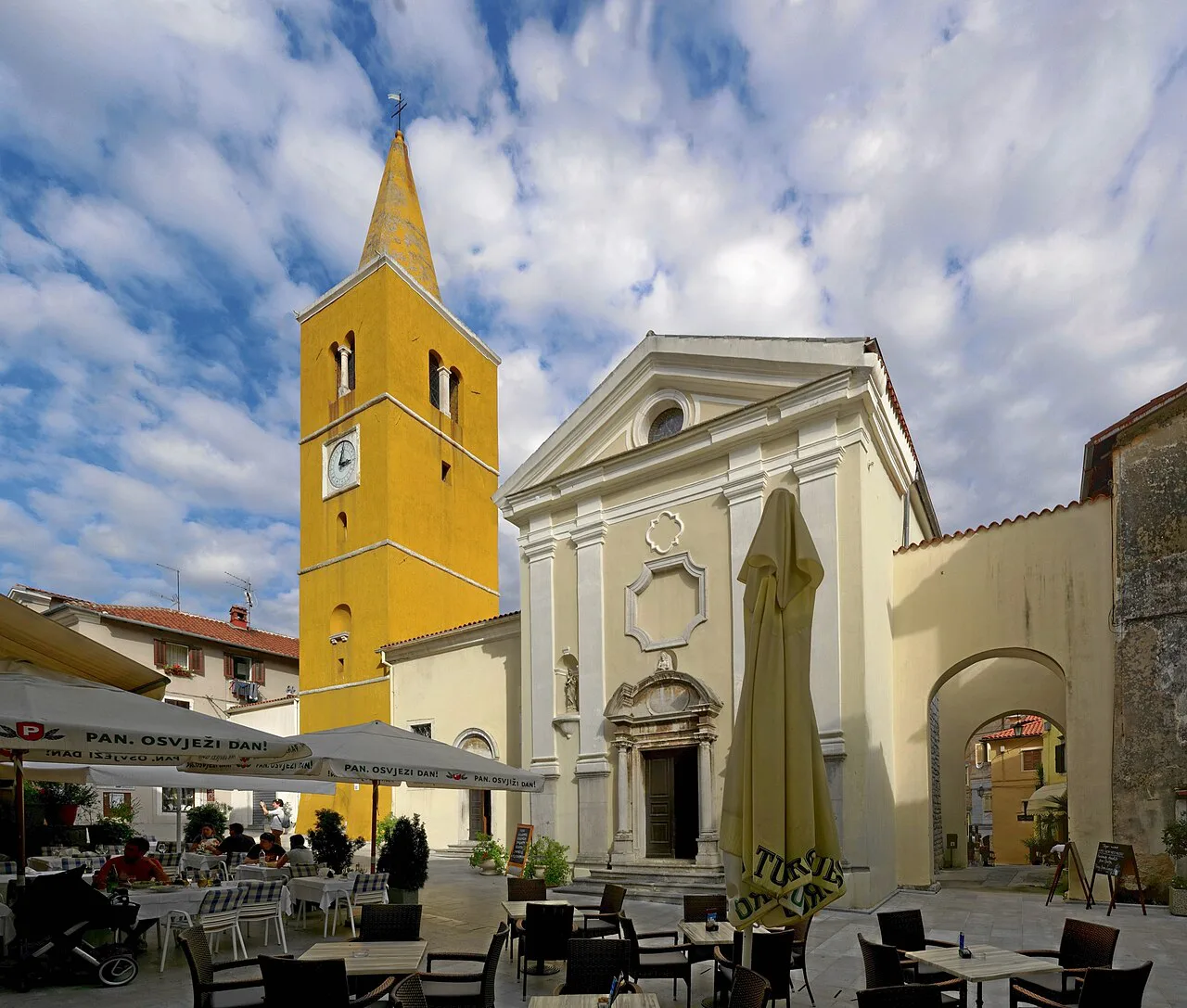
The old centre: courtyards and lanes
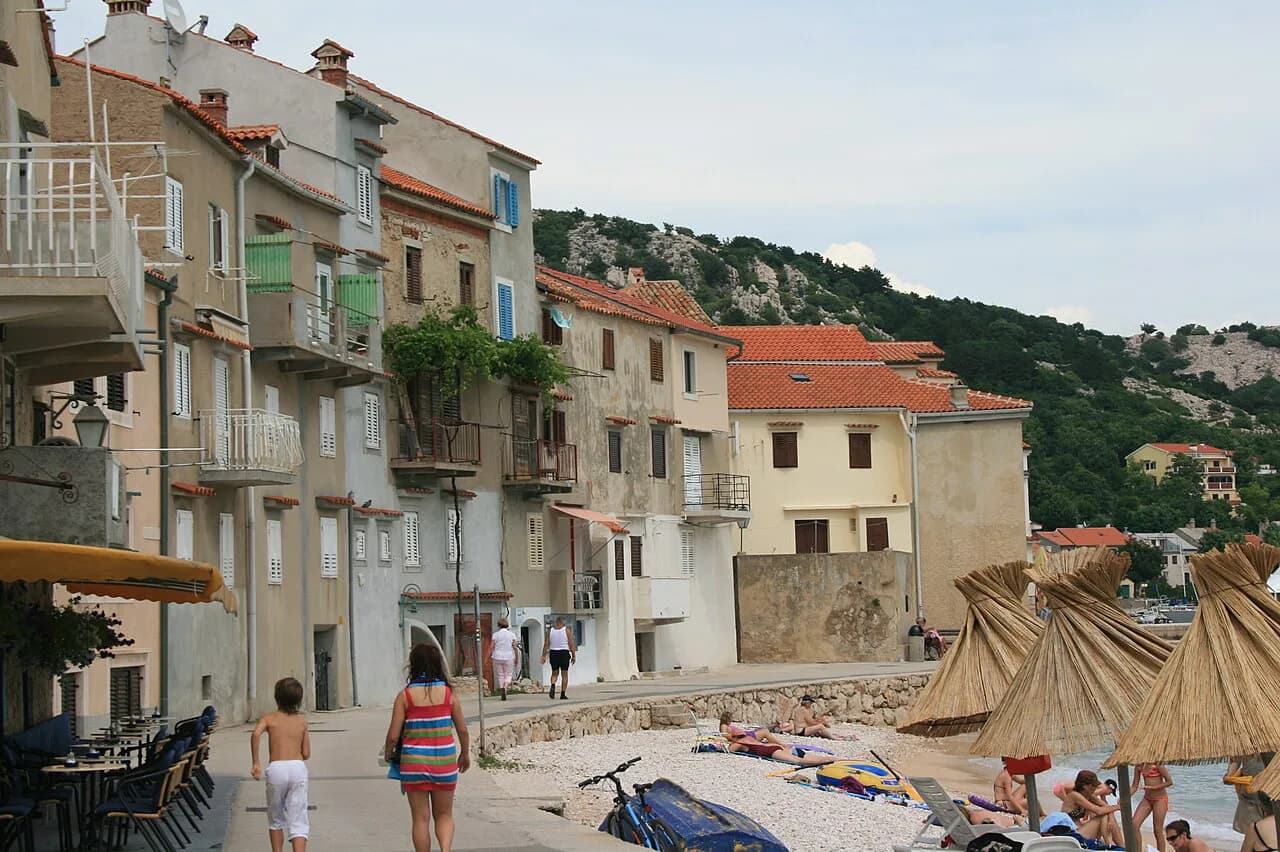
The centre is small and best taken slowly: stone lanes, tight passages and enclosed courtyards rather than a single grand square. The courtyards of the old town are the draw, so plan to look up and sideways rather than march along one main street. Give the core 45 minutes to an hour on foot, longer if you stop.
Because the town is built on a slope, expect short flights of steps and terraces between the lanes, and views back over the roofs. Wear shoes you can walk up and down in.
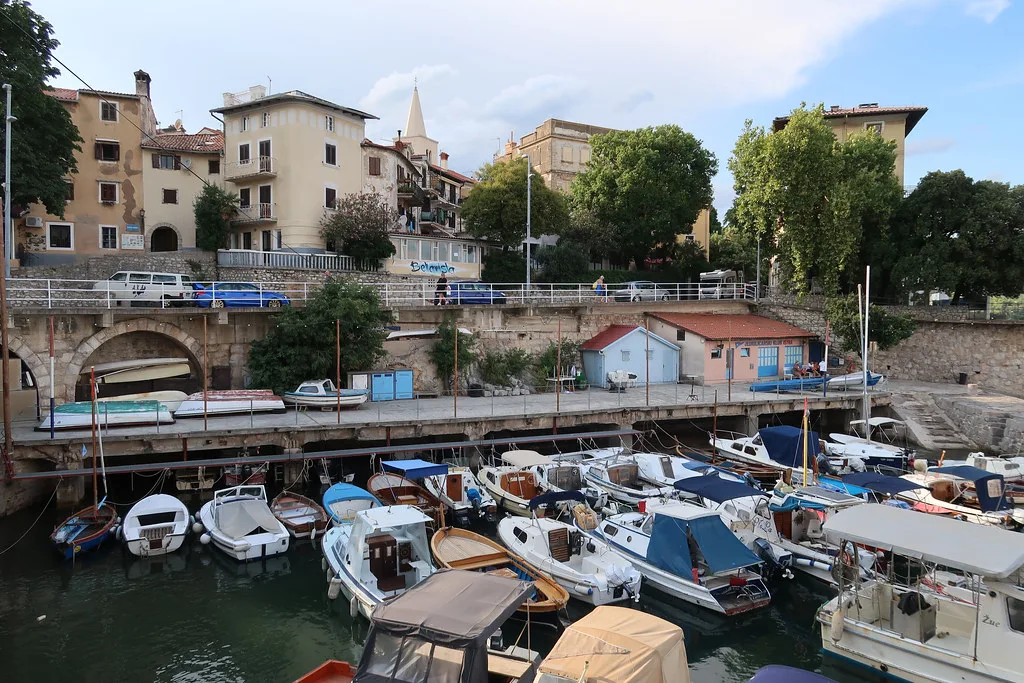
St George's church and the town's sights
St George's church is the natural anchor for a walk through the centre. Approach it from the upper lanes first, then work downhill towards the water. Lovran's sightseeing is concentrated: you will not need a long list to tick off, just time in the core and the promenade below.
The wider Adriatic context is Venetian as much as Croatian: Venetian influence shaped Istria's churches, defensive walls and townhouses. That broader setting is worth knowing when you look at façades along the Kvarner coast too, though the Venetian imprint is documented most clearly in Istria.
Villas and a long tourism history
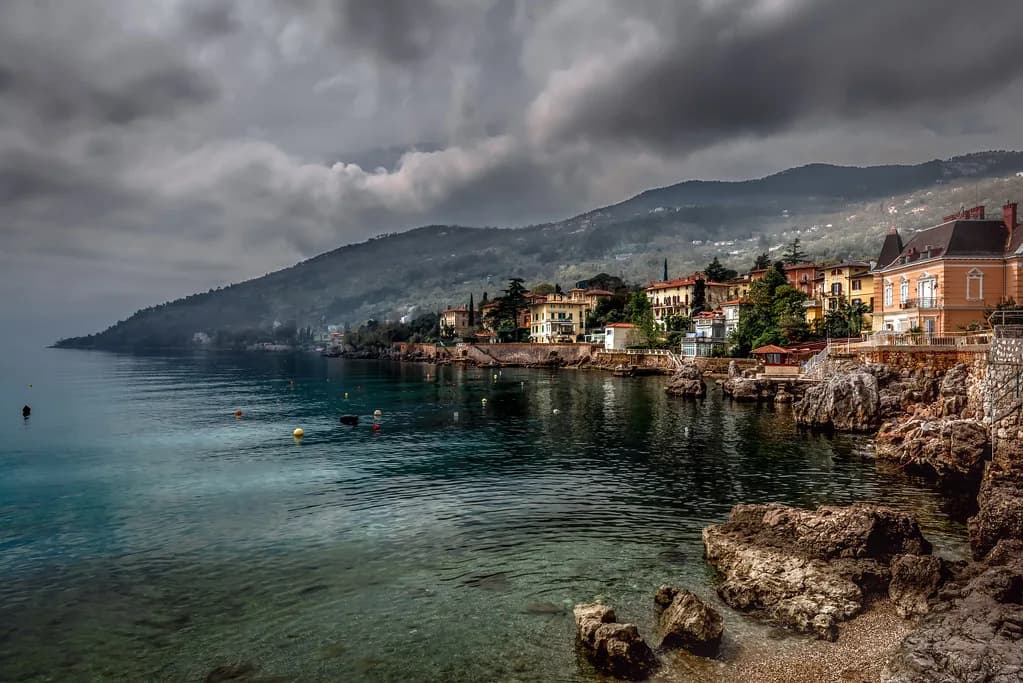
Lovran has a long history of tourism, and its architecture carries it: houses set along the slope with gardens and shuttered windows. Read the town as a resort that grew into a small seaside place, with the upper streets above and the promenade below.
The style along the Opatija riviera is recognisably Austro-Hungarian, with Italianate touches arriving by sea from Venice. Walk the upper streets first, then take the promenade for the seafront face of the same period. Neither half is a museum piece; both are lived-in streets.
The Lungomare: the waterfront promenade
The promenade is the second half of any visit to Lovran. Use it as a linear walk rather than a loop: head along the water in one direction, then climb back into town by a different lane. Take a slow pace, and expect the heaviest footfall in summer.
Riva, the Croatian word for a waterfront promenade, is the right way to think about it: a place for an evening pass rather than a sight in itself. The promenade is also how you link Lovran to Opatija and the rest of the riviera, which is covered in the wider Kvarner guide.
A short walking route through the town
Start in the old centre, work through the courtyards and lanes to St George's church, then descend by any lane heading seaward until you meet the Lungomare. Walk a stretch of the promenade, then climb back through the villas streets to where you began. That circuit gives you the medieval core, the church, the villa quarter and the water in about two hours at an unhurried pace.
Do the route in that order because the descent is easier than the climb, and the light on the seafront improves later in the day. If you only have an hour, cut the villa streets and go straight from the church down to the promenade.
Mount Učka and Učka Nature Park above the town
Mount Učka rises directly above Lovran and is the inland half of a visit. In the east of the Istrian peninsula, the Učka Nature Park is presided over by the mountain, with views over chestnut forests, waterfalls and ancient terraced gardens. Plan a separate block of time for it: it is a half-day or more, not an add-on to the town walk.
The mountain above also shapes conditions in town. On a windy day, keep to the lanes of the old centre and leave higher ground for calmer weather. The Kvarner guide covers how the coast fits together, including the islands of Krk, Cres and Lošinj.
How long Lovran needs
Half a day is the honest verdict for Lovran itself: two hours for the centre, church, villas and a stretch of Lungomare, plus time to sit down. A single night turns it into a base, adding a morning on Mount Učka or a full promenade walk towards Opatija. Two nights suits travellers who want the Kvarner coast without moving hotels every day.
The trade-off is between depth and coverage. If your priority is Učka and the views, stay a night and give the mountain a clear half-day; if you are working along the coast, an afternoon in the old centre is a fair share of a day. Croatia has used the euro since 2023, so any café bill on the promenade is in euros, and the price is simply what the till shows.
Lovran in a Kvarner coast trip
Lovran slots naturally between Opatija and Rijeka: Opatija for the grander riviera architecture and Rijeka for the city, ferries and onward transport. Use Lovran as the quiet stop in the middle rather than a destination in its own right. The Kvarner: a guide to Rijeka, the Opatija riviera and the islands of Krk, Cres, Lošinj and Rab covers how the coast fits together and where the boats go next.
Going further afield, Istria is the neighbouring peninsula with Rovinj, Pula's Roman amphitheatre and Brijuni National Park, reached by crossing the Učka range rather than following the coast. Those are separate trips, not Lovran excursions. Treat them as the next leg of a longer Adriatic route, and see our Istria guide for where to stay and how long to allow once you are there.
Bura wind and summer crowds
Two things change the experience here: wind and summer crowds. A cold, gusty north-easterly can make an exposed promenade unpleasant; when it blows, the old centre's lanes are the shelter. Summer brings the heaviest footfall to the promenade, so walk it early or late rather than at midday.
Shoulder seasons give the best balance: warm enough for the promenade, quiet enough to enjoy the courtyards. Check conditions before travelling. Beaches along the Istrian coast are pebbly and rocky; swim if that suits you, but the town itself is the reason to come.
Is Lovran worth a stop on the Kvarner coast?
Yes, if you want a compact, unhurried town with a medieval core, a villa-lined slope and a promenade at the water. No, if you are collecting big sights: Lovran is small, and its pleasure is the walk between the two levels rather than any single monument.
Book it as a half-day between Opatija and Rijeka, or as a night or two if Učka is on your list. Check current timetables for buses and any park arrangements before you travel, then build the day around the centre first and the seafront second.
Explore more Kvarner guides
Frequently Asked Questions
Is Lovran the prettiest place in Croatia?
No single town can carry that title, and Lovran does not try to. It is a small, elegant resort with a medieval core and villas on the slope, and its appeal is the courtyards of the old centre and the walk down to the Lungomare. Croatia's headline places are elsewhere; Lovran is the quiet stop.
Can you walk from Lovran old town to the seafront?
Yes, the two levels are connected by lanes and steps through the town, so the descent to the Lungomare is part of the visit. Allow roughly two hours for a circuit that covers the courtyards, St George's church, the villa streets and a stretch of promenade, more if you stop for coffee.
Sources
Notes from the Croatian coast
Optional updates when our guides change.
You might also like
Continue reading
More guides you'll find useful