Lungomare Opatija: Walking the Coastal Promenade
Plan the Lungomare in Opatija: the seafront route linking Volosko and Lovran, how the sections break down, what you pass and when to walk it.
On this page
The Lungomare is a continuous seafront promenade along Kvarner Bay that links Volosko, Opatija, Ičići, Ika and Lovran, and it is the single best thing to do in Opatija. You can walk a stretch through the town centre or commit to the whole line; the choice matters, because this is a linear route with no loop back to your start.
This guide treats the promenade as a route rather than a monument: which end is which, how the named sections differ in character, what you pass on the central stretch, and how summer heat and the exposed sea front change the plan. It also separates the walkway from the Hotel Lungomare, a town-centre hotel whose name pulls it into the same search results.
What the Lungomare is
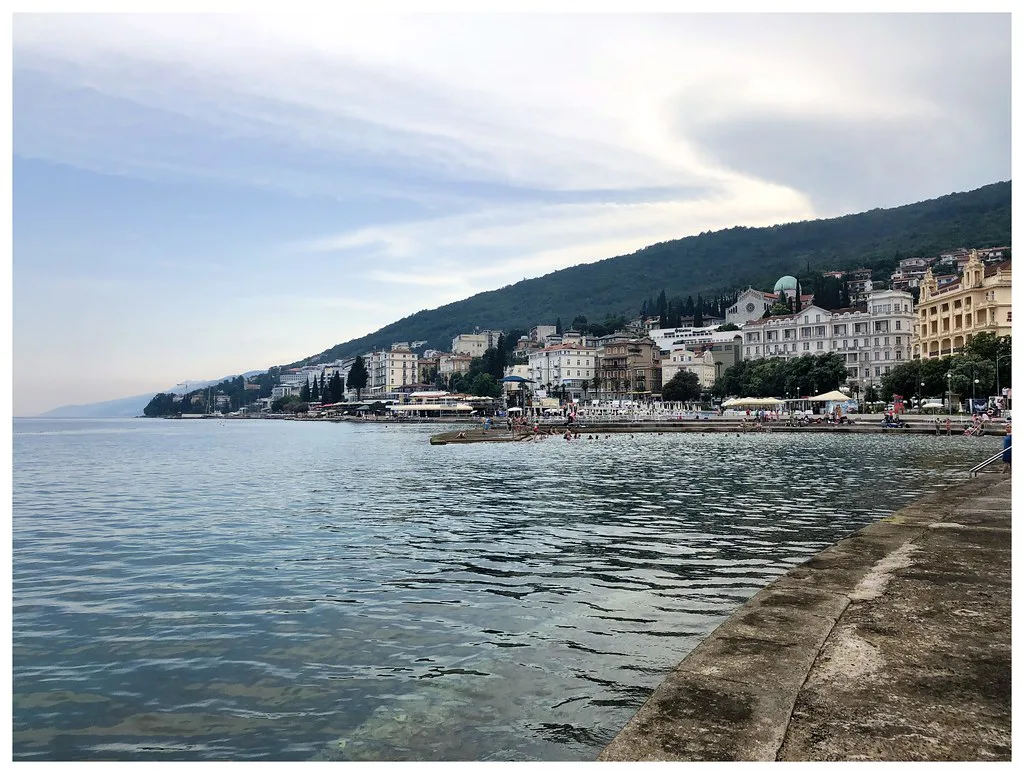
Officially the Obalno šetalište Franje Josipa I, or Franz Joseph I Promenade, the Lungomare runs along the shore of Kvarner Bay past coves, villas and the town centre of Opatija. The Opatija tourist board describes it as a 10-kilometre uninterrupted walkway through neighbouring villages and central Opatija, with open-sea views throughout.
Not every route description gives the same length: a map listing of the trail puts it at 12 km end to end and dates the promenade's development from 1885. Treat the figure as approximate and plan by the section you intend to cover rather than by total distance.
The full address used for the promenade is Obalno šetalište Franje Josipa I, Opatija. Because the route passes through several settlements, you join it wherever you are staying along the shore.
The route at a glance
The northern end sits at Volosko, a small fishing settlement immediately north of Opatija. From there the path runs south through central Opatija, then on through Ičići and Ika before reaching Lovran at the southern end.
A map listing of the trail names the same chain of places, Volosko, Opatija, Ičići, Ika and Lovran, so you can use it as a rough ordering of stops. Each has its own shoreline and its own reason to pause.
Wider Kvarner planning is worth doing separately: the Kvarner: a guide to Rijeka, the Opatija riviera and the islands of Krk, Cres, Lošinj and Rab helps you decide how many days the riviera deserves before you fix the walking day.
How the walk breaks into sections
For a short stroll, the central Opatija stretch is the obvious pick: it holds the town-centre sights, the cafés and the easiest access from town. Two hours or less on this stretch gives you the flavour without committing to a one-way transfer at the far end.
For the full route, walk Volosko to Lovran or the reverse and arrange a bus or taxi back rather than retracing the whole line. The promenade is linear, so an out-and-back doubles your distance and your time on the same paving.
A sensible middle option is Volosko to Opatija in the morning, when the northern end is quiet, then a separate afternoon on the southern stretch towards Ičići and Ika. Splitting the route lets you stop for lunch in town without leaving the walk half-finished.
The Opatija centre: Maiden with the Seagull and the villas
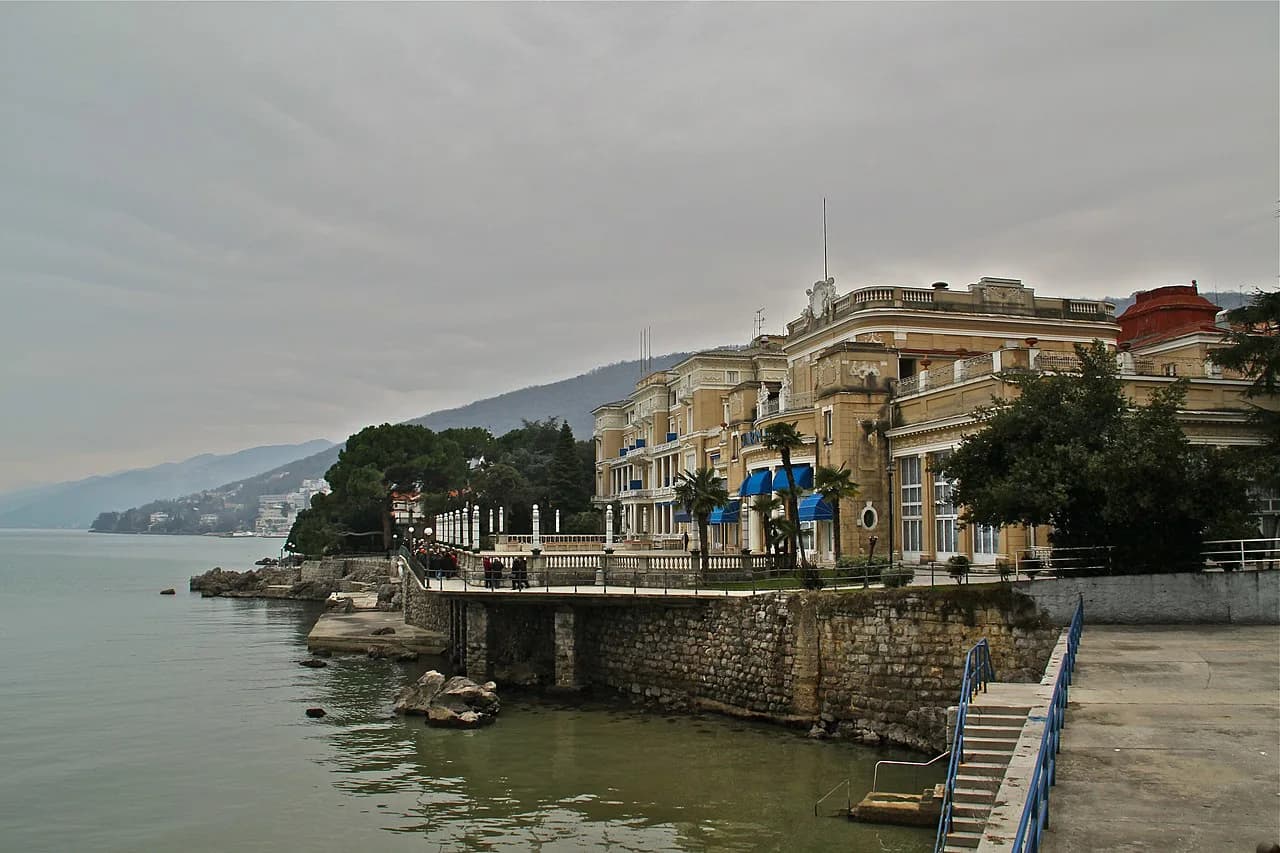
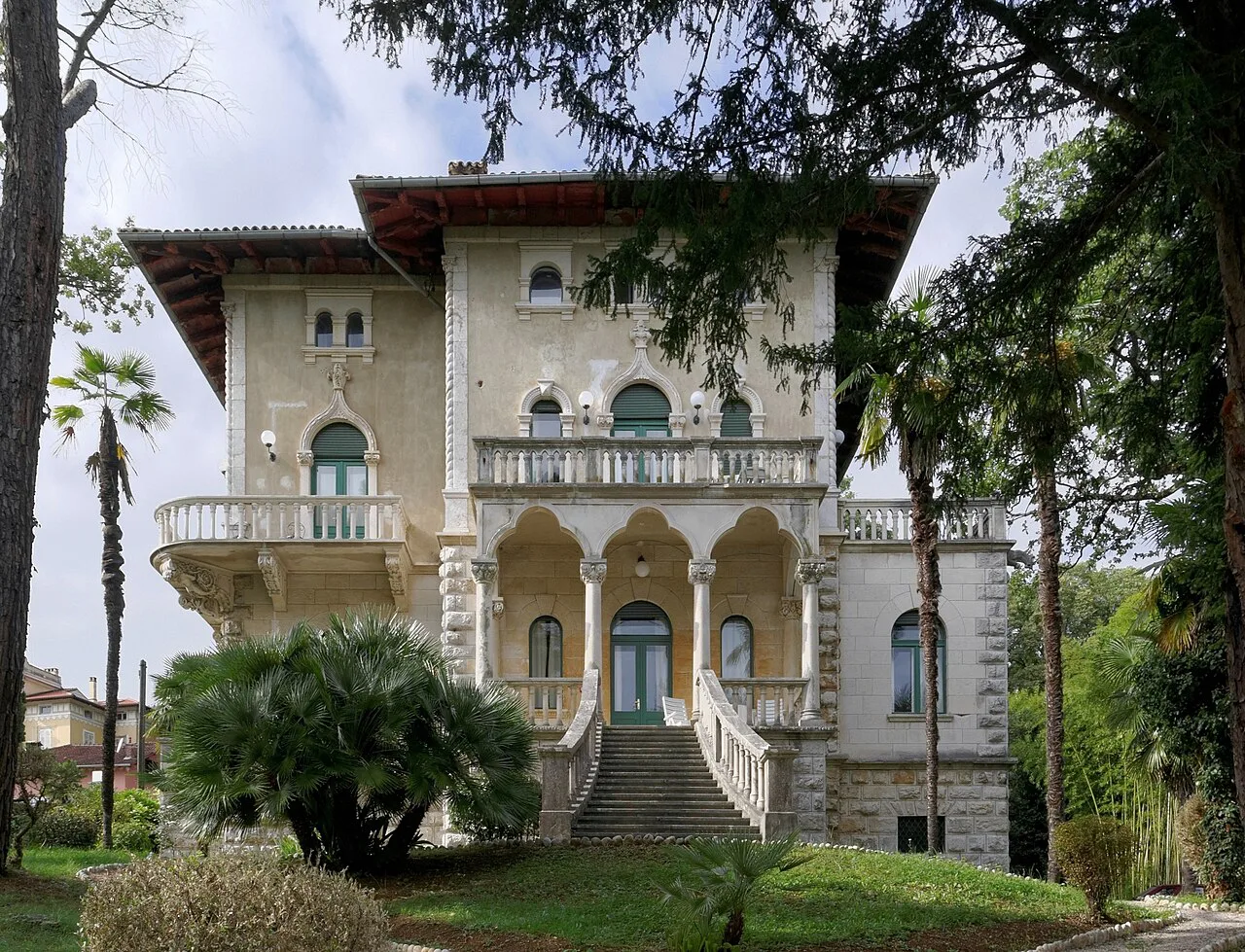
Central Opatija is where the promenade earns its reputation. The Opatija tourist board points to the Maiden with the Seagull landmark and the Art Nouveau villas lining the route, with beaches and landmarks opening up between them.
This is the stretch to slow down on. The Maiden with the Seagull is the town's signature seafront marker, with the Art Nouveau villas lining the route around it.
The tourist board notes that wild fennel and laurel grow along parts of the route, a small detail that tells you the path is not uniformly manicured promenade. Wear shoes you can walk in rather than anything precious, and keep an eye on the surface underfoot.
Volosko to Opatija: the northern end
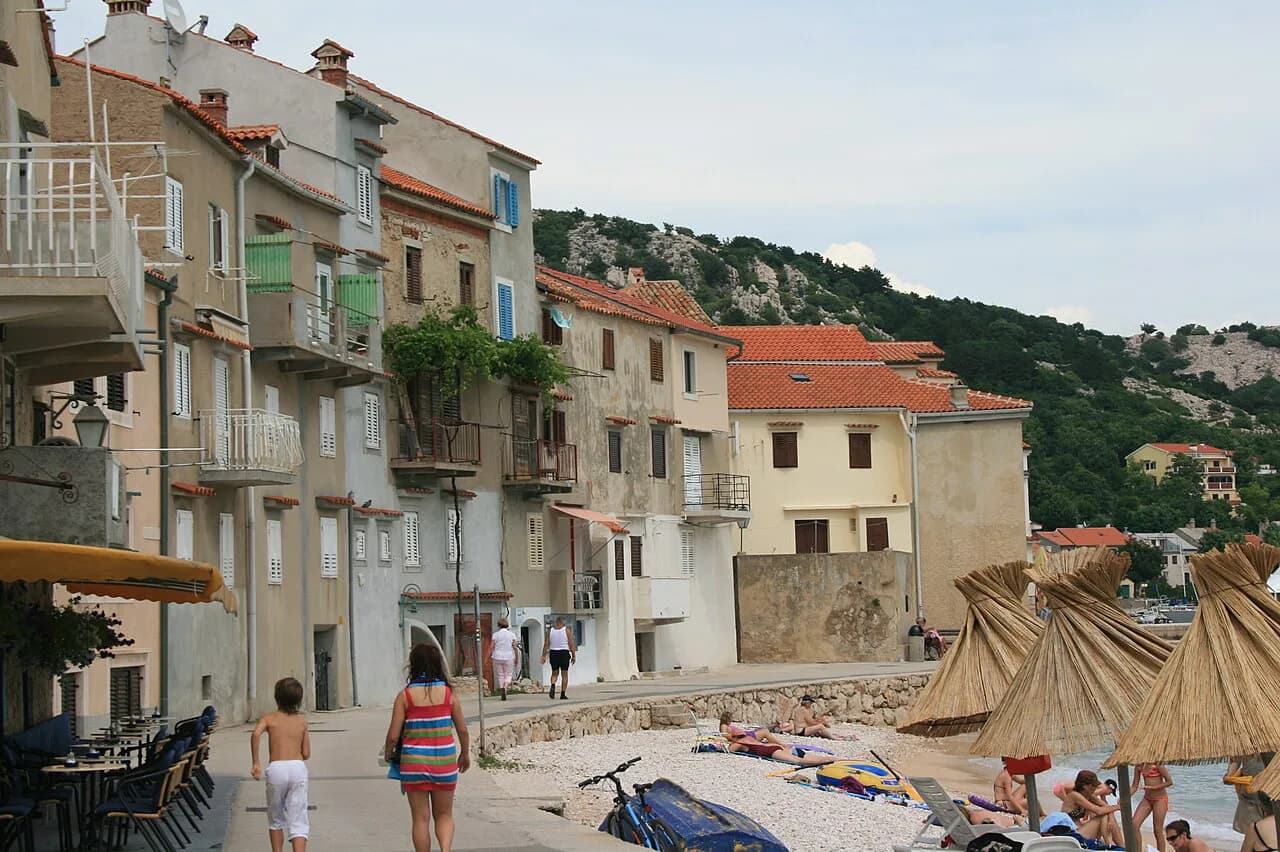
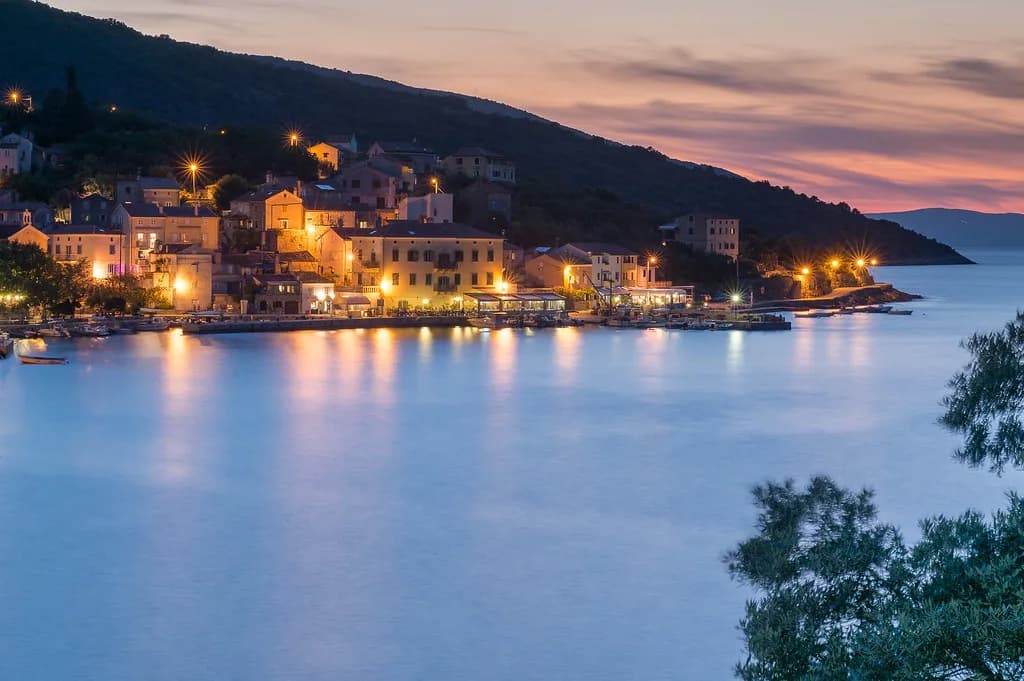
Volosko has the feel of a fishing village rather than a resort, which makes it a natural start to the walk before Opatija's villas take over. The northern stretch is short enough to combine with a slow breakfast in the village.
Walking south from Volosko into Opatija, you enter the town centre within a manageable stretch of coast, which makes this the best section if you have only a morning. It also means you can abandon the walk at any point without being stranded far from a bus or a café.
Opatija to Lovran: the longer southern stretch
South of Opatija the promenade passes through Ičići and Ika before reaching Lovran, and this is the part that rewards a full half-day. The tourist board describes the walkway as running through these neighbouring villages towards Lovran, with coves and open-sea views along the way.
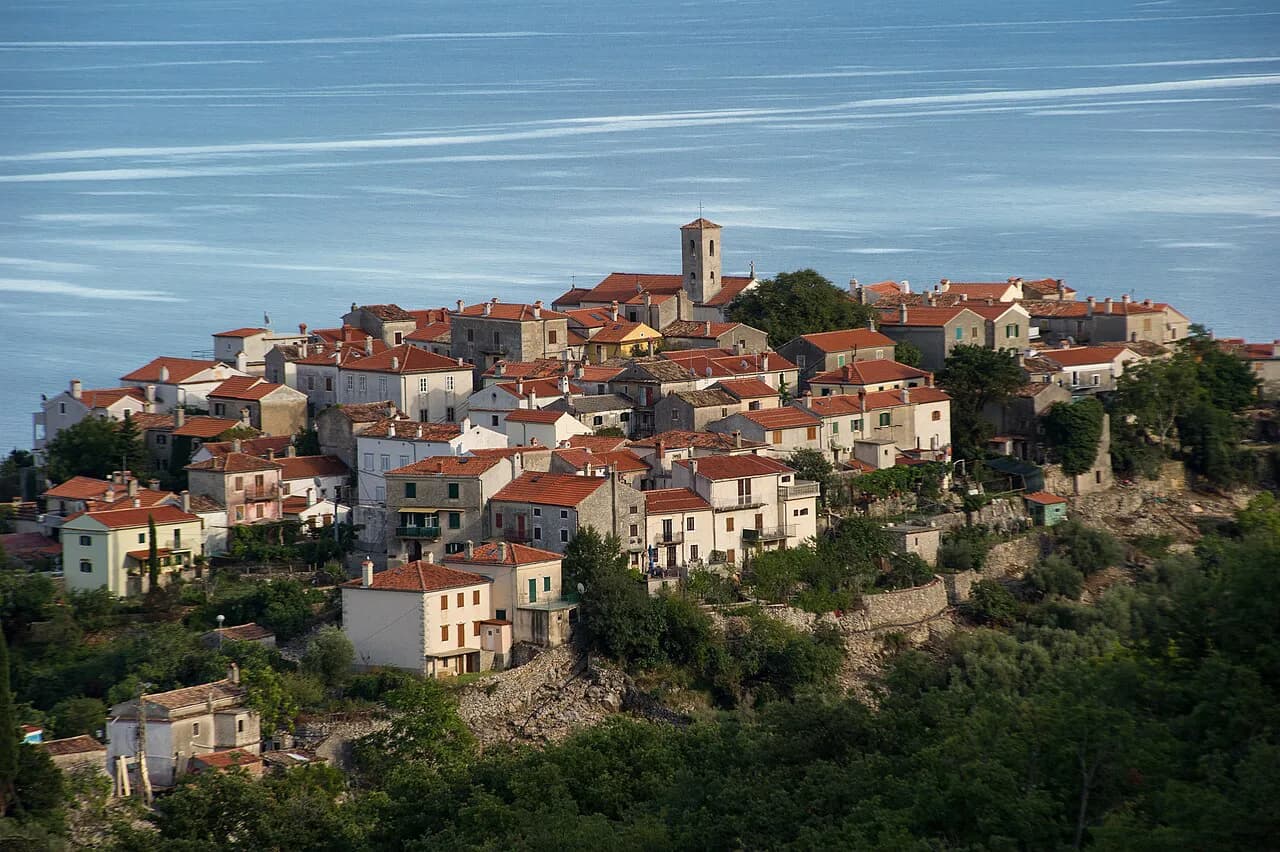
Lovran itself has an old centre above the shore, worth an hour once you arrive rather than turning straight round. Plan the day so the walk ends there and the return is by road.
If you have time for more of the Kvarner coast, the islands of Krk, Cres, Lošinj and Rab are all reachable from this part of the riviera, though they sit well beyond the promenade's reach by foot.
Surface, steps and pacing
The Lungomare is a coastal path rather than an even promenade: it follows the shoreline past coves and beaches, so expect changes of level and uneven surface along the way. The tourist board highlights hidden coves and views of beaches and landmarks rather than a uniform walkway, which is a fair warning to pace yourself.
For the central stretch, allow a relaxed half-day with stops; for the whole line from Volosko to Lovran, plan most of a day or split it across two. Because the route is one-way, decide your turning-back point before you set off rather than improvising when the return looks long.
When to walk it
Summer brings heat and the heaviest foot traffic on the central Opatija stretch, which is where cruise and coach visitors concentrate. Walk early in the morning or late in the afternoon, and keep the middle of the day for the shaded town rather than the open sea front.
Spring and autumn give quieter paths and cooler walking, which suits the longer Volosko to Lovran route. The Opatija tourist board presents the town as both a winter and a summer destination, so shoulder-season walking fits how it frames the resort.
The bura wind and a rough sea
The promenade is fully exposed to Kvarner Bay, so the bura, the cold, gusty north-easterly wind, makes some days unpleasant on the open stretches. On a windy day the central Opatija section, with buildings and shelter close by, is the safer choice than the longer run towards Lovran.
Rough sea can put spray over the path and make wet stone slippery on the coves and beach sections. If the forecast is poor, shorten the walk and stay on the town stretch rather than committing to a one-way route with a long return.
Practical details: address, water and starting points
The promenade's address is Obalno šetalište Franje Josipa I, Opatija, which is what you enter into a map app to find the central access points. You simply join the path from the town or from Volosko and Lovran at either end.
Carry water and sun protection on the exposed sections, since shade is patchy away from the villas and trees. Fill up in town before setting off towards Ičići and Ika, where the path runs further from the centre.
Opatija's tourist information centre is listed at Maršala Tita 146, 51 410 Opatija, and is the place to ask about walking conditions and transport back from Lovran before you set out.
Which stretch of the Lungomare should you walk?
If you have one morning, walk Volosko into central Opatija and stop at the Maiden with the Seagull and the villas; if you have a full day, go one way from Opatija or Volosko to Lovran and return by road. The linear shape of the promenade is the one thing to plan around, not the distance.
Then check the weather for wind and sea state, and confirm with the tourist information centre in Opatija before committing to the longer southern stretch.
Explore more Kvarner guides
Frequently Asked Questions
How long is the Lungomare in Opatija?
The Opatija tourist board describes it as a 10-kilometre uninterrupted walkway, while a map listing of the trail gives 12 km for the full route from Volosko to Lovran. Treat the length as approximate and choose a section rather than assuming you must cover it all.
Is the Lungomare free to walk?
The Opatija tourist board describes the Lungomare as an uninterrupted seafront walkway through the neighbouring villages and central Opatija that you join from the town or from either end at Volosko and Lovran. It is an open coastal path with no gate or ticket mentioned; any costs come from transport back to your starting point or from cafés along the way.
Can you walk the Lungomare from Volosko to Lovran in one go?
It is a continuous route through Volosko, Opatija, Ičići, Ika and Lovran, so it can be done in one direction in a long day. Because it is linear, arrange a bus or taxi back rather than walking the whole way twice.
Is the Hotel Lungomare the same as the promenade?
No. Hotel Lungomare Opatija is a town-centre hotel near the coastal promenade, while the Lungomare is the public seafront walkway itself. Search results often mix the two, so check which one you are booking or looking up.
Sources
Notes from the Croatian coast
Optional updates when our guides change.
You might also like
Continue reading
More guides you'll find useful