Senj, Croatia: Nehaj Fortress, Old Town and Uskok History
Senj packs a cliff-top fortress, a Romanesque cathedral and Uskok history into a compact old town. Here is how it is laid out and how long it needs.
On this page
Senj rewards a half day, and a full day if you want the fortress, cathedral and museum without rushing. The town is squeezed between the sea and the Velebit foothills, so the old centre and harbour sit at sea level while Nehaj Fortress occupies the hill directly above them; that vertical layout is what decides how much walking a visit costs you. This guide covers the layout, the fortress and cathedral, the Uskok story behind both, a walking route through the centre, and the mountain and coastal add-ons that need their own time.
Where Senj sits on the upper Adriatic
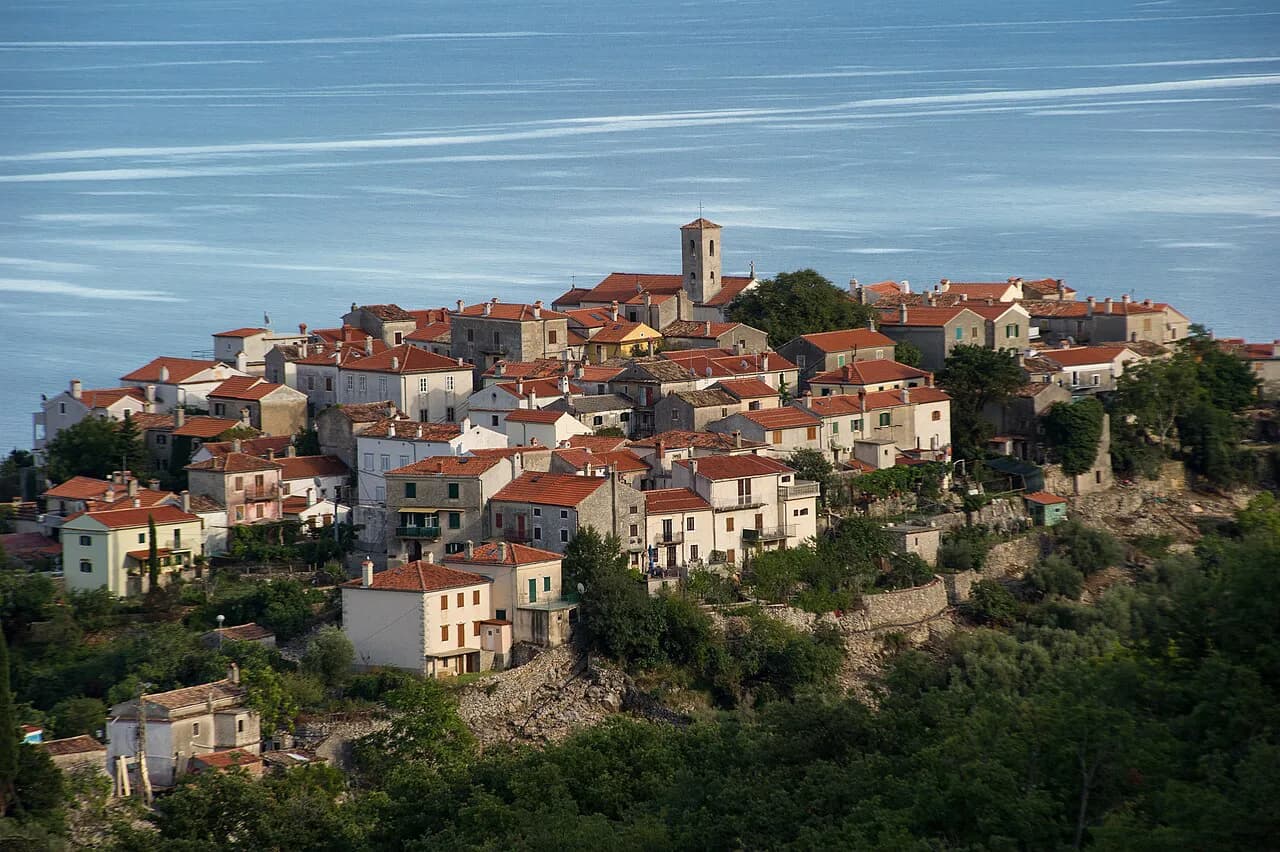
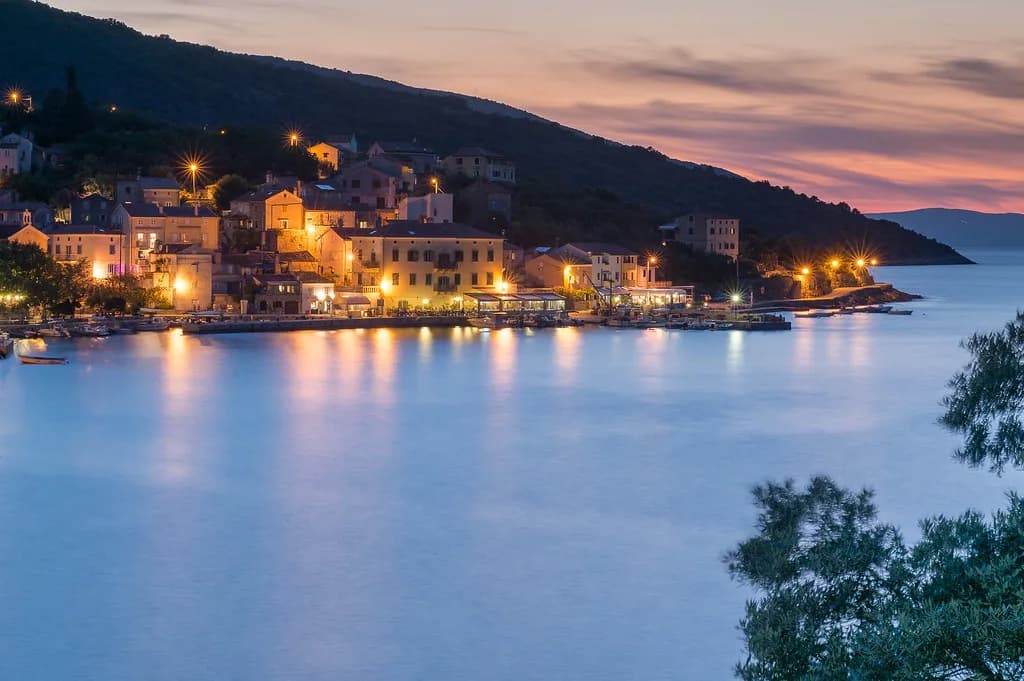
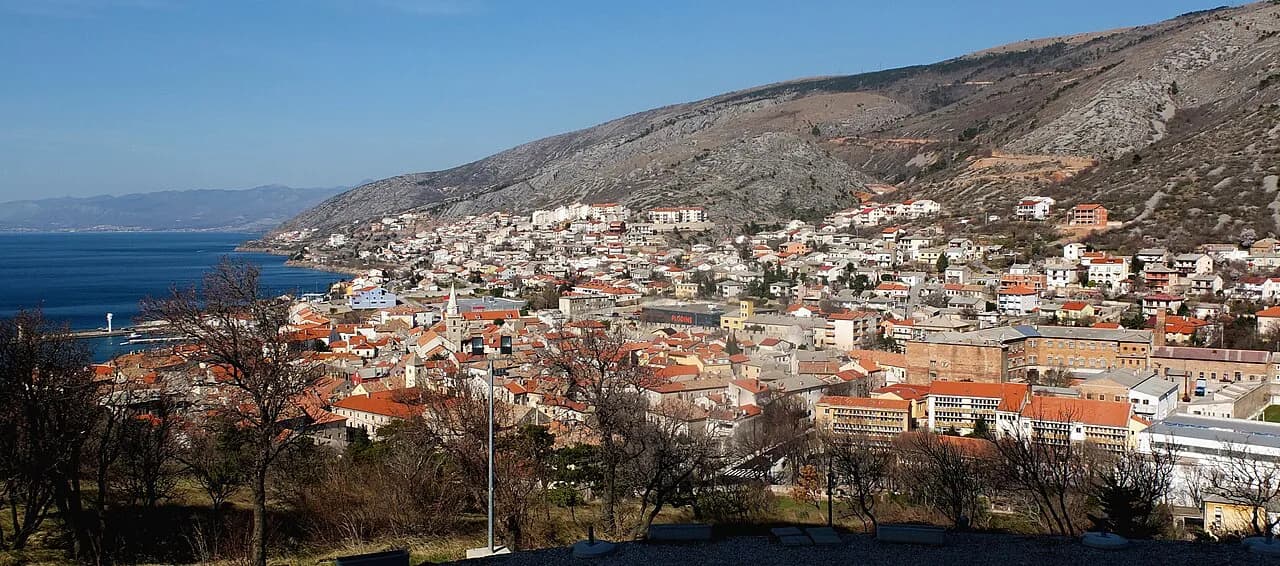
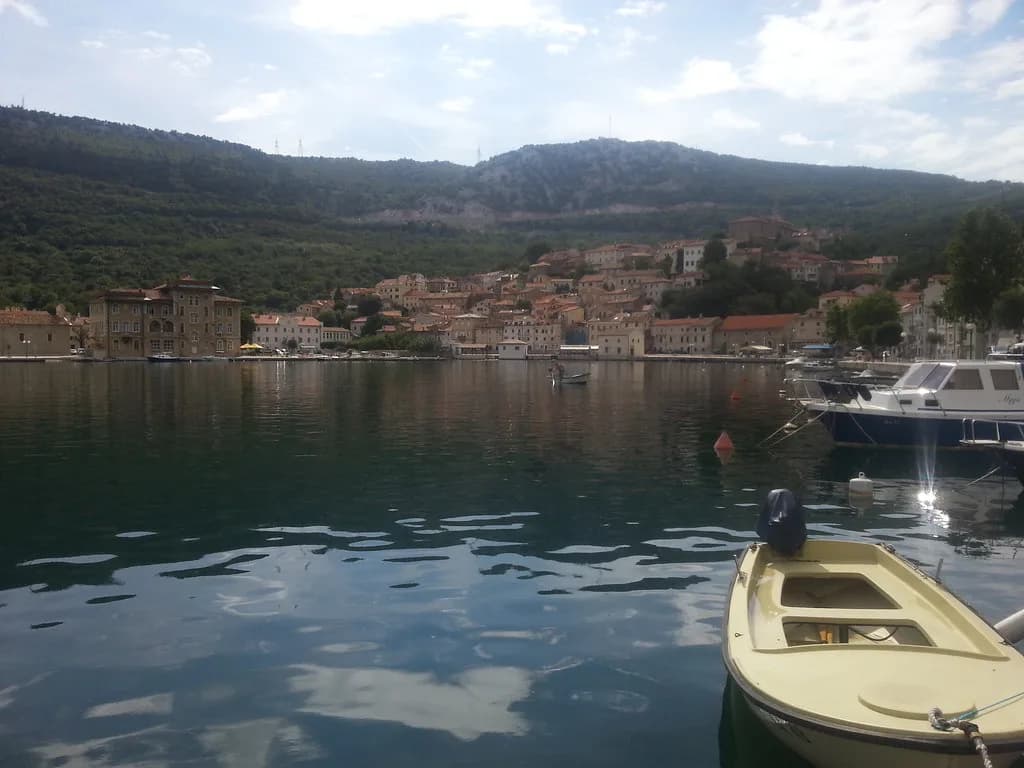
Senj lies on the upper Adriatic coast in Croatia, in the foothills of the Mala Kapela and Velebit mountains. That position explains almost everything about the place: a narrow strip of town against the water, mountains rising immediately behind, and a climate that swings between Mediterranean warmth at the shore and mountain conditions inland within a few kilometres of sea level. It also makes Senj a natural break on a coast journey rather than a resort you settle into for a week.
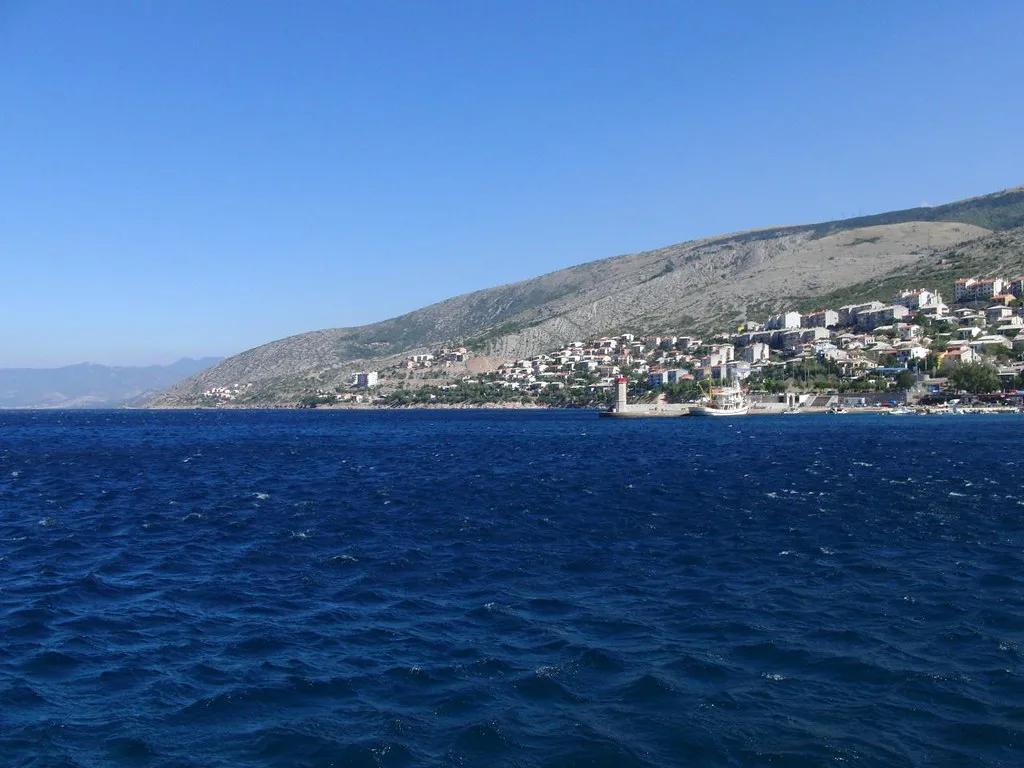
How the town is laid out: the old centre, the harbour front and the climb to Nehaj
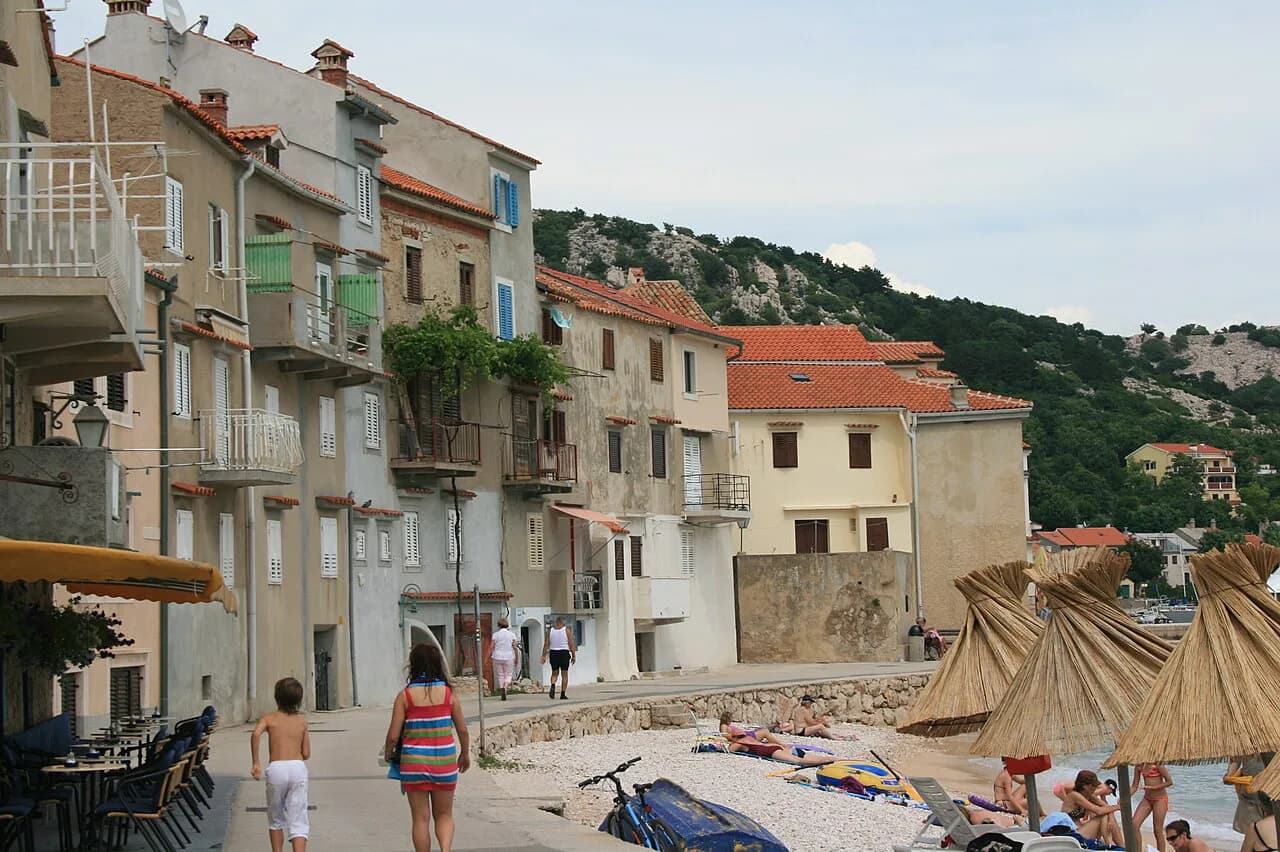
Think of Senj as two levels. The lower level holds the old centre and the harbour front, where the cathedral and the museum sit close together and everything is walkable on flat ground. The upper level is Nehaj, the hill above the rooftops, reached on foot by a climb from the centre. Judging how much of the day to give the fortress is mostly a question of how much uphill walking you want in the heat.
Because the compact core is small, Senj suits travellers who want to see a town rather than tick off a list of suburbs. On a busy summer afternoon the centre can feel full very quickly, since there is little room to spread the crowd. Earlier in the day or later in the evening, the same streets empty out and the layout works in your favour.
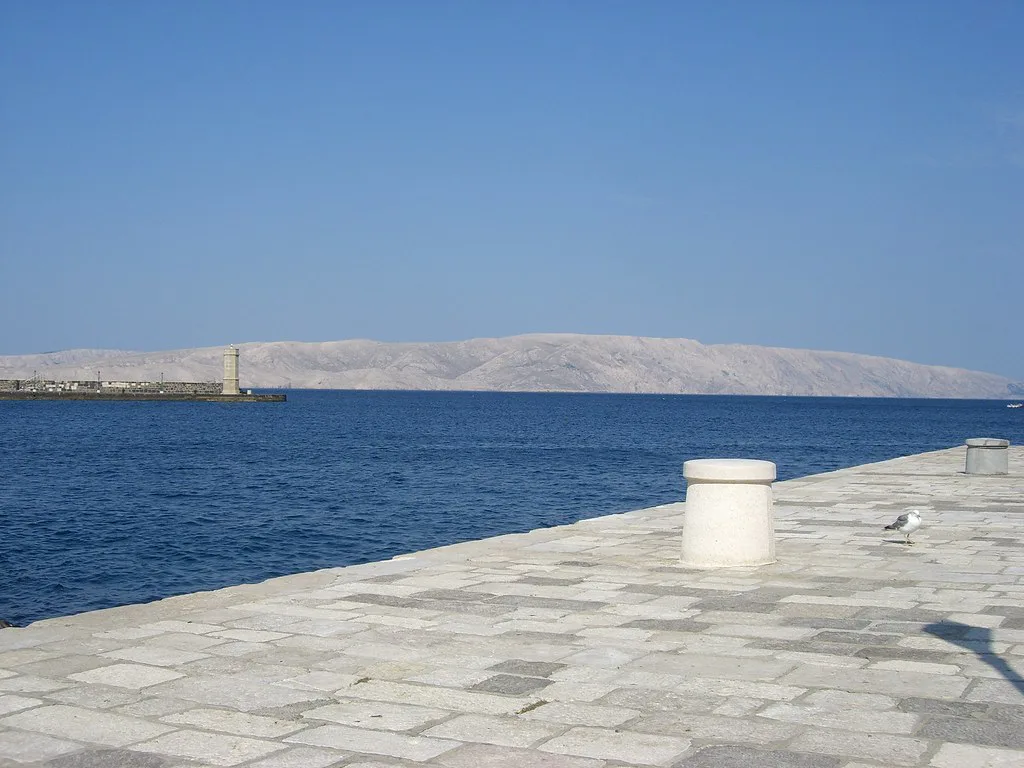
Nehaj Fortress: the 1558 stronghold above the town
Nehaj Fortress was built in 1558, at a time when the Ottoman Turks and Venice were at the height of their power, and it was raised as part of Senj's defence against attacks aimed at seizing control of the town. Standing on the hill above the centre, it was designed to watch the sea approaches and the land behind, which is exactly what the position gives you today. The fortress is the reason most visitors stop in Senj at all.
The walk up is a short but continuous climb rather than a long hike, and the reward is the town laid out below and the Velebit wall behind it. Give it proper time in each direction at an unhurried pace, more on a hot afternoon. If the bura is blowing hard, the exposed upper sections of the climb are where you will feel it first; the sheltered old-town streets below stay far more comfortable.
Senj's tourist pages list Nehaj among the town's headline attractions and treat it as the anchor of a visit. They do not publish a fixed ticket price or daily opening pattern for the season you will travel in, so check the current arrangement with the town tourist board in Stara cesta before you climb, particularly outside high summer.
The Uskoks: who they were and why they settled in Senj
The Uskoks were mountain people from Herzegovina and rebellious, warlike Dalmatians who fled Ottoman advances and found shelter in Klis. After Klis fell in 1537, most of them settled in Senj and its surroundings, which is why a small coastal town carries such a martial history. Their arrival turned Senj into a frontier garrison, and the fortress above the roofs is the physical expression of that change.
Reading the Uskok story first makes the rest of the town legible: the defensive position, the compact walled core, the church that served a garrison town. The tourist board keeps a dedicated page on the Uskoks alongside its Nehaj material, and an hour spent there before climbing saves guesswork at the top. Treat the history as the reason the fortress exists rather than a separate chapter of the day.
St Mary's Cathedral and the Romanesque core
The Cathedral of the Virgin Mary is a Romanesque building that probably dates from the eleventh or twelfth century, and it sits at the heart of the old centre rather than on its edge. Excavations around the cathedral, in front of the portal and behind the apse, uncovered early Christian tombs, mosaics and ceramics, which tells you the site was in use long before the present church. It is a short visit, but it is the piece of Senj that most clearly predates the Uskok era.
Pair the cathedral with the lanes immediately around it rather than treating it as a standalone stop. The Romanesque core is small enough to absorb in half an hour, and it gives the old centre a shape to walk through before you start the climb to the fortress.
Senj Town Museum, Glagolitic printing and the writers' park
The Senj Town Museum and the Glagolitic printing heritage are the town's other indoor draw, and together they explain a side of Senj that the fortress cannot. The tourist board lists the Glagolitic Script and Senj Printing Works as a named attraction alongside the museum, so plan them as one pass through the centre. The Park of Senj Writers and the 45th Parallel sundial are outdoor markers in the compact centre, useful as waypoints on a walk rather than destinations in themselves.
Opening arrangements for the museum follow a seasonal pattern rather than a year-round one, and the town publishes them through the tourist board rather than in one fixed listing. Build the museum into the middle of the day, when the sun is at its strongest, and keep the fortress for the morning or late afternoon.
A short walking route through the centre and up to Nehaj
Start at the harbour front and work inland through the old centre, taking in St Mary's Cathedral and the lanes around it while the day is still cool. Add the museum and the Glagolitic displays if they are open, then cross to the Park of Senj Writers and the 45th Parallel sundial as your last flat stop before the climb. From there the route goes uphill to Nehaj and returns by the same way, which keeps the descent simple.
Allow two to three hours for the whole circuit at a relaxed pace, with a proper pause at the fortress. The trade-off is straightforward: doing the climb first gives you the clearest light and the emptiest path, while doing it last means the museum and cathedral are behind you and the day ends with the view. Either works, but do not leave the fortress for the middle of a hot afternoon if you can avoid it.
How long Senj needs: half a day, a full day or an overnight
A half day covers the old centre, the cathedral and the climb to Nehaj without hurrying, and that is enough for most travellers passing along the coast. A full day adds the town museum, the Glagolitic heritage and a slower harbour walk, and it is the better choice if you are staying overnight. If the bura is blowing, cut the exposed fortress climb short and give the time to the indoor sights instead.
What Senj does not need is a week. Its compact centre is the point: you can see the town properly in a day, then use it as a base for the mountain and coastal sights that sit around it. That makes it a strong one-night stop on a longer coastal route rather than a destination in its own right for a fortnight.
Zavratnica bay and Jablanac: the coastal walk
Zavratnica is one of the most striking bays on the Croatian coast, a narrow inlet that reads like a miniature Norwegian fjord, and it is about a 15-minute walk along the coast from Jablanac. You can also approach it from the village of Zavratnica, descending a sandy path from a lookout point down to the water. Either way it is a separate outing from the town day, with its own travel time, so do not try to bolt it onto a half day in Senj.
Northern Velebit National Park as the mountain side of a stay
Northern Velebit National Park concentrates a remarkable range of sights in a mostly mountainous area: the karst forms of Hajdučki and Rožanski kukovi, a botanical garden, and Lukina cave, one of the longest in the world. The Premužić trail links the top parts of northern and central Velebit from Zavižan to Baške Oštarije over 57 km, named after its designer Ante Premužić. For a Senj stay, the park is the mountain counterpart to the coast, and it needs its own day rather than an afternoon.
When to come: summer crowds, cruise traffic and the bura
High summer brings the trade-off that defines Senj: a compact centre that fills quickly on busy days and empties again by evening. Time your old-town walk for early morning or late afternoon and the same streets feel entirely different. Outside peak season the town is quieter, but some seasonal openings narrow, so confirm the museum and fortress arrangements before you build a day around them.
The bura, the cold north-easterly wind that funnels down from the Velebit side, is the other variable. It clears the air and sharpens the views but makes the exposed climb to Nehaj and any boat time uncomfortable, so keep a flexible second half-day in reserve if your plans depend on being outside. Senj's live webcam, published by the tourist board, gives you a look at conditions in town before you commit to the hill.
Getting there and onward along the Senj riviera
Senj works as a stop on the coastal road between the Kvarner Gulf and Dalmatia, and the town's own pages set out its position and local transport information alongside a map. The Senj riviera continues south through named places such as Sveti Juraj, Lukovo, Klada, Starigrad, Jablanac, Stinica and Prizna, so you can string the coast together rather than turning inland immediately. Sveti Juraj and Jablanac are the natural next stops if you are heading towards the Velebit channel and the islands beyond.
Beyond Senj, the wider region opens up through the Kvarner: a guide to Rijeka, the Opatija riviera and the islands of Krk, Cres, Lošinj and Rab, which is worth planning as a separate leg if you have more than a day in this part of Croatia. Treat Senj as the northern gateway to that stretch rather than a place to rush through on the way to somewhere else. Rijeka makes the obvious first city stop on that leg, and our Rijeka guide covers its old town on foot.
Beaches in one sentence
Swimming fits neatly into a Senj day, with beaches listed for the town and the surrounding area, but this is a town guide rather than a beach guide, so pick your spot on arrival and keep the rest of the day for the centre and the fortress.
Is Senj worth the stop?
Yes, if you give it a half day at minimum and treat the fortress climb as the centrepiece rather than an afterthought. The combination of a Romanesque cathedral, a compact old centre and a 1558 stronghold with the Uskok story behind it is more than most towns of this size offer. What Senj does not have is space: on a crowded summer day the centre tightens quickly, so go early or late and keep the mountain and Zavratnica outings for a separate block of time.
Book the overnight if you want Northern Velebit or Zavratnica as well, and keep the town day separate from the mountain day. If your time is tight, the fortress and cathedral are the two things to protect, and everything else in the centre fits around them.
Explore more Kvarner guides
Frequently Asked Questions
How do you pronounce Senj?
The name is pronounced roughly as 'seny', with the nj sounding like the ny in canyon. English speakers who say it as a hard 'Senj' will still be understood, but the softened ending is the local form.
Is Senj worth visiting on a Kvarner or Dalmatia coast trip?
Yes, as a half-day or one-night stop. The old centre, St Mary's Cathedral and the climb to Nehaj Fortress fit into a few hours, and the town sits directly on the coastal route between the Kvarner Gulf and Dalmatia. Add a second day only if you want Northern Velebit National Park or Zavratnica bay as well, since both need their own travel time.
Sources
Notes from the Croatian coast
Optional updates when our guides change.
You might also like
Continue reading
More guides you'll find useful